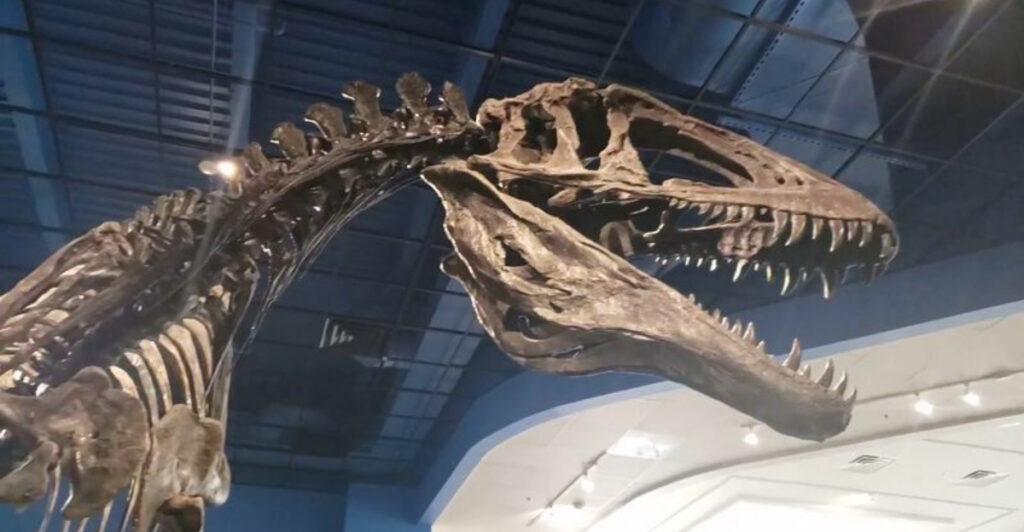
There is a museum tucked away in a small corner of southeastern Oklahoma that has been quietly stunning visitors for decades, and most people outside the region have never heard of it. Free admission, over 41,000 objects in its collection, a dinosaur skeleton, world-class artifacts, and a kids’ activity center that actually keeps children engaged, all under one roof.
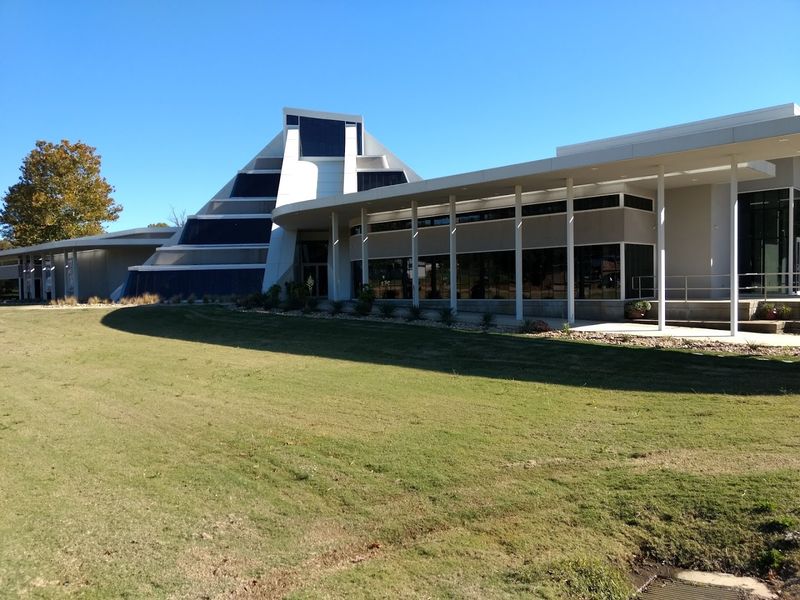
The building itself turns heads before you even walk through the door. By the time you leave, you will likely be wondering how a town this size ended up with a museum this good.
Where to Find It and What to Expect at the Door
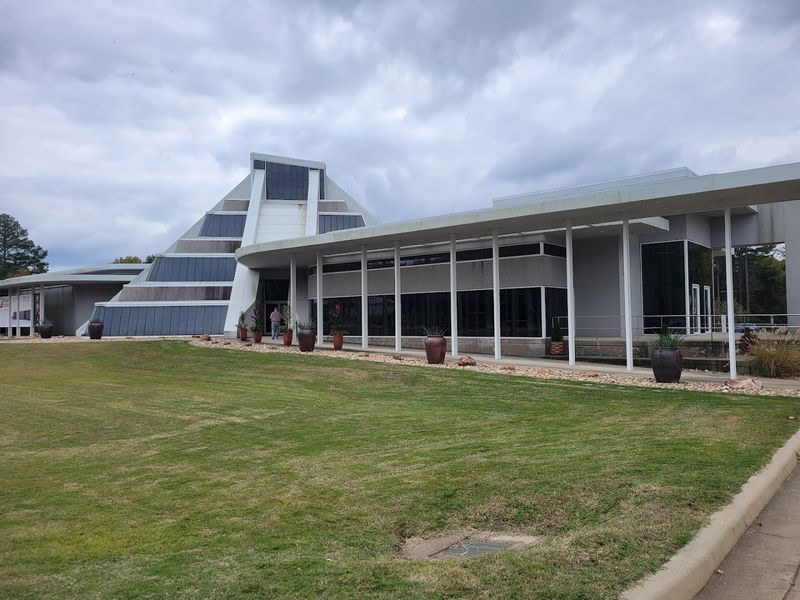
The address is 812 E Lincoln Rd, Idabel, OK 74745, and the moment you pull up, the building itself earns a second look. The exterior is genuinely distinctive, with large outdoor murals painted on the walls near the back exit that are so realistic visitors regularly stop to take photos in front of them, making it look as if you have stepped right into the scene.
Idabel is a small city in McCurtain County in the far southeastern corner of Oklahoma, close to the Texas and Arkansas borders. The surrounding area is lush and forested, which makes the museum feel like a welcome surprise tucked into the landscape.
Admission is completely free, though there is a donation box near the entrance if you feel moved to contribute after your visit. The staff greets you warmly and offers a paper guide to help you navigate the winding layout of rooms and exhibits, which is genuinely useful given how much ground there is to cover.
Hours run Tuesday through Saturday from 10 AM to 5 PM, and Sunday from 10 AM to 3 PM, with Monday being the one day the doors stay closed.
A Collection That Defies Small-Town Expectations
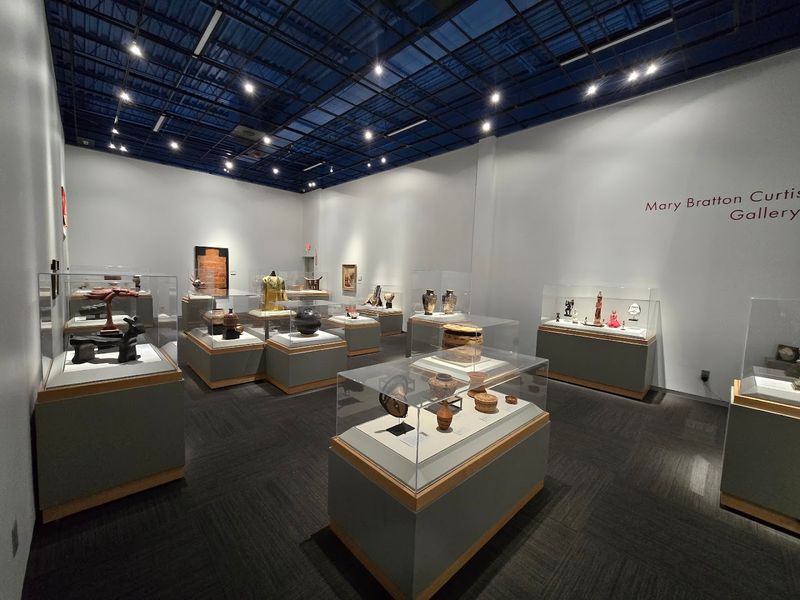
Most people expect a modest regional museum when they visit a small town in rural Oklahoma. What they find at the Museum of the Red River is something else entirely: a collection of more than 41,000 objects that spans continents, centuries, and cultures in a way that would impress visitors at a much larger institution.
The collection includes Native American artifacts, global ceramics, woven baskets, pottery, paintings, sculptures, gemstones, arrowheads, and historical tools, among many other things. The breadth of it is genuinely hard to process on a first visit, and many people find themselves doubling back through rooms they thought they had already finished.
The museum holds all of the objects in its collection outright, meaning every piece on display is owned and maintained by the institution itself. That level of curatorial ownership at a free regional museum is rare and speaks to the serious commitment the organization has made to preserving and sharing history.
The exhibits are thoughtfully organized and clearly labeled, making the experience accessible to visitors of all ages and backgrounds without feeling dumbed down or rushed.
The Dinosaur That Steals the Show
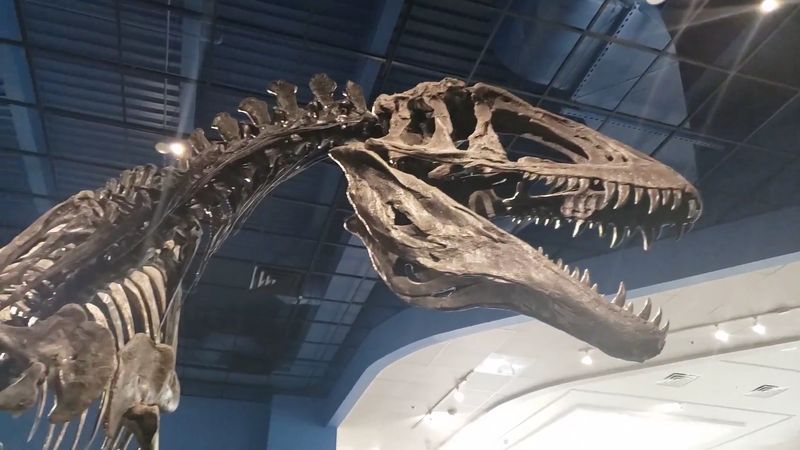
Few things in a museum create the kind of instant, wide-eyed reaction that a full dinosaur skeleton does, and the one on display here delivers exactly that. The skeleton represents an Oklahoma dinosaur that was actually excavated in the region, which gives it a local significance that goes beyond pure spectacle.
Kids go absolutely quiet the moment they see it, which is saying something. Adults tend to hover nearby longer than they planned, reading the information panels and craning their necks to take in the full scale of the fossil display.
It anchors the natural history section of the museum in a way that makes the surrounding exhibits feel even more exciting by association.
The dinosaur display is one of the most frequently mentioned highlights by visitors, and it is easy to understand why. There is something about standing a few feet away from an actual excavated skeleton that no photograph or textbook can replicate.
For families with young children especially, it tends to be the moment the whole trip clicks into place and the museum goes from interesting to genuinely memorable. The exhibit is educational without being dry, and that balance is harder to achieve than it looks.
Native American Heritage at the Heart of the Museum
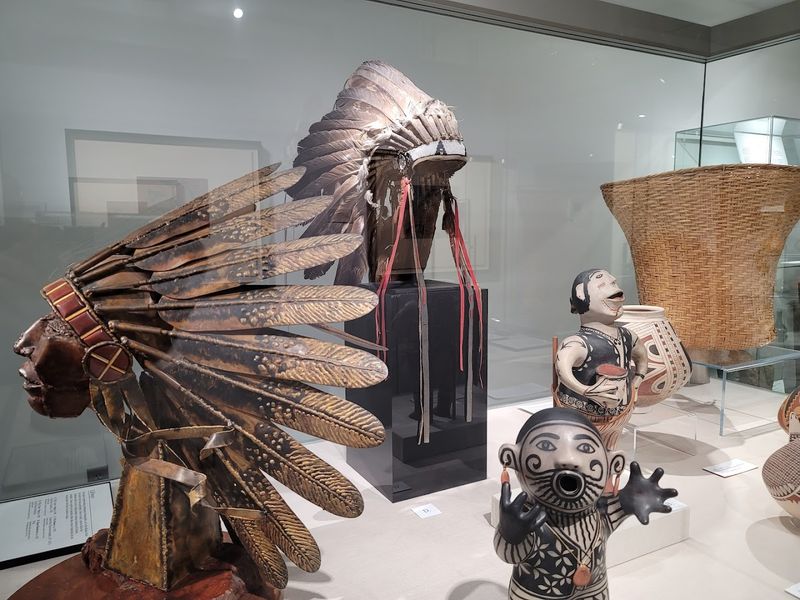
The museum sits in a part of Oklahoma with deep Indigenous roots, and that heritage is front and center throughout the collection. The Choctaw Nation has a strong presence in McCurtain County, and the exhibits reflect that history with care and detail that goes well beyond surface-level representation.
Arrowheads fill entire drawers that visitors can browse through, each one a small, tangible connection to the people who lived and worked in this region long before any museum existed. The beadwork on display is intricate and beautiful, and the pottery collection ranges from ancient utilitarian pieces to finely crafted ceremonial objects that showcase extraordinary skill.
One of the standout features is the massive collection of woven baskets, which visitors consistently single out as a highlight. The variety of weaving techniques, materials, and designs on display tells a story about craftsmanship and cultural identity that is both educational and visually striking.
For anyone with an interest in Indigenous history, this section alone is worth the trip to Idabel. The museum treats these objects with the respect they deserve, presenting them in context rather than simply as curiosities on a shelf.
Global Artifacts in a Surprisingly Local Place
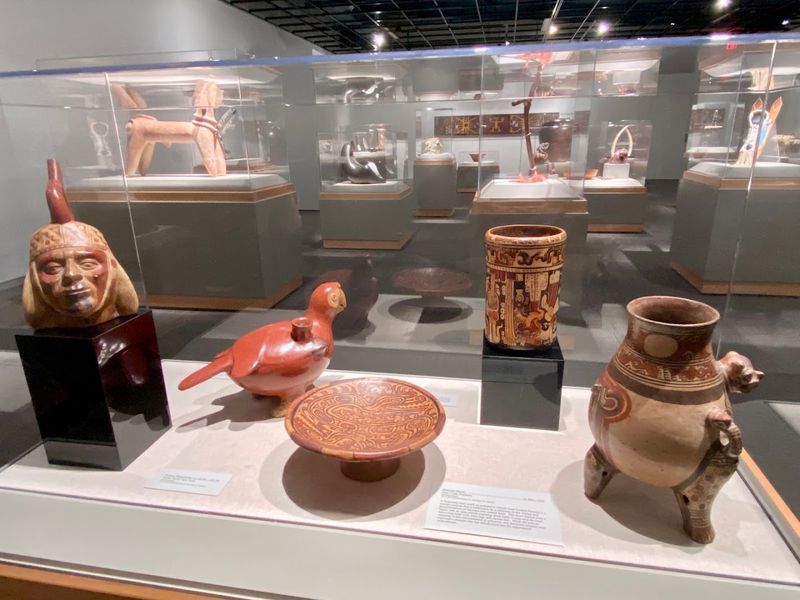
One of the most unexpected things about this museum is how far its collection reaches geographically. Alongside the local and regional history exhibits, there are artifacts from cultures spanning Africa, Asia, Europe, and beyond, creating a kind of global conversation happening inside a building in a small Oklahoma town.
A whole room dedicated to masks from around the world is one of the more memorable stops on any visit. The variety of styles, materials, and cultural meanings represented in that single room is remarkable, and it prompts the kind of slow, thoughtful looking that is easy to skip in a busier or more crowded institution.
The global scope of the collection is the result of donations from collectors and contributors who believed the museum was a worthy home for significant objects. The staff takes pride in contextualizing each piece so that visitors understand not just what they are looking at but why it matters.
That curatorial intention makes the difference between a room full of things and an actual exhibit worth your time. Few free museums anywhere in the country can claim this kind of international range, and that fact alone makes the Museum of the Red River genuinely extraordinary.
The Kids’ Zone That Actually Works
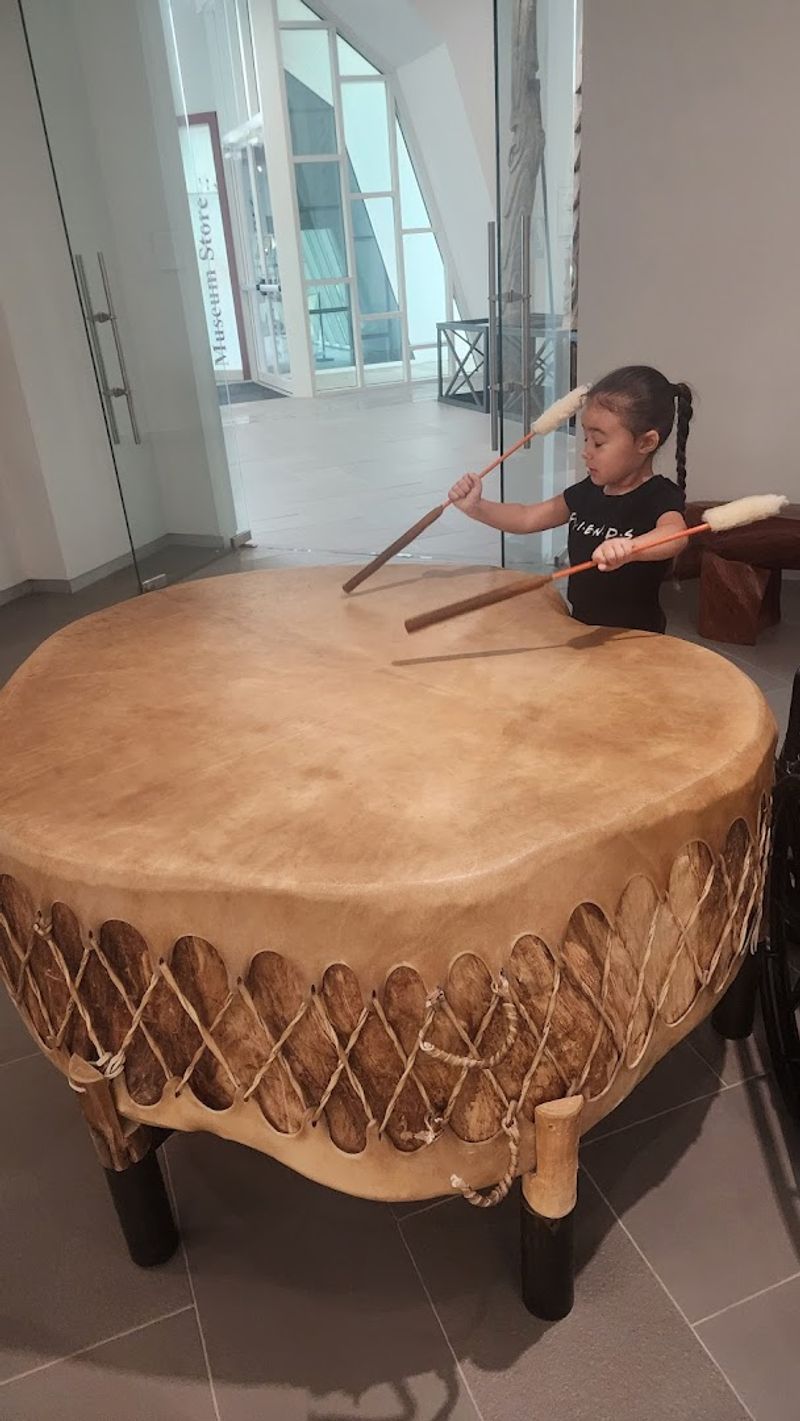
A museum with a dedicated children’s space is not unusual, but a children’s space that genuinely holds kids’ attention is rarer than you might think. The learning center here manages to do exactly that, with hands-on activities that feel purposeful rather than like an afterthought tacked onto the end of a grown-up experience.
Weaving activities are a particular highlight, giving children a tactile connection to the textile traditions represented throughout the broader collection. There are also dinosaur toys, puzzles, coloring materials, and books available, which means the space works for a range of ages and attention spans.
One family reportedly visited with eight children ranging from infants to preteens and described the afternoon as surprisingly calm, which is either a testament to the space or a minor miracle.
The craft room has hosted workshops where visitors make picture art together, turning a passive museum visit into something participatory and personal. Kids who might otherwise drift through exhibits with mild interest suddenly become engaged when there is something to touch, build, or create.
Parents appreciate having a space where younger children can decompress between exhibits without disrupting other visitors. The whole setup reflects a museum that has thought carefully about what it means to welcome families, not just adults.
The Outdoor Space Behind the Building
Most visitors focus entirely on what is inside the museum, which is understandable given how much there is to see. But the area behind the building offers a quiet, natural bonus that is easy to overlook and genuinely worth a few minutes of your time before or after you tour the exhibits.
A small wooded area with very tall trees sits at the back of the parking lot, complete with an old wooden bridge and a pond nearby. The contrast between the cultural richness inside the building and the peaceful, shaded outdoors just steps away gives the whole visit a nicely rounded quality.
It is a good place to let kids run around briefly, or simply to decompress after taking in a lot of information.
The outdoor murals near the back exit of the building are another reason to venture outside before you leave. Three large-scale painted scenes are mounted on the exterior walls, designed so that visitors can stand in front of them and appear to be part of the image in photos.
They are fun, well-executed, and surprisingly popular with visitors of all ages. The combination of the murals and the natural setting makes the back of the museum a destination in its own right, not just an exit route.
The Gift Shop Worth Browsing
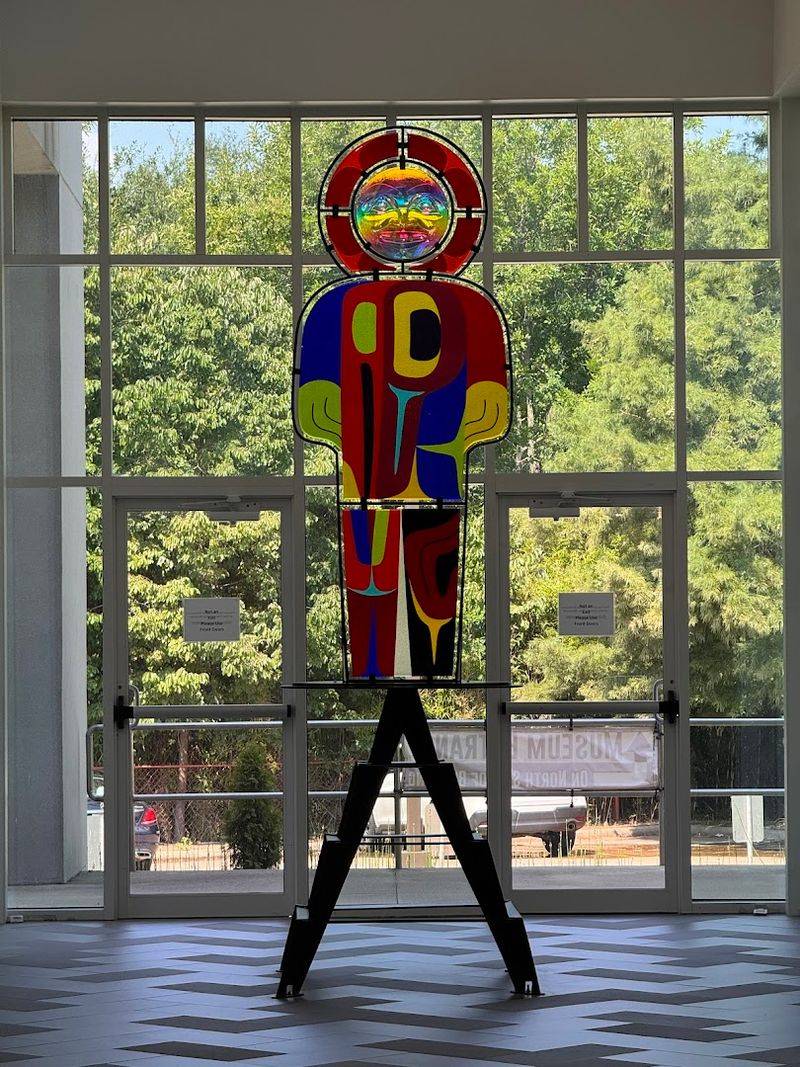
Gift shops at free museums can sometimes feel like an afterthought, a small rack of postcards near the exit with nothing particularly memorable on offer. The shop at the Museum of the Red River takes a different approach, stocking items that actually connect to what you have just seen inside the galleries.
Miniature versions of some of the museum’s collection pieces are available for purchase, which is a clever and satisfying way to bring a piece of the experience home. Handcrafted jewelry, unique art pieces, and regional souvenirs fill the shelves at prices that are described by visitors as reasonable, especially given the quality and originality of the items on offer.
For a free museum, the gift shop generates important support for the institution, and many visitors who appreciated the free admission feel good about spending a little money there as a way of giving back. The selection changes and evolves, so repeat visitors often find something new.
It is worth spending a few minutes browsing before you head out, even if you went in with no intention of buying anything. The items have a specificity and craft to them that sets them apart from the generic souvenir fare you find at most tourist stops across Oklahoma.
How the Museum Feels on the Inside
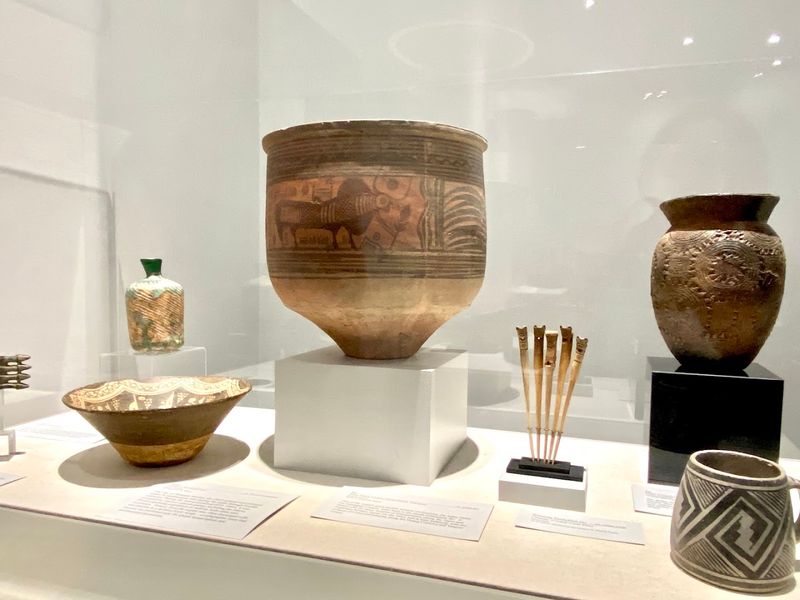
There is a particular kind of museum atmosphere that makes you slow down without even realizing it, and this place has it. The rooms are clean, well-lit, and carefully maintained, which signals to visitors that the objects on display are genuinely valued and looked after.
The layout winds through a series of interconnected rooms rather than following a single straight corridor, which gives the visit a slightly exploratory quality. You turn a corner and find a new theme, a new region, a new era, which keeps the experience from feeling repetitive even when the overall collection is dense.
The paper guide handed out at the entrance is practical rather than promotional, and it genuinely helps you navigate without feeling like you are being herded through a predetermined route.
Staff members are knowledgeable and approachable, offering a brief orientation overview when visitors first arrive that sets the tone without being overwhelming. The museum strikes a balance between being informative and being enjoyable, which is harder to achieve than it sounds.
Nothing feels cluttered or chaotic, even though the collection is enormous. The overall impression is of a place that respects both its objects and its visitors, and that mutual respect comes through in every detail of how the space is organized and presented.
Why This Museum Deserves a Spot on Your Travel List
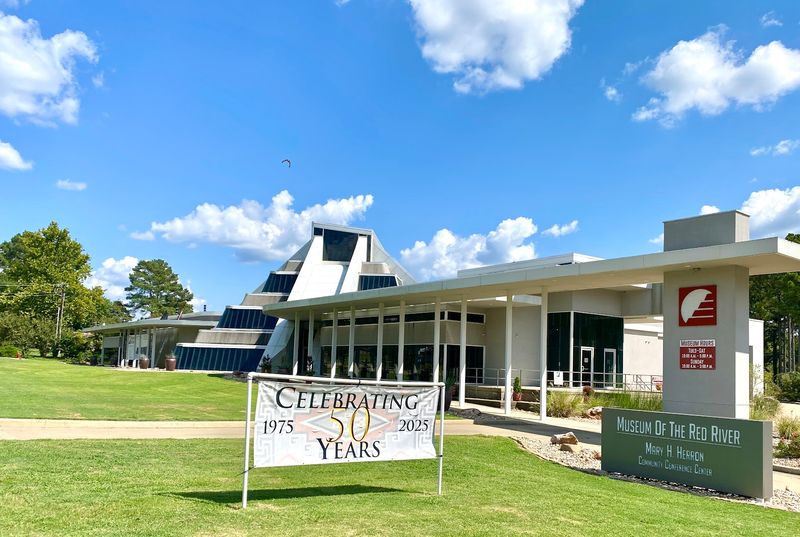
A 4.8-star rating across nearly 600 reviews is not something a museum earns by accident. It reflects consistent quality, genuine care, and an experience that keeps delivering across different types of visitors, from solo history enthusiasts to large family groups with toddlers in tow.
The Museum of the Red River in Idabel, Oklahoma sits in a part of the state that many travelers pass through without stopping, which means most people who do stop are pleasantly caught off guard by what they find. The combination of free admission, a massive and diverse collection, interactive spaces for children, and a welcoming staff creates a visit that feels both effortless and rewarding.
Whether you are making a dedicated trip or just passing through southeastern Oklahoma on your way somewhere else, this museum earns a stop on the itinerary. Plan for at least an hour, but do not be surprised if you end up staying longer than you expected.
The collection has a way of pulling you deeper in, one room at a time, until you look up and realize the afternoon has quietly slipped by. That is the mark of a museum that is doing everything right, and this one has been doing it for years.
Share this story