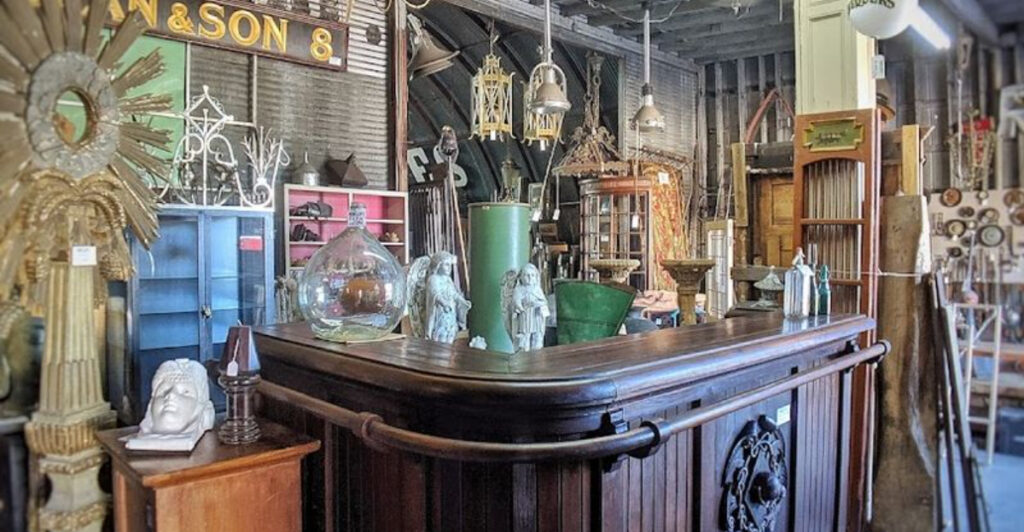
There is a place in Tampa, Florida, where history does not sit quietly behind glass cases. It sprawls across a cavernous space the size of an airplane hangar, stacked floor to ceiling with doors pulled from old courthouses, marble slabs from historic buildings, and lumber reclaimed from farmhouses that no longer stand.
Every Saturday, a small crowd of designers, collectors, and curious wanderers shows up to sort through it all, and almost nobody leaves empty-handed. I made the trip on a sunny Florida morning with no particular shopping list, and I came home with a story worth telling.
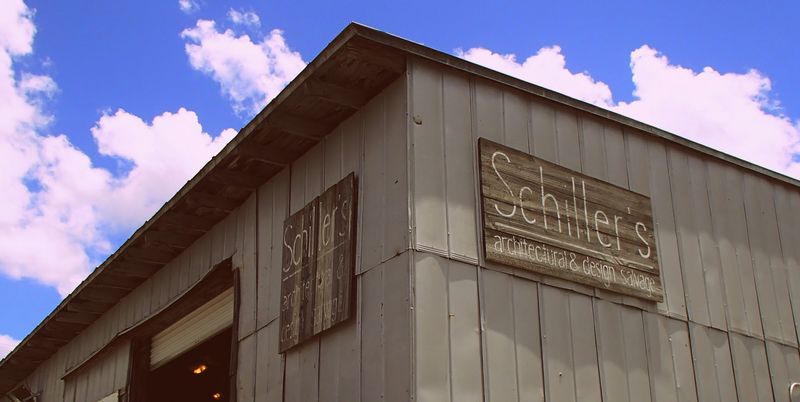
The first time I pulled up to 2705 E Hanna Ave, Tampa, I genuinely double-checked my phone to make sure I had the right address. The building looks nothing like a typical antique store.
There is no painted window display, no cute awning, and no row of rocking chairs out front.
What you get instead is a wide, industrial structure that sits in a working-class neighborhood on Tampa’s east side, not far from the Hillsborough River. The parking lot is unpaved gravel, and the outside gives away very little about what waits inside.
That contrast is actually part of the charm. Schiller’s Architectural and Design Salvage does not need to dress itself up to attract visitors.
The reputation does the work. Once you step through the entrance, the sheer scale of the place answers every question you had about why people drive across the state to shop here.
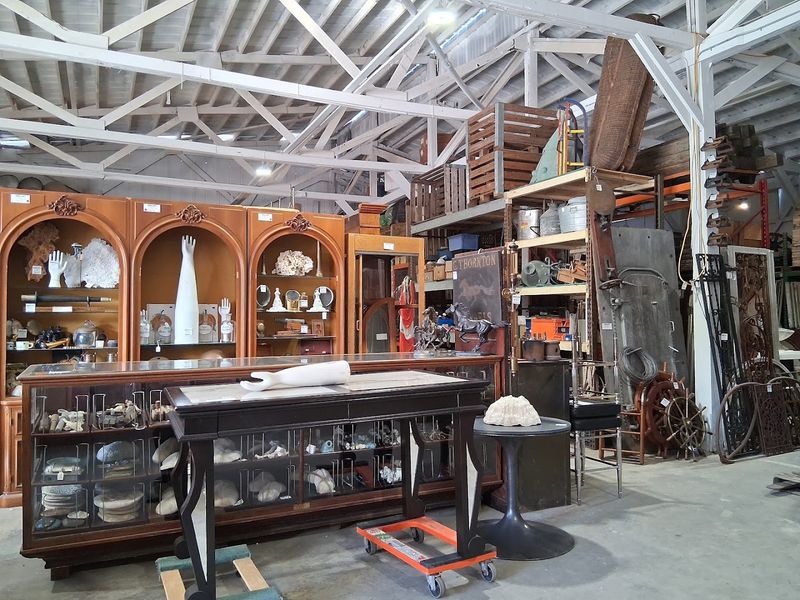
Larry Schiller did not stumble into this business by accident. He built it around a genuine obsession with rescuing things that would otherwise be lost, and that passion is visible in every corner of the store.
He travels across the United States picking up pieces from demolition sites, estate sales, and historic properties before they are torn down or discarded. The result is a constantly rotating inventory that no two visitors ever see the same way.
What makes Schiller’s feel different from a standard resale shop is the intent behind each acquisition. Larry is not just selling old stuff.
He is preserving architectural history, one beam, door, and marble slab at a time. Regulars say he is usually on-site and happy to talk about where a particular piece came from, which turns a simple shopping trip into something closer to a history lesson with a price tag attached.
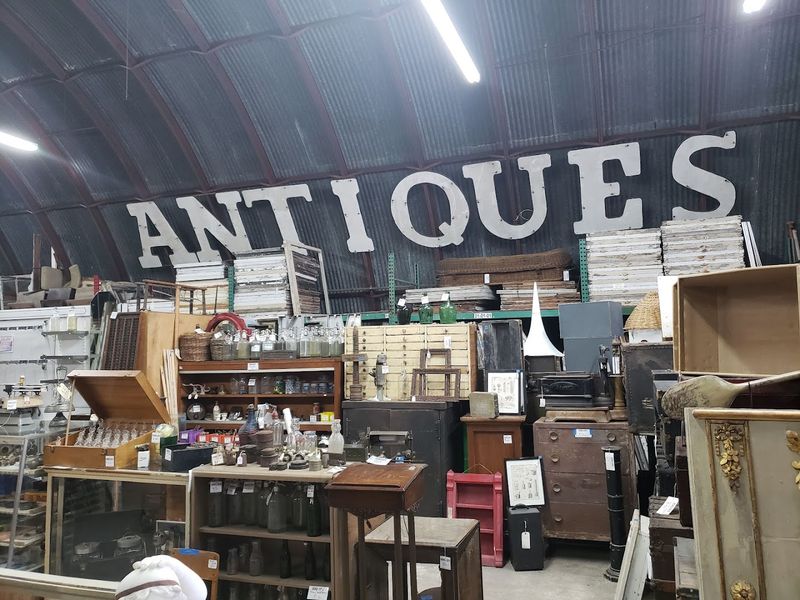
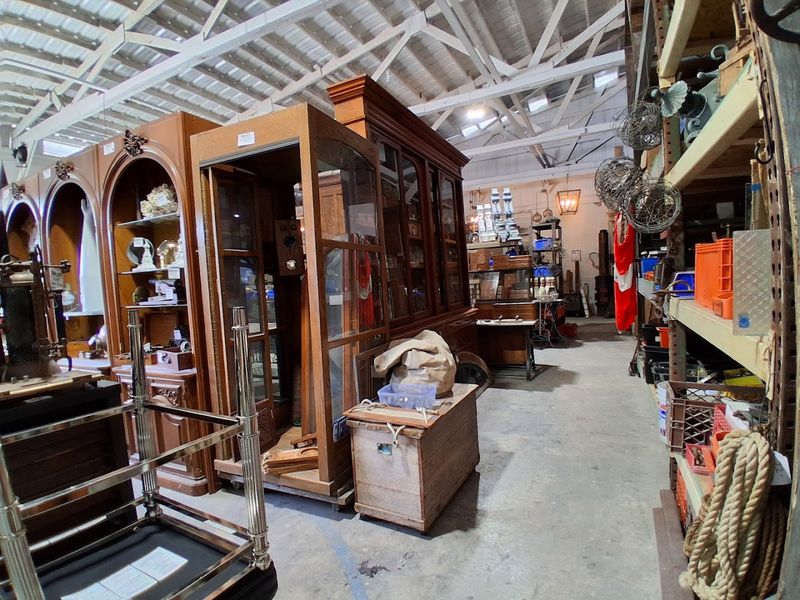
Nothing quite prepares you for the size of this place. The ceiling climbs high above your head, the kind of height you expect in an aircraft facility rather than a retail store, and the floor space stretches out in every direction with organized chaos that somehow works.
Reclaimed lumber is stacked in tall rows. Doors lean against walls in groups sorted loosely by era and style.
Vintage hardware, old light fixtures, and salvaged windows fill tables and shelves throughout the space. There is always something catching your eye before you have finished looking at what is already in your hands.
The building does get warm, especially in the Florida summer months, but the staff keeps cold bottled water available for customers, which is a genuinely thoughtful touch. Comfortable shoes are a must, because you will cover a lot of ground before you are ready to leave.
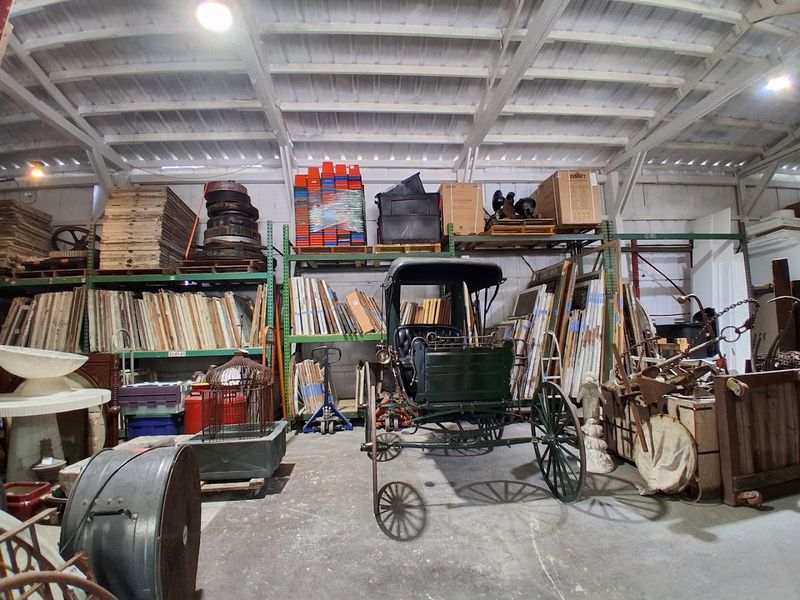
For anyone who works with wood, whether professionally or as a weekend hobby, this section of the store is the main event. The hardwood selection here is genuinely impressive, and it includes some pieces that would be nearly impossible to find through conventional lumber suppliers.
Cross-cut tree slabs coated in lacquer or acrylic are among the most popular items. These are the thick, natural-edge pieces that furniture makers use for statement tables and benches, and the grain patterns on some of them are stunning.
Reclaimed flooring planks, old-growth heart pine, and wide-plank boards from dismantled farmhouses round out the selection.
Prices on the larger wood pieces tend to run higher than what you might pay at a big-box store, but the material itself is not comparable. You are buying something with a documented past and a character that new lumber simply cannot replicate, no matter how it is finished.
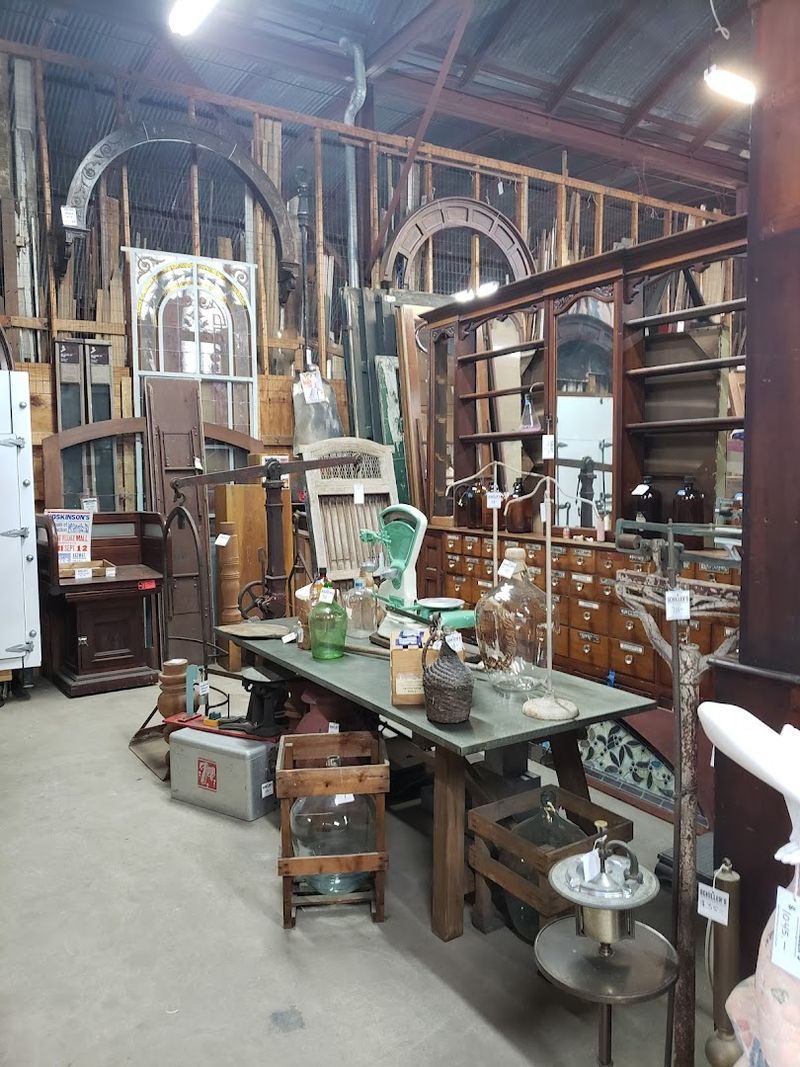
One of the most remarkable things about Schiller’s is the direct connection to Tampa’s own architectural history. The store has carried pieces pulled from some of the region’s most recognizable historic properties, and that gives certain items a meaning that goes well beyond their physical form.
A marble slab from the Tampa Courthouse has passed through here. Bell tower shutters from a historic church have sat on the sales floor.
Salvaged elements from the legendary Belleview Biltmore, a grand old Florida resort hotel, have also made their way into the inventory at various points.
For collectors of Florida history or homeowners restoring older properties, those kinds of finds are genuinely rare. You are not just decorating a room.
You are incorporating a piece of a building that shaped the city around you, which is a very different kind of interior design story to tell your guests.
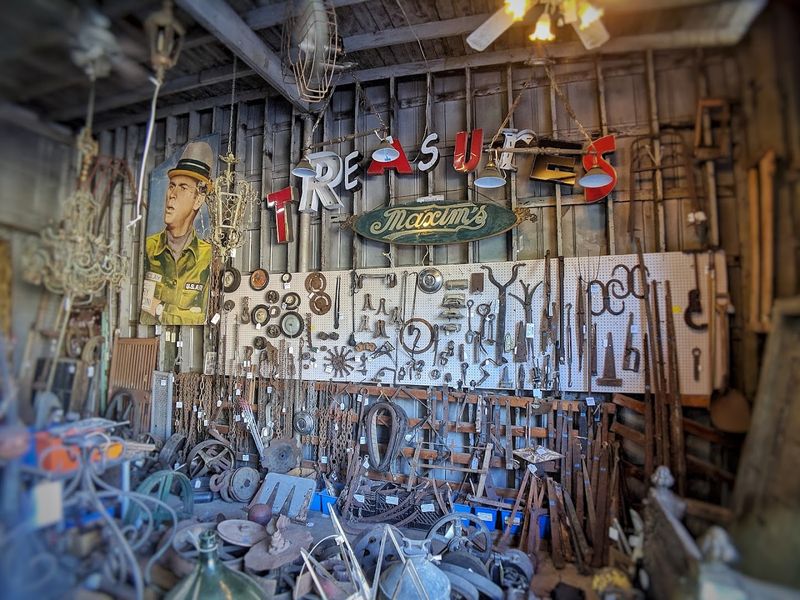
Beyond the building materials and furniture-scale pieces, Schiller’s carries a category of items that is genuinely hard to find anywhere else: Tampa-specific memorabilia and historical artifacts. These are objects tied directly to the city’s past, and they show up in the inventory in unpredictable ways.
Light-up sign letters from old Tampa businesses, vintage postal boxes from local post offices, and decorative elements from demolished neighborhood landmarks have all turned up on the sales floor at various times. For longtime Tampa residents, stumbling across a piece that connects to a place they remember is a surprisingly emotional experience.
Movie theater seats from a closed-down local cinema sat in the store for a stretch, and they did not last long once word got around. That is the nature of shopping here.
The best pieces move quickly, and there is no online inventory to browse in advance, so showing up in person is the only reliable strategy.
A sign near the checkout counter at Schiller’s reads something along the lines of: of course it’s expensive, it’s old. That sign is doing a lot of work, and honestly, it is not wrong.
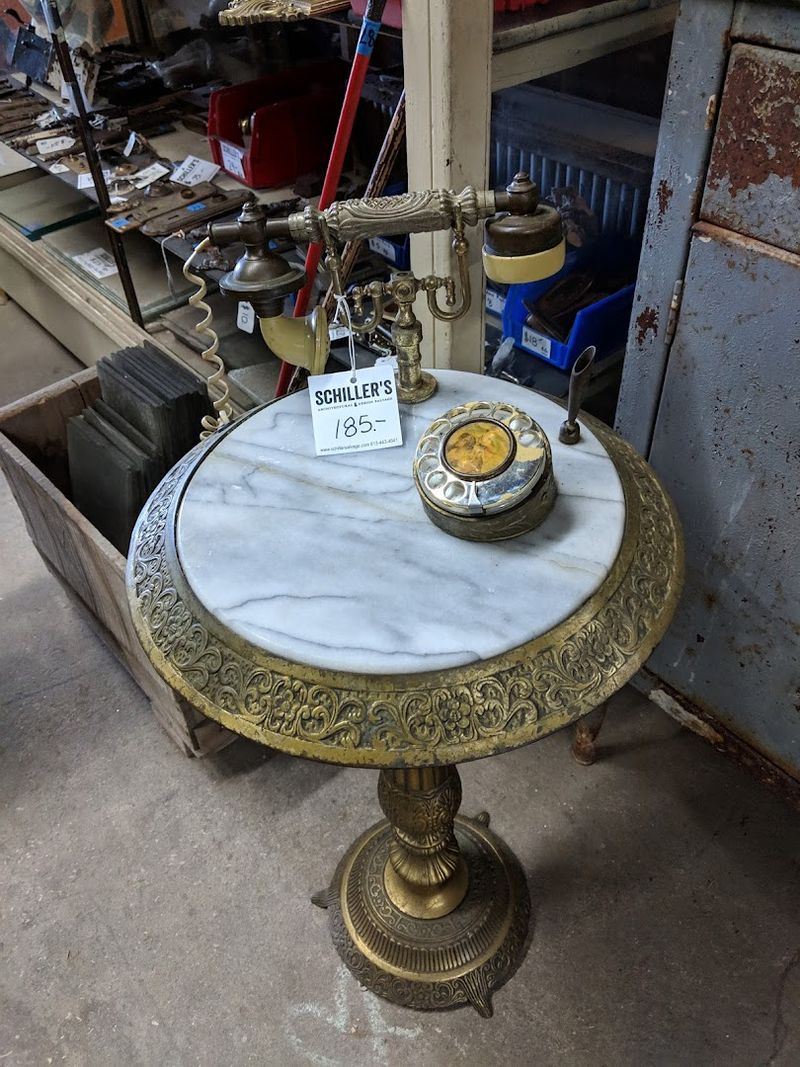
Pricing here is higher than what you would find at a general thrift store, and some of the larger pieces carry four-figure price tags.
That said, context matters. A one-of-a-kind marble slab from a demolished courthouse or a set of original Victorian shutters from a historic church is not a commodity.
There is no factory producing more of them, and the cost reflects both rarity and the labor involved in sourcing, transporting, and displaying them.
Smaller items, decorative hardware, salvaged lamps, and miscellaneous architectural fragments tend to be priced more accessibly. Plenty of visitors walk out having spent under fifty dollars on something genuinely interesting, so the store is not exclusively for big-budget shoppers with deep pockets and ambitious renovation plans.
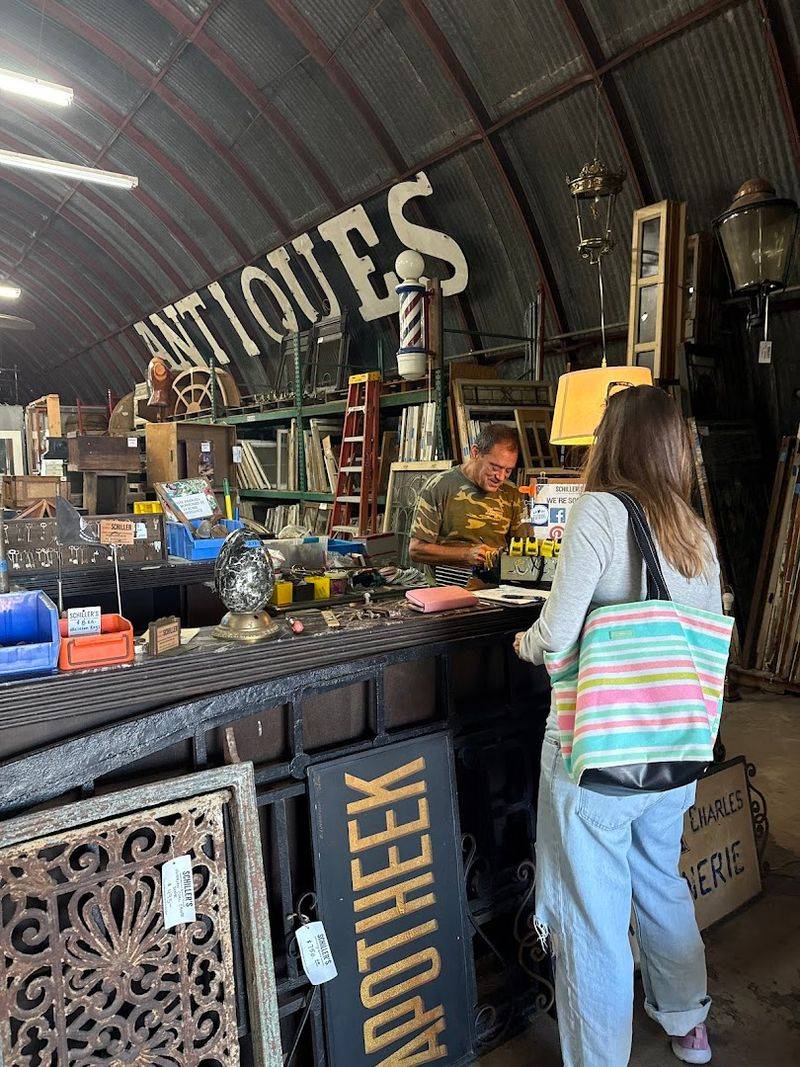
Good staff can make or break a shopping experience at a place this large and complex, and Schiller’s consistently gets high marks on that front. The team on the floor is genuinely helpful without hovering, which is exactly the right balance for a store where browsing is half the point.
Ask a staff member where the reclaimed flooring is, and they will walk you there. Ask about the history of a particular piece, and you are likely to get a real answer rather than a shrug.
The owner himself is often present on Saturdays, and talking to him about where certain items came from adds a layer of storytelling that turns the visit into something more than a transaction.
There is no sales pressure here, which makes the whole experience feel relaxed and enjoyable. You can wander for two hours without anyone nudging you toward the register, and that kind of atmosphere keeps people coming back reliably.
Here is the detail that catches most first-time visitors off guard: Schiller’s Architectural and Design Salvage is open only on Saturdays, from 9 AM to 5 PM. Every other day of the week, the doors are closed to the public, which makes that single weekly window a genuinely precious slot to protect on your calendar.
Loyal customers report that Larry will sometimes open up outside of regular hours if you reach out directly, though that is never guaranteed and should not be assumed.
Arriving early on Saturday gives you the best shot at a full, unhurried experience before the space fills up with other shoppers. The first hour after opening tends to be calm and spacious, while midday can get noticeably busier.
A morning visit with no time pressure is the ideal way to do this place proper justice.
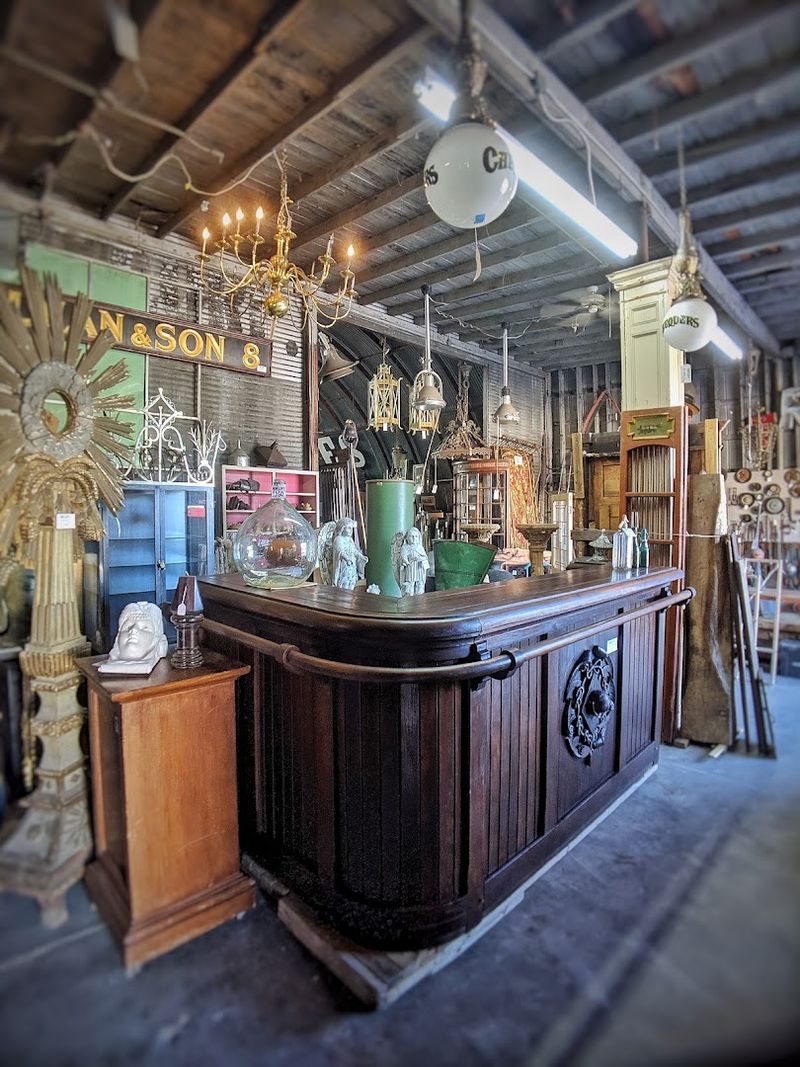
Interior designers have been treating Schiller’s as a resource for years, and their loyalty tells you something important about the quality and variety of what is available here. A single Saturday visit can yield accent pieces, statement materials, and one-of-a-kind hardware that no showroom catalog can match.
The store is particularly well-suited for designers working on projects that call for character and authenticity. A farmhouse renovation, a historic home restoration, or a commercial space that needs visual texture without a manufactured feel, these are the kinds of projects where Schiller’s inventory becomes genuinely useful rather than merely interesting.
Collectors of architectural antiques also find the inventory rewarding, because the sourcing is broad and the turnover is real. New material comes in regularly as Larry continues his picking trips across the country, which means repeat visits are never redundant.
Every trip has the potential to surface something that was not there the time before.
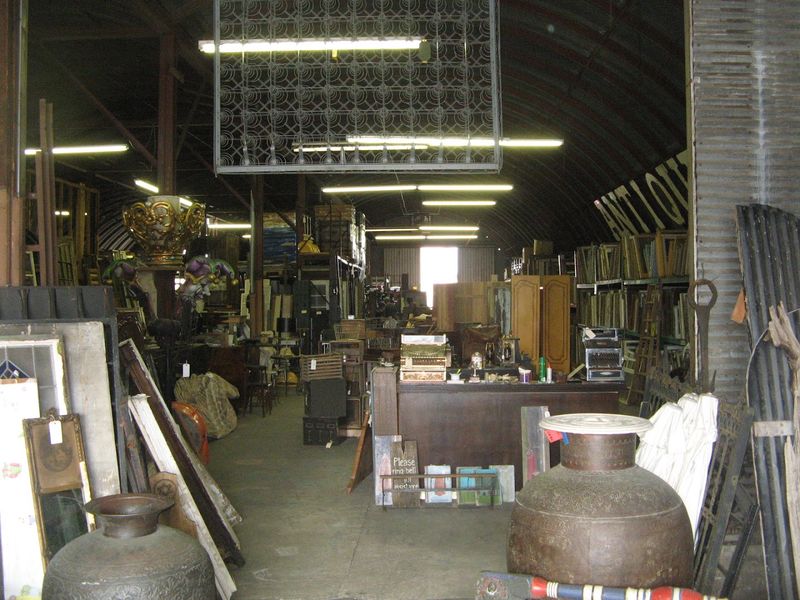
A few practical things will help you get the most out of your Saturday at Schiller’s. Wear comfortable, closed-toe shoes because the floors are uneven in spots and you will be walking and crouching and shifting things around as you browse through the inventory.
Bring measurements if you have a specific project in mind. Knowing the exact dimensions of a doorframe or a wall space before you arrive saves a lot of guesswork and prevents the disappointment of falling in love with something that turns out to be three inches too wide.
Cash is welcome, and having some on hand can be useful for smaller purchases. For larger pieces, arranging transportation in advance is wise since some items are heavy, awkward, or simply too large for a standard passenger vehicle.
A truck or trailer makes the whole process significantly smoother, and the staff can often help with loading once you have made your selection.
Share this story