World War II did not just reshape battle plans and factory schedules – it redrew the map of American growth almost overnight. In the 1940s, shipyards, aircraft plants, chemical works, and military bases pulled workers into places that had been modest towns just a few years earlier.
Then the contracts changed, the payrolls thinned, and many of those communities had to improvise a new identity faster than they had built the old one. Keep reading and you will see how federal spending, industrial urgency, and sudden postwar adjustment turned ordinary American towns into brief giants, then left them navigating a much quieter future.
1. Oak Ridge, Tennessee
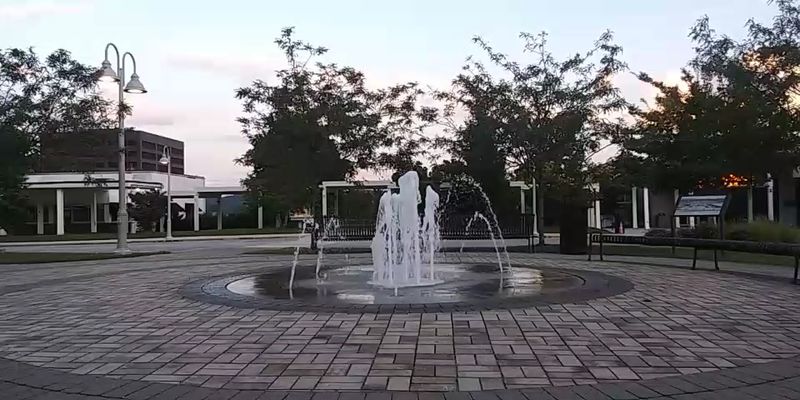
One of the strangest boomtown stories in America began behind fences and official silence. Oak Ridge was created in 1942 as part of the Manhattan Project, and its population leaped from almost nothing to roughly 75,000 in just a few years.
Streets, dormitories, cafeterias, and schools appeared quickly because uranium work could not wait for ordinary town planning.
When wartime urgency eased, Oak Ridge had to shift from a closed production center to a more conventional community. Federal employment stayed important, but the feverish expansion slowed sharply, and many temporary wartime jobs disappeared.
The town eventually found a steadier role in research and energy work, yet its original surge remains a classic example of how Washington could create a city almost instantly, then leave it to reinvent itself.
2. Hanford, Washington
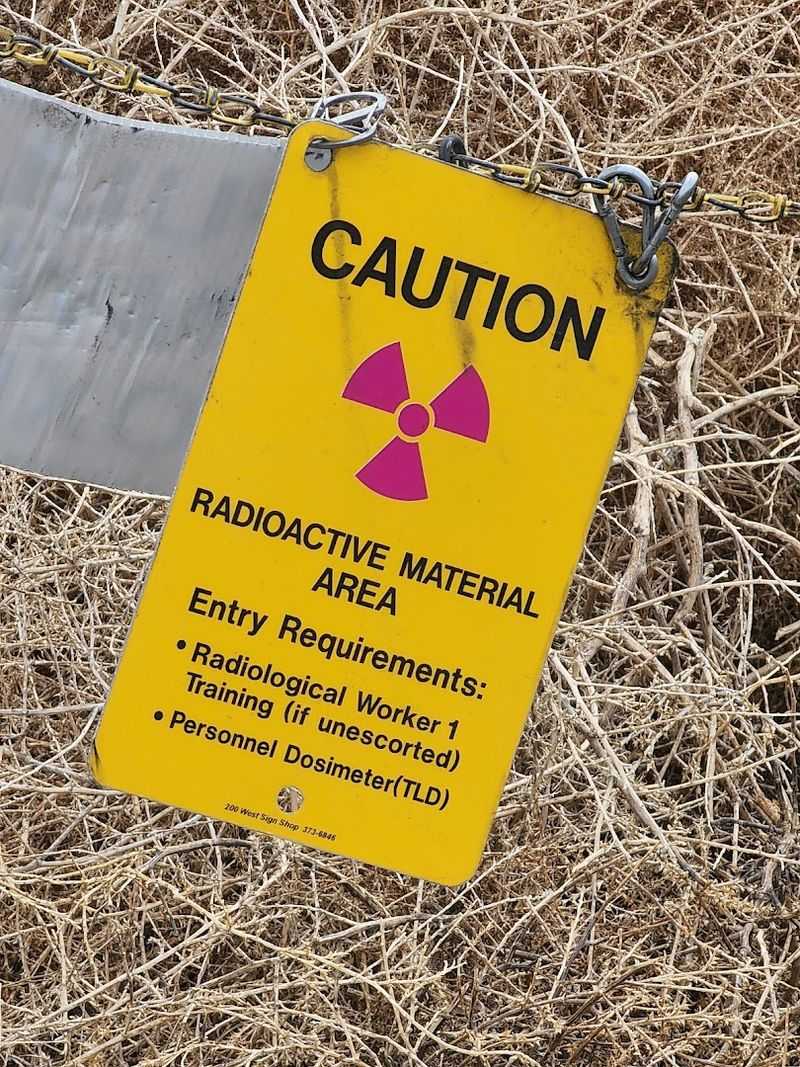
Secrecy and speed turned a remote stretch of Washington into a major wartime center almost overnight. Hanford was built in 1943 to produce plutonium for the Manhattan Project, drawing thousands of workers to an area that had previously been quiet agricultural land.
Construction crews, engineers, and support staff poured in, while new housing and services tried to keep pace with federal deadlines.
After the war, the site remained important, but the frantic growth phase ended just as abruptly as it began. Some facilities were reduced, others were repurposed, and nearby communities had to adjust to a less explosive employment picture.
Hanford never became a typical town, but its surrounding settlements experienced the familiar pattern of wartime expansion followed by uncertainty once national priorities changed.
3. Pascagoula, Mississippi
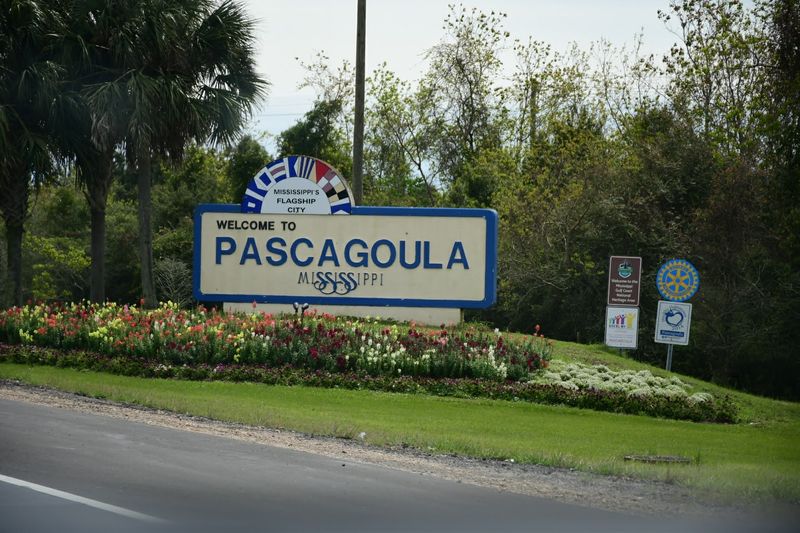
Few places show wartime acceleration more clearly than a Gulf Coast shipbuilding town on a federal deadline. Pascagoula expanded rapidly as Ingalls and other maritime work tied the local economy to Navy and cargo vessel production.
Workers arrived in large numbers, housing tightened, and a community known for coastal industry suddenly operated on a far bigger scale.
Once wartime contracts faded, the pace changed fast and the boom lost its main engine. Shipbuilding did not vanish, but payrolls and local momentum no longer matched the emergency years that had filled every available job slot.
Pascagoula remained an industrial town, yet its sharp postwar slowdown revealed how dependent it had become on defense demand, making it one of the clearest boom-and-cool stories of the 1940s.
4. Mobile, Alabama
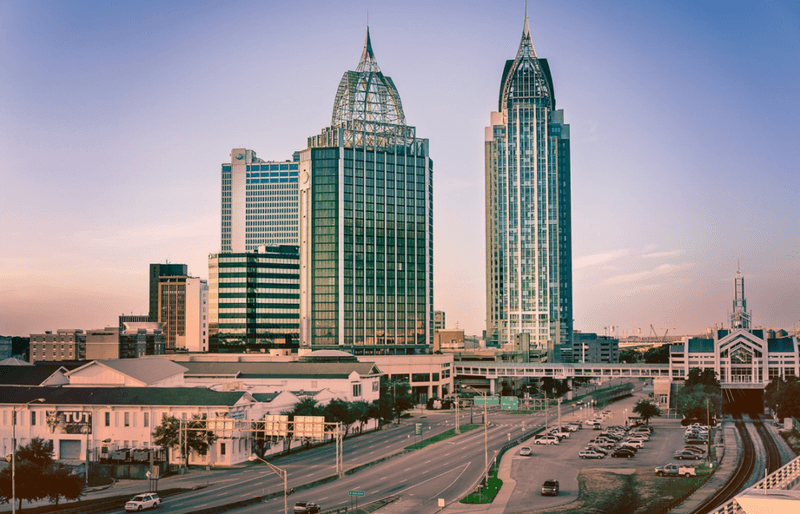
A port city can grow very fast when ship contracts start piling up by the month. Mobile became one of the South’s big wartime shipbuilding centers, with Alabama Drydock and Shipbuilding and other facilities employing tens of thousands.
New workers streamed in, neighborhoods expanded quickly, and the city took on the busy rhythm of a national emergency economy.
That intensity was hard to sustain after 1945, when military demand fell and wartime production lines were scaled back. Layoffs hit local households, and the city had to lean again on its port, regional trade, and more ordinary industries.
Mobile did not disappear into irrelevance, but its wartime growth spurt proved unusually concentrated, reminding everyone that huge federal orders can make prosperity look permanent right before they stop.
5. Richmond, California
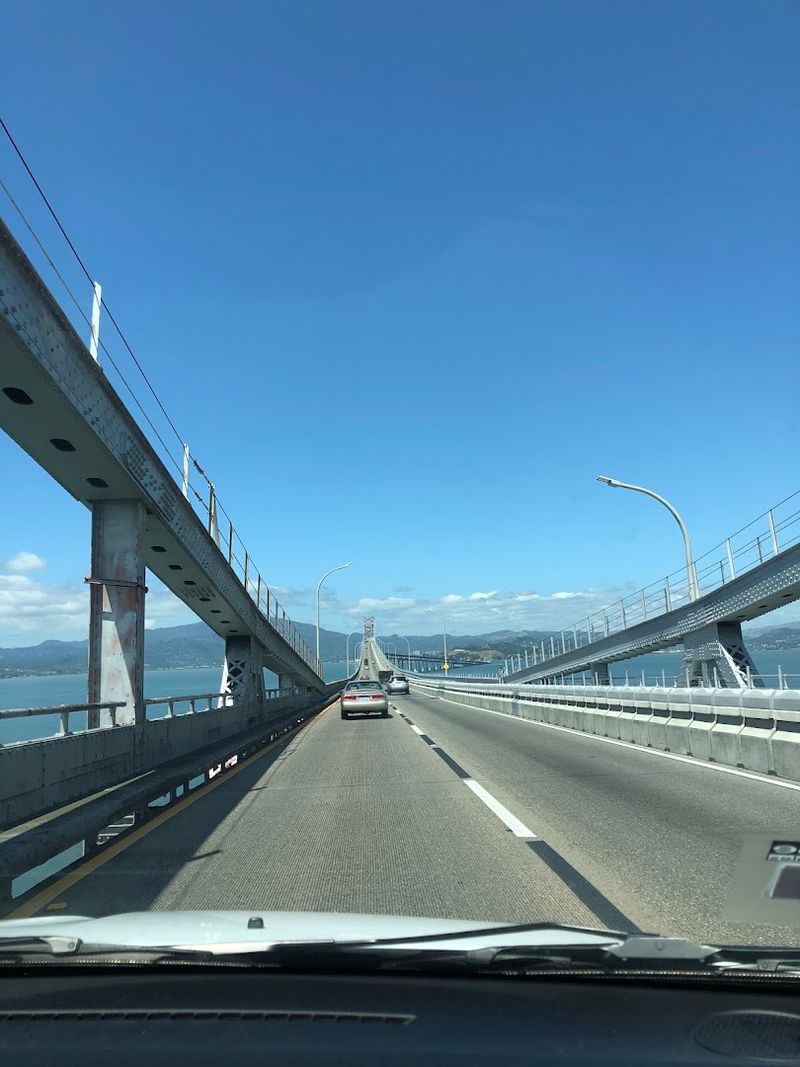
Almost nothing says wartime expansion like a city adding people faster than roads, schools, and houses can catch up. Richmond exploded during World War II because Henry Kaiser’s shipyards became a production marvel on San Francisco Bay.
The workforce grew into the tens of thousands, women entered industrial jobs in large numbers, and new neighborhoods appeared with remarkable speed.
When the war ended, the shipyards no longer needed that massive labor force, and Richmond felt the drop immediately. Jobs disappeared, population growth stalled, and parts of the city struggled with the abrupt shift from nonstop production to peacetime uncertainty.
Richmond later developed other industries and maintained strategic importance, but its wartime boom remains one of the most dramatic cases of federal demand creating a city-sized surge almost overnight.
6. Bremerton, Washington
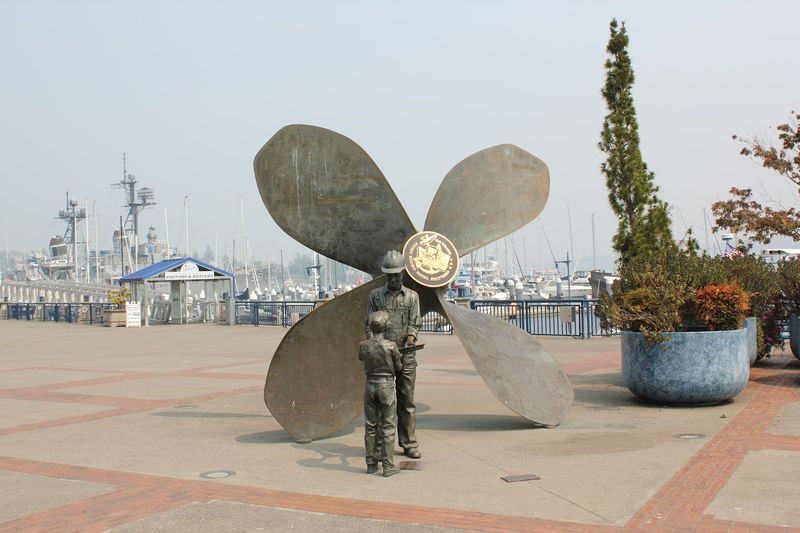
Across Puget Sound, wartime urgency turned Bremerton into a town with very little time for being small. The Puget Sound Naval Shipyard became a major center for repair, overhaul, and support work, pushing employment and housing demand upward throughout the war years.
Civilian workers, military personnel, and their families transformed local routines, businesses, and public services.
After 1945, Bremerton still had naval importance, but the feverish pace cooled and wartime payrolls shrank. The local economy had to absorb fewer jobs, less construction pressure, and a more modest version of the activity that had defined the previous few years.
Bremerton endured better than some single-industry towns, yet it clearly shows how military expansion could supercharge a community and then leave it adjusting to a much flatter curve.
7. Vallejo, California
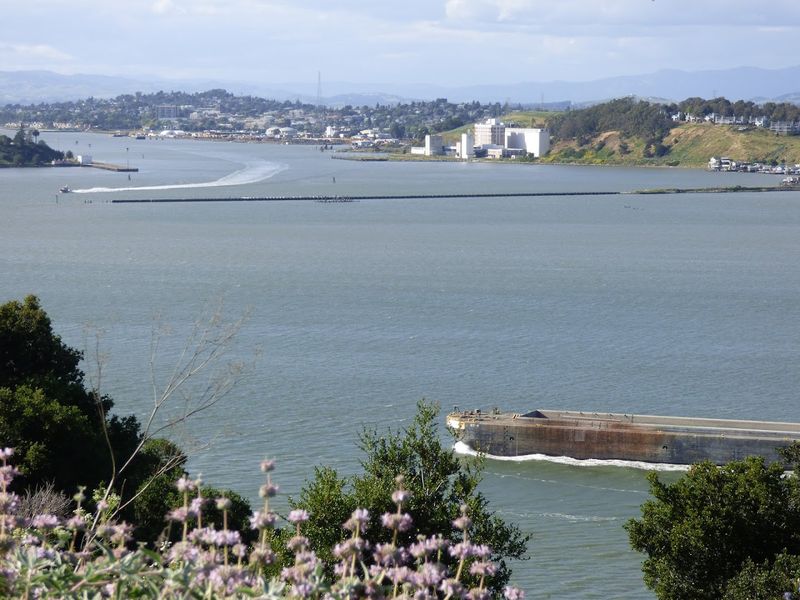
The payroll at Mare Island could make Vallejo feel much larger than the map suggested. During World War II, the Mare Island Naval Shipyard drove a surge in jobs, population, and business activity as the Navy expanded maintenance and construction needs.
Stores, housing, and transportation all strained to keep pace with a town suddenly tied to national defense at full throttle.
Peacetime changed the equation quickly, and Vallejo felt the difference in reduced shipyard intensity and fewer wartime jobs. The local economy remained linked to federal activity, but the extraordinary demand of the early 1940s was gone.
Vallejo later faced additional swings tied to naval policy, making its wartime boom an early chapter in a longer story about what happens when one large employer acts as both engine and weather system.
8. Pascagoula, Mississippi
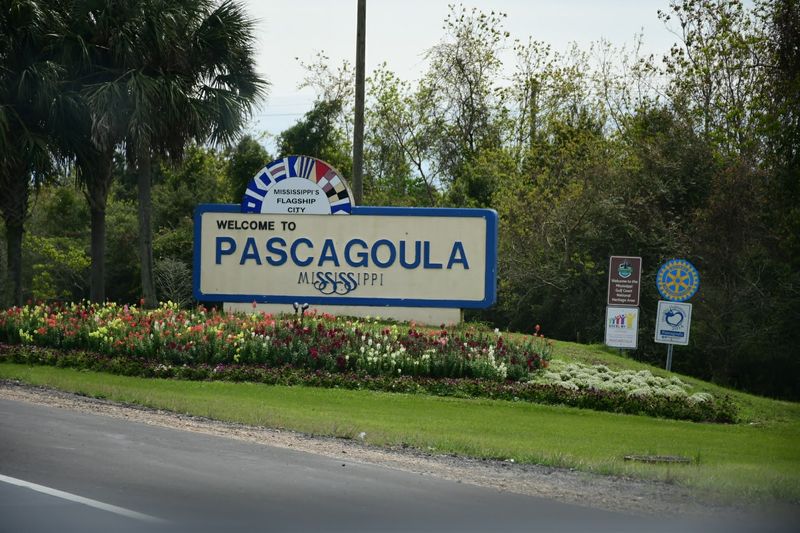
Here is the kind of place where a shipyard payroll could rewrite daily life in a single season. Pascagoula’s waterfront became a wartime production zone, with ship construction and repair drawing workers from across Mississippi and beyond.
Local businesses benefited, public services were stretched, and the town’s identity narrowed around defense work with impressive speed.
That concentration brought an equally sharp adjustment once military contracts eased. The same specialization that made Pascagoula thrive in wartime also made it vulnerable when federal priorities shifted and labor needs dropped.
Shipbuilding remained part of the local story, but the broad wartime surge did not continue at anything like the same level. For historians, Pascagoula stands out because its rise and cooling happened so visibly and so tightly around one industry.
9. Vancouver, Washington
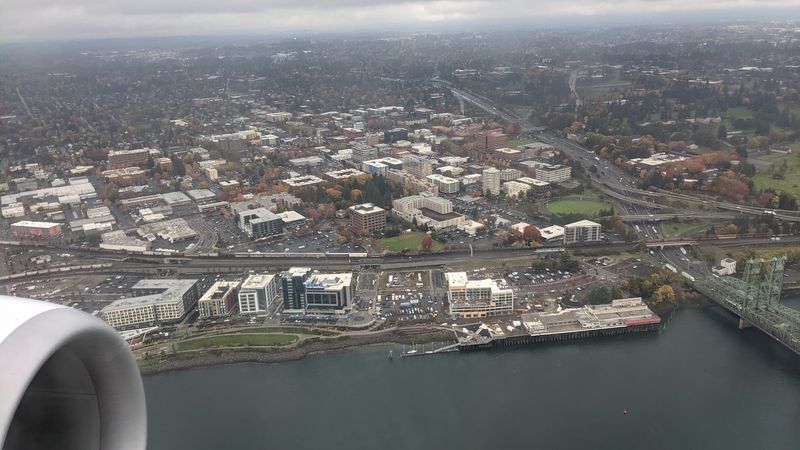
A city across the river from Portland suddenly found itself building a much larger future than anyone had forecast. Vancouver surged during World War II because Kaiser shipyards and related industry created a huge labor demand on the Columbia.
Housing projects, transportation links, and local commerce expanded rapidly as wartime production remade the city in practical, fast-moving ways.
Once the shipyards closed, that momentum dropped with surprising speed. Workers left, jobs vanished, and the population dip reminded everyone that temporary war infrastructure often comes with a short expiration date.
Vancouver eventually found more stable footing as part of a growing regional economy, but the immediate postwar period was a clear comedown from the extraordinary shipbuilding years. It remains a useful case study in how fast federal demand can inflate a local economy.
10. Dayton, Ohio
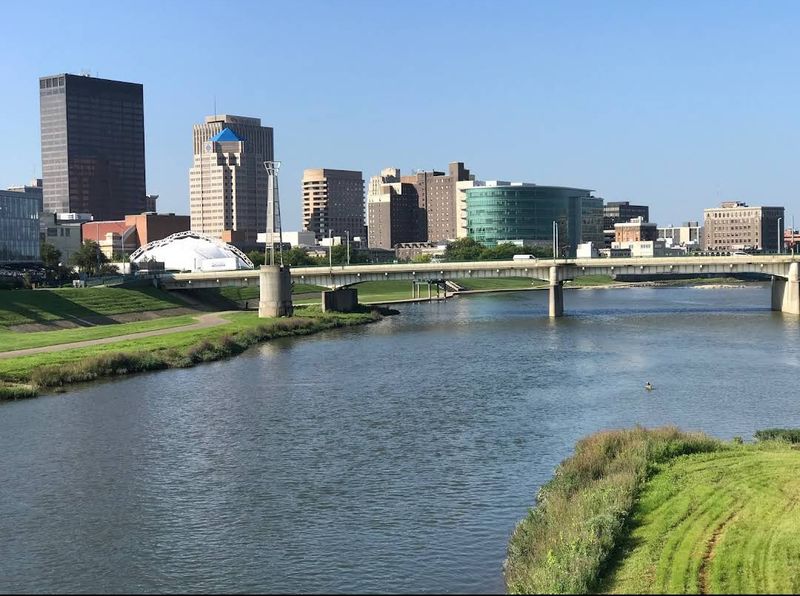
If military aviation had a Midwestern workshop, Dayton was close to the front of the line. Long associated with aviation innovation, the city expanded its wartime role through aircraft parts, research, and manufacturing tied to Army Air Forces demand.
Factories ran hard, employment rose, and the broader region benefited from a production push that rewarded technical skill and industrial capacity.
After the war, reduced military orders and shifting contracts brought a more complicated economy. Some plants continued, but layoffs and readjustment followed as wartime procurement levels became impossible to maintain.
Dayton stayed important because of Wright-Patterson and its engineering base, yet the immediate postwar years still marked a clear cooling from the emergency expansion. It was not a collapse so much as a sharp reminder that wartime manufacturing numbers rarely survive peacetime budgets.
11. Niagara Falls, New York
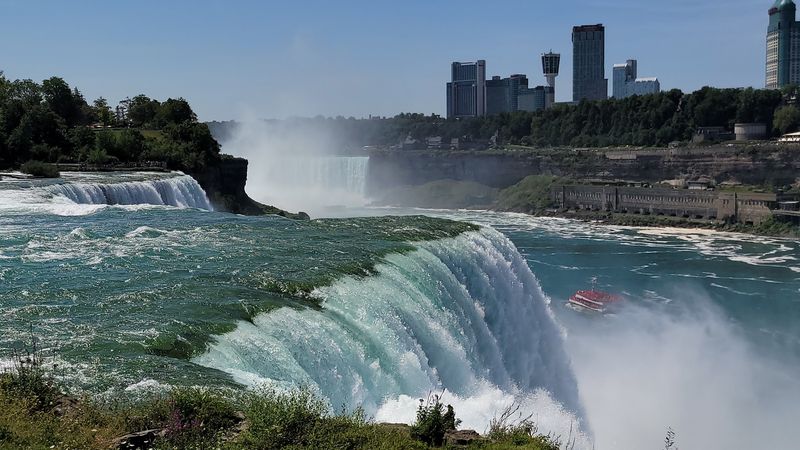
Hydropower and chemistry made Niagara Falls far more than a postcard stop during the war years. The city became a key site for chemical production linked to wartime needs, and existing industrial infrastructure gave it a practical advantage when federal demand surged.
Employment expanded, factories intensified output, and local growth reflected how strategic materials could lift an already industrial city even higher.
When wartime demand receded, the extra pressure and extra payrolls receded with it. Niagara Falls still had manufacturing, but the accelerated wartime economy proved difficult to match once contracts changed and the national market normalized.
The city’s later economic struggles had multiple causes, yet the post-1945 slowdown was an early sign that war-fueled production booms often leave behind oversized expectations. It was a strong industrial place, just not at wartime speed forever.
12. Bath, Maine
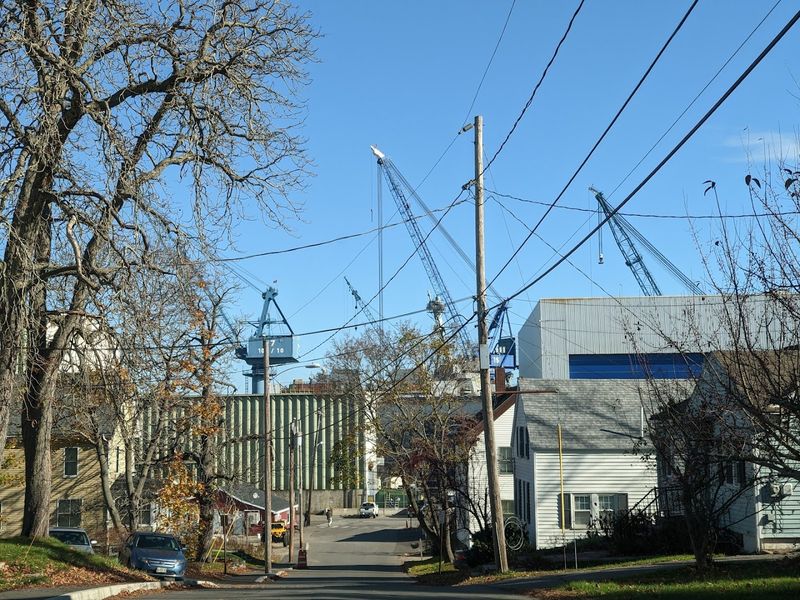
On the Maine coast, a relatively small shipbuilding town suddenly found itself working at national scale. Bath Iron Works became a major wartime producer, and the town expanded to handle an influx of workers, suppliers, and government attention.
Housing pressure increased, local commerce benefited, and the community’s rhythm centered on the demands of naval construction with little room for anything leisurely.
Peacetime brought a contraction that many residents could see in payrolls and production schedules. Bath did not lose shipbuilding altogether, which helped it stabilize later, but the jump from emergency output to normal operations was still a meaningful drop.
That made the postwar adjustment especially visible in a town so tightly linked to one employer. Bath’s story is less about disappearance than about the hard landing that follows a very steep climb.
13. Port Chicago, California
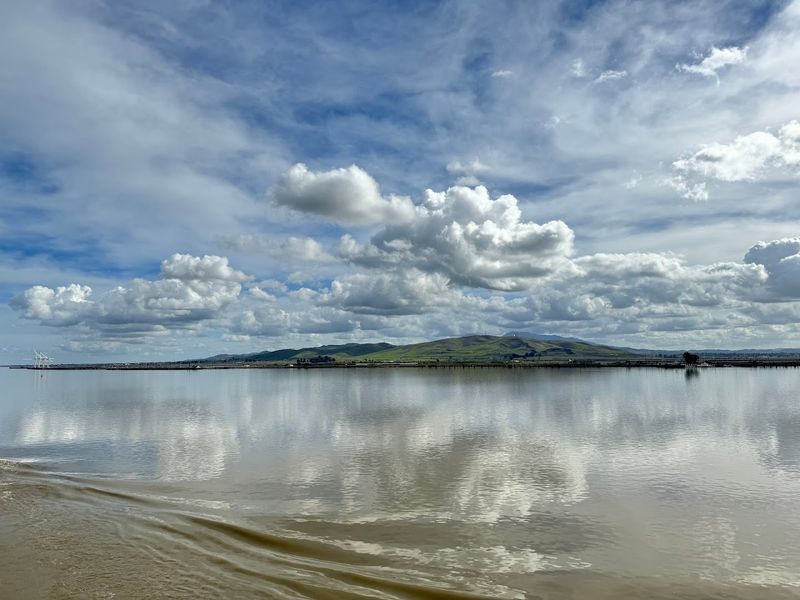
Logistics towns rarely get the spotlight, yet wartime supply chains could make them suddenly indispensable. Port Chicago became a crucial ammunition shipping point on Suisun Bay, tying the area to military transport and naval logistics on a very large scale.
Jobs and activity increased as the port handled strategic cargo with the efficiency that wartime planners demanded from every coastal facility.
Its long-term role diminished after the war as military needs changed and operations shifted elsewhere. That meant the surrounding area lost the concentrated importance it had held during the conflict, and the local economy no longer revolved around the same urgent mission.
Port Chicago is a reminder that some wartime boom places were not built around glamorous manufacturing at all. They boomed because movement, storage, and timing mattered just as much as production.
14. Pascagoula, Mississippi
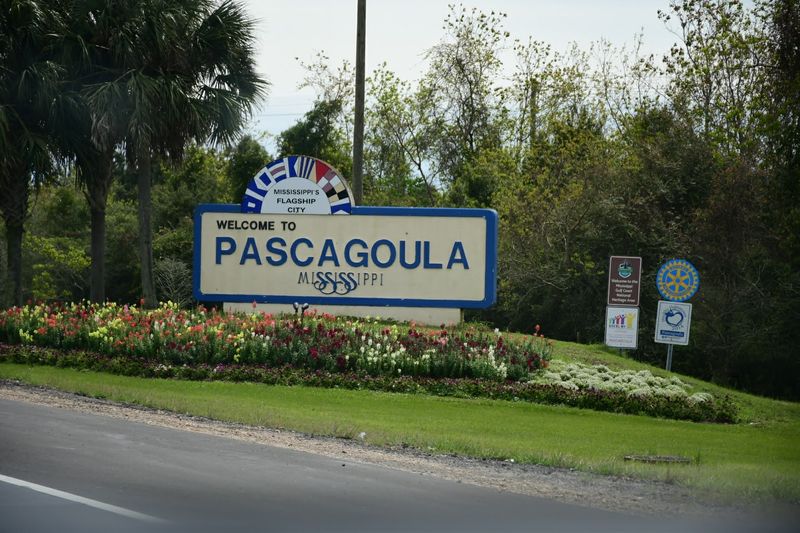
Some towns got a wartime boost, but Pascagoula got a full industrial rewrite in real time. Defense contracts tied to shipbuilding expanded local employment so quickly that nearly every part of town felt the pressure, from housing to retail to road use.
The community became a textbook defense economy, powered by federal urgency and a workforce that arrived because the paychecks were finally there.
That formula worked brilliantly until the emergency ended and the payroll narrowed. Postwar Pascagoula still had maritime importance, yet the broad labor surge that defined its 1940s climb eased into a much leaner reality.
The town did not have many alternative sectors ready to absorb the difference at once. That is why historians keep coming back to it: the rise was concentrated, and the slowdown was concentrated too.
15. Camden, New Jersey
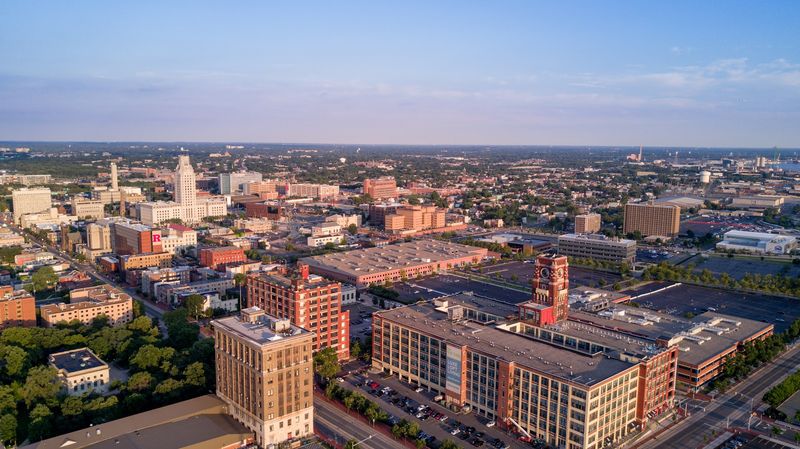
Industrial muscle gave Camden a major wartime role, and for a while the city looked built to last forever. Shipyards, defense manufacturing, and related industries swelled during World War II, pulling labor into a city already accustomed to large employers and busy riverfront production.
The war intensified what Camden already did well, turning existing capacity into a bigger and more lucrative machine.
After 1945, that machine began to lose momentum as contracts fell, industries changed, and postwar economic trends moved against older manufacturing centers. Camden’s decline was not caused by one single switch being flipped, but wartime peak activity clearly did not hold.
The contrast between boom years and later contraction became part of the city’s larger industrial story. In that sense, Camden shows how wartime prosperity could disguise deeper structural weaknesses for a brief moment.
16. Pascagoula, Mississippi
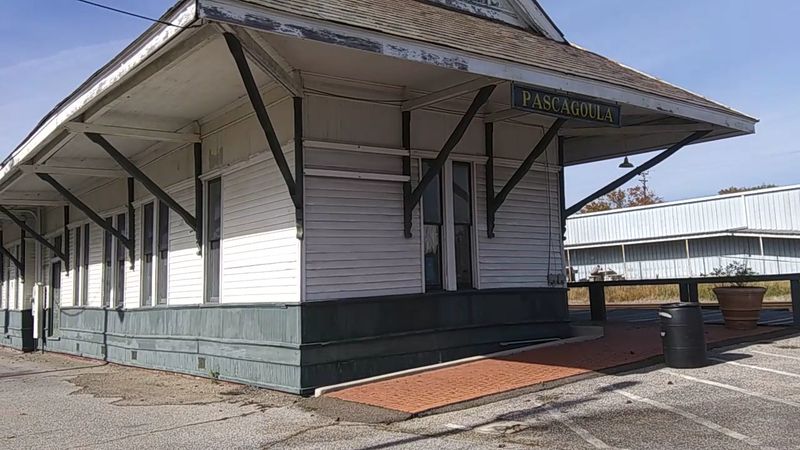
By the time wartime ship orders were rolling in at full speed, Pascagoula had little choice but to grow. Its shipyards became the town’s central economic fact, bringing in workers, supporting merchants, and tying local fortunes to military schedules rather than ordinary market cycles.
For a brief stretch, the place functioned like a perfectly focused defense workshop with a ZIP code.
Then came the familiar peacetime correction, and it was not subtle. Employment softened, the urgency drained out of expansion plans, and a town built around defense demand had to settle into a smaller, steadier pattern.
Pascagoula still mattered in shipbuilding, but the scale changed enough to reshape expectations. That sharp before-and-after is exactly why it belongs on lists like this more than once, even if the repetition feels almost cheeky.
17. Hattiesburg, Mississippi
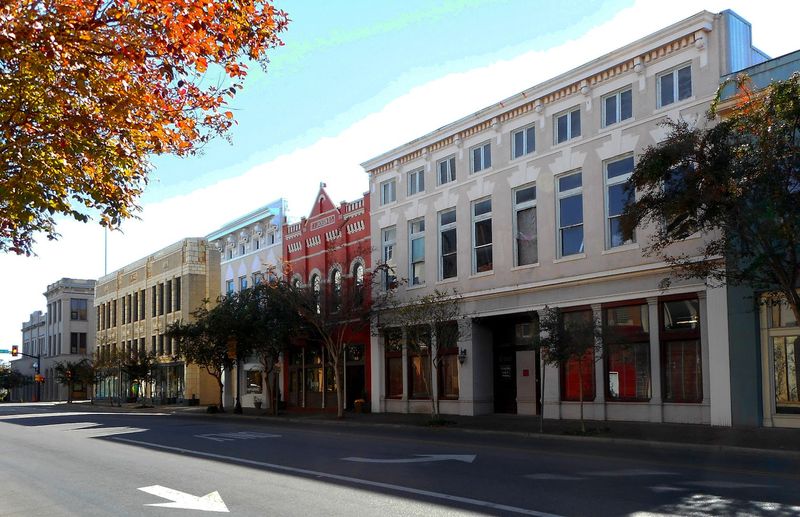
Not every wartime boomtown was built on ships or secret science. Hattiesburg benefited from nearby military installations and training activity, which brought personnel, support jobs, transportation demand, and more business to the surrounding area during the war.
Retailers, landlords, and service providers all saw the effects of a temporary military-centered economy moving through southern Mississippi.
Once the war ended and training intensity dropped, so did much of that extra activity. Hattiesburg remained a regional center with rail connections and educational institutions, but the wartime bump did not continue at its earlier level.
That makes it an interesting example of a softer boom-and-cool pattern, where the shift came through military presence rather than giant factories. The town did not crash, but it definitely stepped down from a busier wartime chapter.
18. San Pedro, California
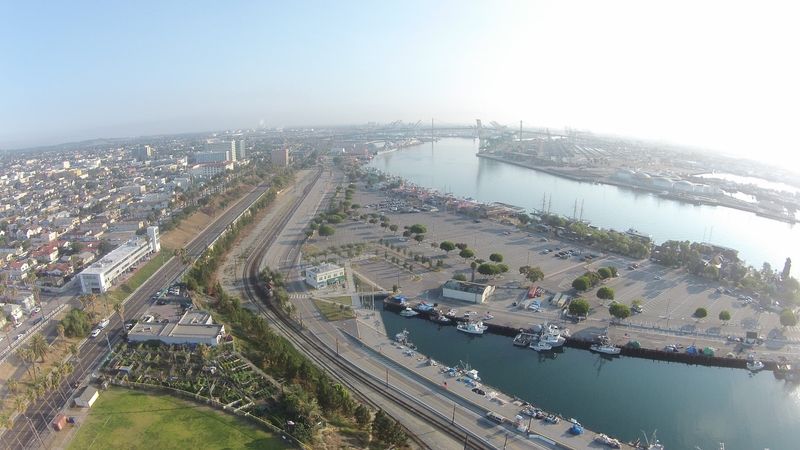
Ports can become the backstage crew of history, and San Pedro spent the war doing exactly that. As part of Los Angeles Harbor, it handled major naval and commercial traffic, making the community a busy wartime hub for transport, repair, and logistics.
Federal activity supported jobs and intensified the area’s connection to military supply systems on the Pacific coast.
After 1945, the harbor still mattered, but the extraordinary wartime tempo eased in a noticeable way. San Pedro did not lose its reason to exist, yet the wartime version of the town had been unusually concentrated around urgent naval traffic and defense operations.
That meant a calmer postwar economy felt like a clear step down even without a total collapse. It is a good reminder that decline sometimes means reduced intensity, not disappearance from the map.
19. Corpus Christi, Texas
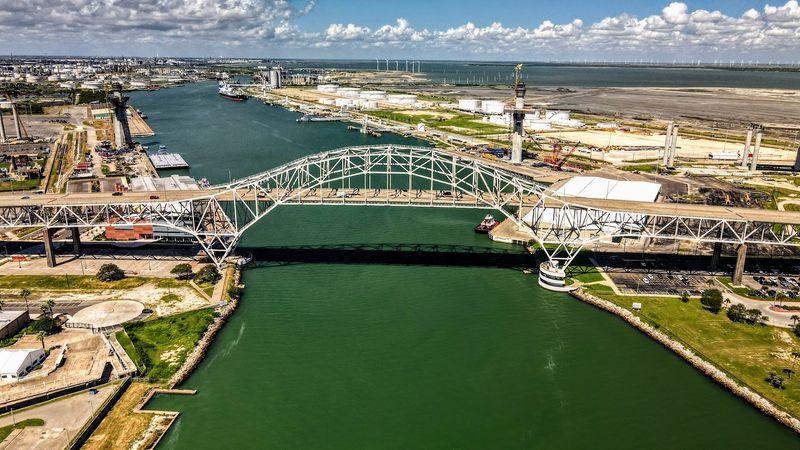
Texas gained plenty from wartime spending, and Corpus Christi was one of the clearest examples on the Gulf. Naval air training, port activity, and ship-related work boosted the city’s economy during World War II, drawing personnel and creating demand for housing, services, and infrastructure.
The result was a stronger, faster-growing community built around military urgency and coastal geography.
When peacetime arrived, that momentum cooled as training levels and wartime production needs eased. Corpus Christi retained military significance, which kept it from the sharper drop seen elsewhere, but the wartime burst was still unusually intense compared with the years that followed.
Growth became less dramatic and more dependent on diversified local factors. In short, the city did not stop mattering, yet it stopped being one of those places where every week felt scheduled by Washington.
20. Klamath Falls, Oregon

A timber town in southern Oregon might seem an unlikely wartime standout, but Klamath Falls had the right mix of resources and location. Nearby military installations and increased demand for lumber and related materials boosted employment and business during World War II.
Rail links, mills, and support services all benefited, giving the town a stronger wartime profile than its prewar scale might suggest.
After 1945, the combination that had driven the surge no longer operated at the same pace. Military activity was reduced, wartime demand tapered off, and the town returned to a more ordinary economic footing tied to regional industries.
Klamath Falls did not become a ghost on the map, but its wartime lift clearly cooled. That makes it a useful final example of how broad national mobilization could briefly enlarge even relatively remote American towns.
Share this story