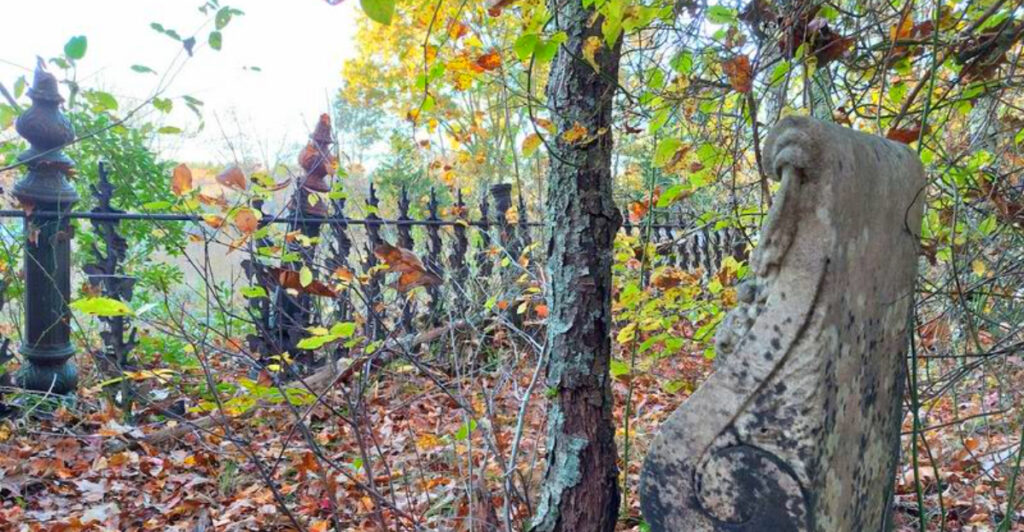
Southeastern Massachusetts has a reputation that survives every new decade, even as roads widen, neighborhoods spread, and satellite maps leave fewer blank spaces. The Bridgewater Triangle sits at the point where local folklore, regional history, and modern curiosity keep colliding, creating one of New England’s most stubborn mysteries.
What makes it fascinating is not one dramatic claim, but the way reports repeat across years, towns, and witnesses who often have little in common except geography. Keep reading, and you will see how a loose patch of land became a lasting cultural map of strange lights, uneasy roads, old stories, and questions that refuse to stay quiet.
1. What Exactly Is the Bridgewater Triangle?
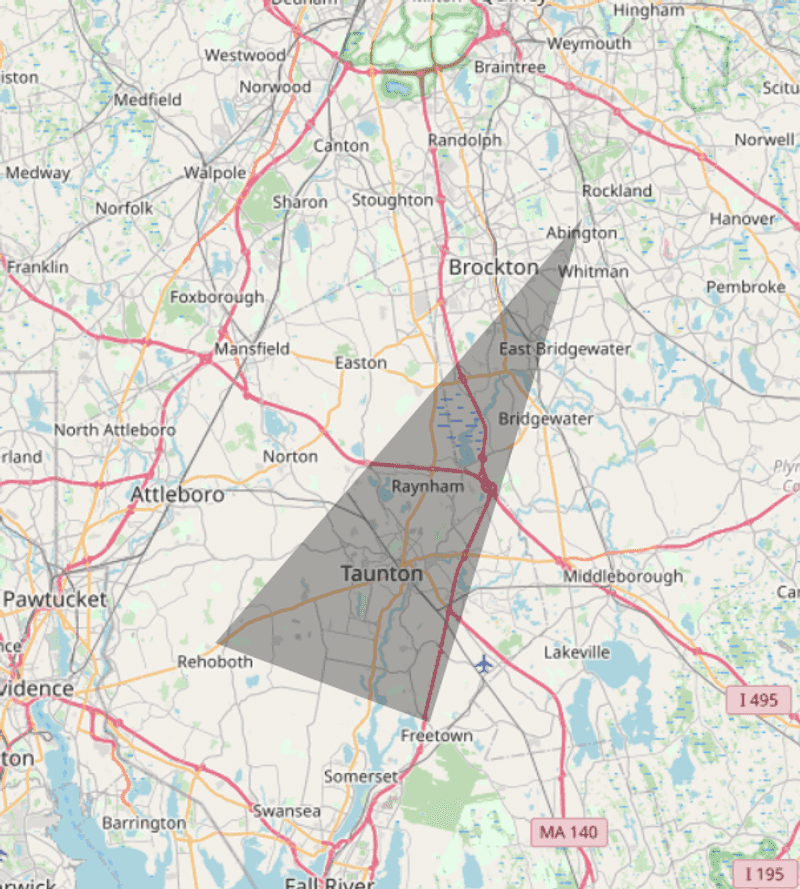
It sounds like a made-up warning from a roadside diner menu, but the Bridgewater Triangle is a name attached to a real patch of southeastern Massachusetts. Most descriptions place it across roughly 200 square miles, usually using Abington, Rehoboth, and Freetown as the triangle’s points.
The term is informal, which is part of its staying power, because no state office stamped it onto a sign and no surveyor fixed one official border. Instead, the area exists through repeated stories, newspaper mentions, local memory, and the work of researchers who noticed the same towns appearing again and again.
That loose outline gives the legend room to travel while keeping it anchored to recognizable places such as the Hockomock Swamp and nearby forests, roads, and ponds. If you are looking for a tidy map with one final answer, this is not that kind of destination, and that uncertainty is exactly why people keep returning to it.
2. Where the Stories Started
Every legend needs a filing date, and this one found its modern paperwork in the late twentieth century. Folklore around the region reaches much further back, but the phrase “Bridgewater Triangle” is generally credited to cryptozoologist Loren Coleman, who helped popularize it in the 1970s and early 1980s.
Once the label existed, scattered reports began to look less isolated and more connected, as if someone had finally given the region a folder and started collecting the contents. Newspaper articles, local retellings, and television segments then helped move the idea from neighborhood talk into broader New England culture.
That matters because names shape memory, and a named mystery is easier to revisit than a stack of unrelated odd incidents. By the time Coleman’s 1983 book Mysterious America circulated, the Triangle had become more than rumor, turning into a recognizable regional phenomenon with enough structure to invite both believers and skeptics into the same conversation.
3. Hockomock Swamp
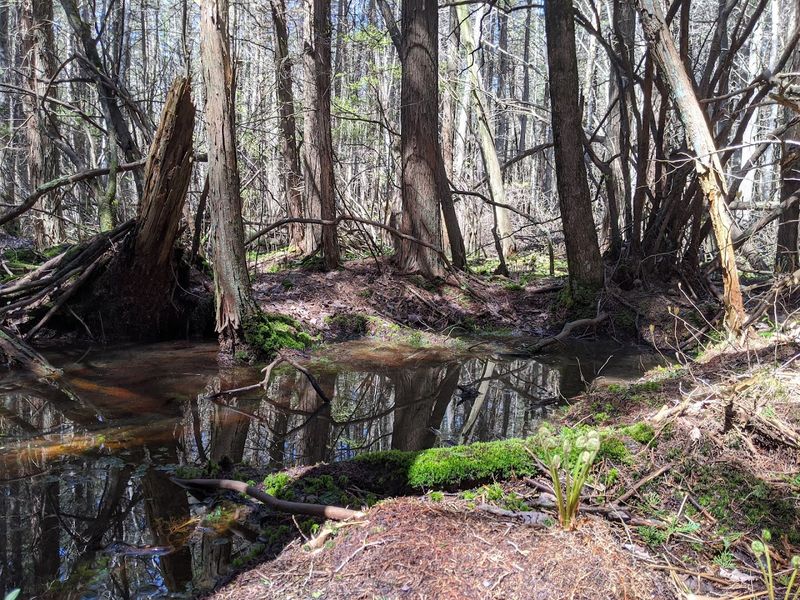
If the Triangle has a capital city, it is a swamp that has been complicating local conversation for centuries. Hockomock Swamp covers thousands of acres and sits near the center of the region’s reputation, making it the place most often treated as the legend’s beating administrative office.
The name is commonly linked to Algonquian language and is often translated as “place where spirits dwell,” which gave later storytellers a powerful phrase they were never going to ignore. Beyond folklore, the swamp’s size, difficult terrain, and long history in regional conflict and settlement made it a natural container for stories that resist easy checking.
Reports tied to Hockomock include unusual lights, unexplained movement, and encounters people struggle to classify, but the geography itself does plenty of work before any witness speaks. Large wetlands create distance, confusion, and fragmented sightlines, so the swamp remains both a real landscape and a highly effective machine for producing enduring uncertainty.
4. The “Devil” Sightings
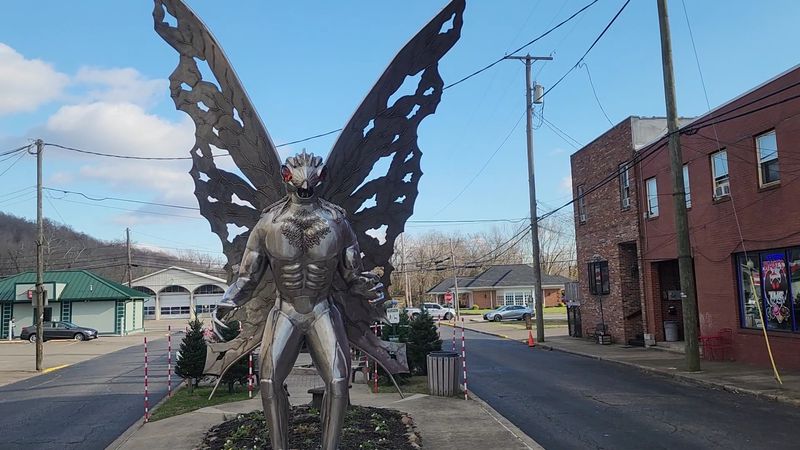
Few labels travel faster than “devil,” even when witnesses are describing something far less precise than theology. In the Bridgewater Triangle, that nickname usually points to reports of a large winged figure, often described as dark, man-sized or bigger, and seen in motion near roads, fields, or wooded edges.
Accounts differ in the details, which is exactly what keeps the subject slippery and hard to pin to one explanation. Some stories emphasize red or glowing eyes, others focus on wingspan, posture, or the unsettling speed of the figure, and a few sound suspiciously close to classic regional retellings of the Mothman template.
What is historically useful here is not proving one creature, but noticing how communities give shape to fear through recurring language and familiar imagery. Once a dramatic label enters circulation, later witnesses may borrow it even while describing different events, which means these sightings tell you as much about folklore in motion as about whatever moved through the trees.
5. UFO Reports
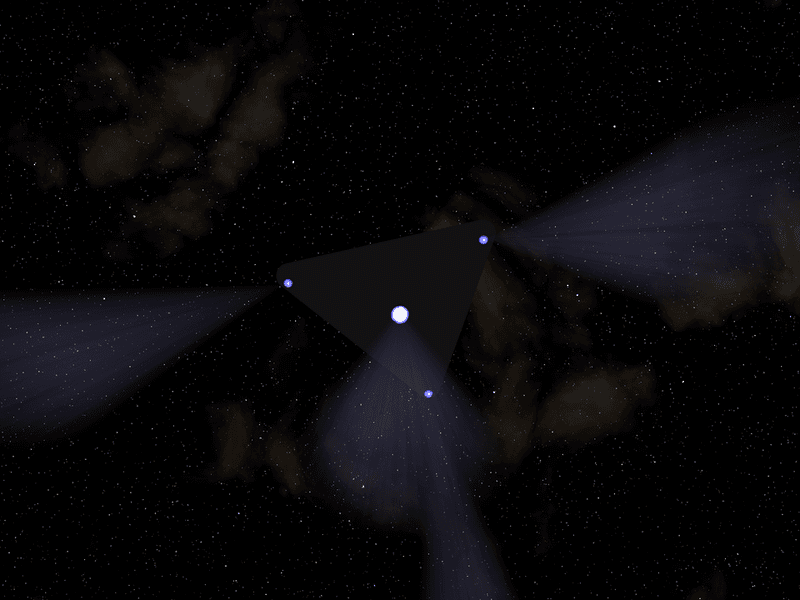
The sky over southeastern Massachusetts has earned a side career in keeping people outside longer than planned. UFO reports within the Bridgewater Triangle include hovering lights, abrupt direction changes, bright objects crossing familiar routes, and sightings that end with the oldest frustrating phrase in the file: then it vanished.
These accounts appeared often enough over the decades to place the region on informal UFO maps, especially during the late twentieth century when public interest in unexplained aerial phenomena surged nationwide. Some witnesses reported silent lights over swamps or open areas, while others described objects pacing cars or shifting position in ways they felt ordinary aircraft did not.
Of course, skies are crowded with possible explanations, from aircraft to atmospheric effects to simple misjudgment of distance, and skeptics are not short on material. Still, repeated reports in the same general corridor gave the Triangle another layer, turning it into a place where strange things were not only said to walk through the woods, but also to cross directly overhead.
6. Phantom Animals
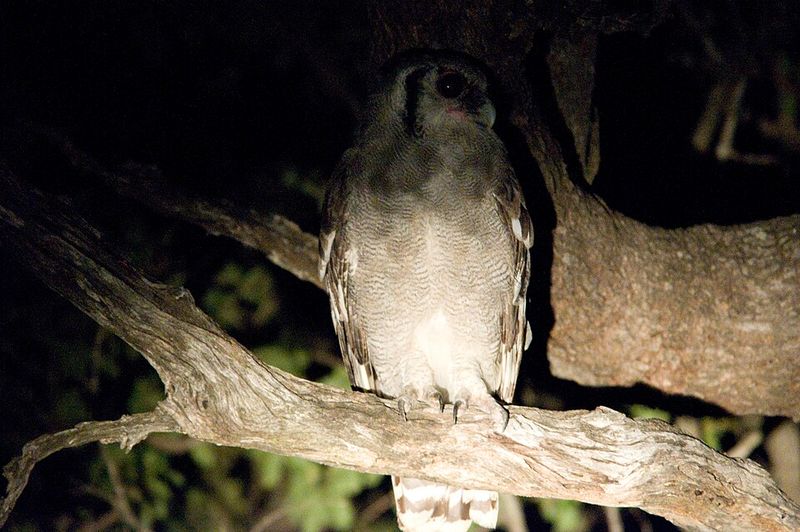
Nothing tests local wildlife knowledge quite like an animal that refuses to fit the field guide. Across the Bridgewater Triangle, witnesses have reported oversized dogs, unfamiliar birds, serpentlike forms, and other creatures that seem almost recognizable until one detail pushes them out of the ordinary and into regional legend.
New England has long supported tales of strange animals, so these stories arrived with plenty of cultural runway already built. In the Triangle, the setting helps the reports stick, because swamps, forest edges, and lightly developed stretches can turn distance and motion into excellent partners for confusion without requiring anyone to be dishonest.
Still, the reports remain interesting because many are specific in ways vague rumor usually is not, often noting size, gait, location, and behavior rather than simply declaring “monster” and calling it a day. Whether these encounters come from misidentification, folklore, or rare but ordinary animals seen under odd conditions, they keep the Triangle’s reputation broad, unpredictable, and stubbornly difficult to reduce to one tidy category.
7. The Freetown-Fall River State Forest
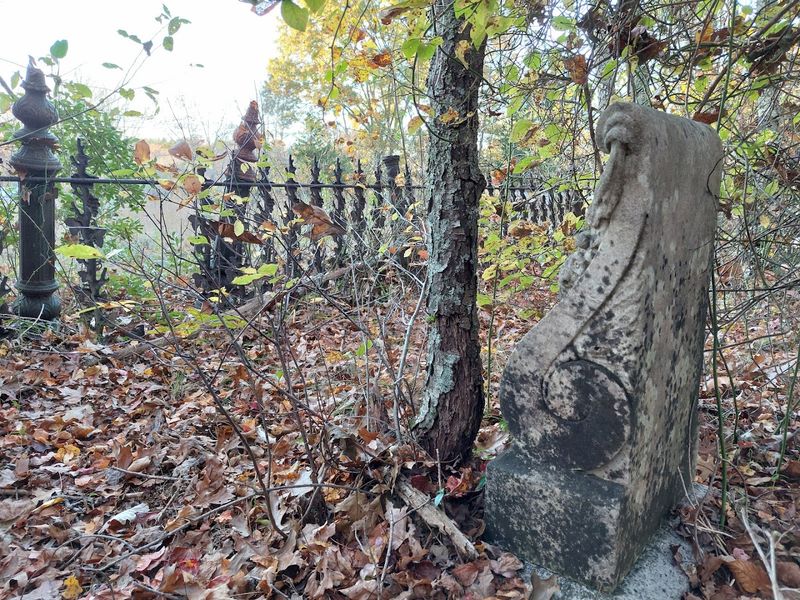
Some places acquire a reputation so strong that the map almost seems to carry a warning in invisible ink. The Freetown-Fall River State Forest is one of the Triangle’s most frequently mentioned locations, thanks to its size, isolation, and steady role in stories involving unusual sightings, rumors, and uneasy nighttime experiences.
By day, it is a public forest with trails, history, and the ordinary features you would expect from a large protected landscape in Massachusetts. After dark, according to local accounts, the place shifts in reputation rather than physical form, becoming a favored setting for reports that range from strange lights to disorienting encounters and behavior that witnesses struggle to explain.
Part of the forest’s cultural power comes from how many narratives have been attached to it over time, including paranormal claims, criminal rumors, and recreational trespass stories that all blur together in public memory. When one location gathers enough overlapping lore, every later visit arrives preloaded with expectation, and that alone can turn a simple walk in the woods into a highly memorable event.
8. Haunted Roads
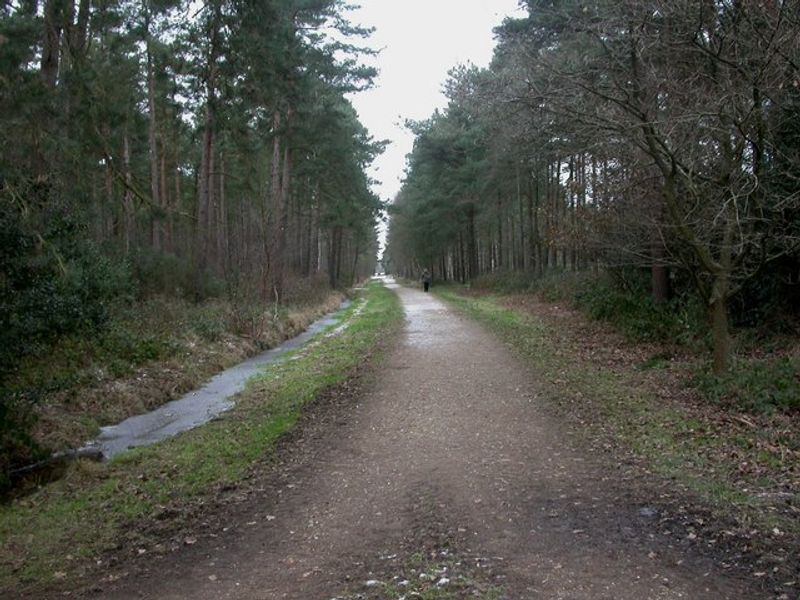
Road legends survive because they are easy to retell and even easier to imagine happening to you. Within the Bridgewater Triangle, certain stretches are repeatedly linked to reports of figures appearing in the roadway, sudden movement at the shoulder, or the classic stop-the-car moment that produces absolutely nothing when checked.
These stories follow an old American pattern, but local repetition gives them sharper edges and a more durable address. Drivers share the same general locations, the same startled reaction, and the same maddening aftermath, where certainty lasts only a few seconds before doubt walks in and asks inconvenient questions.
Historically, haunted road stories tend to flourish where infrastructure meets isolation, because roads bring people quickly through places they do not know well and rarely examine on foot. In the Triangle, that formula works especially well, since wooded corridors and lightly developed areas create ideal conditions for misreading distance, shape, and motion while still leaving witnesses convinced they experienced something specific enough to tell again.
9. Cult Rumors and Local Legends
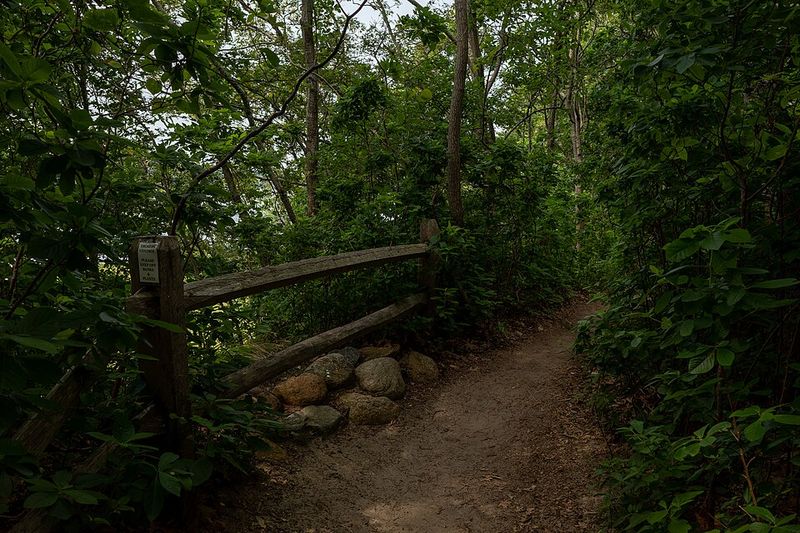
Every regional mystery eventually picks up rumors that spread faster than facts, and the Bridgewater Triangle is no exception. Stories of secret gatherings, rituals, and unusual activity in secluded woods have circulated for years, especially around places already burdened with a strong paranormal reputation.
These accounts are notoriously hard to verify, which has not stopped them from becoming part of the area’s narrative furniture. In practice, local legend often mixes a few genuine incidents of trespassing or odd behavior with secondhand retellings, turning uncertain fragments into a much larger story that feels complete mainly because people have heard pieces of it for so long.
From a cultural perspective, these rumors reveal how communities fill in gaps when a place already seems loaded with meaning. Once an area is known for unexplained lights, cryptids, and haunted roads, almost any unverified report can settle into the broader legend without much resistance, and that is how hearsay becomes tradition, tradition becomes warning, and warning becomes one more reason the Triangle keeps circulating in conversation.
10. Native American Folklore
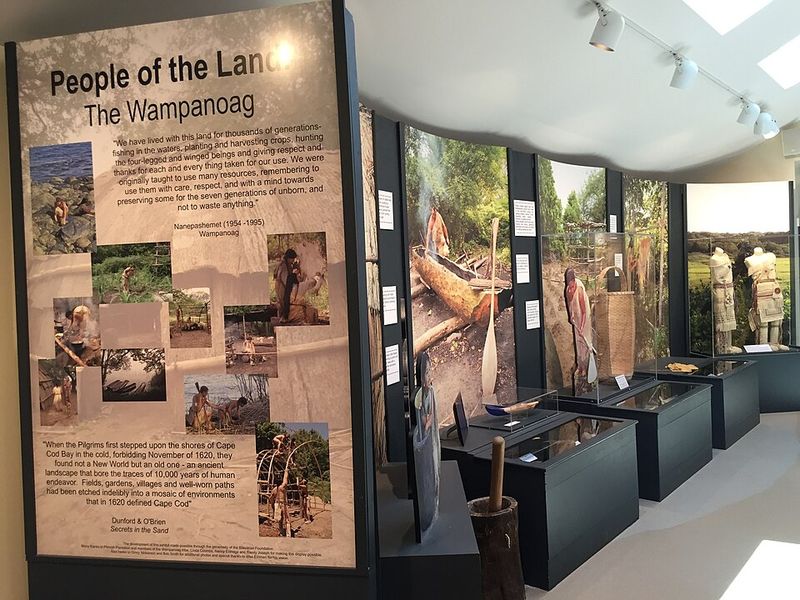
Long before anyone gave the region a catchy modern label, the land already carried meaning for the people who knew it first. Discussions of the Bridgewater Triangle often point to Native American traditions, especially Wampanoag and broader Algonquian associations with parts of the area as spiritually significant or deserving of caution.
The most frequently cited example is Hockomock, whose commonly repeated translation as “place where spirits dwell” has become central to later retellings. As with many translated place names, nuance matters, and popular paranormal versions can flatten complex Indigenous understandings into something tidier and stranger than the original cultural context likely intended.
That does not make the older traditions irrelevant. It makes careful handling more important, because the region’s modern mythology borrowed heavily from Indigenous presence while often failing to distinguish respectful history from sensational retelling.
If you want to understand the Triangle honestly, you have to see that its reputation did not begin with paperback paranormal culture, but with a landscape that already held meaning, memory, and inherited caution.
11. Patterns in the Reports
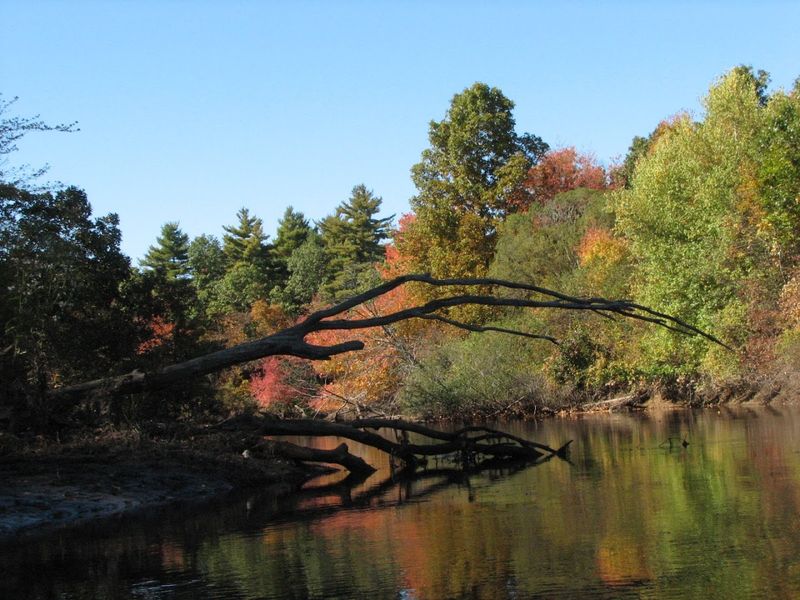
The most persuasive thing about the Triangle is not any single report, but the repetition that keeps surfacing around the same places. Over time, accounts of strange lights, unusual animals, roadside figures, and unsettling forest experiences tend to cluster around familiar locations rather than scattering randomly across the state.
That pattern does not automatically prove anything paranormal, but it does explain why the subject has remained so resilient. When people who do not know one another describe similar features in similar areas across different decades, the story gains structure, and structure is what separates enduring folklore from a rumor that burns out by next Tuesday.
Researchers and enthusiasts alike pay attention to these overlaps because they create a map of recurring attention, expectation, and memory. Some patterns may come from geography, some from storytelling habits, and some from the simple fact that famous places attract more observation than ordinary ones, yet the accumulation still matters.
The Triangle survives because its reports behave less like isolated anecdotes and more like a regional archive with recurring entries.
12. Why It Still Holds Attention
Some mysteries fade when better information arrives, but this one has stayed oddly durable through decades of changing media. The Bridgewater Triangle continues to hold attention because no single explanation has managed to clear the board, and every attempt to simplify it runs into another category of report waiting nearby.
Part of the appeal is geographic. The area is large enough to feel open-ended, old enough to carry layered history, and developed enough that stories can move easily from local conversation to books, documentaries, podcasts, and late-night internet rabbit holes that politely ruin your schedule.
Just as important, the Triangle rewards every kind of visitor. Skeptics find a case study in folklore, memory, and expectation, while believers find long continuity, named places, and witnesses who sound too specific to dismiss casually.
That combination keeps the region from slipping into novelty status. It remains a living piece of New England cultural memory, where history, landscape, and repetition keep producing the one thing every enduring mystery needs most: another person willing to ask what happened here.
Share this story