Some places on Earth are so wild and untamed that even the most experienced adventurers think twice before stepping in. Jungles cover about 6% of the planet’s surface, yet they remain among the most mysterious and perilous environments known to humankind.
From flesh-eating parasites to man-eating tigers, these green labyrinths hide dangers that can turn a simple wrong turn into a life-or-death situation. If you think you have what it takes to survive, read on — but don’t say we didn’t warn you.
Darién Gap — Panama/Colombia
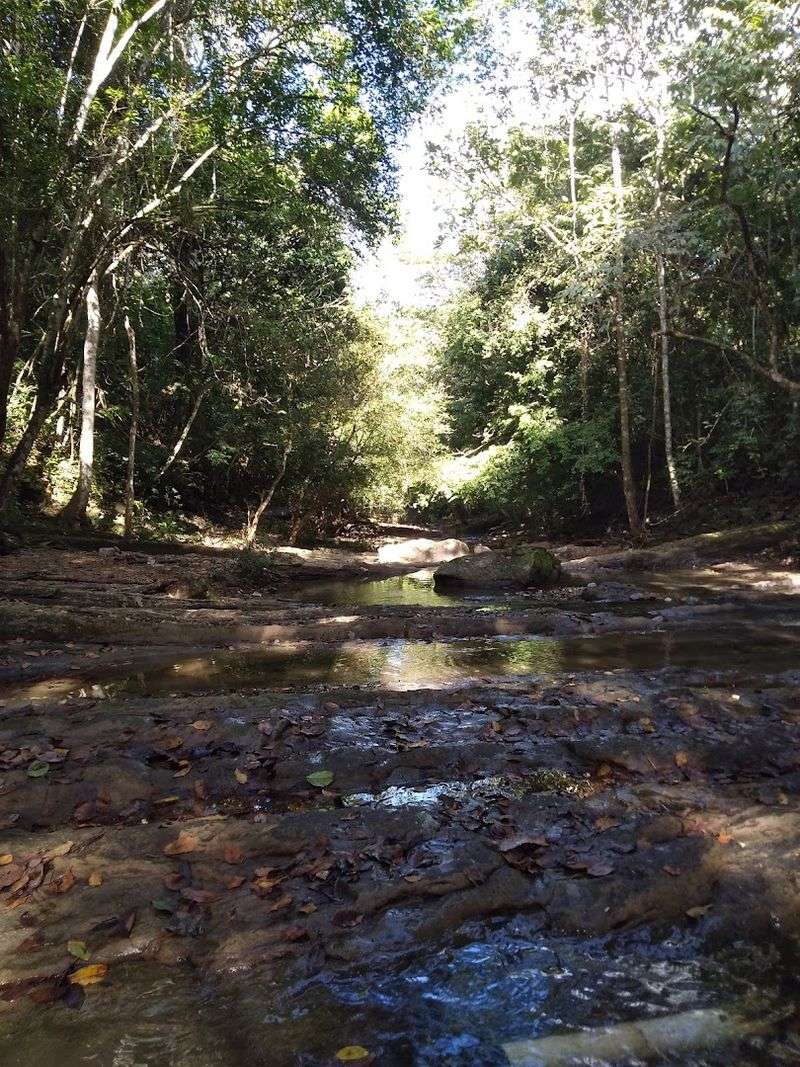
No road on Earth ends quite as dramatically as the Pan-American Highway, which stops dead at the edge of the Darién Gap — one of the most feared stretches of land in the Western Hemisphere. Spanning roughly 100 miles between Panama and Colombia, this roadless jungle is a suffocating maze of swamp, dense forest, and unpredictable rivers.
Venomous snakes slither beneath the undergrowth, and insects carry diseases like malaria and leishmaniasis. Humidity regularly tops 90%, making every step feel like walking through a warm, wet blanket.
Getting lost here is easy; getting found is not.
Criminal organizations have long used the Gap as a smuggling corridor, adding a human threat that rivals the natural dangers. Thousands of migrants attempt the crossing every year, and many do not make it safely.
Survival experts consistently rank the Darién Gap as one of the most hostile environments on the planet. Even seasoned military units treat this jungle with extreme caution and thorough preparation before entry.
Amazon Rainforest — South America
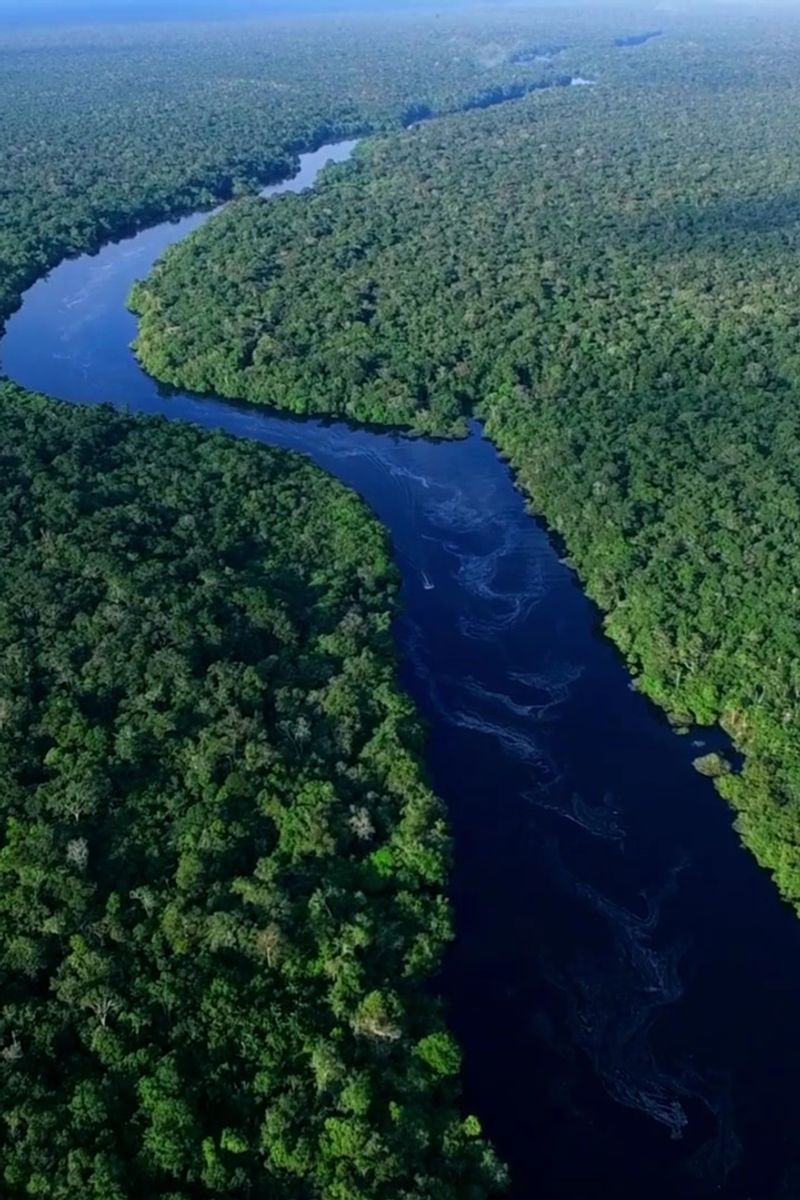
Stretching across nine countries and covering over 2.7 million square miles, the Amazon Rainforest is so enormous that the entire continental United States could fit inside it with room to spare. That sheer size is one of its greatest dangers — getting lost here means being swallowed by an ocean of green with no landmarks and no signal.
The wildlife roster reads like a horror movie cast list: anacondas, jaguars, electric eels, bullet ants, and the notorious candiru fish. Dozens of venomous snake species patrol the forest floor, and insects carry diseases including dengue fever, malaria, and yellow fever.
The heat and humidity sap energy fast, and dehydration can sneak up even when you’re surrounded by water.
Flash flooding can transform a calm riverbank into a raging torrent in minutes. Experienced guides know that the Amazon demands constant alertness — there is no autopilot in a place this alive.
Indigenous communities have called this forest home for thousands of years, but they carry knowledge that outsiders simply do not have. Respect for this jungle is not optional; it is survival.
Congo Rainforest — Central Africa
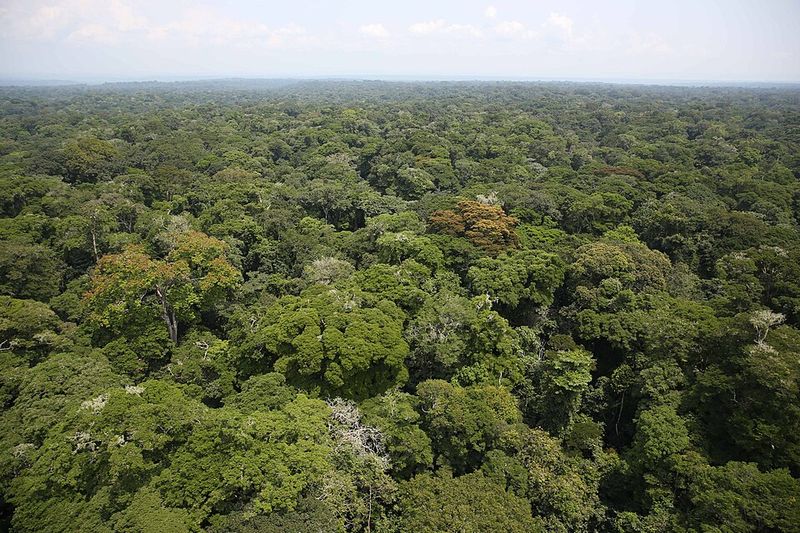
Second only to the Amazon in size, the Congo Rainforest is the kind of place that swallows explorers whole and barely notices. Covering over 1.3 million square miles across six countries, this jungle remains one of the least mapped and least understood ecosystems on Earth.
Satellite imagery can only reveal so much when the canopy is this thick.
Gorillas, forest elephants, and leopards roam freely, but the real threats often come in smaller packages — mosquitoes carrying malaria, tsetse flies spreading sleeping sickness, and parasites lurking in water sources. Dense vegetation makes navigation a slow, exhausting grind, and trails can disappear entirely after heavy rain.
Political instability in countries like the Democratic Republic of Congo adds a layer of danger that no survival guide can fully prepare you for. Armed groups operate in remote regions, making certain areas genuinely off-limits without military escort.
Infrastructure is minimal, meaning medical help can be days away if something goes wrong. Scientists who study this forest often describe it as simultaneously breathtaking and deeply unsettling — a place that feels like it belongs to a different, wilder era of the planet entirely.
Sundarbans — India/Bangladesh
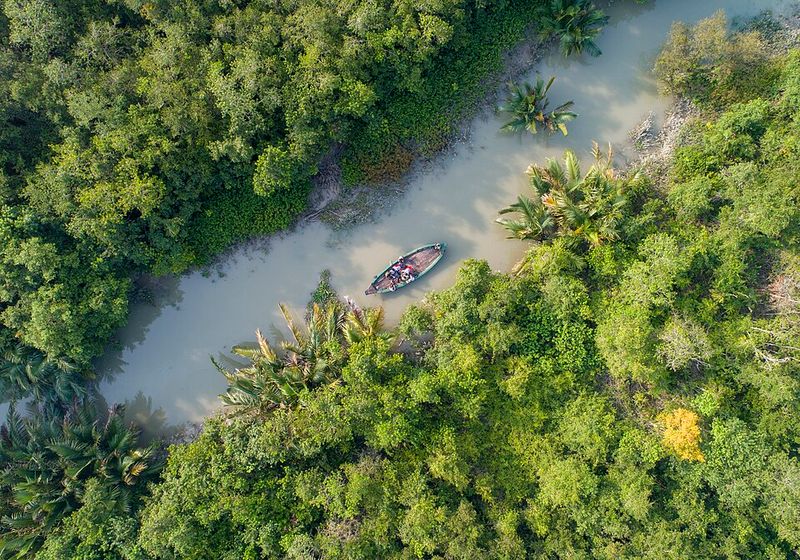
Somewhere in the Sundarbans, a Bengal tiger is almost certainly watching you right now — and you have absolutely no idea. This vast mangrove delta straddling India and Bangladesh is the only place on Earth where tigers have adapted to saltwater swimming, making them uniquely terrifying predators.
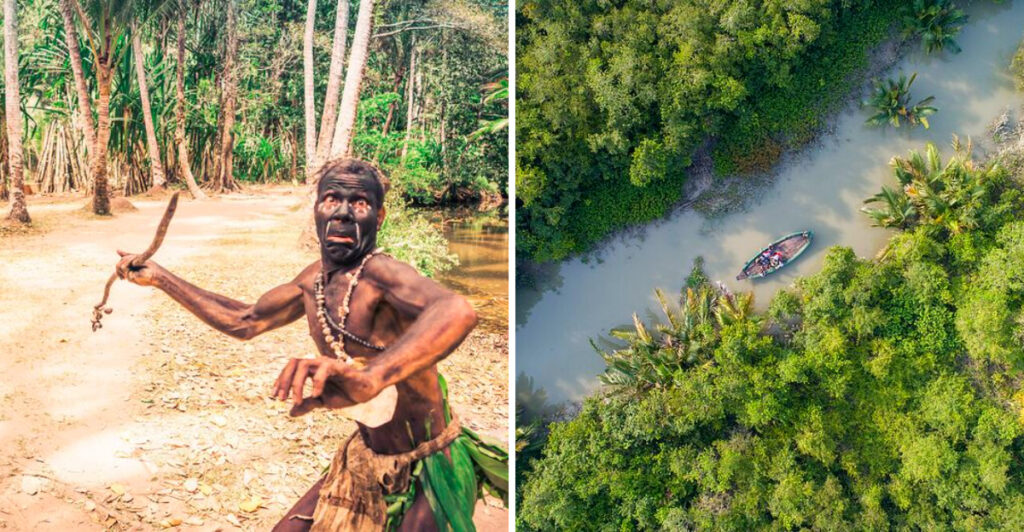
Local honey collectors and fishermen enter the forest wearing masks on the backs of their heads, believing tigers only attack from behind.
The landscape itself is treacherous. Tidal flooding surges through the mangrove channels twice daily, reshaping pathways and cutting off escape routes without warning.
Saltwater crocodiles patrol the waterways, and the muddy ground makes movement painfully slow and physically draining.
Navigation is a nightmare — the Sundarbans is a constantly shifting network of islands and channels that looks different every season. GPS helps, but even modern technology struggles when the land itself keeps changing.
Cyclones frequently batter the region, and the combination of storm surge and dense jungle creates conditions that even experienced rangers find daunting. The Sundarbans earned its name from the Sundari tree, but there is nothing gentle about this forest.
It is wild, unpredictable, and unapologetically dangerous.
Papua New Guinea Jungles
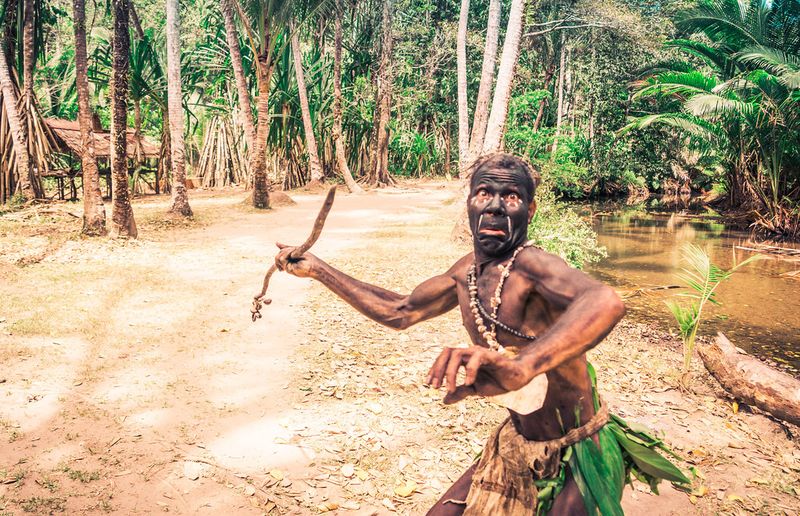
Papua New Guinea holds a remarkable and slightly unnerving distinction: it is home to some of the most isolated human communities on Earth, where entire villages had never encountered the outside world until the mid-20th century. The jungles that kept those communities hidden are every bit as formidable as you might imagine.
Steep mountain ridges, razor-sharp kunai grass, and relentless tropical downpours make travel genuinely punishing.
Tropical diseases hit hard here. Malaria is widespread, and scrub typhus — spread by tiny mites — is a serious concern in remote areas.
Medical evacuation from deep jungle regions can take days, which transforms even a minor infection into a potentially life-threatening situation.
Wildlife adds to the challenge. The jungle floor hides venomous spiders and snakes, while rivers run fast and unpredictable during wet season.
Some local communities are welcoming; others have historically been hostile to outsiders, and tribal conflicts still occur in remote highlands. Communication is difficult because Papua New Guinea has over 800 languages — more than any other country on Earth.
Going in without a trusted local guide is not just risky; experienced travelers will tell you it is simply foolish.
Borneo Rainforest — Malaysia/Indonesia
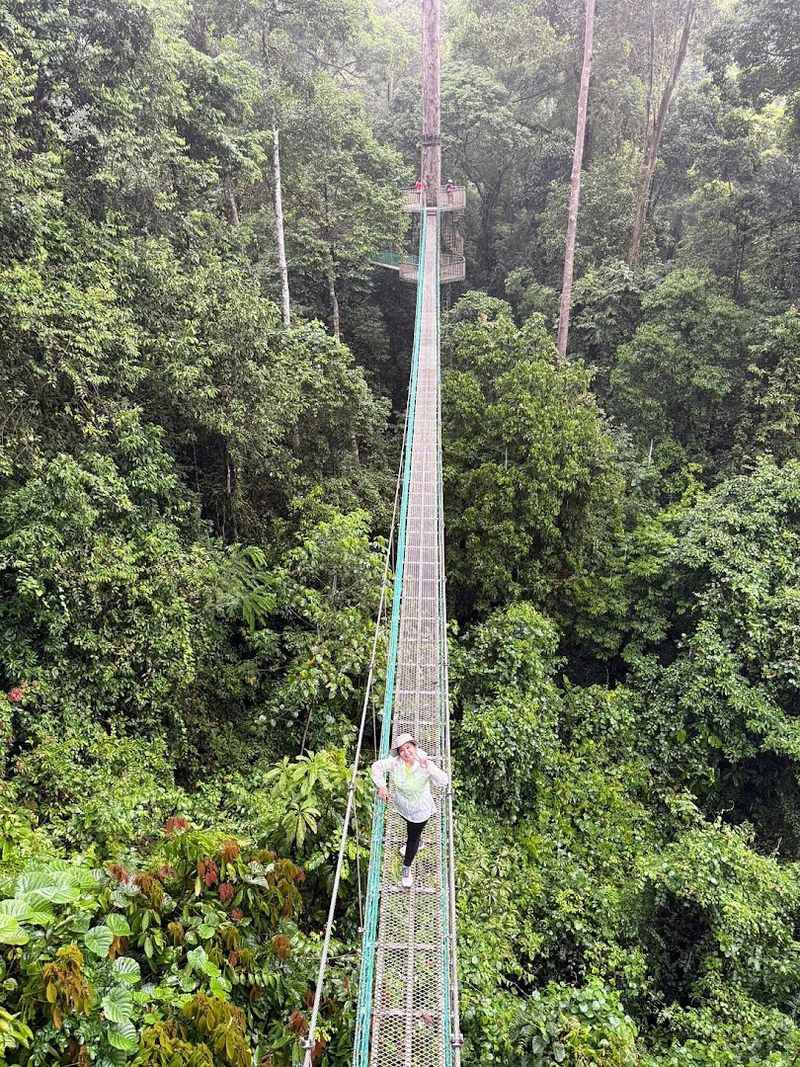
Borneo’s rainforest has been growing for approximately 140 million years, making it one of the oldest tropical forests on the planet. That age shows — the ecosystem is extraordinarily complex, layered, and packed with species found absolutely nowhere else.
It is also packed with things that can seriously ruin your day if you are not careful.
King cobras reach lengths of up to 18 feet in these forests, and the Bornean pit viper is renowned for its foul temper and potent venom. Leeches are a constant companion on any jungle trek, attaching themselves to ankles and necks with cheerful determination.
Heat and humidity combine to make physical exertion feel twice as hard as it actually is.
The terrain shifts dramatically — coastal mangroves give way to lowland jungle, then steep mountain forest, each zone presenting its own set of challenges. Flash floods during monsoon season can isolate trekkers for days.
Illegal logging has created patchwork landscapes where navigation becomes genuinely confusing, with cleared areas giving false impressions of easier travel ahead. Orangutans watch curiously from the canopy above, reminding you that this forest belongs to them — you are just a clumsy, underprepared visitor passing through.
Madagascar Rainforests
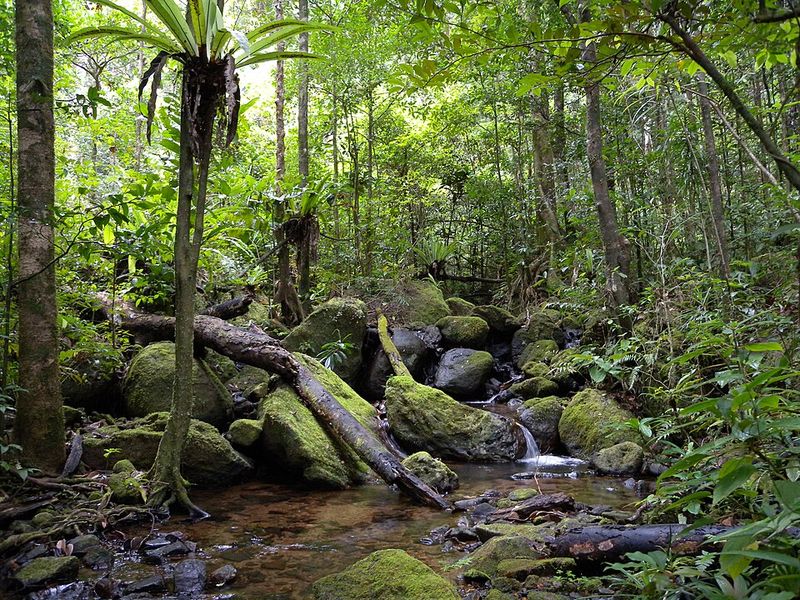
About 90% of Madagascar’s wildlife exists nowhere else on Earth, which sounds delightful until you realize that uniqueness extends to its parasites, venomous creatures, and diseases too. The eastern rainforests of this island nation are thick, wet, and remote in a way that feels almost defiant — as if the jungle actively resists human presence.
Navigation is rough. Trails wash out regularly during the rainy season, and the mountainous terrain adds serious physical strain to any journey.
Medical facilities in remote jungle regions are sparse to nonexistent, meaning a snake bite or severe infection becomes a genuine emergency with no easy solution nearby.
Madagascar’s isolation from the mainland has created evolutionary quirks that surprise even experienced naturalists. Leaf-tailed geckos vanish into bark.
Fossa — cat-like predators related to mongooses — patrol the forest with unsettling efficiency. Cyclones strike the island regularly, and when one hits while you are deep in the jungle, shelter options are extremely limited.
Local guides from Malagasy communities carry generations of knowledge about these forests, and hiring one is not just helpful — it is the difference between a challenging adventure and a genuinely dangerous ordeal that you may not walk away from.
Daintree Rainforest — Australia
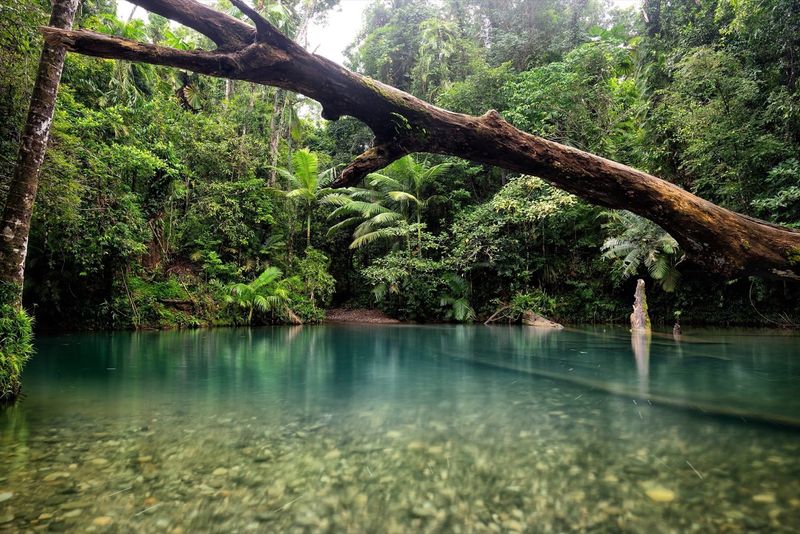
At 135 million years old, the Daintree Rainforest predates the Amazon by tens of millions of years — making it the oldest surviving tropical rainforest on Earth. It sits in Queensland, Australia, which means it carries the full weight of Australia’s reputation for hosting creatures that want to kill you.
That reputation, it turns out, is entirely earned.
Saltwater crocodiles lurk in rivers and coastal areas with patience that borders on philosophical. Cassowaries — giant flightless birds with dagger-like claws — are considered among the most dangerous birds alive and have attacked humans unprovoked.
Stinging trees, known locally as gympie-gympie, deliver a sting so painful that soldiers during World War II reportedly chose other options rather than touch one.
The forest meets the Great Barrier Reef at the coastline, creating a dramatic dual environment where marine and jungle hazards overlap. Box jellyfish patrol the coastal waters during warmer months, adding another layer of danger to an already intense destination.
Despite all this, the Daintree draws thousands of visitors each year, and with proper guidance, it is navigable. But wandering off marked trails here is exactly the kind of decision that makes for a very dramatic rescue story — if you get rescued at all.
Taman Negara — Malaysia
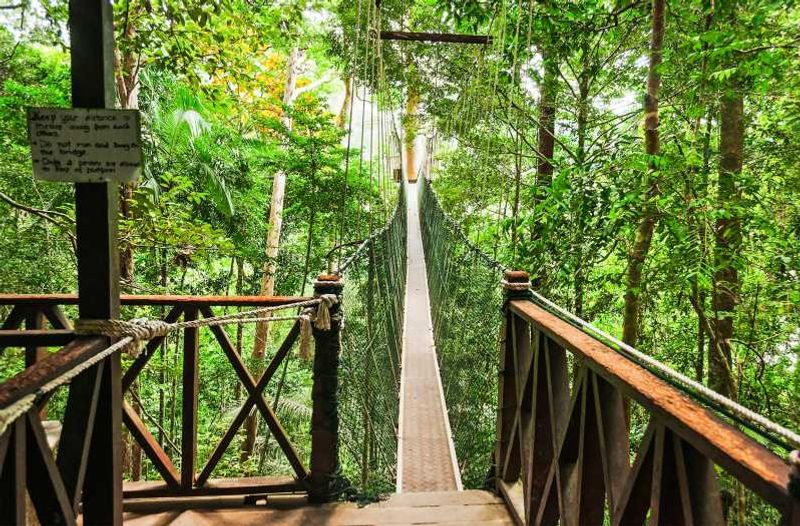
Taman Negara is estimated to be around 130 million years old, which means this Malaysian rainforest watched the dinosaurs come and go without blinking. What remains today is a staggeringly dense, layered jungle that covers over 4,000 square kilometers of peninsular Malaysia.
It looks beautiful in photographs — and it absolutely is — but beauty and safety are very different things in a place this ancient.
Leeches are the unofficial mascots of Taman Negara, appearing on legs, arms, and necks within minutes of entering the forest. Reticulated pythons, one of the world’s longest snakes, patrol the undergrowth along with king cobras and banded kraits.
The humidity is relentless, pushing trekkers to their physical limits even on shorter trails.
River levels can rise dramatically after upstream rainfall, even on a sunny day in your location — a phenomenon that catches unprepared visitors badly off guard. Malaria and dengue fever remain real risks, requiring prophylactic medication and serious insect protection.
The canopy walkway at Taman Negara offers a rare bird’s-eye view of the forest, but below the boards, the jungle operates entirely on its own terms. Respect the rules, follow your guide, and the Taman Negara rewards you with one of Asia’s most extraordinary wilderness experiences.
Belize Rainforests — Central America
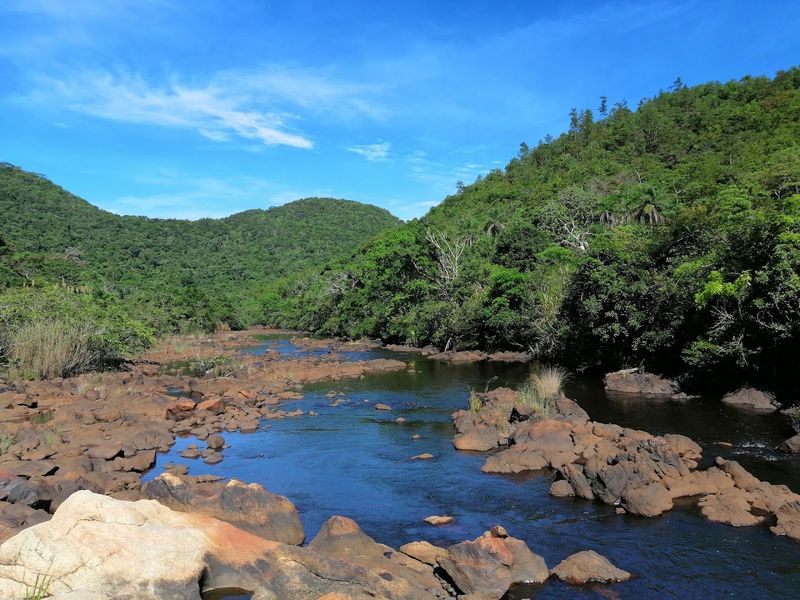
Hidden beneath the green canopy of Belize’s jungles are the ruins of a civilization that once ruled Central America — the Maya built cities here over 3,000 years ago, and the forest has been slowly reclaiming them ever since. That layered history makes Belize’s jungles fascinating, but the wildlife operating at ground level keeps things firmly dangerous.
Jaguars — the Americas’ largest wild cat — roam these forests, and while attacks on humans are rare, encounters do happen. Fer-de-lance snakes are responsible for the majority of serious snakebite incidents in Central America, and Belize’s jungles are prime fer-de-lance territory.
Mosquitoes here carry dengue, malaria, and Chagas disease, making insect repellent less of a suggestion and more of a survival tool.
The heat is relentless from March through May, and even experienced hikers underestimate how quickly dehydration sets in under a jungle canopy that traps heat without providing shade from humidity. Rivers swell dramatically during the rainy season, cutting off trails and turning crossings into hazardous exercises.
Belize does have a growing ecotourism infrastructure, so guided tours are available — and honestly, using one makes the difference between genuinely enjoying this spectacular wilderness and becoming a cautionary tale.
Lacandon Jungle — Mexico
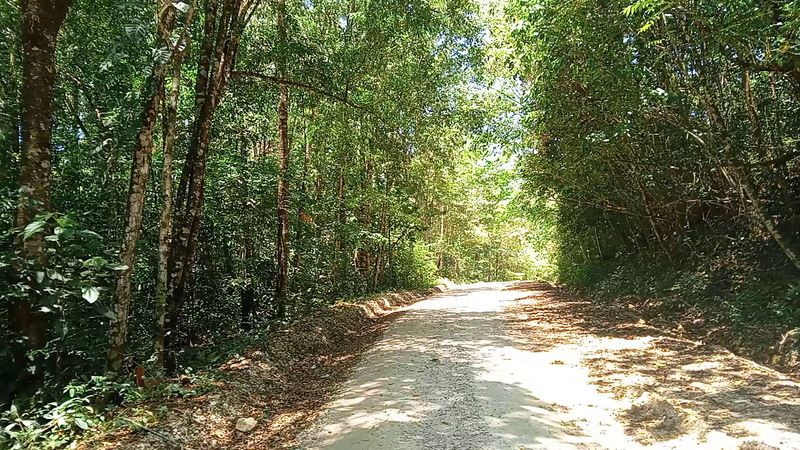
Tucked into the southernmost corner of Mexico, the Lacandon Jungle is one of North America’s last great tropical rainforests — and one of its most overlooked dangers. Covering parts of Chiapas state near the Guatemalan border, this jungle has been home to the Lacandon Maya for centuries, a community that has maintained a close, deeply knowledgeable relationship with the forest that outsiders simply cannot replicate quickly.
The terrain is relentlessly humid, with rainfall that can exceed 120 inches per year in some areas. Beneath the dense canopy, the forest floor is a tangle of roots, mud, and hidden water channels that make straightforward walking genuinely difficult.
Fer-de-lance snakes are present, along with botflies — parasitic insects whose larvae burrow under human skin and are as unpleasant as they sound.
Political tensions in parts of Chiapas have historically made certain jungle regions sensitive to enter, and travelers should research current conditions carefully before planning any expedition. Illegal logging has fragmented some areas, creating disorienting patchwork landscapes that confuse even experienced navigators.
The Lacandon Jungle also holds extraordinary biodiversity — jaguars, tapirs, scarlet macaws — making it a genuinely rewarding destination for those prepared to handle its very real challenges with proper planning and respect.
Valdivian Rainforest — Chile
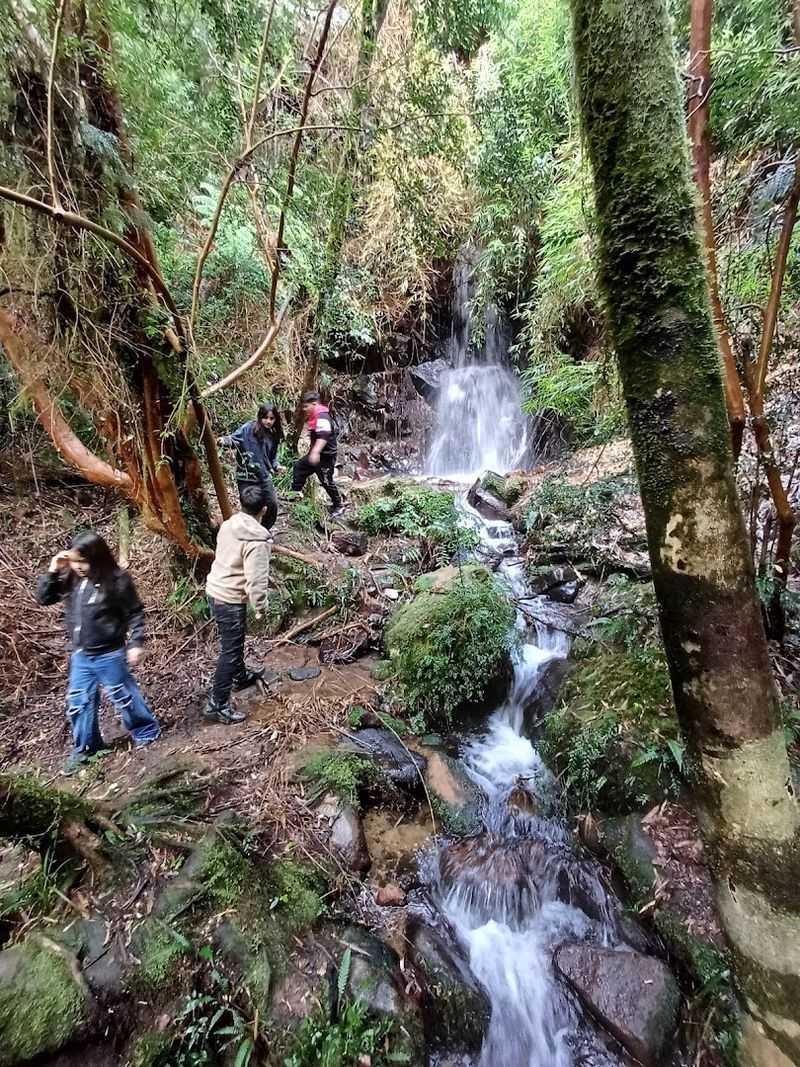
Most people picture jungles as hot and steaming, which is exactly why the Valdivian Rainforest catches visitors completely off guard. Stretching along the coast of southern Chile, this is a temperate rainforest — cool, perpetually wet, and draped in moss so thick it muffles sound.
It looks like something from a fantasy novel, but surviving in it requires very practical skills.
Annual rainfall in some parts of the Valdivian exceeds 160 inches, meaning the ground is almost never dry. Hypothermia is a genuine threat despite the forest’s lush appearance, because wet and cool conditions drain body heat far faster than most people expect.
Navigation is extremely difficult — the dense vegetation limits visibility to just a few meters in any direction, and landmarks are nearly impossible to identify.
The forest is home to pumas, which are largely elusive but have been known to stalk hikers in remote areas. Pudu — the world’s smallest deer — also live here, which is admittedly adorable but does nothing to reduce the danger.
Limited infrastructure in the surrounding region means emergency response times can be very long. The Valdivian Rainforest is hauntingly beautiful, but underestimating its rain, cold, and isolation has gotten experienced outdoors people into serious trouble more than once.
Central African Ituri Forest — DRC
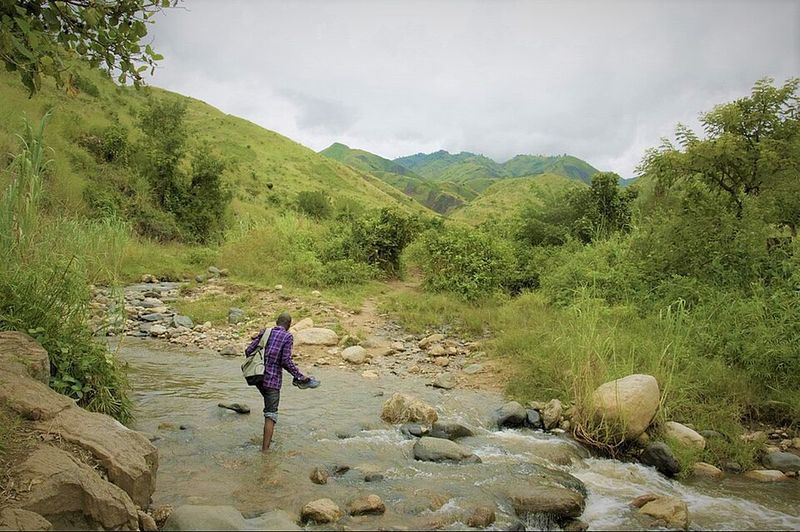
The Ituri Forest sits in the northeastern corner of the Democratic Republic of Congo, and it operates by rules that have nothing to do with the modern world. Home to the Mbuti pygmy people for tens of thousands of years, this ancient forest is one of the most ecologically rich and simultaneously most dangerous jungles in Africa.
The Mbuti navigate it with extraordinary skill — outsiders rarely do.
The forest is dense enough to block significant sunlight at ground level, creating a dim, disorienting environment where direction becomes genuinely confusing within minutes of leaving a trail. Okapis — the giraffe’s forest-dwelling relative — move silently through this undergrowth, which gives you a sense of how well-adapted life here has become to concealment and quiet movement.
Disease is a major concern. The DRC has experienced multiple Ebola outbreaks in recent decades, and the Ituri region has been affected.
Malaria is endemic, and access to medical care is extremely limited in remote areas. Armed conflict has plagued the region for years, making certain parts of the Ituri Forest genuinely off-limits without serious security consideration.
Researchers and conservationists who work here describe it as one of the most challenging field environments on Earth — rewarding, but demanding absolute preparation and local expertise.
Mekong Jungle Regions — Southeast Asia
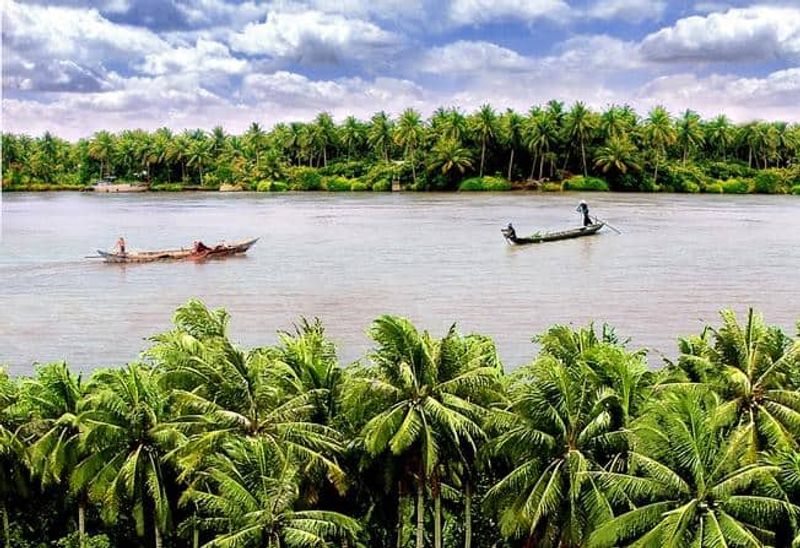
The Mekong River stretches nearly 3,000 miles through Southeast Asia, and the jungle regions flanking its banks are among the most ecologically complex — and seasonally dangerous — environments in the world. During dry season, travel is challenging.
During wet season, it becomes something else entirely. Rivers overflow, trails vanish, and entire stretches of jungle transform into shallow inland seas almost overnight.
King cobras, Malayan pit vipers, and banded kraits are all present in the Mekong jungle regions. Mosquitoes in these areas carry malaria and Japanese encephalitis, a viral brain infection that is rare but extremely serious when it occurs.
The combination of heat, humidity, and physical terrain makes dehydration and heat exhaustion consistent risks.
Unexploded ordnance from 20th-century conflicts remains a genuine hazard in parts of Laos and Cambodia, particularly in areas adjacent to jungle trails. Venturing off established paths in certain regions carries risks that have nothing to do with wildlife.
The Mekong jungles do reward prepared travelers with extraordinary biodiversity — rare freshwater dolphins, giant catfish, and hundreds of bird species call this corridor home. But the seasonal flooding alone has humbled experienced expedition teams who underestimated how quickly the landscape can shift from manageable to merciless.
Western Ghats Rainforests — India
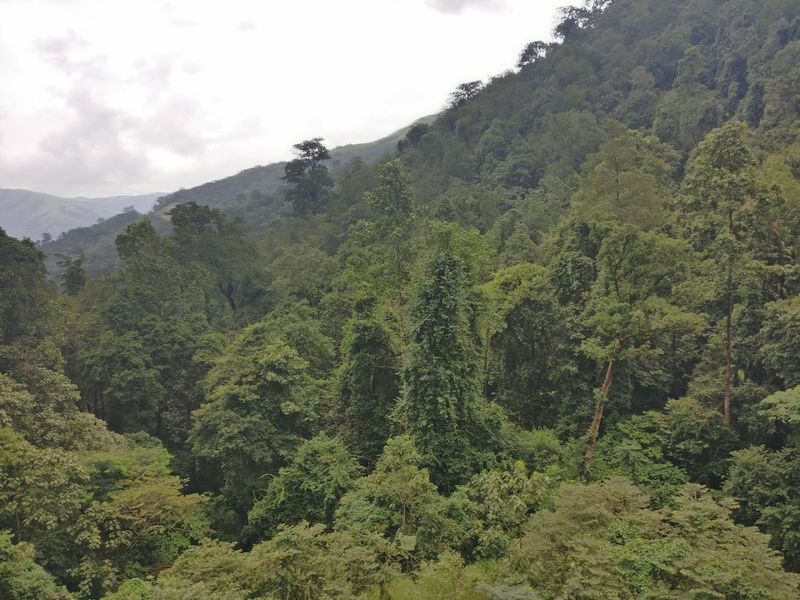
Running like a green spine along India’s southwestern coast, the Western Ghats rainforests are recognized as one of the eight hottest biodiversity hotspots on Earth. That designation sounds academic until you are standing on a narrow jungle trail in Kerala during monsoon season, rain hammering down, visibility near zero, and the distant trumpet of an elephant somewhere uncomfortably close ahead.
Indian elephants are the most dangerous large animal in the Western Ghats — responsible for more human fatalities in India than tigers or leopards. King cobras and Russell’s vipers patrol the forest floor, and leeches descend in enthusiastic numbers during the wet months.
Steep terrain combined with slick, rain-soaked trails turns even experienced trekkers into candidates for serious ankle and knee injuries.
The monsoon season, which runs roughly from June through September, dumps extraordinary amounts of rainfall on these forests. Landslides are a documented risk on the steeper slopes, and rivers that were ankle-deep in April can become impassable torrents by July.
Despite the hazards, the Western Ghats support over 5,000 plant species and hundreds of birds found nowhere else. Local forest guides carry deep knowledge of these trails and wildlife patterns — hiring one is not just smart advice, it is the kind of decision that keeps you alive and genuinely enjoying one of India’s most spectacular wild places.
Share this story