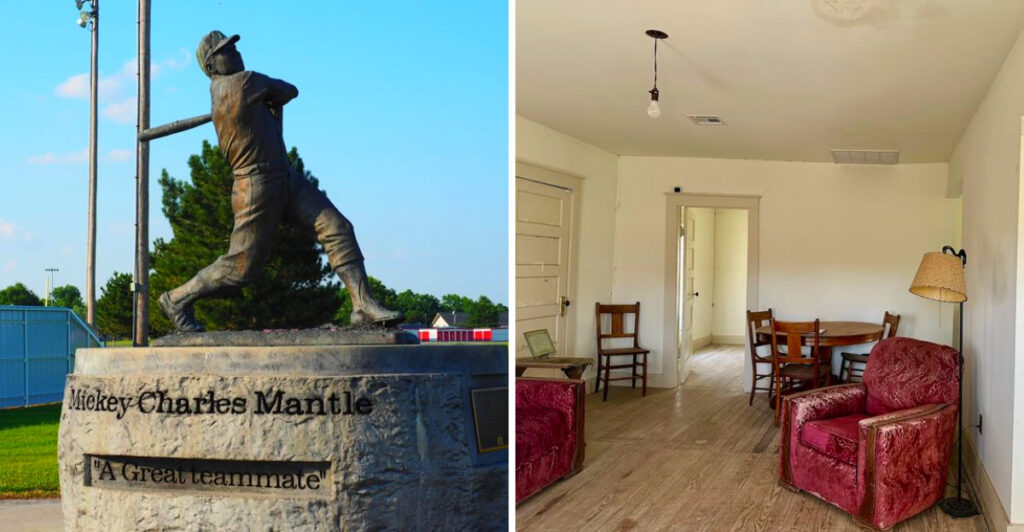
There is a small, weathered house on a quiet street in northeastern Oklahoma that most people would drive past without a second thought. But this particular house happens to be where one of the greatest baseball players in American history spent his childhood, swinging a bat in the backyard long before the roar of a major league crowd ever reached his ears.
Mickey Mantle grew up here, trained here, and dreamed here, in a modest home that looks nothing like what you would expect from a legend’s origin story. Follow along as I take you through every corner of this remarkable little landmark and explain exactly why it deserves a spot on your road trip list.
Finding the House at 319 S Quincy Street
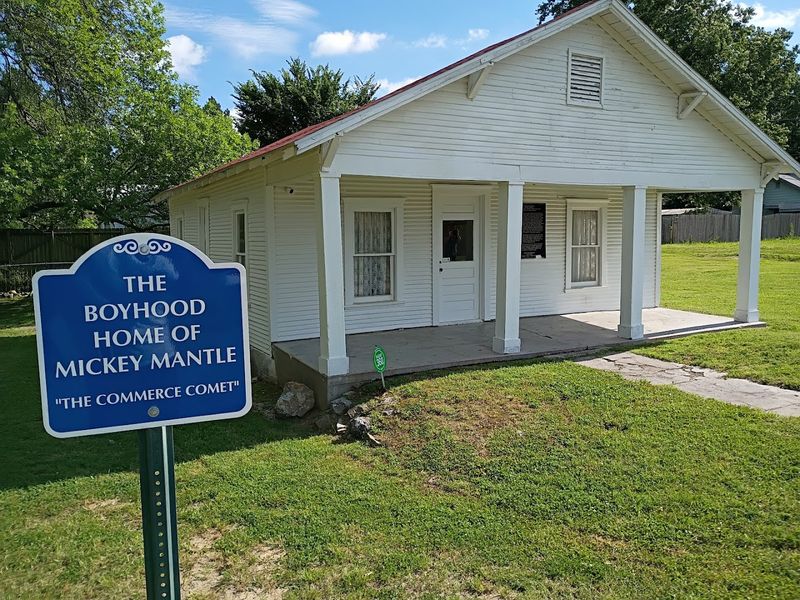
There is something quietly thrilling about turning off the highway and following a single blue sign to a house that changed baseball history. Mickey Mantle’s Childhood Home sits at 319 S Quincy St, Commerce, Oklahoma 74339, a small town in the northeastern corner of the state, not far from the Kansas and Missouri borders.
Commerce is the kind of place where everyone knows their neighbors, and the streets are wide and unhurried. The house itself blends into the neighborhood so naturally that first-time visitors sometimes do a double take when they realize they have arrived.
Google Maps brings you right to it without any drama, and once you spot the historical marker near the front door, the significance of the address really starts to sink in. The site is open 24 hours a day, every day of the week, and there is no admission fee.
You can reach the site by phone at 918-675-4373 if you want more information before your visit.
The Story Behind the Commerce Comet
Mickey Mantle was born on October 20, 1931, in Spavinaw, Oklahoma, but Commerce is where his story truly began to take shape. His father, Elvin “Mutt” Mantle, was a passionate baseball fan who named his son after Philadelphia Athletics catcher Mickey Cochrane, hoping the name alone might carry some good fortune.
Mutt was determined to raise a switch-hitter, meaning a player who could bat from both the left and right sides of the plate. He and Mickey’s grandfather Charley worked with the young boy relentlessly in the backyard of this very house, taking turns pitching to him from opposite sides.
That kind of dedicated, methodical training paid off in ways even the most optimistic father could not have fully predicted. Mantle went on to become one of the most feared hitters in baseball history, earning the nickname “The Commerce Comet” long before he ever put on a New York Yankees uniform.
This house is where that nickname was quietly being earned, one swing at a time.
What the House Actually Looks Like Up Close
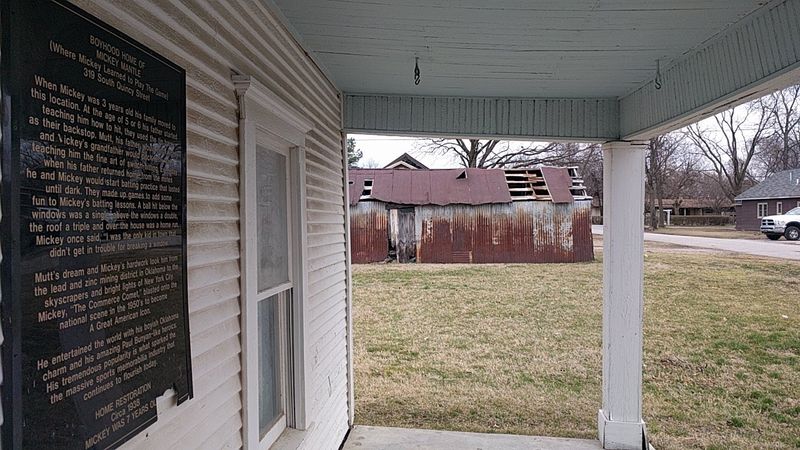
The house is compact and unpretentious, the kind of home that speaks honestly about working-class life in 1930s and 1940s Oklahoma. A plaque mounted near the front door gives a brief but meaningful summary of who lived here and why it matters, and reading it while standing on the same patch of ground where Mickey once ran around gives the words a real weight.
You cannot go inside, but you can peer through the windows and catch a glimpse of the sparse furnishings still inside. The interior looks small, a little cool in feeling, and very basic, which makes it all the more remarkable that such an extraordinary athletic career was nurtured within those walls.
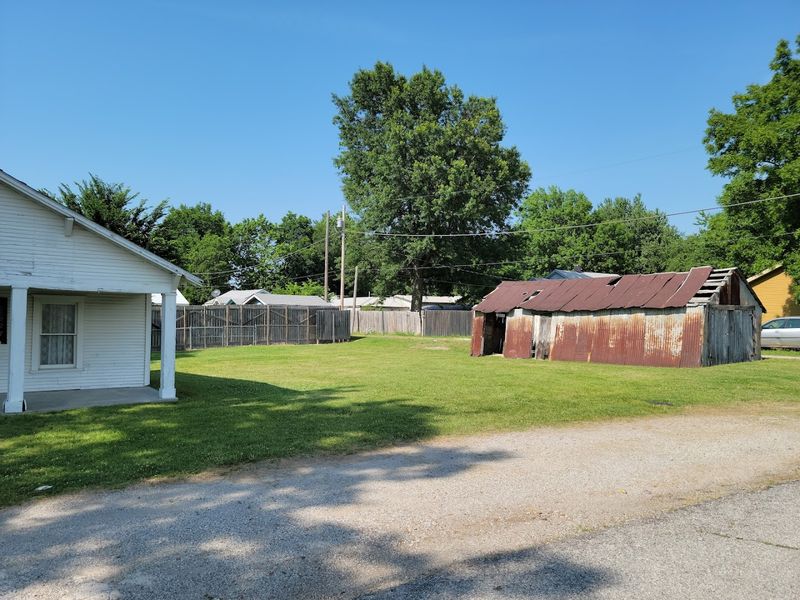
Next to the house stands a rusty tin shed that served as the backstop when Mutt and Charley pitched to young Mickey during practice sessions. That shed is one of the most quietly powerful details on the property.
It is not glamorous, but it is real, and it connects you to the actual texture of how this legend was built, one backyard session at a time.
Route 66 and the Road Trip Connection
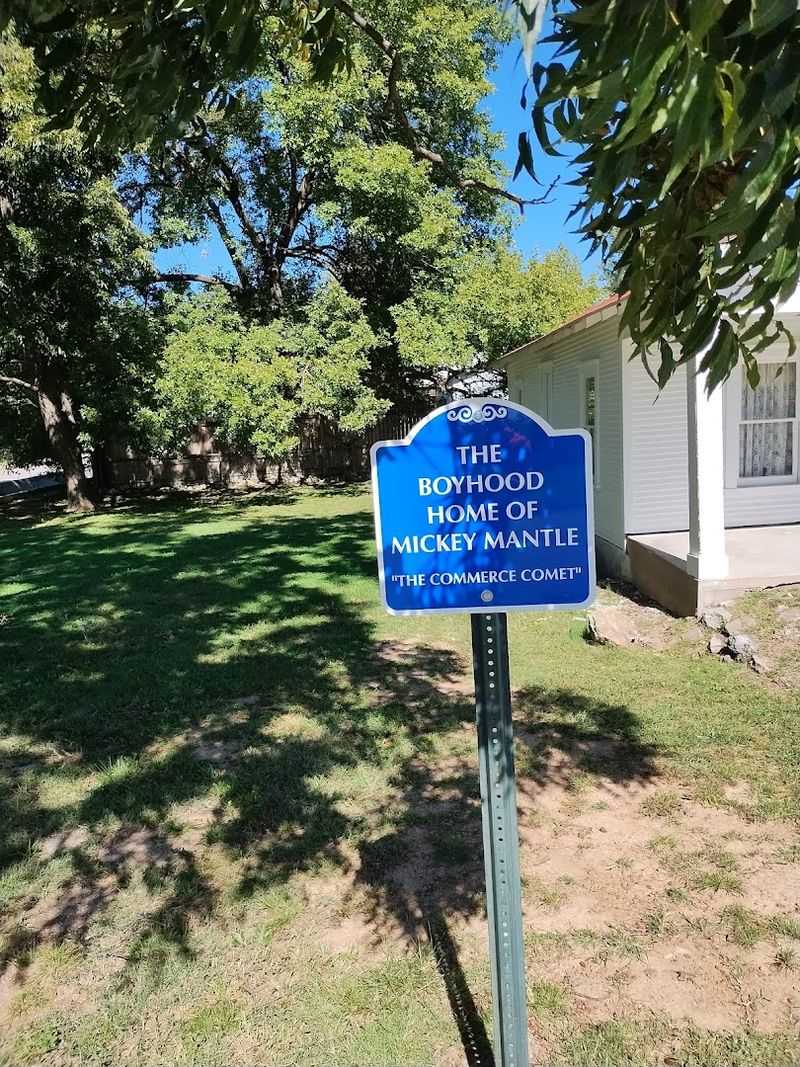
Part of what makes this stop so satisfying is that it fits naturally into one of America’s most beloved road trip routes. Mickey Mantle’s Childhood Home is a stop on the official Oklahoma Route 66 Passport program, which encourages travelers to collect stamps at historic landmarks along the Mother Road as they cross the state.
Route 66 runs through northeastern Oklahoma and passes close enough to Commerce that adding this detour costs you almost no extra time. The site sits just off the highway, making it an easy pull-off rather than a complicated side mission.
Travelers who have made the stop as part of a larger Route 66 journey consistently describe it as one of the more memorable moments of the trip, not because of elaborate displays or dramatic presentations, but because of the raw simplicity of seeing history right in front of you. No velvet ropes, no gift shop, no ticket booth.
Just a house, a shed, a plaque, and the open Oklahoma sky overhead. Sometimes the most powerful historic sites are the ones that let the facts speak for themselves without dressing them up.
Mantle’s Training Regimen and His Father’s Vision
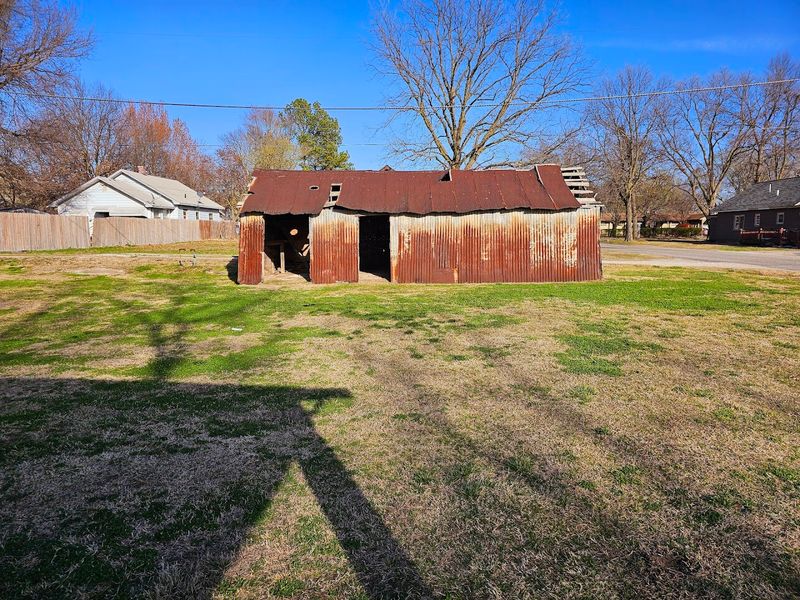
What happened in this backyard was not casual weekend play. Mutt Mantle had a specific plan, and he worked it with the kind of focus that most professional coaches would respect.
He pitched right-handed to Mickey when Mickey batted left-handed, and then Charley would pitch left-handed when Mickey switched to the right side of the plate.
This daily routine built the muscle memory and coordination that would eventually make Mickey one of the most dangerous switch-hitters the sport had ever seen. The tin shed behind the house acted as the backstop, stopping wild pitches and keeping the sessions moving efficiently in a space that was far from luxurious.
There were no fancy training facilities, no batting cages with sensors, and no professional coaches on the payroll. Just a father with a dream, a grandfather with a willing arm, and a boy with extraordinary natural talent being shaped by repetition and love.
That story resonates with anyone who has ever worked hard at something in humble surroundings, and it is exactly why this small backyard carries so much meaning for the people who visit it today.
Visiting as a Baseball Fan Versus a History Buff
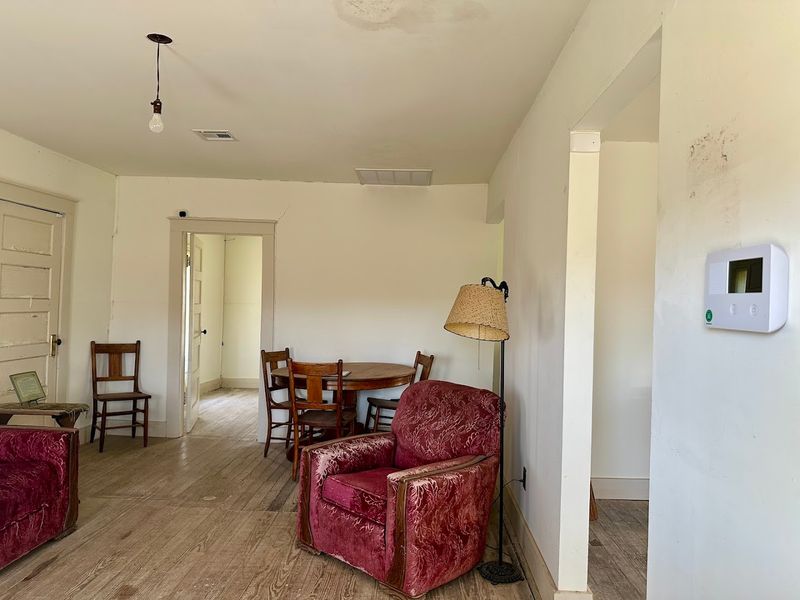
Not everyone who stops here grew up watching Mickey Mantle play, and that is perfectly fine because the site works on two different levels. For dedicated baseball fans, it is a pilgrimage point, a chance to stand where greatness was quietly being assembled before the world knew to pay attention.
For history enthusiasts who may not follow the sport closely, the house offers a vivid window into mid-century American life and the particular culture of small-town Oklahoma during the Great Depression era and the years that followed. The modest conditions of the home tell a story about economic hardship, family determination, and the kind of upward mobility that defined a generation.
Both types of visitors tend to leave with the same feeling: a quiet appreciation for how much can come from very little. The house does not overwhelm you with information or push you through a choreographed experience.
It simply stands there and invites you to think. That restraint is actually its greatest strength, and it is why people who visit on a whim often say it ended up being the highlight of their entire trip through this part of the country.
Practical Tips for Getting the Most Out of Your Visit
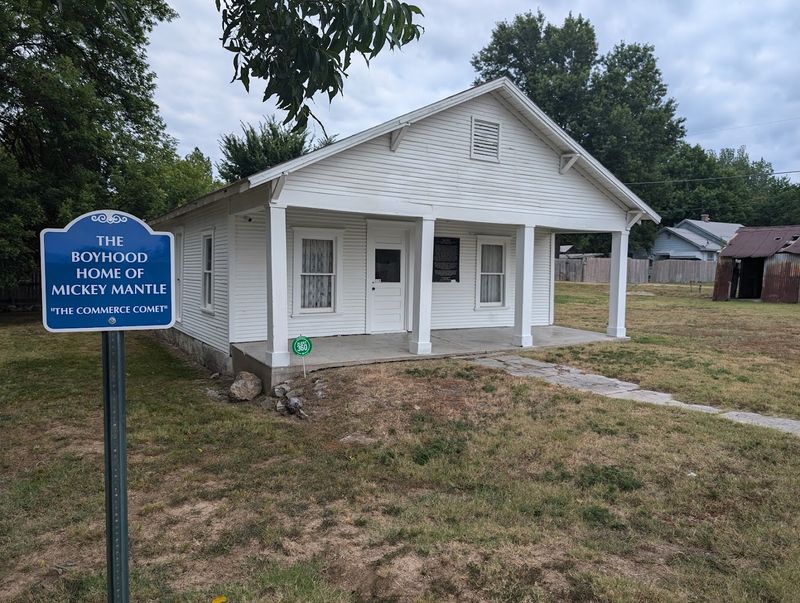
The site is open every single day of the year, around the clock, which means there is no wrong time to show up. That said, a dry, sunny day makes the visit considerably more enjoyable since the best experience involves walking around the perimeter of the property to see the shed and look through the windows.
Rainy or muddy conditions can make the ground around the house soggy, and the exterior details are much easier to appreciate when you are not dodging puddles. Daytime visits also allow you to read the plaque clearly and take decent photos without fighting low light.
If you visit at night, as some travelers do when passing through on a long drive, you can still see the house and take pictures, though the atmosphere is naturally a bit different. Plan for a stop of about 15 to 20 minutes, which is enough time to read the marker, walk the property, and soak in the surroundings.
While you are in the area, do not miss the Mickey Mantle statue located a few miles away, which makes a great companion stop to round out your visit to Commerce, Oklahoma.
Why This Small House Still Matters Today
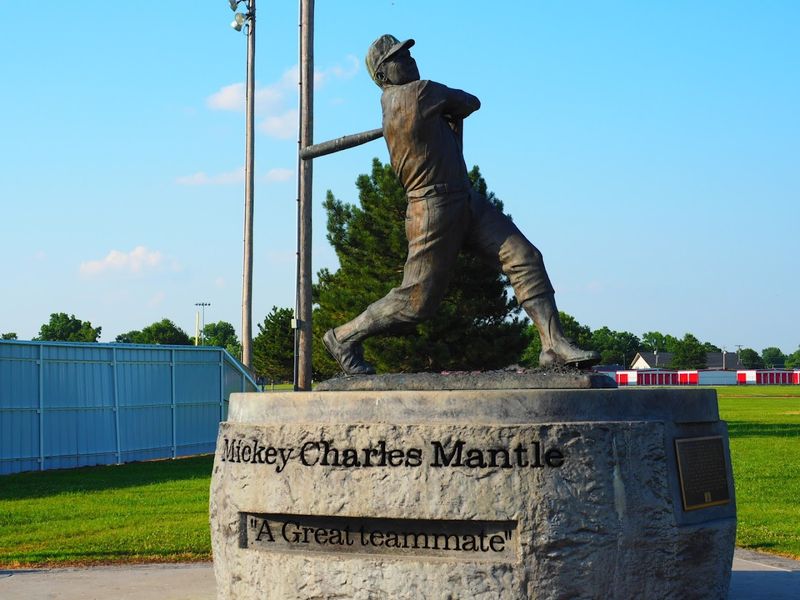
Decades after Mickey Mantle last lived here, this little house on a quiet Oklahoma street still draws visitors from across the country. Some come as part of a Route 66 adventure, others make the trip specifically because of their love for baseball, and a few simply stumble across it while passing through and find themselves unexpectedly moved.
The City of Commerce owns the property now, and while the house is not open for interior tours, the fact that it has been preserved at all is worth appreciating. There are no commercial trappings here, no souvenir stands, no entrance fees, just a genuine piece of American sports history maintained with care.
The house matters because it reminds us that extraordinary talent does not always come from extraordinary circumstances. Mickey Mantle grew up in a small, cold, basic home in a small Oklahoma town, trained in a backyard with a tin shed for a backstop, and became one of the most celebrated athletes of the twentieth century.
That arc, from this quiet street to Yankee Stadium, is the kind of story that never really gets old, no matter how many times you hear it told.
Share this story