Road trips are full of surprises, but few things stop a car faster than a jaw-dropping bridge view. Across the United States, some bridges are so stunning that pulling over feels less like a choice and more like a reflex.
Whether you are chasing ocean cliffs, river gorges, or Great Lakes skylines, these bridges deliver serious scenery with real parking options. Pack your camera, fuel up, and get ready to make some very worthwhile detours.
Golden Gate Bridge, California
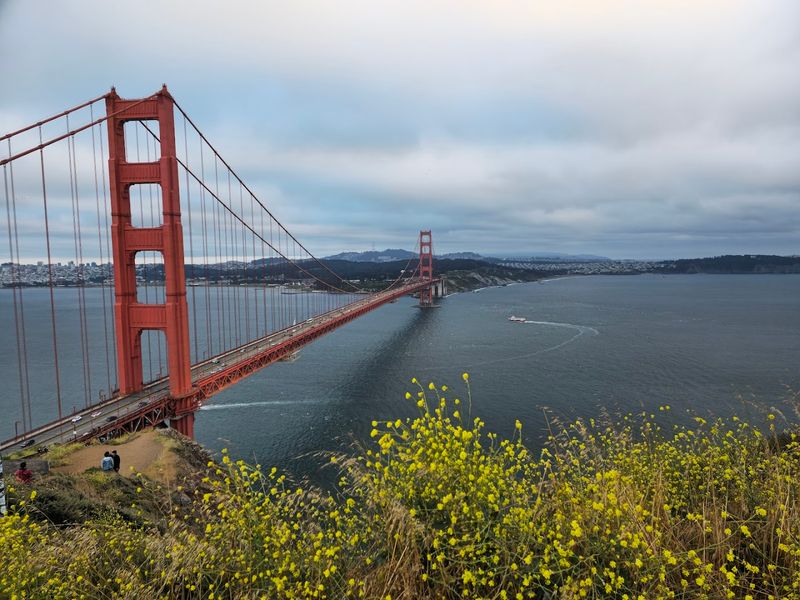
Every road tripper has a bucket list, and the Golden Gate Bridge sits at the very top of most of them. The good news?
You do not need to fight traffic or sprint across lanes to get your postcard moment. Take the Vista Point exit on the north side of the bridge, and a dedicated parking lot is waiting for you like a good friend who saved you a seat.
From Vista Point, the full span of the bridge stretches across the bay in all its rust-orange glory. The views of San Francisco in the background are genuinely unreal.
Morning fog rolling over the towers is a bonus you did not pay extra for.
Arrive early to snag parking before the crowds show up. Weekends fill fast, so a weekday visit is always a smarter move.
Bring a jacket because the bay wind plays no games.
Bixby Creek Bridge, California
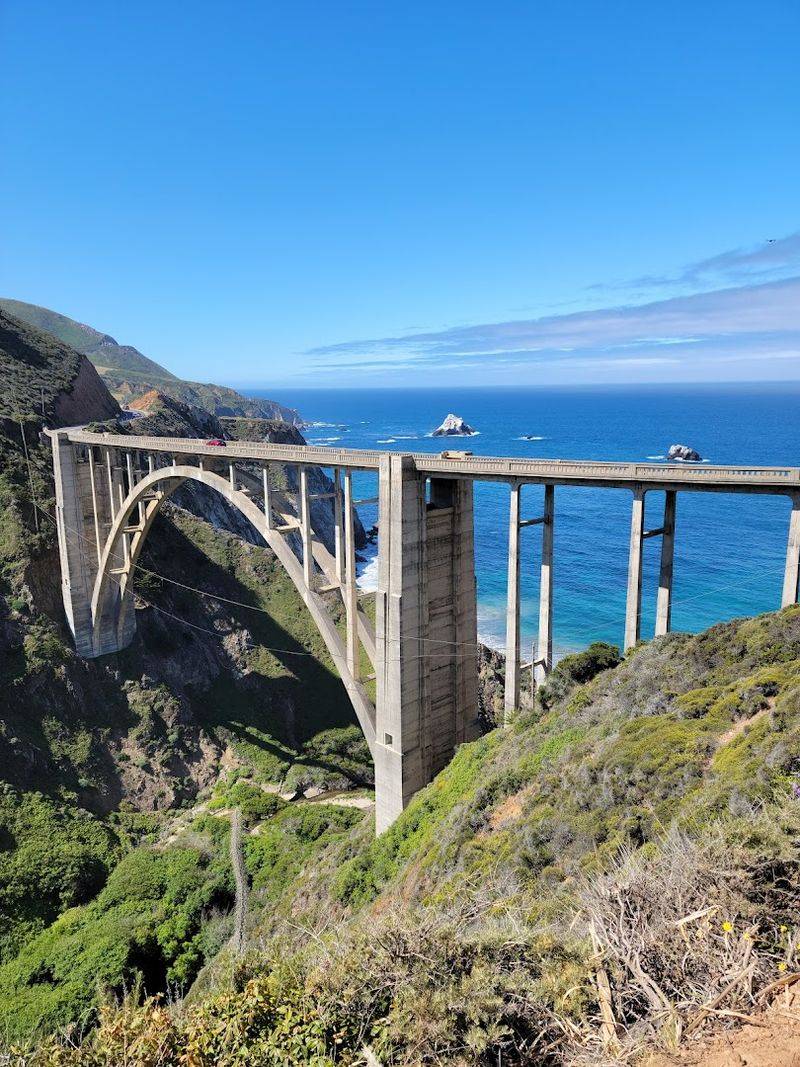
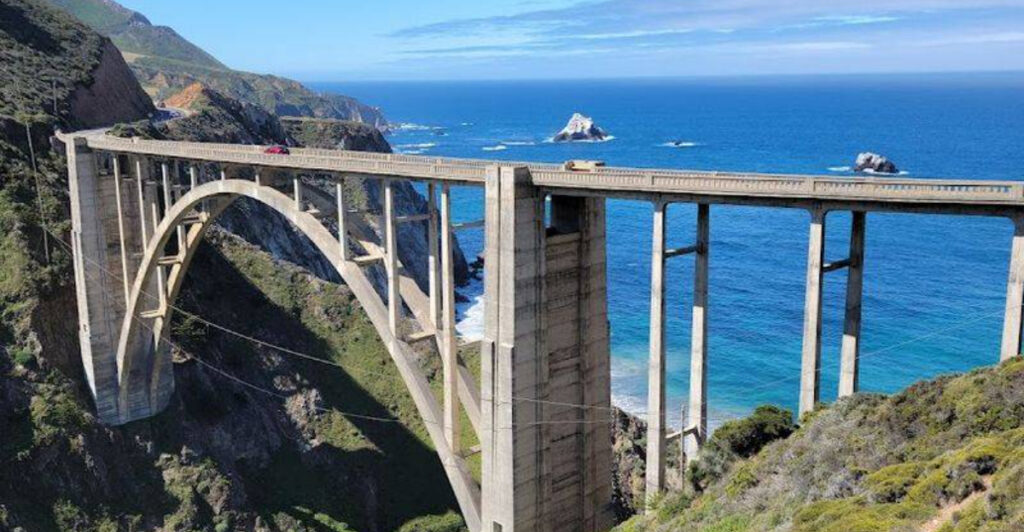
Bixby Creek Bridge is so photogenic it practically poses for you. Built in 1932, this concrete arch bridge hugs the edge of Big Sur with the Pacific Ocean crashing below, making it one of the most photographed bridges in the entire country.
The drama level here is extremely high.
Here is the catch though: pull-off space is limited and rules change seasonally. Visit California warns that parking is tight and enforcement near the bridge has been used to manage safety and congestion.
Only park where it is clearly permitted, no creative roadside parking.
Going early in the morning is your best strategy, both for parking and for softer light on the bridge. Patience is genuinely required here.
The reward for showing up prepared is a view that will make every person who sees your photos deeply jealous. That alone is worth the early alarm.
Deception Pass Bridge, Washington
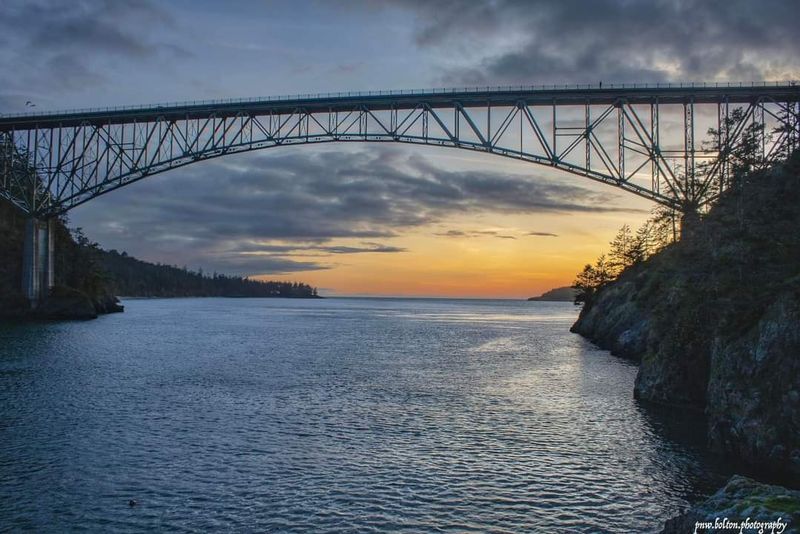
The name sounds ominous, but Deception Pass Bridge is one of the Pacific Northwest’s most spectacular pull-over spots. Built in 1935, this two-span steel bridge crosses a narrow, swirling channel between Whidbey Island and Fidalgo Island.
The water below moves fast and looks absolutely wild.
Pull into Deception Pass State Park and you get access to multiple viewpoints around the bridges and the churning channel below. This is a genuine stretch-your-legs-and-stare kind of stop, not just a quick window roll-down situation.
Trails lead to different angles of the bridge for those who want a little hike with their scenery.
The park is well set up for visitors, with parking areas, restrooms, and walking paths. Weekends bring crowds, so arriving before 10 a.m. is a solid plan.
Honestly, the goosebumps from the view arrive before you even step out of the car.
New River Gorge Bridge, West Virginia
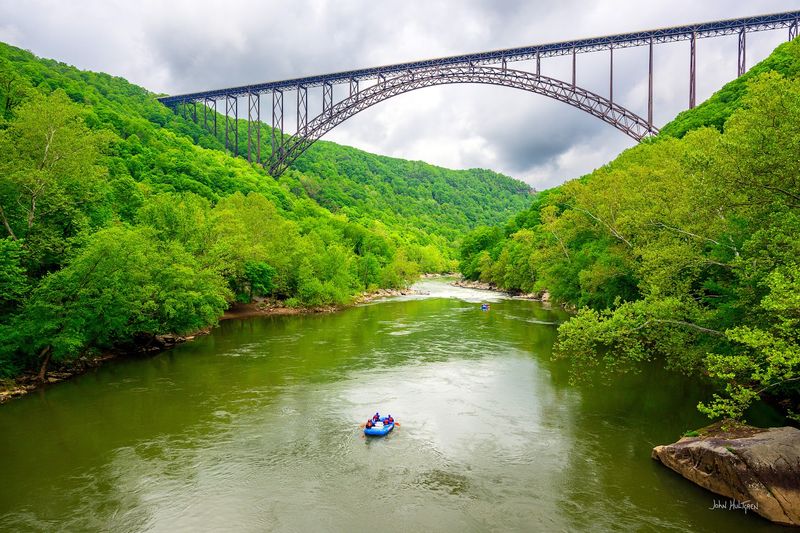
West Virginia did not mess around when they built the New River Gorge Bridge. At 876 feet above the river, it held the title of the world’s longest steel arch bridge for over two decades.
Standing at the overlook and looking up at it makes you feel genuinely tiny in the best possible way.
Park at the Canyon Rim Visitor Center on the north side and take the short walk to the designated overlooks. The views from the rim are dramatic and well worth the easy stroll.
Rangers at the visitor center are also surprisingly fun to talk to if you want the full backstory.
Fall is the prime season here when the gorge fills with blazing autumn color. The bridge against that foliage backdrop is the kind of scene that makes people pull U-turns.
Plan a stop, stay longer than you think you need to, and thank yourself later.
Rio Grande Gorge Bridge, New Mexico
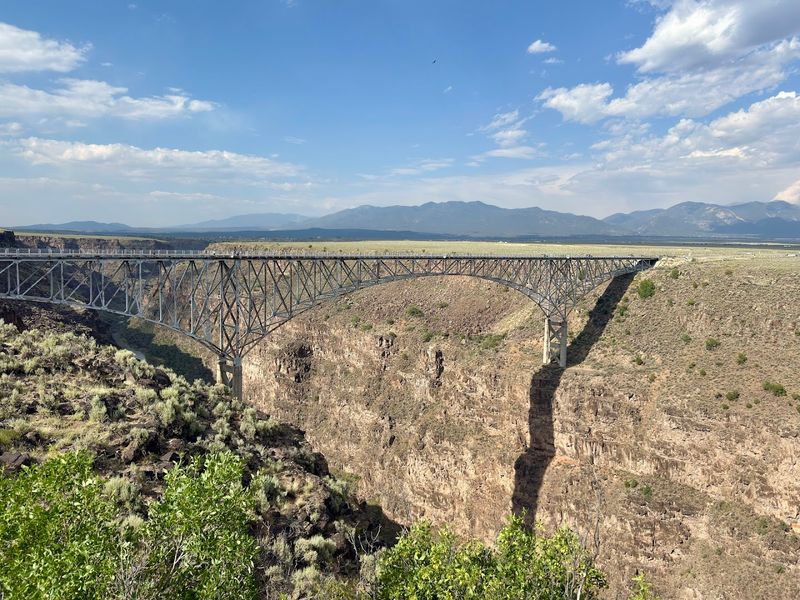
Somewhere between Taos and the Colorado border, the earth just splits open. The Rio Grande Gorge drops 650 feet straight down, and a steel bridge crosses it like it is no big deal.
Spoiler: it is a very big deal, and the view from the middle of that bridge will rearrange your brain a little.
A dedicated rest area sits right beside the bridge on US-64, making this one of the easiest wow-stops in the American Southwest. Pull in, park for free, and walk out onto the bridge where the gorge unfolds beneath your feet.
The whole stop takes about 20 minutes and delivers a year’s worth of bragging rights.
Taos is just a few miles down the road, so this makes a perfect pre-town or post-town detour. The light in the late afternoon turns the gorge walls into something straight out of a painting.
Do not skip this one.
Mackinac Bridge, Michigan
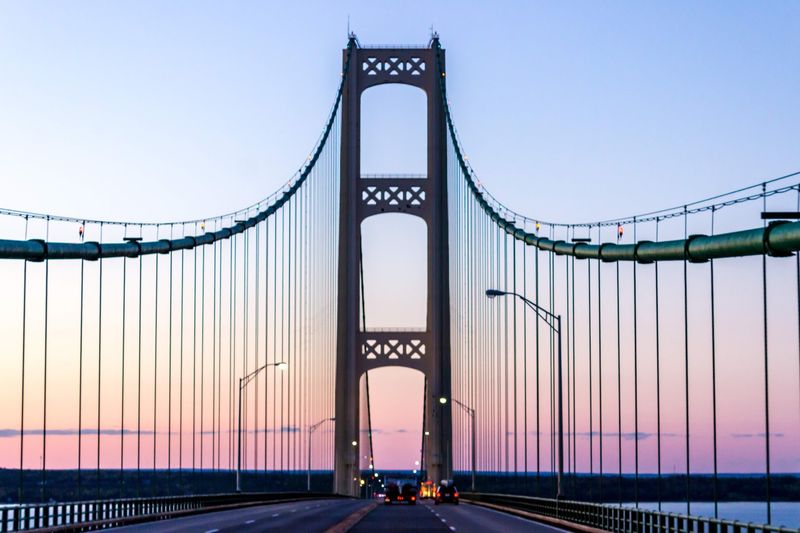
The Mackinac Bridge connects Michigan’s Upper and Lower Peninsulas across the Straits of Mackinac, and at nearly five miles long, it is one of the longest suspension bridges in the Western Hemisphere. Locals call it the Mighty Mac, and that nickname is completely earned.
Bridge View Park in St. Ignace is specifically set up for visitors who want to stop and take it all in. Paved parking, open lawn space, and a clear sightline to the full bridge span make it an easy and comfortable pull-over.
There is no scrambling for a good angle here.
The bridge is especially stunning at sunset when the towers glow and the straits catch the fading light. Summer weekends bring crowds to the park, but the space handles them well.
If you are crossing the bridge on your way north, this stop on the return trip is a perfect way to close the loop on a great Great Lakes adventure.
Old Seven Mile Bridge, Florida Keys (Marathon)
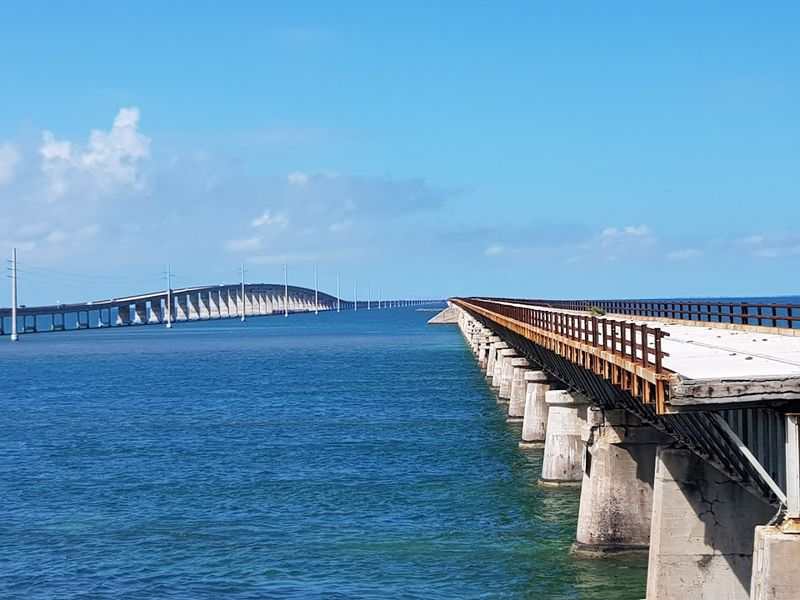
Florida Keys road trips are basically a slow cruise through paradise, and the Old Seven Mile Bridge in Marathon is the undisputed highlight reel. The original bridge, built in 1912, runs parallel to the newer US-1 span and is now reserved for walkers and cyclists.
No traffic stress, just open water in every direction.
Head to the Old Seven Mile Bridge access in Marathon, where a small dedicated parking area lets you hop out and stroll onto the old span. The turquoise water stretching on both sides is almost too pretty to be real.
On clear days, you can see the curve of the earth, which is a fun fact to casually drop on anyone nearby.
Parking fills up fast, especially on weekends and during peak winter season. Getting there before 9 a.m. is a genuinely good idea.
Bring water, sunscreen, and maybe a hat because the Florida sun does not negotiate.
Bridge of the Gods, Oregon
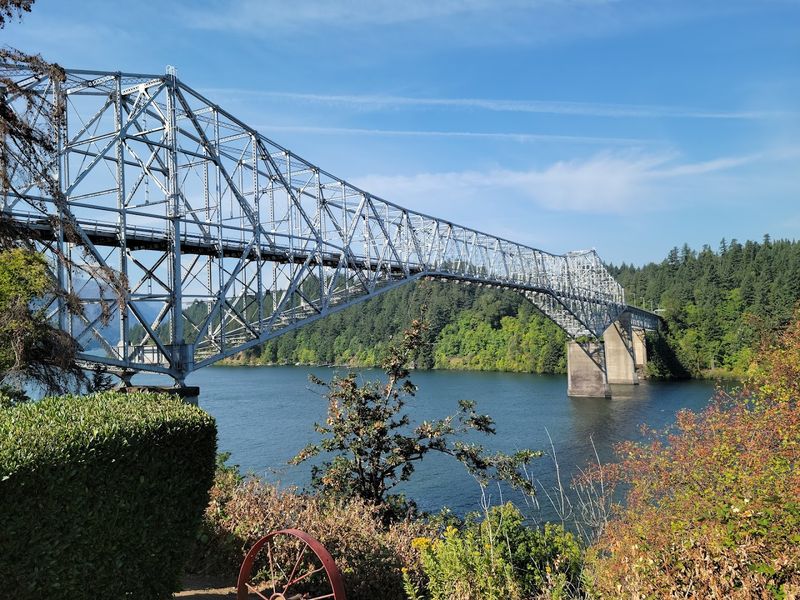
The Bridge of the Gods sounds like something out of a fantasy novel, and honestly, the setting backs that up completely. This steel truss bridge crosses the Columbia River at Cascade Locks, Oregon, connecting the state to Washington with views of the river that are genuinely hard to look away from.
The name comes from a Native American legend about a natural land bridge that once crossed here.
Cascade Locks makes stopping here easy and stress-free. A trailhead parking area sits right at the bridge approach, and nearby day-use parks in town offer additional spots for viewing and photos.
Pacific Crest Trail hikers cross this bridge constantly, so you might spot a thru-hiker mid-adventure, which adds to the whole atmosphere.
The town of Cascade Locks is charming and worth a short wander after your bridge visit. Local food options are solid, and the river views from town are a nice bonus.
This stop earns its legendary name.
Astoria-Megler Bridge, Oregon/Washington
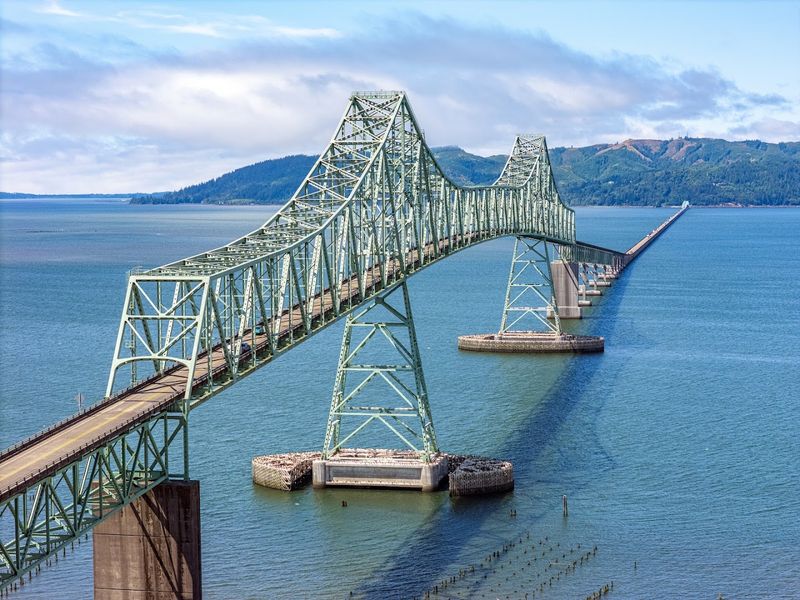
At just over four miles long, the Astoria-Megler Bridge is the longest continuous truss bridge in North America. It connects Astoria, Oregon to Washington State across the wide mouth of the Columbia River, and driving across it feels like crossing a small ocean.
The bridge curves slightly as it goes, which is a genuinely cool engineering detail.
On the Washington side, Dismal Nitch Rest Area sits just east of the bridge, making it an easy pull-off for a break with river scenery. The name is historically dramatic since Lewis and Clark camped nearby in miserable weather in 1805, but the views today are far more pleasant than their experience was.
The rest area is clean, accessible, and gives you a solid look at the bridge and the massive Columbia River. Combine this stop with a visit to Astoria itself, which is packed with history, great coffee, and one very famous hill with a column on top.
Sunshine Skyway Bridge, Florida
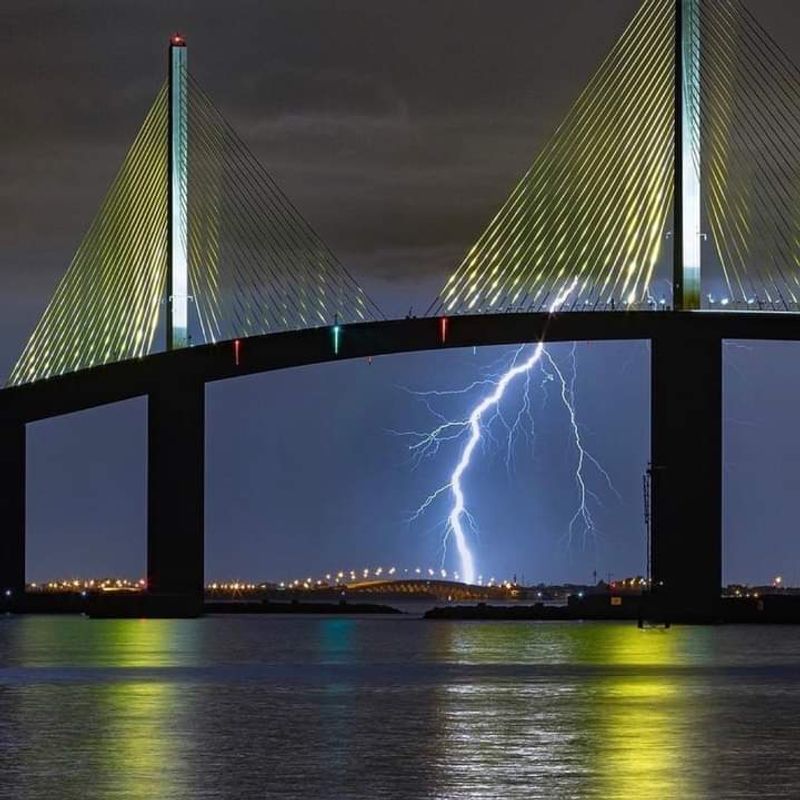
The Sunshine Skyway Bridge rises 430 feet above Tampa Bay on cables painted bright yellow, and it looks like a giant harp someone dropped into the Gulf Coast. You cannot stop on the bridge itself, but the view from below is arguably even better.
Skyway Fishing Pier State Park, built from the old bridge span, gives you the perfect front-row seat.
Pull into the state park, park close by, and walk out onto the old pier with the new Skyway towering nearby. Pelicans, fishermen, and some of the best unobstructed bridge views in Florida are all included at no extra charge.
The park is a legit destination on its own, not just a bridge photo opportunity.
Sunrise here is spectacular if you are willing to set an early alarm. The cables catch the light in a way that makes every angle look like a professional photograph.
This bridge proves that Florida’s beauty is not limited to theme parks and beaches.
Navajo Bridge, Arizona
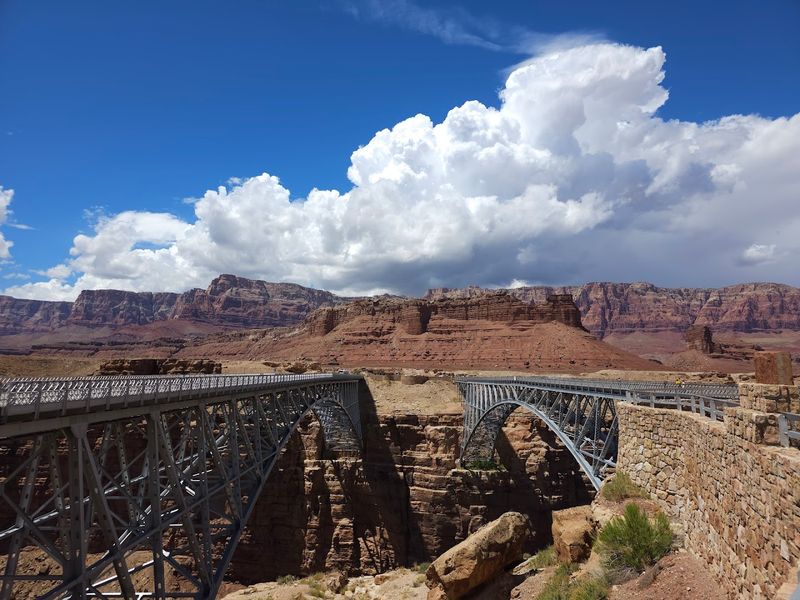
Two bridges cross the Colorado River at Marble Canyon, but only one of them lets you walk out over the edge and stare straight down into the abyss. The historic Navajo Bridge, built in 1929, is now pedestrian-only while the newer span carries vehicle traffic.
That arrangement is honestly perfect for anyone who wants the full canyon experience without worrying about cars.
Pull over, walk out onto the old bridge, and look down at the Colorado River cutting through the canyon about 467 feet below. California condors are sometimes spotted soaring near the cliffs, which turns a great stop into an unforgettable one.
A small Navajo vendor area near the bridge sells jewelry and artwork worth browsing.
The Navajo Bridge Interpretive Center nearby offers free entry and solid historical context about the bridge and the region. This stop sits on the way to the North Rim of the Grand Canyon, making it a natural and rewarding addition to any canyon road trip itinerary.
Perrine Bridge, Idaho (Twin Falls)
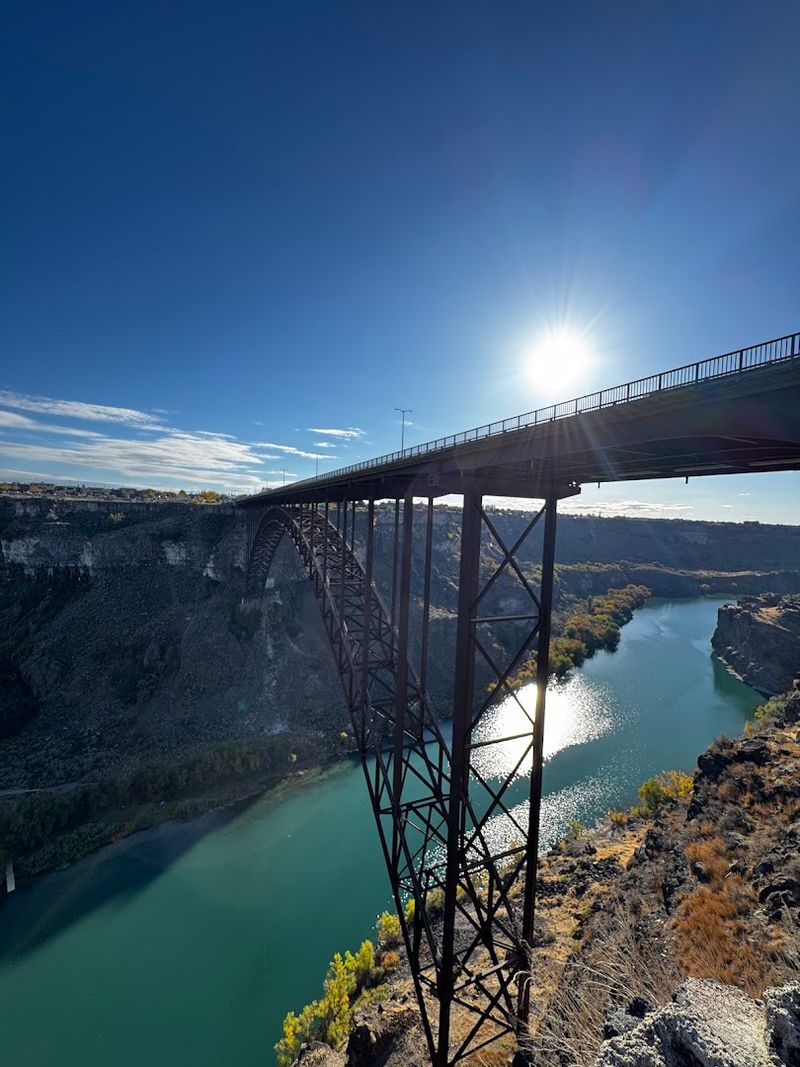
The Perrine Bridge near Twin Falls, Idaho holds a very specific kind of fame. It is one of the only bridges in the United States where BASE jumping is legal year-round without a permit.
On any given weekend, you might show up for the canyon views and accidentally witness someone leap off the edge. Truly a bonus feature.
For a proper stop without the adrenaline commitment, use the overlook areas near the Twin Falls Visitor Center on the canyon rim. The Snake River Canyon drops dramatically below the bridge, and the scale of it is genuinely humbling.
The visitor center itself has helpful information about the canyon and the area’s history.
The bridge sits about 486 feet above the river, which makes it one of the highest vehicular bridges in the country. Jerome B.
King first jumped here in 1980, and the tradition has continued ever since. Come for the view, stay for the unexpected entertainment.
Penobscot Narrows Bridge and Observatory, Maine
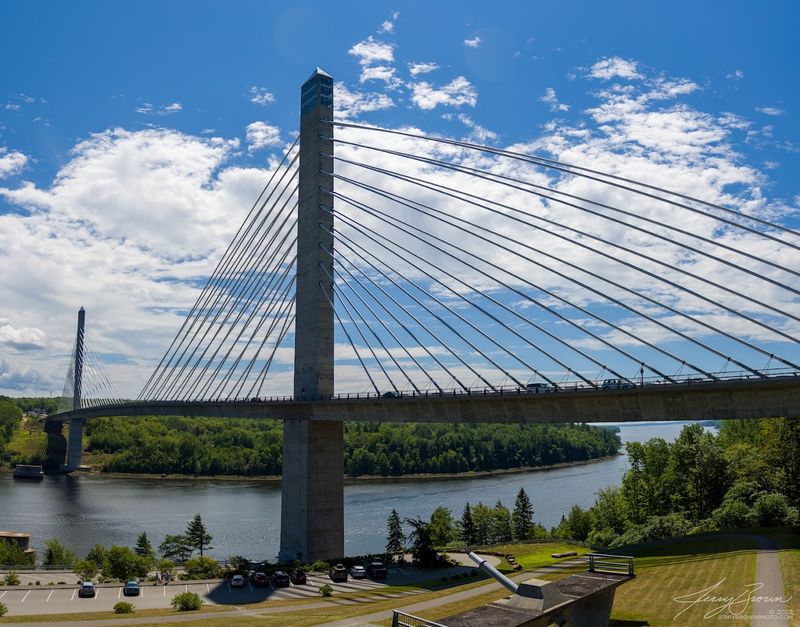
Most bridges you look at from the outside. The Penobscot Narrows Bridge in Maine lets you ride an elevator up inside one of its towers to an observatory 420 feet above the Penobscot River.
That is not a bridge stop, that is a full-blown adventure with a parking lot attached.
Maine DOT highlights the Penobscot Narrows Bridge Observatory campus alongside historic Fort Knox, which sits right next door. Pull in, park, tour the fort, and then take the elevator to the top for panoramic views of the river, the bridge, and the surrounding Maine landscape.
The combination of history and engineering in one stop is genuinely hard to beat.
The observatory is open seasonally, so checking hours before you go is a smart move. Admission is required but very reasonably priced.
I took the elevator on a clear October afternoon and the view from the top was one of the most memorable moments of the entire trip. Worth every penny.
Natchez Trace Parkway Double Arch Bridge, Tennessee
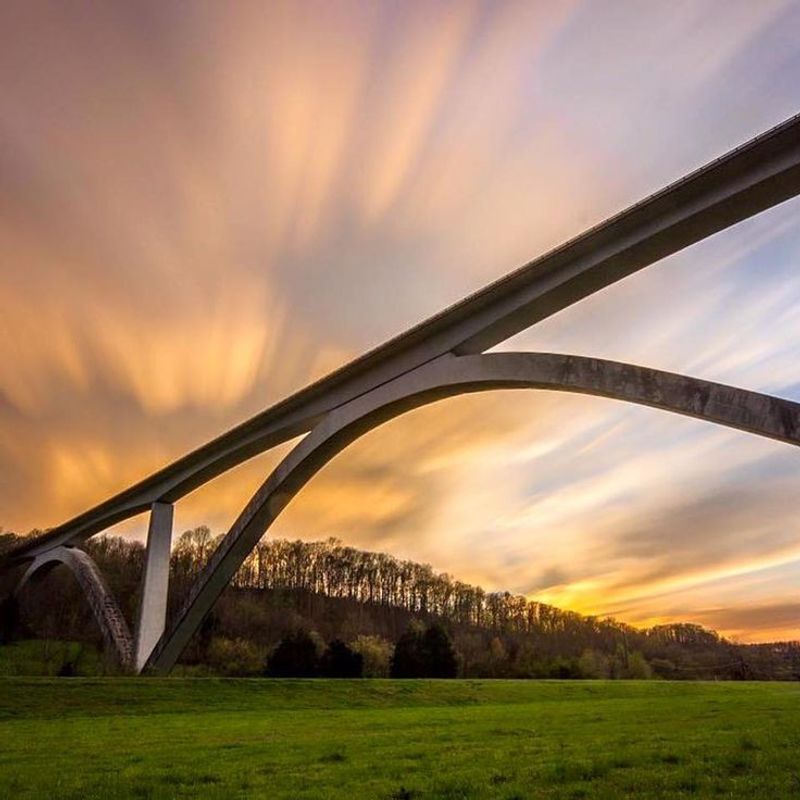
Most bridges carry you over something dramatic like a canyon or a river. The Double Arch Bridge on the Natchez Trace Parkway floats over a quiet green hollow full of trees, and somehow that understatement makes it more striking.
It is elegant in a way that sneaks up on you.
The National Park Service notes this bridge at Birdsong Hollow sits at Milepost 438 on the Natchez Trace Parkway. Pull off along the parkway and admire the twin concrete arches from below or from the road level above.
The design won engineering awards when it was completed in 1994, and it still looks ahead of its time today.
The Natchez Trace Parkway itself is one of America’s most underrated scenic drives, running 444 miles from Tennessee to Mississippi. No commercial trucks, no billboards, just trees and history.
Adding this bridge stop turns a great drive into a truly memorable one. Slow down and enjoy it properly.
Share this story