Island life in the United States is not just a vacation brochure with better weather. These communities keep schools open, ferries running, traditions intact, and local history very much alive long after summer visitors head home.
What makes them interesting is not only the scenery, but the way older habits, transport quirks, working waterfronts, and inherited routines still shape daily life in the 21st century. Keep reading and you will get a grounded look at twelve inhabited islands where year-round residents preserve distinctive local culture while adapting to modern realities.
1. Mackinac Island, Michigan
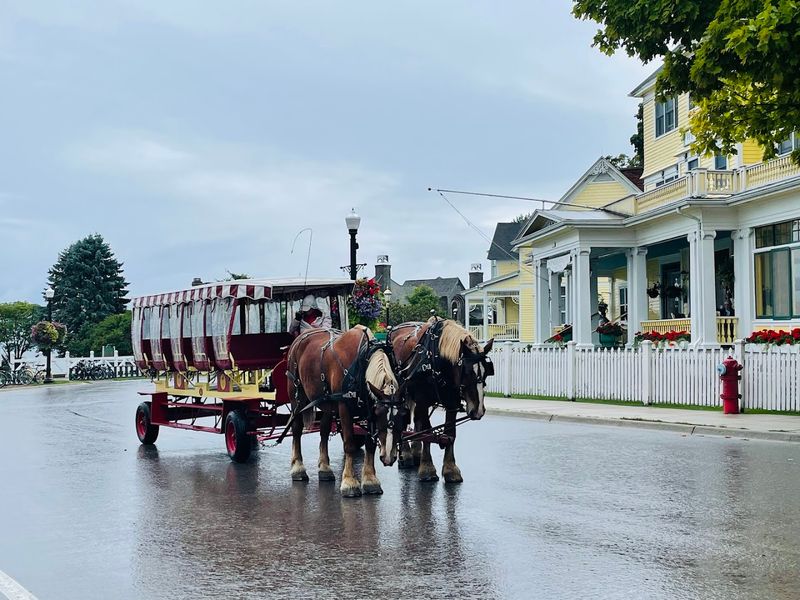
The clock seems to negotiate differently here, and the absence of cars is only the beginning. Mackinac Island banned most motor vehicles in the late 1800s, a policy that turned practical necessity into one of the most recognizable local customs in America.
You still see horse-drawn transportation, bicycles, and a street pattern that feels shaped by another century rather than by parking lots. That historical continuity is not staged for visitors alone, because year-round residents manage schools, municipal services, small businesses, and winter routines when the ferry schedule tightens and Lake Huron conditions become a serious factor.
Fort Mackinac, Victorian buildings, and the grand old hotel culture give the island its public image, yet the deeper story is about endurance through seasonal extremes. In quieter months, the island becomes less postcard and more functioning hometown, where people rely on close coordination, practical planning, and a strong sense that tradition is useful, not decorative, which may be the most compelling part of living here at all.
2. Nantucket, Massachusetts
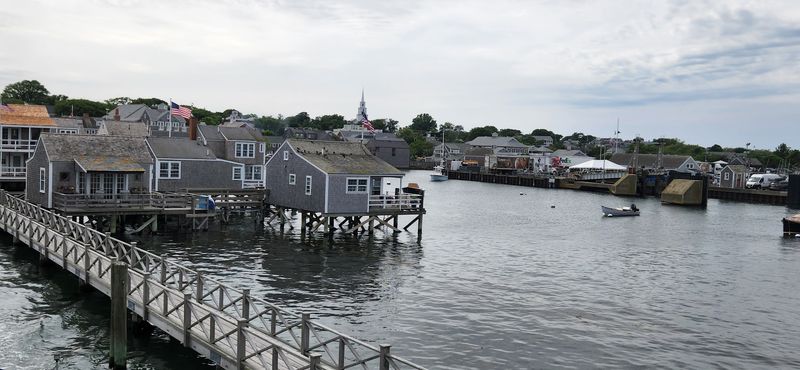
Some places spend decades escaping their own reputation, and Nantucket has had to work around being reduced to summer shorthand. Long before it became a shorthand for polished coastal leisure, the island was a global whaling center whose economy linked New England to trade routes stretching across the Pacific in the 18th and 19th centuries.
That history still shows up in street layouts, preserved buildings, and a local identity that is more practical than polished once the seasonal rush fades. Year-round residents keep schools, town government, health services, and small businesses operating through windy winters, when the island feels closer to its working past than its vacation branding.
You can trace Nantucket’s cultural memory through Quaker influence, maritime wealth, and later preservation efforts that protected much of its architectural character. The off-season strips away a lot of promotional gloss, leaving a community that still deals with housing pressures, ferry dependence, and the everyday question of how to keep a famous island livable for people who actually stay.
3. San Juan Island, Washington
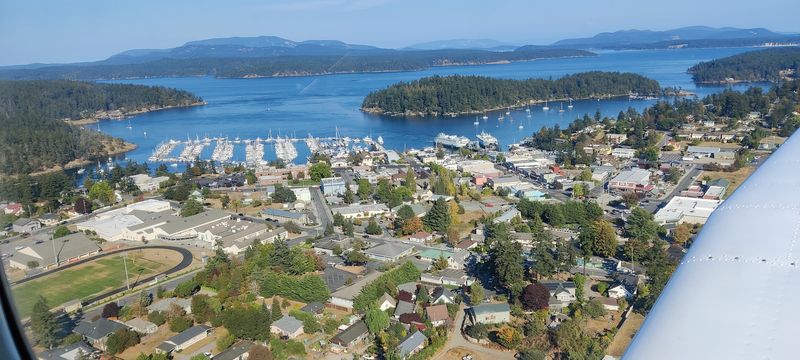
History arrived here wearing several flags before the paperwork finally settled down. San Juan Island is known for the Pig War of 1859, a boundary dispute between the United States and Britain that became famous for bureaucratic absurdity rather than battlefield drama.
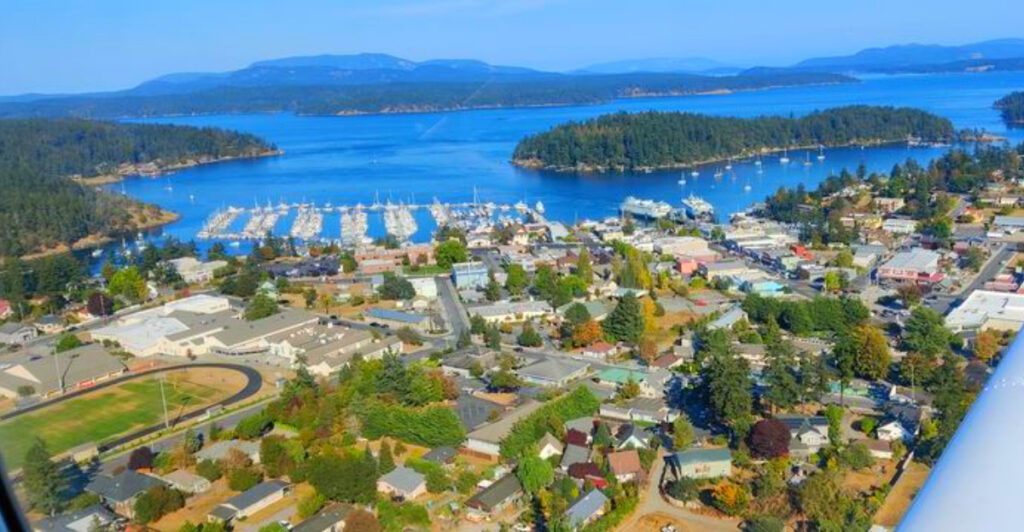
That odd episode still gives the island a memorable place in Pacific Northwest history, and English Camp and American Camp preserve the story with unusual clarity. Today, year-round life centers on Friday Harbor and smaller communities where ferry schedules, conservation values, and local business networks shape a culture that feels thoughtful rather than hurried.
You are never far from evidence that the island’s present depends on balancing tourism with ordinary needs like housing, schools, and public services. Residents have built a civic identity around environmental stewardship, marine education, small farms, and arts institutions, creating a place that is not frozen in time but clearly influenced by its earlier conflicts, maritime geography, and long habit of figuring things out without much mainland fuss.
4. Kodiak Island, Alaska
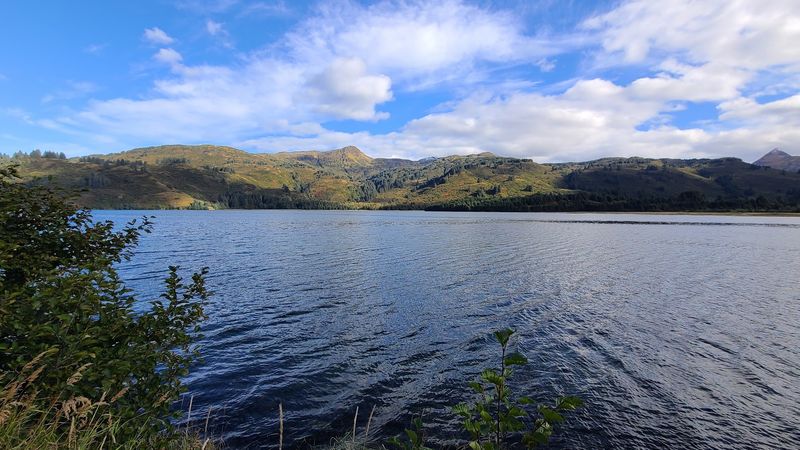
If any island has earned the right to ignore mainland clichés, it is this one. Kodiak Island’s story runs through Indigenous Alutiiq heritage, Russian colonial influence, American expansion, military history, and a commercial fishing industry that still drives much of local life.
Kodiak’s port has long been central to the island’s identity, and fishing remains more than a scenic detail for people who live there year-round. Residents manage demanding weather, remote logistics, and the rhythms of a working maritime economy, while also maintaining schools, cultural institutions, and neighborhood ties in a place better known to outsiders for wilderness headlines.
You can see the island’s historical layering in museums, Orthodox church history, harbor infrastructure, and the ongoing significance of subsistence practices and marine resources. Year-round living here is not about escape from modern life, because modern life is fully present, just filtered through distance, weather planning, and a strong local expectation that people contribute, adapt, and understand the difference between romantic scenery and an actual functioning island community.
5. Block Island, Rhode Island
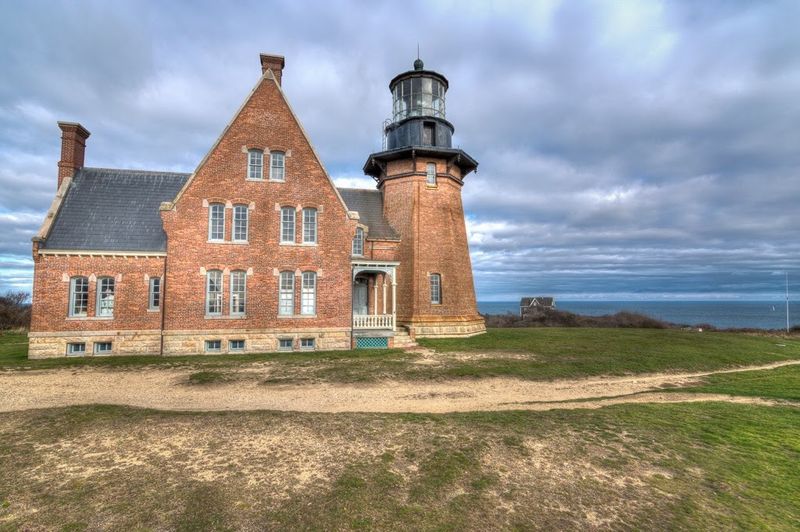
The summer crowds leave, and suddenly the island starts speaking in complete sentences. Block Island has long balanced its role as a seasonal destination with the reality of a smaller year-round population that keeps public services, businesses, and community routines functioning through the colder months.
Its recorded history includes Indigenous presence, colonial settlement, maritime trade, and later development as a resort destination by the late 19th century. That layered past helps explain why the island feels both preserved and practical, with lighthouses, historic inns, and working infrastructure sharing space rather than competing for attention.
You notice in the off-season that the island is not performing quaintness for an audience, because daily life still needs freight deliveries, school schedules, medical access, and reliable local networks. Residents live with ferry dependence and high seasonal contrasts, yet those conditions have also protected a distinct identity, one shaped by stewardship, careful planning, and the recurring reminder that a famous summer place still needs people willing to stay when the beach chairs disappear.
6. Key West, Florida
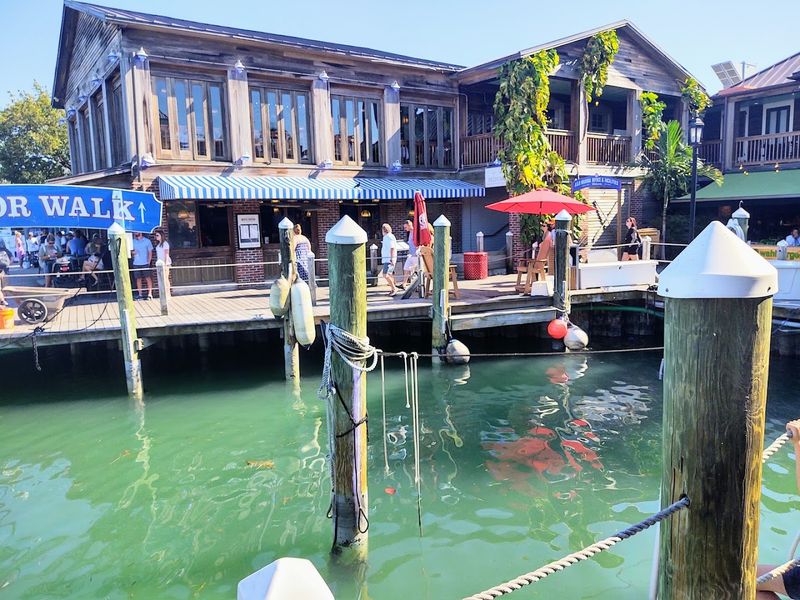
Some islands lean into their legends, but Key West has enough documented history that it hardly needs embellishment. The island grew through wrecking, cigar manufacturing, naval activity, and immigration from the Bahamas, Cuba, and beyond, creating a cultural mix that still shapes architecture, foodways, and local vocabulary.
Its fame can overshadow the fact that Key West is a functioning small city with full-time residents, not a permanent festival with palm trees. Year-round life involves schools, city services, hurricane preparedness, housing debates, and a long-running negotiation between tourism, preservation, and the practical needs of the people who call the island home.
You can trace older Key West through conch houses, literary landmarks, the seaport, and neighborhoods that reflect generations of movement and adaptation. What stands out most is how much of its identity comes from continuity rather than novelty, because beneath the bright branding is a place where residents still live inside layered histories of trade, migration, military presence, and local traditions that refuse to become mere souvenir material.
7. Vashon Island, Washington
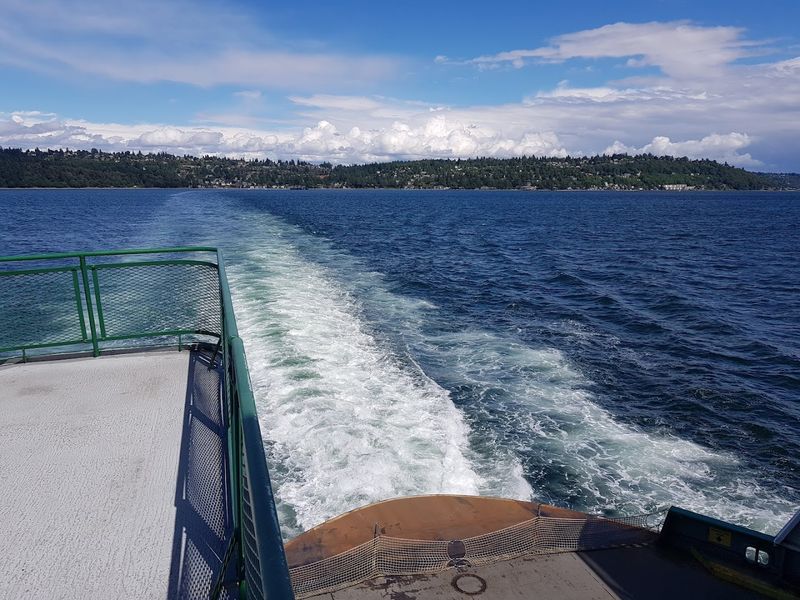
The ferry ride acts like a punctuation mark, and Vashon has built an identity around that pause. Although close to Seattle and Tacoma, the island developed a reputation for independence that grew from farming, shipbuilding links, and a long preference for local initiative over mainland assumptions.
Early agriculture shaped much of Vashon’s land use, and traces of that history remain in small farms, roadside stands, and community institutions. In more recent decades, artists, makers, and remote workers have joined older island patterns, creating a year-round population that values self-reliance while still depending on ferry connections for commuting, freight, and daily logistics.
You can feel the island’s character in its preservation efforts, local businesses, and debates about growth, housing, and environmental stewardship. Vashon is interesting because it does not present itself as frozen or fashionable, just intentionally separate, and that distinction matters when you consider how many American places lose their local texture once they become commuter real estate with prettier views and fewer useful habits.
8. Orcas Island, Washington
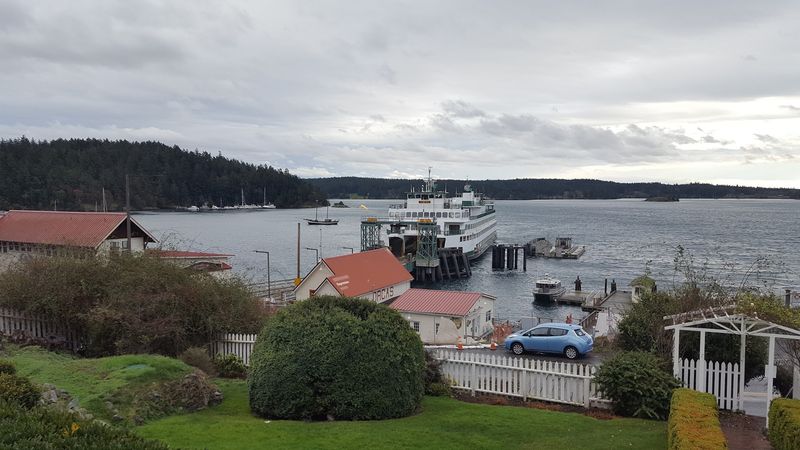
Orcas manages to look expansive while still functioning like a small community that remembers its own paperwork. Part of the San Juan archipelago, the island’s history includes Coast Salish presence, 19th century settlers, lime industry activity, and gradual development into a place known for both natural beauty and careful land stewardship.
The year-round population lives across villages and rural roads where daily routines depend on ferries, local schools, health access, and small-scale commerce. Tourism matters, of course, but residents also sustain farms, public institutions, and community organizations that make the island more than a scenic backdrop for weekend plans.
You can see how historical choices shaped present life in preserved shorelines, Moran State Park, and village centers that have resisted becoming generic resort strips. Orcas feels distinctive because it combines environmental awareness with ordinary civic work, which is less glamorous than marketing copy but far more important if you care about what allows an island to remain inhabited, functional, and recognizably itself through every month of the year.
9. Amelia Island, Florida
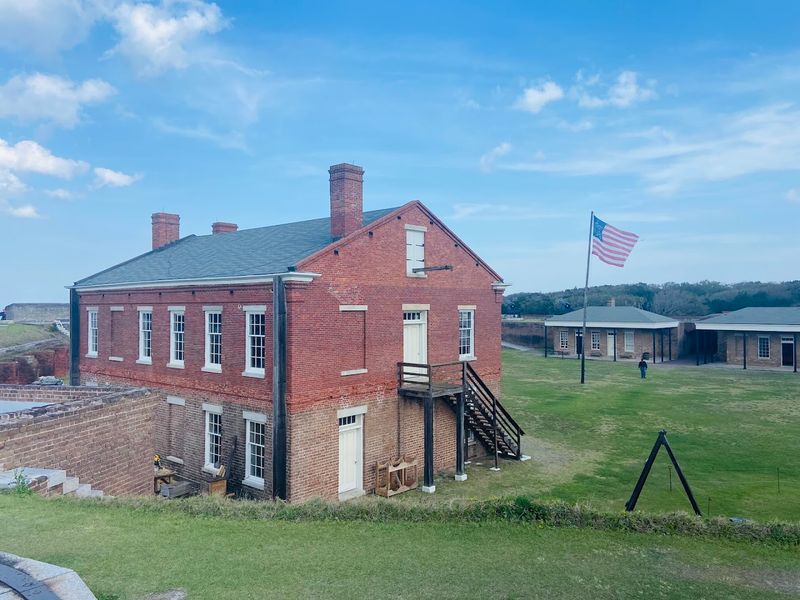
Few islands can claim a nickname as dramatic as the Isle of Eight Flags and actually back it up. Amelia Island changed hands repeatedly among European powers and short-lived authorities, and that unusually tangled political history still gives the place a sharper profile than many resort-focused coastal destinations.
Fernandina Beach preserves much of that story through its street grid, architecture, and port history, especially from the 19th century when shipping and rail connections expanded the local economy. Year-round residents now live within a community that balances historic preservation, beach tourism, and ordinary civic needs, all while enjoying milder winters than much of the mainland.
You get a clearer sense of Amelia’s personality outside peak visitor season, when the island reads less like a brochure and more like a lived-in town with continuity. Its appeal is not just pretty shoreline, but the way Southern coastal history, Gilded Age development, and present-day neighborhood life still overlap in visible, practical ways that make the island feel grounded rather than merely decorative.
10. Bainbridge Island, Washington
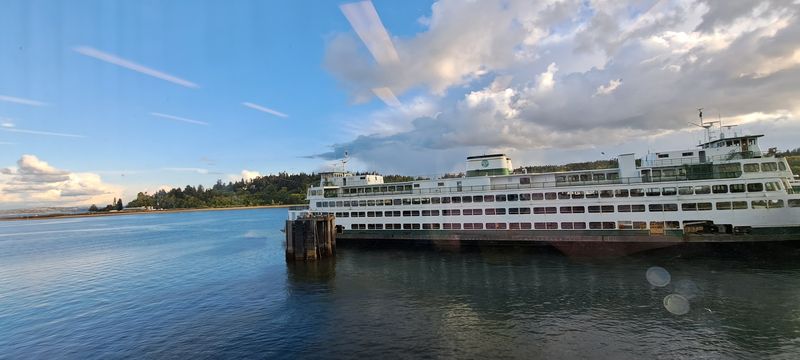
Commute culture gets an island rewrite here, and Bainbridge has spent decades refining the balance. Close to Seattle yet distinct from it, the island developed through logging, shipbuilding, agriculture, and Japanese American farming communities whose history remains essential to understanding the place.
One of the most significant chapters is the forced wartime removal of Japanese American residents, commemorated today through local memorials and public history efforts that keep the record visible and specific. Modern Bainbridge includes many commuters, but year-round life also depends on schools, neighborhood associations, ferry reliability, small businesses, and strong civic participation.
You can see why the island attracts people who want access to city jobs without surrendering local identity, though that appeal also brings housing pressure and growth debates. Bainbridge works because it is not just scenic residential real estate, but a community shaped by memory, public institutions, and the daily discipline of living on an island that must constantly coordinate transportation, land use, and a shared sense of place.
11. Martha’s Vineyard, Massachusetts
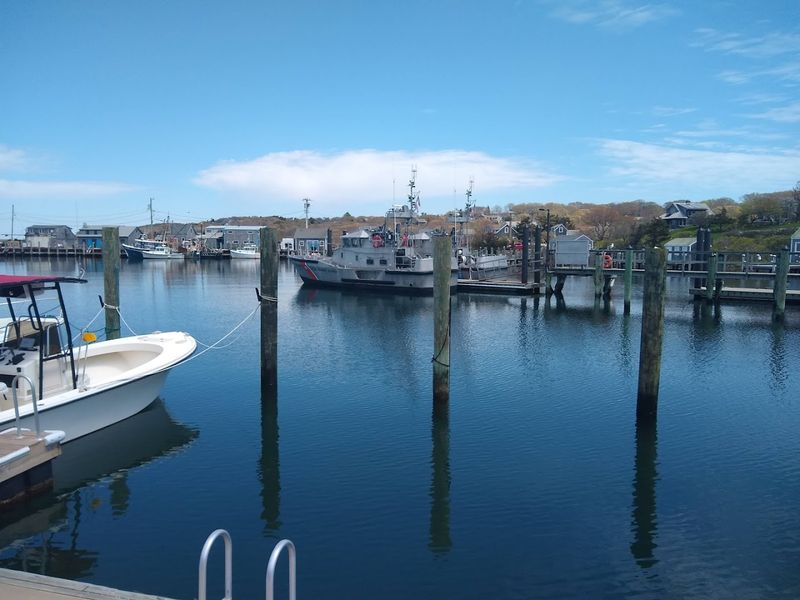
Celebrity headlines may grab attention, but the more durable story is the one residents keep maintaining. Martha’s Vineyard has a year-round community spread across several towns, each with its own history tied to fishing, farming, maritime trade, tourism, and one especially well-documented tradition of hereditary deafness in earlier centuries.
That last detail shaped local communication in remarkable ways, because Martha’s Vineyard Sign Language became integrated into daily life in some communities before the pattern gradually declined. Modern residents deal with a very different set of concerns, including seasonal housing pressure, ferry access, school systems, and the challenge of preserving local character in a place with an outsized public image.
You understand the island better in winter, when it reads as a network of working towns rather than a shorthand for summer prestige. Historic gingerbread cottages, old whaling ties, and community institutions all remain part of the picture, but so do supermarkets, hospitals, and municipal budgets, which is a useful reminder that famous islands still rely on ordinary people doing unglamorous work every single year.
12. Ocracoke Island, North Carolina
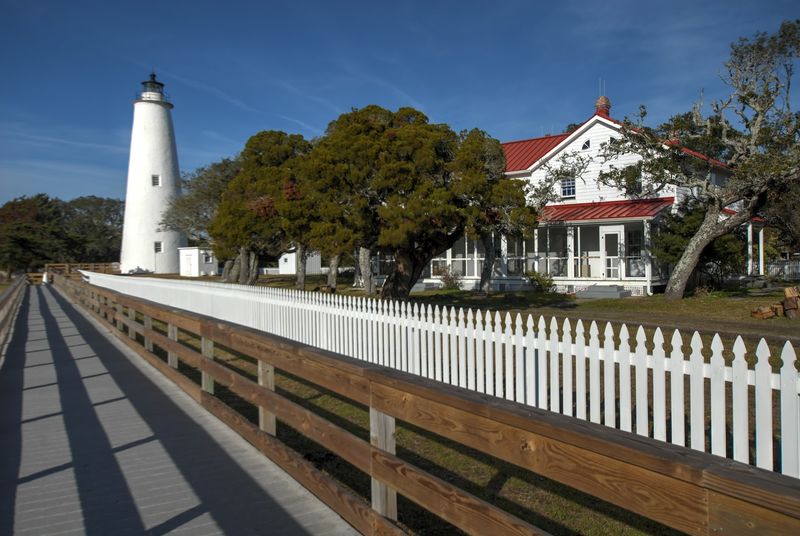
Reaching Ocracoke already tells you something important about the people who stay. Accessible by ferry, this Outer Banks island has long depended on maritime skill, geographic patience, and a strong local culture shaped by fishing, trade, and relative isolation from mainland routines.
Its history includes Indigenous use, colonial encounters, lighthouse service, and a dialect tradition that fascinated linguists because of its distinctive preservation of older speech patterns. Year-round residents continue to sustain a small but real community with schools, churches, businesses, and civic habits that must operate within the limits and advantages of barrier-island geography.
You can see why Ocracoke attracts admiration, but the most interesting part is not seclusion for its own sake. It is the way local knowledge still matters, whether for weather planning, ferry timing, preserving historic structures, or maintaining social ties in a place where convenience is never the main organizing principle, and where daily life remains closely linked to traditions that have been adapted rather than simply archived.
Share this story