American history is easier to understand when you can still trace it block by block, and these places let you do exactly that. Their street plans, meetinghouses, waterfronts, and public greens reveal how trade, religion, defense, and daily routine shaped settlement from the 1600s through the early republic, long before rail lines, interstates, and suburban zoning rewrote the map.
Some were restored with extraordinary care, while others simply kept enough old fabric to make the past impossible to ignore, which is a much more impressive trick than a souvenir shop pretending to be educational. Keep reading and you will move through Spanish Florida, New England ports, Moravian planning, and Virginia battleground towns, seeing how colonial design survived modernization and why these communities still feel organized by older rules rather than newer conveniences.
1. Williamsburg, Virginia
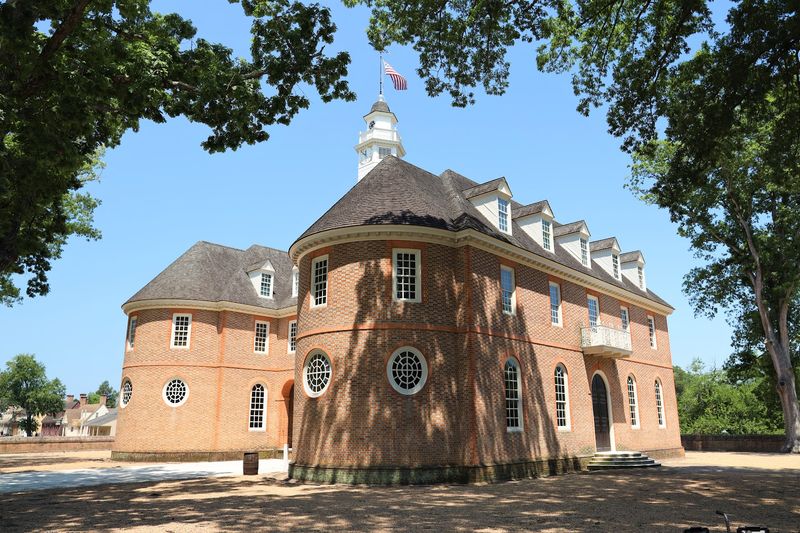
History here is not tucked into a corner – it runs the whole street grid. Williamsburg became Virginia’s capital in 1699, and its public buildings, shops, and homes reflected the colony’s growing political importance.
In the twentieth century, an enormous restoration effort rebuilt and preserved the town with unusual precision, using archaeology, documents, and period craftsmanship rather than guesswork. That work turned the area into one of the country’s most ambitious historical landscapes, where you can still follow the relationship between government, trade, and domestic life.
The result is more than a pretty backdrop. You see how a colonial capital actually functioned, from printing offices and workshops to the Governor’s Palace and the Capitol, all arranged to make civic authority impossible to miss.
Few places explain eighteenth-century Virginia so clearly.
2. St. Augustine, Florida
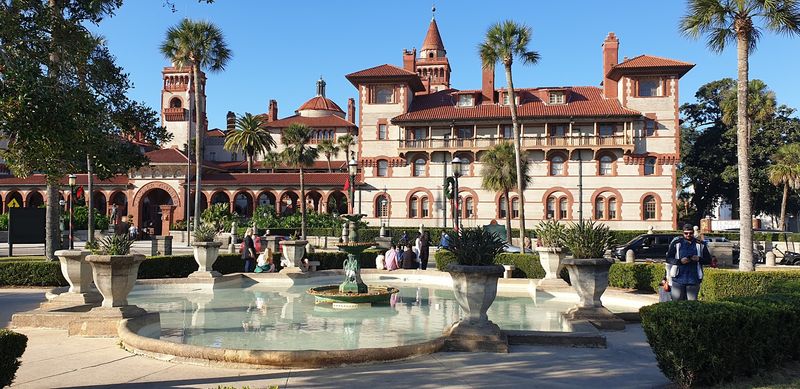
Few American towns can casually mention 1565 and still have the streets to prove it. St. Augustine began as a Spanish settlement decades before Jamestown or Plymouth, and that early start gave it a very different colonial blueprint.
Instead of an English village green, you find fortified planning, masonry construction, and the enduring presence of Castillo de San Marcos, built from coquina stone. The city’s street pattern, plazas, and surviving structures show how Spain organized defense, religion, and civic life on the Atlantic frontier.
It also helps that St. Augustine never became frozen as a single-period exhibit. Spanish, British, and later American phases all left marks, yet the colonial core remains legible enough to read like a document written in walls, gates, and blocks.
If you want proof that colonial America was never one style, start here.
3. Plymouth, Massachusetts
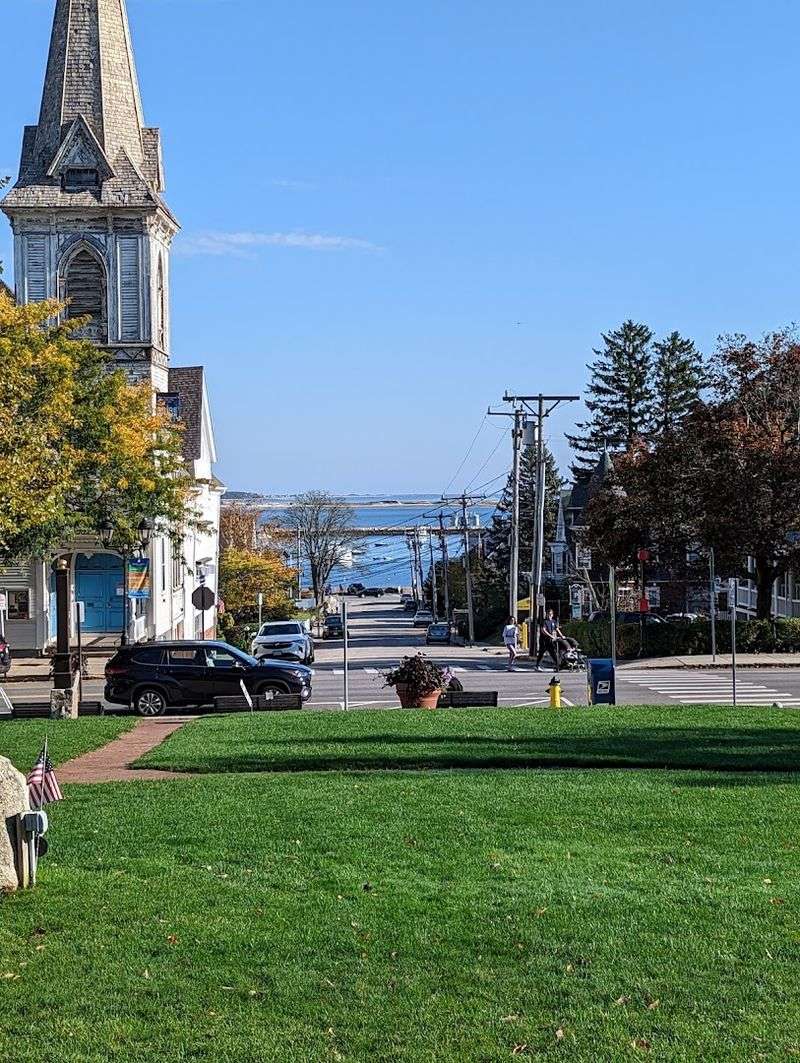
American origin stories get messy fast, but Plymouth remains one of the addresses people remember first. Established by English settlers in 1620, it became an enduring colony rather than a short experiment, which gives the town unusual weight in national memory.
Modern Plymouth includes many later layers, yet the historic center still preserves the colonial framework that tied homes, harbor activity, and civic life together. Sites tied to the colony, along with surviving old houses and the town’s street plan, help explain how a precarious settlement matured into a stable community.
What makes Plymouth interesting is not just the famous arrival narrative. It is the way the place shows adaptation: land use, governance, religious priorities, and local trade all changed over the seventeenth and eighteenth centuries.
The town keeps that long development visible, even after centuries of schoolbook fame.
4. Annapolis, Maryland
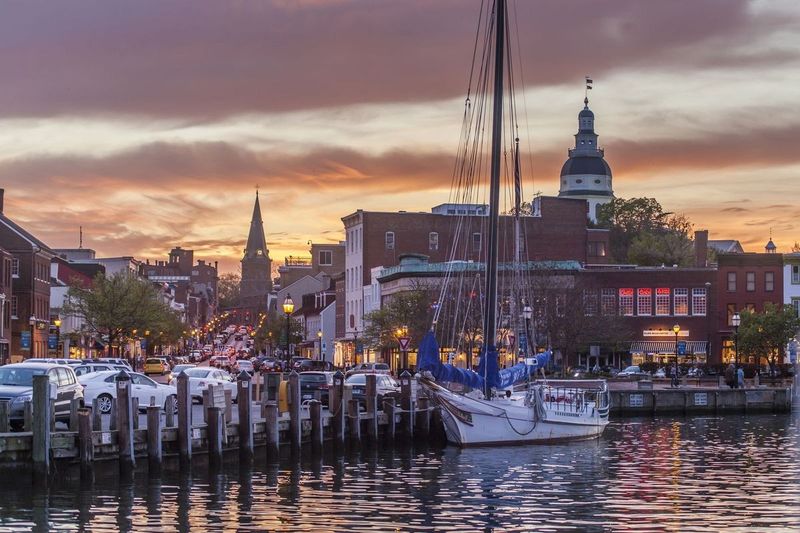
Some towns wear their eighteenth century like a tailored coat, and Annapolis fits that description perfectly. As Maryland’s colonial capital and a busy port, it developed a compact center filled with brick houses, public buildings, and formal streets that still organize the city today.
The standout feature is coherence. Georgian architecture dominates the historic district, and the layout around the Maryland State House and waterfront makes clear how commerce and government shared the same small stage.
Annapolis also avoided the kind of wholesale redevelopment that erased older cores elsewhere. Because so many structures from the 1700s remain in active use, the city feels less like an isolated historic pocket and more like a functioning colonial town that kept upgrading its paperwork.
If you want to understand elite urban life in British America, Annapolis gives you the blueprint in brick, symmetry, and tight intersections.
5. Salem, Massachusetts
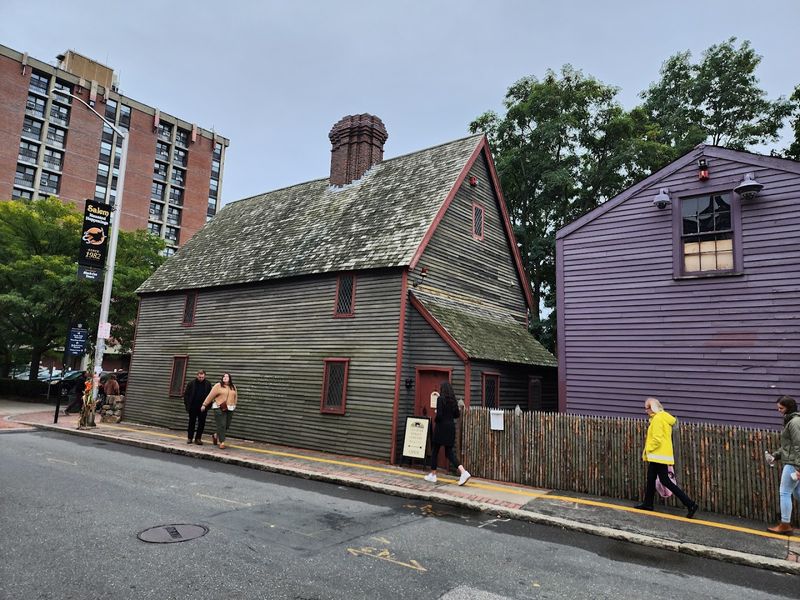
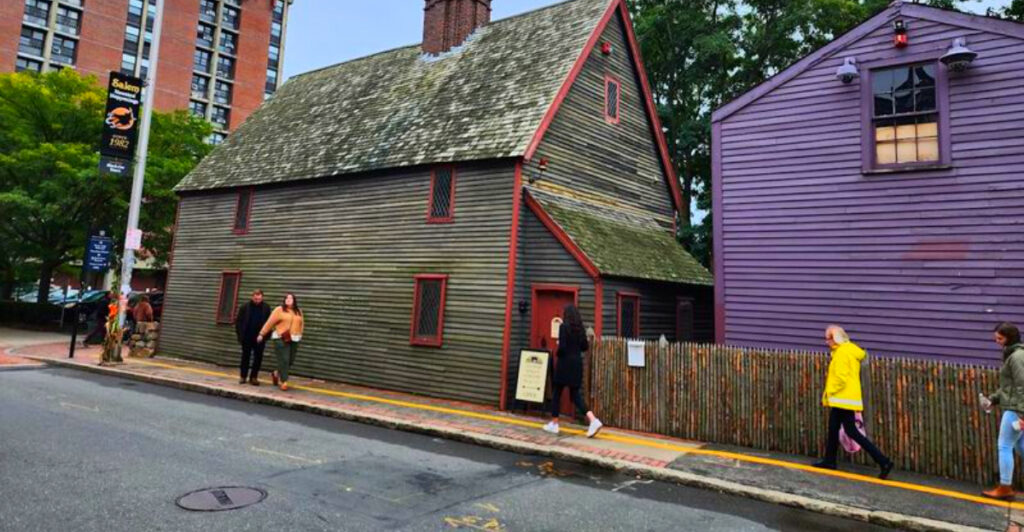
Popular culture tends to rush toward one chapter here, but Salem’s built history is far broader. Founded in the seventeenth century, the town developed into an important port, and that prosperity left behind an unusually dense collection of early homes, streets, and civic spaces.
The colonial fabric survives in houses that predate the Revolution, in the street network, and in neighborhoods where scale still feels anchored to earlier patterns of trade and residence. You can trace how a Puritan settlement evolved into a commercial center without losing every sign of its beginnings.
That is what makes Salem worth slowing down for. Beyond the museum headlines, it preserves evidence of shipping wealth, changing domestic architecture, and the practical compactness of a New England town shaped before cars were even a distant administrative headache.
Colonial Salem still reads clearly if you look past the obvious brochure material.
6. Deerfield, Massachusetts
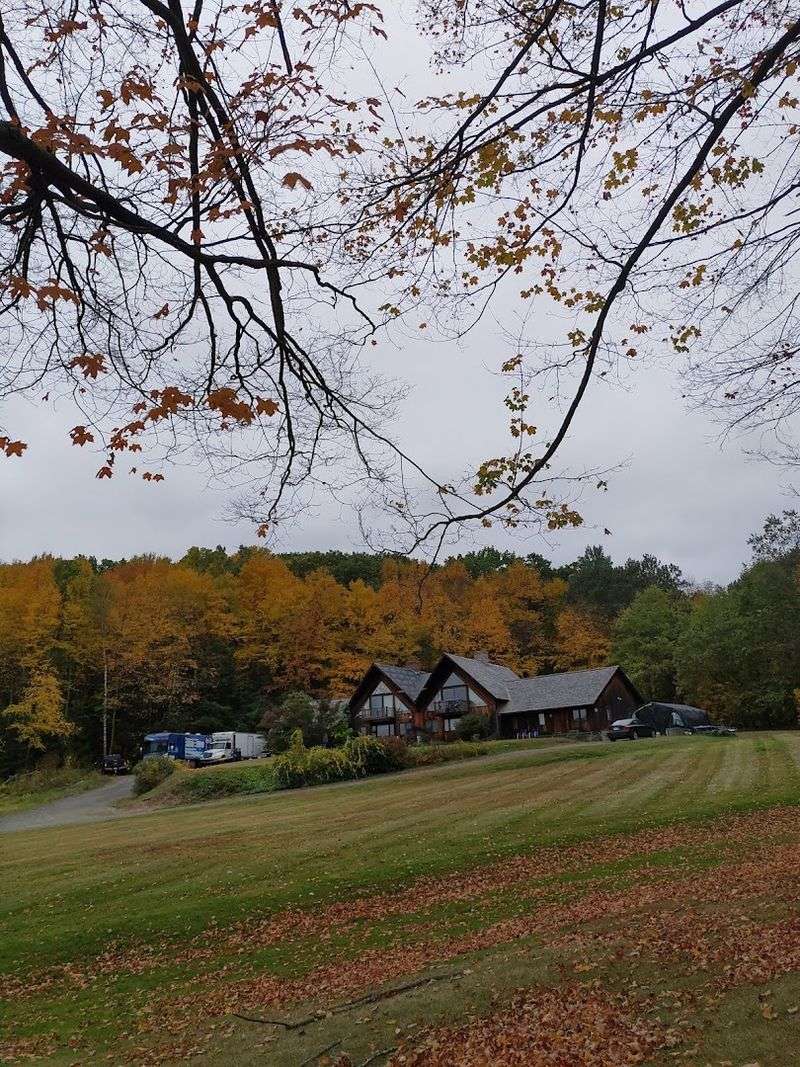
This village makes understatement look like a preservation strategy. Deerfield began in the colonial period as a frontier settlement in the Connecticut River Valley, and its long main street still presents a remarkable lineup of houses tied to the early eighteenth century.
Unlike larger colonial towns with busy commercial centers, Deerfield offers a more rural pattern of development, where domestic architecture tells much of the story. The preserved homes reveal changing building techniques, family life, and the ways prosperous agricultural communities expressed status without turning into urban showpieces.
Historic Deerfield’s careful stewardship has helped protect that continuity. Walking through the village, you are not just checking boxes of old houses but seeing how a colonial settlement matured within a working landscape shaped by farming, religion, and local exchange.
It is quiet evidence, which is often the most persuasive kind when history has solid walls behind it.
7. New Castle, Delaware
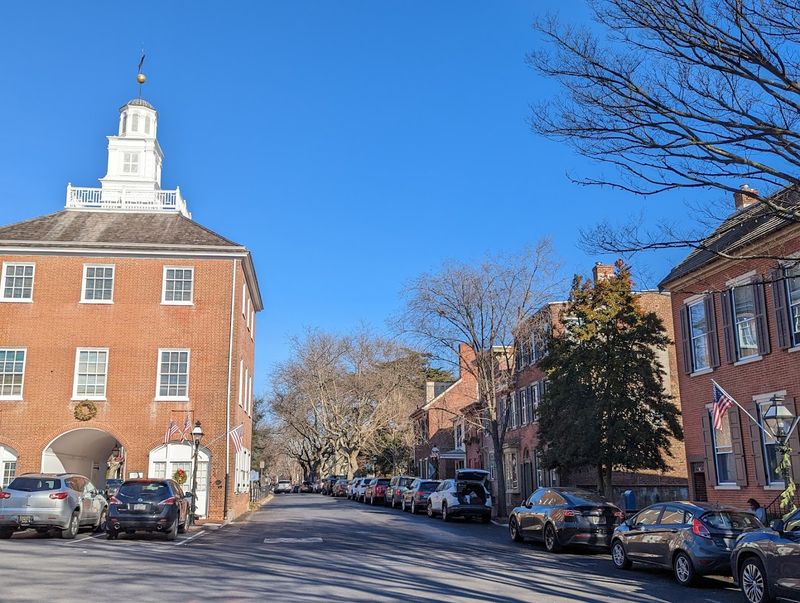
Compact towns often preserve history best, mostly because there is less room to ruin it. New Castle, set along the Delaware River, retains a strikingly intact colonial core with cobblestone streets, brick sidewalks, and Georgian buildings clustered around a traditional public green.
Its importance began under Dutch and Swedish influence before English control reshaped the settlement, giving the town a layered colonial identity that still appears in its plan and architecture. The Court House, early residences, and waterfront setting all point to New Castle’s role as an administrative and trading center.
What you notice quickly is proportion. The town remains human-scaled in a way modern planning departments spend years trying to rediscover, and the survival of so many eighteenth-century buildings keeps that scale convincing.
New Castle does not need much interpretation to make its case. The street itself handles most of the argument.
8. Old Wethersfield, Connecticut
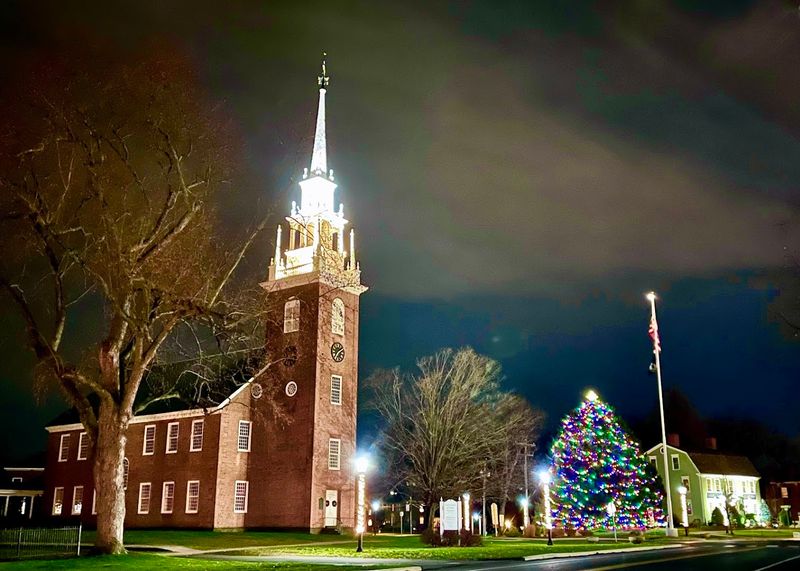
Orderly and old is a strong combination, and Old Wethersfield has both working in its favor. Founded in the 1630s, it ranks among Connecticut’s earliest English settlements, and its historic district preserves dozens of colonial-era houses along a street pattern that remains easy to read.
The town grew through river trade, agriculture, and regional commerce, with homes reflecting both practicality and prosperity. Saltbox forms, later Georgian details, and well-kept lots reveal how architecture changed as the settlement became more established and connected to wider markets.
Old Wethersfield also benefits from continuity rather than spectacle. It was never remade into a giant theatrical reconstruction, so its historic character comes from an accumulation of real buildings that stayed put while centuries passed around them.
That makes the village especially useful for understanding everyday colonial New England, where routine, land ownership, and careful building mattered as much as famous events.
9. Yorktown, Virginia
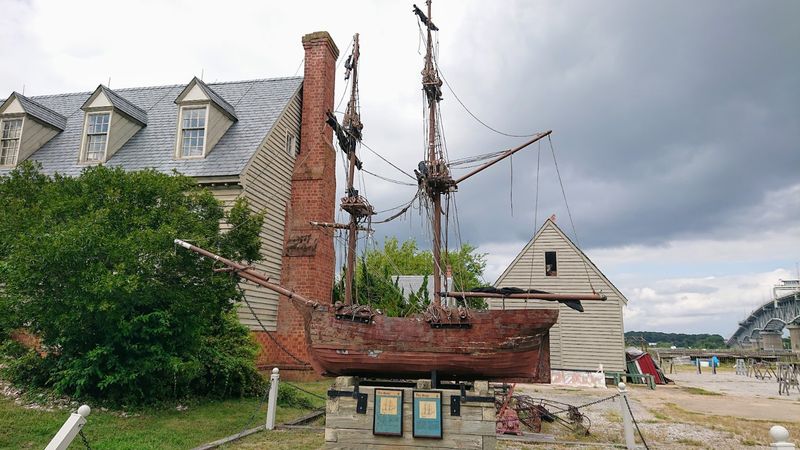
History books may rush to one famous campaign, but the town itself deserves equal attention. Yorktown was founded in 1691 as a tobacco port on the York River, and its original layout still shapes the village you see today.
That plan mattered because Yorktown was designed to serve export trade, customs enforcement, and regional administration. The surviving buildings, earthworks, and street alignments reveal how a small colonial port balanced waterfront commerce with inland governance long before it became associated with a decisive Revolutionary moment.
What stands out now is how much of the framework remains legible. The village stays modest in scale, which helps the colonial pattern hold together instead of dissolving into later development.
Yorktown lets you read several layers at once: mercantile ambition, wartime significance, and the practical geometry of an eighteenth-century Virginia town that still follows its original organizational logic.
10. Marblehead, Massachusetts
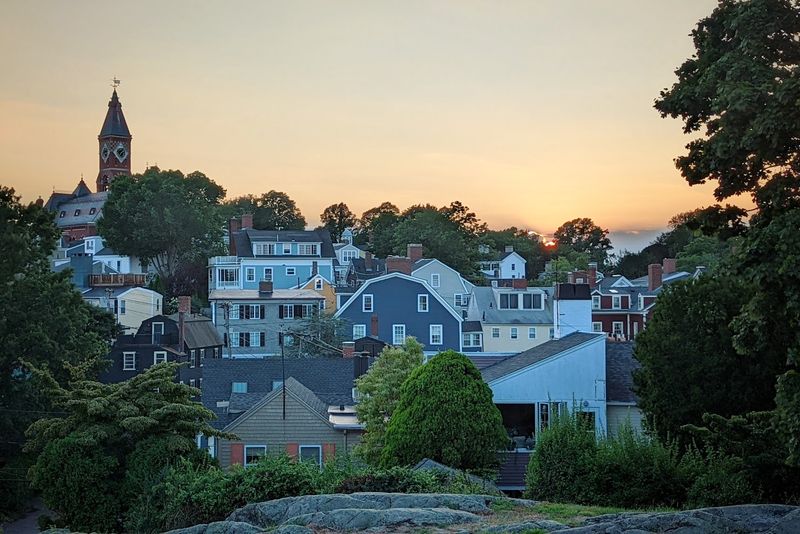
Narrow streets can be excellent historians, and Marblehead’s are still doing the job. Settled in the seventeenth century, the town developed around fishing and maritime trade, creating a dense harbor community whose lanes, houses, and wharves followed practical needs rather than grand planning theory.
That irregular pattern survives remarkably well in the old town. Modest wooden homes, later mansions, and streets that twist with confident disregard for modern traffic engineering show how an early port expanded before anyone expected delivery vans to complain about turning radius.
Marblehead matters because it preserves working-town history, not just polished civic symbolism. Its harbor remained central, its residential fabric stayed unusually intact, and its architecture reflects a community shaped by seafaring wealth, local labor, and constant Atlantic connections.
You can still read the town as a colonial maritime settlement first and a scenic destination second, which is an admirable refusal to lose the plot.
11. Sandwich, Massachusetts
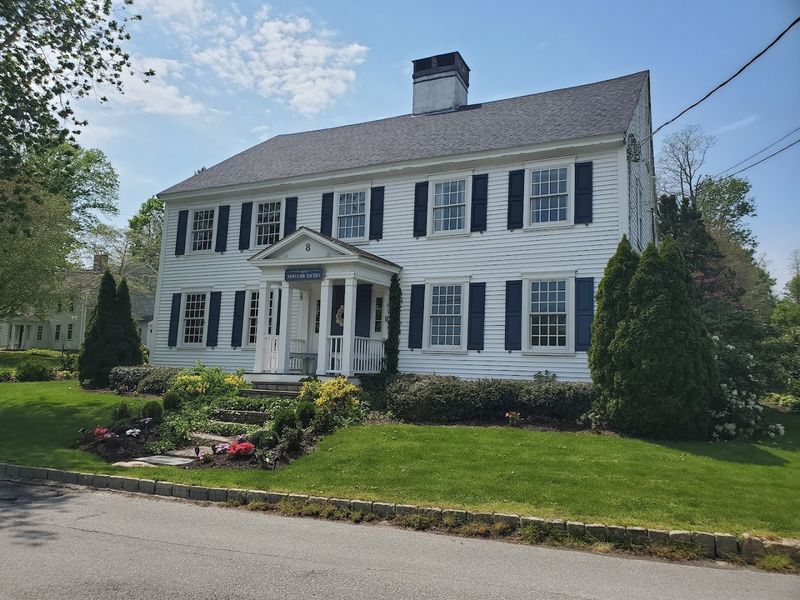
Cape Cod’s oldest town still keeps its colonial bones in plain view. Founded in 1637, Sandwich grew around a village green and a set of local institutions that made the settlement legible as both a community and an administrative unit.
Several early houses remain, and the street arrangement around the center preserves the look of a compact New England town shaped by church life, farming, and small-scale commerce. Later industries, especially glassmaking in the nineteenth century, added new layers without fully wiping away the earlier framework.
That balance is what makes Sandwich compelling. It shows how a colonial town could evolve without surrendering every structural clue to change, and the result feels grounded rather than staged.
The green still acts as an anchor, the historic houses still define the rhythm of the village, and Cape Cod’s development story starts making far more sense once you see where it began.
12. East Hampton, New York
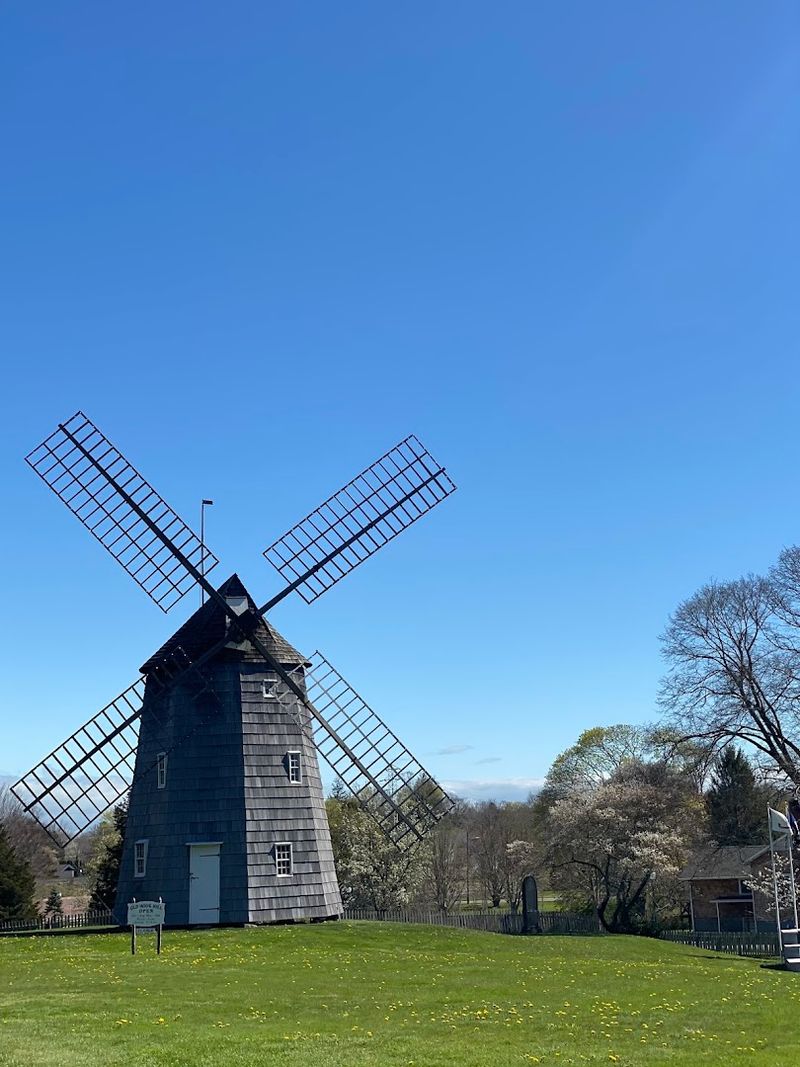
Among the later estates and modern attention, the original village still holds its ground. East Hampton was established in the seventeenth century by English settlers, and parts of its colonial landscape remain visible in surviving houses, common areas, and the overall pattern of the old center.
The town’s history ties closely to agriculture, common grazing practices, and coastal trade, all of which shaped land use in ways still traceable today. Several important early houses remain, giving the village a documented architectural record that reaches back to the colonial period even as newer development surrounds it.
What makes East Hampton especially interesting is contrast. The colonial footprint has not disappeared, but it now shares space with later wealth and expansion, which lets you see how older settlement patterns endure under pressure.
It is a reminder that preservation does not always require freezing a place. Sometimes the older map simply keeps winning.
13. Lititz, Pennsylvania
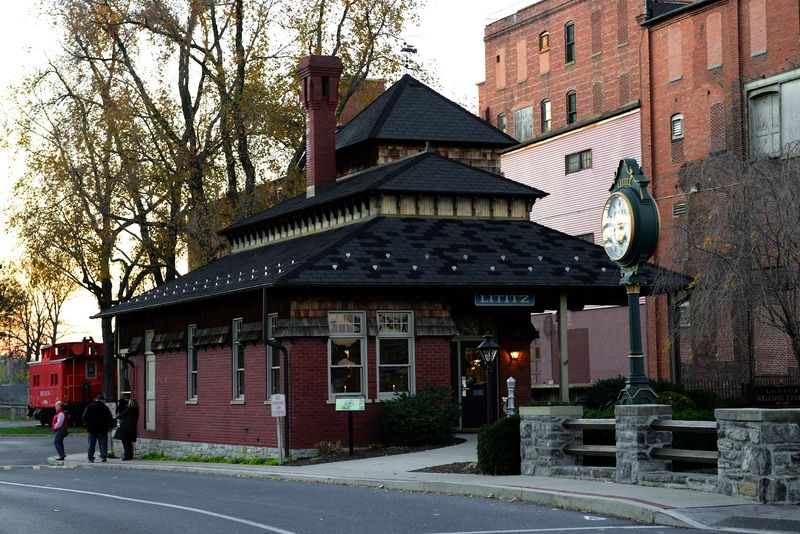
Planning was practically a local religion here, which makes sense given the founders. Lititz was established in 1756 by Moravians, and its village layout still reflects the community’s disciplined approach to worship, work, housing, and shared space.
Unlike many colonial settlements that grew by improvisation, Lititz developed with a more intentional structure. The congregation organized land use, placed important buildings with purpose, and created a compact center that still feels cohesive rather than accidental.
That order gives the town a distinctive character. Early stone and brick buildings, the communal heritage, and the preserved street pattern show how religious ideals could directly shape the built environment in colonial Pennsylvania.
Lititz also stayed lively enough to avoid becoming a historical fossil, which helps visitors see it as a real place first and a preservation success second. It is neat, yes, but in this case neatness is historical evidence.
14. Harpers Ferry, West Virginia
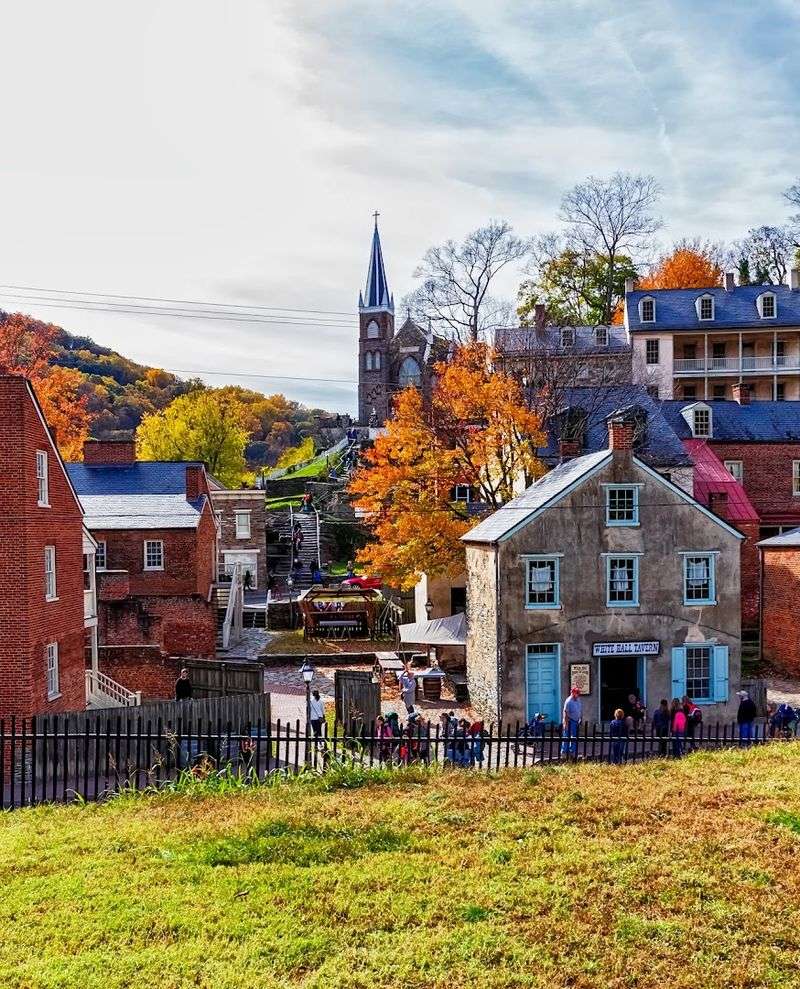
Geography did much of the early marketing here, and it was persuasive. Harpers Ferry stands at the junction of the Potomac and Shenandoah rivers, where colonial settlement patterns eventually merged with transportation routes and early industry.
Though many surviving buildings reflect the late eighteenth and nineteenth centuries, the town’s origins reach back to the colonial era, when the location was recognized as strategically important for trade and movement. Its lower town still preserves a compact historic form that helps explain why the site became such a magnet for commerce and manufacturing.
Harpers Ferry earns a place on this list because it shows colonial foundations evolving into something more complex without losing the original logic of place. Streets, lot lines, and building concentration all respond to terrain and river access.
It is less a static village than a lesson in continuity, where colonial settlement set the terms and later generations kept negotiating them.
15. Portsmouth, New Hampshire
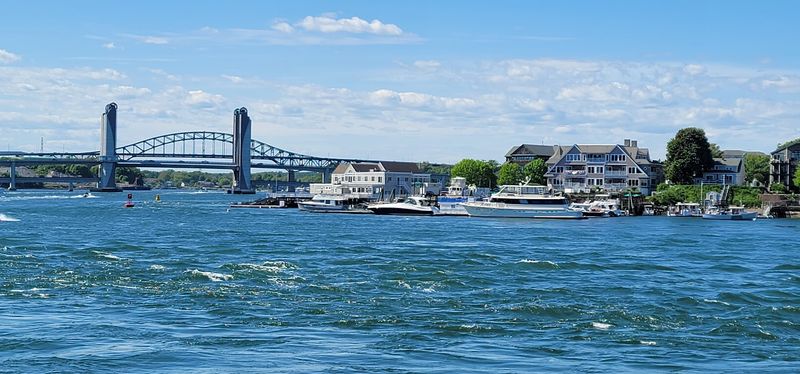
A working port with a long memory is always worth your time, and Portsmouth proves it. Settled in 1630, it became one of northern New England’s key colonial seaports, building wealth through shipping, trade networks, and skilled local crafts.
The city still preserves that layered past in its street plan, historic houses, and especially the Strawbery Banke area, where restored buildings trace centuries of everyday urban life. Colonial and early national structures remain woven into the modern city rather than isolated behind a tidy historical fence.
That matters because Portsmouth was never only a ceremonial place. It was busy, commercial, and outward-looking, and the surviving architecture reflects those habits through warehouses, residences, and public buildings tied to maritime exchange.
You get a fuller picture of colonial New England here: not just meetinghouses and principles, but trade, status, neighborhood density, and the persistent usefulness of a harbor that kept the town relevant.
16. Mystic, Connecticut
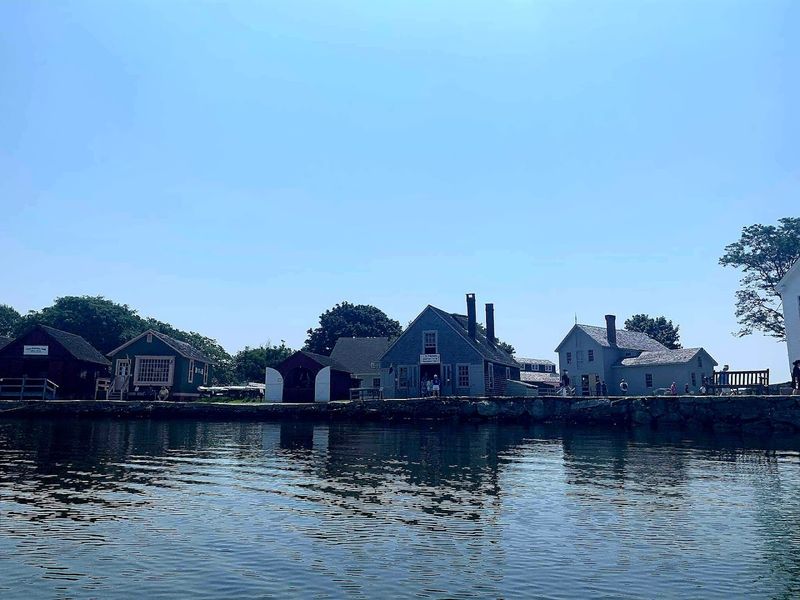
Harbor towns rarely stay still, yet Mystic has held onto its early framework surprisingly well. The settlement’s roots reach into the colonial era, when the Mystic River supported farming, shipping, and later the maritime trades that would define the community.
The village that developed around the harbor kept a scale and orientation tied to water, with streets, houses, and commercial structures reflecting that relationship. Although much of Mystic’s visible identity comes from its nineteenth-century seafaring prominence, the colonial foundation still shapes where things are and why they developed there.
That blend is precisely the appeal. Mystic does not present a single frozen date, but a sequence of connected eras built on an early colonial base, which makes the place more informative than a polished replica.
You can see how an initial settlement pattern supported later success, and how maritime life often extended colonial town structures instead of replacing them outright.
17. Bethlehem, Pennsylvania
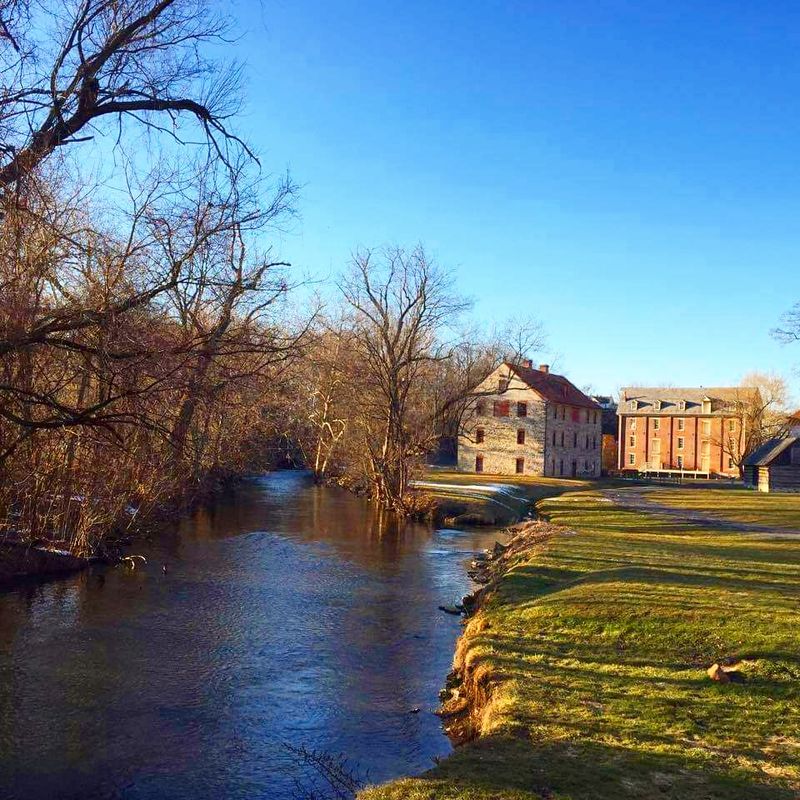
Few colonial places show communal planning as clearly as Bethlehem does. Founded by Moravians in 1741, the settlement was organized around religious life, shared labor, and an intentional arrangement of buildings that still gives the historic district a strong sense of order.
Its early stone structures, congregation houses, and institutional buildings reveal a social system different from the looser patterns found in many English colonial towns. The Moravians built with purpose, documenting their activities carefully and shaping the town around worship, education, crafts, and community management.
That clarity makes Bethlehem especially rewarding to visit. You are not just looking at isolated old buildings but at a complete framework for how one colonial group structured daily life in Pennsylvania.
The historic area remains legible enough to show relationships between architecture and belief, which is not something every preserved town can claim with a straight face and matching floor plan.
Share this story