In the heart of South Jersey, there sits a structure so strange and so stubbornly defiant that it has outlasted the era that inspired it by nearly a century. Built from junkyard scraps, broken glass, and sheer willpower during one of the darkest economic periods in American history, this place was never supposed to exist.
A man with no formal training, no wealth, and no blueprint decided to build a castle anyway, and somehow, it worked. The story behind this eccentric landmark in Vineland, New Jersey is one of the most unexpected and fascinating chapters in the state’s history, and the building itself is proof that determination can turn nothing into something truly unforgettable.
Read on to find out who built it, how it survived, and why people are still talking about it today.
Where Exactly This Wild Place Calls Home
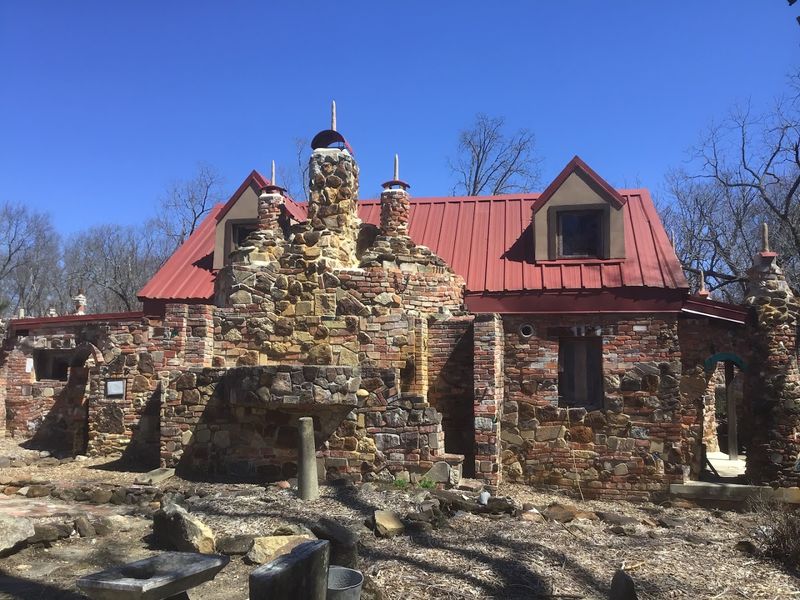
Tucked along South Mill Road in Vineland, New Jersey, the Palace of Depression sits at 265 S Mill Rd, Vineland, NJ 08360, a location that feels almost too ordinary for something this extraordinary.
Vineland is a mid-sized city in Cumberland County, part of the agricultural belt of South Jersey, and it is not typically the first place that comes to mind when people think about architectural oddities.
Yet here, on a modest stretch of road, rises a structure that looks like it belongs in a fever dream rather than a New Jersey neighborhood. The property is currently in an active restoration phase, which means access can be limited depending on the day and the progress of ongoing work.
Reaching out in advance through the official Facebook page is the smartest move before making the trip, since showing up unannounced can sometimes mean viewing the structure from the road rather than up close.
The Man Who Started It All
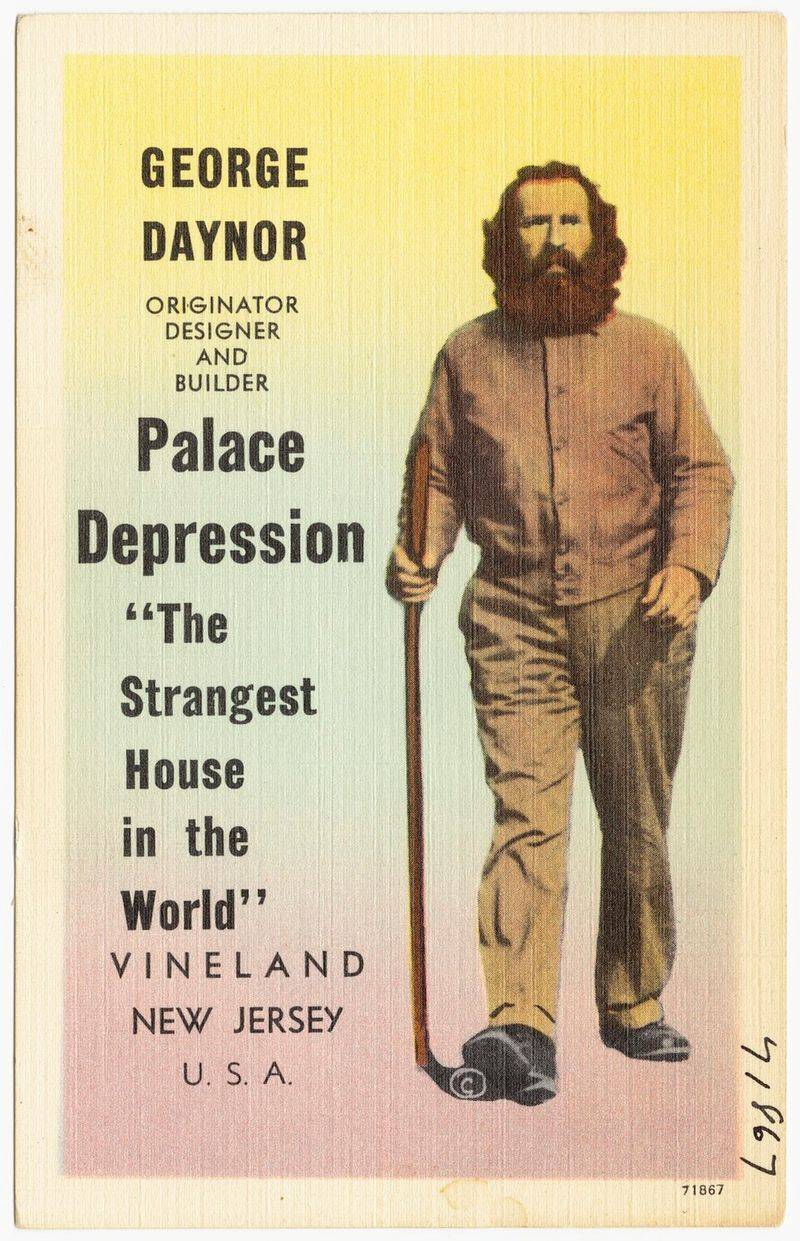
George Daynor is the kind of person history tends to overlook, but his story deserves a spotlight. He arrived in Vineland as a broke, down-on-his-luck man during the Great Depression, having lost everything in the 1929 stock market crash.
Rather than accept defeat, Daynor made a bold and frankly unusual decision: he would build a palace out of nothing, using discarded materials from a nearby junkyard, and he would live in it to prove that poverty did not have to mean hopelessness.
Daynor had no formal architectural training, no professional crew, and no guaranteed outcome. He reportedly claimed that an angel appeared to him and instructed him to build the structure, a detail that only adds to the legend surrounding this place.
Whatever his motivation, the result was a sprawling, multi-room structure that drew thousands of curious onlookers during the 1930s and 1940s, turning Daynor himself into a local celebrity of sorts.
Junkyard Materials Turned Into Architecture
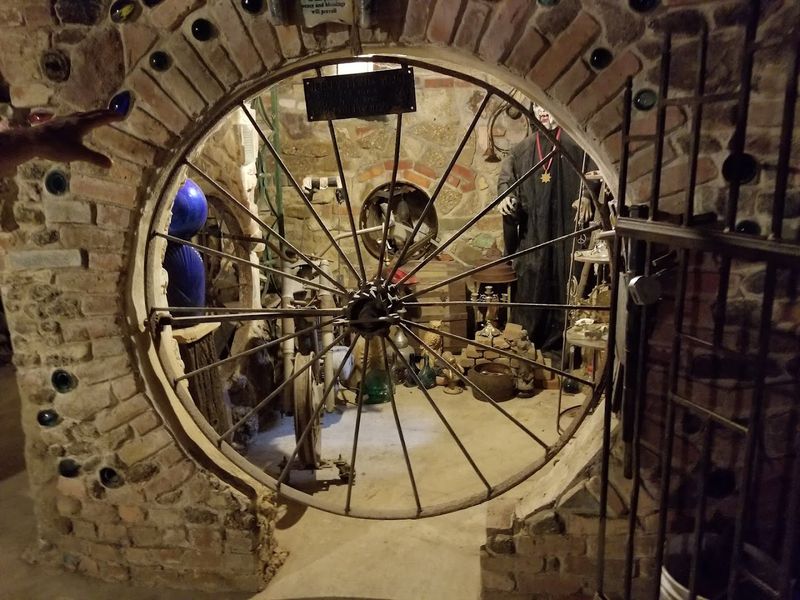
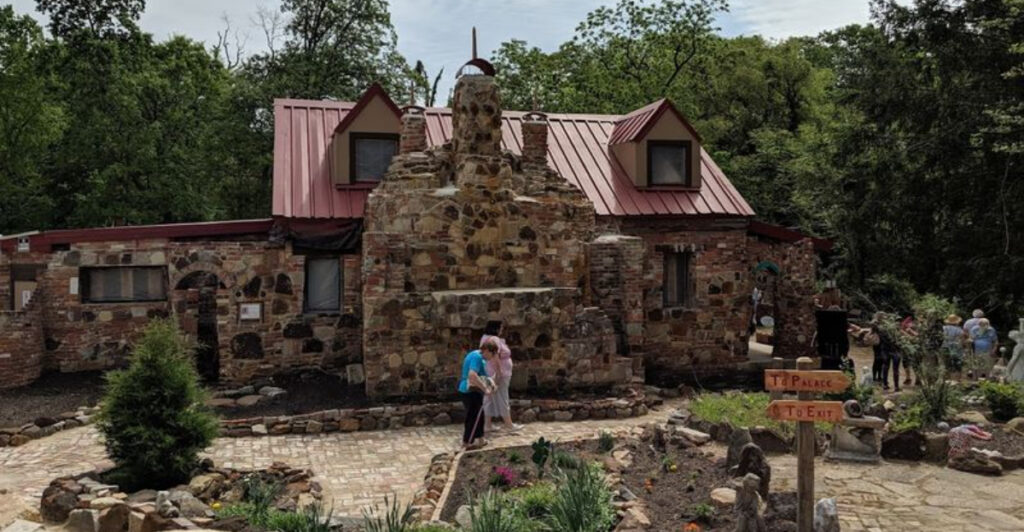
What makes the Palace of Depression structurally remarkable is not just its unusual appearance but the raw materials that went into building it. Daynor sourced much of what he needed from a nearby junkyard, gathering old car parts, glass bottles, wire, and various discarded objects that most people would have thrown away without a second thought.
These materials were then worked into a cement framework, creating walls and surfaces embedded with glass that catch light in unexpected ways. The result is something that sits between folk art and functional architecture, a category all its own.
There are no clean lines or uniform surfaces here. Every section of the structure reflects the resourcefulness of its builder, with each embedded object telling a small story about what was available and what was possible during a time when resources were scarce.
The construction process itself reportedly took years, with Daynor working largely alone through heat, cold, and financial hardship without stopping.
A Castle Built as a Statement
Daynor did not just build a house. He built a statement.
He named the structure the Palace of Depression deliberately, turning the name of the era’s greatest hardship into a title of defiance and dark humor.
The message was clear: even in the worst of times, a person with enough creativity and stubbornness could build something lasting. That message resonated deeply with people living through the Depression, and the Palace quickly became a roadside attraction that drew crowds from across the region.
At its peak, Daynor charged a small admission fee to tour the property, and tens of thousands of people reportedly passed through its doors during the 1930s and 1940s. For many, it was not just a quirky building to look at but a genuine source of inspiration during a time when inspiration was hard to come by.
The Palace stood as proof that ingenuity and persistence could produce something real, even when the odds were stacked against the builder.
What the Structure Actually Looks Like
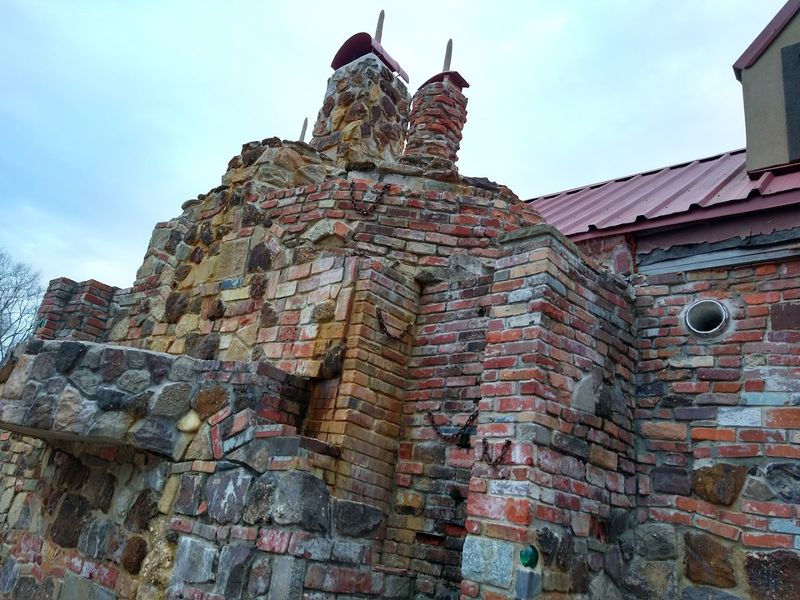
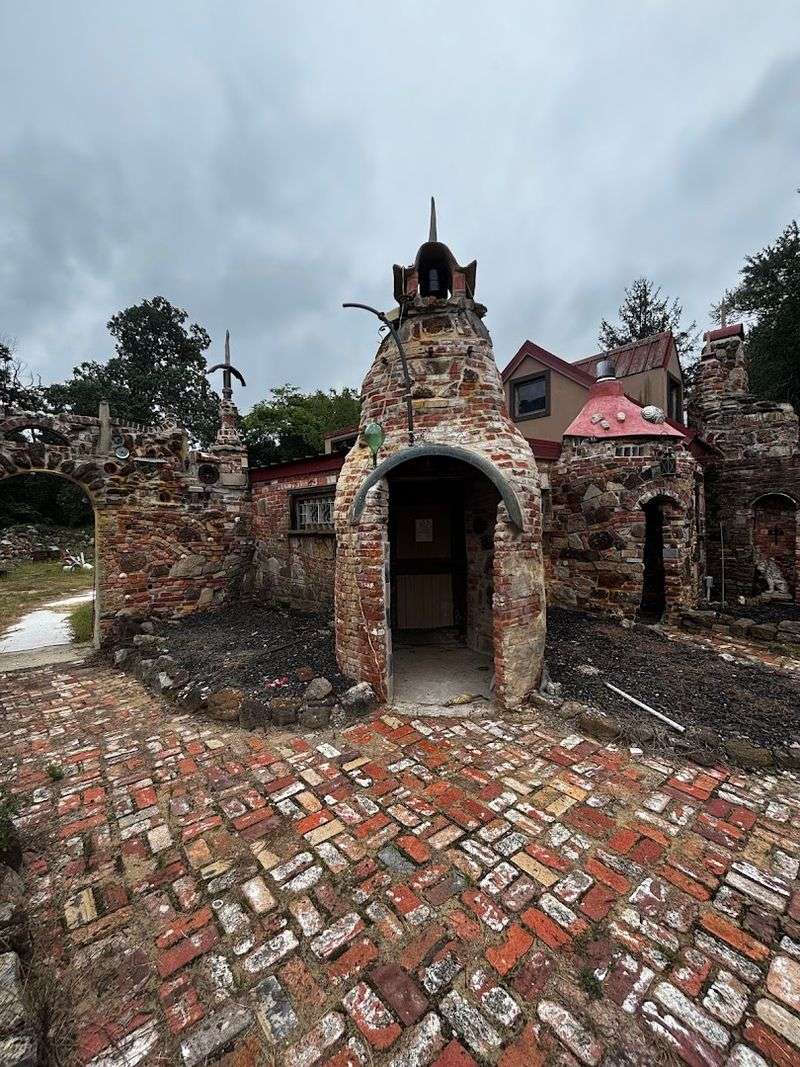
From the road, the Palace of Depression does not look like any building with a conventional category. It has castle-like turrets and irregular rooflines that give it a fantasy-story quality, but up close, the texture of the walls tells a different story.
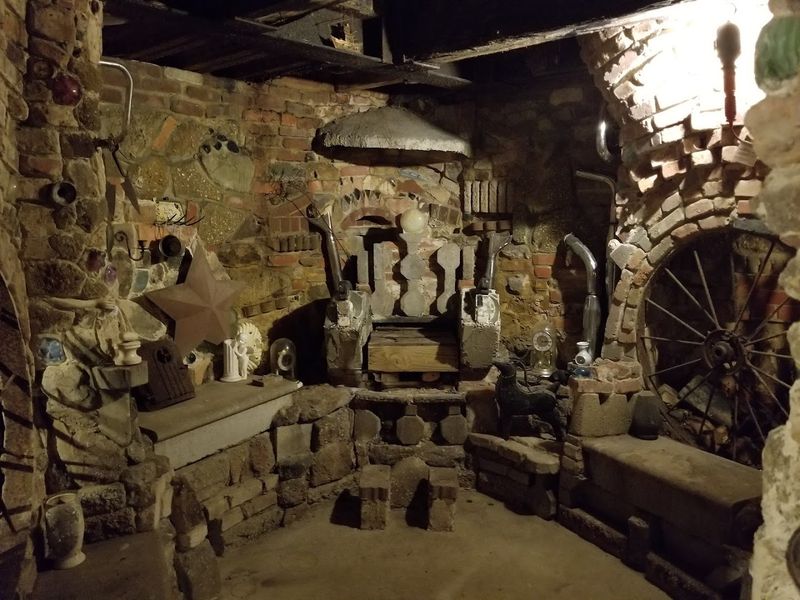
Embedded glass catches available light and creates a mosaic-like effect across sections of the facade. Car parts, wire, and other salvaged objects are worked into the cement in ways that blur the line between construction and artwork.
The overall footprint of the structure is larger than it appears in photographs, with multiple rooms and passageways that Daynor designed to serve specific purposes. Some sections functioned as living quarters, while others were open for public display during the attraction’s active years.
The building’s silhouette against the New Jersey sky has a genuinely striking quality, and it is easy to understand why passing drivers have been stopping to stare at it for nearly a hundred years since construction first began.
The Attraction That Drew Thousands
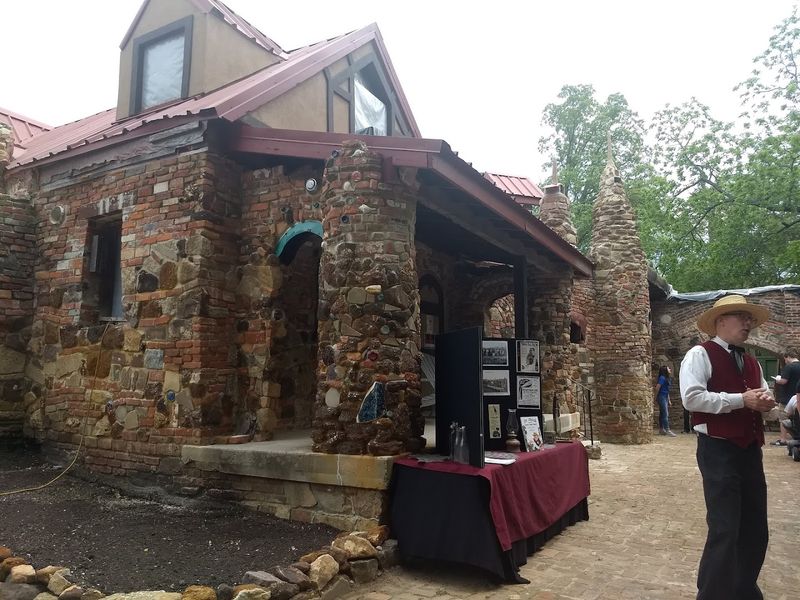
During its original run as a public attraction, the Palace of Depression was a genuine draw. Daynor opened the property to paying guests and used the income to continue building and maintaining the structure.
Visitors came from across New Jersey and neighboring states to see the strange castle that a broke man had built from trash, and many left genuinely moved by the story behind it. The attraction was covered in newspapers and magazines of the time, which only added to its reputation and kept the stream of curious visitors coming.
Daynor himself served as tour guide, walking guests through the rooms and explaining his process and his philosophy. His personality was as much a part of the experience as the building itself, and accounts from that era describe him as passionate, articulate, and deeply proud of what he had created.
At its height, the Palace reportedly attracted up to 75,000 visitors in a single year, a remarkable number for a self-built roadside attraction in rural South Jersey.
What Happened After Daynor
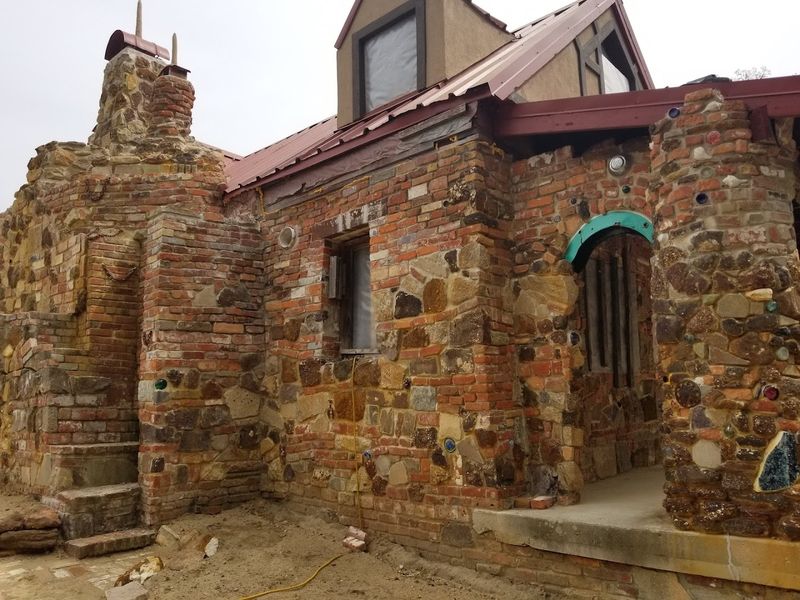
George Daynor continued to live in and maintain the Palace of Depression until his passing in 1964. After that, the property changed hands and fell into a long period of neglect that took a serious physical toll on the structure.
Decades of exposure to weather, combined with a lack of regular upkeep, left significant portions of the building damaged or unstable. By the time local preservationists began paying attention to the site, the Palace had become a shadow of what it once was, though its bones and its story remained intact.
The structure also appeared briefly in a well-known film, which helped keep its legend alive even during the years when the physical building was at its lowest point. That cultural footprint made it easier to build public interest in saving the site when restoration efforts eventually got underway.
Without that persistent reputation, the Palace might have quietly disappeared into the South Jersey landscape without anyone mounting a serious effort to bring it back.
The Restoration Effort That Refuses to Quit
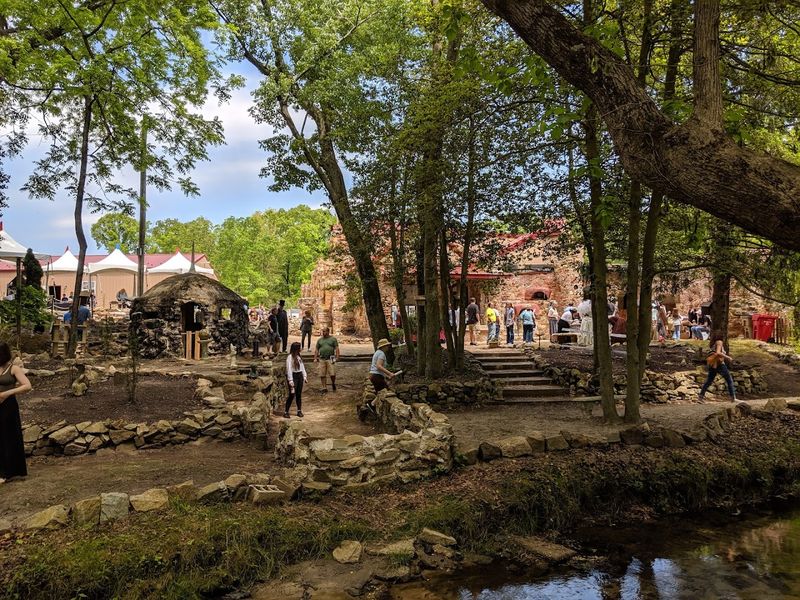
The push to restore the Palace of Depression has been going on for years, driven largely by dedicated volunteers and local history enthusiasts who believe the site deserves to survive into the next century.
The restoration work is painstaking by nature, since the original construction methods were unconventional and replicating them requires both research and hands-on skill. Volunteers gather regularly, with Tuesdays historically being a common workday for those who want to contribute to the project directly.
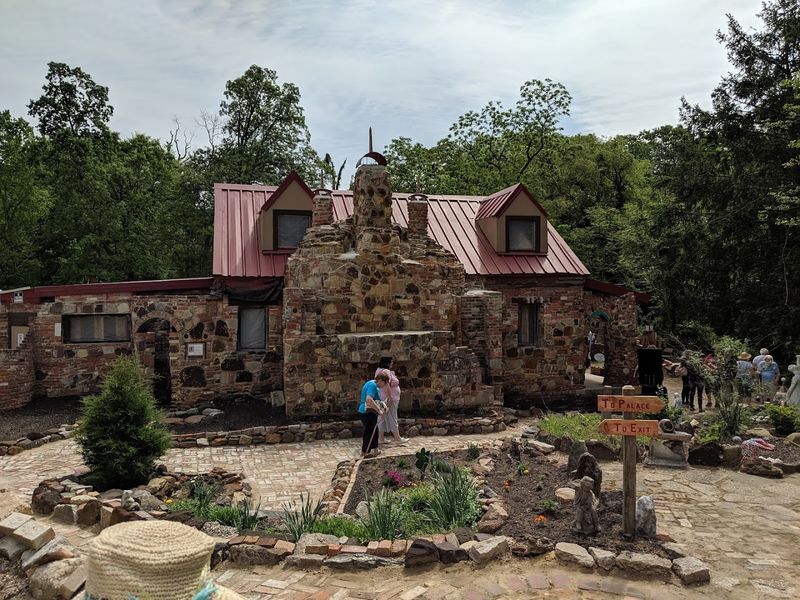
The effort has attracted people from across the region who connect with the story behind the Palace and want to be part of keeping it alive. Families, history buffs, and community members have all contributed time and labor to the ongoing reconstruction.
Progress has been steady if slow, with each passing season bringing the structure closer to a state where it can safely welcome the public again. The passion behind the project is genuinely visible in every repaired section of wall and every carefully restored detail.
Planning a Visit Before You Go
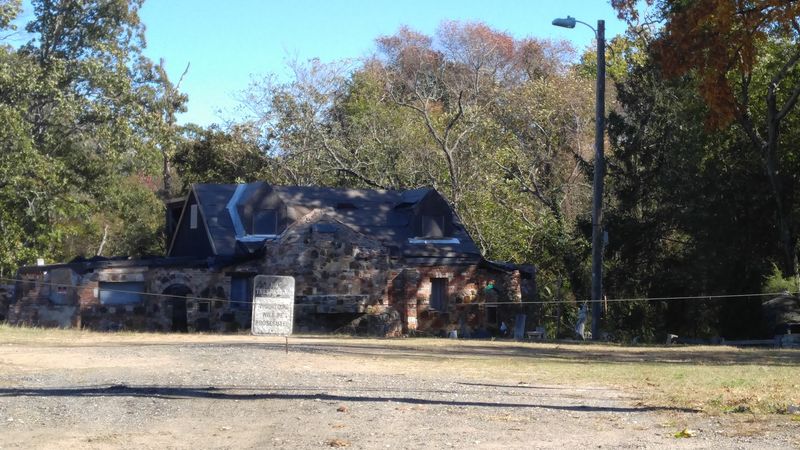
A trip to the Palace of Depression requires a bit of planning, since the site is not a conventional open-to-the-public attraction with regular hours and a ticket booth. The property is in active restoration, and access depends on where that work stands at any given time.
The official Facebook page at facebook.com/thepalaceofdepression is the best place to check current status and reach out about scheduling a guided tour. Emailing ahead of time and waiting for a response before making a long drive is strongly recommended, especially for those traveling from outside the immediate area.
Guided tours are available for a small donation, and those who have experienced them report that the firsthand storytelling makes the visit far more meaningful than simply viewing the structure from the road.
Even if a full tour is not available on a given day, the exterior view from South Mill Road is striking enough to make a brief stop worthwhile for anyone passing through Cumberland County.
The People Keeping the Legend Alive
The Palace of Depression would not still exist in any meaningful form without the people who chose to care about it. Over the years, a rotating cast of local historians, volunteers, and community members has kept the restoration moving forward despite limited funding and the sheer complexity of the work involved.
Among those most closely associated with the current restoration effort is Jeff, whose knowledge of the site’s history and architecture is described by those who have met him as genuinely encyclopedic. He has been known to spend hours walking guests through the property, sharing archived materials and explaining the construction methods Daynor used.
That kind of personal dedication is rare in the world of historic preservation, and it gives the Palace a human quality that purely institutional restorations often lack. The building’s story and the stories of those working to save it have become deeply intertwined, making a visit feel less like a tourist stop and more like a conversation with history.
Why New Jersey History Lovers Should Care
New Jersey has a long and underappreciated history of eccentric architecture and unconventional landmarks, and the Palace of Depression sits near the top of that list. It represents a chapter of American history that is easy to overlook but impossible to dismiss once you know the details.
The story of one man building a castle from junkyard scraps during the worst economic crisis the country had seen is not just a local curiosity. It is a genuinely compelling piece of American folk history that speaks to themes of resilience, creativity, and the refusal to accept circumstances as permanent.
For history enthusiasts, the Palace offers a tangible connection to the Depression era that no museum exhibit can fully replicate. The materials embedded in its walls came from that specific time and place, making the structure itself a kind of archive.
Cumberland County and the broader South Jersey region have a gem in this site, even if it has not always received the attention it deserves from the wider world.
A Landmark Still Finding Its Second Chapter
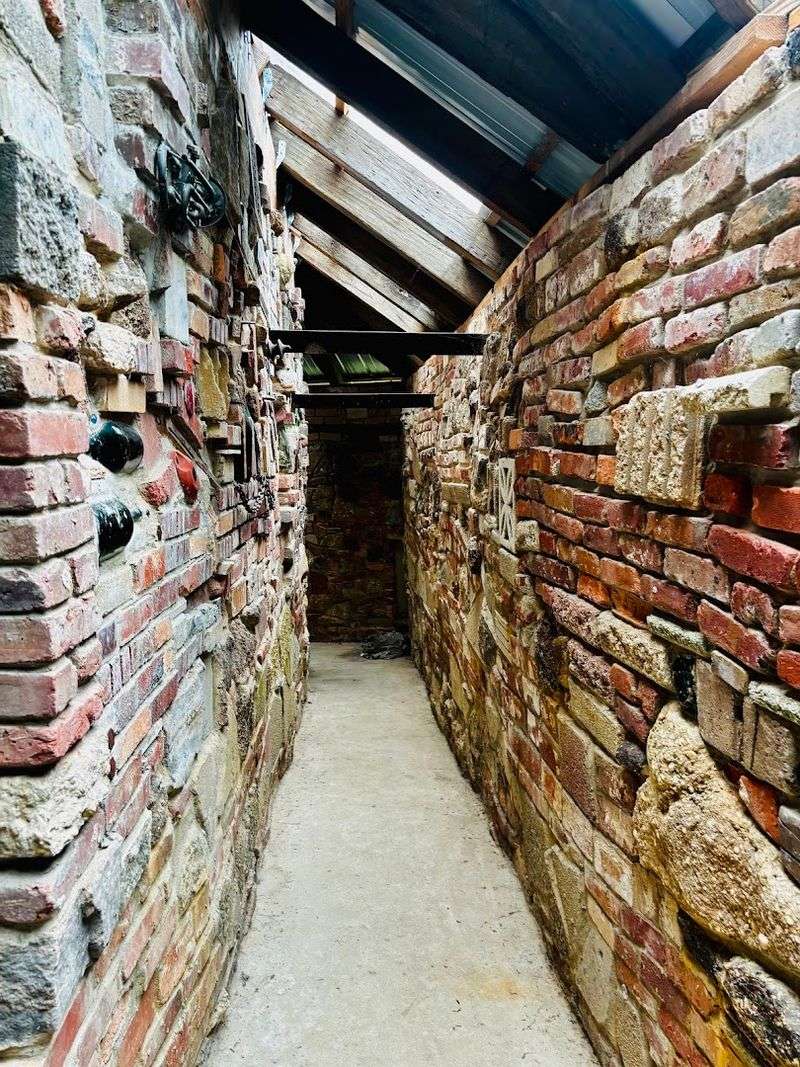
The Palace of Depression is not finished yet, and that is actually part of what makes it compelling right now. Catching a historic site mid-restoration offers a perspective that a fully polished attraction cannot provide.
There is something genuinely interesting about watching a structure come back from near collapse, especially one with a story this layered. Each repaired section of wall represents not just construction work but a commitment to preserving a very specific and unusual piece of American history for future generations.
Plans for the completed site include a museum component and a gift shop, which would give the Palace a more formal infrastructure for welcoming the public on a regular basis. When that phase is complete, the experience of visiting will likely be richer and more accessible than it is today.
Until then, the Palace of Depression at 265 S Mill Rd in Vineland remains one of New Jersey’s most surprising and quietly inspiring places to seek out, and the drive to find it is always worth it.
Share this story