There is a building in small-town Oklahoma that stops road trippers in their tracks, and not just because of its striking red sandstone walls. Inside, history comes alive in a way that feels more like a journey than a museum visit.
You watch Route 66 stories unfold from the seats of vintage cars and the mattresses of old roadside motels, and somehow that changes everything. This is not your average roadside attraction, and once you know what waits inside, you will want to plan your stop right away.
A Historic Armory That Found a New Purpose
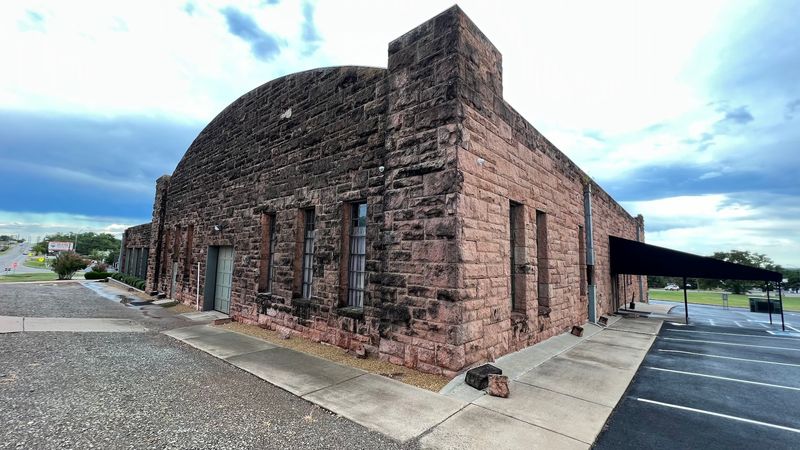
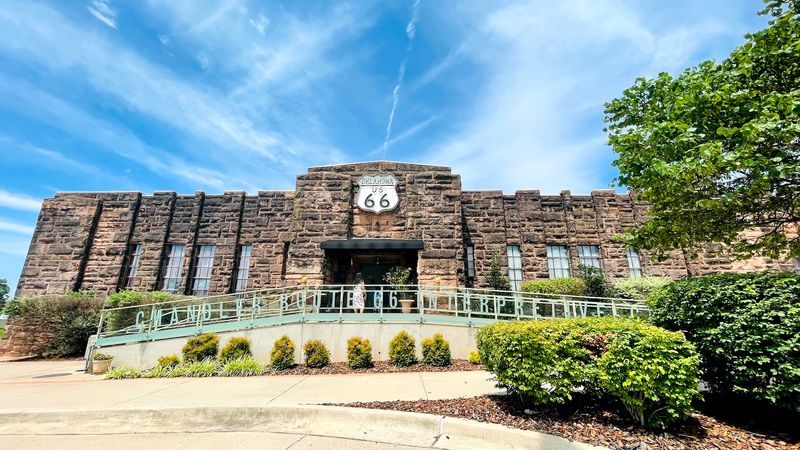
Built from local red sandstone between 1935 and 1937, the Chandler Route 66 Interpretive Center has a backstory that rivals anything on display inside it. The building at 400 E 1st St, Chandler, Oklahoma 74834, was originally constructed by the Work Progress Administration as a home for Battery F, Second Battalion of the 160th Field Artillery of the Oklahoma National Guard.
After the military vacated it in 1971, the armory sat empty for decades before reopening as a museum in 2007. The National Register of Historic Places added it in 1992, recognizing its architectural and cultural significance long before most travelers discovered it.
The walls are a full 20 inches thick, which keeps the interior remarkably cool even on the hottest Oklahoma summer days. Art Deco details run throughout the structure, from the carefully preserved stonework to the restored interior spaces that still carry a sense of the building’s original grandeur.
History did not abandon this place; it just waited for someone to tell it properly.
The Immersive Video Experience That Sets This Place Apart
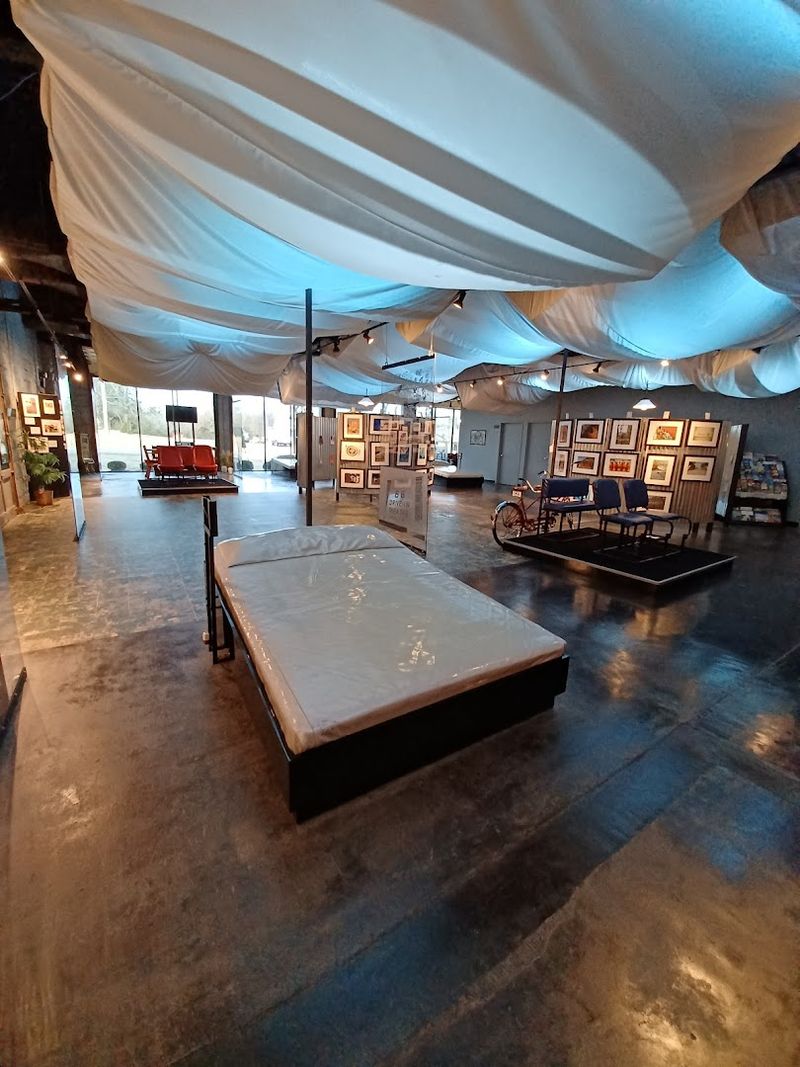
Most museums ask you to stand and read. This one asks you to sit back in a 1930s Model A Ford seat or stretch out on a mattress salvaged from a classic Route 66 motel, then let the stories come to you.
The video exhibits at the Route 66 Interpretive Center are the heart of the experience, and the seating choices alone make them unforgettable.
Short documentary clips cover different chapters of the Mother Road’s history, from its construction through the Dust Bowl era and beyond. One longer film runs about 20 minutes in a proper theater-style setup, giving the material room to breathe and connect emotionally.
The videos are thoughtfully broken into bite-sized segments so you can move at your own pace rather than committing to one long sit. Visitors who planned a quick one-hour stop often find themselves still there two or three hours later, working through one screen after another.
The combination of comfortable, era-appropriate seating and genuinely engaging content creates something that feels less like education and more like time travel done right.
The Architecture Inside the Walls
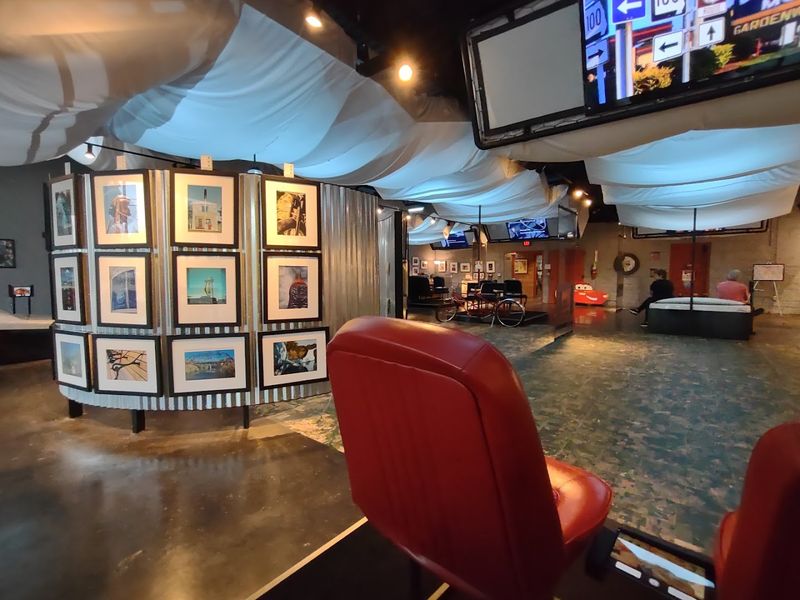
Once you are inside the building, the architecture itself becomes part of the tour. Look down and you will find a large map of Lincoln County embedded right into the floor, a detail so unexpected that most visitors do a double take before realizing what they are standing on.
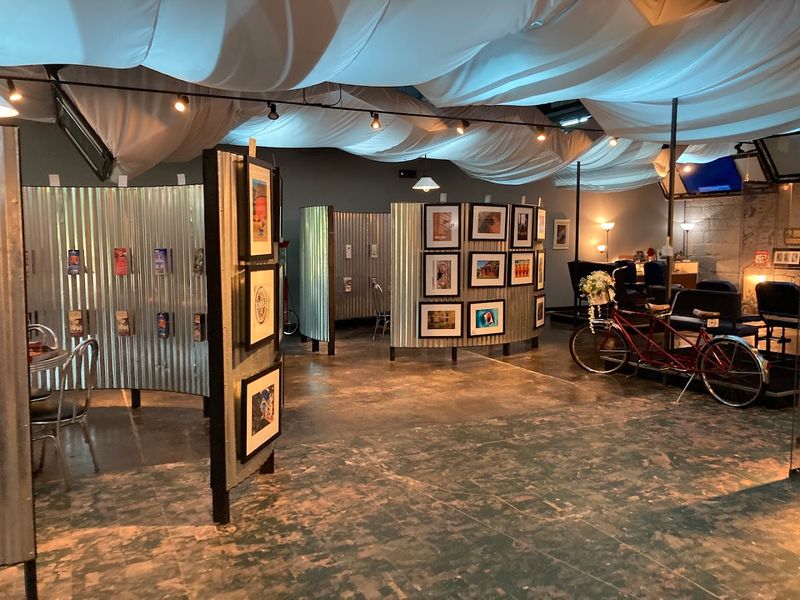
The rear of the building opens into what appears to have once been a ballroom, now beautifully restored and fitted with a parachute used as a light diffuser overhead. It is the kind of design touch that makes you stop mid-step and tilt your head back just to take it in.
The building’s WPA construction means every inch was built with intention and craftsmanship that modern buildings rarely match. The restored stonework, the high ceilings, and the carefully maintained original features all tell a story about what the 1930s looked like when craftsmen had time and pride invested in their work.
One particularly quirky claim to fame is the only brick outhouse in Oklahoma, complete with an original French fixture, tucked away on the property for those curious enough to seek it out.
The Knowledgeable Tour Guides Who Make It Personal
A museum is only as good as the people who bring it to life, and the guides at the Route 66 Interpretive Center take that responsibility seriously. From the moment you walk through the door, a knowledgeable host greets you and launches into a history lesson on the building itself before the formal tour even begins.
The guides here have earned genuine praise for their warmth and depth of knowledge. Dee, one of the regular guides, has been described as a walking history book, someone who can connect the construction of a WPA building to the broader sweep of American life in the 1930s and 1940s without losing you along the way.
Other staff members like Susan and Danita have made lasting impressions on visitors who came in skeptical and left converted. The personal touch is not incidental here; it is baked into how the center operates.
You are not handed a brochure and pointed toward a room. You are welcomed, oriented, and guided through a story that genuinely deserves to be told.
That human connection is what elevates this stop from interesting to memorable.
Route 66 History Told Through Relics and Memorabilia
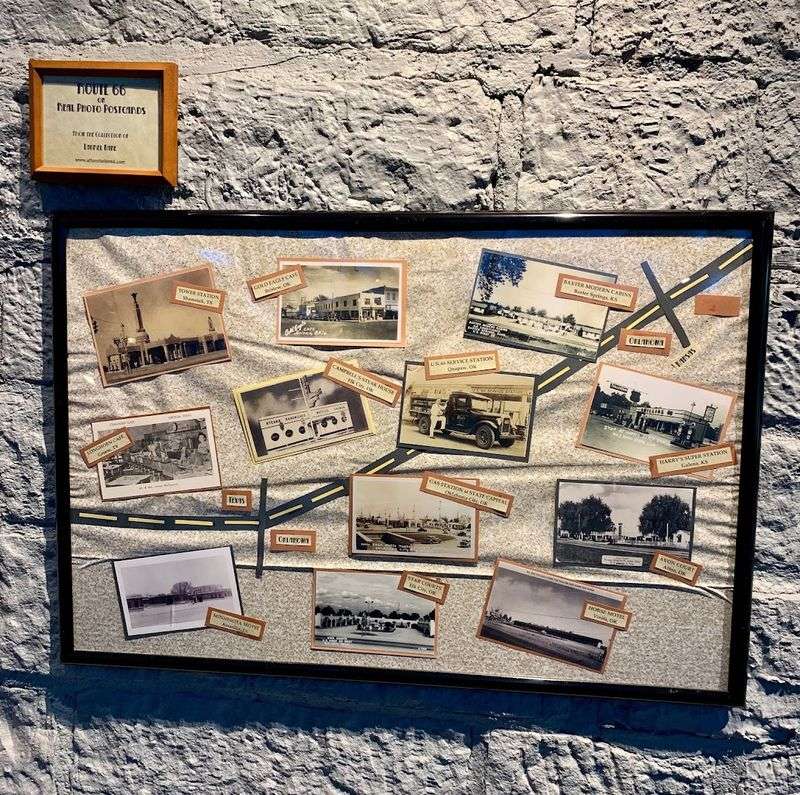
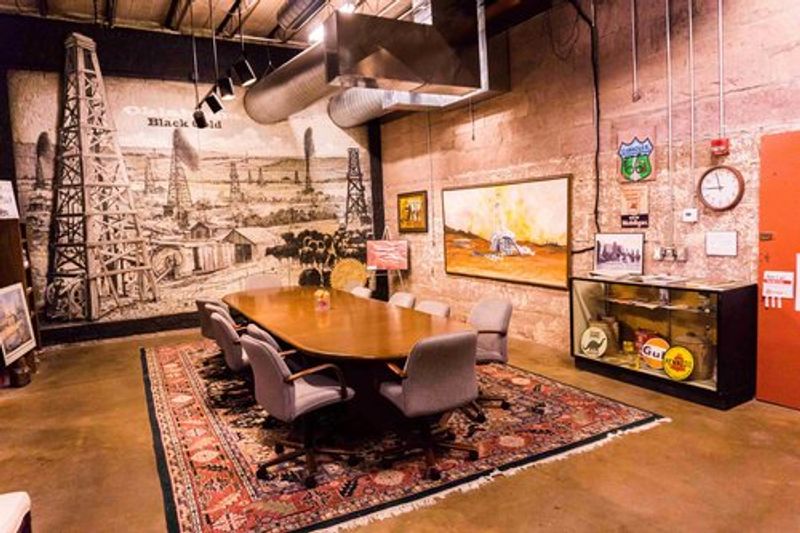
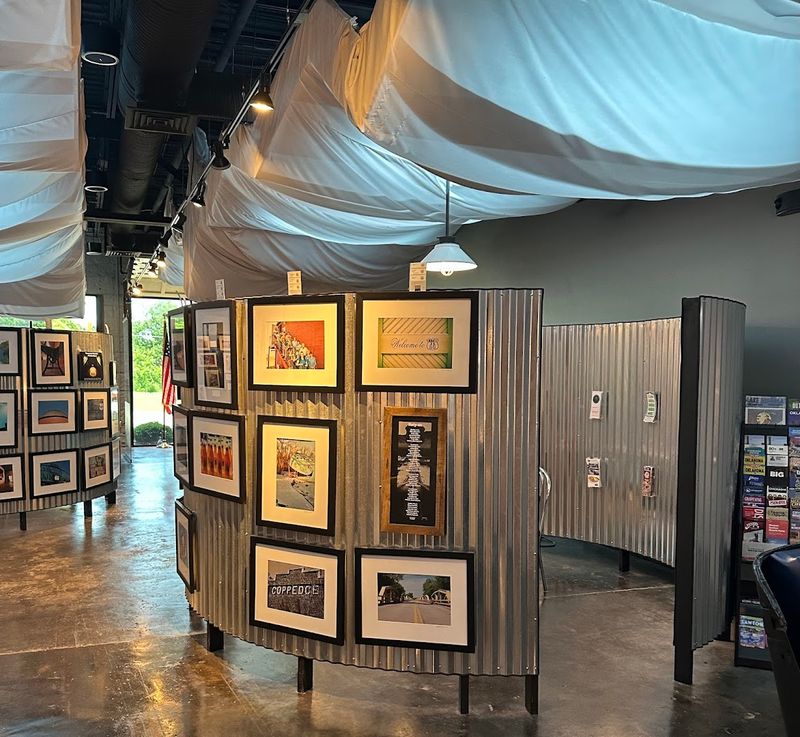
Beyond the video screens and the stunning architecture, the Route 66 Interpretive Center holds a collection of physical memorabilia that connects you to the road in a tactile, immediate way. Relics from different decades of the Mother Road’s history line the exhibit spaces, and visitors are encouraged to touch and interact with many of them.
The collection covers the full arc of Route 66’s cultural life, from the desperate migration of Dust Bowl families heading west to the postwar road trip boom that turned the highway into an American icon. Photographs, signage, and personal artifacts fill in the details that video alone cannot capture.
Free maps of Oklahoma and Route 66 are available for visitors, a practical gift that doubles as a souvenir most people actually use. The curators have made deliberate choices about what to include, favoring items that tell a story over those that simply fill space.
The result is a collection that feels purposeful rather than cluttered, each piece earning its spot on the wall or in the case. Road history has rarely been presented with this much care and context.
The Gift Shop That Serious Route 66 Fans Will Love
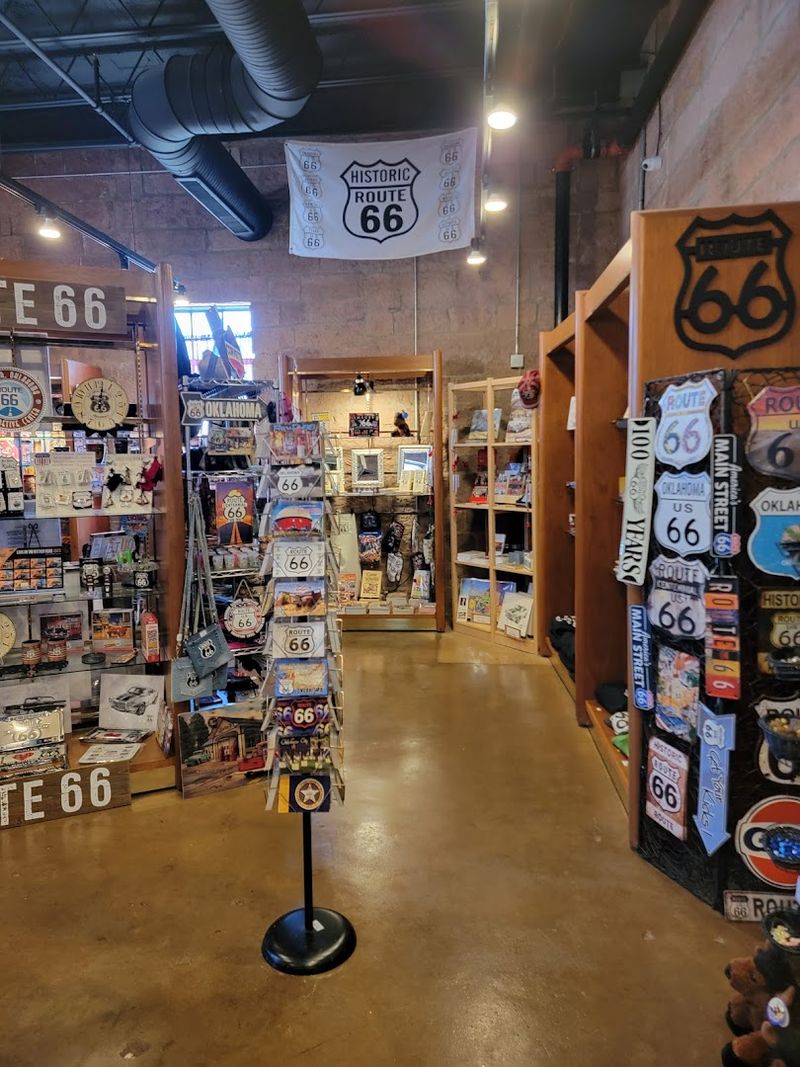
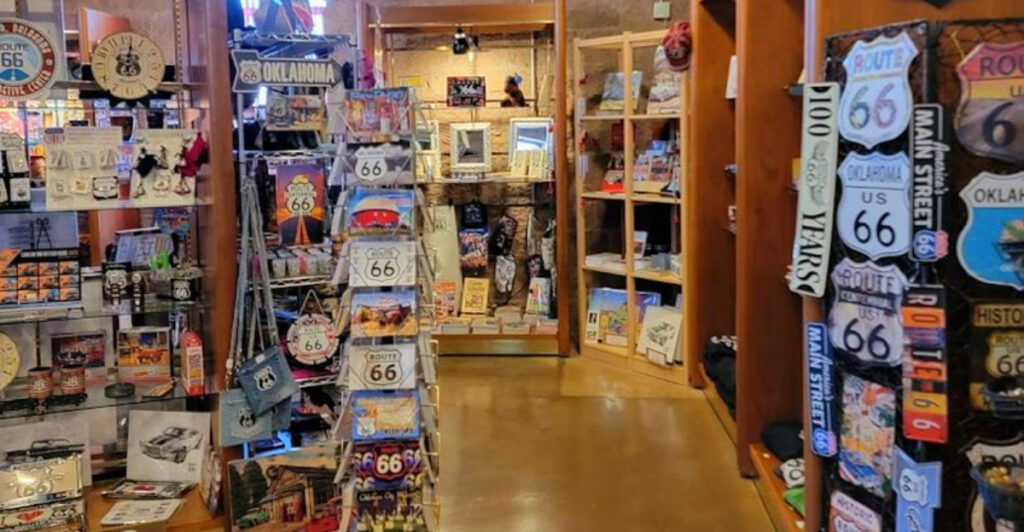
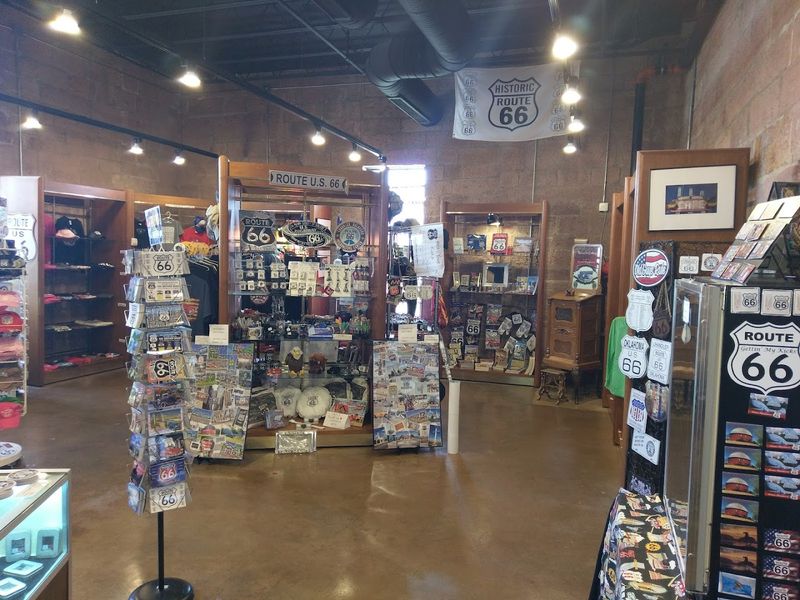
Even visitors who are not usually gift shop people tend to linger here longer than expected. The Route 66 Interpretive Center’s shop is genuinely well-stocked with items that go beyond the generic tourist fare you find at highway rest stops.
The selection has been carefully curated to reflect the road’s real history and culture.
You will find Route 66 bells, magnets, apparel, books, and unique souvenirs that are hard to locate anywhere else along the Mother Road. Cold bottled sodas are also available, the kind of detail that feels perfectly in tune with the center’s overall dedication to era-appropriate atmosphere.
Saving the bottle as a souvenir is apparently a tradition among regulars.
The shop doubles as the admission desk, so you check in and pay your small entry fee right there before heading into the exhibits. The entry cost is modest enough that it never feels like a barrier, and most visitors agree it represents solid value for what the center delivers.
Buying a magnet or a bell here is not just a purchase; it is a small way of supporting a place that has worked hard to keep Route 66’s story alive and accessible.
The Building’s Role During World War II
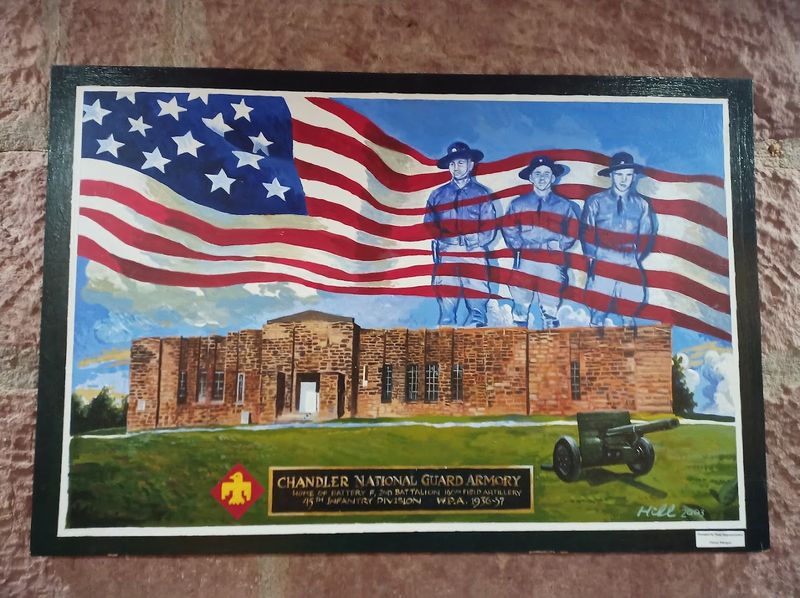
The Chandler Armory was not just a passive structure during the mid-20th century. It served as an active home for the Oklahoma National Guard’s 45th Infantry Division, a unit that saw significant action during World War II, and the building’s walls absorbed decades of military purpose before its later transformation.
The exhibits touch on the wartime history of the building and the community that surrounded it, including the efforts Chandler residents made to preserve and protect the armory after the military left. That grassroots preservation effort is a story in itself, a small Oklahoma town deciding that a building mattered and doing the work to prove it.
Understanding the armory’s military past adds a layer of meaning to the visit that pure Route 66 enthusiasm alone cannot provide. The Mother Road and the wartime era are deeply connected in American history, and the center does a thoughtful job of drawing those connections without turning the experience into a history lecture.
The 1930s and 1940s come alive here in a way that feels personal rather than textbook, which is a harder trick to pull off than it sounds.
A Venue That Hosts Private Events and Community Gatherings
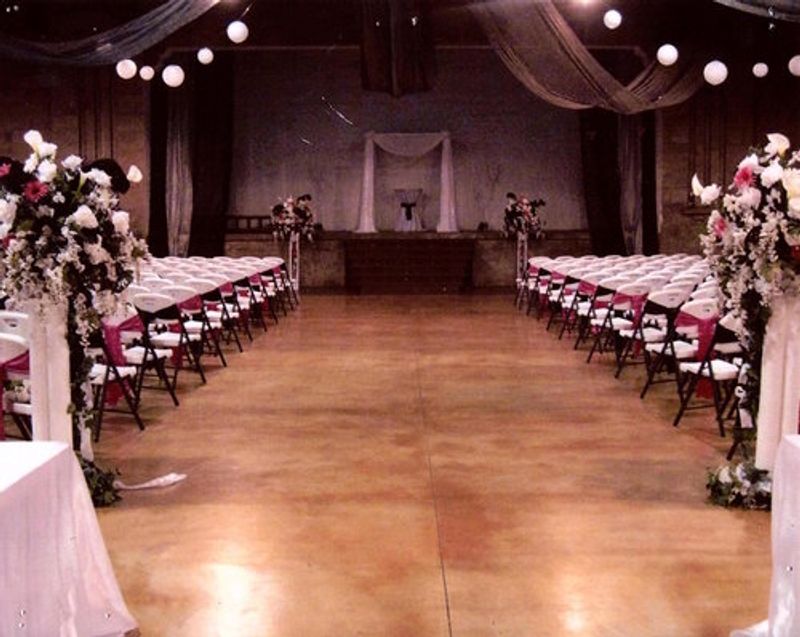
The Route 66 Interpretive Center is not just a place you visit on a Tuesday afternoon road trip. The facility doubles as a fully functional event venue, and the combination of historic atmosphere and practical amenities makes it a genuinely appealing option for gatherings of all kinds.
The main hall has hosted everything from political fundraisers with more than 140 guests to military reunion events honoring Vietnam Veterans. A full-size projector, a microphone system, and music hookups are all available, meaning the space can handle presentations, slideshows, and live entertainment without much fuss.
The building’s Art Deco character gives any event an immediate visual identity that a generic banquet hall simply cannot replicate. Staff members like Danita have earned strong praise for their helpfulness in coordinating logistics, including connecting event organizers with local catering recommendations.
The combination of historical gravitas and modern event functionality is a rare pairing, and it has made the center a popular choice for groups that want their gathering to feel like something more than just another rented room. For community connection in central Oklahoma, this building punches well above its weight.
Practical Details Every Visitor Should Know Before Arriving
A little planning goes a long way before you pull up to 400 E 1st St. The Route 66 Interpretive Center is closed on Mondays, so factor that into your road trip schedule if you want to avoid a disappointing detour. Tuesday through Saturday, the doors open at 10 AM and close at 5 PM, while Sunday hours run from 1 PM to 5 PM.
The admission fee is small enough that it barely registers as a budget consideration, but it is worth noting that payment happens in the gift shop rather than at a separate ticket counter. First-time visitors who enter from the east or west side of the building sometimes miss this, so look for the gift shop as your first stop.
The phone number is 405-258-1300 if you need to confirm hours or ask about group tours before your visit. The website at route66interpretivecenter.org also has useful planning information.
Plan to spend at least two hours if you want to work through the videos and exhibits properly, and budget more time if you are the kind of traveler who asks questions and lingers over every display case. This place rewards curiosity generously.
The Dog-Friendly Policy That Surprises Most Visitors
Not many museums roll out the welcome mat for four-legged road trip companions, which makes the Route 66 Interpretive Center’s dog-friendly policy a genuinely pleasant surprise for traveling pet owners. Bringing your dog along on a Route 66 adventure is already a classic move, and this stop supports the tradition without making you feel like you are sneaking anyone in.
The building’s layout and the center’s relaxed atmosphere make it manageable for well-behaved dogs, and the staff’s general warmth extends to furry visitors. Road trips with pets require constant scouting for pet-welcoming stops, and finding one that also happens to be a legitimately interesting museum is a small victory worth celebrating.
The outdoor grounds around the armory also give dogs a chance to stretch their legs before or after the indoor portion of the visit. For travelers who refuse to leave their dogs behind at home, this kind of access matters enormously when planning a long drive along the Mother Road.
It is one of those thoughtful details that reveals something genuine about how the center approaches hospitality, which is with an open door for almost everyone who wants to come through it.
What Makes This Stop Worth the Detour
Road trips along Route 66 come with an almost overwhelming number of potential stops, and choosing which ones actually deserve your time is a real skill. The Route 66 Interpretive Center earns its place on the short list for reasons that go beyond novelty.
The combination of a genuinely historic building, thoughtful exhibits, and personal service creates an experience that sticks with you past the next state line.
The center holds a 4.5-star rating across more than 330 reviews, which reflects consistent quality rather than a lucky streak of good days. Visitors who stumble in without a plan frequently describe it as one of their best unplanned stops along the entire route, which is high praise in a corridor full of competition.
The Chandler Route 66 Interpretive Center also functions as a practical hub for planning the next leg of your journey, with free maps and knowledgeable staff who can point you toward other worthwhile stops in Oklahoma and beyond. Whether you are a dedicated Route 66 historian or someone who just noticed the building from the road and got curious, this place has something genuine to offer.
Great road trips are built one honest stop at a time.
The Broader Story of Route 66 This Center Helps Tell
Route 66 stretches from Chicago to Santa Monica across more than 2,400 miles of American landscape, but its story is really a collection of thousands of smaller stories about the people who built it, drove it, and depended on it. The Route 66 Interpretive Center understands this and structures its exhibits around those human-scale narratives rather than just the broad historical sweep.
The Dust Bowl migration, the postwar road trip culture, the rise and fall of small businesses along the route, and the eventual bypassing of the highway by the interstate system are all addressed with honesty and care. Oklahoma sits at a significant point along the Mother Road, and the center draws out that regional connection without losing sight of the national picture.
Leaving the building, you carry a richer understanding of why Route 66 still matters to so many people decades after it was officially decommissioned. The road represents something specific about American freedom, struggle, and reinvention, and this museum in Chandler articulates that meaning better than most dedicated Route 66 attractions anywhere along the full length of the highway.
Some stories are worth going out of your way to hear.
Share this story