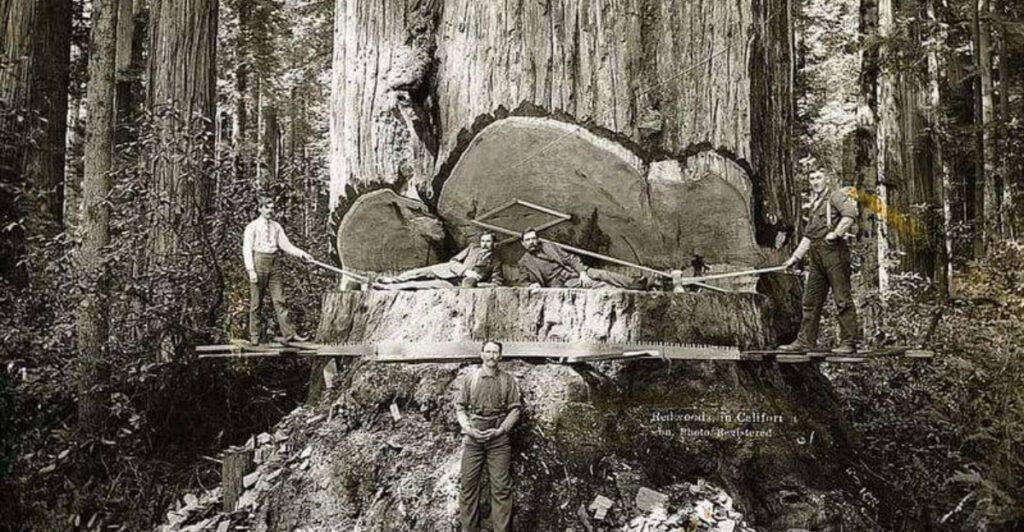
Before chainsaws and machinery, lumberjacks relied entirely on muscle, grit, and a whole lot of food to get through brutal days in the forest. These workers burned thousands of calories swinging axes and hauling timber from dawn to dusk, so their meals had to be massive and filling.
Camp cooks were some of the most important people in any logging operation, keeping crews fed and ready for another punishing day. The food they made was simple, heavy, and surprisingly delicious given the rough conditions it was cooked in.
1. Salt Pork and Beans

Few meals defined logging camp life quite like a steaming pot of salt pork and beans. This combination was cheap enough to feed dozens of hungry men, and it delivered exactly what their bodies needed after hours of hard labor.
The fat from the pork melted into the beans, creating a rich, savory broth that was impossible to resist.
Salt pork was a practical choice because it could be stored for weeks without refrigeration, which was crucial in remote wilderness camps. Cooks would start the pot early in the morning so everything was tender and ready by mealtime.
The beans soaked up all those smoky, salty flavors as they cooked low and slow.
Lumberjacks could eat enormous portions of this dish without complaint. It was warm, filling, and felt like home even deep in the woods.
No wonder it became the unofficial symbol of camp cooking.
2. Flapjacks (Old-Fashioned Pancakes)
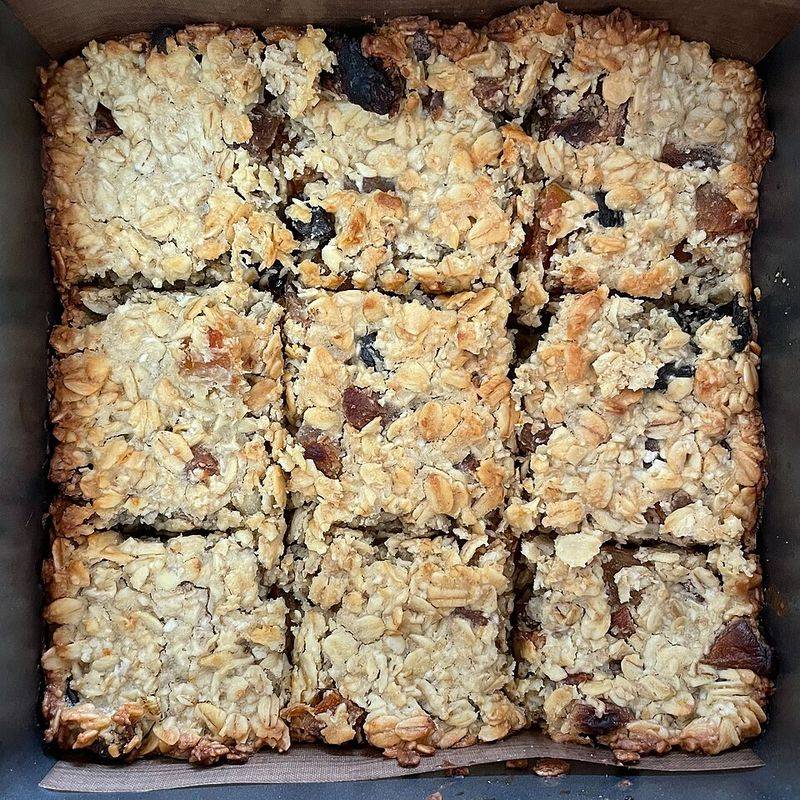
Every morning in a logging camp started the same way: with stacks of flapjacks so tall they barely fit on the plate. Camp cooks mixed up massive batches of batter before sunrise, working fast to feed crews that needed to be in the woods by first light.
These were not delicate, fluffy pancakes but thick, dense rounds built for serious fuel.
Molasses was the topping of choice because it was affordable and packed with quick-burning sugar energy. Some camps had access to maple syrup, and on those mornings, morale in the bunkhouse jumped noticeably.
Lumberjacks would eat six, eight, even ten flapjacks in a single sitting without blinking.
The beauty of flapjacks was their speed and simplicity. Flour, water, a little leavening, and a hot griddle were all you needed.
In a world without convenience food, that kind of reliability was priceless.
3. Sourdough Bread

Sourdough bread had a special place in logging camps because the starter used to make it could travel from camp to camp, kept alive like a living piece of home. A good sourdough starter was treated with real care, sometimes more carefully than the tools.
Camp cooks guarded their starters fiercely, knowing a healthy culture meant fresh bread every single day.
The bread itself was dense and chewy with a sharp, tangy flavor that held up well over time. Unlike soft commercial bread, sourdough stayed edible for days, which made it ideal for men working far from any town or supply route.
Sliced thick and eaten alongside beans or stew, it soaked up every drop of liquid beautifully.
Making sourdough required patience and skill, but the results were worth every effort. A fresh loaf pulled from the camp oven could lift the spirits of an entire exhausted crew after a long day.
4. Beef Stew
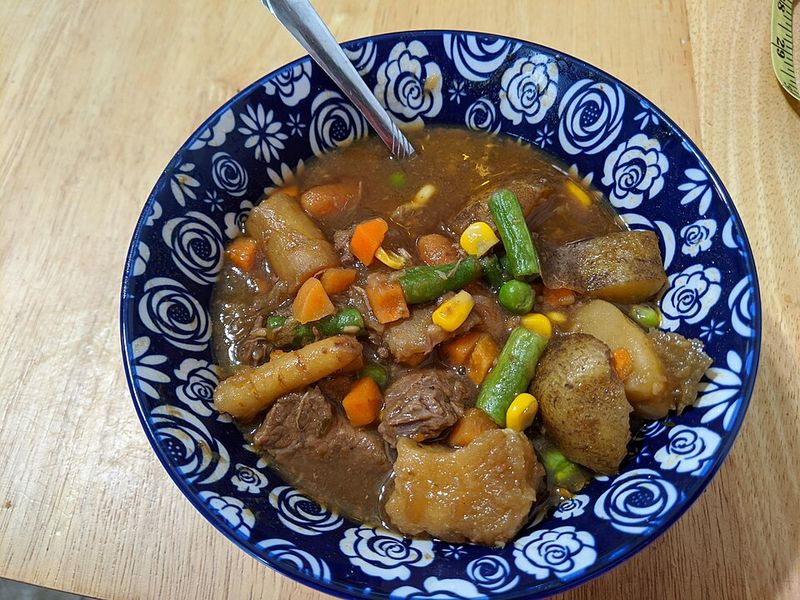
Beef stew was the kind of meal that made lumberjacks slow down and actually enjoy their food. Tough, inexpensive cuts of beef went into the pot alongside whatever root vegetables the cook had on hand, then everything simmered for hours until the meat practically fell apart.
The result was something deeply satisfying and genuinely warming on cold northern nights.
Carrots, turnips, potatoes, and onions were the usual suspects in a camp stew. These vegetables stored well and added body to the broth without costing much.
The cook would season it simply with salt, pepper, and maybe a little dried herbs if he had them.
What made camp stew so special was the patience behind it. There were no shortcuts when cooking for fifty hungry men who had been swinging axes since sunrise.
A well-made beef stew was more than dinner; it was the reward waiting at the end of a punishing day.
5. Cornbread
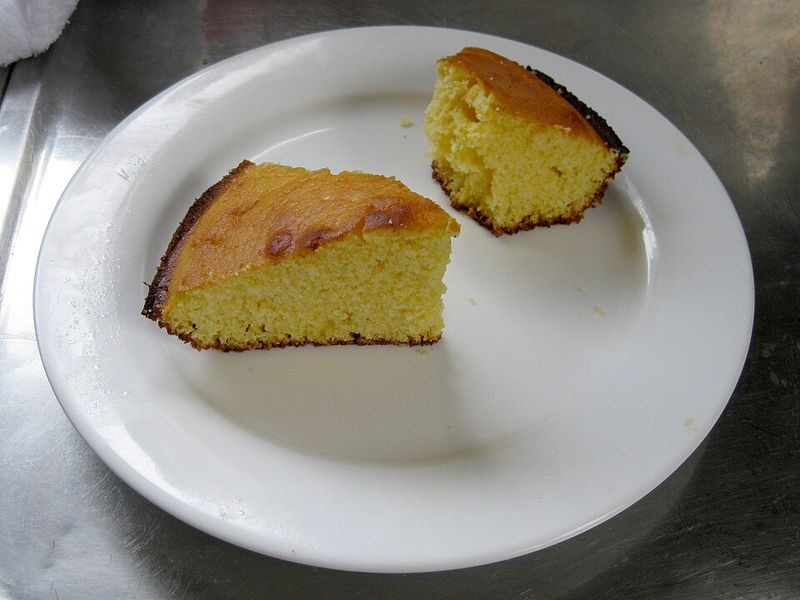
Cornbread earned its spot on the logging camp table by being one of the easiest and most reliable things a cook could make. Mix cornmeal, a little flour, some leavening, water or milk, and pour it into a hot cast iron skillet.
Within thirty minutes, you had a golden, slightly crispy-edged bread that paired perfectly with almost anything else on the menu.
Its mild, slightly sweet flavor made it a natural companion to salty pork dishes and thick bean stews. Lumberjacks would tear off chunks and use them to scoop up the last bits of gravy or broth from their plates.
Nothing was wasted in a camp kitchen.
Cornmeal was also a practical pantry staple because it stored for long periods without spoiling. Camp cooks could keep a good supply on hand even during the most remote winter operations.
Simple, dependable, and genuinely delicious, cornbread was a quiet hero of the logging camp table.
6. Fried Potatoes and Onions

Ask any old-school camp cook what he made most often as a side dish, and the answer was almost always fried potatoes and onions. This combination showed up at breakfast, dinner, and supper with remarkable consistency, and nobody ever complained.
When potatoes hit a hot skillet greased with lard and start caramelizing alongside sweet onions, the smell alone was enough to make a tired man walk faster toward the cookhouse.
Potatoes were one of the most calorie-dense foods available to logging camps, providing steady energy that lasted through long physical shifts. Onions added flavor and also contained nutrients that helped keep crews reasonably healthy through tough winter months.
The simplicity of this dish was its greatest strength. No fancy technique, no complicated ingredients, just honest food cooked well over a wood fire.
Even the most basic camp cook could nail fried potatoes, and lumberjacks appreciated that kind of dependable, no-nonsense eating.
7. Salt Fish (Especially Cod)
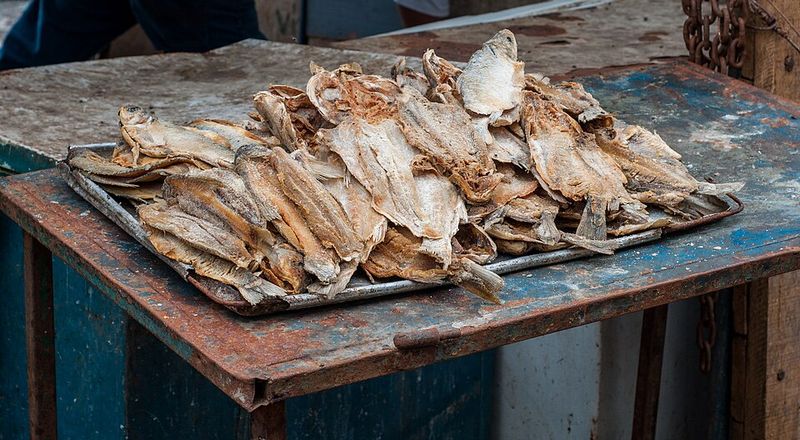
Salt cod was a brilliant solution to one of the biggest challenges of remote logging life: getting protein to camps that were days away from the nearest town. The preservation process, which involved packing raw fish in heavy salt until nearly all moisture was removed, kept the fish edible for months without any refrigeration at all.
That kind of shelf stability was invaluable deep in the wilderness.
Before cooking, the fish had to soak in fresh water for hours to draw out the salt and rehydrate the flesh. Once that was done, it could be fried, boiled, or mixed into chowders and stews.
The flavor was strong and distinctly fishy, but lumberjacks were not eating for pleasure; they were eating for survival and strength.
Salt fish also provided a welcome change from the constant rotation of pork and beans. Variety mattered for morale, and even a simple piece of fried salt cod could feel like a treat after weeks of the same heavy camp staples.
8. Game Meat (Venison, Rabbit, and More)
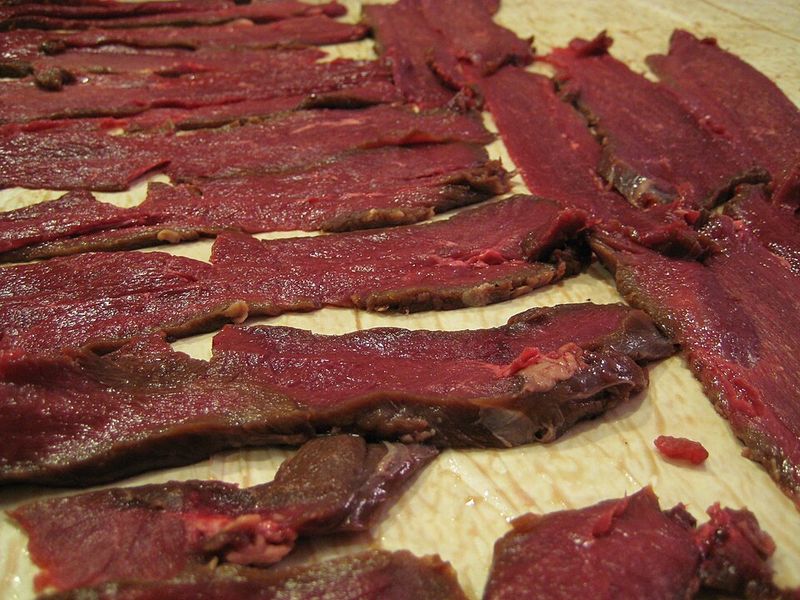
When the supply wagon was late or the camp cook wanted to stretch the food budget, game meat stepped in as a welcome solution. Deer, rabbit, squirrel, and wild birds were all fair game depending on the season and location.
Some camps had designated hunters whose sole job was to bring in fresh meat to supplement the standard provisions.
Venison was particularly prized because a single deer could feed a large crew. It was leaner than pork but rich in iron and protein, making it an excellent fuel for physical labor.
Rabbit was quicker to prepare and cooked beautifully in a simple stew with onions and whatever herbs were available.
There was also something deeply satisfying about eating food pulled directly from the surrounding forest. It connected lumberjacks to the land they were working in, and a freshly roasted haunch of venison shared around a campfire had a way of building real camaraderie among the crew.
9. Pork Chops and Gravy
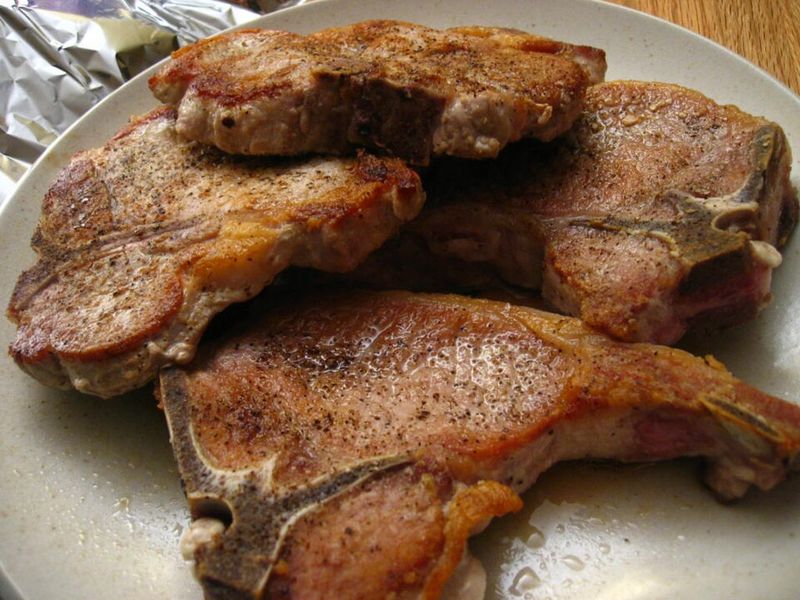
On the nights when supplies were good and the cook was feeling generous, pork chops and gravy appeared on the table and the whole cookhouse felt a little brighter. This was the kind of meal that reminded lumberjacks of home, of Sunday dinners and family tables far away from the cold and mud of the logging camp.
The chops were pan-fried in lard until golden and slightly crispy on the edges, then the drippings were turned into a thick, peppery gravy that got poured over everything on the plate. Mashed potatoes or biscuits underneath that gravy made the whole thing even better.
Pork was a staple protein across logging camps because pigs were easy to transport and preserve compared to beef. When a fresh pig was butchered, cooks made the most of every part.
Pork chop nights were not everyday events, but when they happened, they were genuinely celebrated.
10. Doughnuts (Camp Treats)

Here is something that surprises almost everyone: logging camps were genuinely famous for their doughnuts. Frying dough in hot lard was one of the quickest ways to produce a high-calorie treat in large quantities, and camp cooks leaned into this hard.
A batch of fresh doughnuts could be ready in under an hour and would disappear from the table even faster.
The doughnuts made in logging camps were not the light, airy rings you find in modern bakeries. They were dense, slightly chewy, and fried to a deep golden brown that gave them a satisfying crunch on the outside.
Dusted with a little sugar or eaten plain, they were pure comfort food.
Beyond the calories, doughnuts served an important emotional purpose. Camp life was hard, isolated, and monotonous, and small pleasures mattered enormously.
A warm doughnut after a cold day in the woods was the kind of simple joy that kept spirits up and men coming back to work.
11. Molasses and Biscuits

Molasses and biscuits sounds almost too simple to count as a meal, but in a logging camp it was both a beloved treat and a practical energy source. Molasses is loaded with iron and natural sugars, making it one of the best quick-energy foods available in the 1800s.
Poured over a warm, flaky biscuit fresh from the oven, it was genuinely hard to stop eating.
Biscuits were a staple because they required minimal ingredients and cooked quickly in a hot oven or Dutch oven over the fire. A skilled camp cook could turn out hundreds of biscuits in a morning without breaking a sweat.
They were versatile enough to serve alongside savory meals or sweet toppings depending on what was needed.
The combination of molasses and biscuits also worked as a morale booster during long winter campaigns when fresh food was scarce. Something sweet, warm, and familiar could do wonders for a crew that had been out in freezing temperatures since before sunrise.
12. Cabbage and Boiled Vegetables
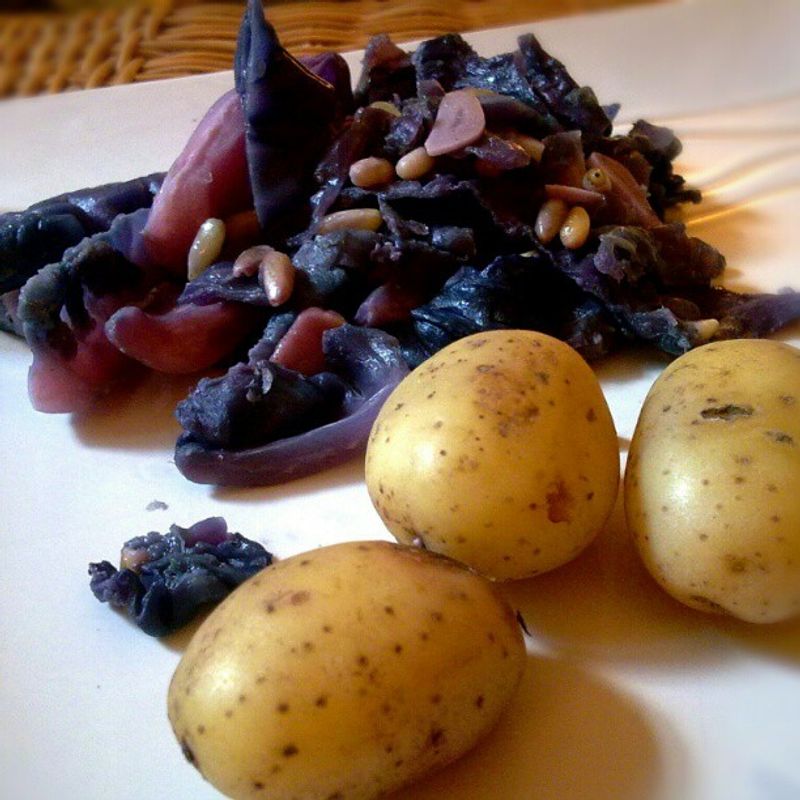
Nutrition was not exactly a science that logging camp operators studied carefully, but cabbage and boiled vegetables filled an important role almost by accident. Cabbage stored exceptionally well through cold winters without refrigeration, and it provided vitamins that helped keep crews from getting sick during long remote operations.
Smart cooks kept a good supply on hand at all times.
Turnips, carrots, parsnips, and rutabagas were the other common players in the camp vegetable rotation. Boiled until soft and seasoned simply with salt and maybe a little pork fat, they were not glamorous but they were genuinely nutritious.
Mixed into stews or served alongside meat, they added bulk and balance to otherwise very meat-heavy meals.
Nobody was eating boiled cabbage for the excitement of it. But in a world where scurvy and other deficiency-related illnesses were real threats to remote workers, these humble vegetables were doing quiet, essential work keeping the crew healthy enough to show up the next morning.
13. Coffee (Strong and Constant)

Coffee was not technically a meal, but no list of logging camp essentials would be complete without it. Lumberjacks drank coffee from before sunrise until well after dark, using it to stay warm, stay alert, and simply get through the day.
Camp cooks kept a massive pot going at all times, and running out of coffee was treated as a genuine crisis.
The coffee brewed in logging camps was nothing like a modern coffeehouse drink. It was boiled directly in a pot, often with eggshells added to help settle the grounds, and it came out dark, bitter, and strong enough to wake up anyone who had been asleep for a week.
Sweetened with a little molasses or taken completely black, it was fuel in liquid form.
Beyond the caffeine, coffee was a social ritual. Breaks in the workday revolved around it, and those brief moments of warmth and conversation were some of the few soft comforts available in an otherwise very hard life.
Share this story