There is a place in northern Michigan where wild elk roam through pine forests, trout dart through crystal-clear rivers, and the only traffic jam you will encounter is a family of deer crossing a dirt road. Most people drive right past it on their way to more famous destinations, never knowing what they are missing.
I almost did the same thing, until a friend handed me a paper map and said, “Trust me, just go.” That map led me to one of the most rewarding outdoor experiences I have had in this state, a sprawling forest that rewards curious visitors with solitude, wildlife, and trails that feel genuinely untouched. The headquarters sits quietly off Twin Lakes Road near Vanderbilt, and the moment you walk through the door, the staff makes you feel like you have been coming here for years.
Keep reading, because what this forest holds in store might genuinely surprise you.
Your Starting Point: The Headquarters on Twin Lakes Road
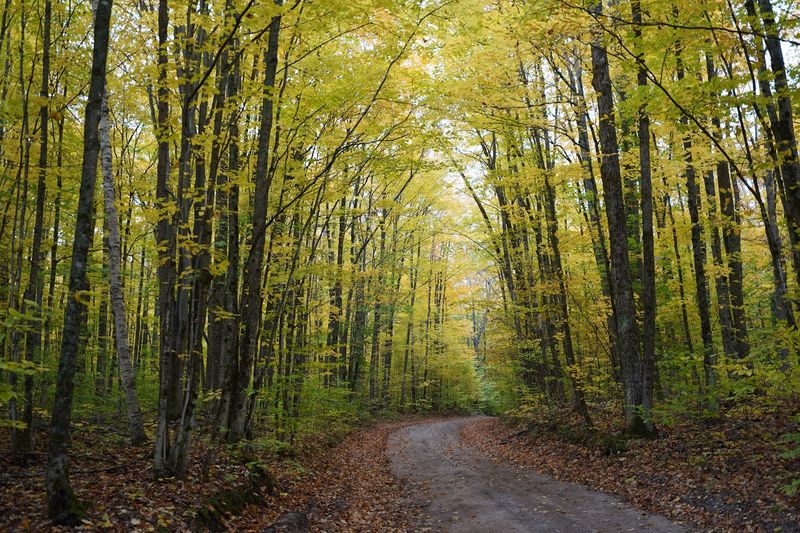
Before you set a single boot on a trail, stop at the MI DNR Pigeon River Country State Forest Headquarters, located at 9966 Twin Lakes Rd, Vanderbilt, MI 49795. This low-key building punches well above its weight as a resource hub for anyone exploring the forest.
The staff here genuinely knows their stuff. When I visited, a knowledgeable team member answered every question I had about trail conditions, wildlife activity, and road accessibility without hesitation.
One of the most practical things you can do is grab a printed driving map from inside, because cell service inside the forest is nearly nonexistent. The headquarters also has clean restrooms, drinking water, and several types of maps depending on whether you plan to hike, fish, or drive the back roads.
Think of it as your mission briefing before the real adventure begins, and trust me, the adventure ahead is absolutely worth the stop.
The Scale of This Forest Will Actually Shock You
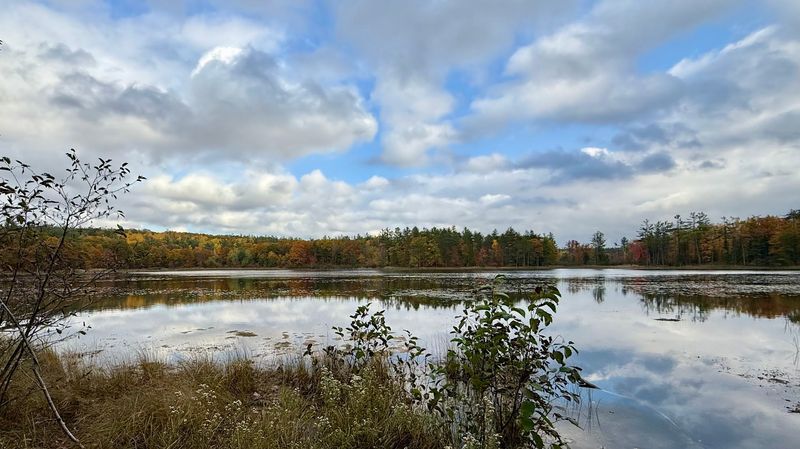
Pigeon River Country State Forest covers roughly 105,000 acres across Cheboygan, Otsego, and Montmorency counties in northern Michigan’s Lower Peninsula. That is not a typo.
You could spend a week here and still not see everything.
The forest is one of the largest contiguous blocks of public land in the Lower Peninsula, which is a big reason why wildlife thrives here in numbers you rarely see elsewhere. Dense stands of red and white pine mix with hardwoods, jack pine, and balsam fir, creating a layered canopy that shifts with every season.
Fall turns the whole place into a painter’s palette of amber, rust, and gold. Summer keeps it lush and cool under the tree cover.
Even winter visitors report a quiet, snow-covered beauty that feels almost cinematic. The sheer size of this forest means you can always find a trail, a river bend, or a lake overlook that feels like it belongs only to you.
Wild Elk Roaming Freely Through the Trees
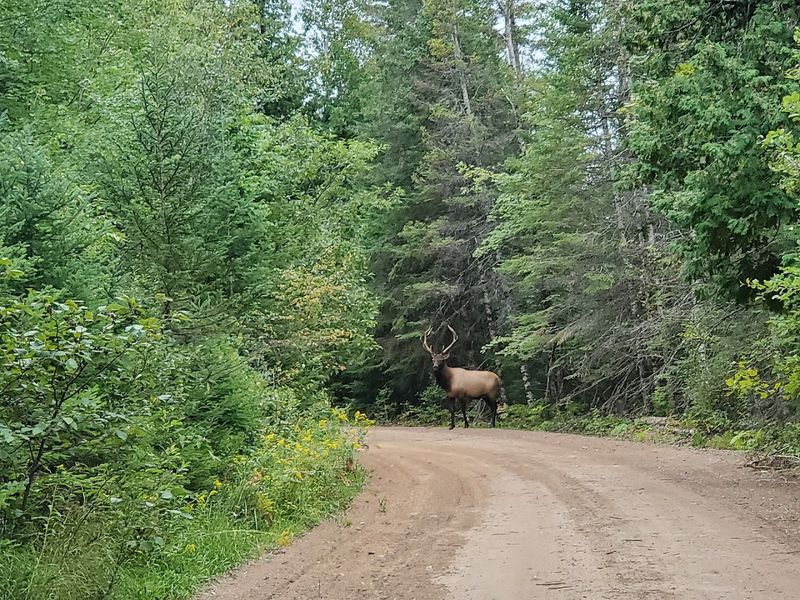
Here is something that catches most first-time visitors completely off guard: Pigeon River Country is home to the largest free-roaming elk herd east of the Mississippi River. These are not fenced animals or zoo residents.
They move through the forest on their own terms, and spotting one feels like winning a small lottery.
The best chances for elk sightings tend to be in the early morning or around dusk, near open meadows and forest edges. During the fall rut, the bugling calls of bull elk echo through the trees in a way that genuinely stops you in your tracks.
I watched a small group of elk move through a clearing at dawn, completely unbothered by my presence, and it remains one of the most memorable wildlife moments I have had in Michigan. Patience and quiet movement are your best tools here.
And bring binoculars, because the elk do not always cooperate with your zoom lens.
The Shingle Mill Pathway: A Trail Worth Talking About
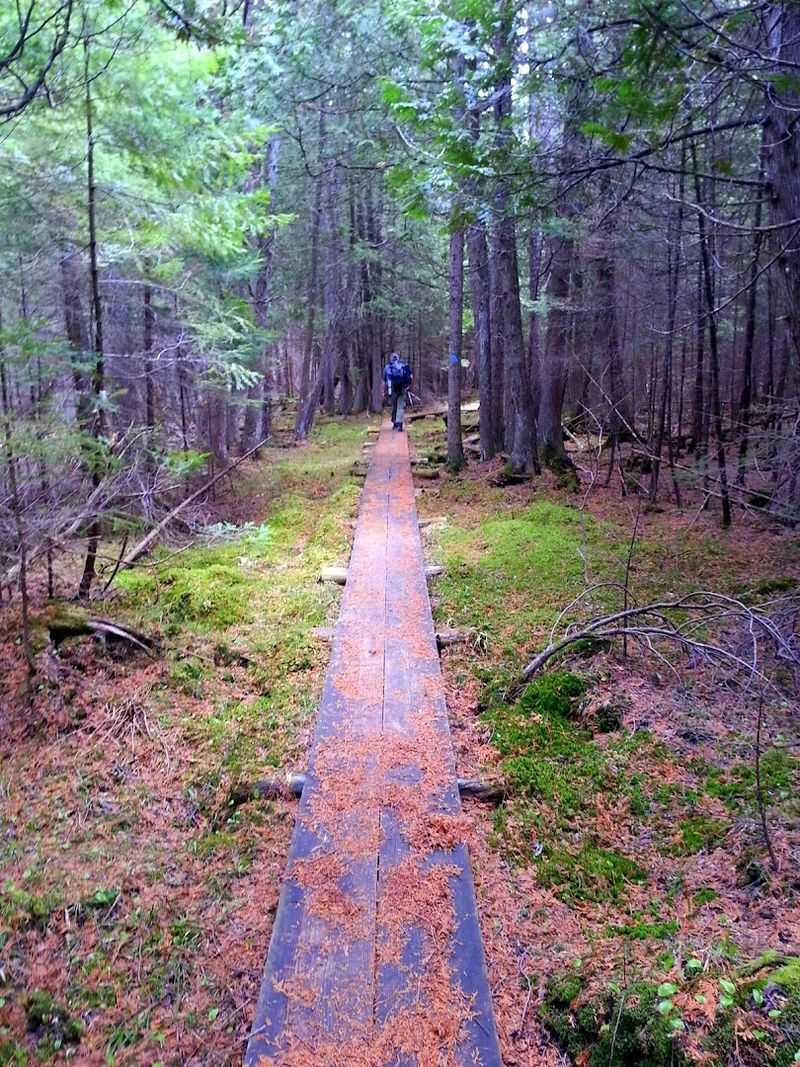
The Shingle Mill Pathway is the crown jewel of the trail system here, offering a network of loops that range from a short 6-mile circuit to a full 11-mile route. The trail winds through diverse forest terrain and passes several lakes, including the scenic Grass Lake.
Most of the path is refreshingly flat, which makes it accessible for hikers of varying fitness levels. The northern section near Grass Lake is the exception, where the terrain gets noticeably more interesting and, conveniently, is also the one area where cell service occasionally appears.
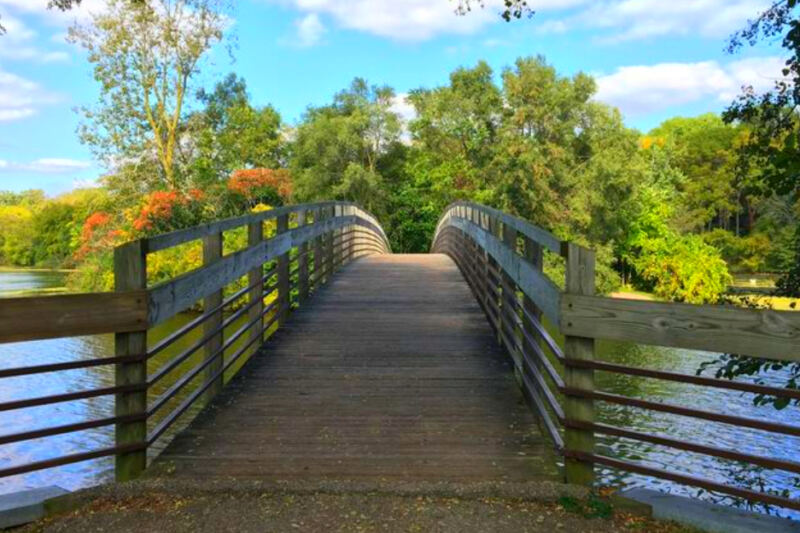
A few things worth knowing before you go: the wooden boardwalk sections near the end of the counterclockwise route can be dangerously slippery when wet or covered in leaves, so sturdy footwear with good grip is a must. Trail markers are painted blue on the trees and are generally reliable, keeping you from wandering in circles.
The reward at the end of a full loop is a satisfying kind of tired that only good trail time can produce.
Fly Fishing the Pigeon River: A Quiet Angler’s Dream
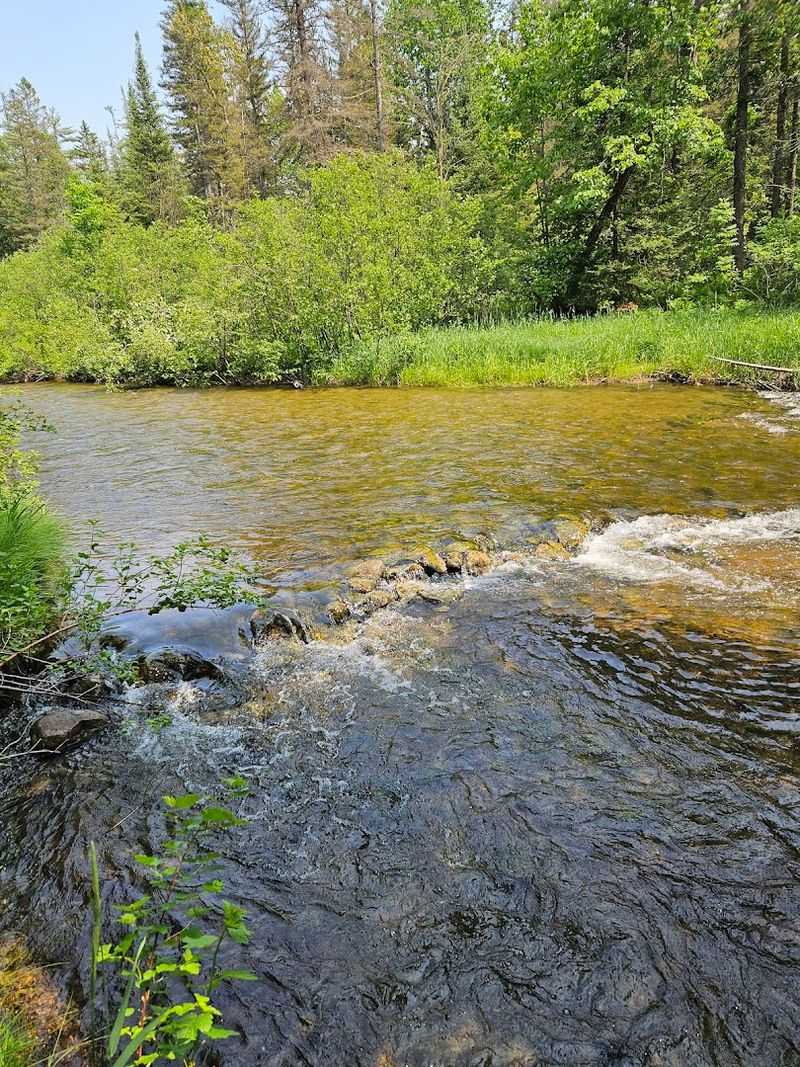
The Pigeon River is one of those fishing spots that anglers mention in hushed, reverent tones. The river runs cold and clear through the forest, and it holds naturally reproducing populations of brook trout, rainbow trout, and brown trout that make every cast feel worthwhile.
What makes it especially appealing is the solitude. Even on busy holiday weekends, you can find stretches of the river where you are completely alone with the current and the sound of birds overhead.
Wading is easy in many spots, which is great news for fly fishing enthusiasts who prefer to work the water on foot.
The Portion River and Black River also run through the forest and offer similarly excellent trout fishing in a setting that feels far removed from any crowd. No fancy gear or guided tour required here.
A basic fly rod, a good pair of waders, and a valid Michigan fishing license are all you need to have a genuinely great day on the water.
Camping Here Feels Like the Real Thing
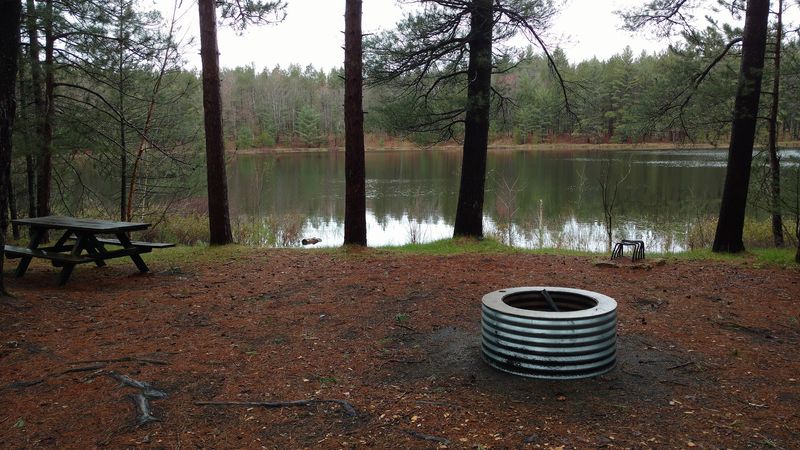
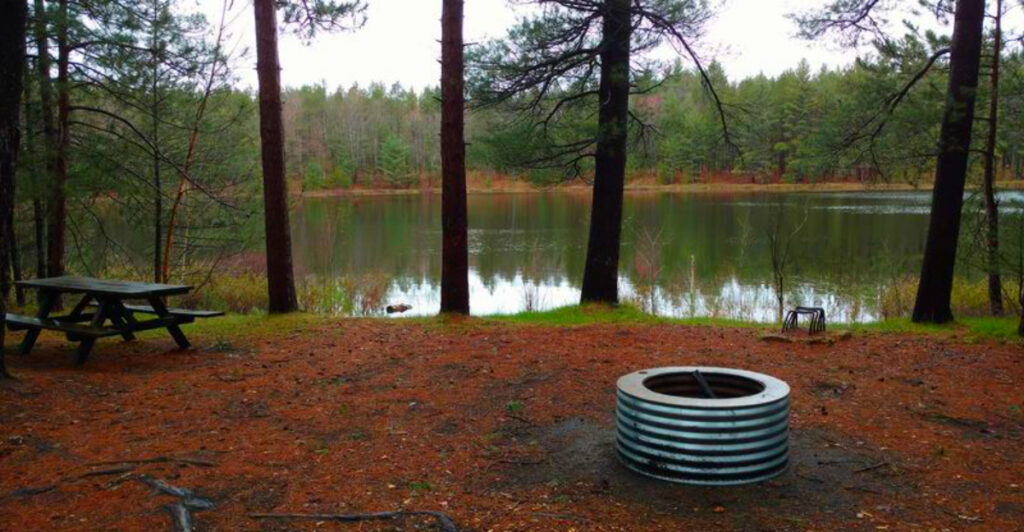
Camping at Pigeon River Country is not the kind of experience where you park next to an RV with a satellite dish and a string of LED lights. The campgrounds here are primitive and intentionally rustic, which is precisely what makes them so appealing to people who actually want to feel like they are in the wilderness.
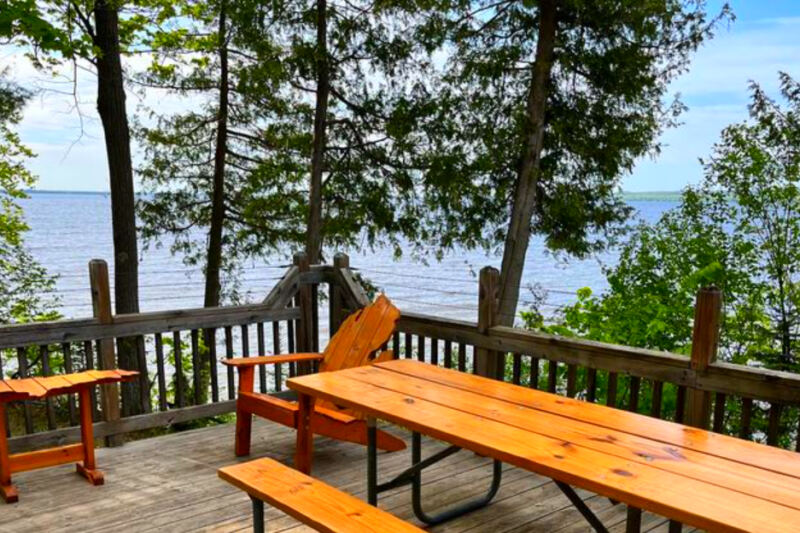
Sites near the river are shaded, quiet, and placed close enough to the water that you can hear it from your sleeping bag. Pit toilets are the standard facility, and there are no electrical hookups, so come prepared with what you need.
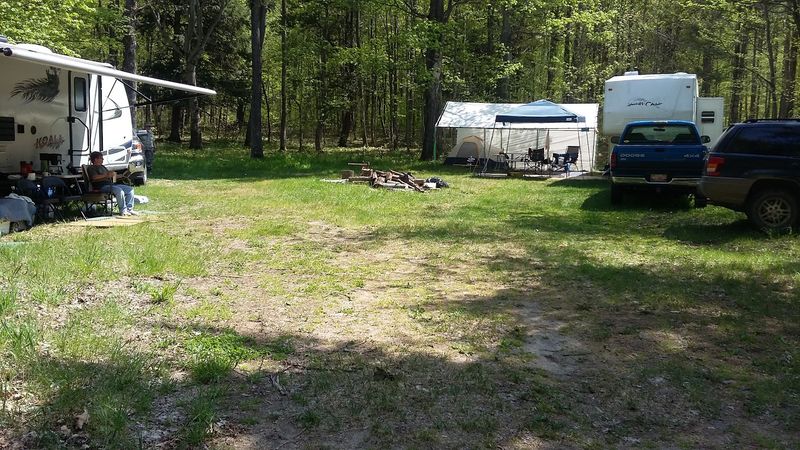
Dispersed camping is also permitted in certain areas west of Grass Lake, though the usable space can be limited depending on seasonal vegetation and fallen trees. For groups larger than a few people, it is worth scouting the area in advance or arriving early.
The campsite overlooking Section 4 Lake is particularly scenic, even if it is on the smaller side.
Section 4 Lake: A Natural Spring You Have to See to Believe
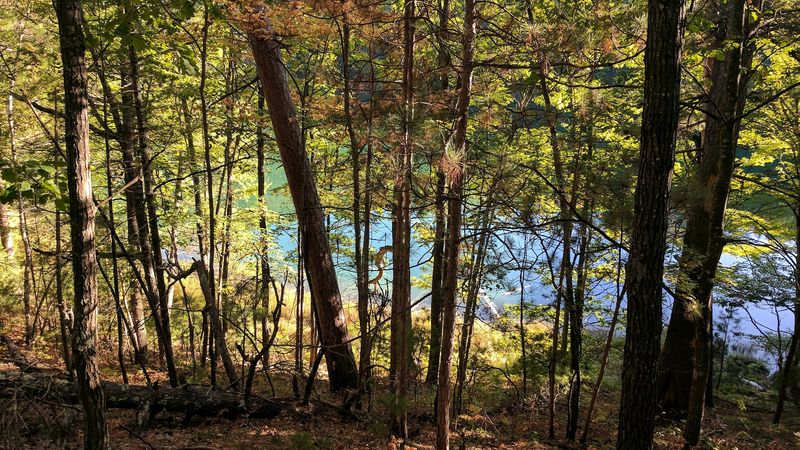
Section 4 Lake is the kind of place that people describe with the phrase “you just have to see it.” Fed by a large natural spring, the water is strikingly clear with a blue-green tint that looks almost tropical against the dark surrounding forest.
Swimming here is a popular activity during warmer months, and the cool spring-fed temperature makes it refreshing even on the hottest summer days. Submerged logs and trees are visible through the clarity of the water, adding a slightly surreal quality to the whole scene.
Getting there requires a hike through the forest, which filters out casual visitors and keeps the area feeling genuinely secluded. The trail leading to Section 4 Lake is part of what makes the destination feel earned rather than handed to you.
Pack a lunch, bring a towel, and plan to stay a while. A place this quietly spectacular deserves more than a quick look and a photo before you move on to the next stop.
Wildlife Beyond the Elk: What Else Lives in These Woods
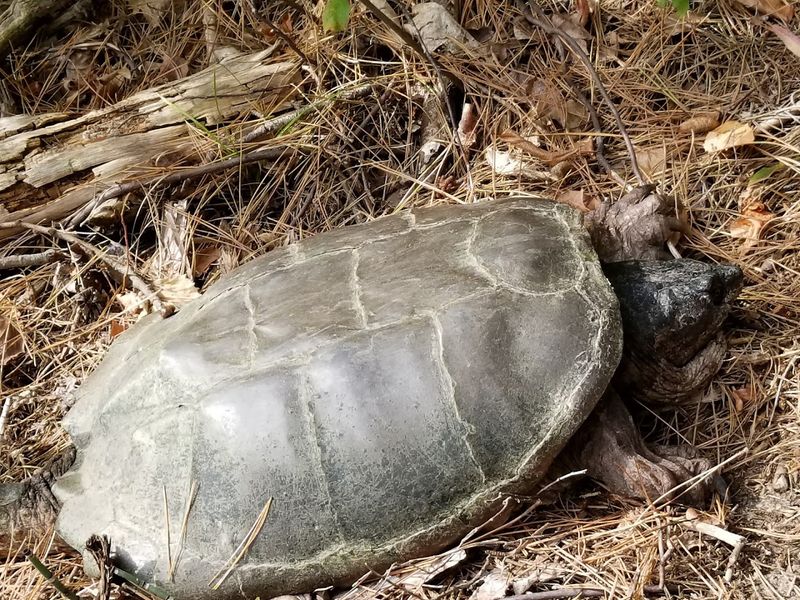
Elk get most of the headlines here, but the forest supports a remarkably broad range of wildlife that keeps nature lovers busy from sunrise to sundown. White-tailed deer are common throughout the area, often appearing near trail edges with an air of mild curiosity before disappearing back into the trees.
Ruffed grouse, wild turkey, and various waterfowl can be spotted depending on the season, and the rivers and lakes support healthy populations of beaver and river otter. Morel mushroom hunters also find this forest productive in spring, which adds a foraging dimension that not every hiking destination can offer.
One important note: ticks are present, especially during warmer months and particularly if you bring a dog along. Treating your clothing and gear with permethrin before your visit is a widely recommended precaution that takes only a few minutes and saves a lot of post-hike worry.
The wildlife here is extraordinary, but the preparation makes all the difference in enjoying it comfortably.
Off-Road and Equestrian Trails: More Than Just Hiking
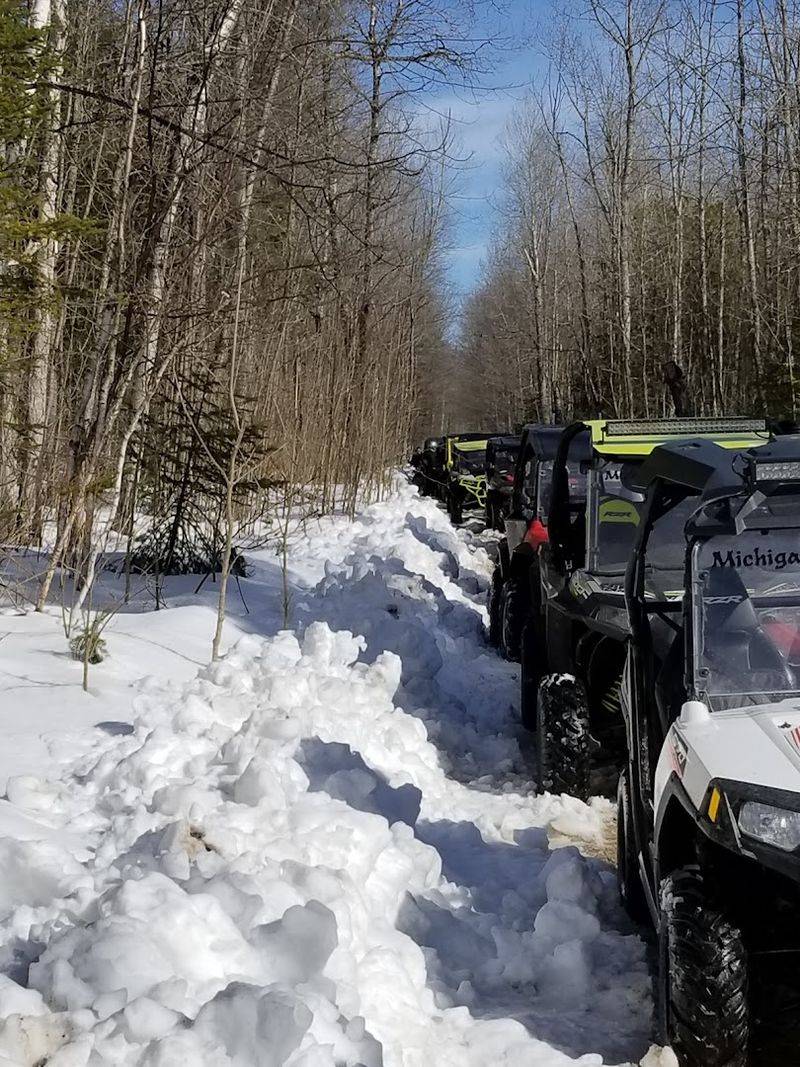
Hiking is far from the only way to explore this forest. Pigeon River Country has a well-established network of trails designed for off-road vehicles, and the riding here is genuinely fun for those who enjoy exploring on wheels rather than on foot.
Equestrian trails are another draw, and the forest has facilities that accommodate horses, making it a destination for riders who want to cover more ground with their animals. The combination of wide dirt roads, back trails, and open terrain gives riders plenty of variety across a single visit.
A word of caution for anyone navigating the dirt roads: some areas are prone to flooding, and road conditions can change quickly after heavy rain. The staff at the headquarters can give you current road condition updates before you head out, which is advice worth taking seriously.
Getting a vehicle stuck on a flooded forest road is the kind of adventure nobody actually wants. The driving map available at headquarters is especially useful for route planning.
The Best Times to Visit and What Each Season Offers
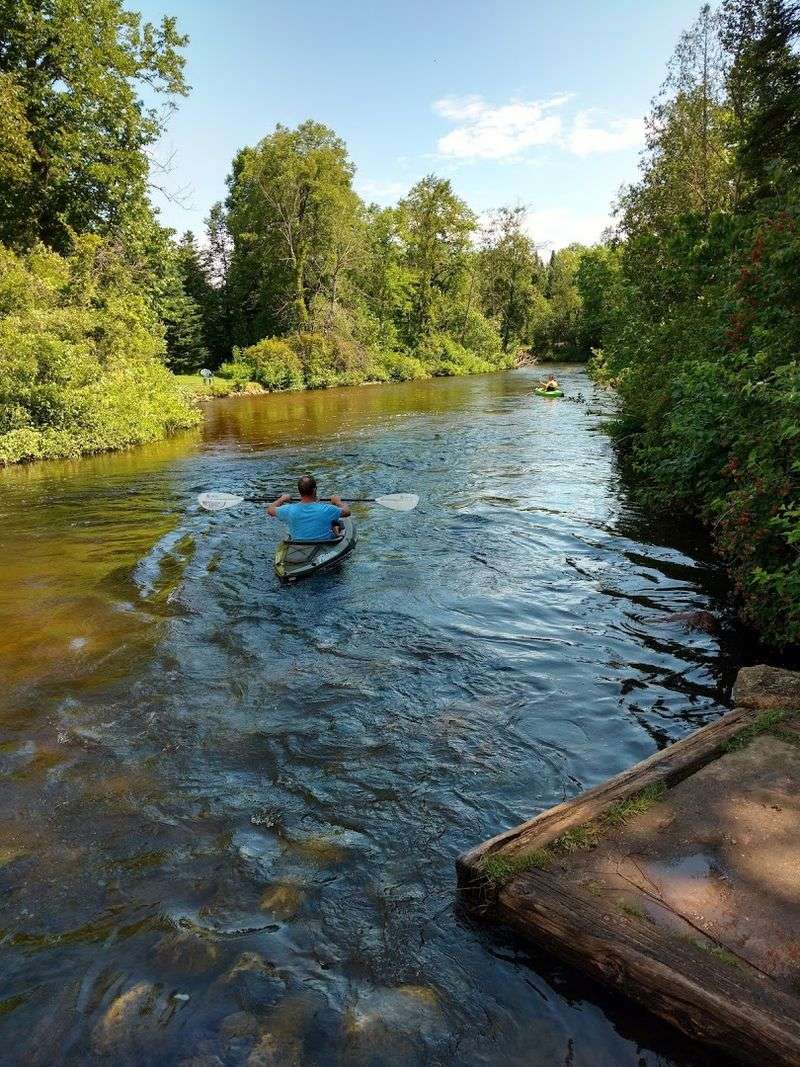
Every season at Pigeon River Country has its own distinct personality, and honestly, none of them disappoint. Spring brings morel mushrooms, migrating birds, and the first green flush of new growth along the riverbanks.
The forest feels alive with activity, and the rivers run high and fast with snowmelt.
Summer is peak season for fishing, swimming at Section 4 Lake, and camping under the tall pines. The forest canopy keeps temperatures noticeably cooler than surrounding areas, which is a genuine relief during hot Michigan summers.
Fall is when the whole place transforms into something almost theatrical, with the tree color peaking in mid-to-late October and drawing visitors who make the trip specifically for the foliage.
Winter brings a hushed, snow-covered stillness that appeals to snowshoers and cross-country skiers willing to brave the cold. Elk tracks in fresh snow are a common and quietly thrilling discovery during winter walks.
No matter when you go, the forest has something genuine to offer.
Practical Tips Before You Make the Drive
A few practical details can make the difference between a smooth visit and a frustrating one. Cell service inside the forest is essentially nonexistent, so downloading offline maps or picking up a paper driving map at the headquarters before you head in is not optional, it is necessary.
Road signage throughout the forest can be sparse in places, and several visitors have noted that navigating purely by instinct leads to confusion. The headquarters staff are genuinely helpful and can point you toward current trail conditions, wildlife activity areas, and any closures before you set out.
The Nature Center at the headquarters is open on select days and is worth a visit for its exhibits and the chance to refill water bottles at the well. Hours can vary by season, so calling ahead at +1 989-983-4101 is a smart move.
Bring insect repellent, wear layers, and pack more food and water than you think you need. The forest rewards preparation and punishes overconfidence in equal measure.
Share this story