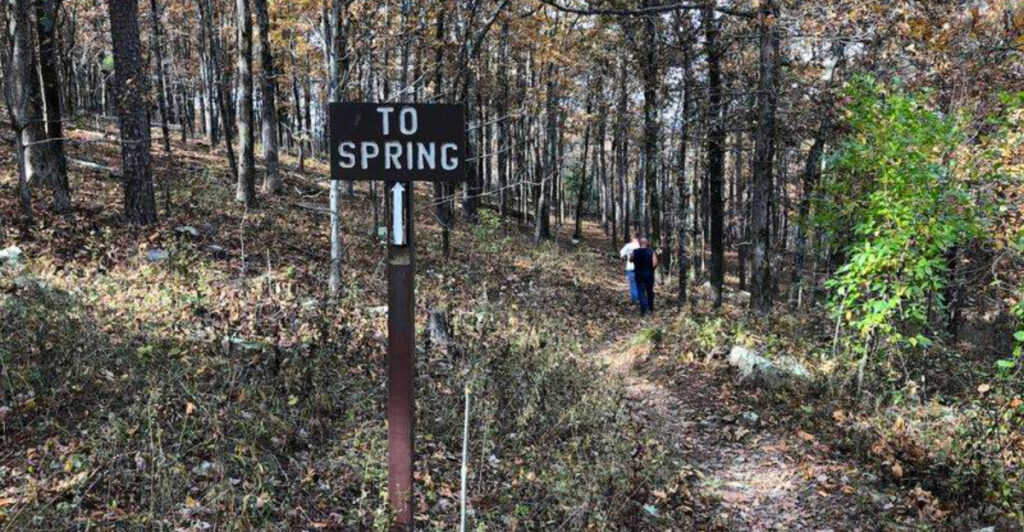
There is a spot tucked along a winding mountain road in southeastern Oklahoma where the trees close in around you, the air smells like pine and earth, and a spring that has been flowing for over a hundred years waits quietly at the end of a short trail. Most drivers pass the sign without a second glance.
The ones who stop, though, tend to linger longer than they planned. Horsethief Springs Picnic Ground is the kind of place that rewards curiosity, offers a real slice of Ouachita Mountain history, and delivers the kind of stillness that is genuinely hard to find on a busy weekend.
This article walks you through everything worth knowing before you go.
Where Exactly You Will Find This Place
Horsethief Springs Picnic Ground sits along Talimena Scenic Drive in Muse, Oklahoma, at an address listed as Talimena Scenic Dr, Muse, OK 74949. The site falls within the Ouachita National Forest, managed by the U.S.
Forest Service, and the main phone contact is +1 580-494-6402.
The drive to reach it is half the experience. Talimena Scenic Drive stretches roughly 54 miles through the Ouachita Mountains, crossing between Oklahoma and Arkansas, and is widely considered one of the most scenic roads in the entire south-central United States.
The picnic ground itself sits at a lower elevation than the ridgeline road, so the air feels noticeably cooler and more sheltered once you leave your car. Parking is limited, which keeps the crowd size naturally small on most days.
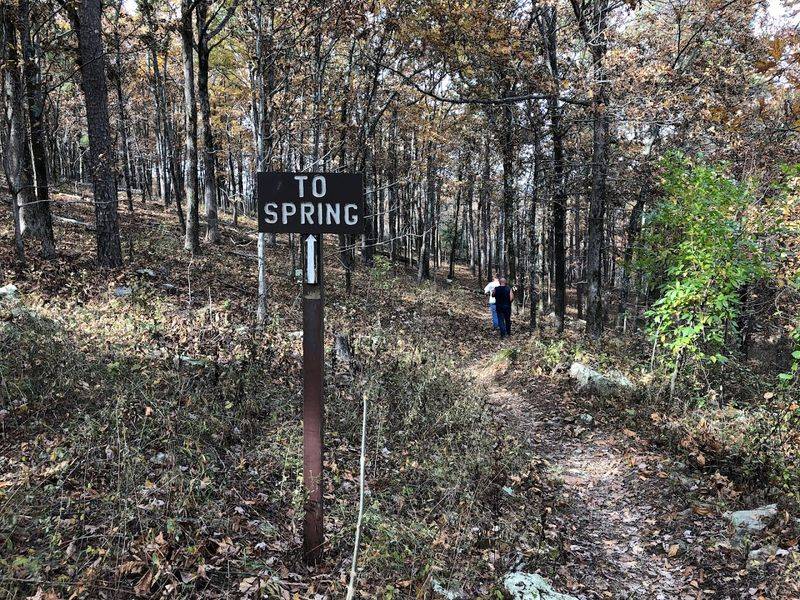
A short road on the east end of the parking area leads directly down to the spring, while a steeper footpath offers a more adventurous descent through the trees. Either way, the spring is only a few minutes from your vehicle, making the whole visit approachable even for those with limited mobility.
The Story Behind the Name
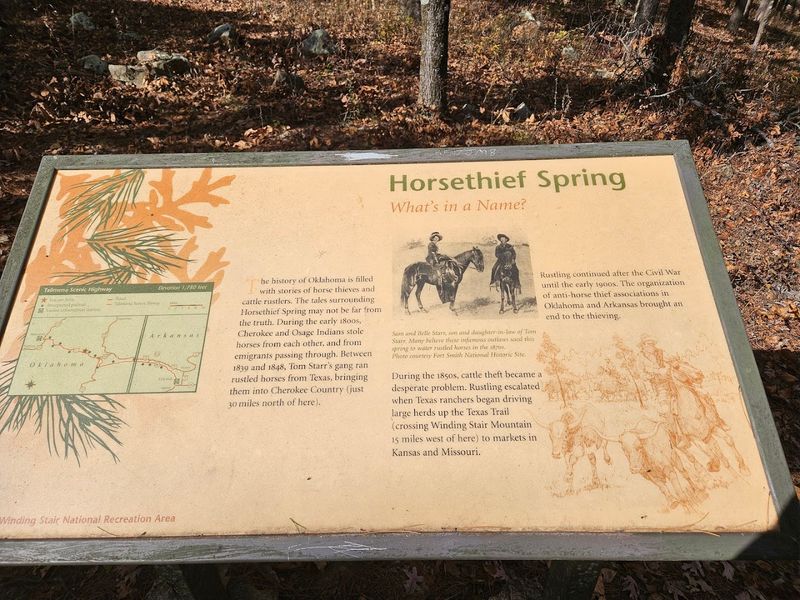
A name like Horsethief Springs does not come from thin air. The Ouachita Mountains of Oklahoma have a deep and layered history, and this particular spring sits in territory that was once a well-known corridor for outlaws moving stolen horses across the region during the late 1800s.
The spring provided a reliable water source along routes that were otherwise dry and demanding, making it a natural stopping point for anyone traveling through the mountains, whether their business was legal or otherwise. Over time, the name stuck, and the spring became part of the local identity.
The old spring house still stands at the site, a stone structure built with a level of craftsmanship that has outlasted far more modern constructions. Partial footings and remnants of other old buildings are scattered around the area, giving the whole place the quiet atmosphere of a place that has seen more history than its current visitors might expect.
Reading the historical signs posted around the grounds adds real context to the ruins, though some of those signs are overdue for updates as of mid-2025.
The Spring Itself and What to Expect
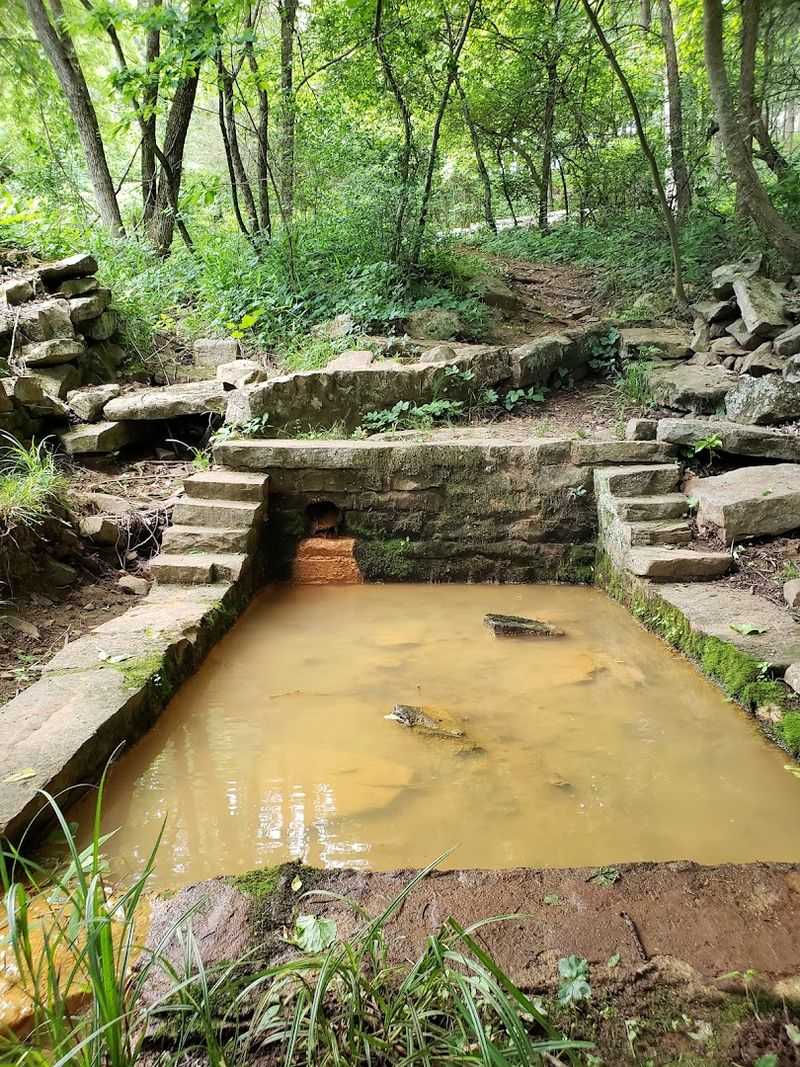
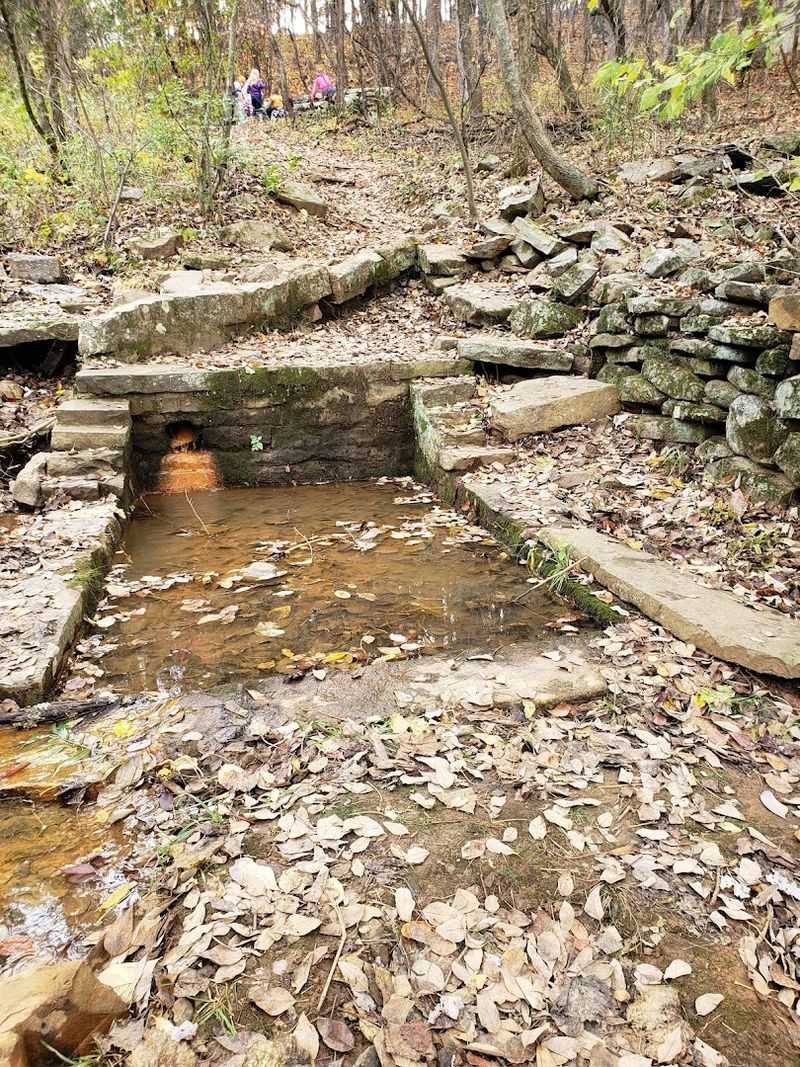
The spring at the heart of this site has been flowing for well over a hundred years, which is a genuinely remarkable fact when you stand next to it. Water seeps up through the earth and moves through what remains of the old stone spring house, creating a scene that feels both ancient and alive.
That said, the spring’s condition varies depending on the season and how recently the site has received maintenance attention. On drier visits, the water level can be low, and orange algae has been visible along the edges during some seasons.
There have also been reports of trash and debris collecting near the water, which the Forest Service periodically addresses.
The surrounding trees and ferns keep the area cool and shaded even on warm days, and the sound of the water, however modest, adds a peaceful quality that is genuinely calming. The spring is not a dramatic waterfall or a rushing creek, but its age and persistence give it a quiet power that is easy to appreciate.
Going in with realistic expectations means you will almost certainly leave satisfied rather than disappointed by what the spring offers.
The Trail Down and the Terrain
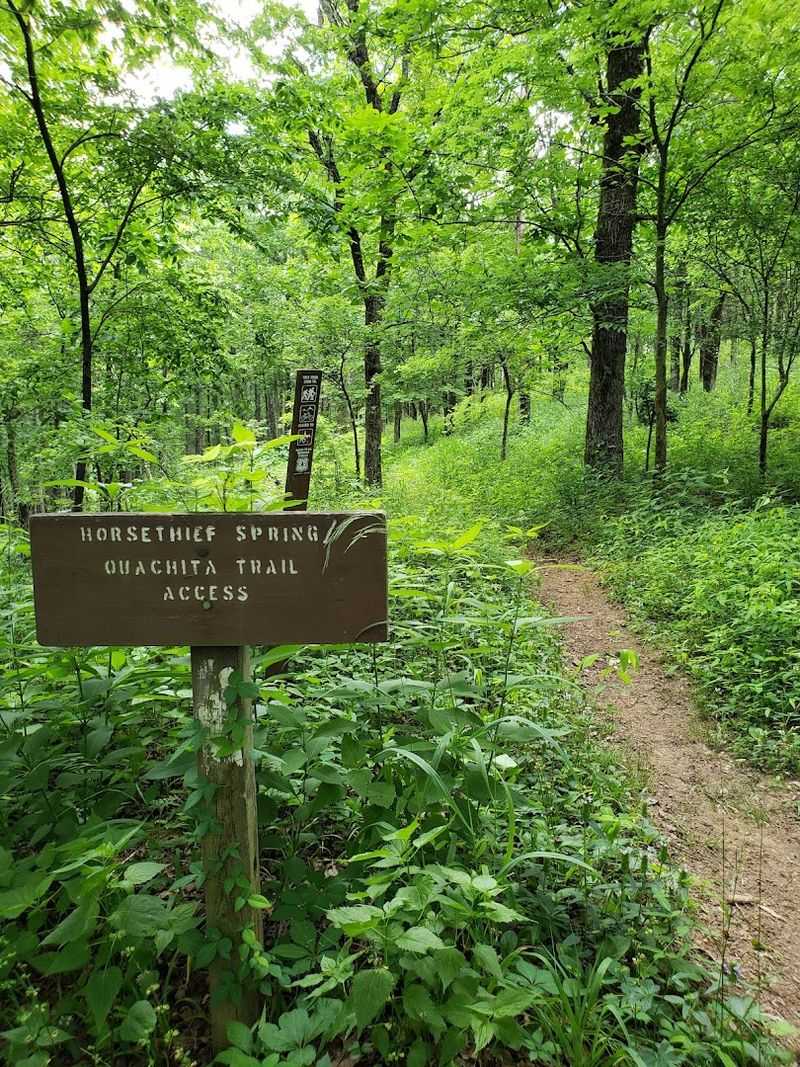
The trail from the parking area down to the spring is short but should not be taken lightly. The slope is steep enough that some visitors, particularly older adults or young children, find the descent challenging and the return climb genuinely tiring.
The path winds through tall hardwoods and pines, and the forest floor is thick with roots, rocks, and seasonal leaf cover that can make footing unpredictable. Wearing proper shoes rather than sandals makes a real difference here, and trekking poles are not overkill for anyone who prefers extra stability on uneven ground.
The trail connects to the Ouachita National Recreation Trail, which stretches over 200 miles through Oklahoma and Arkansas. That connection means adventurous hikers can continue well beyond the spring if they have the gear and experience for it, though the brush can become dense and the path less obvious during warmer months when vegetation grows in fast.
The easier alternative, the road on the east side of the parking lot, takes you to the same destination with far less scrambling, and it is the better choice for families with strollers or anyone who prefers a gentler approach to the site.
Wildflowers, Trees, and the Seasonal Show
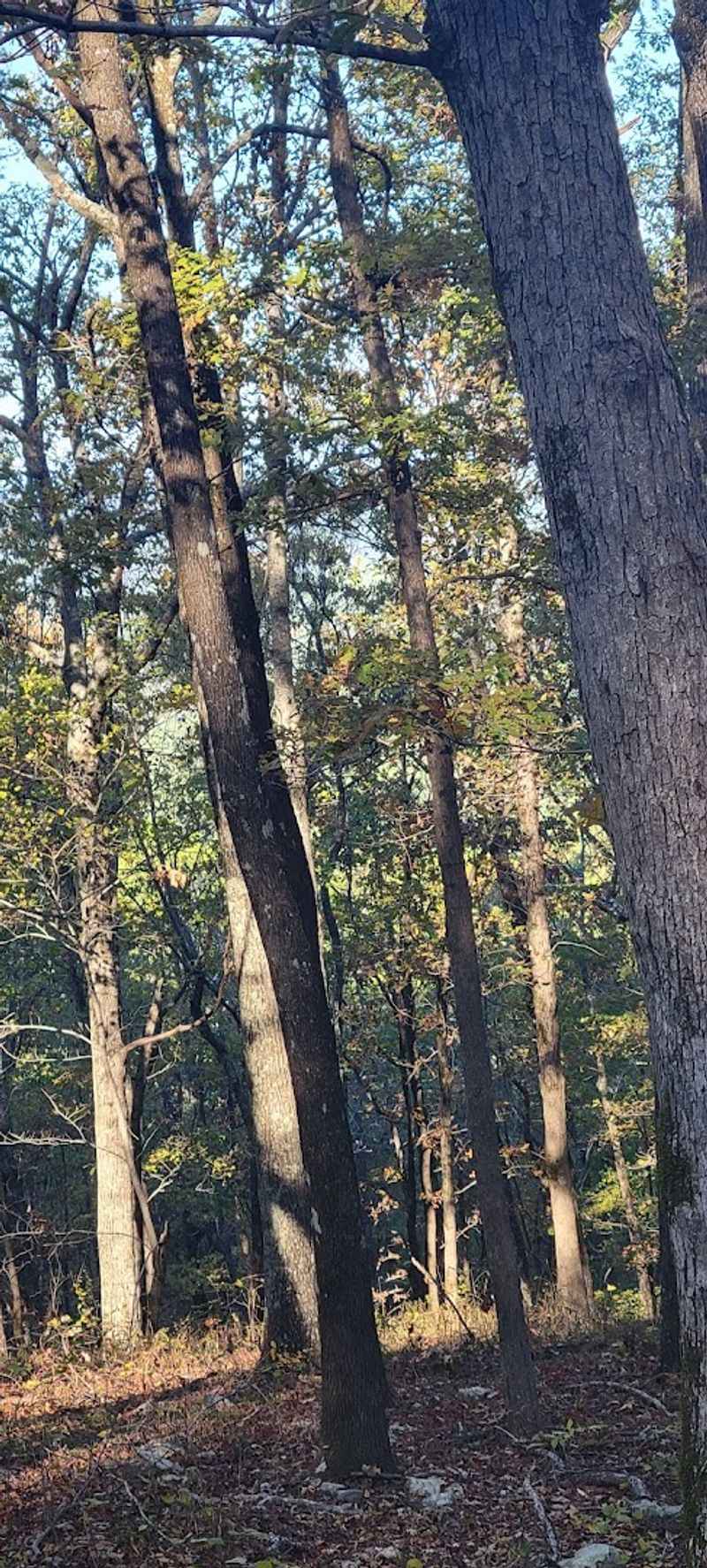
Mid-March is a genuinely special time to visit this part of Oklahoma. The redbud trees burst into deep pink bloom across the hillsides, and wildflowers push up through the leaf litter along the trail in a display that feels almost theatrical against the dark bark of the surrounding oaks and pines.
Spring is the most visually rewarding season for the site overall, with the forest waking up in layers, first the early bloomers along the ground, then the understory shrubs, then the full canopy overhead. The light filters differently at each stage, and photographs taken here in March or April tend to look almost too good to be real.
Fall brings its own appeal, with the hardwoods turning amber, orange, and red across the Ouachita ridgeline. The colors along Talimena Scenic Drive during peak fall foliage are well-documented as some of the best in the region, and the picnic ground benefits from that same palette.
Summer visits are possible but come with a trade-off: the shade is deep and the forest is lush, but mosquitoes, ticks, and bees are all active, so insect repellent and a tick check after the hike are both strongly recommended.
Picnicking in the Shade
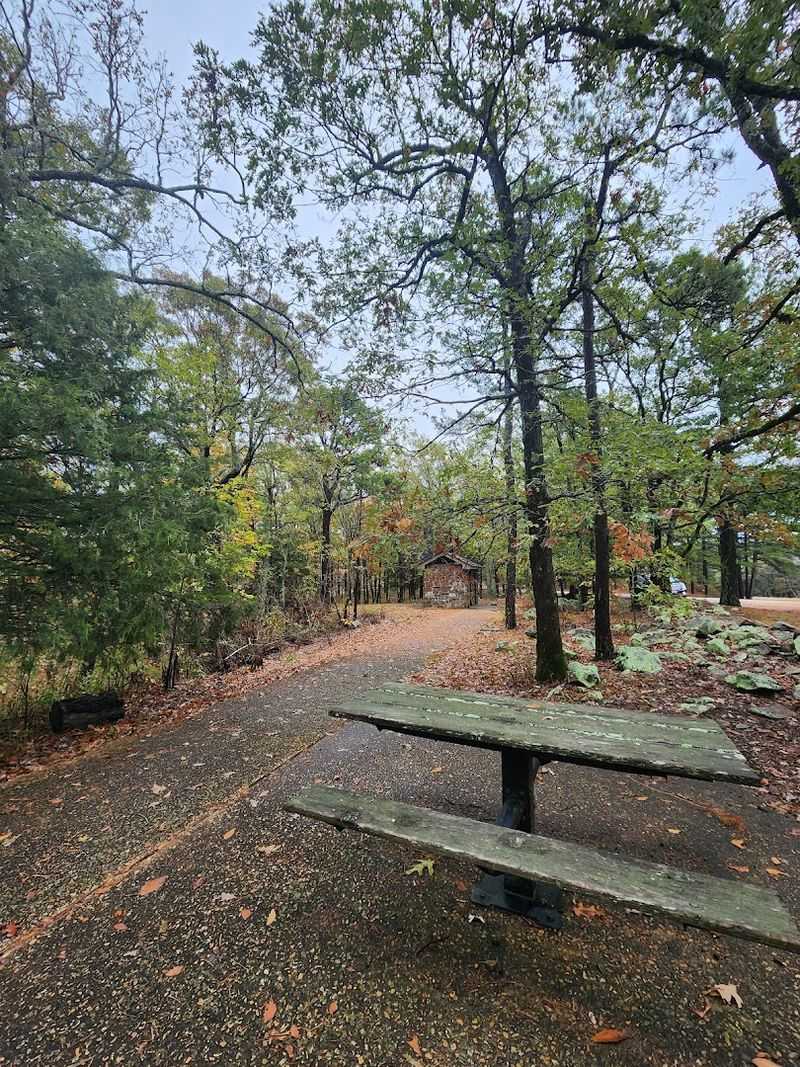
The picnic tables at Horsethief Springs are one of the most consistently praised features of the site. They sit under heavy tree cover that delivers real shade even on warm afternoons, and the overall atmosphere is calm enough that a midday meal here feels like a proper break from the road rather than just a parking lot lunch.
The tables are spread across the grounds in a way that gives each group a reasonable sense of privacy, and the surrounding forest provides a natural sound buffer that keeps things quiet. Families with kids who want to explore the ruins and the spring between bites of their sandwiches will find the layout works well for that kind of relaxed, roaming visit.
Bringing your own food and drinks is the only option since there are no vendors or concession facilities at the site. A cooler, a blanket, and a good playlist are all you really need to turn this into a full afternoon.
Bathroom facilities along the Talimena Scenic Drive corridor have been noted as inconsistent, with some closed on busy weekends, so planning ahead or using facilities at a nearby town before arriving is a smart move.
The Ouachita Trail Connection
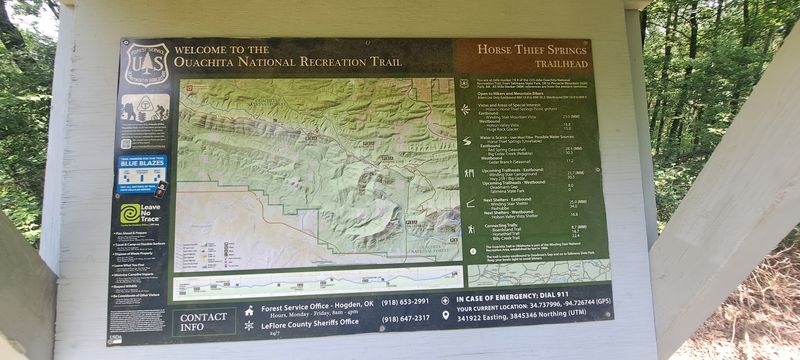
One of the most underappreciated aspects of Horsethief Springs is its direct connection to the Ouachita National Recreation Trail, one of the longest foot trails in the central United States at over 200 miles end to end. The trailhead access point here makes the picnic ground a legitimate base for serious hikers who want to log real miles in the Ouachita backcountry.
Day hikers can use the connection to venture a few miles in either direction along the ridge, enjoying sweeping views of the Ouachita Mountains without committing to an overnight trip. The scenery along the ridgeline sections is consistently rewarding, with long sightlines across forested valleys that stretch toward the horizon.
Trail conditions vary by season and maintenance cycle. During warmer months, overgrown grass and thick brush can make the path difficult to follow, and mountain bikers in particular have noted that the trail becomes nearly unrideable without a clearer line through the vegetation.
Fall tends to offer the most navigable conditions for both hikers and bikers.
Anyone planning to go beyond the spring and into the backcountry should carry water, a trail map, and a basic first aid kit, since the terrain gets progressively more demanding the further you go from the picnic ground.
Wildlife and What Might Share the Trail With You
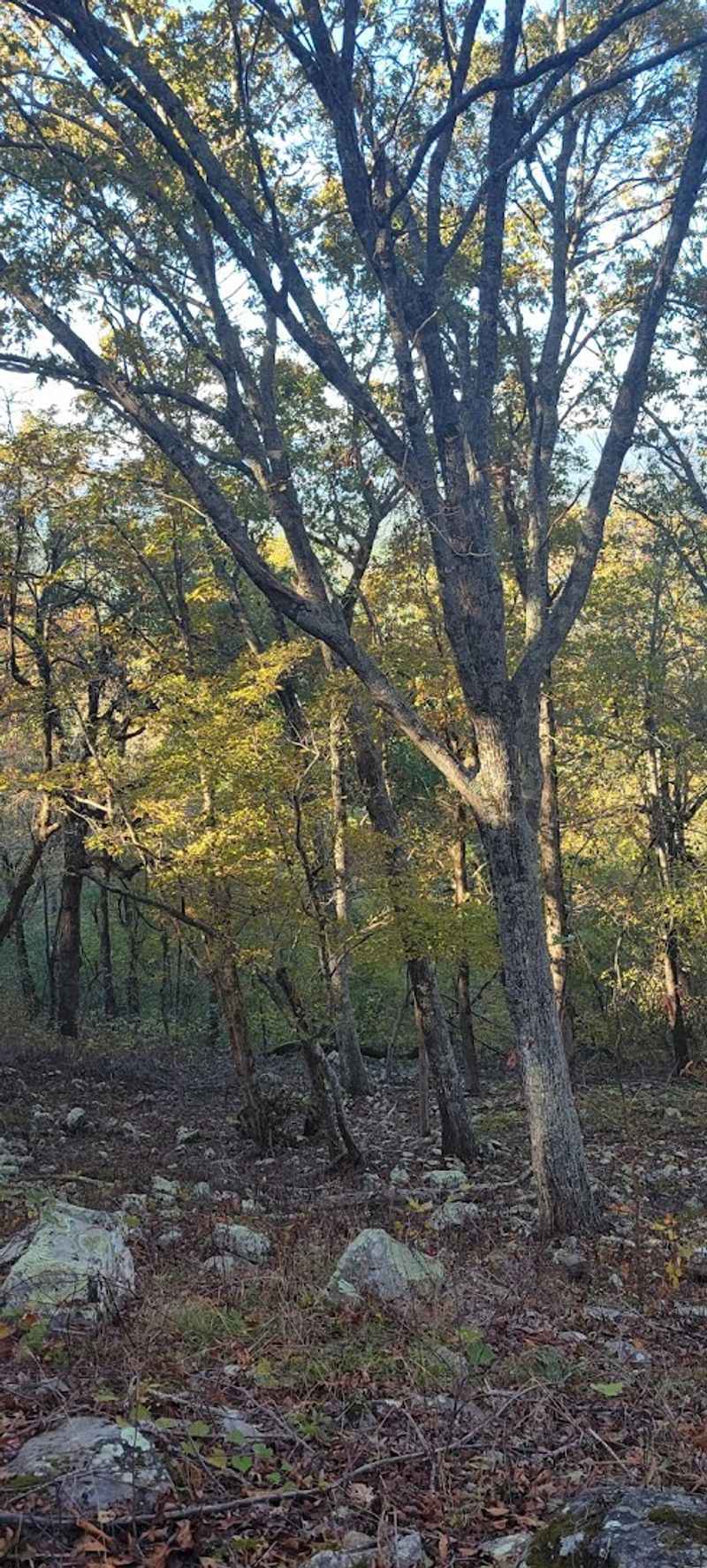
The Ouachita National Forest supports a wide range of wildlife, and the area around Horsethief Springs is no exception. White-tailed deer are common throughout the forest and are frequently spotted near the tree line during early morning and evening hours, moving quietly between the pines and hardwoods.
Smaller creatures, including squirrels, chipmunks, and various songbirds, are active throughout the day and add a lively background soundtrack to any visit. The forest canopy here is dense enough to attract a good variety of woodland birds, making the site worthwhile for anyone who enjoys casual birdwatching without needing specialized gear.
The less welcome residents of the trail include ticks, mosquitoes, and bees, all of which are most active during the warmer months from late spring through early fall. Ticks in particular deserve serious attention in this part of Oklahoma, and checking clothing and skin thoroughly after any time in the brush is a habit worth developing before your first visit.
The trail is not recommended for small dogs due to the thick vegetation and the physical demands of the terrain, though larger, well-conditioned dogs on a leash can handle the descent to the spring without much difficulty.
Fog, Light, and the Atmosphere of the Place
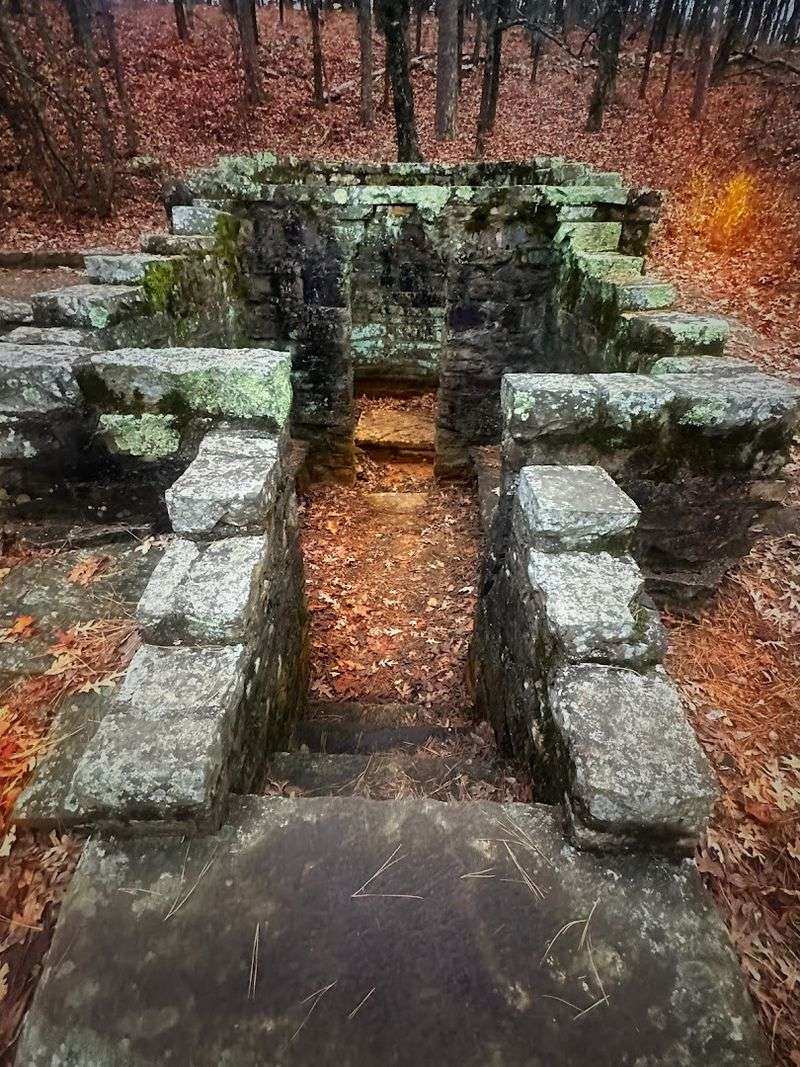
There is something particular about the light and atmosphere at this site that visitors tend to remember long after the practical details fade. The tree canopy filters sunlight into shifting patterns on the forest floor, and the combination of stone ruins, flowing water, and old growth trees creates a setting that feels genuinely removed from ordinary life.
On foggy mornings, which are not uncommon in the Ouachita Mountains during cooler months, the site takes on an almost cinematic quality. The mist moves between the trees and softens the edges of the old stone structures, and the whole place feels suspended in an earlier century.
Some visitors have noted that heavy fog can limit visibility along the trail, but it does not diminish the overall experience.
The golden hour before sunset is another rewarding time to visit, especially in fall when the light catches the turning leaves and turns the hillside into something worth photographing from every angle. The site is quiet enough that you can often hear the spring and the wind in the canopy without any background noise from other visitors.
That kind of sensory quiet is increasingly rare, and it is one of the strongest reasons to make the detour off the main road.
Practical Tips Before You Visit
A few practical notes can make the difference between a smooth visit and a frustrating one. The parking area at Horsethief Springs is small, with space for only a handful of vehicles, so arriving early on weekends is the best way to guarantee a spot without having to wait or park along the road.
The site is managed by the Ouachita National Forest under the U.S. Forest Service, and closures can occur during government shutdowns or when maintenance work is scheduled.
Checking the official site at fs.usda.gov or calling +1 580-494-6402 before making a long drive is worth the two minutes it takes.
Wear closed-toe shoes with good grip regardless of the season. The trail to the spring is short but uneven, and the descent is steep enough to be genuinely slippery after rain.
Bringing insect repellent from spring through early fall is non-negotiable if you plan to spend more than a few minutes near the vegetation.
The picnic area has tables and shade but no trash cans on some visits, so packing out your own waste keeps the site clean for everyone who comes after you. A half-day is plenty of time to explore the full site, enjoy a picnic, and walk a short stretch of the Ouachita Trail before heading back to the car.
Share this story