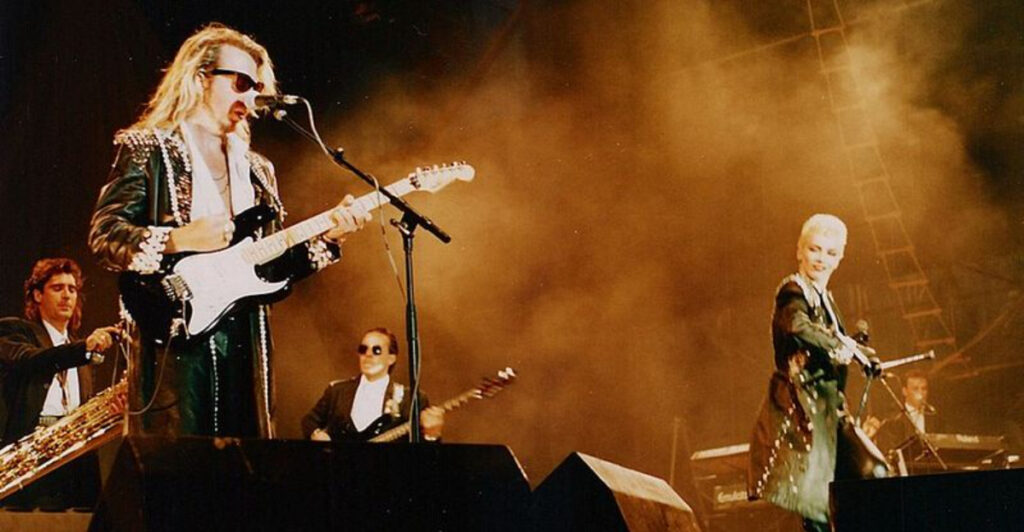
Rock changed shape in 1983, and not just on the radio. MTV turned songs into visual events, synthesizers sat next to hard guitar riffs, and bands suddenly had to think about hooks, hair, and camera angles at the same time.
The result was a year where pop, new wave, metal, and classic rock kept crossing paths in ways that felt new and sometimes a little competitive. Keep reading, and you can trace how 16 tracks captured that shift, influenced what fans bought and debated, and helped define what rock looked like for the rest of the decade.
1. “Every Breath You Take” – The Police

One of 1983’s smartest chart takeovers arrived wearing a calm face and a deeply unsettling lyric. “Every Breath You Take” gave The Police their biggest hit, topping the Billboard Hot 100 for eight weeks and becoming nearly impossible to avoid on radio, MTV, and school dance playlists.
Sting wrote it during a difficult personal period, yet the song’s clean arrangement kept many listeners from catching its possessive point right away. That contrast helped it stand out, because it sounded elegant while saying something far less comforting than a standard love song.
Producer Hugh Padgham kept the recording precise, with Andy Summers’ guitar figure acting like a signature stamp from the first seconds. The track also showed how rock in 1983 could be disciplined instead of oversized and still dominate a mass audience.
For a generation of fans, it became proof that subtlety could be just as powerful as volume. It still sits at the center of any serious conversation about the year rock became sleek, visual, and quietly complicated.
2. “Photograph” – Def Leppard

The decade’s hair-spray economy probably owes this song a thank-you note. “Photograph” became Def Leppard’s breakthrough American smash in 1983, helping push Pyromania into blockbuster territory and making the band a defining force in mainstream hard rock.
Mutt Lange’s production packed the song with stacked vocals, layered guitars, and a precision that felt bigger than most radio rock at the time. The track balanced glam appeal with heavy riffs, which made it accessible enough for MTV and tough enough for rock loyalists.
Its video also mattered, especially in an era when looks, editing, and repeat airplay could turn a single into a cultural fixture. The band suddenly seemed built for the new system, where catchy choruses and visual identity worked like twin engines.
For fans coming of age in 1983, “Photograph” sounded like the future of arena rock, only cleaner and more calculated. It opened the door for even bigger Def Leppard hits while proving metal-flavored rock could sell in very large numbers without softening too much.
3. “Beat It” – Michael Jackson
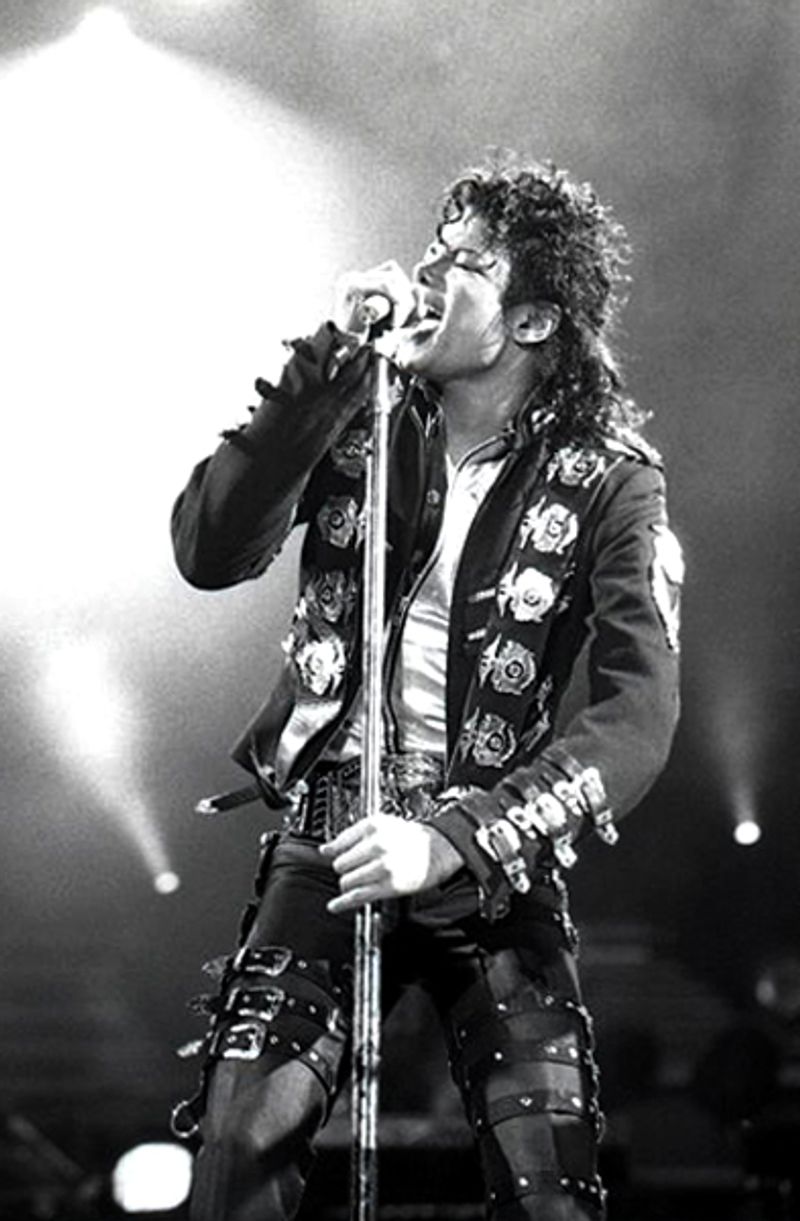
Nothing confused genre gatekeepers more efficiently than a pop superstar releasing one of the decade’s key rock crossover hits. “Beat It” arrived in 1983 as part of Thriller, and its combination of sharp rhythm, streetwise attitude, and Eddie Van Halen’s guest solo made it impossible to box in neatly.
Jackson wanted a rock track that could reach listeners who were not automatically tuning into black pop artists, and it worked. The single climbed to number one, brought heavier guitar into a massive mainstream setting, and helped expand who rock could be marketed to on MTV.
Van Halen recorded his solo quickly, but its presence gave the song instant credibility with skeptical rock fans. Meanwhile, the video’s choreography and conflict-driven concept became another reminder that songs now had visual careers as important as their radio lives.
For a generation raised on format boundaries, “Beat It” quietly kicked a hole through them. It remains one of 1983’s clearest examples of how crossover ambition reshaped rock’s audience, style, and sense of status.
4. “Sweet Dreams (Are Made of This)” – Eurythmics
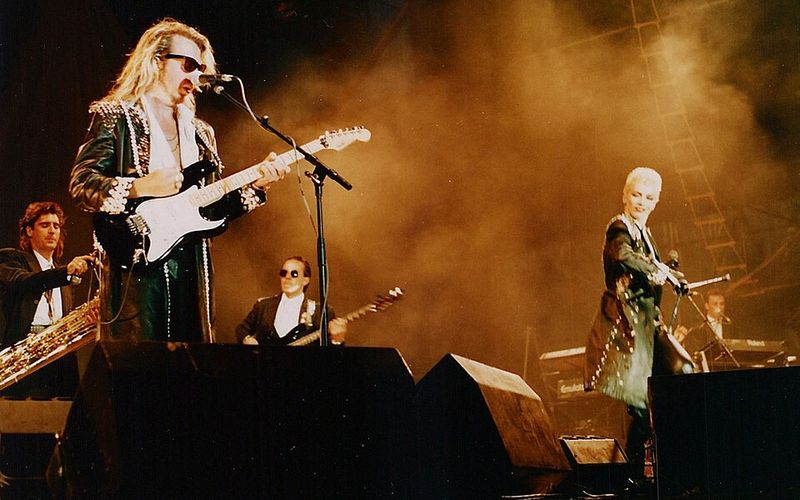
Few songs announced a new era faster than this cool, strange, instantly memorable hit. “Sweet Dreams (Are Made of This)” turned Eurythmics into international stars in 1983 and showed that synth-based music could sit comfortably inside the broader rock conversation.
Annie Lennox’s direct vocal and unforgettable visual image on MTV made the single feel modern in a way many guitar bands could not match. Dave Stewart’s programmed arrangement kept the track lean, mechanical, and catchy without losing its edge.
The song did especially well in the United States after heavy video rotation, proving that image and sound were now working as equal partners. That mattered in 1983, when rock fans were getting used to a world where keyboards could drive attitude just as effectively as distorted guitars.
Its influence spread across new wave, pop-rock, and alternative radio for years afterward. If you want to understand why the early 1980s felt like a reset button for style, technology, and ambition, this track is a very persuasive exhibit.
5. “Sharp Dressed Man” – ZZ Top
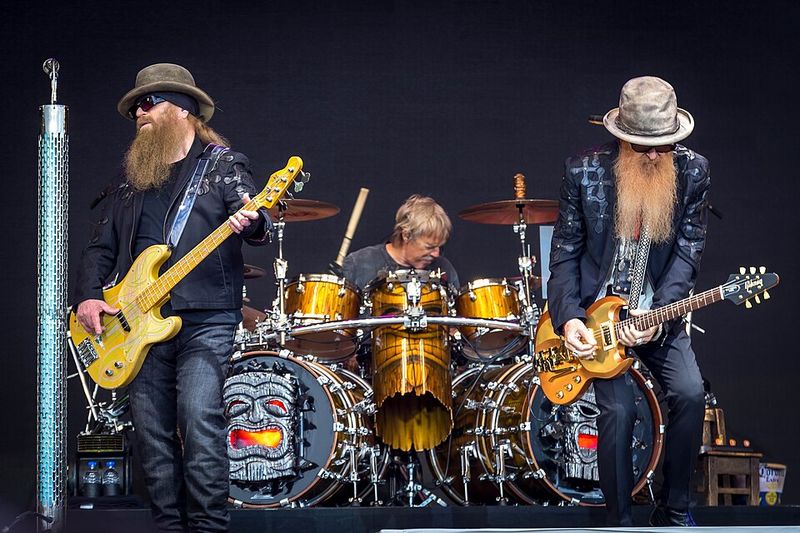
Sometimes a song wins because it understands branding better than most advertising campaigns. “Sharp Dressed Man” helped ZZ Top reinvent themselves for the MTV era in 1983, pairing Texas blues-rock roots with streamlined production and a video style that turned the band into pop culture fixtures.
Eliminator had already modernized their sound with synthesizer touches, but this track showed how naturally that shift could work. Billy Gibbons kept the riff sharp and simple, while the lyric sold confidence with a grin instead of a lecture.
The video’s recurring car, stylish transformation plot, and the band’s sunglasses-and-beards image gave viewers an easy visual shorthand. In a year when repeat exposure could build mythology faster than touring alone, ZZ Top looked like veterans who had cracked a younger code.
Rock fans embraced it because the groove still felt grounded, even with all the polish. Decades later, “Sharp Dressed Man” remains a textbook example of a classic band adapting to new technology, new marketing, and a faster-moving version of fame.
6. “Is There Something I Should Know?” – Duran Duran
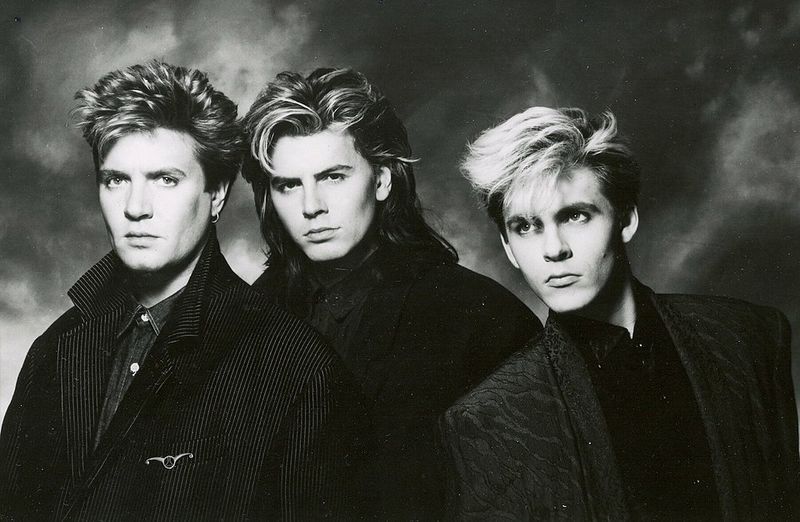
This was the moment Duran Duran stopped looking like a trend and started looking permanent. “Is There Something I Should Know?” arrived in 1983 as a standalone single and debuted at number one in the UK, which is the sort of move bands usually dream about privately.
The song blended new wave gloss, rock structure, and a polished urgency that suited the group’s expanding international profile. Simon Le Bon’s vocal carried just enough drama, while Nick Rhodes’ keyboards and the guitar work kept the arrangement moving without becoming cluttered.
Its success also reflected how quickly visual identity was becoming part of musical credibility. Duran Duran already understood fashion, video, and global marketing better than many of their peers, so a strong single like this landed with extra force.
For rock fans in 1983, the track was a reminder that modernity itself could be part of the appeal. It captured a period when style no longer sat outside the music, but right inside it, steering how songs were heard, remembered, and ranked.
7. “Cum On Feel the Noize” – Quiet Riot
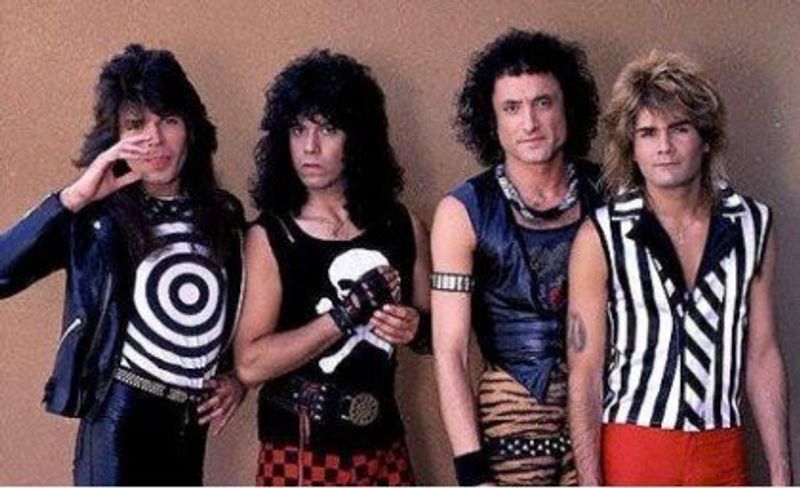
Subtlety took the night off when this one hit radio. Quiet Riot’s cover of Slade’s “Cum On Feel the Noize” exploded in 1983 and helped Metal Health become the first heavy metal album to reach number one on the Billboard 200.
That chart milestone mattered because it signaled that metal was no longer a niche taste traded between devoted fans. Kevin DuBrow’s vocal swagger, the chant-ready chorus, and the band’s rowdy image gave the song exactly the kind of broad appeal that MTV and FM radio rewarded.
Even the famous opening scream, which came from a rough run-through spirit in the studio, became part of its charm. The track felt loose in all the right places, but its impact was very precise: it brought harder rock into homes that might have considered it too aggressive only a year earlier.
For many listeners, this was the gateway record that made metal seem fun rather than forbidding. It turned volume into a commercial asset and proved that 1983 had room for swagger, noise, and mass acceptance at the same time.
8. “Burning Down the House” – Talking Heads
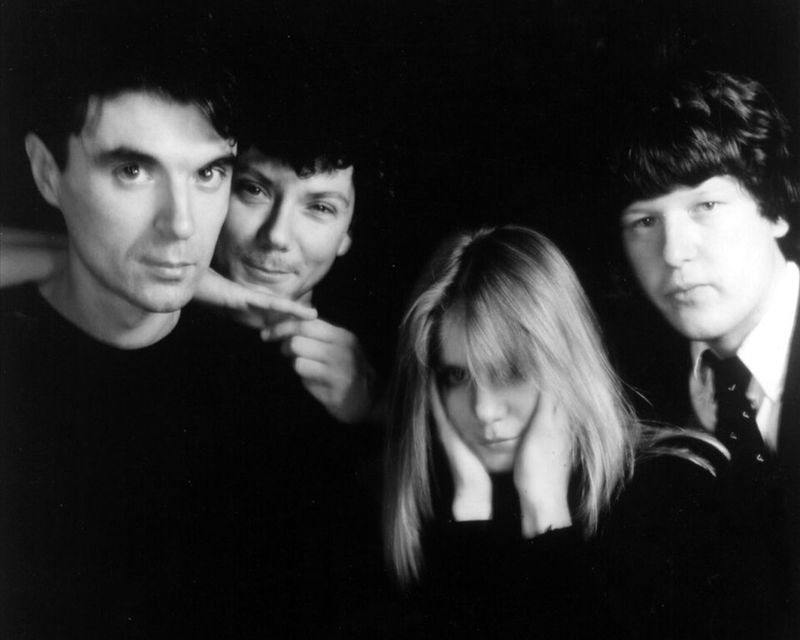
Art-rock rarely knocks this confidently on the pop chart’s front door. “Burning Down the House” gave Talking Heads their first top ten hit in the United States in 1983, and it did so without sanding off the band’s odd angles or intellectual reputation.
The groove drew from Parliament-Funkadelic energy, while David Byrne’s vocal phrasing kept the song unmistakably his. Producer work and the band’s tight arrangement made it catchy enough for casual listeners, but the structure still felt just strange enough to keep longtime fans interested.
Its title and chorus became cultural shorthand almost immediately, helped by MTV exposure and the song’s sheer momentum. This was not rock trying to behave itself for the mainstream.
It was a clever band showing that the mainstream could, on occasion, learn new behavior.
For 1983 listeners, the track widened the map of what a rock hit could include. Funk rhythms, art-school instincts, and pop timing all met in one place, proving that experimentation could earn chart success without dressing up as something safer.
9. “Synchronicity II” – The Police

When a hit song references both suburban frustration and a monster from a Scottish lake, you know ordinary rules have left the room. “Synchronicity II” showed The Police at their most ambitious in 1983, pushing beyond concise pop into something darker, sharper, and more literary.
Built on Stewart Copeland’s urgent drumming and Sting’s driving bass line, the track moves with real pressure. Its lyrics connect office routine, domestic dissatisfaction, and surreal imagery in a way that could have collapsed under its own concept, but instead felt thrillingly focused.
The song was not as universally embraced as “Every Breath You Take,” yet that is part of why it mattered. It proved the band could still challenge listeners while sitting near the top of popular culture, which is a neat trick few chart acts manage gracefully.
For rock fans who wanted more than a clean chorus, “Synchronicity II” offered complexity without losing momentum. It stands as one of 1983’s strongest reminders that mainstream rock could still carry ideas, tension, and a little controlled weirdness.
10. “Owner of a Lonely Heart” – Yes

Progressive rock did not vanish in the 1980s. It simply learned how to edit itself. “Owner of a Lonely Heart” gave Yes a surprise commercial rebirth in 1983, becoming the band’s only number one hit in the United States and introducing them to listeners who had never followed their earlier epics.
Producer Trevor Horn and the 90125 lineup built the track around punchy sampling, sharp guitar parts, and a structure designed for radio rather than side-long album journeys. Jon Anderson’s vocal kept a familiar thread for longtime fans, but everything around it felt freshly engineered for the decade.
The song mattered because it showed reinvention could be strategic without sounding desperate. Yes did not try to imitate younger bands exactly.
Instead, they absorbed new production ideas and made them serve an updated version of their own identity.
For rock audiences in 1983, that was a useful lesson in survival. “Owner of a Lonely Heart” proved that sophistication and commercial instinct were not enemies, and that even a veteran act could pivot toward the future without losing its name.
11. “Rock of Ages” – Def Leppard
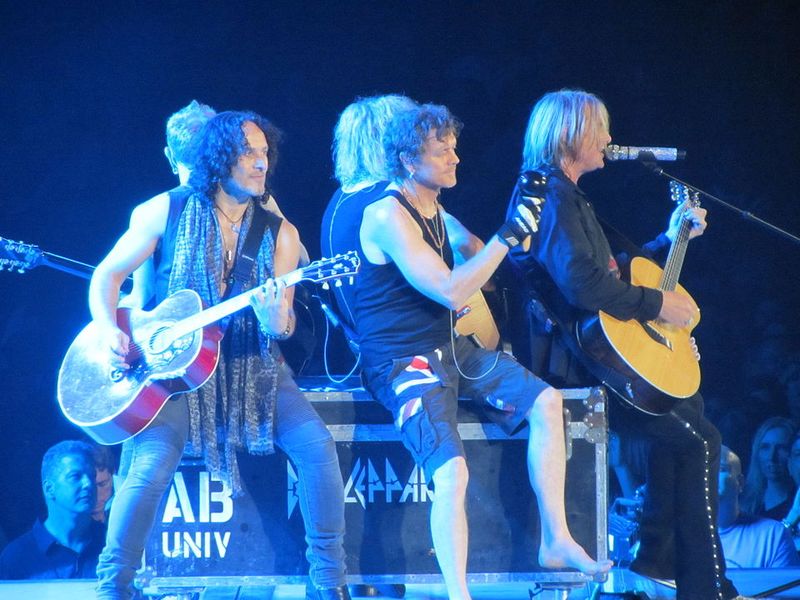
If 1983 needed an official arena-rock instruction manual, this track could have handled the job. “Rock of Ages” pushed Def Leppard even deeper into pop culture, combining giant hooks, gang-style backing vocals, and Mutt Lange’s famously exact production into a song built for both radio and big venues.
Released from Pyromania, it followed “Photograph” and helped prove the album was not riding on a single lucky break. Joe Elliott’s vocal delivery, the band’s layered guitar attack, and the chant-ready structure made the song feel communal in the best commercial sense.
Even the odd spoken intro became part of its identity, giving fans one more detail to quote badly and enthusiastically. That kind of memorable packaging mattered in 1983, when songs had to survive on the radio, on television, and in the social currency of school hallways and parking lots.
“Rock of Ages” also reinforced a larger shift within hard rock toward precision and accessibility. It was heavy enough to feel exciting, polished enough to cross over, and catchy enough to stay lodged in popular memory for decades.
12. “Too Shy” – Kajagoogoo

This song arrived so polished that it practically looked pressed and packaged before the first chorus. “Too Shy” gave Kajagoogoo a major international hit in 1983, blending pop, funk, and new wave in a way that fit the year’s sleek production trends perfectly.
Nick Beggs’ bass line helped anchor the track, while Limahl’s vocal gave it the kind of airy confidence MTV loved. Produced by Duran Duran’s Nick Rhodes and Colin Thurston, the record carried an upscale sheen that linked it directly to the era’s fashionable British pop movement.
Though some rock purists kept it at arm’s length, that resistance tells you something important about 1983. Genre lines were loosening, and songs like this proved that rhythm, style, and a strong visual profile could pull in listeners who moved easily between pop and rock radio.
“Too Shy” remains a useful snapshot of that crossover climate. It captures a year when presentation mattered, bass lines got smarter, and the distance between chart pop and adjacent rock audiences shrank noticeably.
13. “Electric Avenue” – Eddy Grant
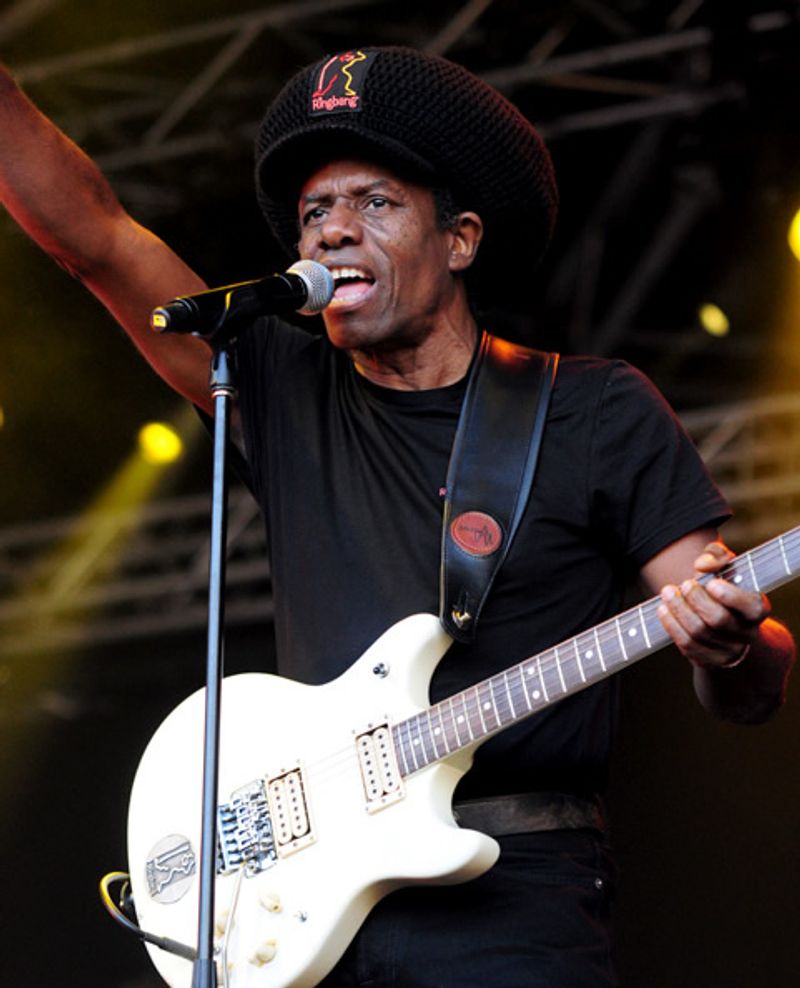
A protest-minded hit with a pop engine is a fairly efficient way to make history. Eddy Grant’s “Electric Avenue” became a major success in 1983, drawing its title from a real London street and reflecting social tensions in Brixton without turning into a lecture.
Grant recorded much of his work at his own studio in Barbados, and the song’s blend of rock, reggae, and synth-pop gave it a distinctive place on the charts. Its groove made it accessible, but the lyrical context added weight, which helped it stand apart from more disposable singles of the period.
MTV and radio gave the track broad exposure, introducing many younger listeners to an artist whose career already stretched back years. That mattered because 1983 often rewarded novelty, yet Grant succeeded with experience, independence, and a message tucked inside a very memorable chorus.
For rock fans, “Electric Avenue” widened the field of what belonged in the decade’s conversation. It proved a socially aware song could still thrive in a format-driven market, especially when the hook arrived with this much confidence and clarity.
14. “Stand Back” – Stevie Nicks
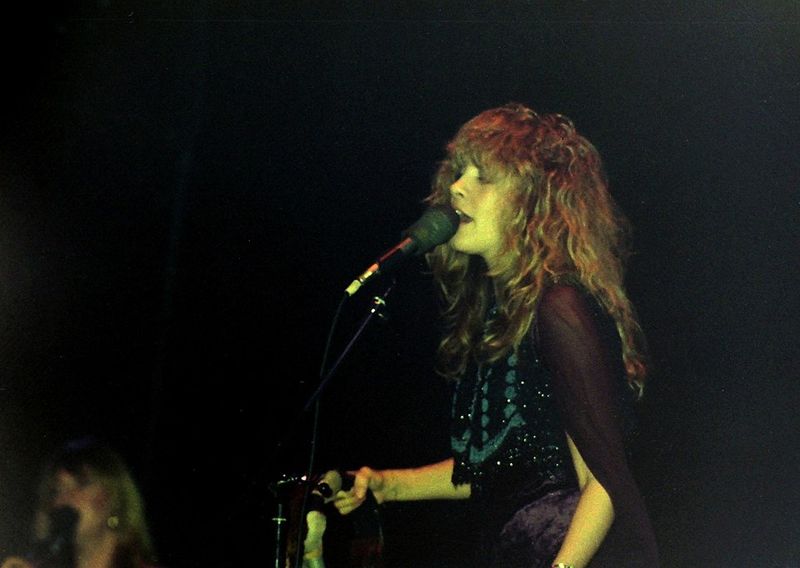
Some hits feel like they know exactly when the culture is ready for them. “Stand Back” arrived in 1983 as one of Stevie Nicks’ signature solo songs, pairing her unmistakable voice with a synthesizer-driven arrangement that sounded current without sacrificing her established mystique.
Nicks has said the song was inspired in part by hearing Prince’s “Little Red Corvette,” and he later contributed uncredited keyboard parts during the creative process. That connection helps explain why the track carried such a strong rhythmic snap while still feeling entirely like a Stevie Nicks record.
Its success mattered because it confirmed she could thrive outside Fleetwood Mac with a sound adapted to the changing decade. The production leaned into contemporary textures, but her phrasing and presence kept the song from feeling like a trend chase.
For rock fans in 1983, “Stand Back” offered a model of reinvention grounded in personality rather than gimmick. It sits at the crossroads of classic rock credibility, MTV-era style, and the increasing role of synthesizers in mainstream guitar-based music.
15. “China Girl” – David Bowie
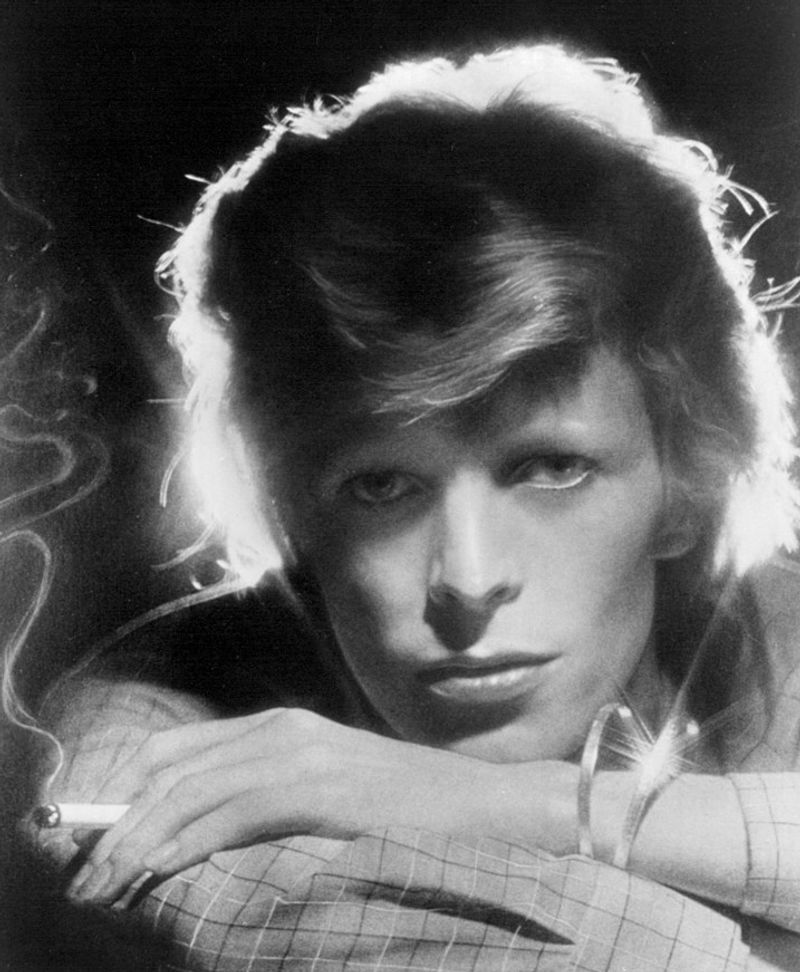
Leave it to David Bowie to turn reinvention into a routine part of the business plan. “China Girl” became one of his biggest mainstream hits in 1983, although the song itself had earlier roots through his collaboration with Iggy Pop in the late 1970s.
For the version on Let’s Dance, Bowie and producer Nile Rodgers reshaped it with a cleaner, more commercial sound tailored to the MTV era. The result balanced emotional tension, polished arrangement, and a chorus that could travel widely across radio formats.
The video also amplified the song’s reach, though it later invited discussion for its imagery and framing. In 1983, however, it undeniably strengthened Bowie’s visibility with younger audiences who were encountering him not as a glam pioneer first, but as a current chart presence.
That generational handoff is part of why “China Girl” matters in this story. It showed Bowie’s rare ability to repurpose earlier material for a changed marketplace, keeping artistic identity intact while adapting to the decade’s visual and commercial demands.
16. “Jeopardy” – Greg Kihn Band

Every great pop-rock year needs at least one song that sounds clever without trying too hard. “Jeopardy” by the Greg Kihn Band filled that role in 1983, rising high on the charts and becoming the group’s biggest hit thanks to its tight structure and instantly memorable chorus.
Built around power-pop instincts and clean rock energy, the track landed at a moment when concise songwriting still had plenty of room beside grander productions. Kihn had spent years building a following, so the single felt less like a fluke and more like a long-awaited commercial payoff.
The music video helped too, especially because MTV rewarded songs that came with a concept viewers could recall later. A well-timed parody boost from “Weird Al” Yankovic did not hurt either, giving the song an extra life in the broader pop culture conversation.
For rock fans, “Jeopardy” represented a slightly different path through 1983. Not everything had to be huge, metallic, or synth-drenched to matter.
Sometimes sharp songwriting, smart timing, and a chorus with staying power were enough to claim a place in memory.
Share this story