 Unearth The Voyage
Most people flock to the Grand Canyon or Yellowstone and call it a day. But the US is packed with jaw-dropping places that rarely make the highlight reel.
From volcanic moonscapes in Idaho to sea caves on Lake Superior, these 15 destinations prove that the best adventures are often the ones nobody told you about. Pack your bags and prepare to be seriously impressed.
North Cascades National Park, Washington
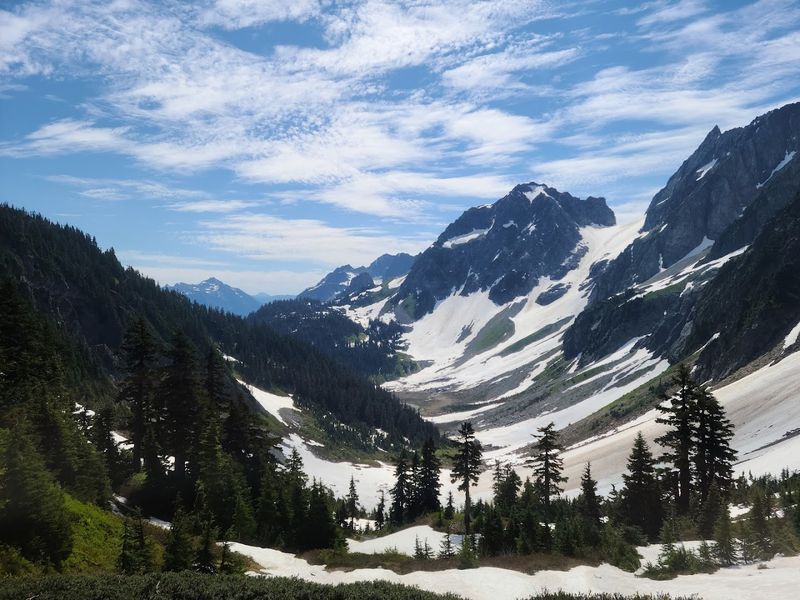
With over 300 glaciers crammed into one park, North Cascades makes Alaska jealous. Located just a few hours from Seattle, this is one of the most heavily glaciated regions in the entire country outside of Alaska.
Yet somehow, the crowds never showed up.
The park is rugged, raw, and refreshingly uncrowded. Trails wind through wildflower meadows, past turquoise lakes, and up to ridgelines with views that will make your jaw drop.
I once had a trailhead entirely to myself on a sunny July weekend, which felt almost illegal.
Wildlife is abundant here too. Black bears, mountain goats, and wolverines call this park home.
The North Cascades Highway offers stunning drive-through scenery for those who prefer windshields over hiking boots. However you explore it, this place delivers big mountain drama without the big mountain crowds.
Great Basin National Park, Nevada
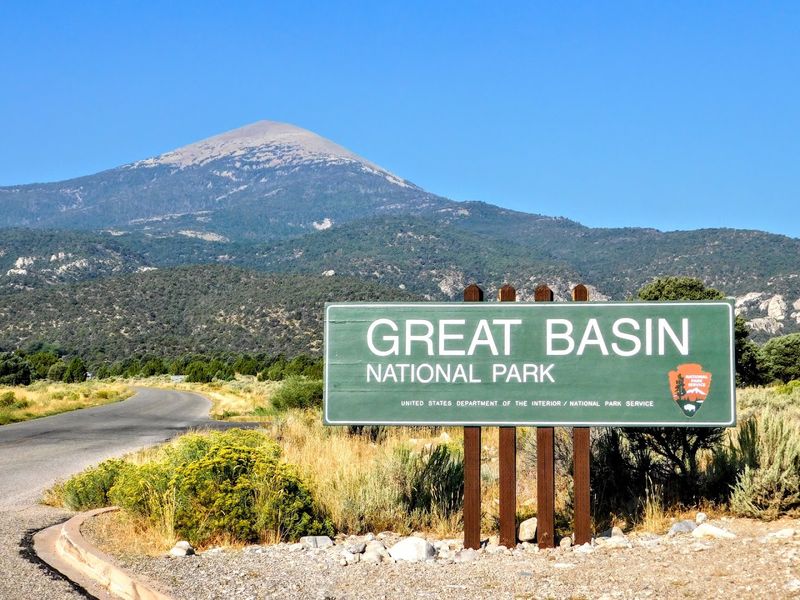
Nevada is famous for neon lights and slot machines, but Great Basin National Park plays a completely different game. Here, the days belong to ancient bristlecone pine trees and summit hikes up Wheeler Peak, which tops out at 13,063 feet.
Then night falls, and everything changes. Great Basin is one of the darkest places in the continental US, making it a genuine paradise for stargazers.
The Milky Way appears so clearly that first-timers often stand there speechless for an embarrassingly long time.
Underground, Lehman Caves add another layer of wonder. Guided tours lead visitors through rooms filled with rare cave formations called shields, found in very few caves worldwide.
The combo of alpine hiking by day and galaxy-gazing by night makes Great Basin one of the most versatile and underrated parks in the entire system. Seriously, Nevada has been holding out on us.
Great Sand Dunes National Park & Preserve, Colorado
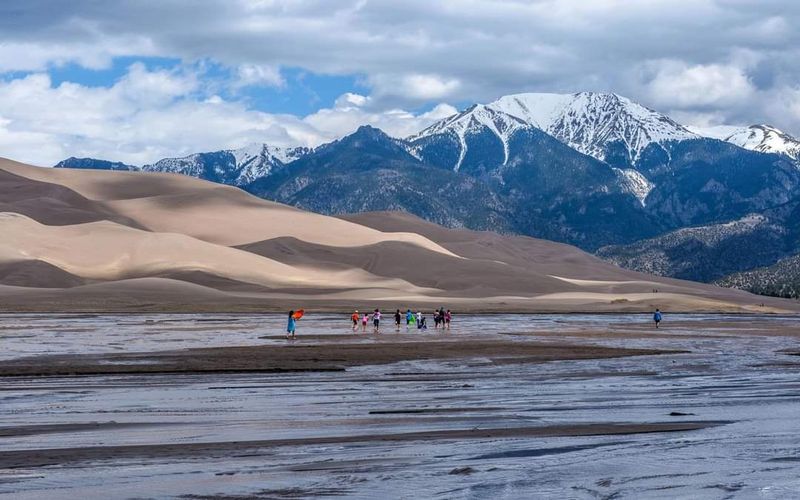
North America’s tallest sand dunes are hiding in Colorado, of all places. The dunes at Great Sand Dunes National Park rise up to 750 feet, which is taller than most skyscrapers in mid-sized American cities.
They sit dramatically against the Sangre de Cristo Mountains, creating one of the most visually bizarre landscapes in the country.
What makes this place extra wild is the variety surrounding the dunes. Within a short drive, the terrain shifts from wetland creeks to alpine forests to high-mountain tundra.
You can wade through Medano Creek at the base of the dunes in spring, when a wave-like surge of water pulses downstream naturally.
Sandboarding is a thing here, and yes, it is exactly as fun as it sounds. Rent a board in the nearby town of Alamosa and send it down a 700-foot slope of sand.
Your knees will hate you. Your soul will thank you.
Apostle Islands National Lakeshore, Wisconsin
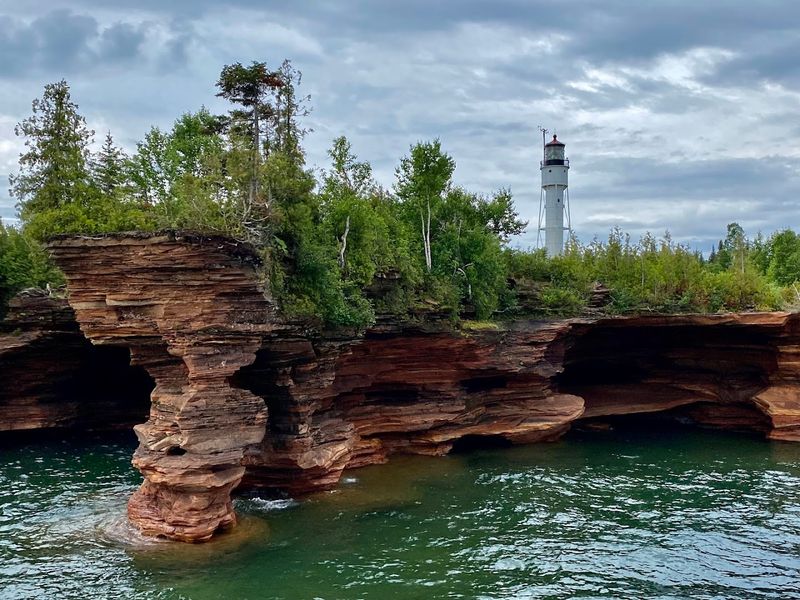
Lake Superior is not messing around. The Apostle Islands sit in this massive freshwater sea off Wisconsin’s northern tip, offering 21 islands packed with sea caves, old-growth forests, and the largest collection of lighthouses in the entire National Park System.
The sea caves are the showstopper. Kayaking into the sandstone caverns along the mainland shoreline feels genuinely surreal.
In winter, when the lake freezes, those same caves transform into ice formations that draw hikers from across the country. It is one of the few places where the off-season attraction rivals the summer one.
Camping on the islands requires a short boat ride and a willingness to unplug completely. Cell service is basically a rumor out here.
That is not a complaint. Watching a Lake Superior sunset from a remote island campsite, with no notifications interrupting the view, is the kind of reset that most people desperately need but rarely find.
Cumberland Island National Seashore, Georgia
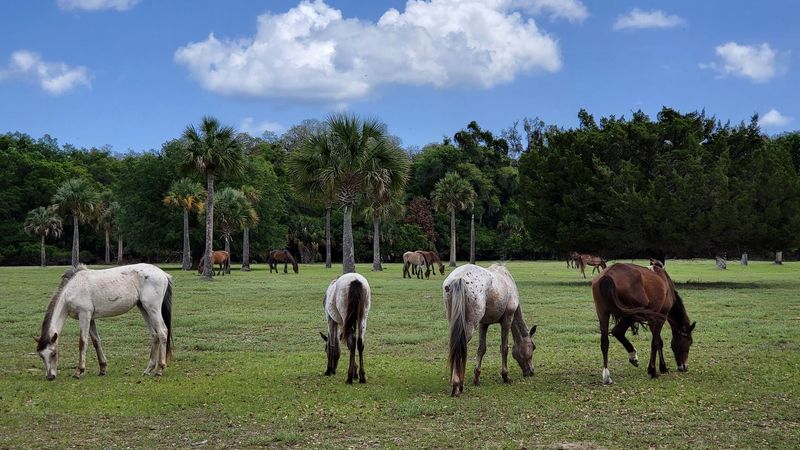
Wild horses on a barrier island with no cars and no chain restaurants. Cumberland Island is basically a fantasy, except it is completely real and sitting just off the Georgia coast.
The feral horses that roam the island descended from horses brought here centuries ago, and they now wander the beaches and forests as if they own the place. They kind of do.
Getting there requires a ferry, which keeps the crowds manageable and the atmosphere genuinely peaceful. The island has ruins of the Carnegie family’s Dungeness mansion, maritime forests draped in Spanish moss, and miles of undeveloped beach.
History and wilderness blend together in a way that feels almost storybook.
Camping is available for those willing to commit to the full experience. There are no stores, no Wi-Fi, and no distractions.
Just horses, sea birds, crumbling ruins, and some of the most untouched shoreline on the entire East Coast. It is wonderfully inconvenient in the best possible way.
Congaree National Park, South Carolina
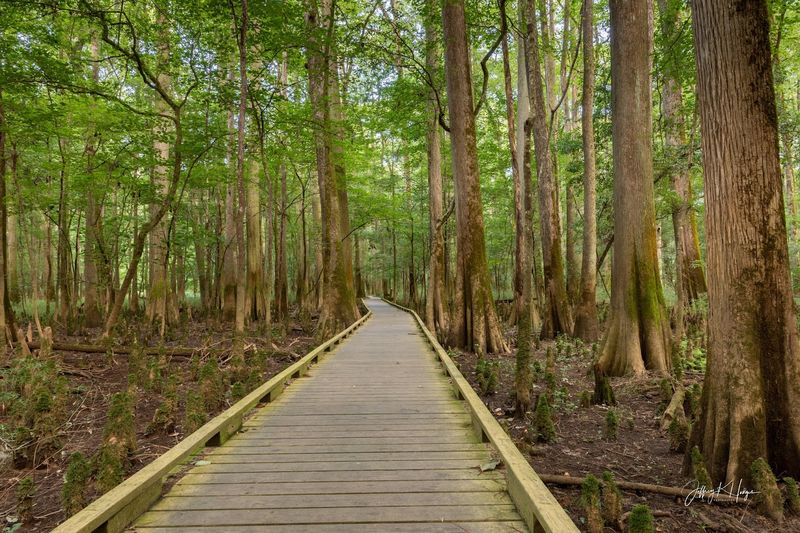
Congaree does not get the credit it deserves, and honestly, that is South Carolina’s best-kept secret. This park protects the largest intact expanse of old-growth bottomland hardwood forest in the southeastern United States.
Some of these trees are so tall they qualify as national champions for their species.
Flooding is actually part of the plan here. The Congaree River regularly overtops its banks, depositing nutrients that keep this forest thriving.
The result is a cathedral of enormous trees rising from a floodplain rich with biodiversity. Bald eagles, river otters, and bobcats all live here, though the park is most famous for its fireflies.
Every spring, synchronous fireflies put on a light show that draws visitors from around the world. Thousands of fireflies blink in coordinated patterns across the forest floor, creating a spectacle that no screen can replicate.
Ranger-led firefly programs book up fast, so plan ahead if you want front-row seats to nature’s best free show.
Channel Islands National Park, California
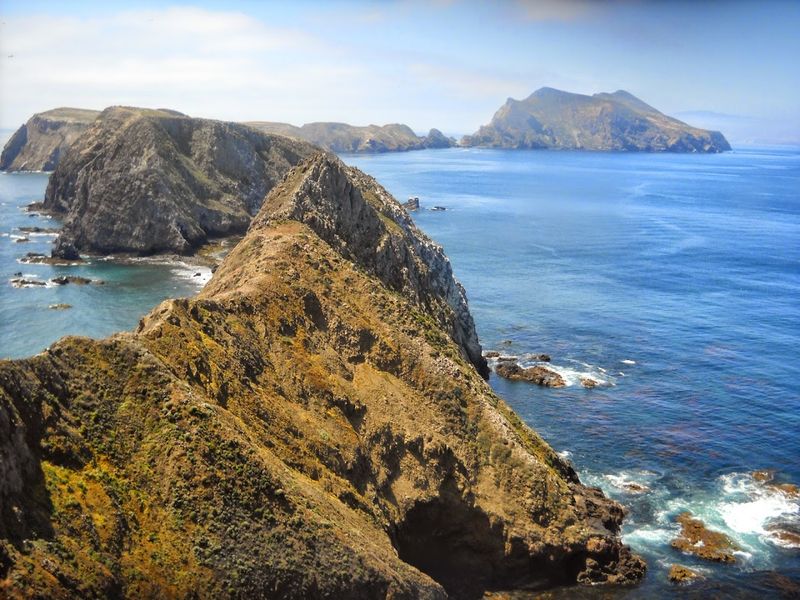
Just 14 miles off the Southern California coast, Channel Islands National Park is shockingly easy to reach and shockingly easy to overlook. Five islands make up the park, each with its own character, trails, and wildlife.
About one-third of Southern California’s kelp forests grow in the park’s surrounding waters, making it a snorkeling and diving destination of serious merit.
Island foxes are the celebrity residents here. These tiny foxes, found nowhere else on Earth, trot around camp with zero fear and maximum charm.
They were once nearly extinct and are now a conservation success story that still feels almost miraculous.
Day trips are easy via ferry from Ventura or Oxnard. Camping overnight on Santa Cruz or Santa Rosa Island puts you in one of the quietest places in California, which is no small achievement.
No cars, no crowds, no noise. Just ocean air, seabirds, and the kind of quiet that reminds you why national parks exist in the first place.
Lassen Volcanic National Park, California
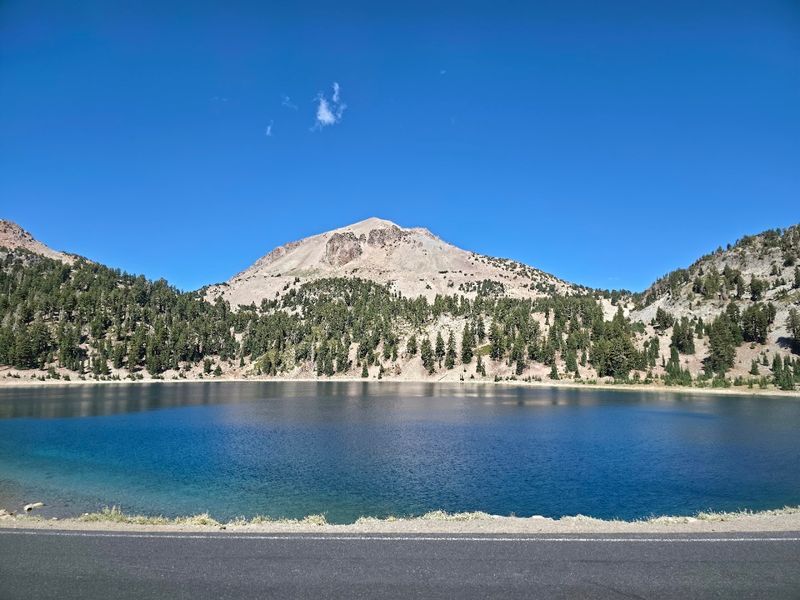
Yellowstone gets all the hydrothermal hype, but Lassen Volcanic National Park has been bubbling away in Northern California without nearly enough recognition. Fumaroles, mud pots, boiling pools, and steaming ground are not rare attractions here.
They are the main event.
Lassen Peak itself last erupted between 1914 and 1917, making it one of the most recently active volcanoes in the contiguous US. The Bumpass Hell hydrothermal area is the largest in the park and is reached via a fairly easy trail that winds past steaming vents and hissing ground.
Stay on the boardwalk, though. The crust is thin and the water below is extremely hot.
The park also offers excellent hiking, clear mountain lakes, and wildflower meadows that peak beautifully in mid-summer. Crowds are modest compared to California’s bigger parks, which means you can actually hear the mud pots gurgling without twenty strangers narrating the experience next to you.
That alone is worth the drive.
Ozark National Scenic Riverways, Missouri
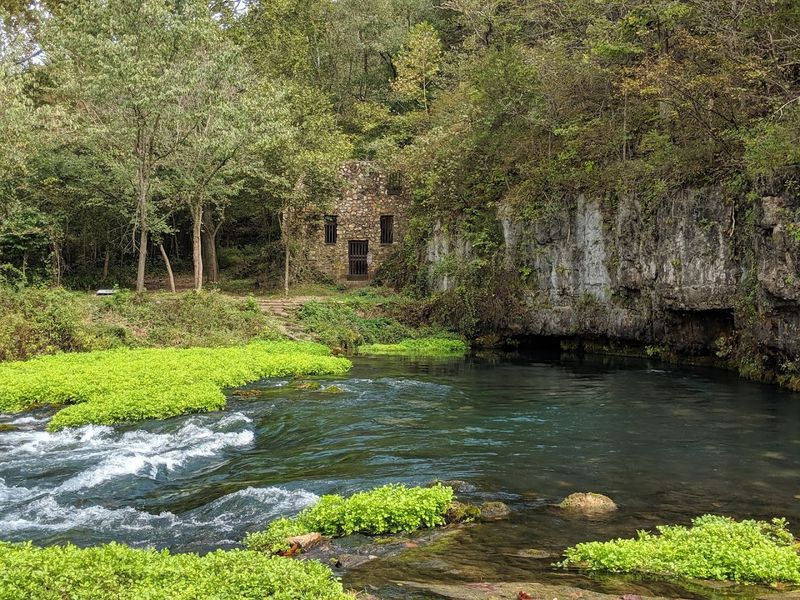
Missouri created something historic in 1964 when Ozark National Scenic Riverways became the first national park area established specifically to protect a free-flowing river system. The Current and Jacks Fork rivers are the stars, fed by enormous natural springs that pump millions of gallons of crystal-clear water daily.
Float trips here are legendary among Midwesterners who know better than to keep this secret. Renting a canoe or kayak and drifting downstream past bluffs, gravel bars, and forested hills is one of the most peaceful ways to spend a summer weekend in America.
Alley Mill, a historic grist mill tucked along Alley Spring, looks like it belongs on a postcard.
Caves, trails, and swimming holes round out the experience. The spring water stays around 57 degrees year-round, which is refreshing in July and absolutely bracing in October.
Either way, jumping into a natural spring-fed river on a hot Ozark afternoon is a tradition worth starting immediately.
Sawtooth National Recreation Area (Redfish Lake), Idaho
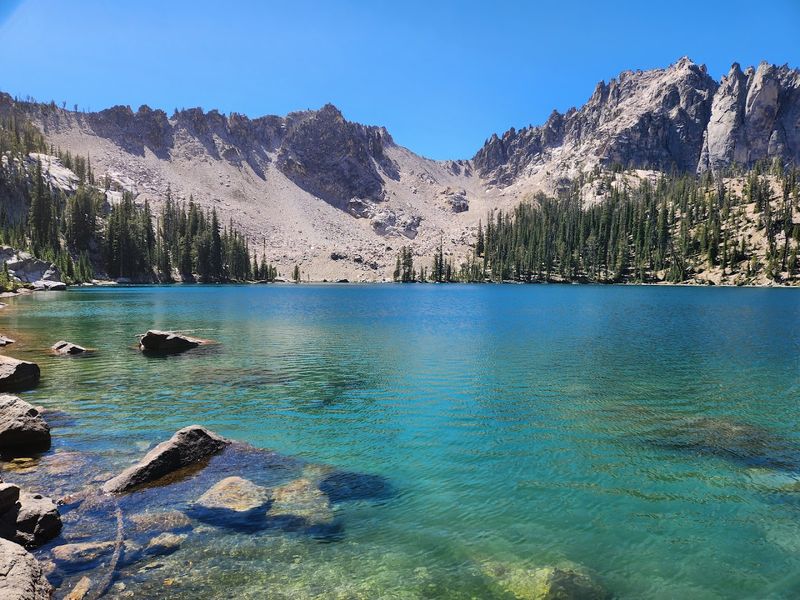
The Sawtooth Mountains in Idaho look like someone turned the difficulty setting all the way up on scenic landscapes. Redfish Lake sits at the foot of these jagged peaks, reflecting them so perfectly in its blue water that photos look almost too good to be real.
The US Forest Service notes that Redfish sits at the headwaters of the Salmon River, adding ecological importance to its already obvious visual appeal.
Hiking options range from easy lakeside strolls to multi-day backcountry routes into the wilderness. Kayaking, paddleboarding, and fishing keep the lake itself busy throughout summer.
A historic lodge on the shore has been welcoming visitors since the 1920s, giving the whole place a charming, timeless quality.
Fall is criminally underrated here. When the aspens turn gold against those granite peaks and the summer crowds thin out, Redfish Lake becomes one of the most beautiful places in the American West.
I will die on this hill. Preferably a Sawtooth one.
Sleeping Bear Dunes National Lakeshore, Michigan
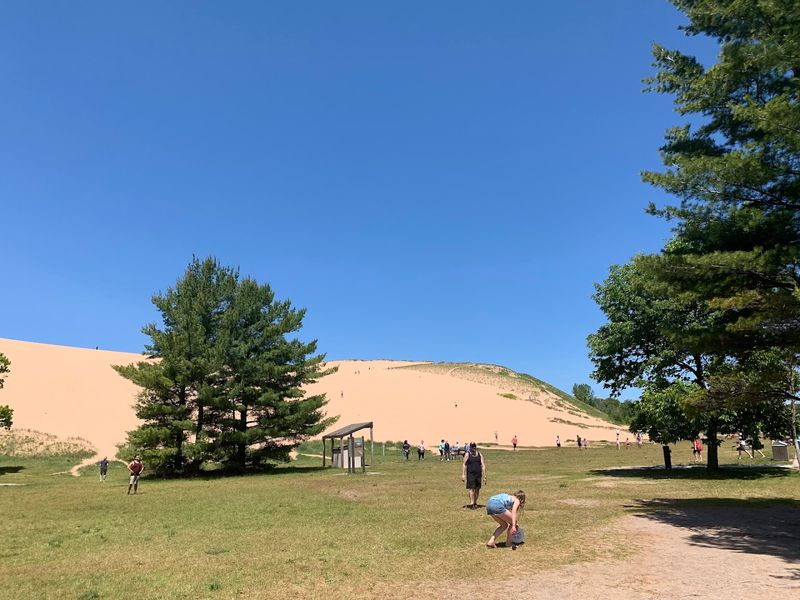
Good Morning America once voted Sleeping Bear Dunes the most beautiful place in America, and the locals have been quietly smug about it ever since. The dunes here rise 450 feet above Lake Michigan, offering views of the Manitou Islands and a stretch of blue water that genuinely does not look like it belongs in the Midwest.
The Dune Climb is the park’s most famous feature. Visitors scramble up a steep sand slope, and the ones who make it to the top discover a breathtaking panorama over Lake Michigan.
The ones who forget that going down is harder than going up learn a valuable lesson in sand physics.
Beyond the dunes, the park includes 35 miles of shoreline, inland lakes, forests, and two historic lighthouses. The Pierce Stocking Scenic Drive is a relaxed way to hit the highlights if steep sand climbs are not your thing.
Either way, Michigan has been quietly harboring one of the country’s best lakescapes for years.
Craters of the Moon National Monument & Preserve, Idaho
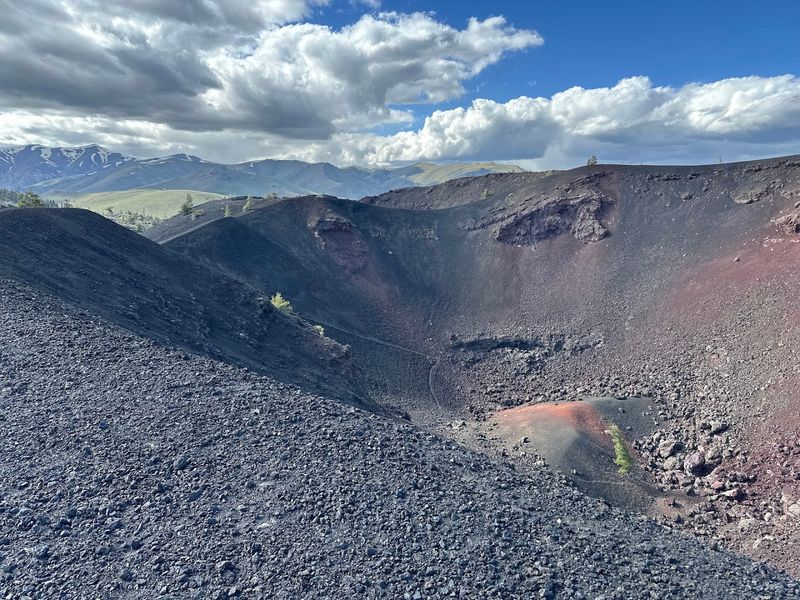
NASA actually trained Apollo astronauts here in the 1960s, which tells you everything you need to know about how otherworldly Craters of the Moon looks. The NPS describes it as an ocean of lava, and that is not an exaggeration.
Black lava flows, cinder cones, and spatter cones stretch across the southern Idaho plain in a landscape that looks borrowed from another planet.
A scenic loop drive winds through the monument, with short hikes branching off to lava tube caves, cinder cone summits, and fields of volcanic bombs. Yes, volcanic bombs are a real geological feature, and yes, they look exactly as dramatic as that name suggests.
Visiting in summer means scorching heat radiating off black lava rock, so early morning starts are smart. The monument is also designated an International Dark Sky Reserve, making nighttime visits spectacular.
Stargazing above a moonscape while standing in an ancient lava field is the kind of experience that sounds made up but absolutely is not.
Chiricahua National Monument, Arizona
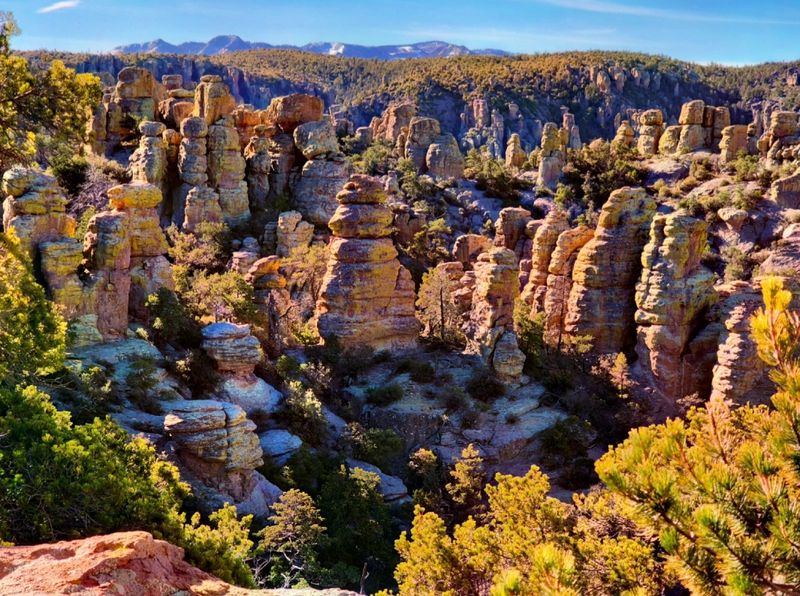
Chiricahua National Monument looks like a giant had a very productive afternoon stacking rocks and then walked away. Rhyolite pinnacles rise hundreds of feet from forested hillsides, some balanced on impossibly narrow bases that defy every instinct about how rocks are supposed to work.
The Apache called this place the Land of Standing-Up Rocks, which is both accurate and delightful.
The trail network here is genuinely excellent. The Heart of Rocks loop winds past the park’s most dramatic formations, including balanced rocks with names like Punch and Judy and Duck on a Rock.
Every bend in the trail delivers another formation that makes you stop, stare, and reconsider your understanding of geology.
Wildlife in the Chiricahua Mountains is exceptional. The area sits at the intersection of several ecological zones, making it one of the best birding spots in the country.
Coatimundis, white-tailed deer, and even jaguars have been spotted in the surrounding wilderness. Not a bad neighborhood for a monument most Americans have never heard of.
Watkins Glen State Park, New York
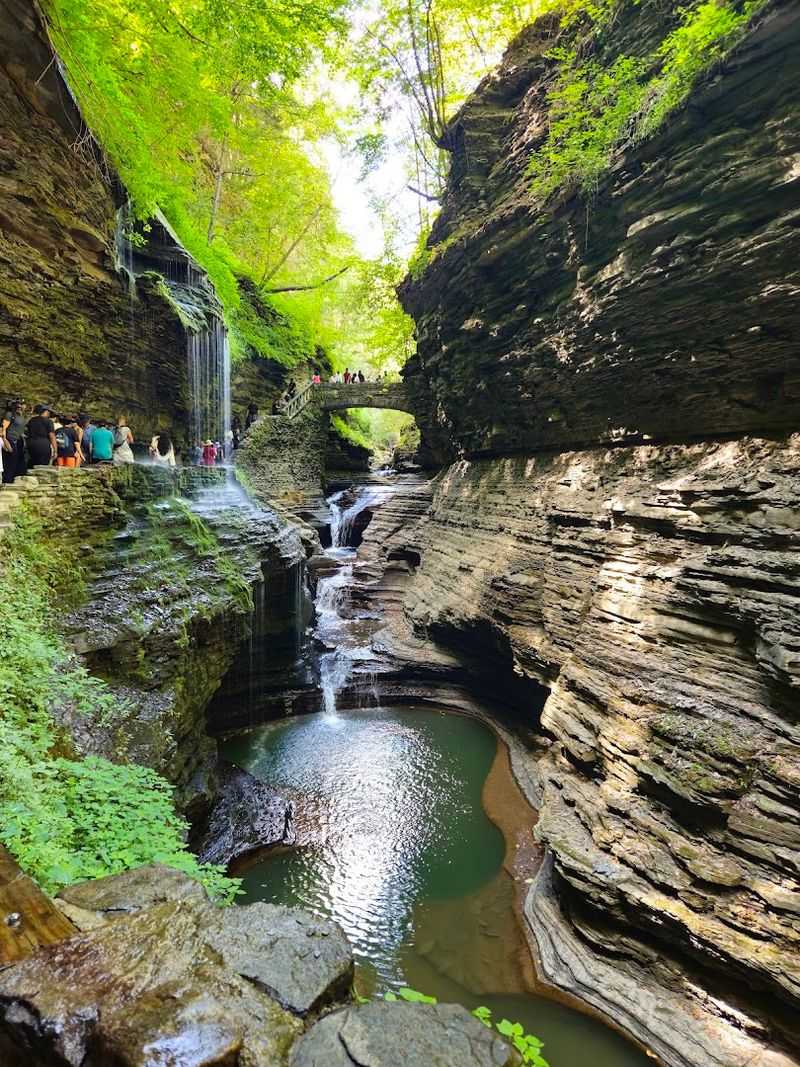
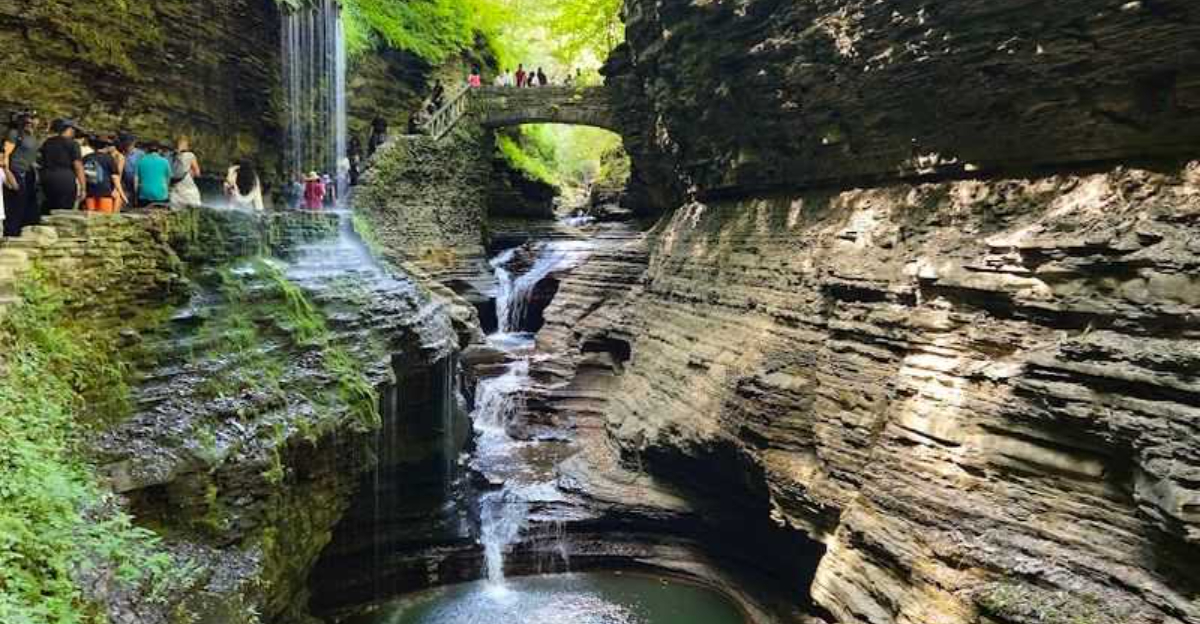
Nineteen waterfalls in less than two miles of trail is not a bad deal by any measure. Watkins Glen State Park in the Finger Lakes region of New York packs an almost unreasonable amount of geological drama into a very compact gorge.
The stream drops past 200-foot cliffs, carving pools and cascades that photographers absolutely lose their minds over.
The Gorge Trail is the main attraction, passing behind and beside waterfalls along stone pathways that were hand-carved in the early 1900s. Walking through the gorge feels like exploring a natural cathedral, with moss-covered walls rising on both sides and water echoing off the stone.
It earns its reputation every single visit.
The surrounding Finger Lakes region adds serious bonus appeal. World-class wineries, charming small towns, and Seneca Lake are all within easy reach.
Watkins Glen itself hosts a famous NASCAR race each summer, so the town knows how to handle both speed and scenery. Pack a rain jacket for the gorge.
You will get misted, and you will not regret it.
Big Bend Ranch State Park, Texas
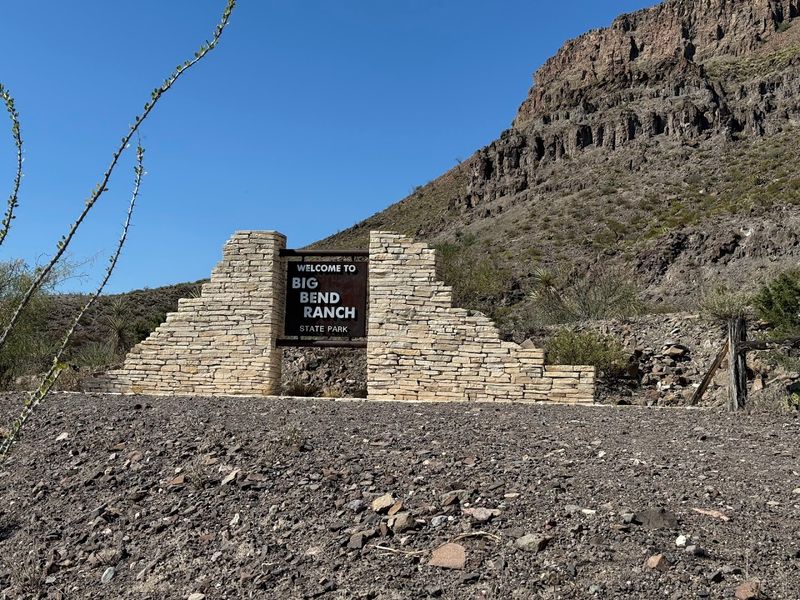
Texas Parks and Wildlife calls Big Bend Ranch the biggest state park in Texas, which in Texas means something significant. This place covers over 300,000 acres of Chihuahuan Desert along the Rio Grande, with mountain ranges, volcanic canyons, and stretches of solitude so deep you can practically hear your own thoughts echoing.
The roads here are not for the faint of heart or the low-clearance sedan. Much of the park requires a high-clearance vehicle or serious hiking legs to access.
That barrier keeps the crowds thin and the experience genuinely remote. Reaching the Fresno Canyon or the Solitario volcanic caldera feels earned in a way that crowded overlooks simply never do.
Night skies are the headline attraction after dark. The park sits in one of the least light-polluted regions in the continental US, and the stars here are staggering.
Texas has a reputation for doing everything bigger, and Big Bend Ranch delivers on that promise in the quietest, most spectacular way possible.



