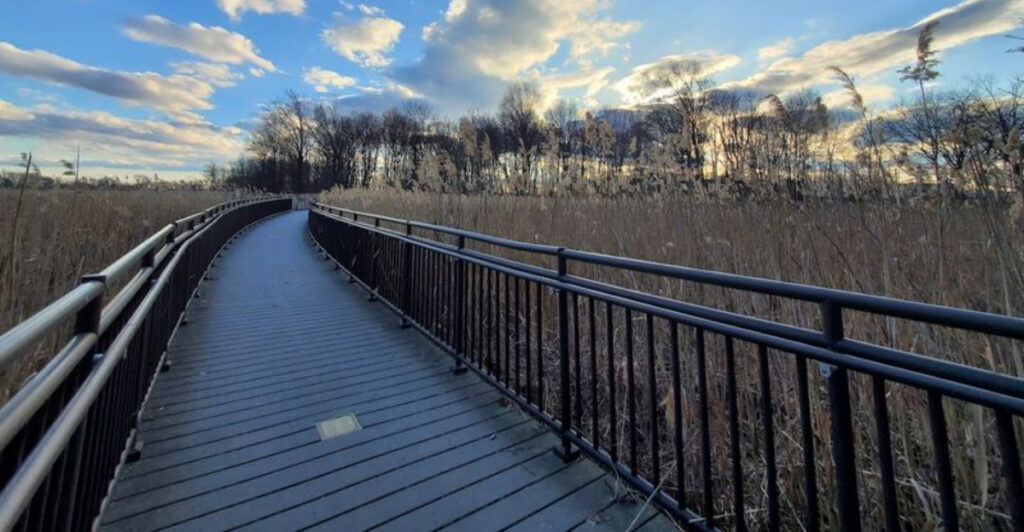
New Jersey is not the first place most people think of when planning a nature walk, but tucked inside the industrial city of Linden is a trail that genuinely surprises first-time visitors. A former landfill that closed in 2000 has been transformed into a functioning wildlife sanctuary, complete with marshes, forested paths, and over 200 documented bird species.
The trail is short, well-marked, and free to enter, making it an easy outing for families, bird enthusiasts, and anyone who needs a break from the concrete. What makes this spot truly stand out is not just the wildlife, but the story behind how it got here in the first place.
Where the Trail Actually Begins
The address is 1811 Lower Rd, Linden, NJ 07036, and getting there is an experience in itself. The road leading to the sanctuary runs through a heavily industrial stretch of Linden, flanked by massive petroleum tanks, steel pipelines, and the constant hum of freight traffic.
Drivers often do a double take when they first spot the sanctuary sign at the end of that industrial corridor. It genuinely looks out of place, and that contrast is part of what makes arriving here so memorable.
A small parking area greets visitors on the left side of the road. The lot is modest, but the trailhead is clearly marked with signage that introduces the park and its background.
The sanctuary is open every day from 6 AM to 9 PM, giving early risers and evening walkers plenty of flexibility. No entry fee is required, which makes planning a spontaneous visit completely stress-free.
A Landfill That Became a Living Ecosystem
The land beneath Hawk Rise Sanctuary has a complicated past that most visitors would never guess just by walking the trail. The site operated as a landfill for decades, accepting municipal waste and becoming a known location for chemical dumping over the years.
Linden accumulated nearly one million dollars in fines from New Jersey’s environmental protection agency due to violations connected to this property. The landfill was set to close in 1982 but continued accepting waste until the year 2000.
As part of a legal settlement, the city agreed to convert the contaminated land into a public green space. The sanctuary officially opened in 2012, and informational signs along the trail explain the history of landfills and ecological recovery for anyone curious enough to stop and read them.
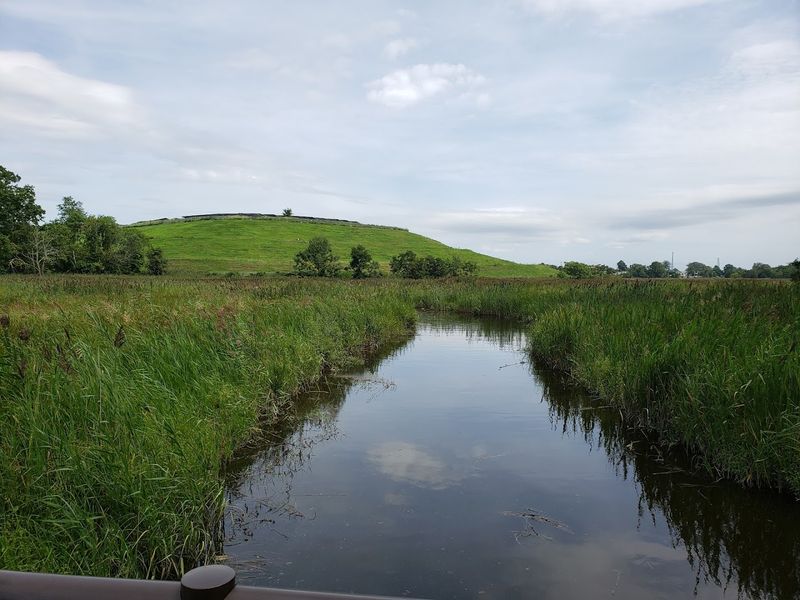
The large mound visible from the trail is not a natural hill. It is a compacted mass of decades of waste, now covered in grass and slowly returning to a more natural state.
The Loop Trail and What to Expect Underfoot
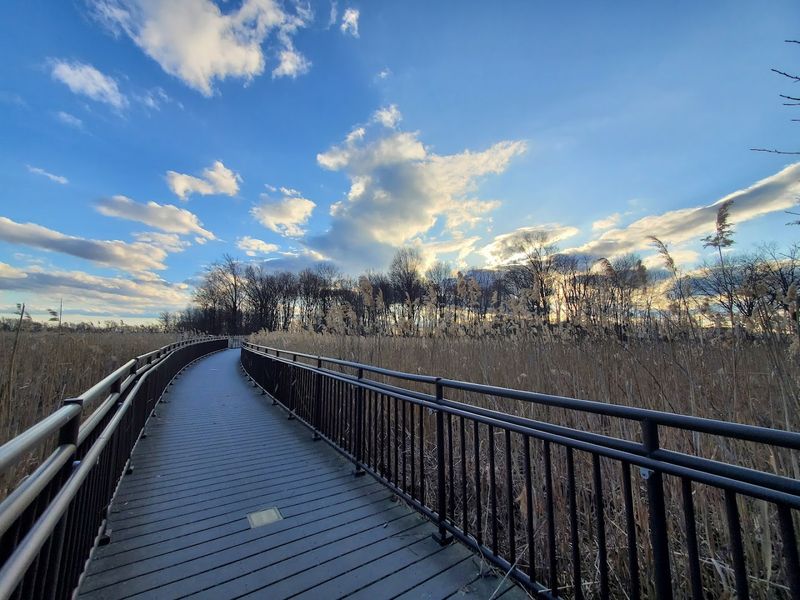
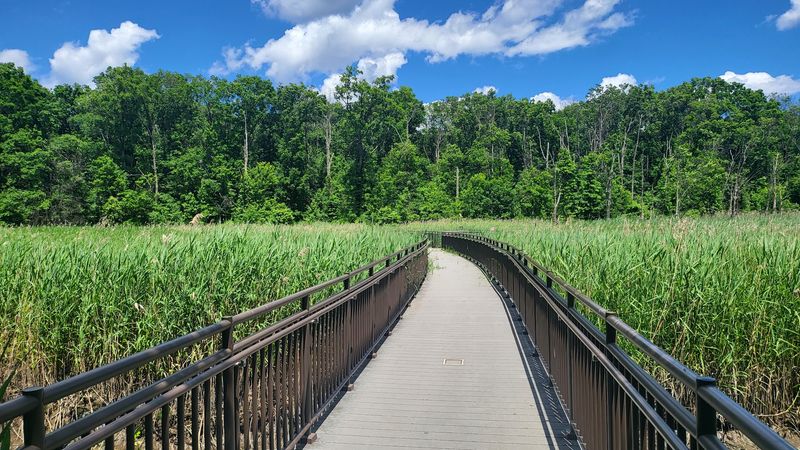
The main trail at Hawk Rise Sanctuary follows a loop format, which means hikers can start from either direction and still complete a full circuit back to the parking area. The total distance of the loop runs approximately one mile, making it manageable for most fitness levels.
The path is clearly marked and easy to follow, with benches placed at intervals along the route. Wooden signs and educational displays are scattered throughout, adding context to the plant life and ecosystems visible from the trail.
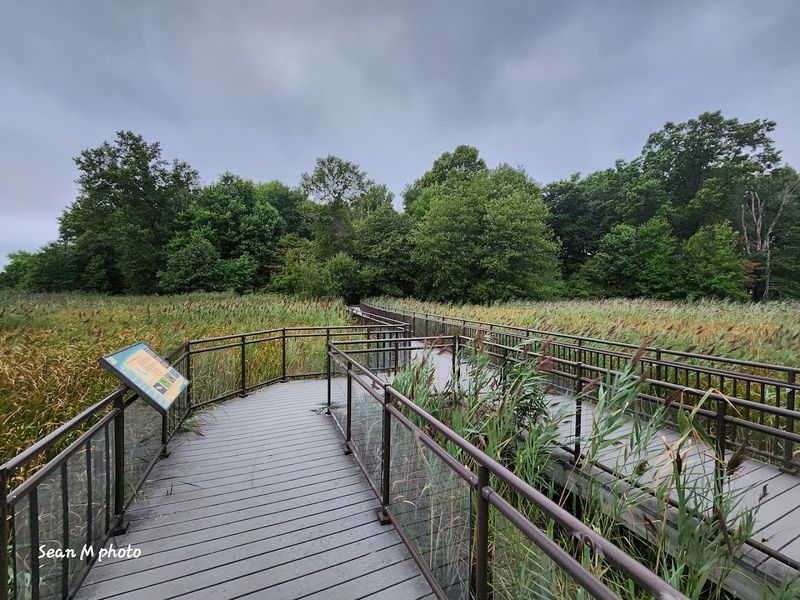
A secondary spur path branches off near the midpoint of the loop and leads down to an observatory-style overlook. From that platform, the wetlands open up into a broader view of the marsh channels and a distant pond that regularly attracts wading birds.
The trail surface transitions between packed dirt, gravel sections, and some softer ground near the wetland edges, so wearing sturdy footwear makes the walk more comfortable regardless of recent weather conditions.
Over 200 Bird Species and Counting
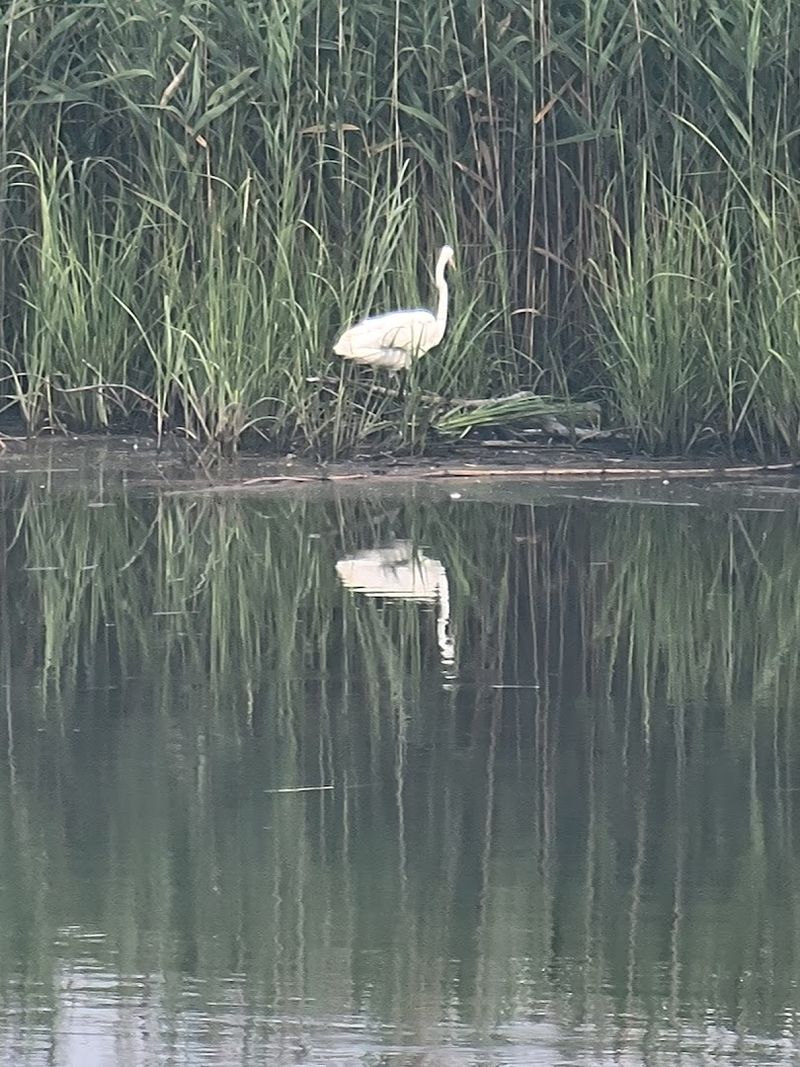
Bird watching is the main draw at Hawk Rise Sanctuary, and the numbers back that up. More than 200 bird species have been documented within the sanctuary’s boundaries, a figure that consistently surprises people who assume urban New Jersey has little to offer wildlife enthusiasts.
The marsh and wetland habitat makes the sanctuary a reliable stopover point for migratory birds moving along the Atlantic Flyway each spring and fall. Shorebirds, waterfowl, raptors, and songbirds all pass through at different points in the year.
Early morning visits tend to yield the highest activity, with bird calls audible throughout the forested sections of the trail before the surrounding industrial noise picks up for the day. The observatory overlook is a particularly productive spot, where large wading birds can often be spotted hunting along the marsh edges.
Photographers who bring long telephoto lenses have the best chance of capturing clear shots, as many birds stay close to the water and reeds rather than approaching the trail directly.
Wildlife Beyond the Birds

The bird life may be the headline attraction, but Hawk Rise Sanctuary supports a wider range of wildlife than most first-time visitors expect. Deer sightings are common throughout the trail, and groups of them have been spotted grazing near the marsh edges even during short visits.
Foxes, raccoons, and chipmunks also move through the property with regularity. Multiple accounts describe spotting several different animal species within the span of a single fifteen-minute walk, which speaks to how active the wildlife population remains despite the industrial surroundings.
The marsh itself supports a variety of aquatic life, and the plant diversity along the trail edges creates layered habitat for smaller animals and insects. Informational exhibits installed along the path explain how different species use the wetland ecosystem throughout the seasons.
Bug spray is worth bringing along during warmer months, as the marsh environment supports a healthy insect population that can make the walk less enjoyable without some basic preparation before heading out.
The Observation Deck Worth the Detour
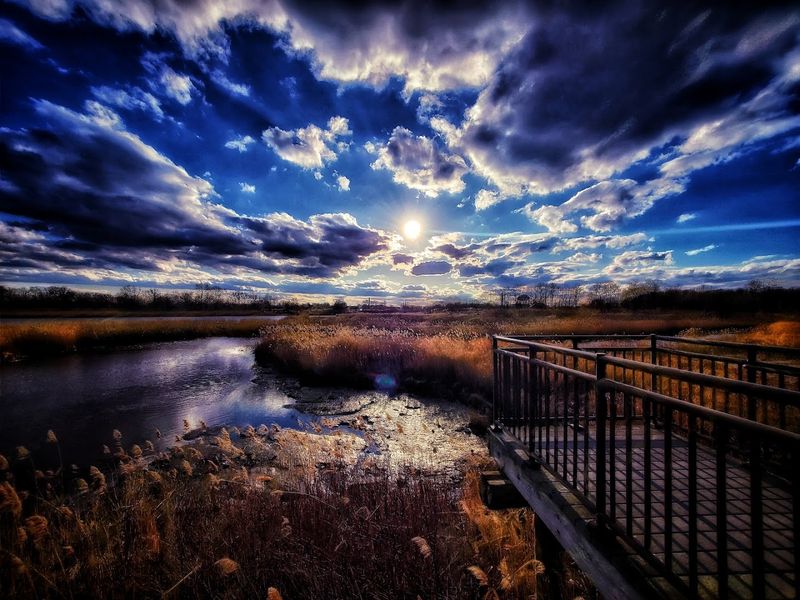
About halfway through the loop, a side path breaks off from the main trail and descends toward a raised observation platform positioned over the wetlands. This detour adds only a few minutes to the overall walk but delivers one of the most rewarding views on the property.
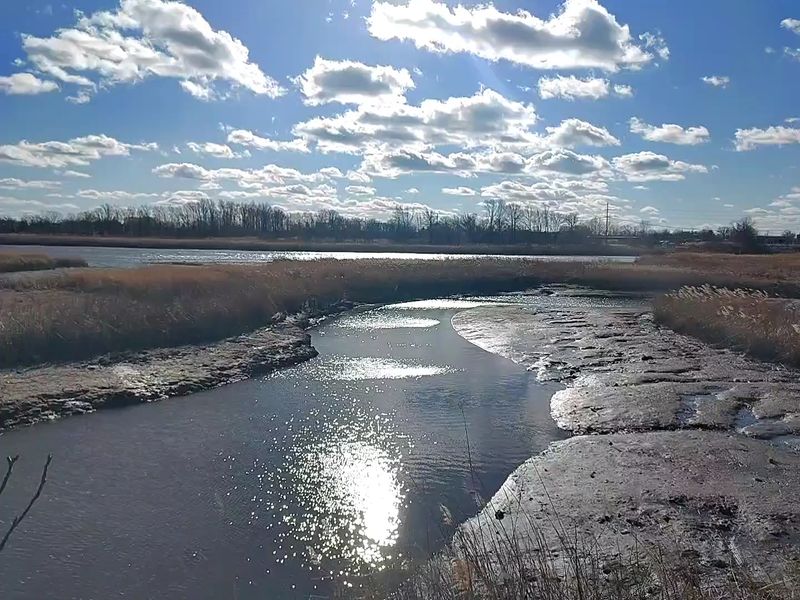
From the deck, the marsh spreads out in multiple directions, with water channels cutting through stands of reeds and grasses. Large birds, including herons and egrets, have been regularly observed from this spot, hunting along the shallow edges of the pond visible in the distance.
Bird watchers with serious equipment, including tripods and telescopic camera lenses, frequently set up at the platform during peak migration periods. The open sightlines make it far easier to track birds in flight compared to the forested sections of the main loop.
Even on days when bird activity is slower, the view from the deck provides a clear illustration of how thoroughly the former landfill has been reclaimed by wetland vegetation and wildlife over the past decade.
Best Times of Year to Visit
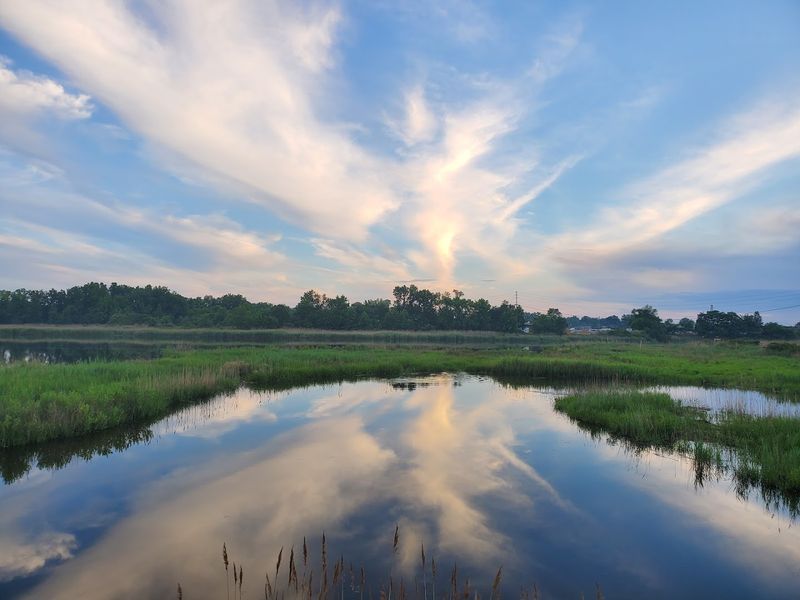
Spring and summer are widely considered the most rewarding seasons for a visit to Hawk Rise Sanctuary. The vegetation is at its fullest, bird activity peaks during spring migration, and the marsh ecosystem comes alive with movement from multiple species at once.
Late fall visits offer a noticeably different experience, with much of the foliage gone and bird diversity reduced compared to warmer months. The trail remains walkable through the colder seasons, but the overall wildlife activity slows considerably once temperatures drop.
Early mornings during spring and early summer produce the highest concentration of bird calls and active wildlife throughout the trail. Arriving close to the 6 AM opening time on a weekday tends to mean fewer other visitors and a quieter atmosphere overall.
Mid-spring, roughly April through early June, tends to be the sweet spot for combining good weather, peak bird diversity, and manageable insect levels before the heat of summer brings out the full marsh bug population in force.
The Industrial Backdrop You Cannot Ignore
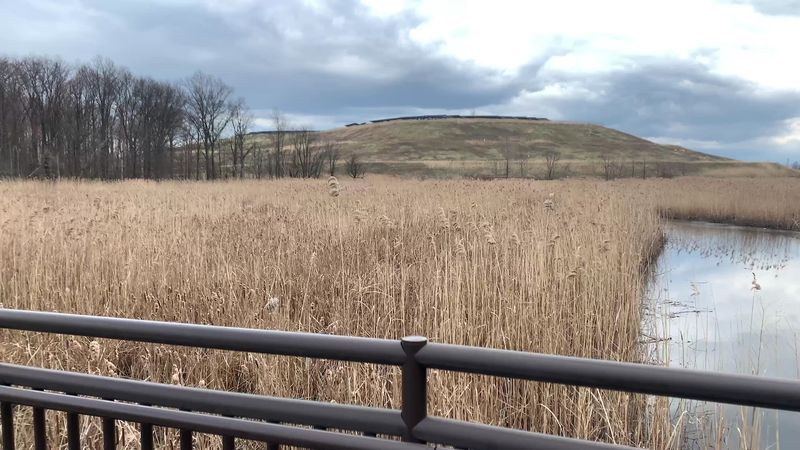
Hawk Rise Sanctuary does not pretend to exist in a vacuum. The surrounding industrial landscape is visible and audible from multiple points along the trail, and that contrast is something every visitor should be prepared for before they arrive.
Petroleum storage tanks ring the perimeter of the property, and the smell of industrial operations occasionally drifts across the trail depending on wind direction. The sounds of machinery, distant highway traffic from Route 1, and overhead aircraft are all part of the ambient backdrop.
A nearby police shooting range adds another layer of noise that can be heard from within the sanctuary on active training days, which some visitors find disruptive to the otherwise natural atmosphere of the walk.
Despite all of that, the wildlife has adapted and the ecosystem has taken hold. The coexistence of a functioning marsh habitat directly alongside active industrial infrastructure is genuinely unusual, and for many people, that tension makes the sanctuary more interesting rather than less worth visiting.
A Story of Environmental Redemption
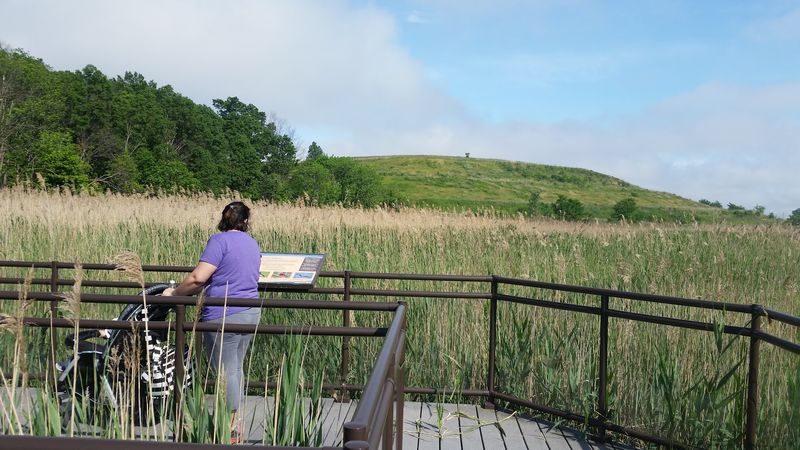
The educational signage installed throughout the trail does more than label plant species. Several displays walk visitors through the history of landfill management, the environmental impact of chemical dumping, and the process of ecological restoration that has taken place on this specific site since 2012.
Linden’s decision to transform a fined and shuttered landfill into a public green space reflects a broader trend of post-industrial land reclamation that has gained traction across New Jersey and the wider northeast region over the past two decades.
The sanctuary serves as a tangible example of what a contaminated site can become when consistent restoration work and natural regeneration are given enough time. Wetland plants, migratory birds, and resident mammals have all returned to a location that was once described locally as Cancer Alley.
That history gives the trail a dimension that purely natural parks do not have. Walking through Hawk Rise is not just a nature walk but also a visible record of environmental recovery playing out across a single square mile of urban New Jersey.
Trail Conditions and Practical Visitor Tips
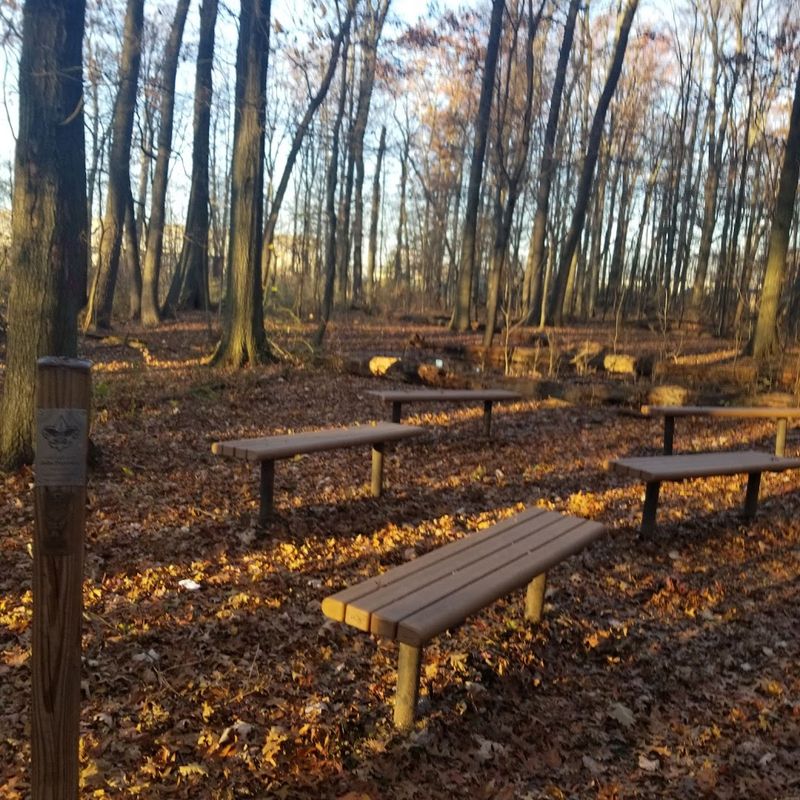
The trail at Hawk Rise Sanctuary is generally easy to navigate, but conditions can vary depending on recent rainfall and the time of year. The sections closest to the marsh tend to hold moisture longer, and some trail edges become soft after heavy rain, so boots with decent grip are a practical choice over casual sneakers.
Benches are positioned at several points along the loop, though their condition has been noted as inconsistent, with some showing signs of wear. Carrying a water bottle is advisable since there are no water fountains or restroom facilities currently available on the property.
Dogs are not permitted within the sanctuary, a rule that is posted clearly at the entrance. Bug spray is strongly recommended during the spring and summer months when the marsh environment generates significant insect activity along the trail.
Litter has been noted as an occasional issue near the parking area and along parts of the path, so bringing a small bag to pack out any personal waste is a good habit when visiting this location.
Photography Opportunities Along the Path
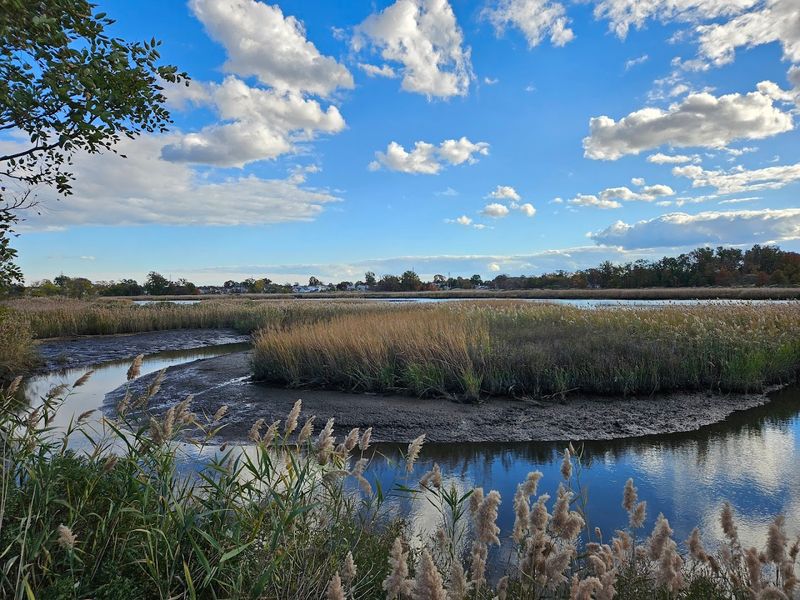
Hawk Rise Sanctuary attracts a steady stream of nature photographers, particularly those focused on birds and wetland landscapes. The observation deck at the mid-loop spur is the most popular spot for setting up equipment, offering unobstructed views across open water toward the distant pond.
Getting clean shots of the birds requires patience and a telephoto lens, as most species stay near the water and reed beds rather than approaching the trail. The background in many shots will include industrial elements, which some photographers embrace as part of the location’s unique visual identity.
Early morning light during spring and summer provides the most active bird behavior and the best natural lighting conditions before industrial haze builds up later in the day. Overcast days can also work well for reducing harsh shadows across the marsh surface.
The forested sections of the loop offer opportunities for woodland bird photography, though the dense vegetation makes clear sightlines harder to find compared to the open marsh areas near the observation platform.
What Makes This Place Worth Returning To
Repeat visits to Hawk Rise Sanctuary tend to reveal something new each time, which is part of the reason the trail builds a loyal following among local nature walkers. The seasonal shifts in bird populations mean that a spring visit and a fall visit deliver noticeably different wildlife experiences along the same loop.
The sanctuary also changes visually as the wetland vegetation cycles through growth and dormancy over the year. The tall grasses and marsh plants that define the landscape in summer look dramatically different by late November, giving the same trail a completely altered appearance across seasons.
For residents of the broader Linden and Union County area, the proximity of a functioning wildlife sanctuary within a heavily developed and industrial part of the state makes it a genuinely valuable local resource. Access is free, the hours are generous, and the trail can be completed comfortably in under an hour.
Not many places in New Jersey pack this much ecological history, active wildlife, and accessible trail into a single square mile of reclaimed urban land.
Closing Thoughts on a Surprising Urban Trail
Hawk Rise Sanctuary does not fit the typical profile of a celebrated hiking destination. There are no dramatic elevation changes, no sweeping mountain views, and no gift shop at the end of the trail.
What it offers instead is something harder to find in northern New Jersey: a functioning, wildlife-rich natural space built on the ruins of a problematic industrial past.
The story of the former landfill being converted into a marsh sanctuary through environmental enforcement and community investment is worth knowing before the first visit. That background transforms a short walk into something more layered and thought-provoking than the trail length alone would suggest.
Over 200 bird species, active mammal populations, a wetland observation deck, and free daily access combine to make this one of the more underappreciated outdoor destinations in the state. The industrial backdrop is real, the noise is real, and the wildlife thriving in spite of both is equally real.
Hawk Rise Sanctuary earns its place on any list of overlooked New Jersey trails worth exploring at least once, and more likely, more than once.
Share this story