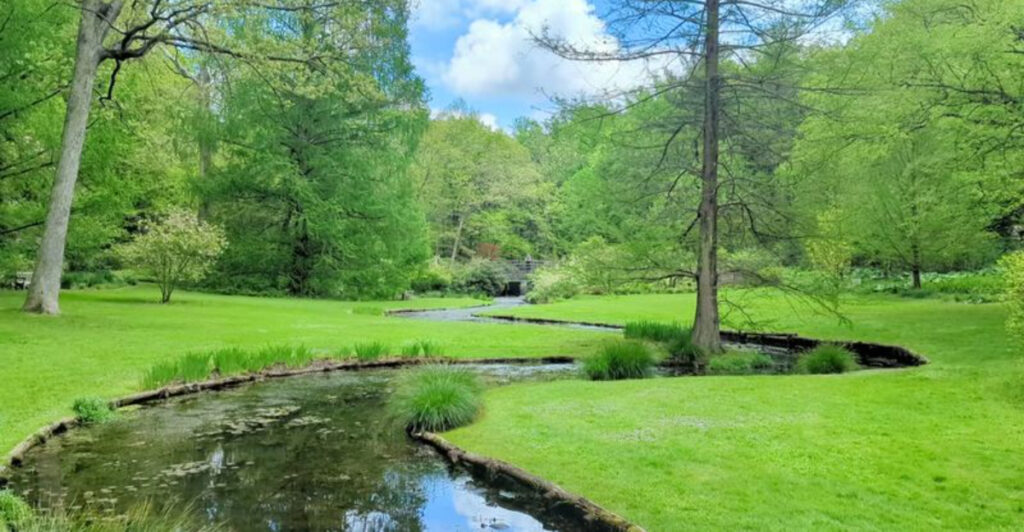
Most people drive through Far Hills, New Jersey without ever suspecting that a remarkable natural area is hiding just off the road. Tucked within the rolling hills of Somerset County, this area is one of those rare places that feels completely removed from the surrounding suburban world.
The Leonard J. Buck Garden, which sits inside this preserve, has drawn quiet admirers for decades, yet the broader natural area surrounding it remains largely unknown to the general public.
Rock outcroppings, woodland trails, and a creek-carved valley make this spot genuinely worth the trip. Whether you are a casual walker, a plant enthusiast, or someone who simply wants to spend time outdoors without battling crowds, this place delivers something that is hard to find anywhere else in New Jersey.
Keep reading to find out exactly what makes Moggy Hollow so special and why it deserves a spot on your next weekend outing.
The Story Behind Leonard J. Buck Garden
Leonard J. Buck was a mining engineer and naturalist who, in the 1930s, began transforming a glacially carved valley on his Far Hills estate into something unlike anything else in the region.
His vision was not a formal European garden with trimmed hedges and symmetrical beds.
Instead, Buck worked with landscape designer Zenon Schreiber to create a naturalistic rock garden that followed the contours of the land itself. Large rock outcroppings, many left in place exactly as glaciers deposited them thousands of years ago, became the framework for planting native and alpine species.
After Buck’s passing, his wife Helen continued to care for the garden before eventually donating the property to Somerset County. The county has maintained it ever since as both a public garden and a protected natural space.
That history gives the garden a layered quality that purely designed public parks rarely achieve, since every stone and plant placement carries a decision made long ago.
What Makes the Rock Garden So Remarkable
Rock gardens often bring to mind small decorative arrangements near a front porch. The rock garden at Leonard J.
Buck is nothing like that.
The outcroppings here are massive, some rising several feet above the forest floor, and they were shaped by glacial activity during the last ice age. The result is a landscape that looks both ancient and intentionally curated at the same time, because in a sense it is both.
Plants tuck themselves into crevices between boulders in a way that looks completely natural, even though many of them were carefully chosen and placed by human hands decades ago. Ferns, mosses, and woodland wildflowers fill the spaces between rocks, creating layers of green at every height.
What sets this garden apart from more conventional parks is the way geology and horticulture work together. The rocks are not decoration added to the garden; the garden was built around the rocks, which is a meaningful distinction that shapes every part of the experience.
The Moggy Hollow Stream and Valley
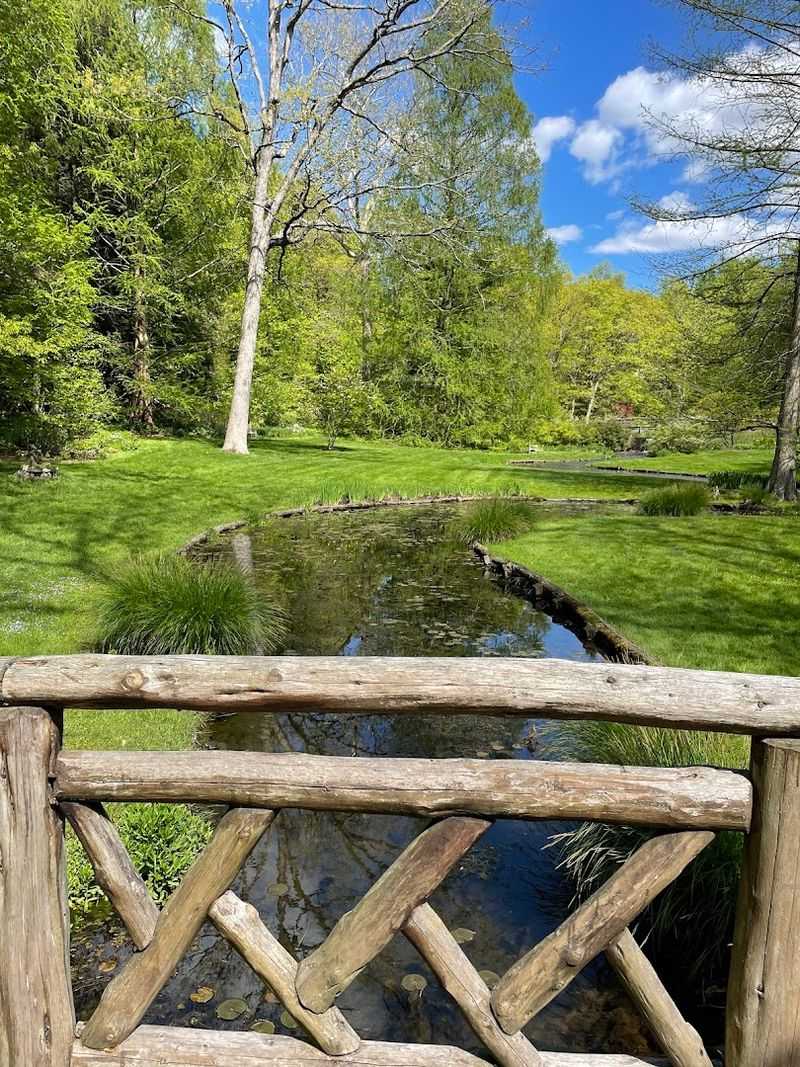
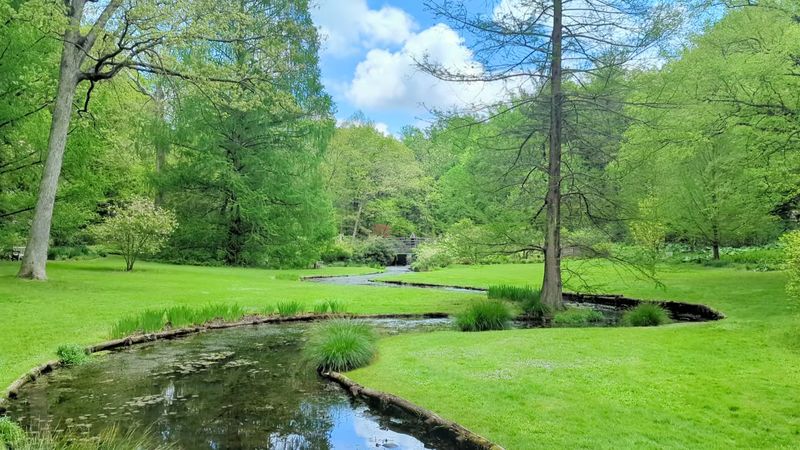
A stream runs through Moggy Hollow, and it is responsible for much of the character the valley holds today. Over thousands of years, water carved the narrow ravine that gives the preserve its distinctive topography.
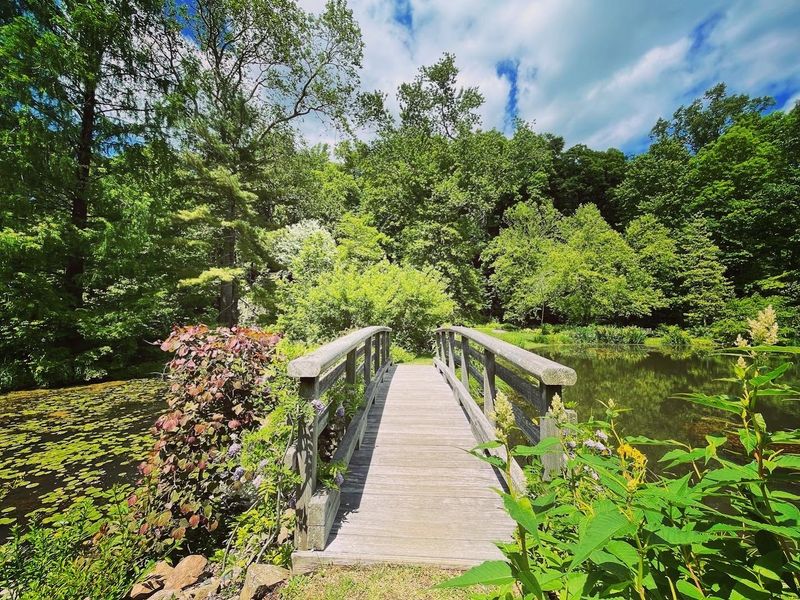
The stream is not dramatic in the way that waterfalls or wide rivers are dramatic, but it is consistently present throughout the lower sections of the preserve, and its movement gives the landscape a kind of quiet energy. Bridges and stepping stones allow walkers to cross at various points without getting their feet wet.
The valley formed by the stream creates natural shade and moisture conditions that support plant species not commonly found on the drier upland areas nearby. That ecological variety is one of the reasons the preserve supports such a wide range of flora within a relatively compact area.
Following the stream path is one of the most rewarding ways to explore Moggy Hollow, since the terrain shifts noticeably as you move between the sunny ridgeline and the shaded valley floor below.
Native Plants and Wildflowers Worth Watching For
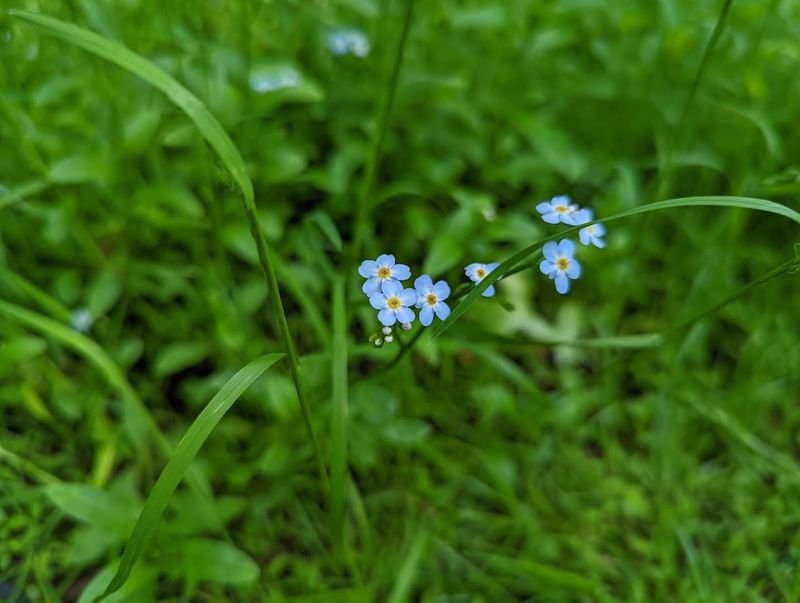
Spring is when Moggy Hollow puts on its most colorful display. Trillium, Virginia bluebells, and other native wildflowers emerge across the forest floor during April and May, turning the shaded ground beneath the tree canopy into something worth a dedicated visit.
The Leonard J. Buck Garden portion of the preserve is particularly well-known for its collection of alpine and rock garden plants, many of which are not native to New Jersey but have been established in the garden over decades.
These plants thrive in the crevices of the rock outcroppings, where drainage and light conditions mimic their original mountain habitats.
Late spring also brings a range of flowering shrubs, including rhododendrons and azaleas, that add splashes of color to the otherwise green and grey woodland palette. Plant enthusiasts who visit during peak bloom often describe it as one of the most concentrated displays of botanical variety available in public green space in the state.
Hiking With Kids at Moggy Hollow
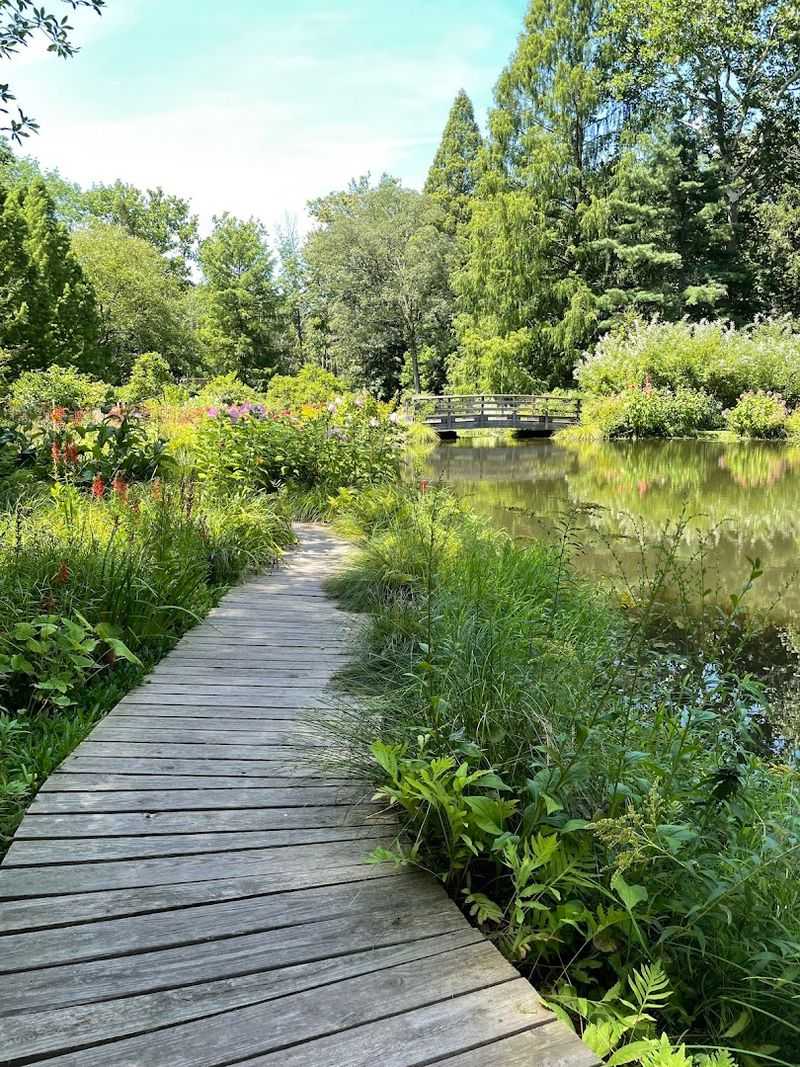
Families with younger children will find Moggy Hollow to be a genuinely good fit for a half-day outdoor adventure. The trails are not technically demanding, and the varied terrain, with rocks to climb around, a stream to watch, and open meadow sections to run through, keeps younger hikers engaged without requiring adult-level endurance.
The rock outcroppings are particularly popular with kids, who tend to treat them as natural jungle gyms. The preserve is maintained as a natural area, so there are no guardrails or roped-off zones around the rocks, which means children can explore freely while adults keep a casual eye on things.
The trail distances are manageable for most ages, and the loop options allow families to adjust the length of their walk depending on energy levels on any given day. Bringing water and wearing sturdy shoes are the two most practical pieces of advice for anyone planning a family outing here, especially on uneven terrain near the stream.
What to Know Before You Go
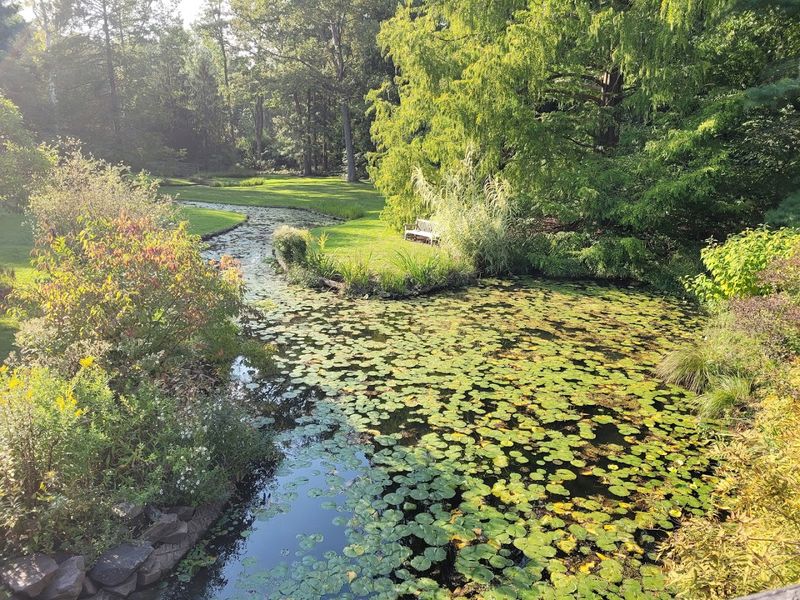
A few practical details will make your visit to Moggy Hollow go more smoothly. The Leonard J.
Buck Garden section of the preserve has defined hours and is typically open during daylight hours on days when Somerset County parks are operating.
There is no admission fee to enter the garden or the broader natural area, which makes it one of the better free outdoor destinations in the county. Parking is available on site, though the lot is not large, so arriving earlier in the day on weekends during spring and fall is a smart move.
Dogs are generally welcome on the trails when kept on leash, but it is always worth checking current Somerset County Park Commission guidelines before visiting, since rules can be updated seasonally. Restroom facilities are available near the garden entrance during operating hours.
Cell reception in the valley can be limited, so downloading a trail map or taking a screenshot before you arrive is a small but useful step that prevents unnecessary confusion once you are on the ground.
The Best Seasons to Experience the Preserve
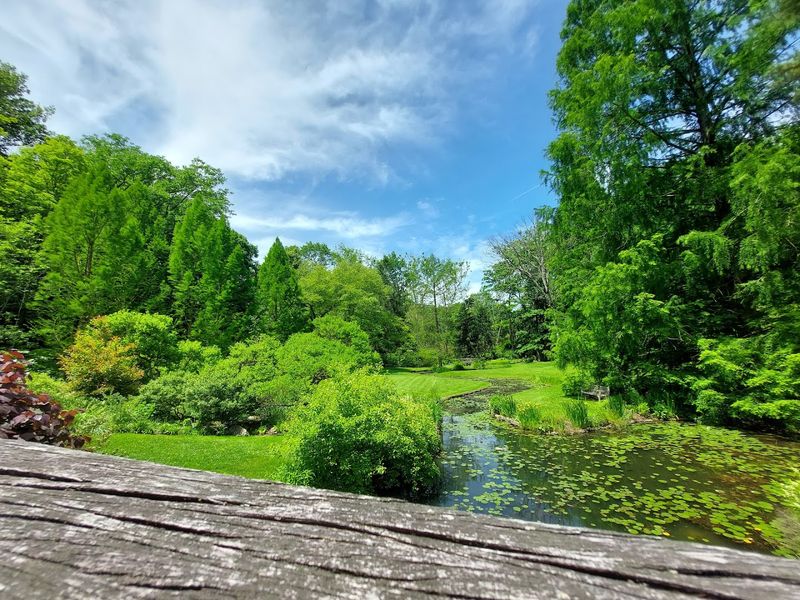
Every season brings something different to Moggy Hollow, and the argument for visiting in any one of them is genuinely strong. Spring is the most popular time because of the wildflower bloom and the fresh green of new leaves filling in the tree canopy.
Summer offers dense shade along the valley trails, which makes the preserve a cooler option for midday walks when open fields and paved parks feel less appealing. The stream runs reliably through most of the summer, adding movement to the landscape even when the wildflower season has passed.
Fall is when the hardwood trees put on a show that draws people from across Somerset County and beyond. The combination of autumn color against grey rock outcroppings is a particularly striking visual that photographers and casual walkers alike tend to appreciate.
Winter visits are quieter and less common, but the bare trees reveal the full structure of the valley and the rock formations in a way that leafy seasons partially conceal, which gives the landscape an entirely different character worth experiencing at least once.
The Glacial Geology That Shaped Everything
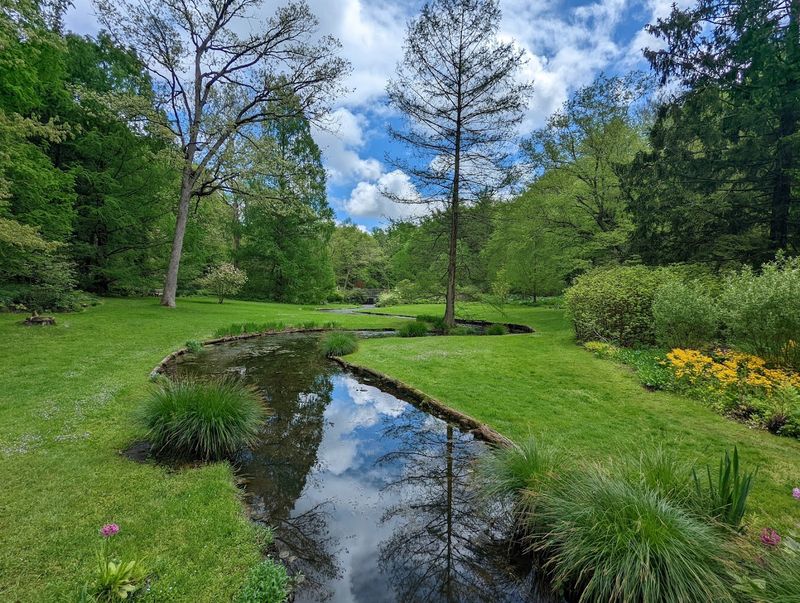
The landscape of Moggy Hollow did not form over a human timescale. The valley, the rock outcroppings, and the stream channel are all products of glacial activity that took place during the last ice age, when sheets of ice advanced across what is now northern New Jersey and then retreated, leaving behind a dramatically reshaped terrain.
The boulders visible throughout the preserve are called glacial erratics, meaning they were transported from distant locations by moving ice and deposited here when the glacier melted. Some of these rocks are composed of stone types that do not naturally occur in this part of New Jersey, which is a clear sign of their long journey.
Leonard J. Buck recognized the geological significance of his property and made a deliberate choice to work with the existing rock formations rather than remove them.
That decision turned a geological accident into a horticultural feature that has no close equivalent elsewhere in the state.
Wildlife Residents of the Hollow
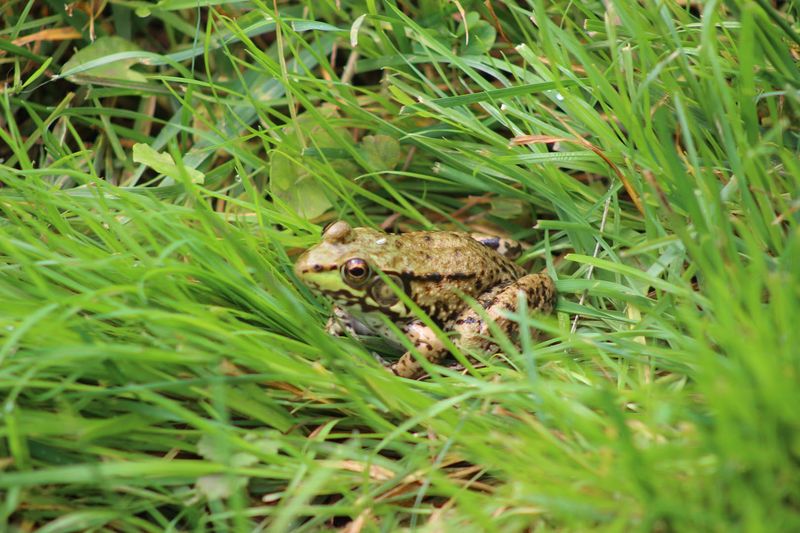
Moggy Hollow supports a range of wildlife that benefits from the protected status of the natural area. White-tailed deer are commonly spotted throughout the preserve, particularly in the early morning and late afternoon hours when they move between feeding and resting areas.
The stream corridor provides habitat for amphibians including frogs and salamanders, which are indicators of good water quality and relatively undisturbed ecological conditions. Birdwatchers will find the woodland edges and stream banks productive, with species typical of northeastern deciduous forests moving through the area during spring and fall migration periods.
Smaller mammals including foxes, raccoons, and squirrels are also regular residents of the hollow. The protected status of the land means these animals are not subject to hunting pressure, which tends to make them somewhat less skittish around people than wildlife in less protected areas.
Keeping noise low and moving at a relaxed pace gives visitors the best chance of encountering the preserve’s animal residents rather than simply seeing the tracks they leave behind.
Why Moggy Hollow Deserves More Recognition
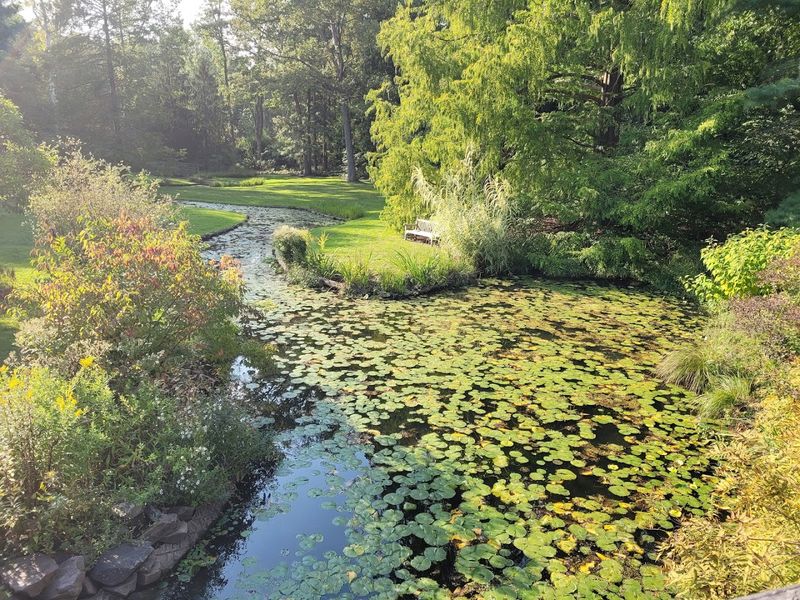
New Jersey has a complicated reputation when it comes to natural spaces. The state is the most densely populated in the country, and that fact tends to overshadow the genuine quality and variety of its preserved lands.
Moggy Hollow Natural Area is a direct counterargument to the idea that New Jersey lacks meaningful natural destinations. The combination of glacial geology, botanical history, protected woodland, and accessible trails creates a place that would draw significant attention if it were located in a state with a stronger outdoor recreation identity.
The fact that it remains relatively uncrowded is both its greatest asset and a sign that it has not yet received the recognition it deserves. Word travels slowly about places that do not market themselves aggressively, and Moggy Hollow has never been the kind of place that seeks the spotlight.
For anyone who makes the trip to Far Hills and spends a few hours in this valley, the quiet reality of what New Jersey is capable of offering becomes genuinely hard to argue with.
Where Exactly This Hidden Preserve Is Located
Not every great natural area announces itself with a billboard. Moggy Hollow Natural Area is located in Far Hills, NJ 07931, within Somerset County in northern New Jersey.
The preserve sits in a quiet corner of the county that most GPS systems will guide you to without drama, but the real reward begins the moment you step past the tree line. The area is managed as a nature preserve, which means the land is protected from development and kept as close to its natural state as possible.
Far Hills itself is a small borough with a population that keeps things low-key, and that attitude extends to Moggy Hollow. There are no massive parking structures or ticket booths waiting for you.
The Leonard J. Buck Garden, which occupies a significant portion of the preserve, is run by the Somerset County Park Commission.
Getting here is straightforward, and the lack of commercial fuss is part of what makes the visit feel so refreshing.
Share this story