Some homes do more than preserve furniture and floor plans – they hold the tension, ambition, beauty, and contradictions that shaped America. Walk through these rooms and you can almost feel the people who argued, invented, entertained, built, and endured inside them.
From cliffside mansions to adobe dwellings still alive with tradition, each place offers a story that feels startlingly close. If you have ever wanted history to feel less like a textbook and more like a living presence, start here.
1. Biltmore Estate, North Carolina

The Biltmore feels like the kind of place built to outlast doubt itself. When you walk its halls, every carved detail and soaring room reminds you that George Vanderbilt was not simply building a home in 1895 – he was shaping a legacy in stone.
I love how the estate never feels entirely frozen. The library, with its thousands of books, suggests a restless curiosity, while the gardens spill outward with almost dreamlike confidence.
Set against the Blue Ridge Mountains, Biltmore still breathes with ambition. You leave feeling impressed, yes, but also strangely moved by how alive its history remains today.
2. The Breakers, Rhode Island
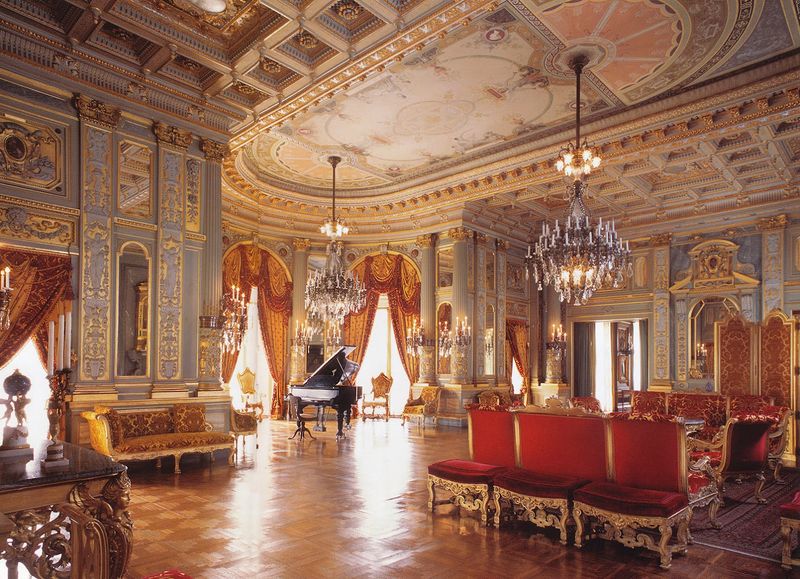
The Breakers does not bother pretending to be modest. Perched above the Atlantic in Newport, this Vanderbilt summer home gleams with the full confidence of the Gilded Age, where marble, gold leaf, and ocean air combined into a spectacle of wealth.
You can almost hear glasses clinking in the distance as you move through its dramatic rooms. Every surface seems designed to impress someone already accustomed to excess.
What stays with you is how honest the extravagance feels. The house captures a world of enormous fortune and social theater, then leaves you wondering how quickly that bright, glittering era disappeared.
3. Monticello, Virginia
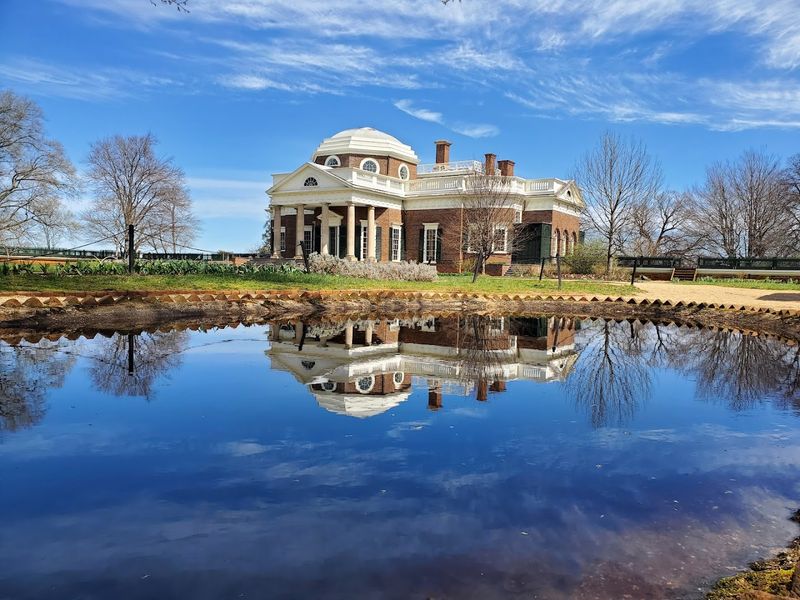
Monticello looks serene from a distance, almost too orderly to contain the contradictions tied to Thomas Jefferson’s life. Yet once you step closer, the house becomes more than a beautiful hilltop estate – it becomes a conversation about intellect, invention, power, and moral complexity.
I am always struck by how personal the design feels. Jefferson filled the home with gadgets, books, and ideas, as if the rooms themselves were still thinking.
The wide Virginia views only deepen that impression. Monticello invites you to admire brilliance while refusing to let you ignore the human cost beneath its elegant symmetry.
4. Fallingwater, Pennsylvania
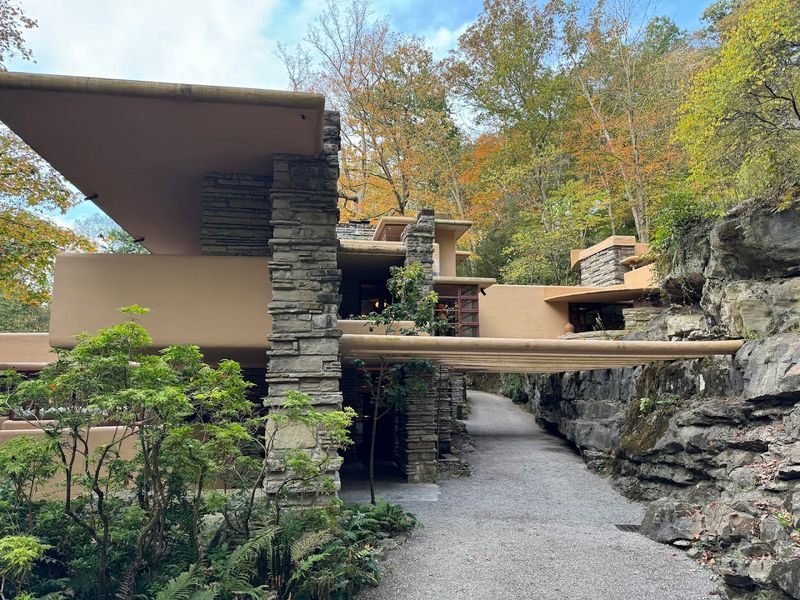
Fallingwater feels less like a house placed in nature and more like a house persuaded by nature to belong. Frank Lloyd Wright’s design stretches over a waterfall with such confidence that you almost forget how radical it must have seemed when it was built.
You hear the water constantly, and that sound changes everything. Inside, stone, glass, and wood soften the line between shelter and landscape.
What I love most is how contemporary it still feels. Standing there, you realize great architecture does not just age well – it keeps surprising you, even when you think you already know it.
5. Winchester Mystery House, California
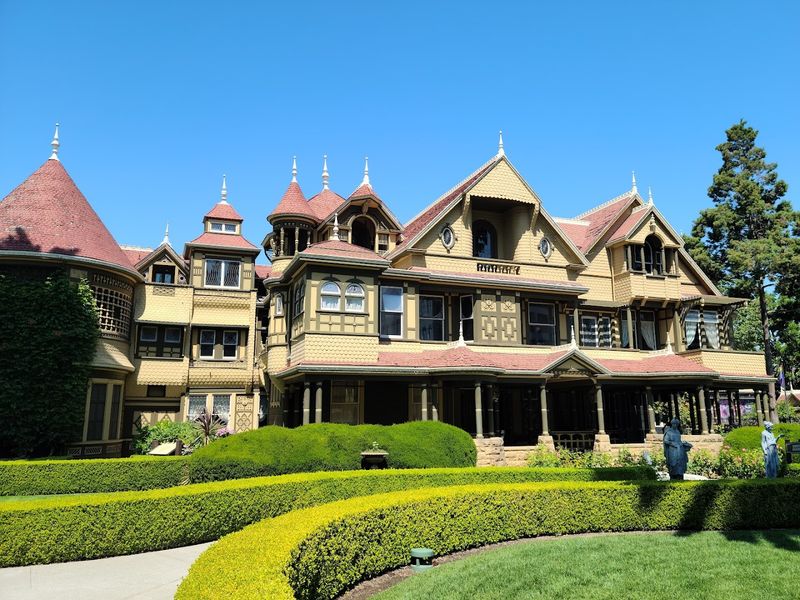
The Winchester Mystery House has the uneasy energy of a place still trying to explain itself. Built by Sarah Winchester, the mansion twists through staircases that stop abruptly and doors that open into walls, creating a maze that feels part dream, part warning.
Whether you believe the ghost stories or not, the house unsettles you in quieter ways. Light lands oddly, corridors hesitate, and logic seems to bend around each corner.
That is why it lingers in your mind. It is not just eerie – it is fascinating, theatrical, and strangely intimate, like a private fear turned into architecture you can walk through.
6. Drayton Hall, South Carolina
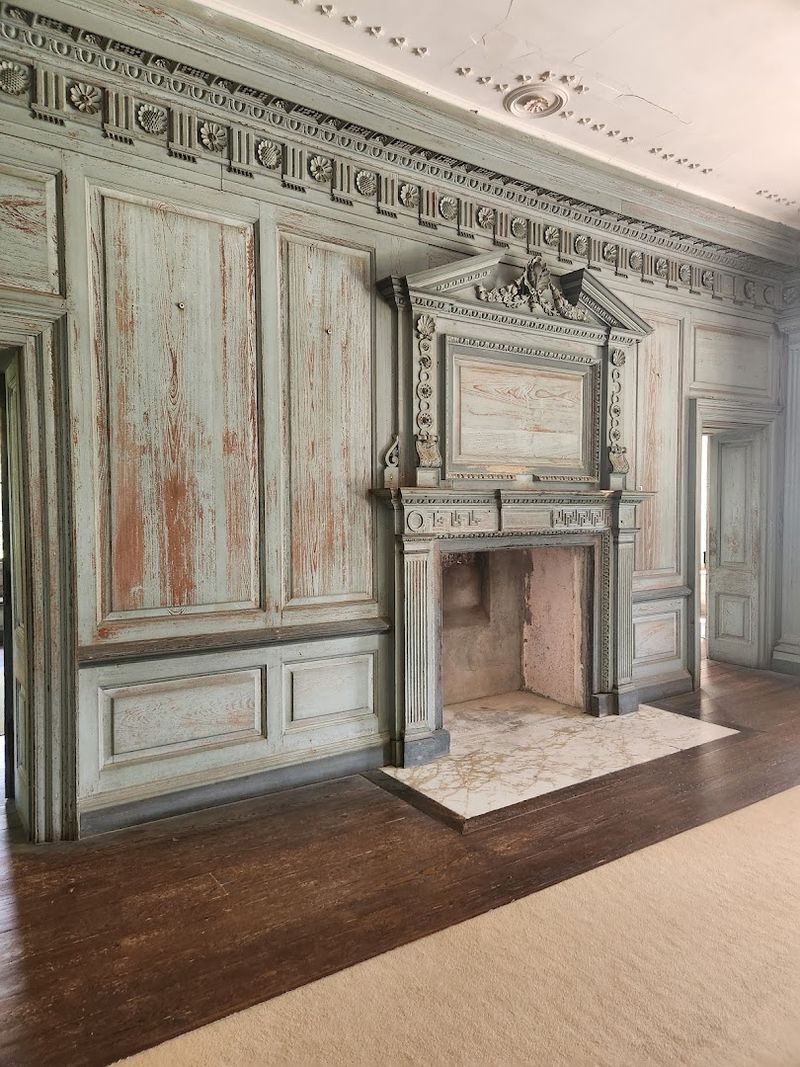
Drayton Hall stands with an honesty that many preserved homes never quite manage. Rather than polishing away age, it lets worn surfaces, faded textures, and scars from centuries remain visible, asking you to meet history without decorative distractions.
Built in the 1700s, the house has survived war, weather, and neglect, yet still holds onto a quiet elegance. I find that refusal to over-restore deeply moving.
As you walk through its rooms, beauty and burden sit side by side. Drayton Hall reminds you that the past is not always neat, and that truth can be more powerful than perfection.
7. Hearst Castle, California
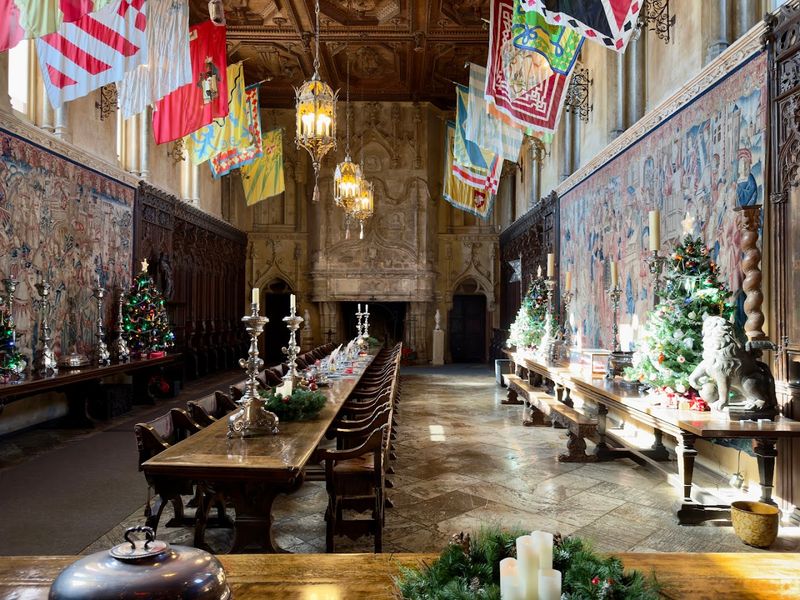
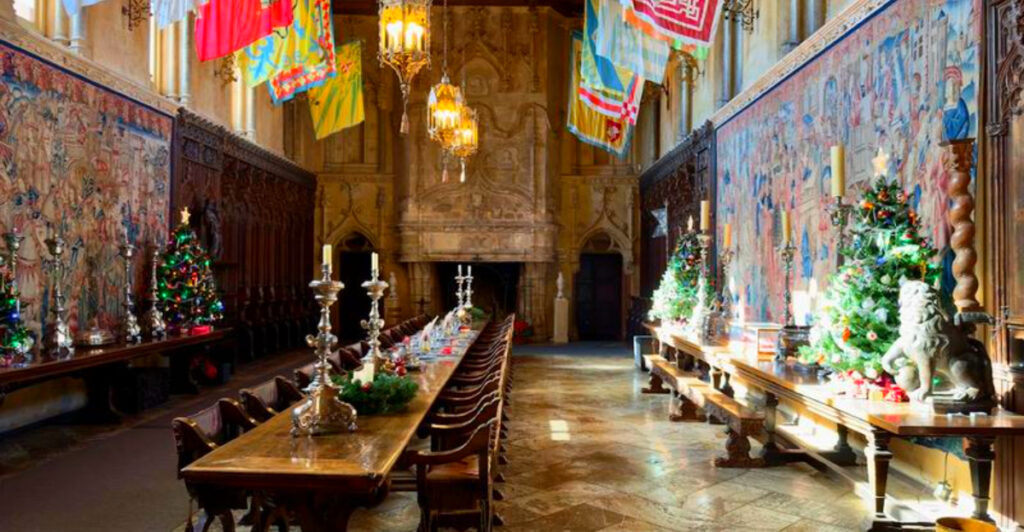
Hearst Castle feels like a fantasy built for an audience that might never fully arrive. High above California’s coast, William Randolph Hearst assembled a sprawling estate filled with art, antique ceilings, dramatic pools, and enough spectacle to make every room feel staged.
You can sense the Hollywood gravity in it all. The place is glamorous, theatrical, and almost intentionally overwhelming, as if subtlety had been turned away at the gates.
Yet beneath the grandeur, there is something lonelier too. That contrast is what stays with you – a monument to ambition, taste, excess, and the strange emptiness that can shadow them.
8. The Mark Twain House, Connecticut
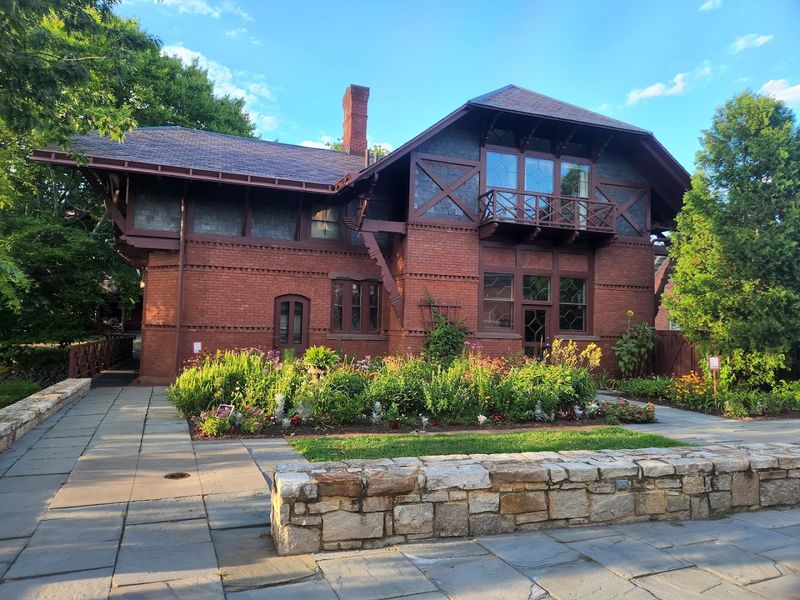
The Mark Twain House feels wonderfully human, which may be why it draws you in so quickly. Its Gothic exterior gives it character, but the interiors feel warm and personal, as if the author simply stepped away from his desk and might return any minute.
You can imagine ideas forming here – sharp observations, jokes with bite, sentences polished through pacing and restlessness. The house does not feel staged so much as inhabited by creative energy.
That is its charm. You leave reminded that unforgettable writing often comes from spaces that nurture thought, wit, and a close eye on the world outside.
9. Taliesin, Wisconsin
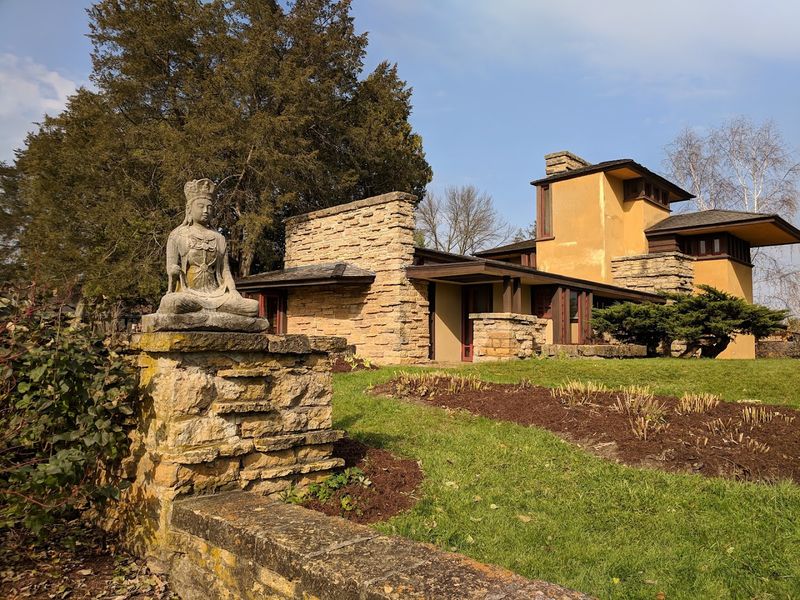
Taliesin feels inseparable from Frank Lloyd Wright’s life, which makes visiting it feel unusually personal. This was not just a home or studio – it was a place repeatedly shaped by vision, loss, rebuilding, and a relentless belief that architecture should belong to the land.
You notice how naturally the structures sit within the Wisconsin hills. Nothing feels accidental, yet nothing feels stiff either.
What moves me most is the resilience embedded in the property. Taliesin carries beauty, sorrow, ego, and renewal all at once, and that layered humanity makes it far more compelling than any perfectly polished landmark could be.
10. Longwood Gardens Estate, Pennsylvania
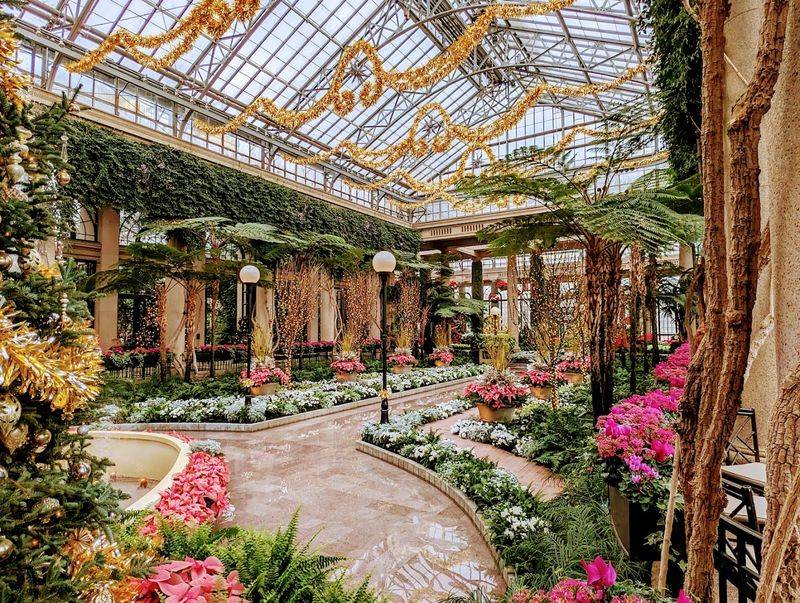
Longwood Gardens is proof that a historic estate can tell its story through living things as much as through walls. While the mansion tied to the du Pont family is graceful in its own right, the surrounding gardens are what truly shape the experience.
You wander through fountains, conservatories, and carefully orchestrated blooms that somehow still feel generous rather than rigid. I always lose track of time in places like this.
There is something revealing about what people choose to cultivate. Longwood turns beauty into a kind of historical record, showing how taste, patience, and ambition can take root and keep growing for generations.
11. The Hermitage, Tennessee
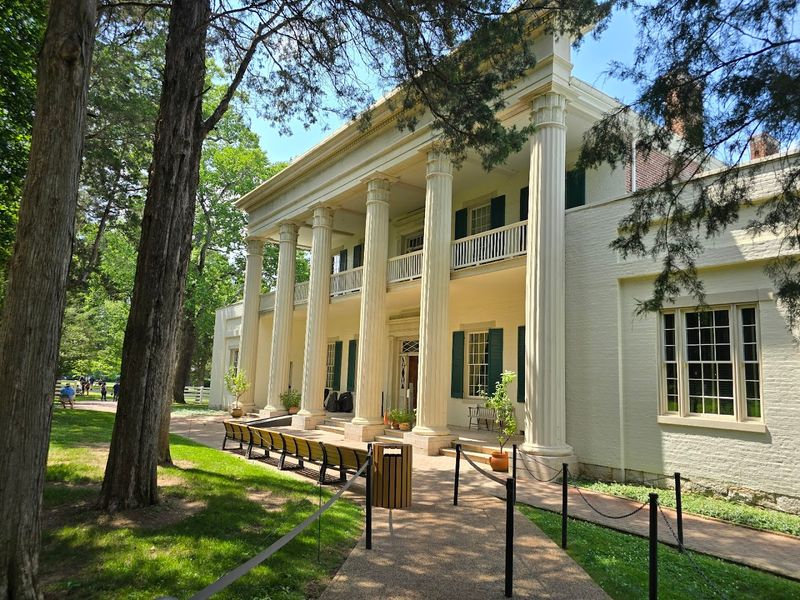
The Hermitage is beautiful in the way many historic homes are, and that beauty can be disarming. Andrew Jackson’s mansion sits amid expansive grounds and graceful architecture, yet the story it tells is tangled with power, conflict, and a legacy that resists easy praise.
Walking there, you feel the tension between surface calm and historical weight. The porches and gardens invite admiration, but the deeper context insists on honesty.
That complexity is exactly why the place matters. The Hermitage asks you not to look away from contradiction, and it reminds you that national memory is rarely comfortable when you examine it closely.
12. Vizcaya Museum and Gardens, Florida
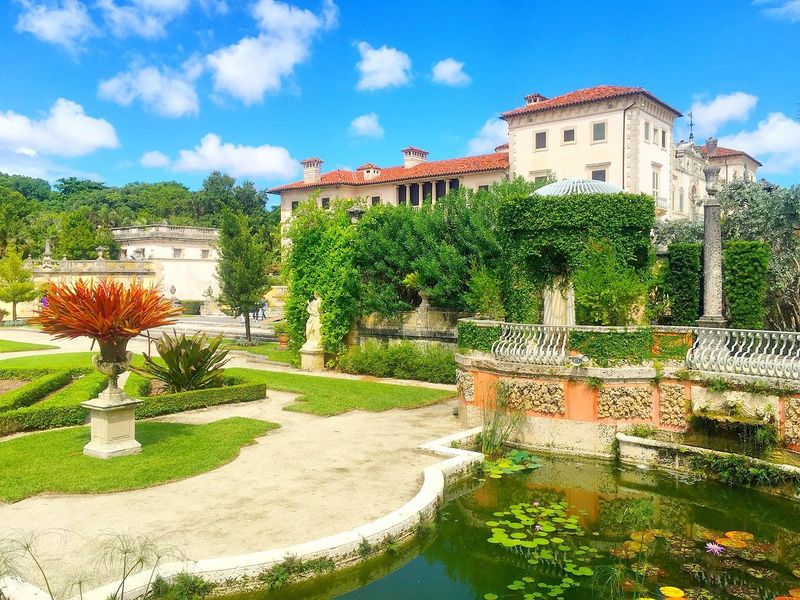
Vizcaya feels like a European villa carried by sea breeze and set down in Miami. Its Italian-inspired architecture, lavish rooms, and formal gardens create an atmosphere of cultivated elegance, yet the tropical setting keeps the estate from feeling overly controlled.
You hear Biscayne Bay nearby, and that soft presence changes the mood. The air, the palms, and the lush edges of the grounds give the whole place a slightly wild grace.
That meeting of worlds is what makes Vizcaya memorable. It is refined without feeling sterile, dramatic without becoming cold, and it captures a moment when ambition and beauty were allowed to bloom extravagantly.
13. Lyndhurst Mansion, New York
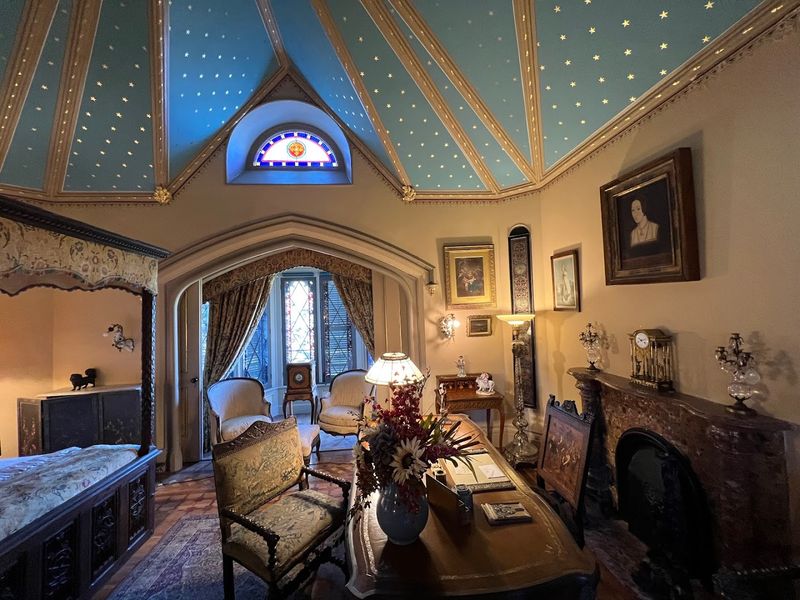
Lyndhurst has the kind of atmosphere that makes you slow down the moment you arrive. Overlooking the Hudson River, the Gothic Revival mansion carries a brooding, almost storybook beauty that feels especially striking when the surrounding landscape turns gold in autumn.
Inside, the rooms are elegant but not overbearing. You get refinement, yes, but also intimacy, as though the house values mood and texture as much as display.
I think that balance is what makes Lyndhurst so appealing. It whispers rather than shouts, and in doing so, it leaves space for your imagination to fill the halls with memory, weather, and possibility.
14. Gamble House, California
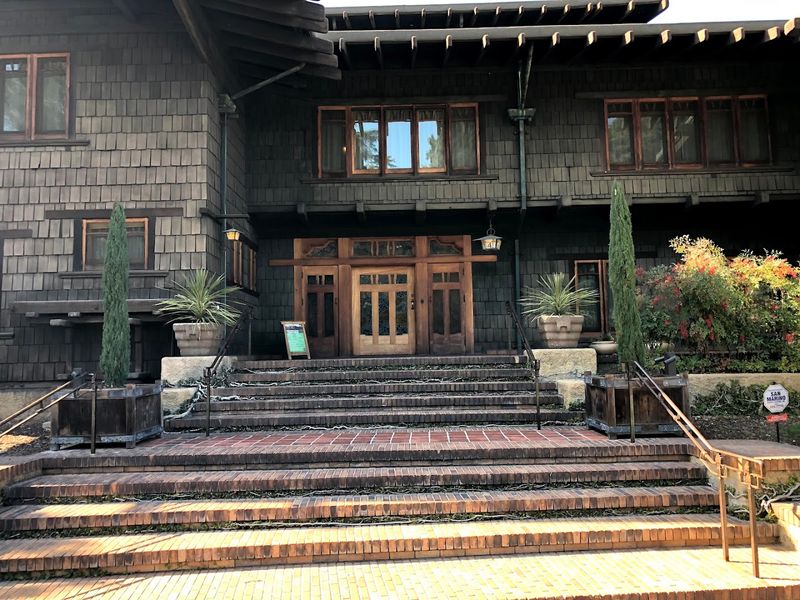
The Gamble House shows how deeply craftsmanship can shape the feeling of a home. A landmark of the American Arts and Crafts movement, it surrounds you with rich woodwork, thoughtful proportions, and details so carefully made that the whole place feels quietly generous.
Nothing seems flashy for the sake of being flashy. Instead, the design focuses on warmth, usefulness, and beauty that reveals itself gradually as you move through the rooms.
That human scale is what I love most. The house feels meant for living rather than showing off, and that makes its artistry even more powerful.
It welcomes you before it impresses you.
15. Shadows-on-the-Teche, Louisiana
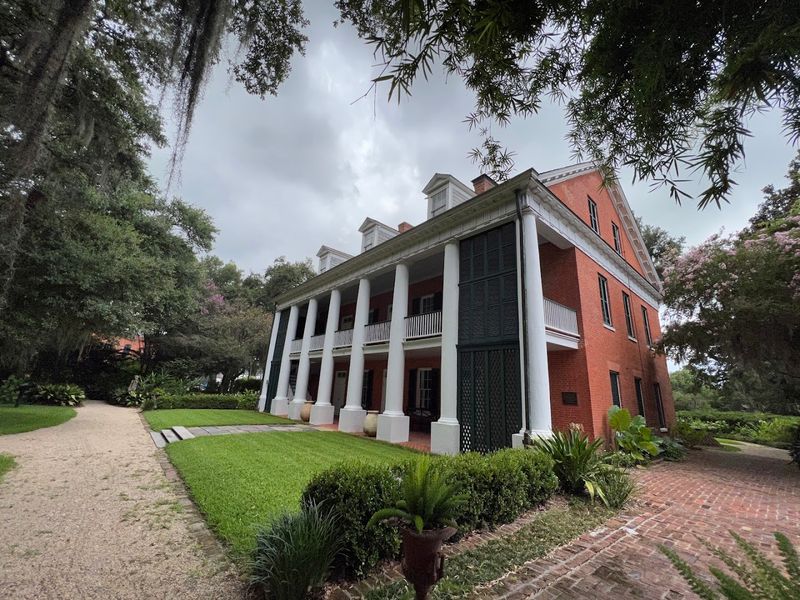
Shadows-on-the-Teche is undeniably beautiful, and that beauty is part of what makes it difficult to forget. Set near the Bayou Teche beneath live oaks draped in moss, the Greek Revival home has a cinematic stillness that draws you in immediately.
But the deeper you look, the more the site asks for honesty. Its elegance exists alongside histories of labor, inequality, and lives too often pushed to the edges of old house narratives.
That tension matters. Visiting here reminds you that charm and pain can share the same landscape, and that understanding the South requires holding both truths in view at once.
16. Mount Vernon, Virginia
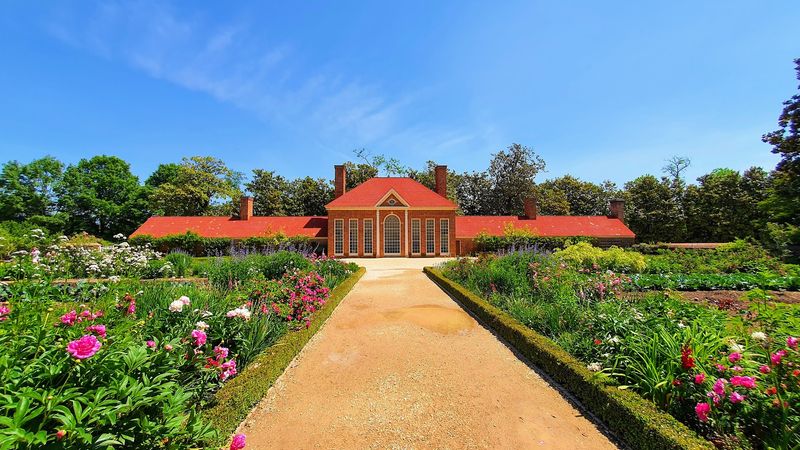
Mount Vernon feels surprisingly restrained for the home of George Washington. Set above the Potomac River, the estate has dignity rather than extravagance, and that measured quality makes it feel more revealing than a grander house might have.
You move through spaces shaped by practicality, routine, and leadership, not just image. The river views add calm, giving the entire property a quiet confidence that never needs to announce itself.
That grounded atmosphere is what stays with you. Mount Vernon makes Washington seem more human without shrinking his significance, and it offers a clearer sense of how personal life and public legacy can share one address.
17. The Elms, Rhode Island
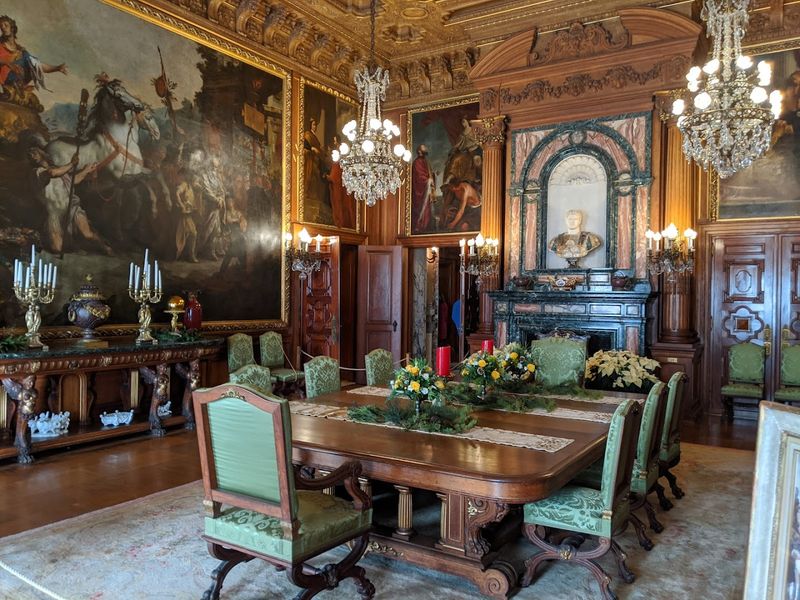
The Elms offers luxury with a lighter touch than some of Newport’s louder mansions. Inspired by French chateaux, it feels refined, balanced, and composed, with interiors that impress through proportion and detail rather than relentless spectacle.
You notice the discipline in its design. The rooms are elegant but never chaotic, and the gardens extend that same sense of order into terraces, fountains, and carefully measured symmetry.
That restraint is exactly what gives The Elms its charm. Instead of shouting its wealth, it lets you discover it gradually, which feels more intimate and somehow more lasting than overt extravagance ever could.
18. Rosalie Mansion, Mississippi
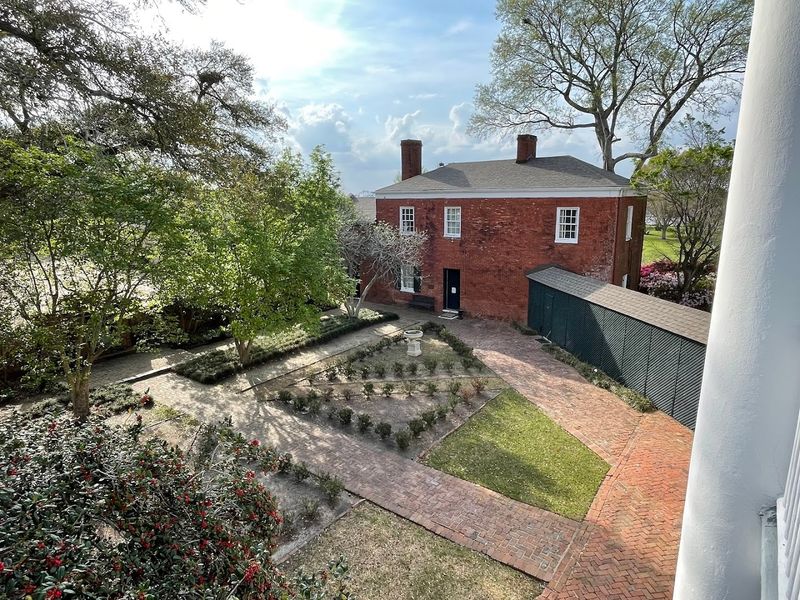
Rosalie carries itself with a quiet dignity that feels inseparable from its setting above the Mississippi River. Built in the 1820s, the house has witnessed upheaval, prosperity, war, and change, yet it still stands with a composed, almost watchful grace.
Inside, preserved furnishings and carefully kept rooms give time a physical presence. You sense how many lives passed through these spaces, each leaving something behind.
The river deepens that impression. Constant and steady, it turns the house into more than a static monument.
Rosalie feels fragile and enduring at once, which may be the most honest way for history to survive.
19. Pope-Leighey House, Virginia
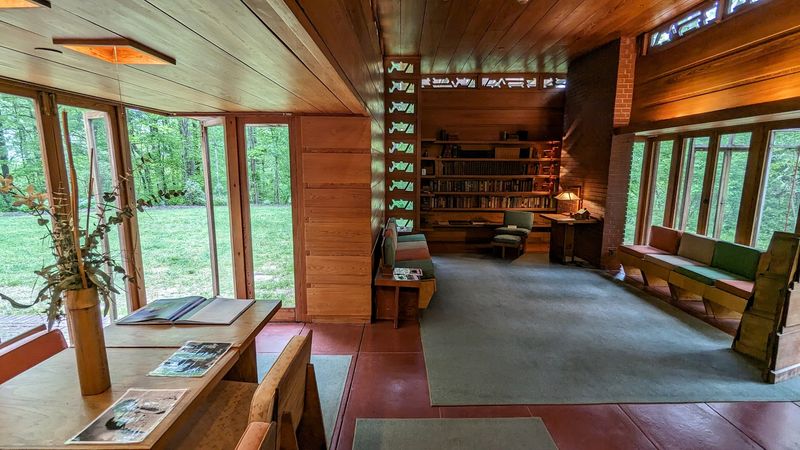
The Pope-Leighey House proves that architectural impact does not depend on size. Frank Lloyd Wright designed this Usonian home with clean lines, modest dimensions, and a close relationship to the land, creating a space that feels intimate without ever feeling small.
You notice how carefully every element is considered. There is no excess to distract you, only proportion, light, and a sense that daily life itself deserves thoughtful design.
I find that restraint refreshing. The house makes a powerful case for simplicity, showing that beauty can come from clarity rather than abundance, and that a quiet home can still speak with extraordinary confidence.
20. Acoma Pueblo Homes, New Mexico
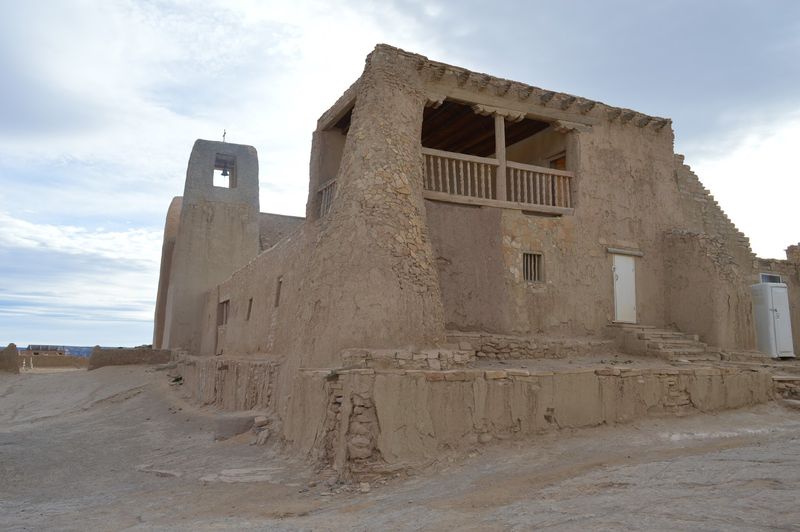
Acoma Pueblo is not simply a historic site – it is a living community where history continues in the present tense. Perched atop a mesa in New Mexico, the adobe homes seem to rise from the earth itself, blending architecture, landscape, and cultural memory seamlessly.
Walking there feels different from touring a preserved mansion. You are not just looking backward at a finished story, but witnessing traditions that have endured through centuries of change.
That living continuity is what makes Acoma so powerful. It reminds you that America’s oldest stories are not all behind glass, and that some of the deepest histories are still being lived every day.
Share this story