Tucked away in the rolling hills of Sussex County, New Jersey, there is a place that does not follow the usual zoo rulebook. No sterile concrete walkways, no corporate gift shops with overpriced keychains, and definitely no feeling that you are rushing through a theme park.
This spot has been quietly drawing families, history buffs, and animal lovers for decades, and it keeps pulling them back year after year. What makes it so different is the combination of wild animals, genuine American history, and a family-run spirit that you just do not find at bigger attractions.
By the time you finish reading, you will have a very good reason to plan a trip to Sussex County.
A Family Legacy That Spans Generations
The story behind this place is just as interesting as what is inside it. The Space family began building their collection of animals and artifacts decades ago, turning a working farm into something that nobody else in New Jersey had attempted at the time.
Over the years, the property grew from a modest local curiosity into a full-scale zoo and museum complex, all while staying firmly in family hands. That continuity is rare in the world of attractions, where ownership changes and rebranding happen constantly.
Because the same family has been running things for so long, there is a consistency to the experience that repeat visitors notice right away. People who came here as children bring their own children and grandchildren, and the place looks and feels remarkably familiar each time.
That multigenerational pull is not something you can manufacture or market into existence. It comes from decades of genuine dedication to a single place and a single purpose.
The Animals That Make This Place Stand Out
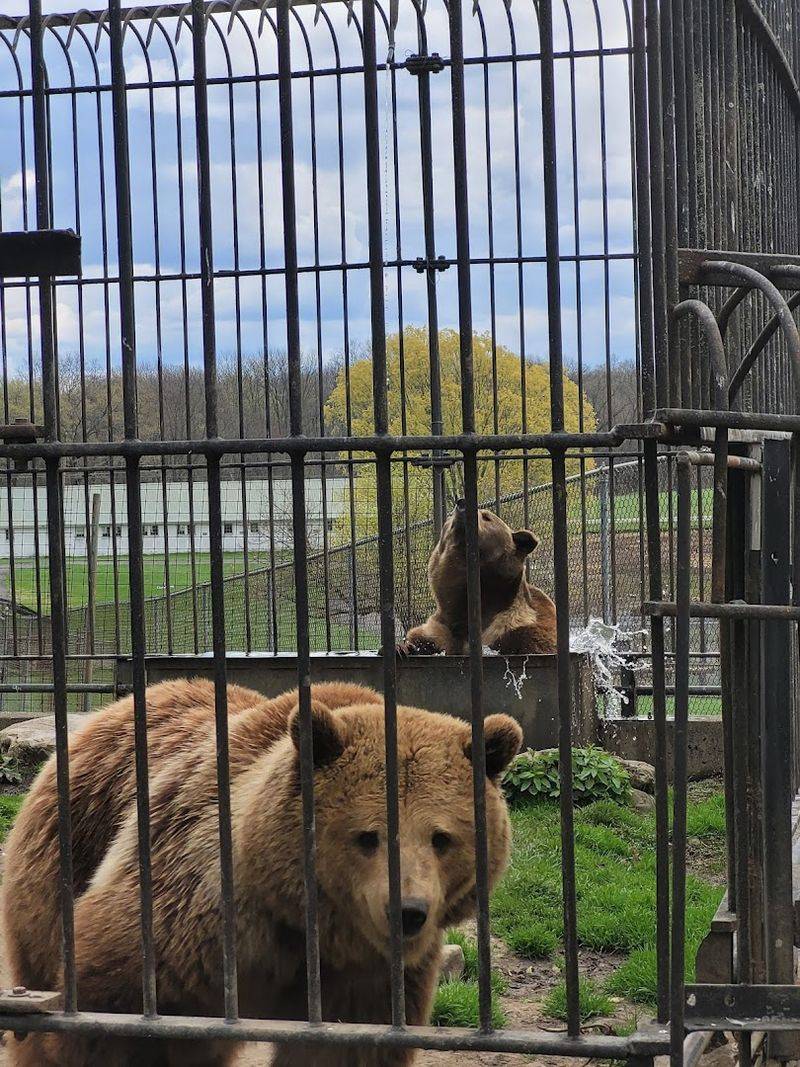
The animal collection at Space Farms covers an impressive range, from the kinds of creatures you might expect to some that genuinely catch you off guard. Kodiak bears, tigers, lions, jaguars, baboons, and deer all share the grounds with a variety of other species.
One of the most talked-about experiences is feeding the Kodiak bears and watching them respond to the interaction. These are massive animals, and getting that close to them in a relatively open setting is not something most zoos allow.
The enclosures here give visitors a wider viewing angle than the typical small window cut into a wall that many larger zoos rely on. That openness makes a real difference when you are trying to actually watch animal behavior rather than just catch a quick glimpse.
Zoo keepers are present throughout the grounds, and feeding times draw particular attention because watching these animals respond to their handlers reveals just how intelligent each species truly is.
The Museum Side of Things Is a Whole Other World
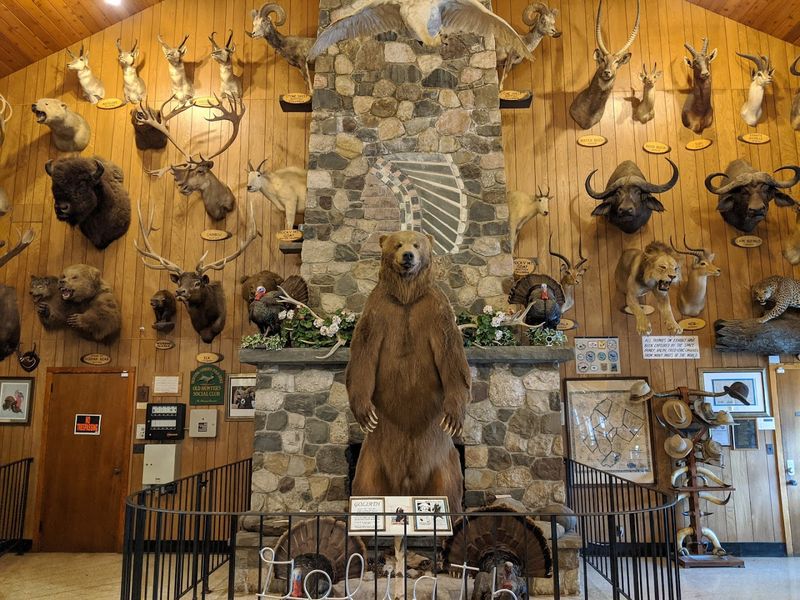
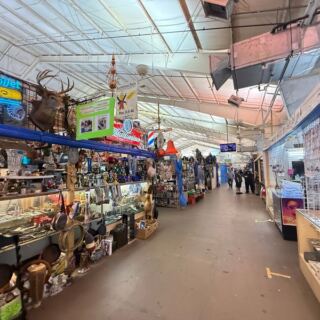
Calling the museum portion of Space Farms a single museum is a significant understatement. What you actually find is a collection of separate buildings, each dedicated to a different category of American history and material culture.
Artifacts, antique tools, wagons, clocks, weapons, dolls, machines, and historical memorabilia fill the spaces in a way that rewards slow exploration. There is a lot to take in, and rushing through it means missing the smaller details that make each building interesting.
The layout across multiple structures means that each building feels like its own discovery rather than one long, exhausting hall. Moving from one to the next keeps the experience fresh and gives the whole museum side a treasure-hunt quality.
History enthusiasts will find plenty to engage with, while younger visitors tend to gravitate toward the more visually striking displays. The breadth of the collection reflects decades of deliberate gathering rather than any single curatorial theme, which gives it a genuinely personal character.
The Vintage Car Collection Worth Slowing Down For
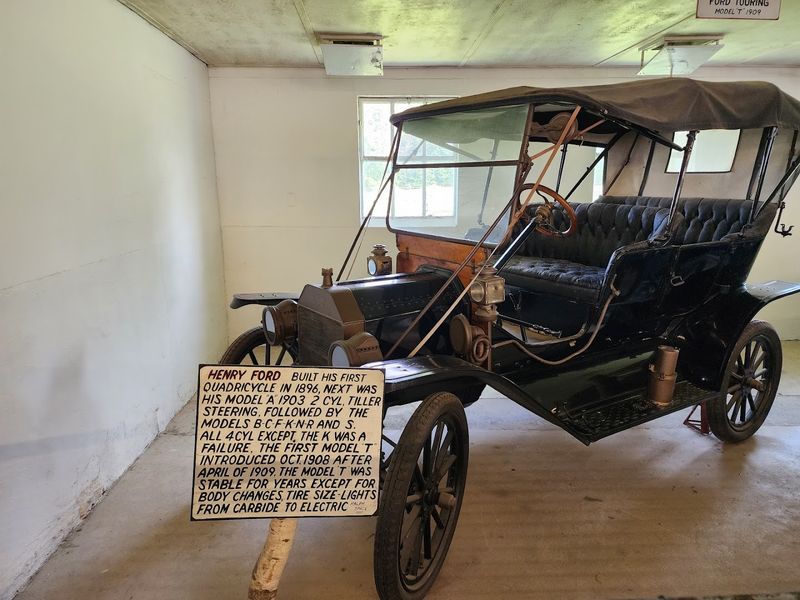
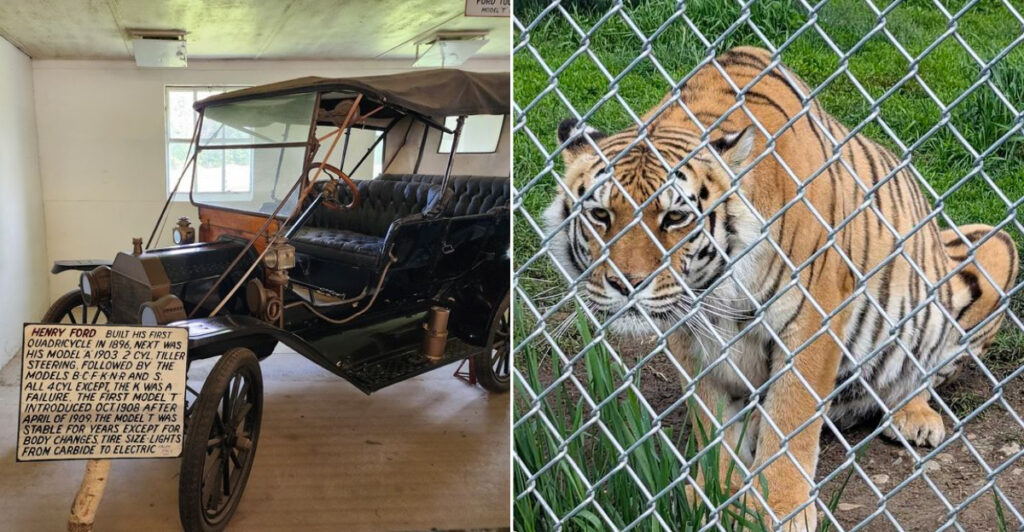
Car collectors and automotive history fans tend to stop cold when they reach the vehicle displays at Space Farms. The collection includes a range of antique cars and trucks that span different eras of American manufacturing and road culture.
These are not showroom-polished restorations lined up under spotlights. The vehicles carry the patina of age, which gives the collection an honest, unvarnished quality that some people find more compelling than a perfectly restored machine behind velvet ropes.
The sheer variety of vehicles on display reflects the same broad collecting philosophy that runs through the rest of the museum buildings. You will find cars alongside trucks, wagons, and motorized equipment from different periods of American working life.
For families with kids who have never seen what a car looked like before power steering and seat belts were standard, this section tends to generate genuine curiosity. It is the kind of display that prompts real questions rather than just a quick glance and a photo.
Feeding the Animals Is the Highlight for Most Kids
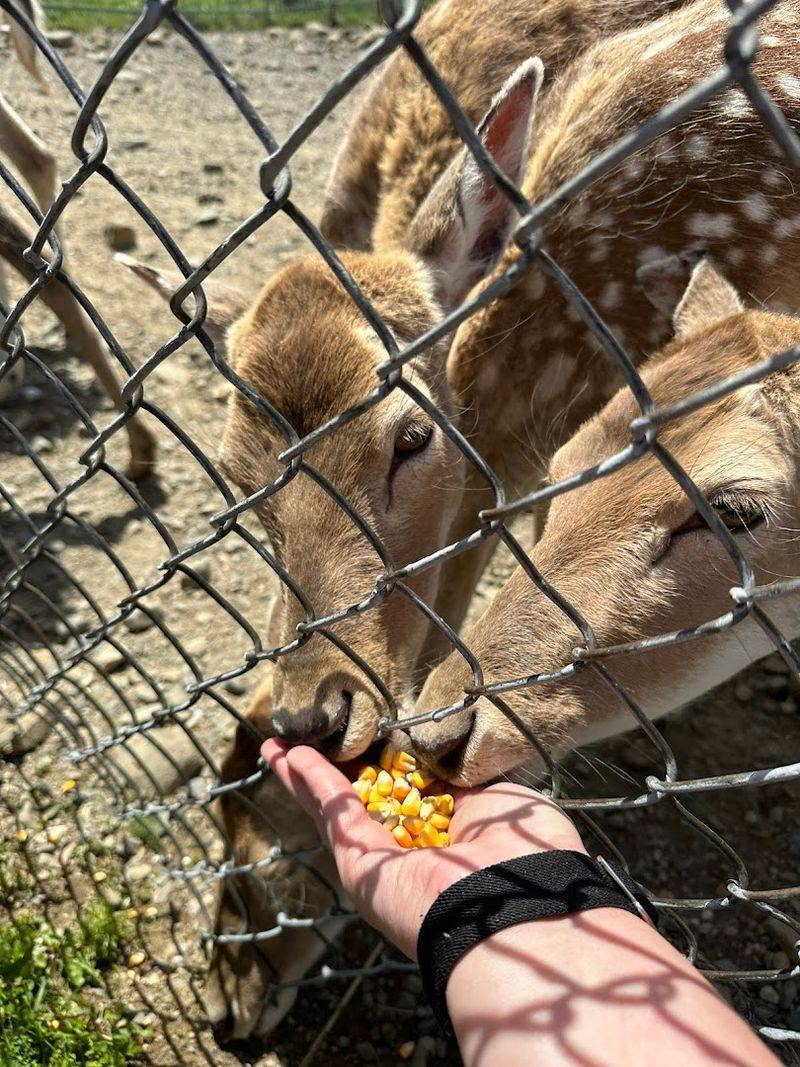
Most zoos have strict no-feeding rules, and for good reason. Space Farms takes a different approach for certain animals, and that hands-on access is one of the clearest ways it separates itself from larger institutions.
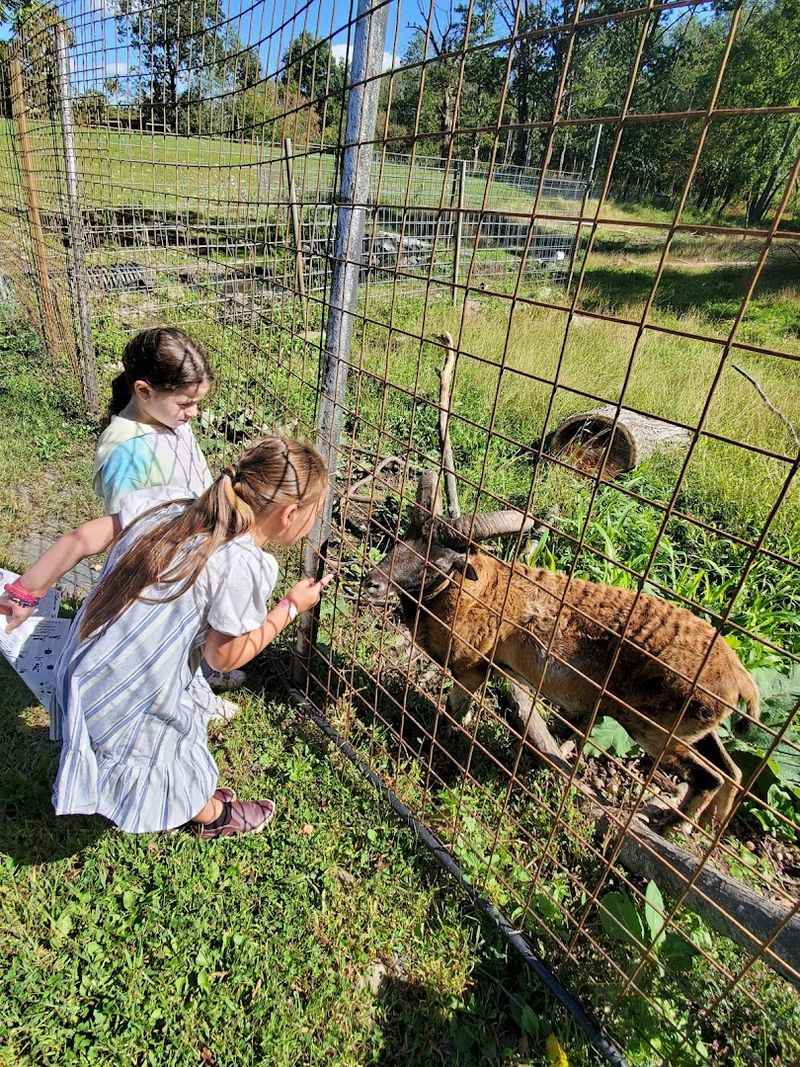
Deer, goats, and other animals can be fed directly, and the zoo provides corn for purchase at a low cost. Watching a child feed a deer for the first time and see it eat right from their hand is the kind of moment that does not happen at most facilities.
Feeding times for the larger animals draw crowds around the enclosures, and the experience of watching bears or big cats respond to their keepers is genuinely captivating for all ages. The intelligence and personality of each animal becomes much more visible during these moments.
Families who have done bottle-feeding with younger animals describe it as one of the most memorable parts of the whole visit, the kind of thing that gets retold at dinner tables long after the trip is over.
The Layout and Grounds: Built for a Relaxed Pace
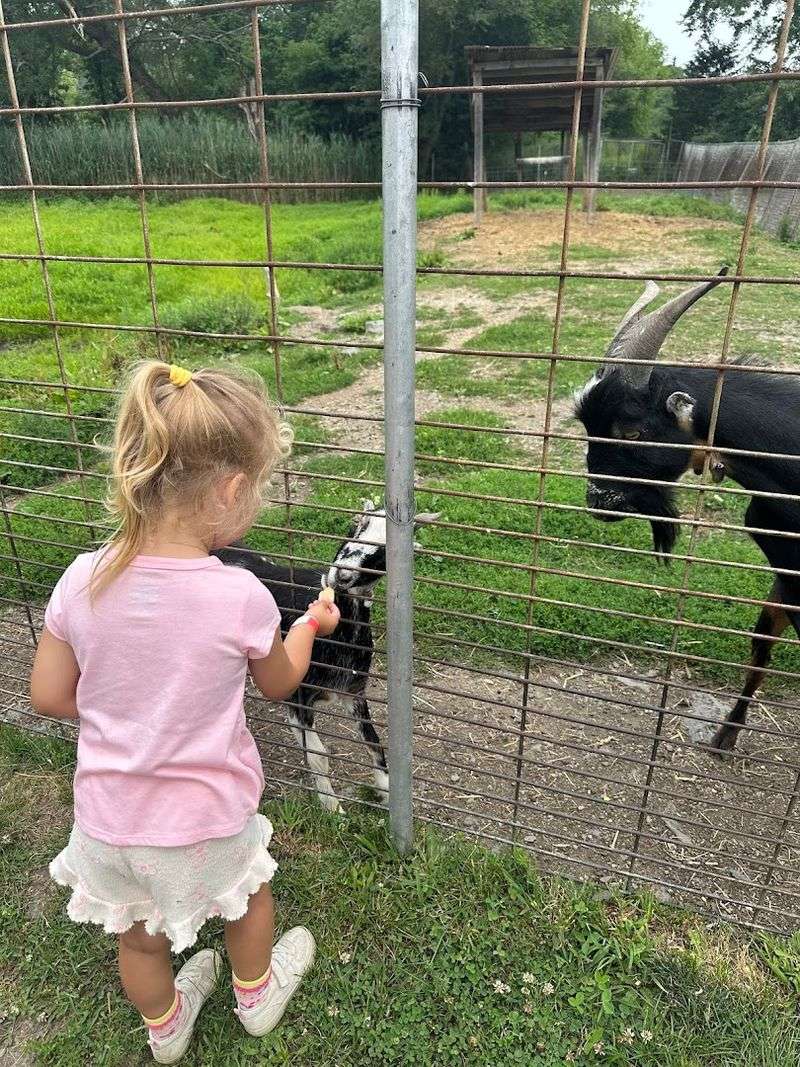
The physical layout of Space Farms is one of the things that makes it feel fundamentally different from a typical zoo visit. Dirt and gravel paths wind through the property, connecting animal enclosures, museum buildings, picnic areas, and playgrounds without any particular urgency.
There are benches scattered throughout the grounds, and the open design means you can linger at any enclosure for as long as you like without feeling pressure from crowds moving behind you. That unhurried quality is hard to put a price on.
Picnic tables are spread across the property, and families are welcome to bring their own food and eat outside among the trees. There is also a small snack area on site for those who prefer not to pack a lunch.
The self-guided format means every family moves at their own speed. Some people spend four or five hours and still feel like they have not seen everything, which says a lot about how much ground there is to cover here.
Exotic Animals You Would Not Expect to Find in New Jersey
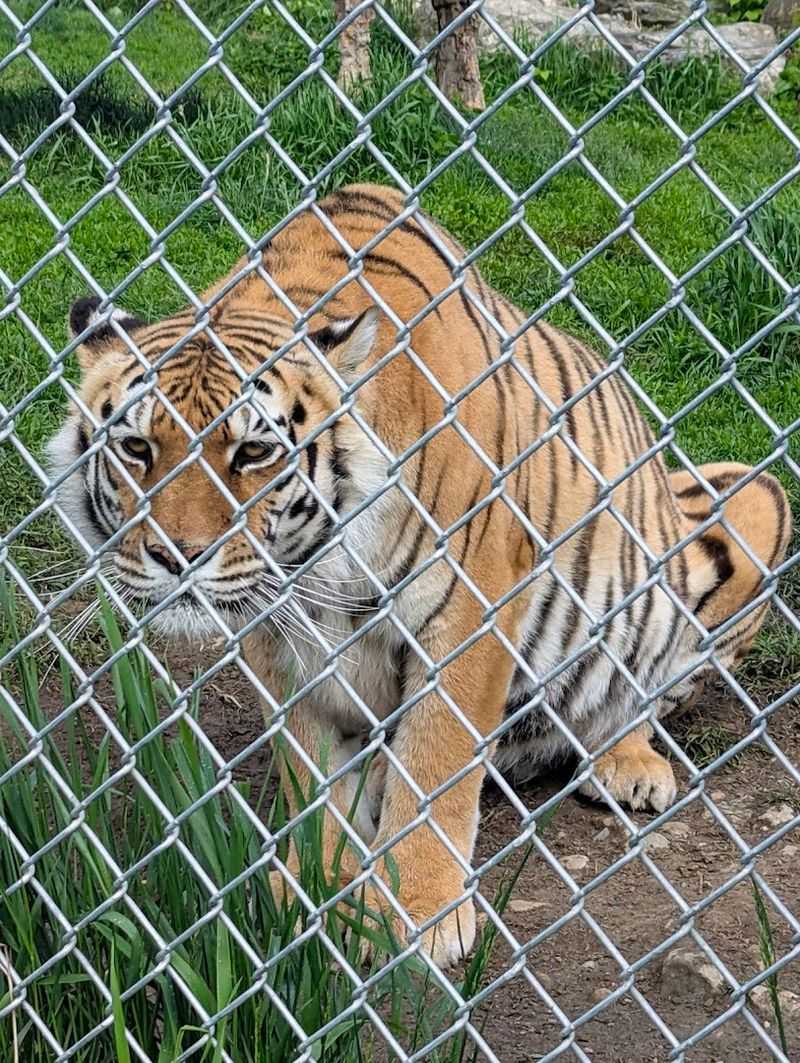
Most people associate New Jersey with highways and diners, not tigers, baboons, and jaguars. Space Farms holds a collection of exotic animals that genuinely surprises first-time visitors who had no idea what was waiting for them in Sussex County.
The big cats in particular tend to get a reaction. Seeing a tiger or lion from a relatively close and open vantage point, rather than through thick glass or from a great distance, changes the experience entirely.
Baboons and other primates add another layer of interest, especially for younger visitors who tend to find their behavior endlessly entertaining. The variety of species across the property means there is something new to discover around each turn in the path.
For families visiting from the surrounding tri-state area, the presence of genuinely exotic wildlife in such a rural, accessible setting makes Space Farms a worthwhile stop that stands well apart from anything else in the region. The unexpected is kind of the whole point here.
Seasonal Passes and Why Regulars Swear By Them
Space Farms operates on a seasonal schedule, running from May through October, which means the window for visiting is defined and finite. That limited season is part of what makes the place feel special rather than like a year-round commercial operation.
For families who live within driving distance, seasonal passes are available and tend to pay for themselves quickly. The pass costs roughly the same as two standard admission tickets, so anyone planning more than a couple of visits in a season comes out ahead.
Some local families visit five or more times per season, using the zoo as a regular weekend destination rather than a once-a-year outing. That kind of repeat engagement is a strong signal that the place delivers consistent value across multiple visits.
Standard adult admission runs around $25, with children’s tickets priced a few dollars lower. For a full day of animals, museum buildings, animal feeding, and outdoor space, many families consider that a reasonable trade for what they get in return.
Playgrounds and Spaces Designed for Younger Kids
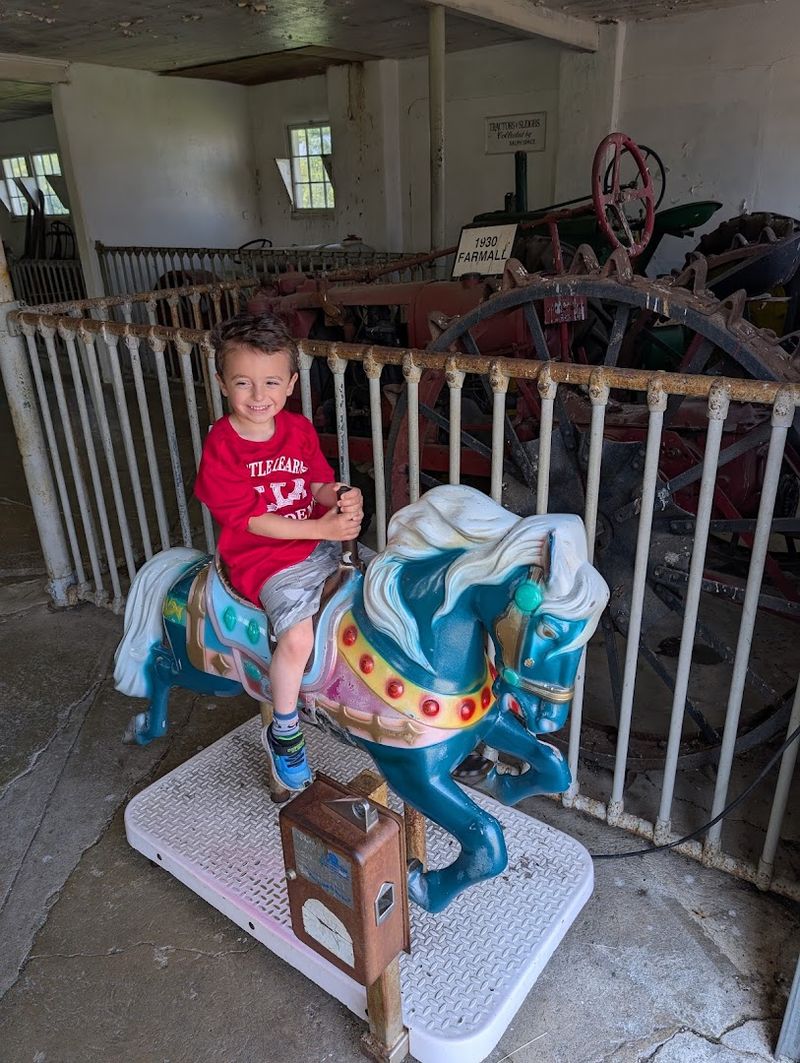
Not every part of a zoo visit needs to involve animals, and Space Farms seems to understand that well. Playgrounds are positioned throughout the property, giving younger children a place to run and reset between stops at the enclosures and museum buildings.
Having play areas woven into the grounds rather than tucked away in one corner means kids can take breaks naturally without the whole family having to backtrack or detour significantly. It keeps the visit moving at a pace that works for all ages.
For parents with toddlers or very young children, this kind of thoughtful spacing makes a real difference in how long the day stays enjoyable for everyone. A tired three-year-old with access to a slide is a much happier companion than one without options.
The combination of animal encounters, museum exploration, feeding opportunities, and play spaces means Space Farms functions as a full-day destination rather than a two-hour stop, which is exactly what most families are looking for on a weekend outing.
What to Know Before You Go
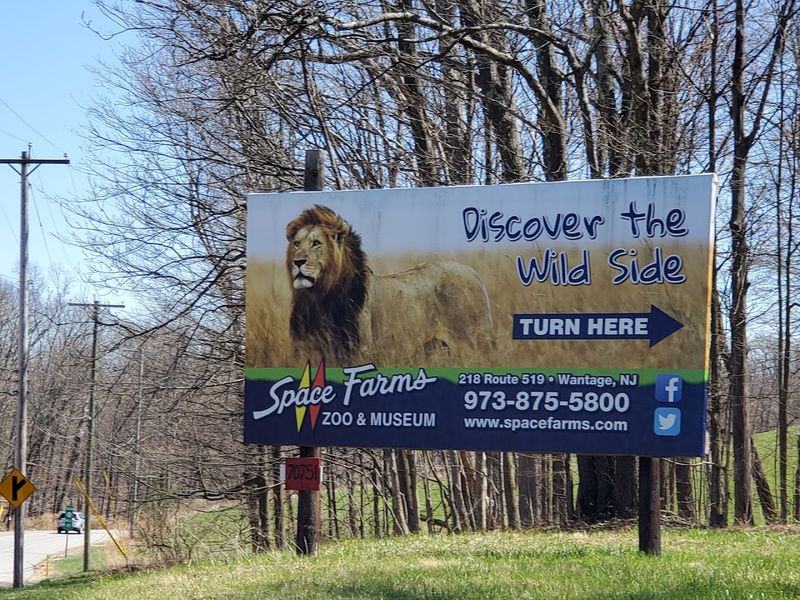
A few practical details can make the difference between a smooth visit and a frustrating one at Space Farms. The zoo is open Tuesday through Sunday from 10 AM to 5 PM, and the season runs May through October, so timing your trip matters more here than at a year-round facility.
Comfortable walking shoes are essential because the paths are dirt and gravel rather than paved surfaces. The grounds cover a lot of territory, and you will be on your feet for most of the visit.
A zoo map is provided at the entrance, which is worth holding onto since the property spreads across multiple areas and the signage for paths and enclosures is minimal. Arriving around feeding time for the larger animals adds a layer of activity to the visit that is well worth planning around.
There is a small gift shop on site with a range of affordable items for kids, along with a snack bar and restrooms, so the basics are covered without needing to leave the property mid-visit.
Where It All Begins: Address and Setting
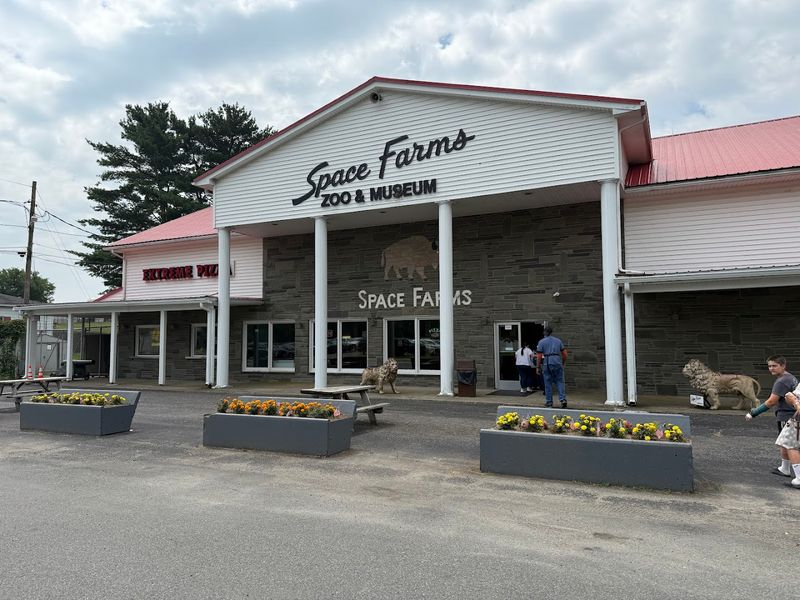
Space Farms: Zoo and Museum sits at 218 County Road 519, Sussex, NJ 07461, right in the middle of some of the most rural and scenic land in the entire state. The setting alone sets the tone for everything that follows.
Unlike city zoos that feel boxed in by urban development, this property spreads out across open countryside. The moment you pull through the entrance, the surrounding landscape makes it clear that this is not a corporate operation.
The Space family has operated this attraction for generations, and that deep local connection is visible in every corner of the grounds. There are no flashing signs or elaborate digital displays at the gate, just a straightforward welcome that says this place is about the animals and the history inside.
The zoo is open Tuesday through Sunday, 10 AM to 5 PM, and is closed from November through April, so the season matters when planning your visit.
Share this story