Ruins do something polished landmarks rarely can – they make history feel unfinished. In these abandoned forts, towns, hospitals, and stations, you can almost sense the people who built big dreams and watched them collapse.
Some were undone by fire, some by greed, some by changing roads or vanishing resources. All of them still have stories that cling to the walls, waiting for you to step closer.
1. Bodie, California – The Gold Rush That Froze in Time
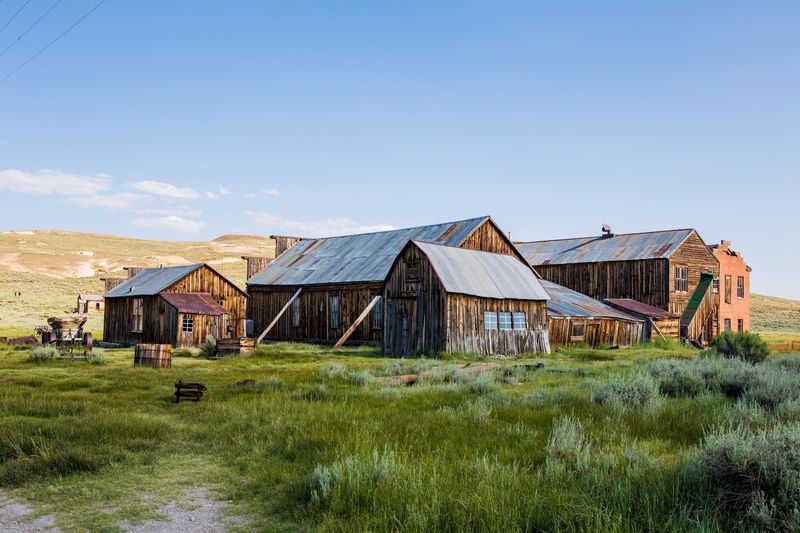
Bodie feels like a mining town that paused instead of ending. During the late 1800s, thousands poured in chasing gold, building saloons, boardinghouses, churches, and trouble in equal measure.
When the boom collapsed, residents drifted away, leaving everyday life behind them.
That is what makes Bodie so unsettling. You are not just looking at old structures, but shelves still lined with bottles, curtains hanging in windows, and furniture sitting where someone last used it.
The town remains preserved in arrested decay, which somehow feels more intimate than restoration.
Walking here, you can almost hear ambition cooling into silence.
2. Cahokia Mounds, Illinois – America’s Forgotten Ancient City
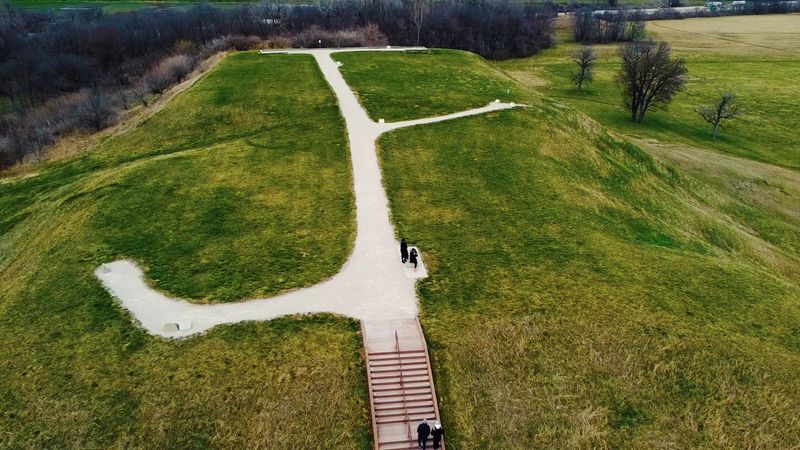
Cahokia changes the way you think about early America. Around 1050 AD, Indigenous peoples built a vast city here near present-day St. Louis, complete with enormous earthen mounds, planned spaces, and a social complexity that still challenges easy explanations.
At its height, it rivaled major cities across the world.
Today the mounds rise gently from the landscape, but their quiet appearance hides extraordinary significance. Standing there, you realize this was not a primitive outpost or historical aside.
It was a powerful urban center that shaped trade, culture, and regional life.
The silence here feels deep, not empty.
3. Eastern State Penitentiary, Pennsylvania – Where Silence Was Punishment
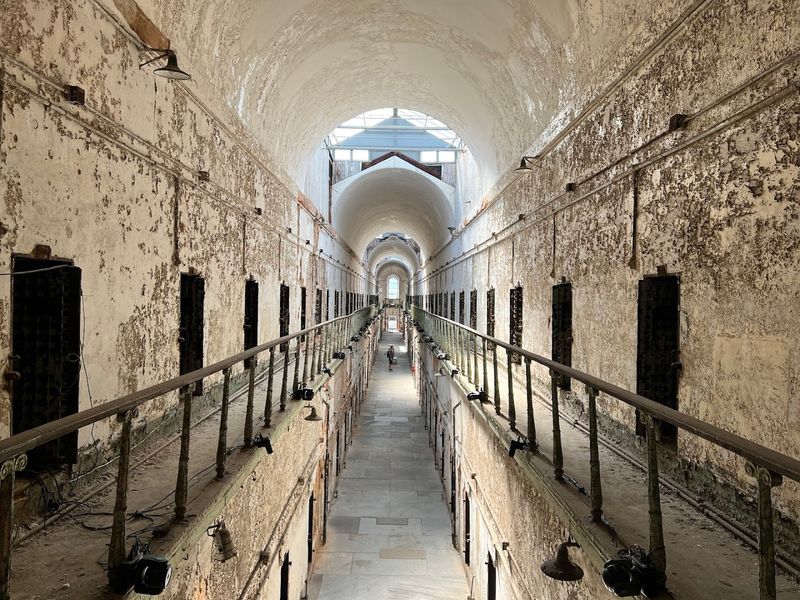
Eastern State Penitentiary was built on a radical idea: isolation could reform the soul. Prisoners lived alone, worked alone, and even exercised alone, cut off from nearly all human contact inside vaulted stone cells and narrow walled yards.
The design was innovative, but the psychological cost was enormous.
Today, the decaying hallways still carry that oppressive logic. You can see the tiny doors, the worn floors, and the cells where silence became its own weapon.
Even Al Capone spent time here, though his quarters were famously more comfortable than most.
Walking through it, you feel punishment lingering in the architecture itself.
4. Centralia, Pennsylvania – The Town That’s Still Burning
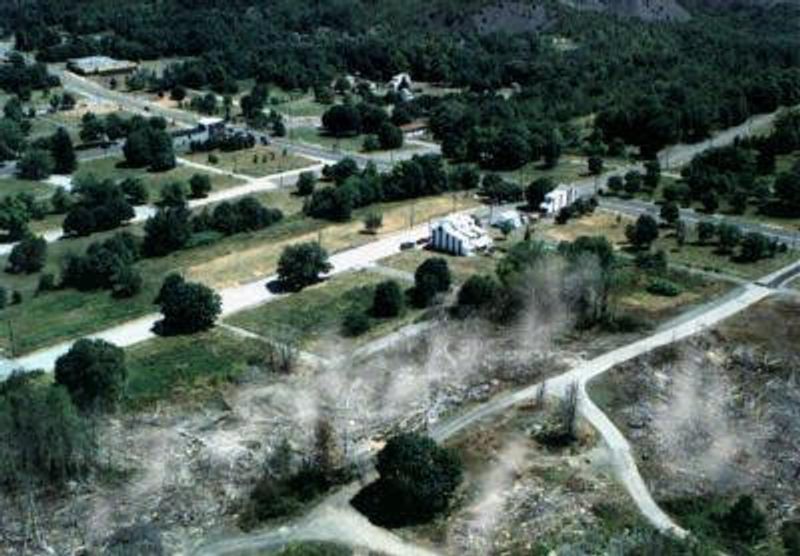
Centralia is not a ruin in the usual sense because the destruction never fully stopped. An underground coal mine fire ignited in 1962 and kept burning beneath the town, forcing nearly everyone to leave as toxic gases, sinkholes, and unstable ground made daily life impossible.
What remains feels surreal. Roads split open, steam seeps from the earth, and empty lots mark where homes once stood.
Instead of a sudden catastrophe, Centralia tells a slower story, one where the land itself turned against the community built above it.
You do not just visit Centralia. You feel warned by it.
5. Fort Jefferson, Florida – A Fortress in the Middle of Nowhere
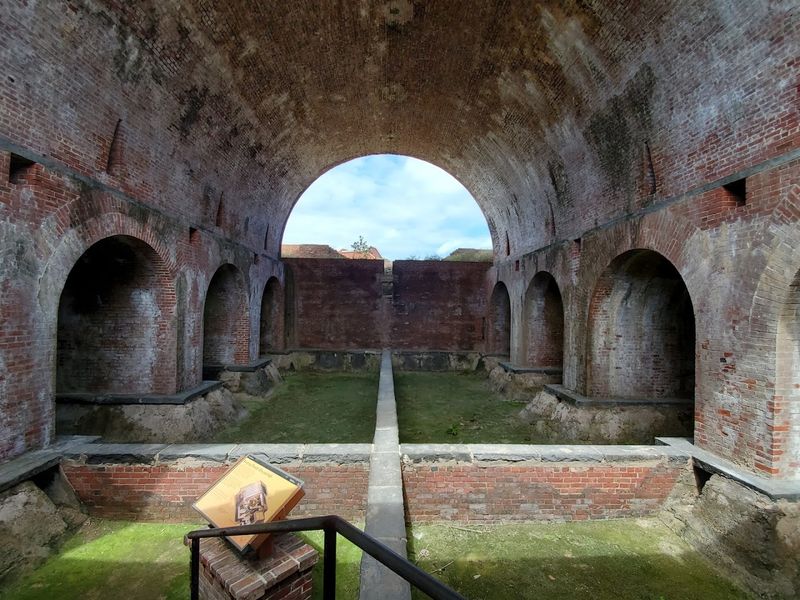
Fort Jefferson rises from the Dry Tortugas like a brick mirage, enormous and oddly lonely in the middle of brilliant blue water. It was built to protect vital shipping routes in the Gulf, yet it never saw the decisive military glory its size seemed to promise.
Instead, the fort became known partly for confinement. Dr. Samuel Mudd, linked to Abraham Lincoln’s assassination, was imprisoned here, and the island’s isolation shaped every story attached to the place.
The walls feel impressive, but the distance from everything else is what stays with you.
Even surrounded by beauty, the fort feels quietly cut off.
6. Kennecott, Alaska – A Copper Empire Left Behind
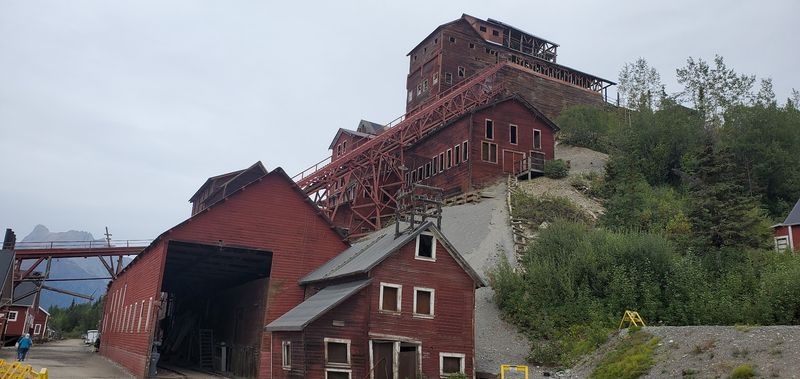
Kennecott looks impossible at first, a cluster of industrial buildings clinging to the Alaskan wilderness with stubborn confidence. In the early twentieth century, it was a copper powerhouse, producing immense wealth in one of the harshest, most remote landscapes in the country.
Then the ore played out, and the whole operation shut down with startling speed. What remains is a weathered company town and towering mill that now read like a monument to ambition, extraction, and the limits of both.
Nature has not erased Kennecott, but it has started negotiating new terms.
You can feel human determination shrinking against the mountains.
7. Bannack, Montana – Lawless Beginnings of the West
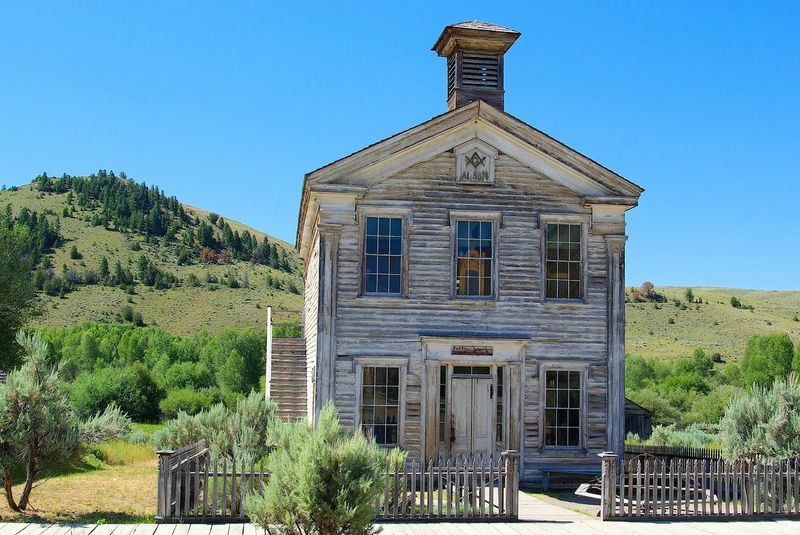
Bannack was Montana’s first territorial capital, but official status never made it orderly. This frontier town grew fast during the gold rush and became tangled with violence, rumor, and one of the West’s most infamous stories about Sheriff Henry Plummer and his alleged outlaw gang.
Today the wooden buildings stand in uneasy calm, lined up along silent dirt streets that once carried miners, merchants, and men who may have worn badges while breaking the law. That tension gives Bannack its charge.
It is not just abandoned, but morally complicated, too.
When you walk through it, myth and history feel impossible to separate.
8. Salton Sea, California – A Paradise Gone Wrong
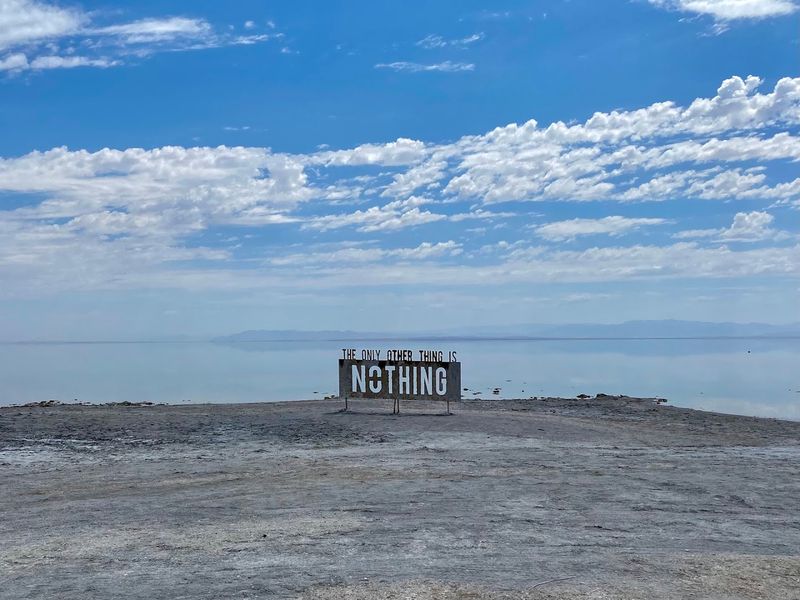
The Salton Sea was once sold as a desert paradise, a playground where celebrities, boaters, and vacationing families came for sunshine and easy glamour. Midcentury resorts sprang up along the shore, promising a sparkling future in a place that seemed made for reinvention.
Then salinity rose, pollution worsened, fish died, and the fantasy soured. Empty marinas, ruined buildings, and beaches littered with bones now frame a shrinking, troubled lake.
What makes the Salton Sea memorable is not just its collapse, but how recently people believed in it.
You can still sense the optimism, which makes the failure hit even harder.
9. Mesa Verde Cliff Dwellings, Colorado – Homes in the Stone
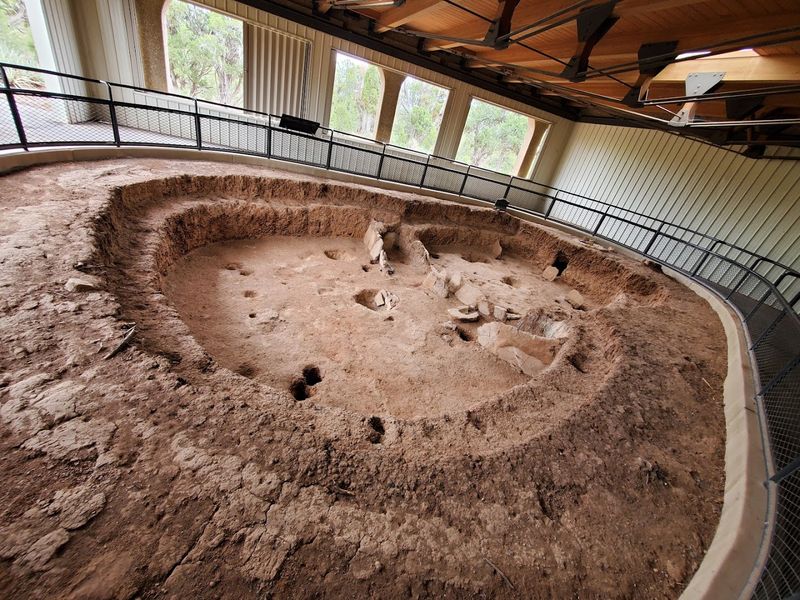
The cliff dwellings at Mesa Verde still look ingenious centuries later. Built by the Ancestral Puebloans within sheltered canyon alcoves, these stone communities turned difficult terrain into secure, livable space with remarkable skill and attention to both environment and social life.
What gives the site its emotional pull is the unanswered question of departure. By the late thirteenth century, the dwellings were abandoned, and scholars continue debating the mix of drought, resource pressure, and social change behind that decision.
You are left with architecture that feels intimate and mysterious at once.
Standing below those walls, admiration and uncertainty arrive together.
10. Michigan Central Station, Michigan – Grandeur on Pause
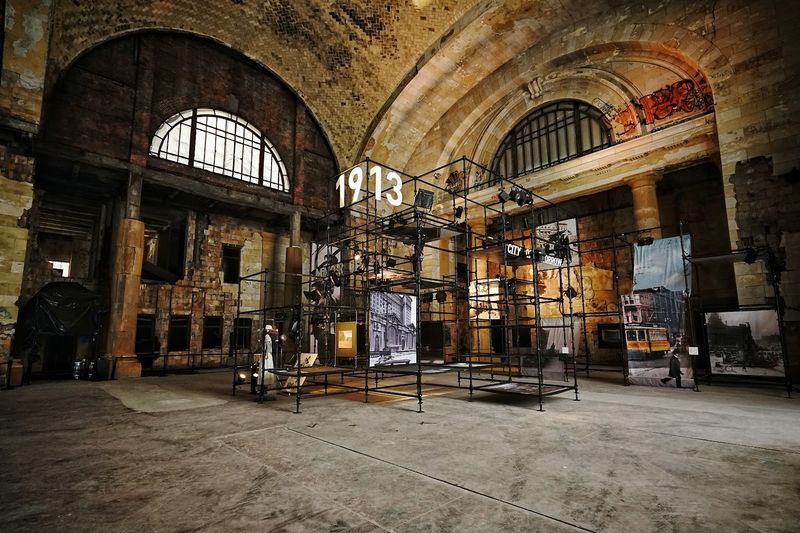
Michigan Central Station was built to announce Detroit’s confidence to the world. Its soaring halls, classical details, and monumental scale turned rail travel into civic theater, the kind of arrival point that told visitors they were entering a city on the rise.
When Detroit’s fortunes changed, the station became a symbol of absence instead. For years it stood stripped, empty, and hauntingly beautiful, proof that grandeur can survive even after function disappears.
That long abandonment made the building more than a ruin. It became a public memory of boom, decline, and stubborn possibility.
Even silent, it still looks like it expects crowds to return.
11. Rhyolite, Nevada – Dreams That Didn’t Last
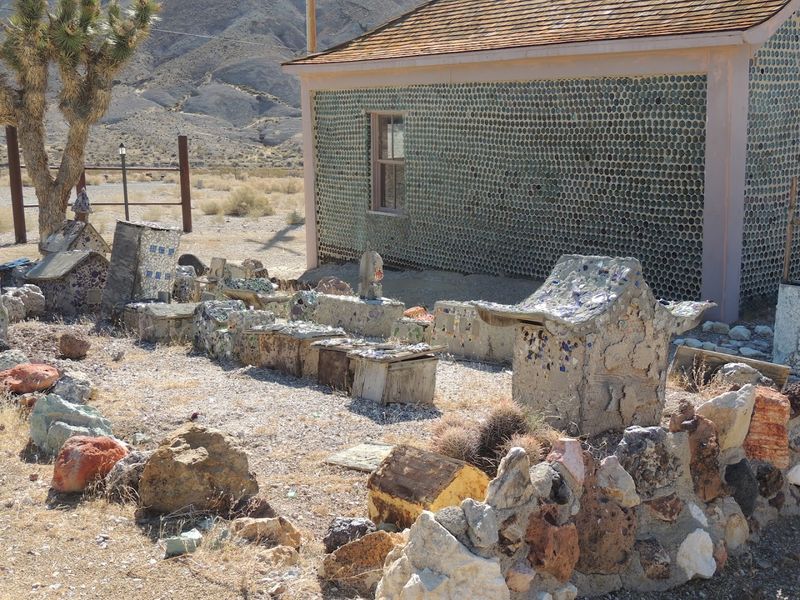
Rhyolite exploded into existence during Nevada’s gold rush and briefly looked unstoppable. The town gained electricity, a stock exchange, substantial stone buildings, and the kind of civic confidence that suggested it would outlast the frenzy that created it.
It did not. As mining profits faltered, people moved on with stunning speed, leaving behind skeletal remains in the desert.
Today, the ruins share space with outdoor art, which only sharpens the feeling that Rhyolite lives between imagination and evidence. It is both cautionary tale and strangely elegant ghost.
You leave reminded that growth can feel permanent long before it proves temporary.
12. Ellis Island Hospital Complex, New York – The Other Side of Immigration
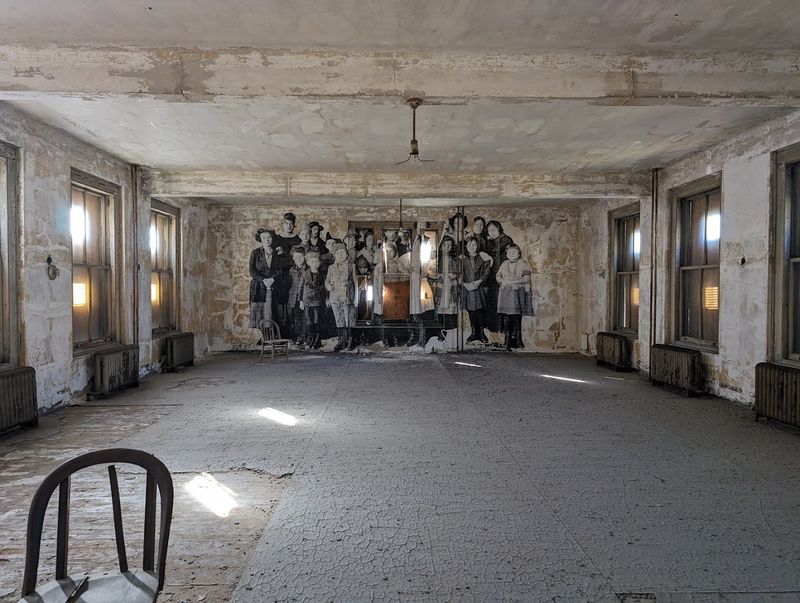
Ellis Island usually stands for hope, arrival, and the promise of a new life. The hospital complex tells a harder version of that story, one centered on immigrants who were detained for illness, fear of contagion, or medical conditions that delayed or ended their journey.
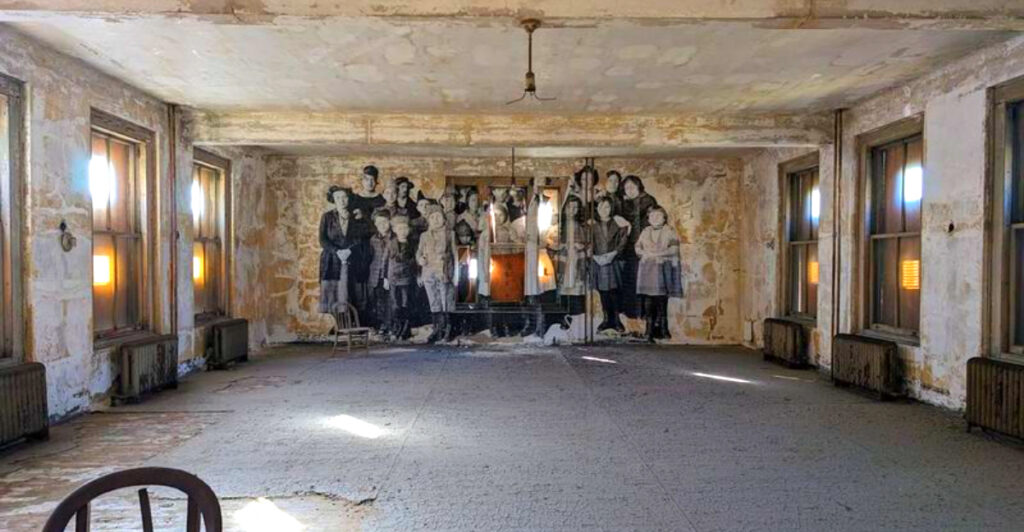
Inside the abandoned buildings, peeling walls and rusted beds make the emotional cost visible. Families were separated here.
Some people recovered and continued on, while others never left. That complexity matters because it turns a familiar national symbol into something more truthful and more human.
The American dream passed through these rooms, but not everyone crossed the threshold.
13. Glenrio, Texas/New Mexico – A Route 66 Ghost Town
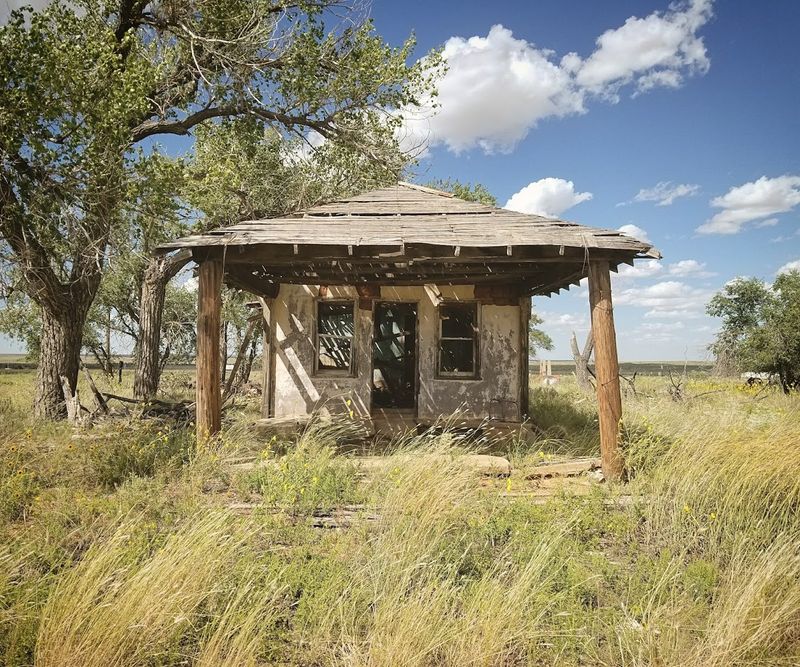
Glenrio lived because people kept moving through it. Sitting on the Texas-New Mexico line, it thrived during the heyday of Route 66, serving drivers with gas stations, cafes, motels, and bright roadside promises aimed at travelers chasing distance.
Then the interstate changed everything. Once traffic shifted away, Glenrio’s reason for existing weakened almost overnight, and the businesses that depended on motion fell quiet.
What remains is pure roadside melancholy, a place where cracked signs and shuttered storefronts preserve the shape of midcentury optimism.
If you love old highways, Glenrio feels both charming and brutally honest about what bypassing can do.
14. Castle Dome, Arizona – Silver and Silence
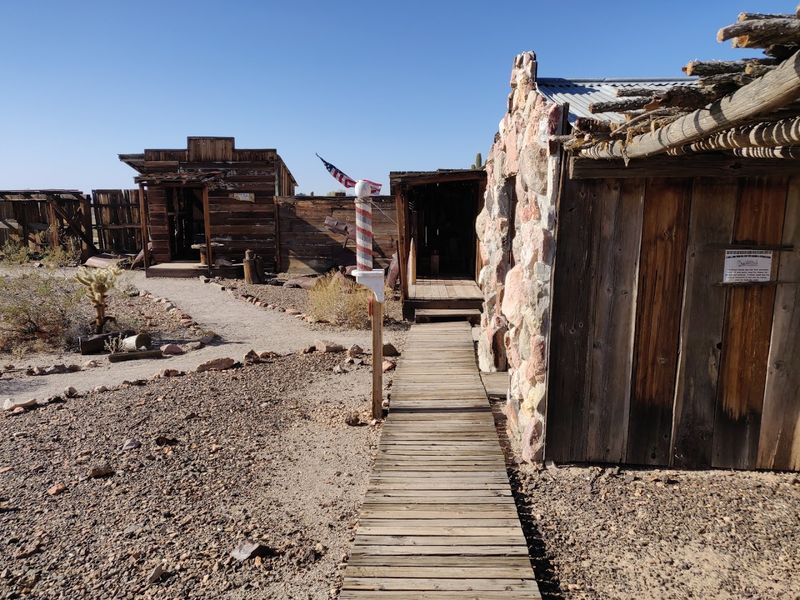
Castle Dome began as a silver mining camp and quickly grew into one of Arizona’s richer boomtowns. Prospectors, merchants, and drifters arrived with the usual mix of urgency and hope, turning a harsh desert setting into a busy settlement tied to extraction.
When mining declined, the town emptied, but unlike many ghost towns, Castle Dome held onto an unusual amount of its physical form. That makes it feel strikingly close to the people who once moved through it.
The buildings are quiet now, yet they still suggest commerce, risk, and stubborn survival.
You do not have to imagine much here. The past feels almost within reach.
15. St. Elmo, Colorado – A Mountain Town That Lingers
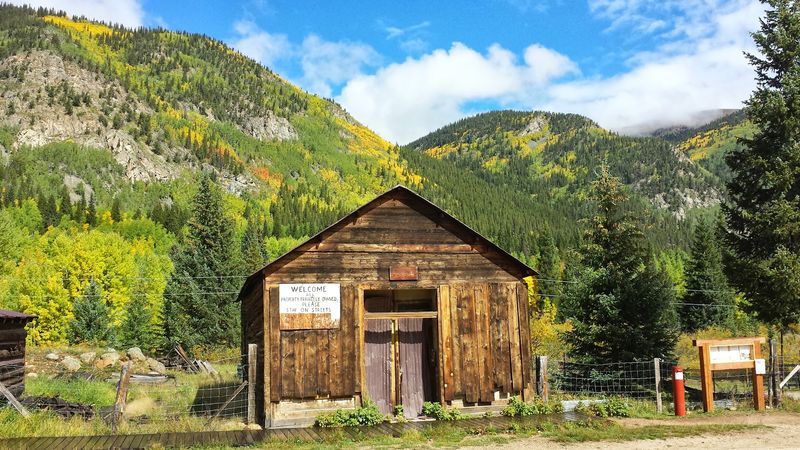
St. Elmo has the softness many ghost towns lack. Founded during Colorado’s mining years, it once held families, stores, hotels, and the busy routines of a mountain community trying to make a life in a demanding landscape.
When the railroad stopped serving the area, decline came gradually instead of all at once. That slow fading gives the town its mood.
Weathered buildings remain standing, and the quiet feels less violent than tender, as though the place simply drifted into sleep. Even the animals moving through the streets add to that strange gentleness.
You leave feeling less haunted than wistful, which is its own kind of ache.
16. Fort Ord, California – From Training Ground to Time Capsule
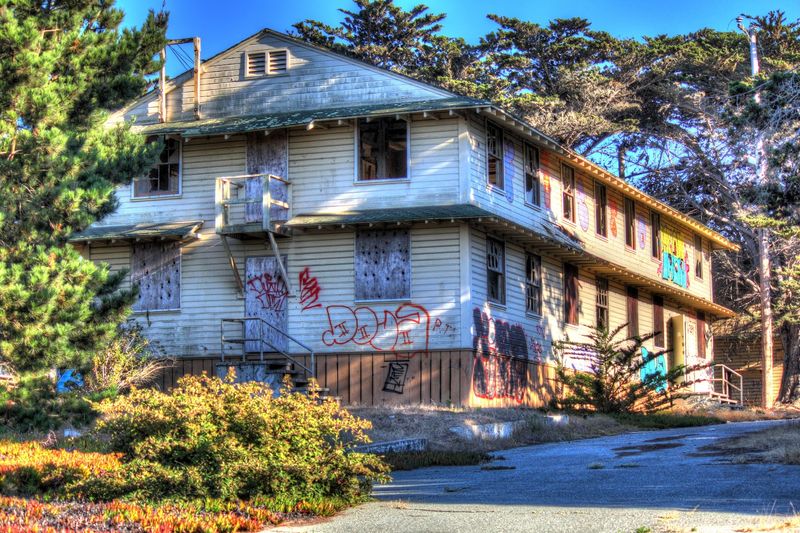
Fort Ord spent decades preparing soldiers for war, which makes its present calm feel especially strange. After the base closed in the 1990s, barracks, training grounds, and long empty roads were left behind across a vast coastal landscape.
What stands out now is the transition. Vegetation pushes into pavement, buildings sit hollow but orderly, and the urgency that once defined the place has drained away.
Fort Ord is not a romantic ruin in the old stone sense. It is a modern one, where recent history still feels close enough to touch.
You can sense duty in the layout, even as nature slowly edits the military script.
17. Animas Forks, Colorado – High Altitude Hardship
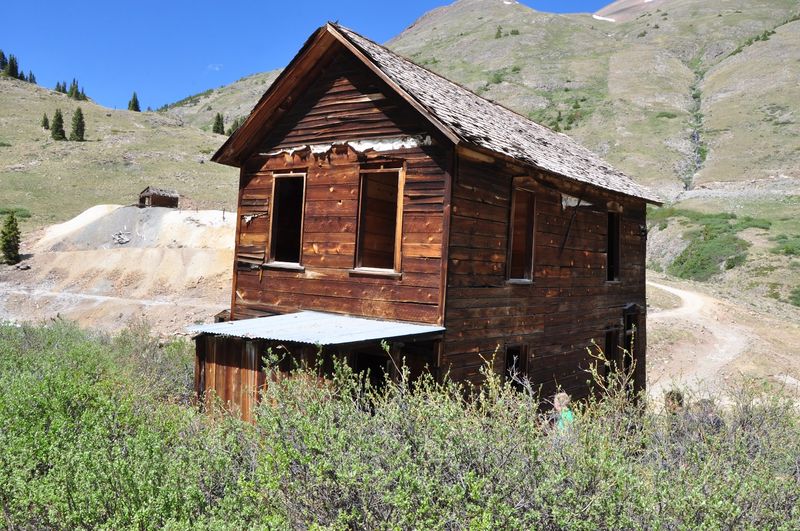
Animas Forks sits above 11,000 feet, which immediately tells you this was never an easy place to build a town. Yet during the silver boom, people created homes, businesses, and a community there, enduring cold, altitude, and isolation for the possibility of profit.
That determination is what makes the surviving buildings so affecting. They look delicate against the mountains, as if weather alone should have erased them long ago.
When mining declined, the town lost its economic reason to persist, but the structures still testify to extreme effort and stubborn hope.
You cannot stand there without wondering what daily life demanded from everyone.
18. Jamestown Ruins, Virginia – Where It All Began
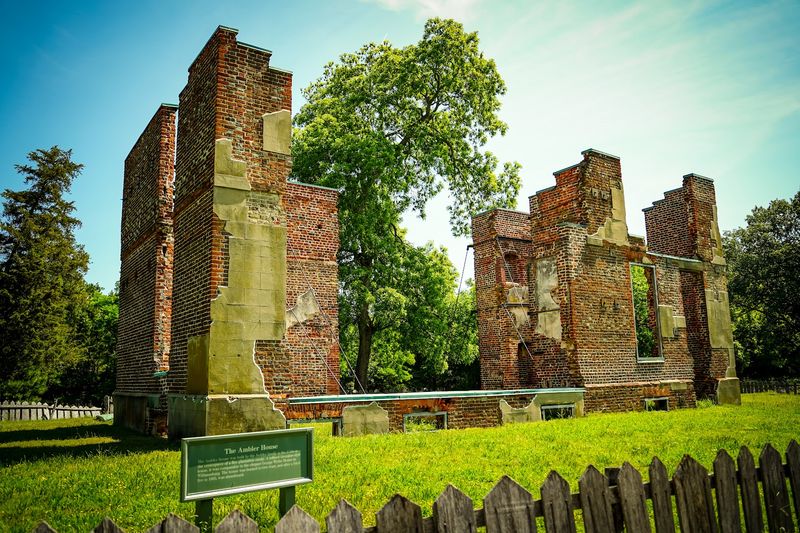
Jamestown is often introduced as the first permanent English settlement in America, but the ruins tell a story far messier than any tidy origin myth. Early colonists faced disease, hunger, political instability, and conflict that nearly destroyed the entire venture.
That is why the archaeological remains matter so much. They replace patriotic shorthand with evidence of desperation, adaptation, and survival under brutal conditions.
Walking through the site, you are not just visiting a beginning. You are confronting how fragile that beginning really was, and how uncertain the future looked from within it.
The place feels foundational, but it also feels frighteningly precarious.
19. The Ruins of the Sutro Baths, California – Luxury Lost to Time
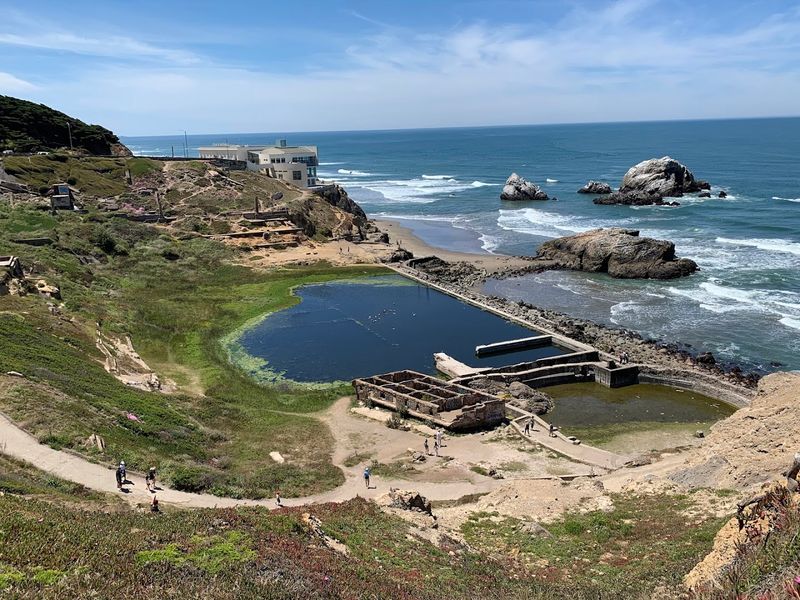
The Sutro Baths were built as spectacle. In late nineteenth-century San Francisco, the sprawling seaside complex offered pools, galleries, and entertainment on a scale meant to impress visitors and turn recreation into a kind of public wonder.
After years of decline, a 1966 fire destroyed much of the site, leaving the skeletal remains you see today along the Pacific edge. Waves crash through the ruins, fog slides over the cliffs, and the whole setting feels theatrical in the best possible way.
Few places capture lost grandeur so visually, or so emotionally.
You can almost picture the crowds, which makes the emptiness feel cinematic and sad.
20. Calico, California – A Ghost Town That Refuses to Fade
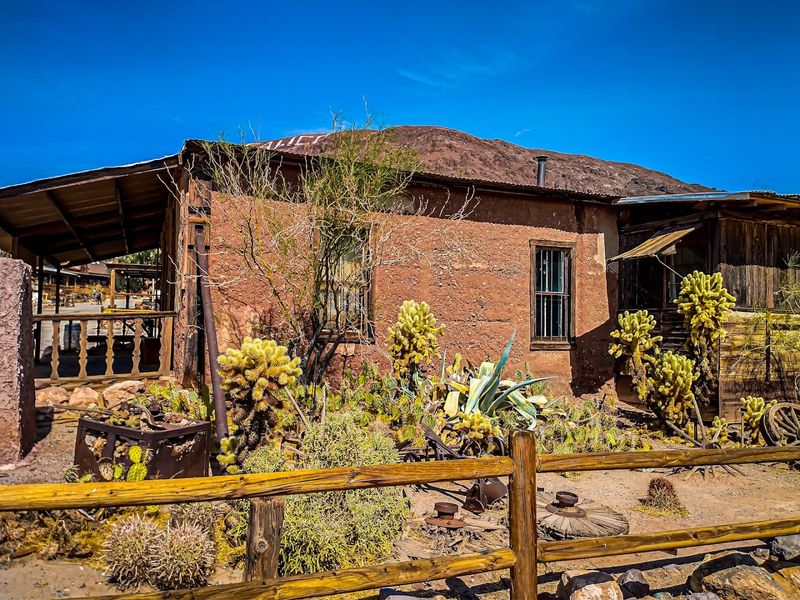
Calico occupies an interesting line between ruin and revival. It began as a silver mining town, rose quickly, and then declined when prices fell and the economic logic of staying disappeared.
Like many boomtowns, it should have become little more than weathered memory.
Instead, Calico was preserved and partially restored, which can make it feel performative at first glance. Still, the desert wind, old mine workings, and creaking wooden buildings carry genuine traces of labor and risk.
The result is a place where tourism and history coexist without fully canceling each other out.
If you look past the staging, the original grit is still there.
Share this story