There is a place in Morristown, New Jersey, where a single afternoon can take you from a room full of self-playing musical instruments to a hands-on science lab, then past ancient Native American artifacts and into a professional theater. That kind of range is rare, and it makes this museum genuinely hard to put into a single category.
It is not just an art museum, and it is not just a history museum. It is all of those things at once, tucked inside a building that keeps revealing new rooms and new surprises the deeper you go.
Families, solo explorers, and curious adults all find something worth slowing down for here. The mix of permanent collections and rotating exhibits means there is almost always something new to discover, even if you have been before.
This is the kind of place that earns a second visit before you have even finished the first one.
A Legacy That Stretches Back Over a Century
Founded in 1913, the Morris Museum has been a cultural anchor in Morris County for well over a hundred years. That kind of staying power does not happen by accident.
It reflects a genuine community commitment to keeping arts, science, and history alive in one shared space.
The museum started modestly, as many regional institutions do, but it grew steadily in both collection size and ambition. Over the decades, it built a reputation that eventually earned it an affiliation with the Smithsonian Institution, a distinction that places it in very select company among American museums.
That Smithsonian connection is not just a badge. It reflects the seriousness with which the museum approaches curation, research, and public education.
The collections here have been assembled with care and context, not just quantity. Knowing that history adds a layer of meaning to every exhibit you encounter, from the oldest artifacts to the newest rotating installations.
The Guinness Collection of Mechanical Musical Instruments
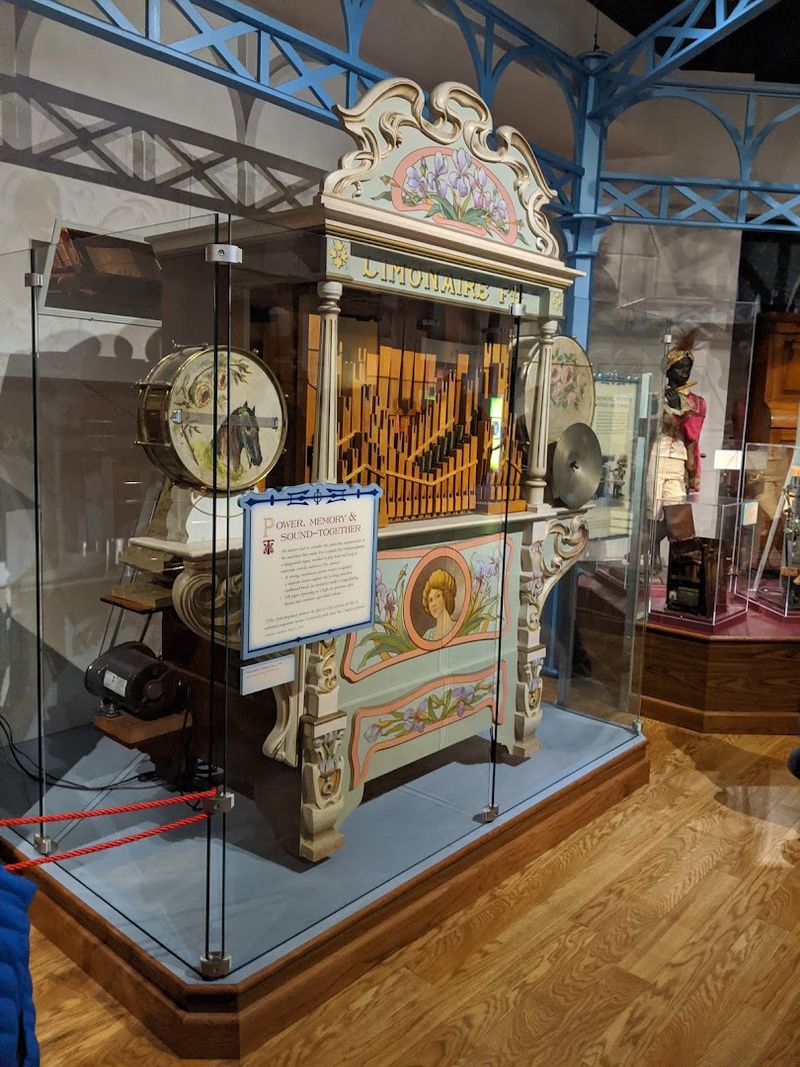
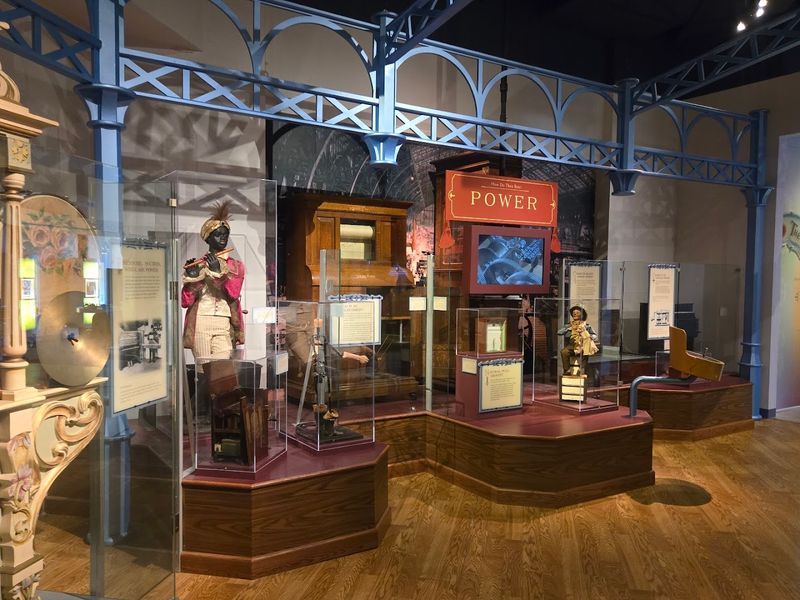
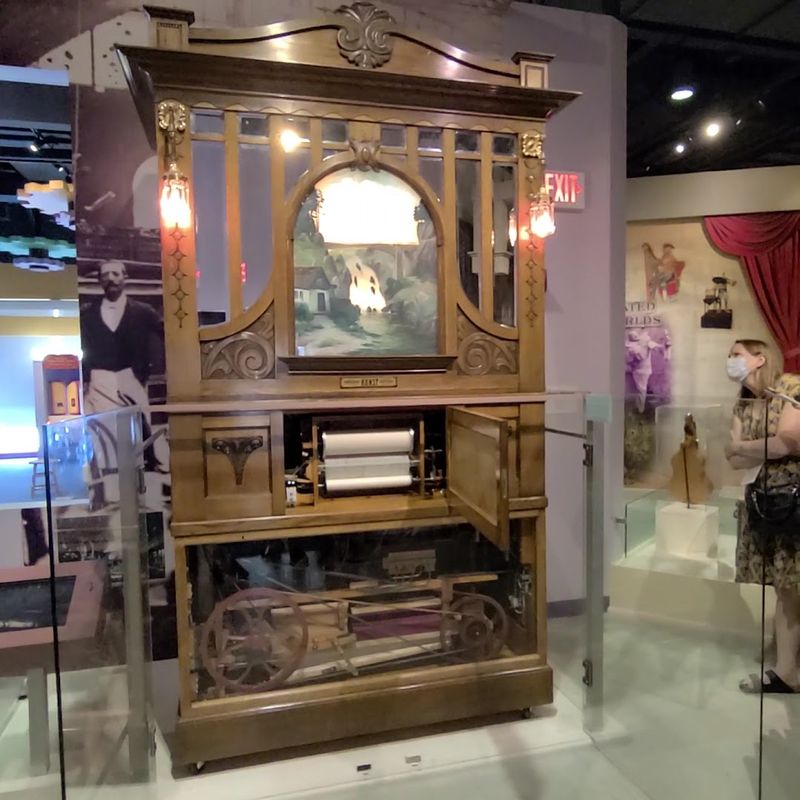
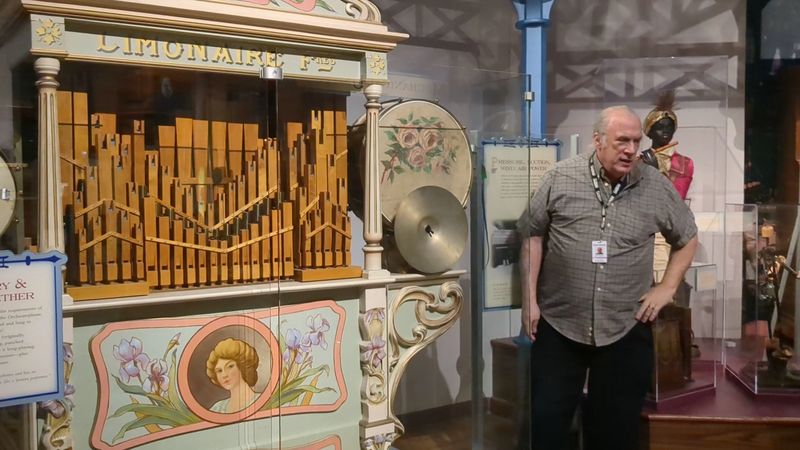
The Murtogh D. Guinness Collection of Mechanical Musical Instruments and Automata is widely considered the crown jewel of the Morris Museum.
It is one of the most significant collections of its kind anywhere in the world, and that is not an overstatement.
The collection features music boxes, player pianos, orchestrions, and other self-playing instruments that date from the 1800s through the early 1900s. Each piece is a mechanical marvel, built at a time when the idea of recorded sound was still decades away.
The museum offers guided tours of this collection, which are included with admission. Those tours are highly worth taking because they bring the instruments to life, literally.
At certain times, including a daily demonstration at 2 PM, staff activate the music boxes and automata so visitors can hear and see them in action. That live demonstration turns a fascinating exhibit into a genuinely memorable experience.
Automata That Seem Almost Alive
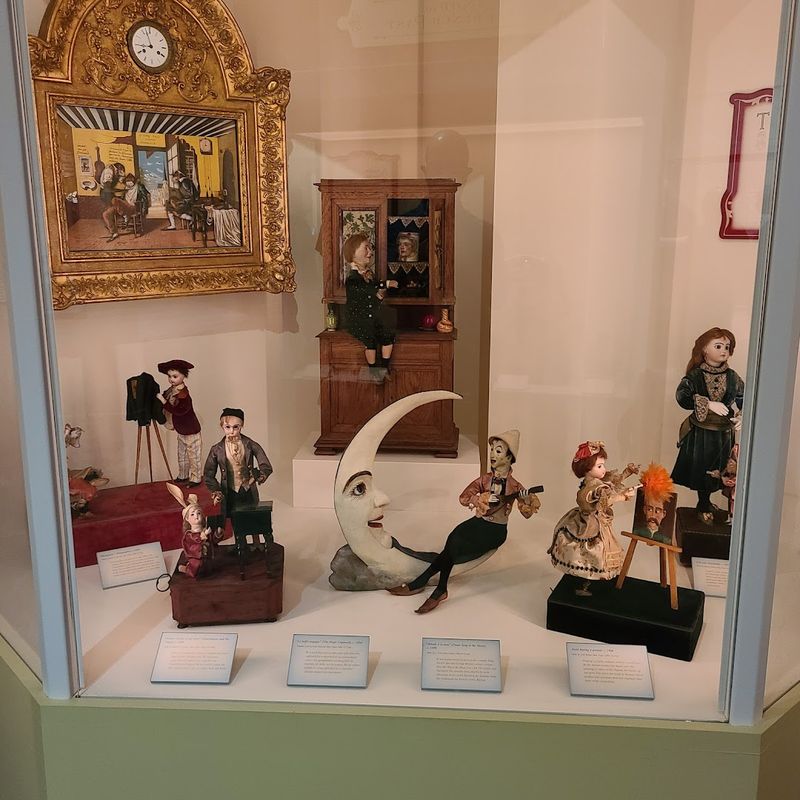
Alongside the musical instruments, the Guinness Collection includes a remarkable array of automata, which are mechanical figures designed to move and perform. These range from small tabletop toys to more elaborate figures that play instruments, write, or perform theatrical gestures.
Most of these pieces were made between the mid-1800s and the early 1900s, a period when European craftsmen were pushing the limits of what clockwork mechanics could do. The level of detail in many of the figures is extraordinary, with lifelike faces, articulated fingers, and layered movements that unfold in carefully programmed sequences.
What makes this part of the collection so compelling is the way it bridges art, engineering, and performance all at once. These were not purely scientific objects.
They were also entertainment, status symbols, and demonstrations of human creativity at its most inventive. Seeing them move during a guided tour is one of those museum moments that genuinely sticks with you long after you have left the building.
The Model Train Room That Stops Everyone in Their Tracks
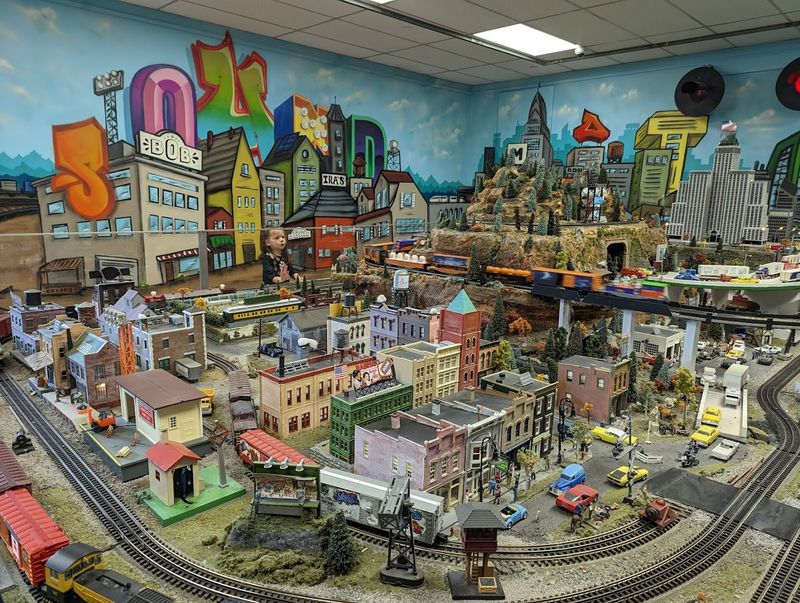
Few exhibits at the Morris Museum generate as much immediate excitement as the model train room. The layout is substantial, filling a large dedicated space with miniature landscapes, buildings, bridges, tunnels, and of course, trains moving along winding tracks.
The Lionel train collection is a particular highlight. Lionel trains have a deep place in American culture, and seeing a large, operational layout of them brings out enthusiasm in adults just as quickly as it does in children.
There is something about a well-built model train setup that holds attention across generations.
The level of detail in the surrounding miniature environment adds to the appeal. The tiny storefronts, the carefully constructed terrain, and the coordinated movement of multiple trains at once make this room worth spending real time in.
It is one of those exhibits where people tend to linger far longer than they originally planned, pointing out small details they keep noticing the longer they look.
Art Galleries That Change and Grow
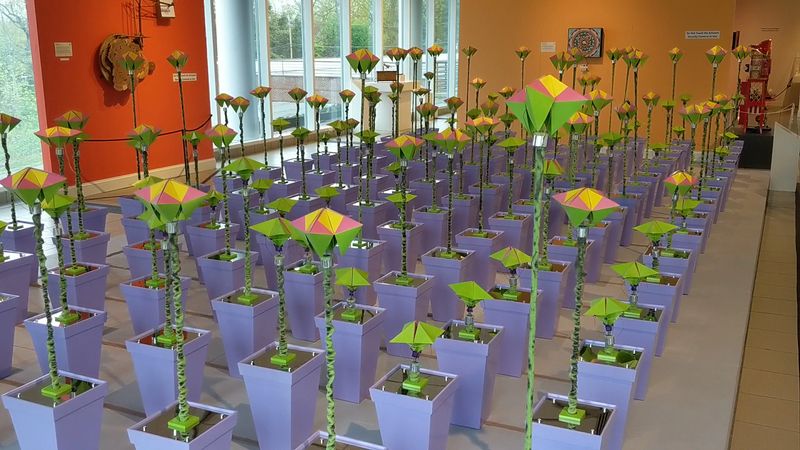
The Morris Museum maintains active art galleries that feature both permanent holdings and a rotating schedule of temporary exhibitions. That combination keeps the museum feeling current and gives repeat visitors a reason to come back throughout the year.
The permanent art collection spans a wide range, including works by New Jersey sculptors, pieces from the Oceania region, and an impressive collection connected to sculptor Michael Malpass. The variety means the galleries do not feel like they belong to a single era or style, which keeps things visually interesting as you move from room to room.
Temporary exhibitions have covered everything from literary arts to international textile traditions. A recent exhibit on Oaxacan tapestry and weaving brought a richly detailed look at a craft tradition that many visitors had never encountered before.
The museum also occasionally features presentations by living artists whose work is currently on display, giving the galleries a lively, active quality that goes beyond static display cases.
Native American History and Local Heritage
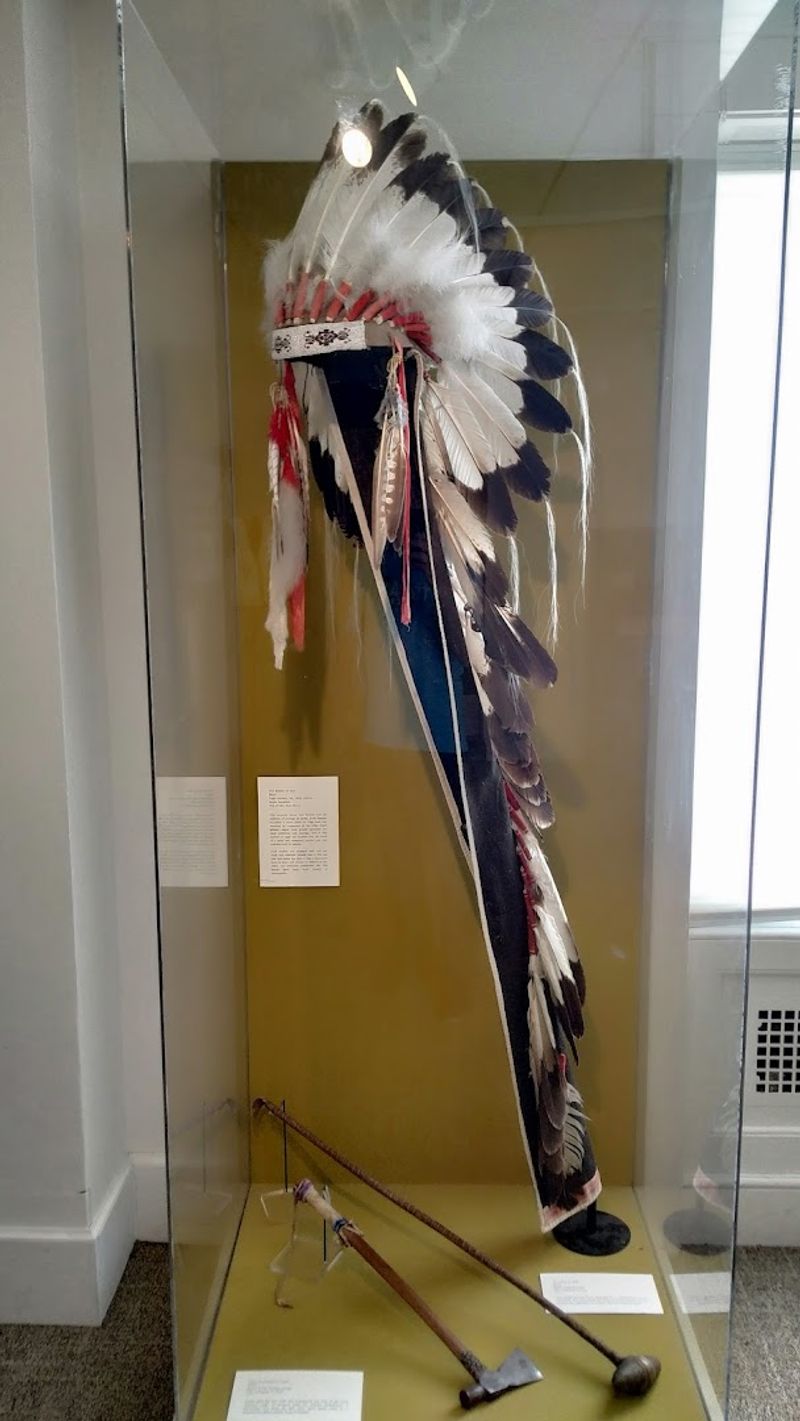
One of the more grounding sections of the Morris Museum is its collection dedicated to local Native American history. This part of the museum connects visitors to the people who lived on this land long before European settlement, and it does so with care and context.
The collection includes artifacts, cultural objects, and interpretive displays that help explain the daily life, traditions, and history of the Lenape people and other indigenous groups connected to the New Jersey region. For younger visitors especially, this section offers an accessible entry point into a history that is often underrepresented in standard school curricula.
The museum treats this material with the kind of seriousness it deserves, presenting the artifacts not just as objects but as evidence of living cultures with deep roots in this landscape. That approach makes the exhibit feel respectful and educational rather than purely decorative.
It is one of those sections that rewards a slow, attentive walk-through rather than a quick glance.
Geological Specimens and the Science Side of Things
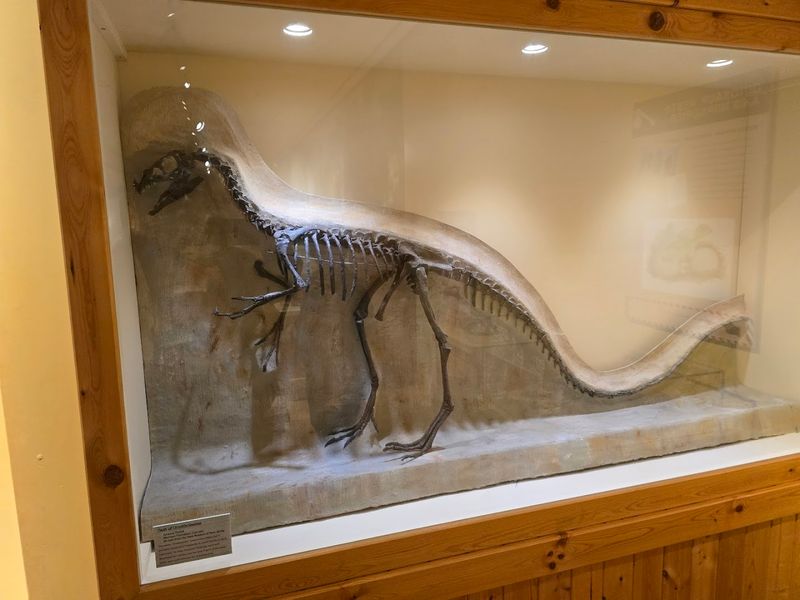
The Morris Museum does not limit itself to art and history. It also carves out meaningful space for science, and the geological specimen collection is a solid example of that commitment.
The display features rocks and minerals, with a notable focus on specimens found in New Jersey.
New Jersey has a surprisingly rich geological story, and the collection highlights that with samples that cover a wide range of formations, colors, and compositions. A crystal display within this section has drawn particular attention for the quality and variety of the specimens on show.
For anyone who has ever picked up an interesting rock and wondered what it actually was, this exhibit offers some genuinely satisfying answers. The labeling is clear and informative without being overly technical, making it accessible to casual visitors and more dedicated geology enthusiasts alike.
It is a compact section, but it is well put together and adds meaningfully to the museum’s identity as a place where science belongs alongside art and history.
Spark Lab: Where Kids Get to Build and Create
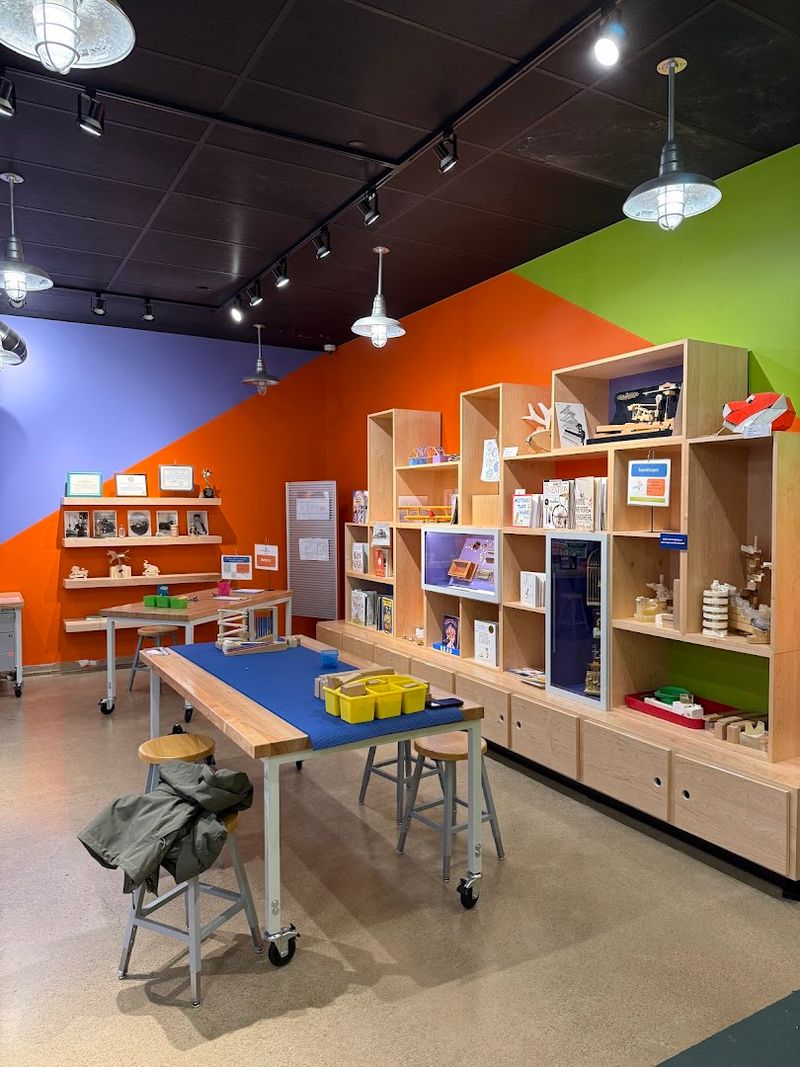
The Spark Lab is one of the most talked-about features for families visiting the Morris Museum. It is a dedicated space where children can engage with hands-on activities focused on invention, building, and creative problem-solving.
Timed entry keeps the room from getting overcrowded, which helps maintain a productive and focused environment.
Staff in the Spark Lab are consistently described as enthusiastic and genuinely engaged with the kids they are working with. That energy makes a real difference in how children experience the space.
It is not just a drop-off play area. It is a guided creative environment where young people are encouraged to think and make things.
The activities change over time, so the lab stays fresh for children who visit more than once. For parents looking for a museum experience that goes beyond reading labels and looking at objects behind glass, the Spark Lab delivers something more active and participatory.
It is a strong reason to bring children back for a second visit.
The Bickford Theater: Performances Inside the Museum

Not many museums can claim a fully operational professional theater inside their walls, but the Morris Museum has the Bickford Theater, a comfortable and well-equipped performance space that hosts a genuine range of live events throughout the year.
Productions at the Bickford have included dance performances, classical music concerts, theatrical shows, and community events. The New Jersey Baroque Orchestra has performed there, and dance companies like Nimbus Dance have used the stage for full productions.
The auditorium is professionally run, with good acoustics and comfortable seating.
Having a theater inside a museum creates an interesting dynamic. A visit to the Morris Museum can easily combine a walk through the galleries with an evening performance, turning a single trip into a much fuller cultural experience.
It also means the museum is not just a daytime destination. Events at the Bickford regularly draw audiences who might not otherwise visit the galleries, which helps broaden the museum’s reach into the wider community.
Membership and Community Connection
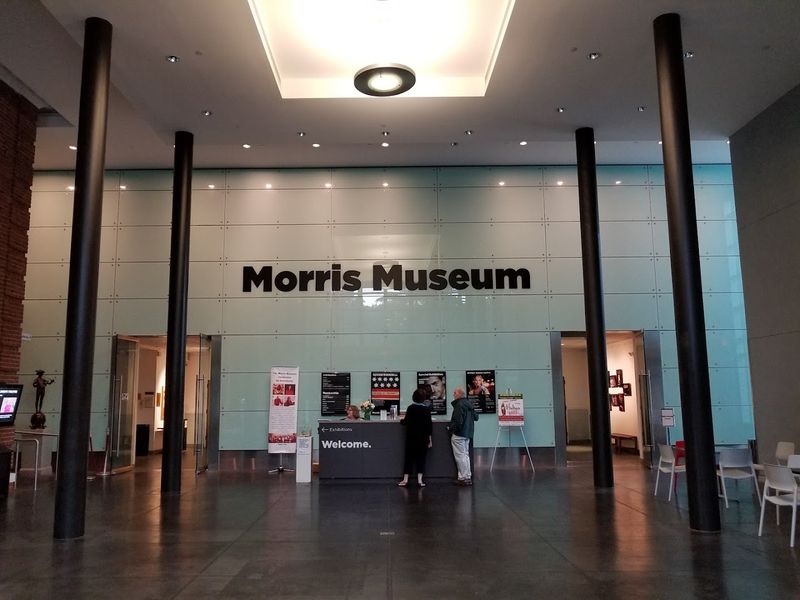
The Morris Museum offers a membership program that has attracted a loyal base of supporters from across Morris County and beyond. For families who visit more than once or twice a year, membership quickly becomes a practical choice, especially given how often the rotating exhibits bring new material into the galleries.
Beyond the financial logic, membership carries a sense of community investment. The museum plays a genuine role in the cultural life of Morristown and the surrounding region, and supporting it through membership helps keep that role strong.
The museum has been explicit about valuing its member community, and that relationship shows in the quality and consistency of what the institution offers.
The museum is also affiliated with the Smithsonian Institution, which means members are part of a broader national network of cultural institutions. For anyone who cares about keeping arts, science, and history accessible to the public, becoming a member here is one of the more meaningful ways to act on that commitment locally.
Tips for Getting the Most Out of Your Visit
A few practical notes can make a big difference in how much you get out of a trip to the Morris Museum. First, arrive at 2 PM if the Guinness Collection is a priority, because that is when the daily music box demonstration takes place and it is one of the genuine highlights of any visit.
Plan for at least two to three hours if you want to cover the main galleries, the train room, the Spark Lab, and the Guinness Collection without feeling rushed. The museum is compact enough to navigate comfortably, but there is more to absorb than a quick pass-through will reveal.
Check the museum website at morrismuseum.org before your visit to see what temporary exhibitions and Bickford Theater performances are currently scheduled. The rotating program means the experience shifts regularly, and knowing what is on before you arrive helps you prioritize.
Wednesday through Sunday, 11 AM to 5 PM, are your windows to plan around.
Why This Museum Deserves More Attention Than It Gets
Regional museums often get overlooked in favor of larger institutions in major cities, and the Morris Museum is a clear example of a place that punches well above its weight without getting the wider recognition it has earned. The combination of art, science, music history, and live performance under one roof is genuinely unusual.
The Smithsonian affiliation alone signals a level of quality that many visitors do not expect when they pull into the parking lot for the first time. The collections are thoughtfully assembled, the rotating exhibitions keep the experience current, and the staff bring real enthusiasm to their work throughout the building.
For anyone in northern New Jersey or the greater New York metro area looking for a cultural destination that offers real depth without a full-day commitment, the Morris Museum delivers consistently. It is the kind of place that earns a spot on the regular rotation rather than a one-time visit.
The more time you give it, the more it gives back.
Where to Find It and What to Expect on Arrival
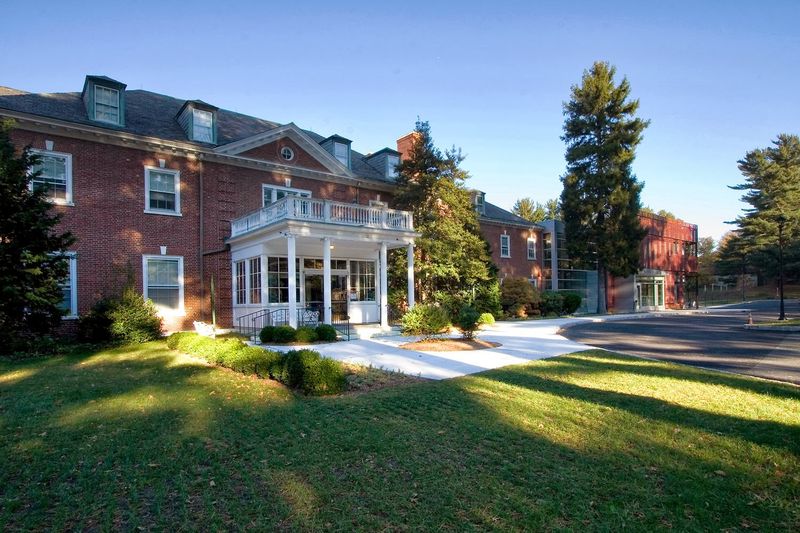
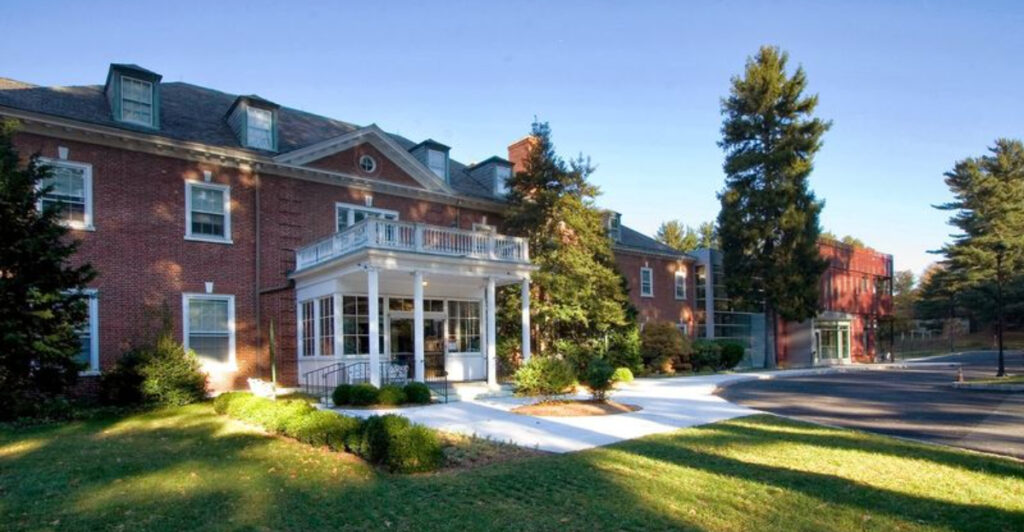
The Morris Museum sits at 6 Normandy Heights Rd, Morristown, NJ 07960, just off the main roads that connect the heart of Morristown to its quieter residential edges. The building itself has a dignified, manor-house quality that hints at history before you even walk through the front door.
Parking is free and plentiful on site, which is a genuine convenience that many museums in the region cannot offer. The museum is open Wednesday through Sunday from 11 AM to 5 PM and is closed on Mondays and Tuesdays, so planning ahead matters.
The admission process is straightforward, and staff at the entrance are known for being welcoming and ready to point out what is currently on display. First-time visitors are often surprised by how much ground there is to cover inside.
Budget at least two to three hours if you want to move through the galleries without rushing.
Share this story