Some places look charming online and then flatten out the moment you arrive, but this one kept surprising me room by room, detail by detail, right down to the breakfast table and the creak of old wood underfoot. I found a stay in Grand Rapids that feels polished without feeling stiff, historic without turning dusty, and intimate in a way big hotels usually cannot fake.
The real trick is how this mansion keeps a few secrets at first glance: a location that makes neighborhood wandering easy, interiors full of preserved character, and a level of comfort that quietly sneaks up on you after check-in. Keep reading and I will show you exactly what makes this restored house memorable, from its 1914 roots and thoughtful room design to the porch, the parlor, the walkable Heritage Hill setting, and the practical details that matter before you book.
The address that sets the tone
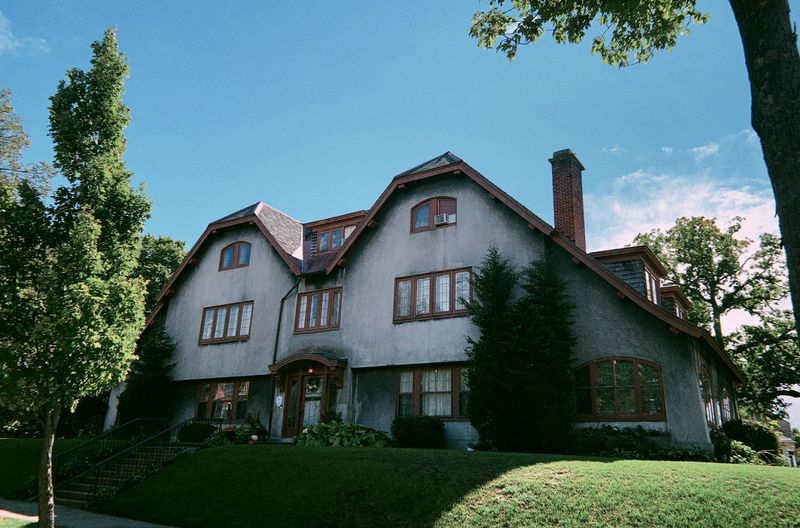
The first thing I appreciated was the address itself: The Leonard at Logan House, 440 Logan St SE, Grand Rapids, MI 49503, United States. That pin on the map places you in Heritage Hill, a neighborhood where old houses still know how to make an entrance without showing off too hard.
I liked how the mansion sits comfortably within a residential block that feels lived-in rather than staged. There’s a quiet confidence to the street, with historic homes lining the area in a way that invites a slower walk and a second glance at the details you might otherwise miss.
At the same time, downtown Grand Rapids never feels out of reach. I could step out, wander toward restaurants or shops, and still return to a space that felt calm and removed from the city’s busier edges.
That balance between accessibility and retreat is what gives the location its real strength. You’re close enough to stay connected, but far enough to feel like you’ve stepped into a more relaxed version of the city.
The setting matters because this stay is not trying to be a generic overnight stop with a pretty lobby and nothing else. It works because the building, the block, and the broader neighborhood all pull in the same direction, creating an experience that begins before you even reach the front door.
A mansion with 1914 still in its bones
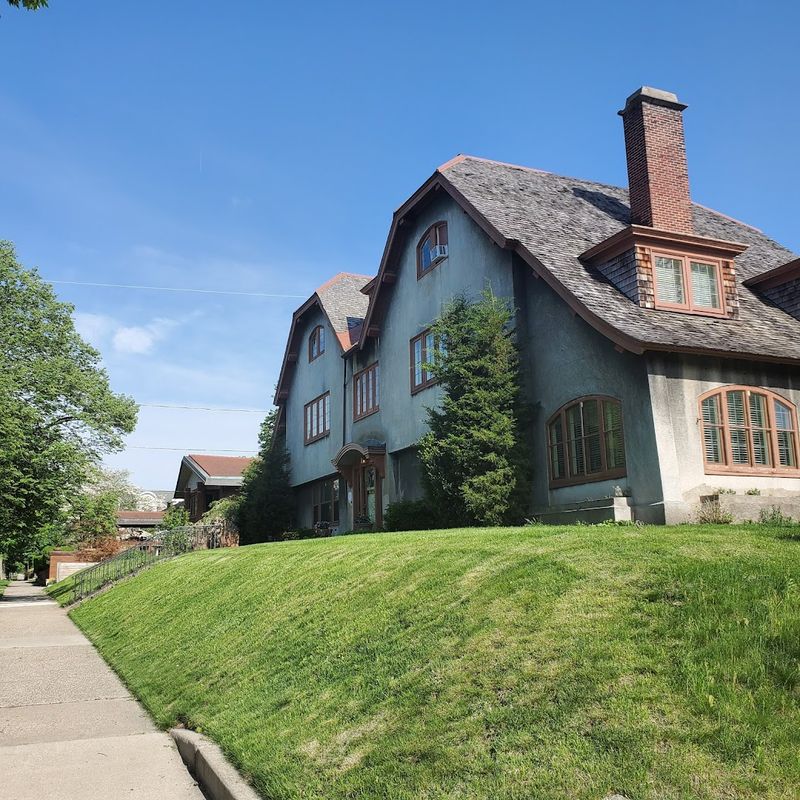
What won me over quickly was how the house respects its age without turning the stay into a museum exercise. Built in 1914 as a grand private residence, the mansion still carries its original personality in the woodwork, proportions, and that unmistakable old-house confidence that newer buildings rarely manage.
There’s a sense of history here that doesn’t need to be explained – it’s felt in the way rooms are laid out, in the height of the ceilings, and in the craftsmanship that quietly holds everything together.
I could tell that someone made careful, deliberate choices during the restoration instead of sanding away every clue to the past. The result is polished and comfortable, but the historic details still lead the conversation, which gives the entire stay a feeling of continuity rather than something overly staged.
That balance is harder to achieve than it looks. Too much modernization can flatten a place like this, while too little can make it feel impractical.
Here, the middle ground works beautifully. You get modern comfort where it matters, but the architectural character remains intact, allowing the house to feel both livable and meaningful.
It creates a quiet sense of connection to the past, as if the building is still carrying its story forward while making room for new ones to unfold inside it.
The kind of welcome that lowers your shoulders
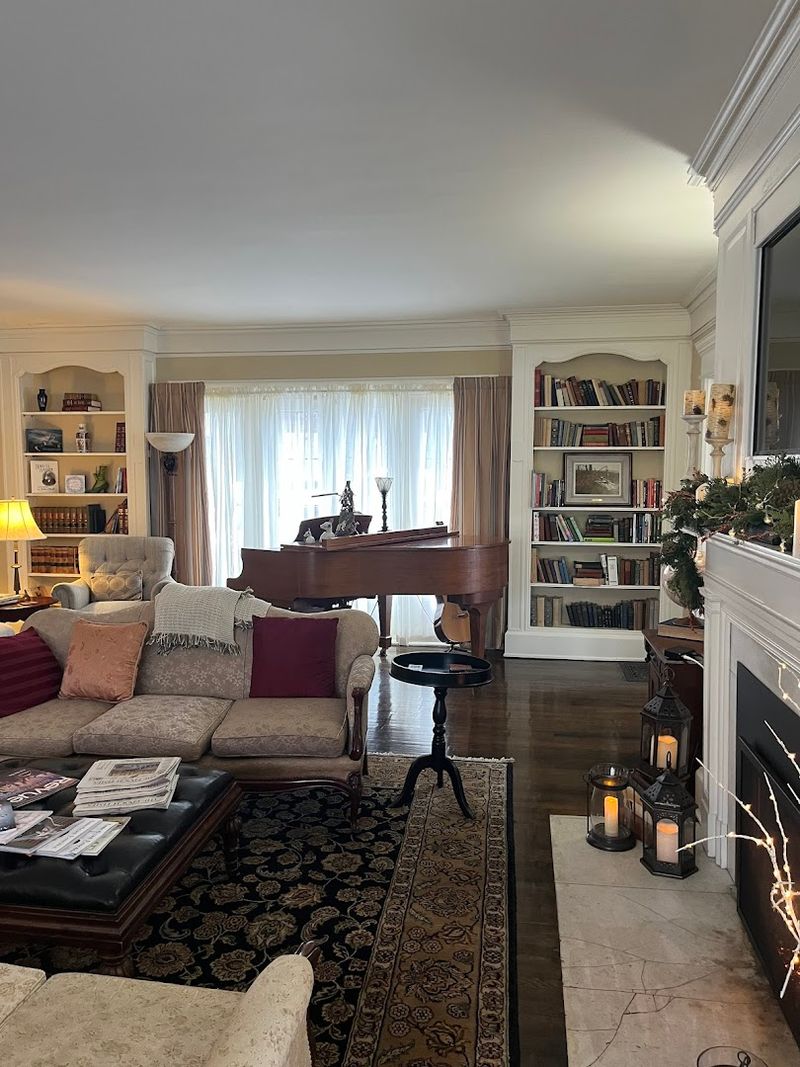
Before I even got fully settled, the mood of the house had already done its job on me. Big hotels often make me feel like I am passing through a system, but here the hospitality felt personal in a calm, easy way that never crossed into fussiness.
The common rooms helped with that immediately, because there was space to read, linger, chat, or simply take a breather without hiding in my room. I also liked knowing that coffee, snacks, and homemade treats were part of the rhythm of the place, which made the mansion feel genuinely lived in rather than merely displayed.
That softer style of service changed the pace of my stay more than I expected. Instead of rushing through check-in and disappearing upstairs, I found myself paying attention to the atmosphere, and that slower tempo made the guest rooms feel even more satisfying when I finally reached them.
Eight rooms, each with its own personality
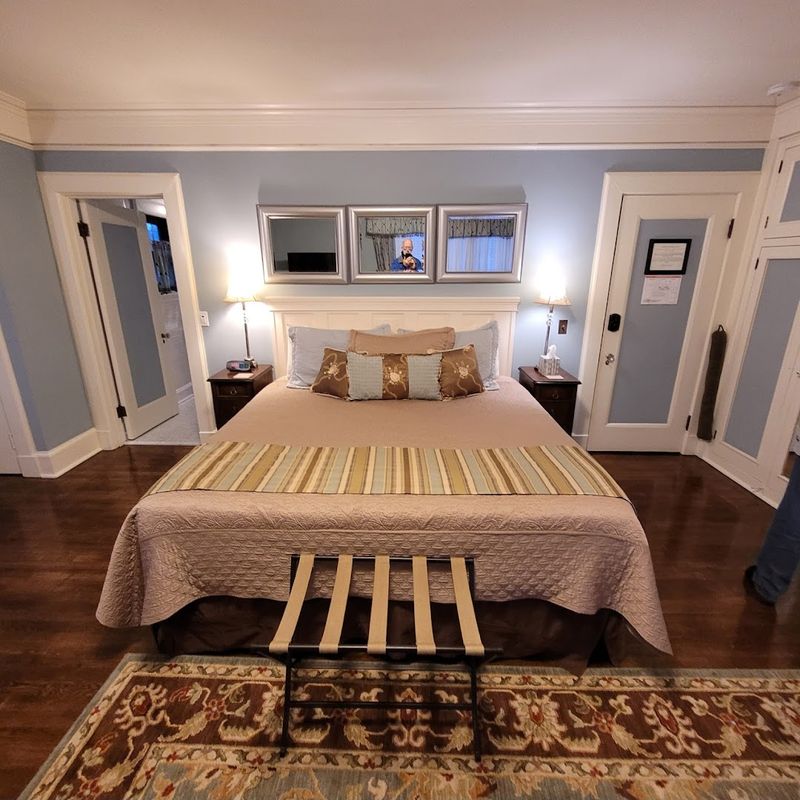
One of my favorite things about staying here is that the hotel keeps the scale small, with only eight guest rooms. That means each room gets to have an identity, and the house avoids the copy-paste sameness that makes so many accommodations blur together by the second night.
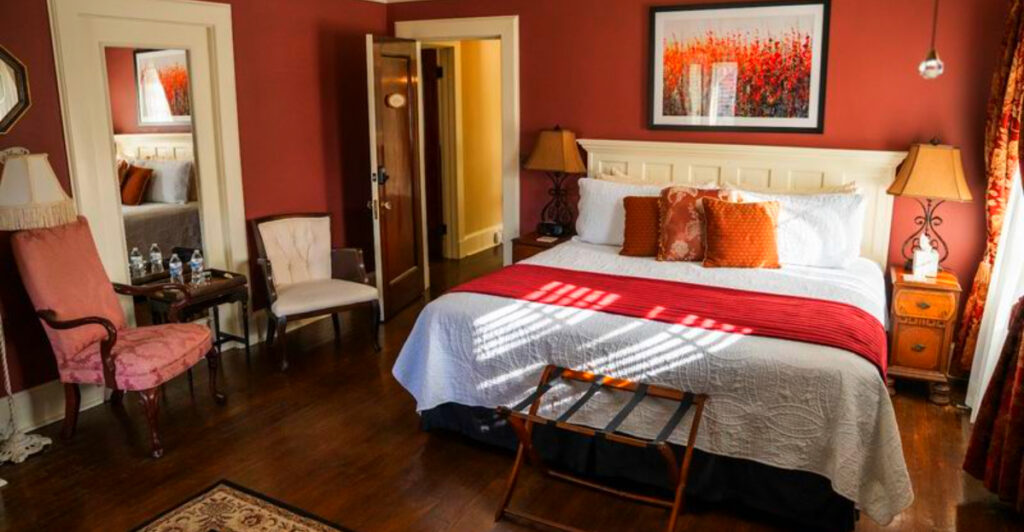
I was especially drawn to the idea that rooms like Sir Charles, Baroness, and Knights Quarters each offer different layouts and moods. Original woodwork, antique desks, private bathrooms, and thoughtful amenities make the rooms feel rooted in the mansion’s character instead of floating above it in generic hotel-land.
There is also a practical note worth knowing before you book: the house does not have an elevator, so stairs are part of the experience. For me, that detail felt manageable, but it is smart to think about mobility needs in advance, especially because the comfort upstairs can make you want to stay put.
Comfort hides behind the antique charm
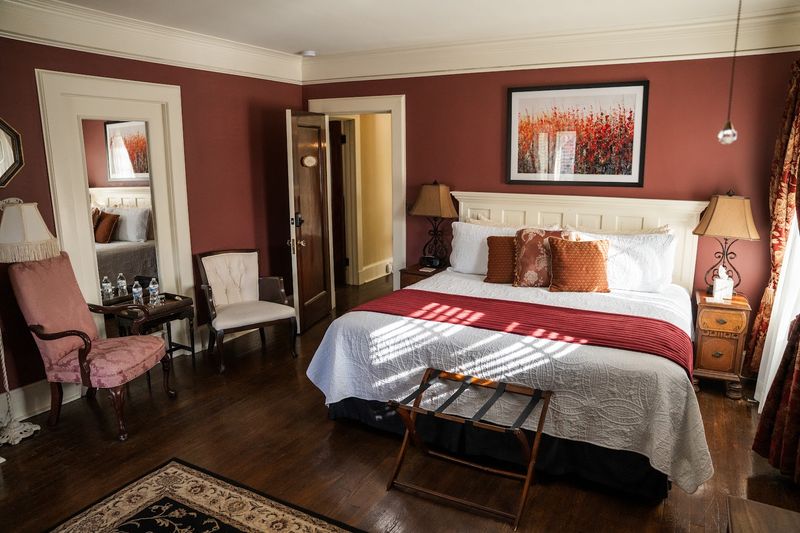
Old houses can be beautiful and slightly annoying at the same time, so I was pleased that comfort was not sacrificed for style here. Beneath the antique charm, the rooms include the sort of practical upgrades that actually improve a stay, like Wi-Fi, work desks, quality bedding, and thoughtfully updated bathrooms.
Some rooms add extra flourishes, including larger tubs or layouts that feel especially secluded, but even the standard comforts impressed me because they fit the house instead of fighting it. I never had the sense that modern features were pasted into the mansion as an afterthought, which is often where historic stays lose their footing.
That seamless feeling matters at night, when the romantic idea of a heritage property has to turn into actual rest. I slept like somebody who had no intention of checking email after dinner, and the next morning gave me another reason to stay impressed for a very different, delicious reason.
Breakfast is not an afterthought here

Breakfast can make or break a bed-and-breakfast stay, and here it absolutely earns its place in the story. The Leonard at Logan House serves breakfast in a formal dining room, and the whole ritual feels far more special than grabbing a muffin while hunting for a to-go lid.
I loved that the morning meal sounded varied and house-made, with weekday continental offerings and hot breakfasts on weekends, plus baked goods and thoughtful options for different dietary needs. That attention changes breakfast from a standard amenity into part of the personality of the stay, which is exactly what a boutique property should do.
There is something satisfying about waking up in a historic mansion and then being greeted by a table that feels cared for rather than automated. It gave my day a slower, better start, and it also made me appreciate the downstairs spaces more, especially the dining room, parlor, and porch that keep the house sociable.
The porch, parlor, and rooms between the rooms
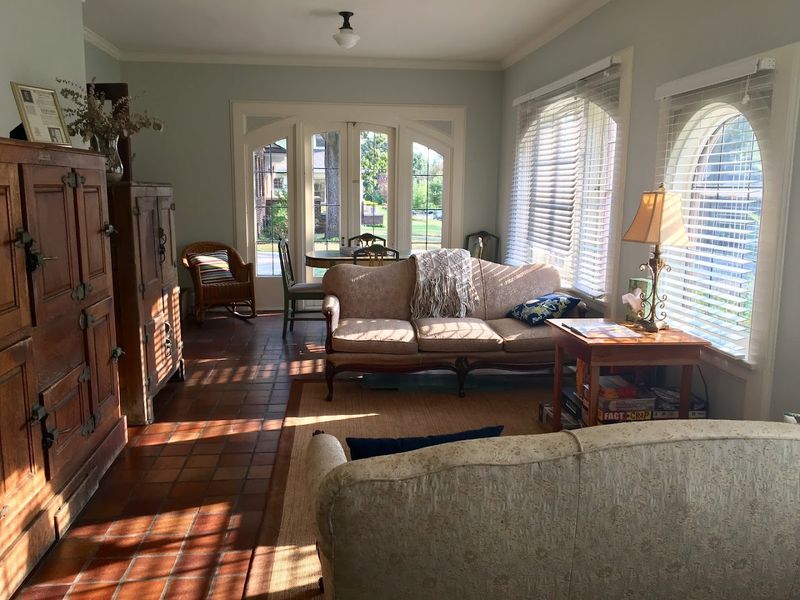
Some properties live or die by the guest room, but this mansion gets extra mileage out of the spaces in between. I found the formal dining room, living room, parlor, and large covered front porch just as important to the experience as the bed itself.
Those shared areas give you options, which is a quiet luxury that many travelers overlook until they do not have it. I could imagine reading with coffee in the parlor, easing into the morning on the porch, or settling into one of the common rooms after a neighborhood walk without feeling like I had to retreat upstairs immediately.
Because the house offers several inviting public spaces, the stay feels expansive even though it remains intimate in scale. That combination kept the mansion from feeling precious or overly formal, and it also encouraged me to pay closer attention to the neighborhood outside, where the architecture keeps the visual conversation going.
Heritage Hill makes every walk more interesting
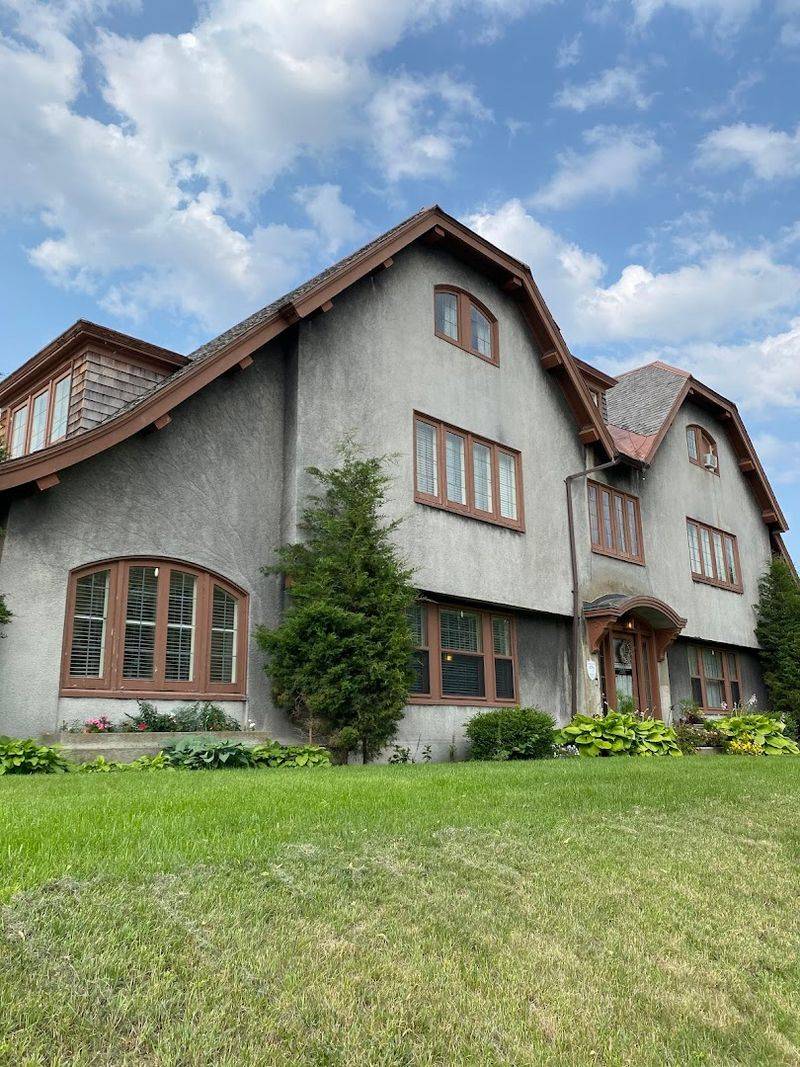
The neighborhood around the house deserves real credit for making the stay feel richer than a single building could manage alone. Heritage Hill is one of those places where a short walk can turn into a slow architectural stroll, because the houses around you keep giving your eyes something to do.
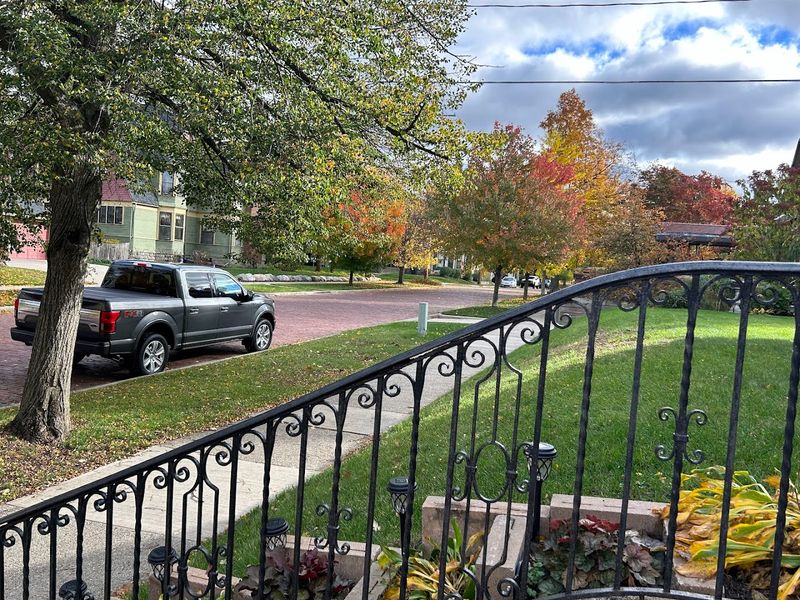
I liked being in a part of Grand Rapids that felt residential, beautiful, and still connected to the city beyond its historic facades. Shops, restaurants, theaters, and downtown attractions are within reach, but the immediate streetscape stays calm enough that returning to the house feels restorative instead of frantic.
That contrast became one of my favorite parts of staying here. I could spend time around the city, then come back to a block that felt quieter and more grounded, and if you enjoy architecture, the next nearby landmark adds another satisfying layer to the whole experience.
A Frank Lloyd Wright bonus around the corner
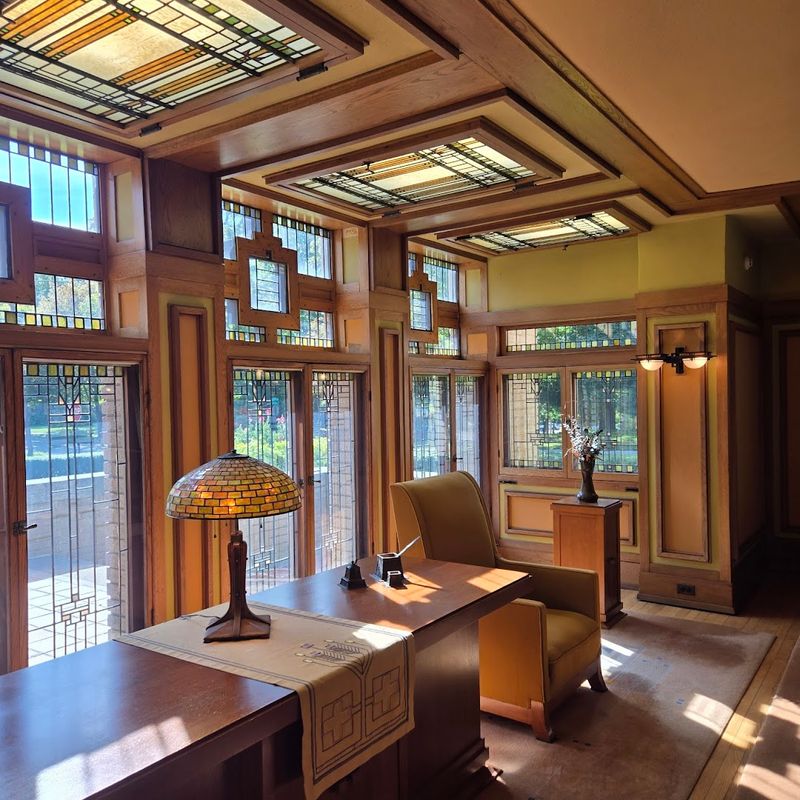
Here is a detail that gave my stay an extra spark: Frank Lloyd Wright’s Meyer May House is only a short walk away. Being so close to such a well-known architectural landmark makes the hotel feel even more plugged into the character of Heritage Hill rather than simply borrowing the neighborhood’s good looks.
I enjoyed the idea that a visit here can naturally include a deeper dive into design history without requiring a complicated plan or a long drive. Even if you only admire nearby homes from the sidewalk, the area rewards slow looking, and that makes the mansion feel like part of a larger architectural conversation.
For travelers who like to pair lodging with context, this is a terrific bonus because the surroundings support the whole experience. Once I realized how much there was to notice within a short walk, the hotel stopped feeling like just a place to sleep and started acting like a very well-positioned base camp.
What to know before you book a stay
By the time I was ready to leave, I understood exactly who this place suits best. The Leonard at Logan House works beautifully for travelers who want character, quiet comfort, thoughtful hospitality, and a stay that feels connected to Grand Rapids instead of sealed off from it.
A few practical notes help set expectations: the house has stairs and no elevator, it keeps an intimate bed-and-breakfast scale, and its appeal leans heavily on atmosphere rather than flashy resort-style distractions. For me, that was the whole point, because I wanted somewhere memorable, walkable, and genuinely elegant without any unnecessary performance.
If you are choosing between a standard hotel and this historic mansion, I would lean toward the mansion every time for a special city stay. It offers a stronger sense of place, a better story to bring home, and the kind of polished calm that lingers pleasantly long after checkout.
Share this story