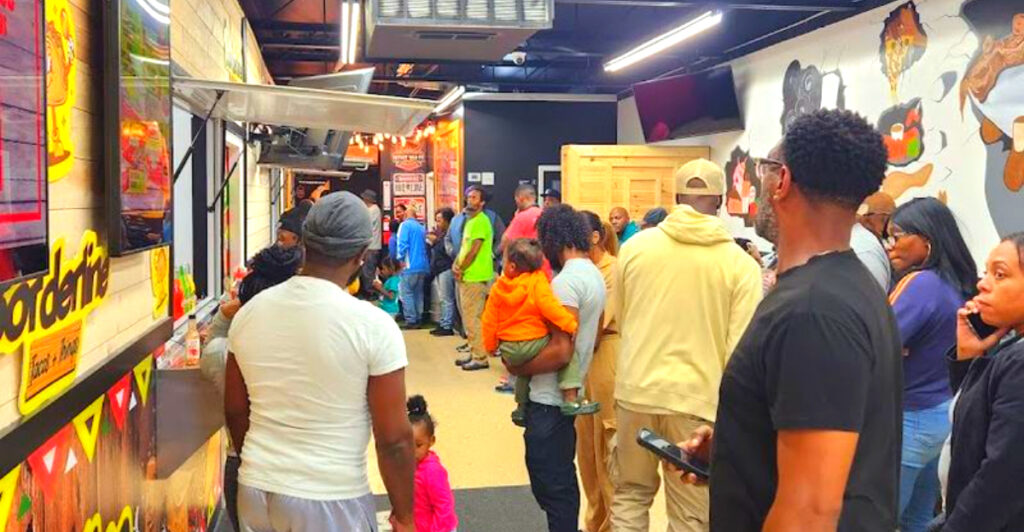
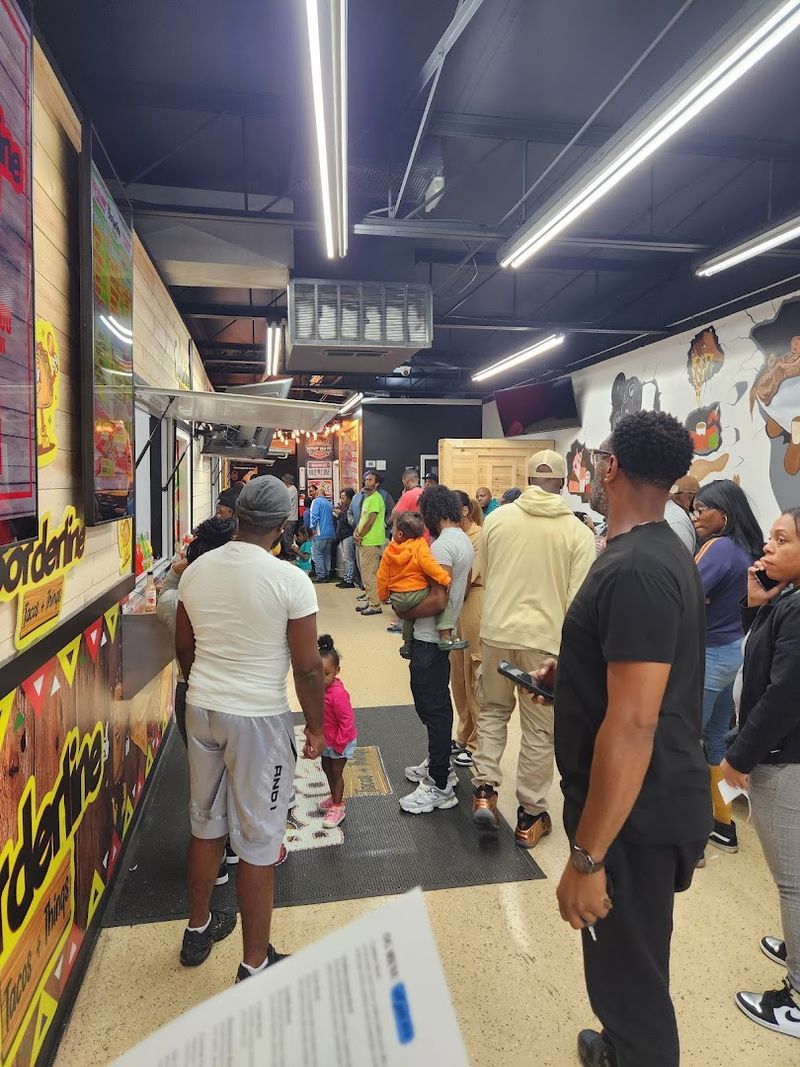
The first thing that grabbed me was not a single dish but the feeling that one address could solve the hardest question of any group outing: what are we eating today? A crowd was already proving the point, with families, regulars, and curious first-timers all circling the counters like they knew a very good secret.
This Detroit stop has built its reputation on variety, community, and the kind of energy that makes you stay longer than planned. Keep reading and I will show you what makes it work, what to expect when you go, and why people from all over Michigan keep making the drive.
The address that starts the craving
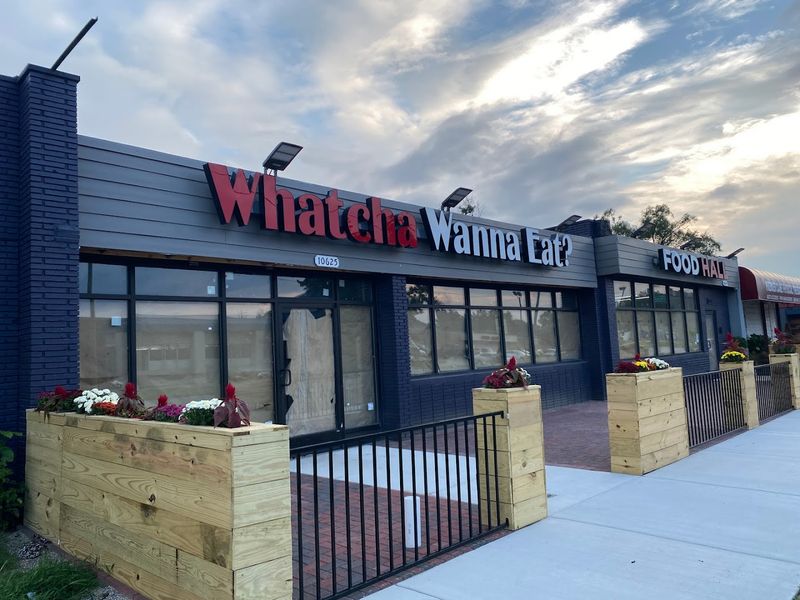
I finally made it to Whatcha Wanna Eat Food Hall at 10635 W McNichols Rd, Detroit, MI 48221, and the place immediately explained why so many people keep talking about it. This is not a sleepy stop where you drift in, grab one thing, and leave without a memory.
The room has motion, chatter, menus, music, and that happy little tension that comes from trying to pick one counter when several sound tempting. I liked that the destination felt grounded in Detroit while still pulling in visitors from across Michigan who clearly came ready to sample more than one kitchen.
That first impression matters, and here it lands fast. The whole concept is built around choice, but it never feels messy or confusing, because the food hall format gives the place a natural rhythm that keeps you curious.
Before I even settled on my first order, I could tell the real story was bigger than a single meal, and the next piece of it starts with the chef behind the idea.
Why Chef Bobby Bailey built it
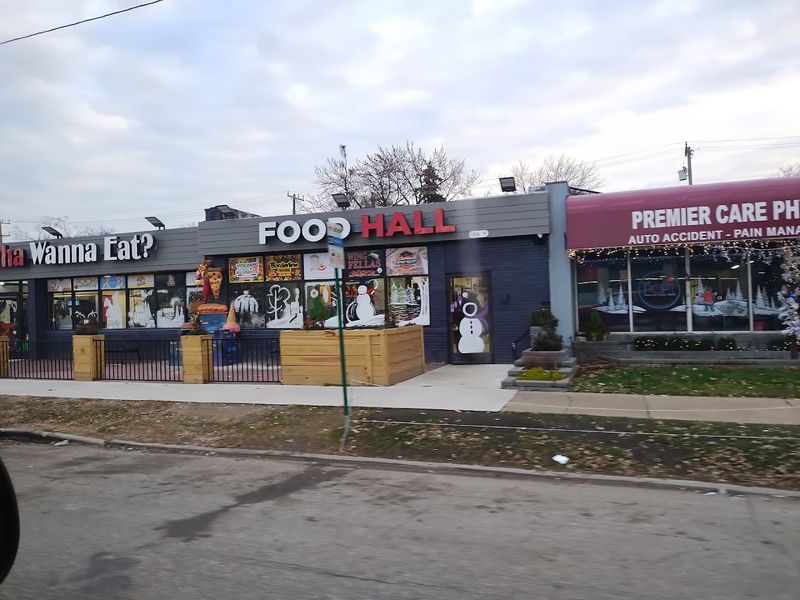
Behind the busy counters is a purpose that gives the whole place more weight. Chef Bobby Bailey, who has spent decades in the food business, created this hall as a space where culinary entrepreneurs could work in a licensed, insured setting instead of trying to patch things together on their own.
That mission changes the feeling of a visit. I was not just looking at separate menus.
I was seeing a platform designed to help small operators serve real customers, test ideas, and grow in public with the support of a shared destination.
It also helps explain why the hall feels personal instead of generic. The project is rooted in opportunity, and that comes through in the way the vendors present themselves and welcome people in.
Michigan’s first Black-owned food hall is not simply a headline here. It is a working idea you can taste, watch, and understand as you move from counter to counter.
The food is the hook, but the sense of momentum keeps the visit interesting, and the lineup itself deserves a closer look next.
Nine counters, one delicious dilemma
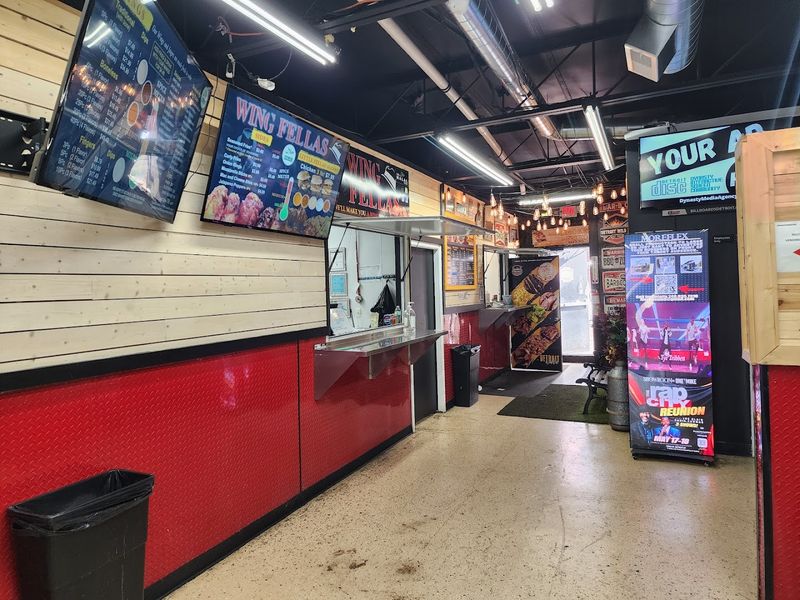
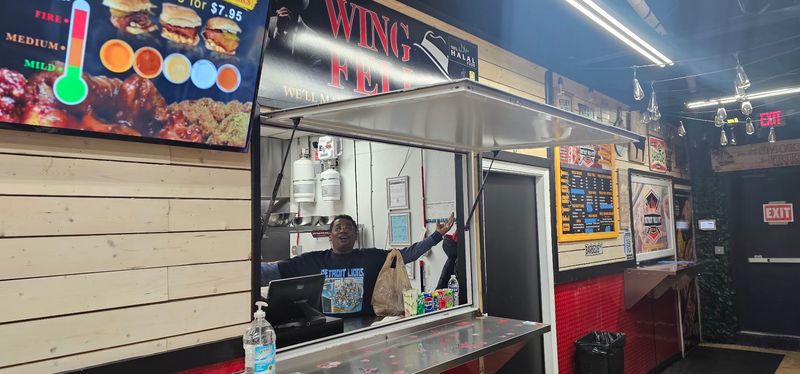
The smartest thing this place does is turn indecision into entertainment. With nine eateries under one roof, I could bounce between cravings without dragging anyone through a long debate about seafood, wings, hibachi, sweets, or something cold and fruity.
That range is a huge reason the hall draws people from all over the state. Everyone can land on something different, which makes group visits much easier and solo visits more fun because I did not feel locked into one lane.
A food hall should make variety feel exciting, and this one absolutely understands the assignment.
I also appreciated that the options encourage repeat visits. Nobody reasonably covers everything in one stop unless they arrive with heroic ambition and very stretchy pants.
The setup invites you to notice one place today and come back for another next time, which is probably why the hall has built such steady traffic. Once I realized how many directions a meal could go, I started paying closer attention to the atmosphere, because the room itself adds plenty to the experience.
The vibe is warm, busy, and welcoming
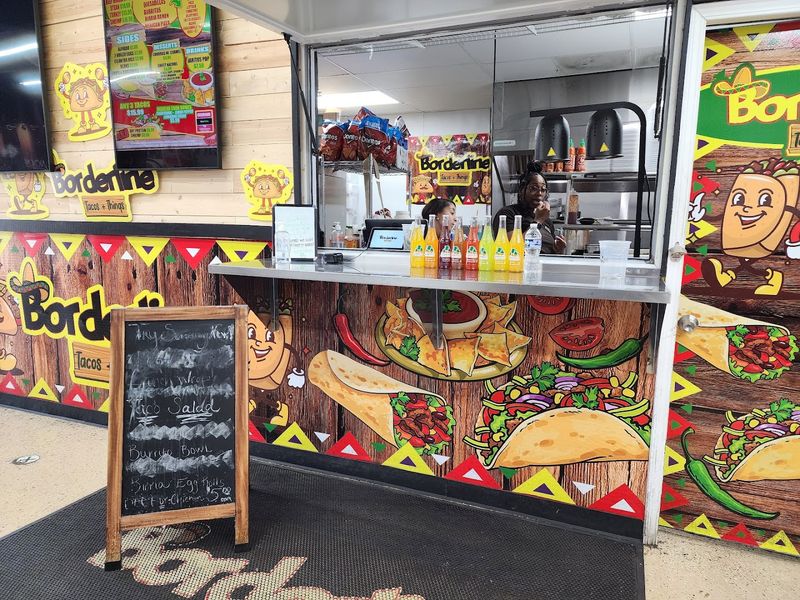
Some places serve good food but feel stiff. This one works because the vibe is warm, easygoing, and genuinely social, with music in the background and vendors who tend to greet people as they pass instead of staring through them like human menu boards.
I noticed that friendliness right away. It made the hall feel less like a collection of separate businesses and more like a shared room with plenty of personality.
Even on a busy day, the energy felt upbeat rather than chaotic, which is not always a given when multiple kitchens are moving at once.
There is also something refreshing about a destination that does not pretend to be overly polished. The appeal is in the buzz, the movement, the conversations, and the sense that people are actually enjoying themselves instead of posing through lunch.
I stayed longer because the room encouraged that. Once you settle in, you start seeing how much this place functions as a neighborhood meeting point, and that community angle may be the most important ingredient of all.
More than lunch, it feels like community
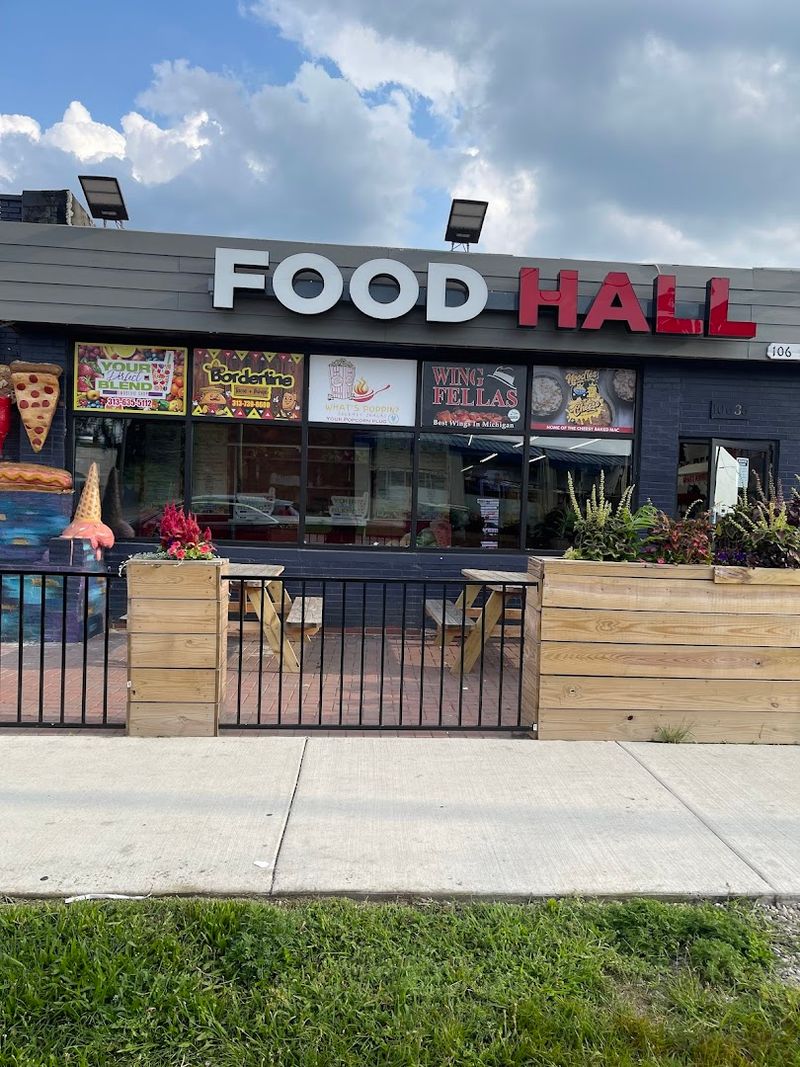
What stayed with me most was the community feeling threaded through the whole visit. The hall is not just a place to pick up dinner.
It operates like a shared local hub where neighbors meet, families compare orders, and visitors get a direct sense of Detroit hospitality.
That matters because the concept is doing more than feeding people. It supports independent businesses in one visible space, and that concentration creates an energy that feels purposeful.
I could see why locals speak about it with pride. There is real satisfaction in watching several Black-owned concepts thrive side by side in a venue built to help them be seen.
The community role also gives the hall staying power. A place can attract curiosity once, but it takes stronger roots to keep drawing regulars and weekend drivers from other parts of Michigan.
Here, the mission and the meal work together, which makes the experience feel fuller than a simple stop for takeout. Of course, a good mission still has to deliver on the plate, and this is where the hall gets especially fun to talk about.
What the menus reveal about the appeal
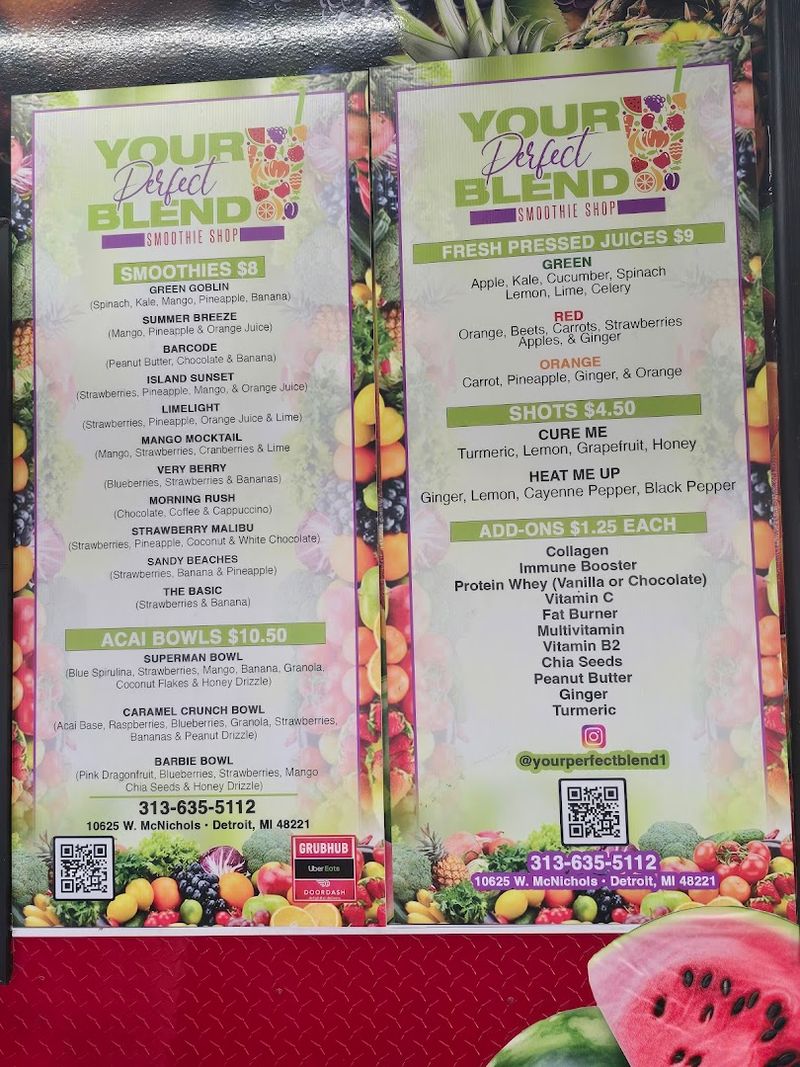
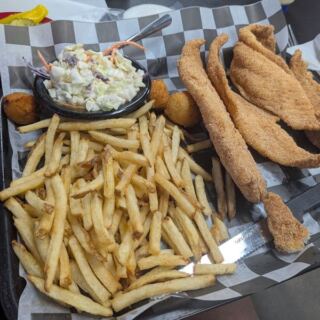
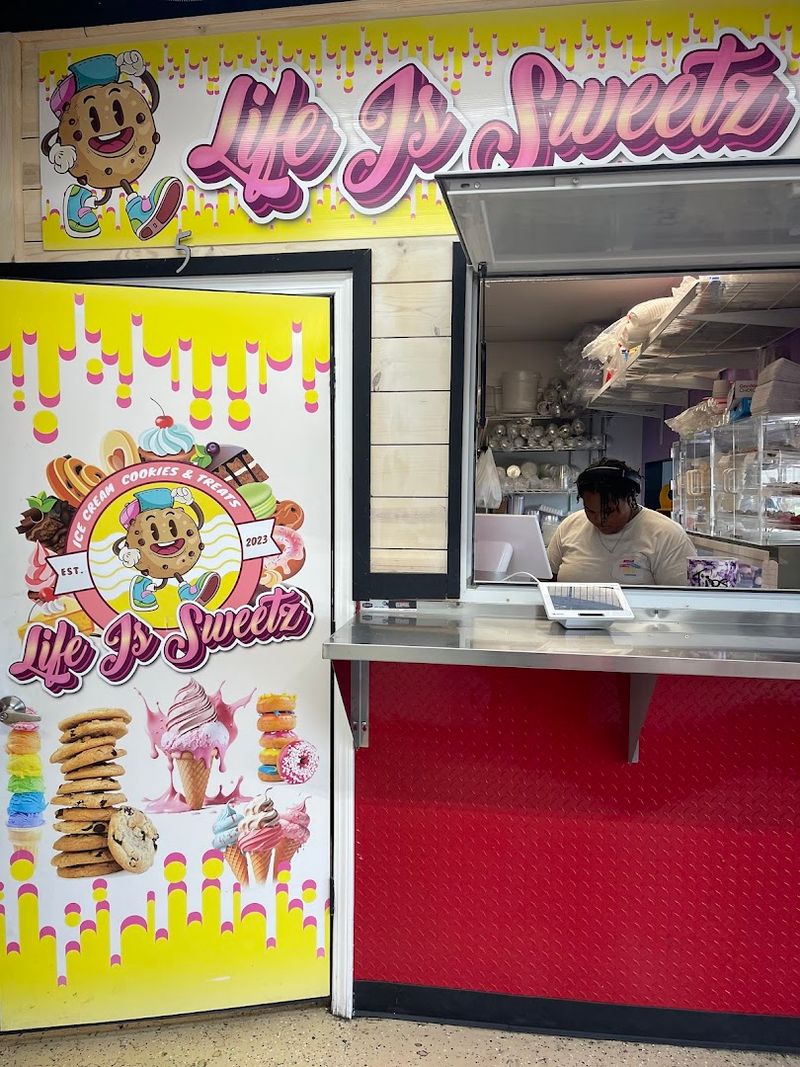
The menus here tell the story better than any slogan could. I saw the kind of spread that makes a return trip feel inevitable: hibachi bowls, wings, seafood, smoothies, desserts, and comfort-heavy plates that sound designed to ruin any serious plan of ordering lightly.
Several dishes have built loyal followings, especially the made-to-order items and the cold drinks that people seem to grab alongside a full meal. I liked that the range included both hearty options and lighter picks, because that kept the hall from feeling one-note.
You can go all in or keep it simple, and either way you still get the fun of browsing.
Not every vendor will be every person’s favorite, and that is actually part of the charm. The whole point is exploration.
The hit list is broad enough that one less-than-perfect choice does not define the destination when another counter might absolutely nail your next craving. I left thinking this is a place for curious eaters, not overly cautious ones.
That spirit of trying a little bit of everything makes timing your visit more important than you might expect.
When to go without fighting the crowd
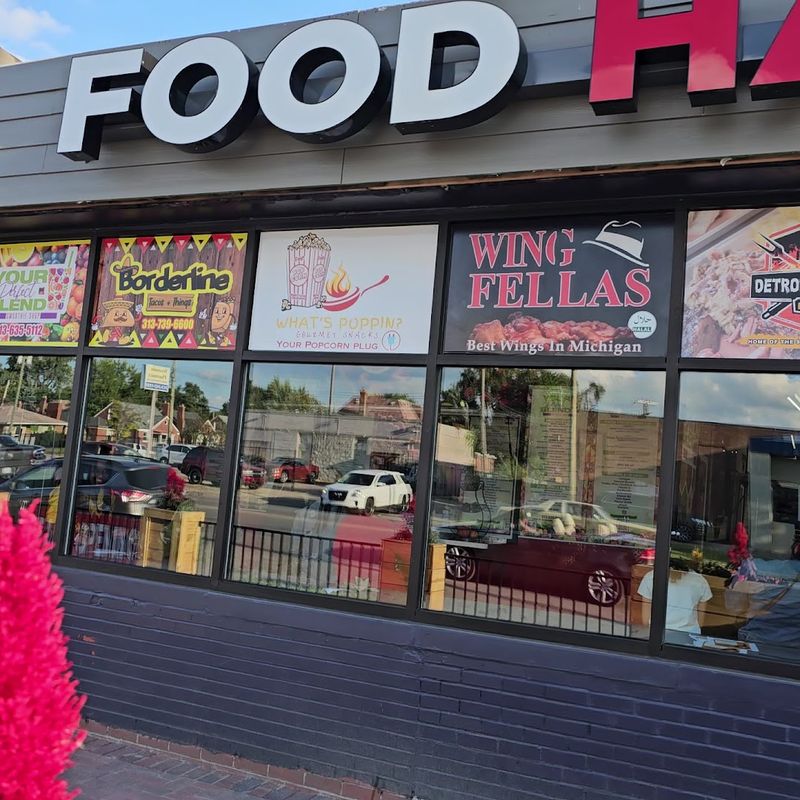
Timing can shape the whole experience here. The hall is closed on Monday, open Tuesday through Thursday from 11 AM to 9 PM, Friday and Saturday from 11 AM to 10 PM, and Sunday from 12 PM to 6 PM, so planning ahead saves guesswork.
I would personally aim for an off-peak weekday if you want more breathing room to study the counters before committing. Prime meal times bring a stronger buzz, which can be fun if you enjoy the full social energy, but they also mean more competition for seats and a little more waiting at popular spots.
That said, the crowd is part of the proof that the concept works. A busy room here usually means people are mixing orders, comparing dishes, and treating the outing like a mini event instead of a quick errand.
If you come with patience, the payoff is better browsing and a more relaxed decision. My best advice is simple: do not arrive rushed.
This place rewards a little extra time, especially once you realize that practical details like parking and seating deserve their own strategy.
Small-space strategy for parking and seats
No destination is perfect, and this one has a few practical quirks worth knowing before you go. Parking can be limited, street spaces may require a bit of patience, and indoor seating is not endless, so I found it smartest to arrive with a flexible mindset.
That is not a deal breaker. It is simply part of visiting a place that has become genuinely popular.
There are outdoor tables, and the flow usually works itself out, but I would not choose this as the ideal stop for someone who wants a silent, roomy, zero-effort dining setup. The hall has more personality than that, and a little hustle comes with it.
I also think these realities are easier to handle when you know them in advance. Once I adjusted my expectations, the visit felt smooth because I was focused on the experience instead of minor inconveniences.
Come ready to park where you can, share space politely, and enjoy the lively rhythm. That mindset pays off quickly, especially when you notice how well the hall works for groups with very different appetites.
A group outing that actually pleases everyone
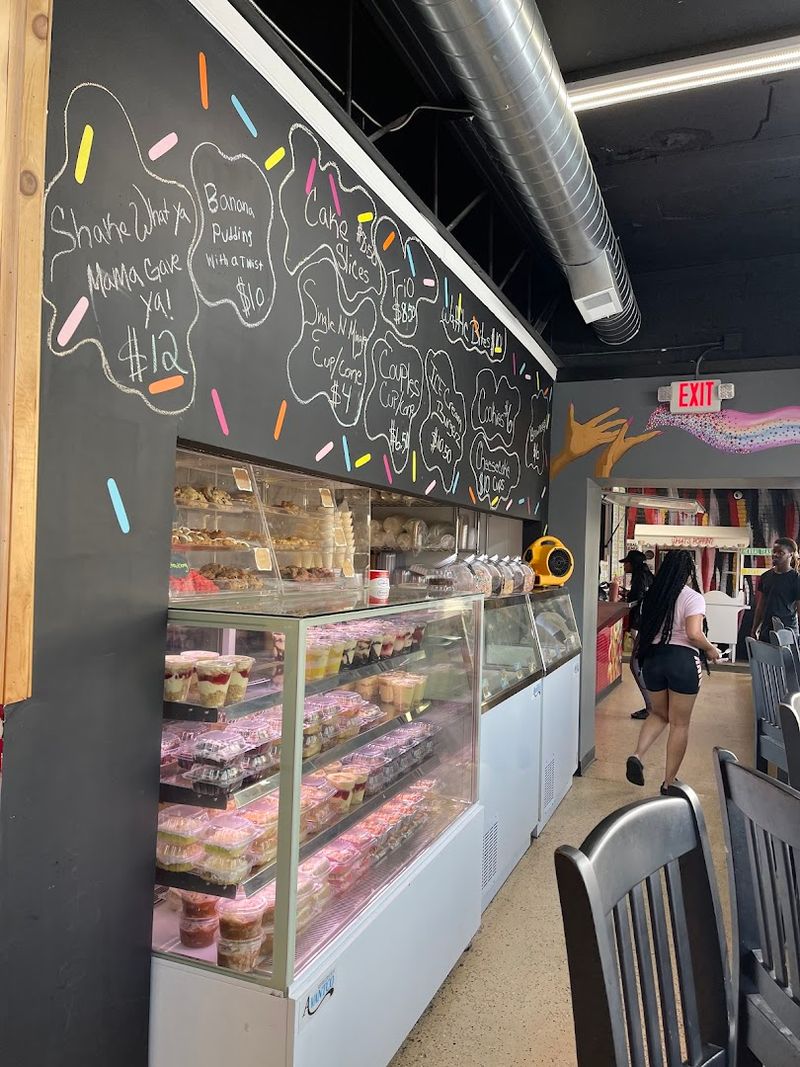
Most group meals get tangled in the same old debate, and that is where this place earns extra points. I could imagine bringing picky eaters, adventurous eaters, dessert-first people, and that one friend who changes their mind three times before ordering, and somehow everyone would still leave happy.
The food hall format removes pressure. Nobody has to compromise too much, and the meal becomes more social because people compare orders, pass around opinions, and talk about what they want to try next time.
I love destinations that let a table feel varied without turning lunch into a committee meeting, and this one does exactly that.
It also helps that the atmosphere supports hanging out for a bit instead of rushing people along. There is enough movement and visual interest to make waiting easier, especially if someone in your group decides they need a smoothie, something savory, and dessert because moderation took the day off.
Group-friendly places are common in theory, but not always in practice. Here, it feels real, and that helps explain why people make a trip from beyond Detroit.
Why people drive in from across Michigan
The draw goes beyond neighborhood convenience. This is the kind of place people hear about, bookmark, mention in conversation, and eventually decide is worth the drive because it offers both a meal and a story they can bring home.
I understand that appeal. The hall combines a strong founder story, a meaningful mission, a broad vendor mix, and a distinctly Detroit sense of character.
That package travels well. You are not just chasing one famous dish.
You are visiting a destination that gives you options, atmosphere, and the satisfaction of supporting a concept with real purpose behind it.
That statewide pull also says something about timing. Diners want places that feel current, communal, and worth repeating, and this hall checks those boxes without trying too hard.
It feels earned. The crowds are not gathering around a gimmick.
They are showing up for variety and warmth they can actually count on. By the time I finished eating, I understood why so many first visits turn into plans for another.
Still, a memorable stop is about details too, and a few final tips can make your own visit even better.
The reason I would gladly go back
After spending time here, I understood why this address keeps pulling people in from different corners of Michigan. Whatcha Wanna Eat Food Hall delivers more than a meal.
It gives you choice, personality, and a strong sense that the place stands for something larger than convenience.
I liked the lively room, the variety of eateries, and the way Chef Bobby Bailey’s idea creates room for smaller food businesses to be seen in a shared setting. That combination makes the hall memorable.
It is practical enough for a casual bite, interesting enough for a food-focused outing, and warm enough to make a first visit feel like the start of a habit.
Detroit has no shortage of places worth your appetite, but this one earns attention for how many threads it pulls together at once. I left full, curious, and already thinking about what I would order on a second trip.
That is usually the clearest sign a destination has done its job, and here the message is simple: come hungry, stay curious, and let the counters do the convincing.
Share this story