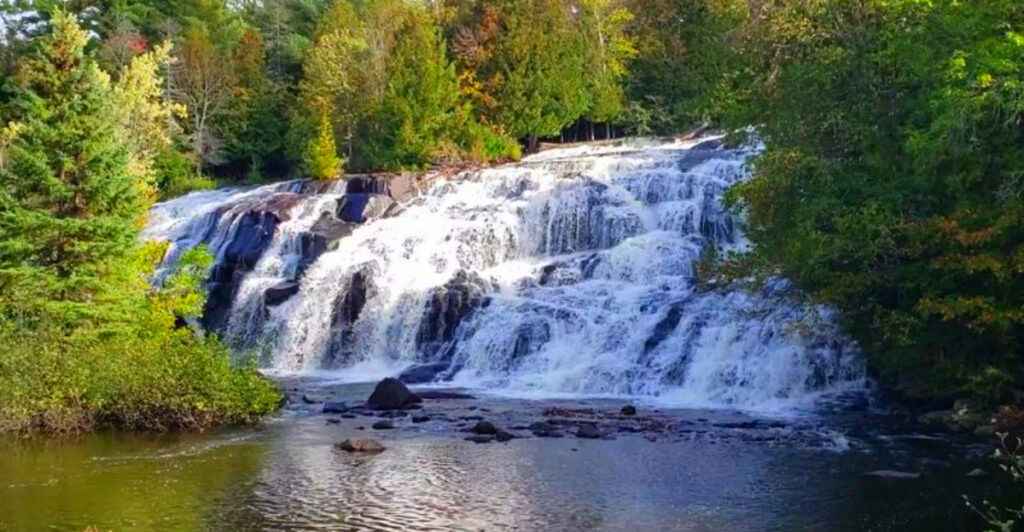
There is a waterfall in Michigan’s Upper Peninsula that stops people mid-step the moment they see it. Water fans out across dozens of rocky ledges in a wide, layered cascade that looks more like a painting than something you’d stumble upon during a road trip.
The falls are so symmetrical and so lush with surrounding greenery that first-time visitors genuinely pause and ask themselves if what they’re seeing is real. Keep reading, because this place has a story worth knowing, trails worth walking, and views worth every mile of the drive to get there.
Where Bond Falls Actually Is and How to Get There
The address that puts you right at the trailhead is Bond Falls Scenic Site, Trout Creek, MI 49967, tucked into the western Upper Peninsula of Michigan near the small community of Paulding in Ontonagon County.
Getting there takes some commitment, but the drive itself is part of the reward. The surrounding roads cut through dense northern forests, and the closer you get, the more the landscape starts to hint at something special waiting ahead.
The site is managed by the Michigan DNR, and the parking lot is well-marked and easy to find once you are on Bond Falls Road. There is a state park fee to enter, which was around $11 for a day pass as of 2025, though a Michigan Recreation Passport covers the cost if you already have one.
Plan your arrival for the morning hours when the light hits the water at its best angle, and you will have the most memorable experience from the very first step.
The First Look That Makes You Stop and Stare
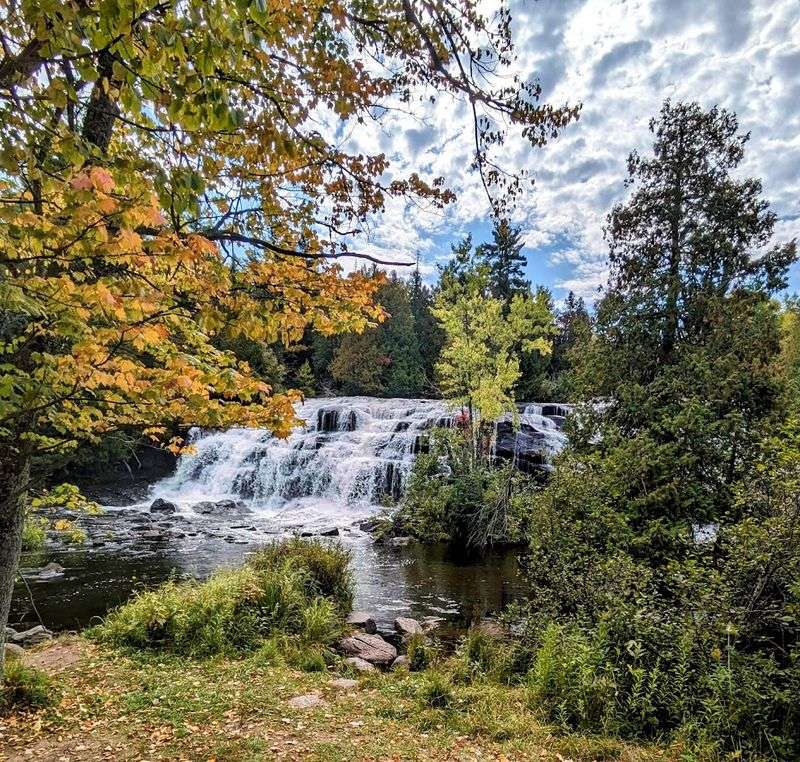
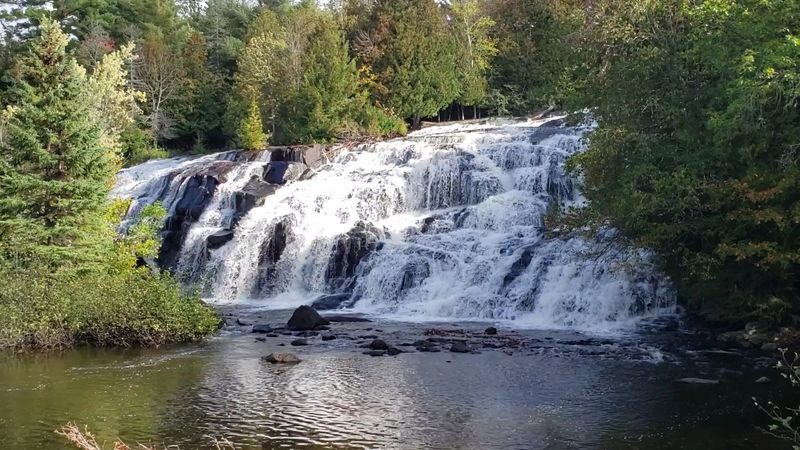
Nothing quite prepares you for the moment Bond Falls comes into view. The waterfall does not drop in one dramatic plunge but instead spreads across a wide, tiered wall of dark rock, sending water racing down dozens of separate channels all at once.
The total drop is about 50 feet, and the falls span an impressive width that makes the whole scene feel almost theatrical. In summer, the surrounding vegetation is so deeply green that the white water seems to glow against it.
What makes this place feel surreal is the balance of it all. The rock formation beneath the falls is naturally shaped in a way that distributes the water evenly, creating a fan-like pattern that looks almost designed by hand rather than carved by centuries of erosion.
Photographers tend to linger here far longer than they planned, and honestly, that is the most accurate way to know a waterfall has done its job right.
The Boardwalk That Makes It All Accessible
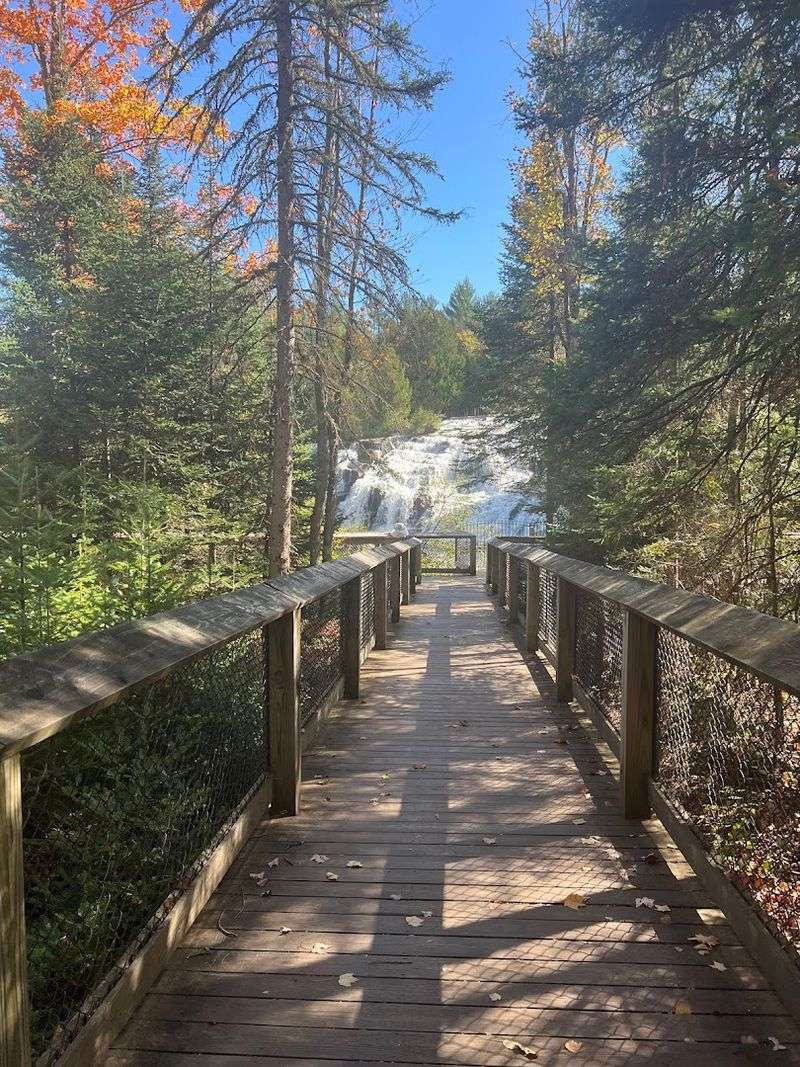
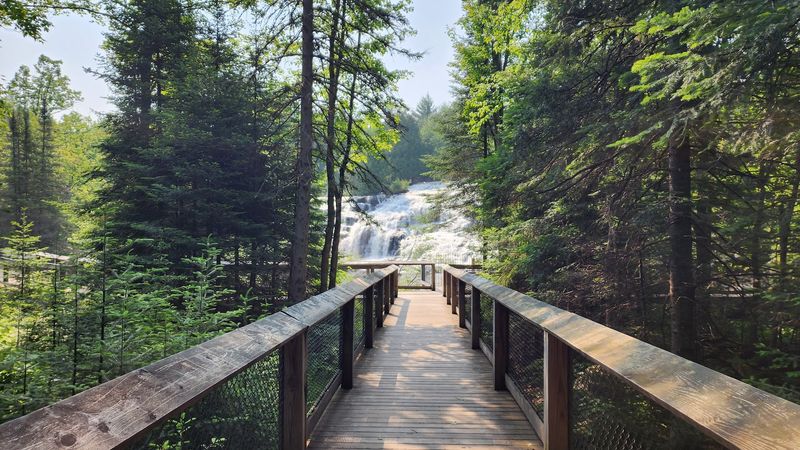
One of the best things about this site is that the main viewing area is genuinely easy to reach. A smooth, well-maintained wooden boardwalk leads from the DNR parking lot directly to the base of the falls, and the walk takes just a couple of minutes at a relaxed pace.
The boardwalk has railings and a flat surface, making it accessible for visitors using wheelchairs, walkers, or strollers. Families with young children find it particularly convenient since there is no scrambling over uneven ground just to get the classic view.
The path also features multiple open sections where the railing steps back and gives you an unobstructed view of the water, which is great news for anyone trying to get a clean photo without a fence cutting through the frame.
This thoughtful design means people of all ages and mobility levels can share the same breathtaking first impression, and that kind of accessibility is rarer than it should be at natural sites like this one.
What the Surrounding Trails Feel Like Up Close
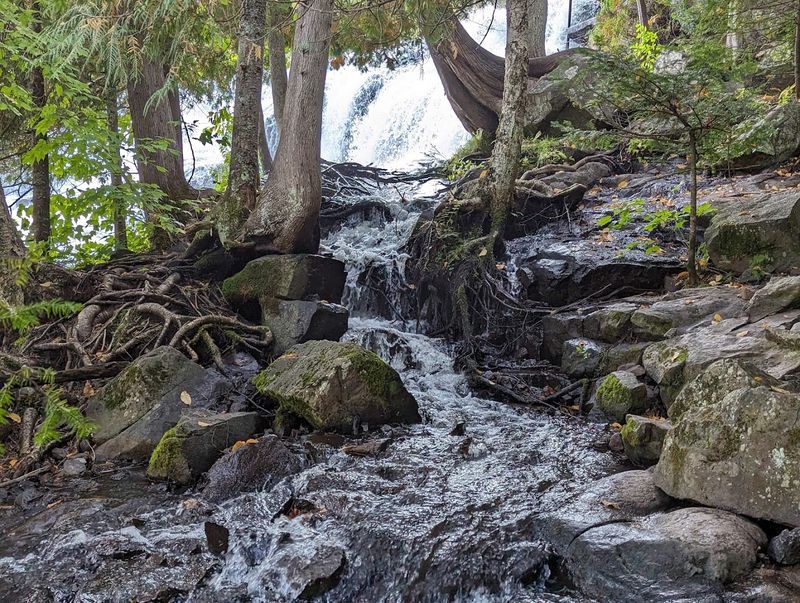
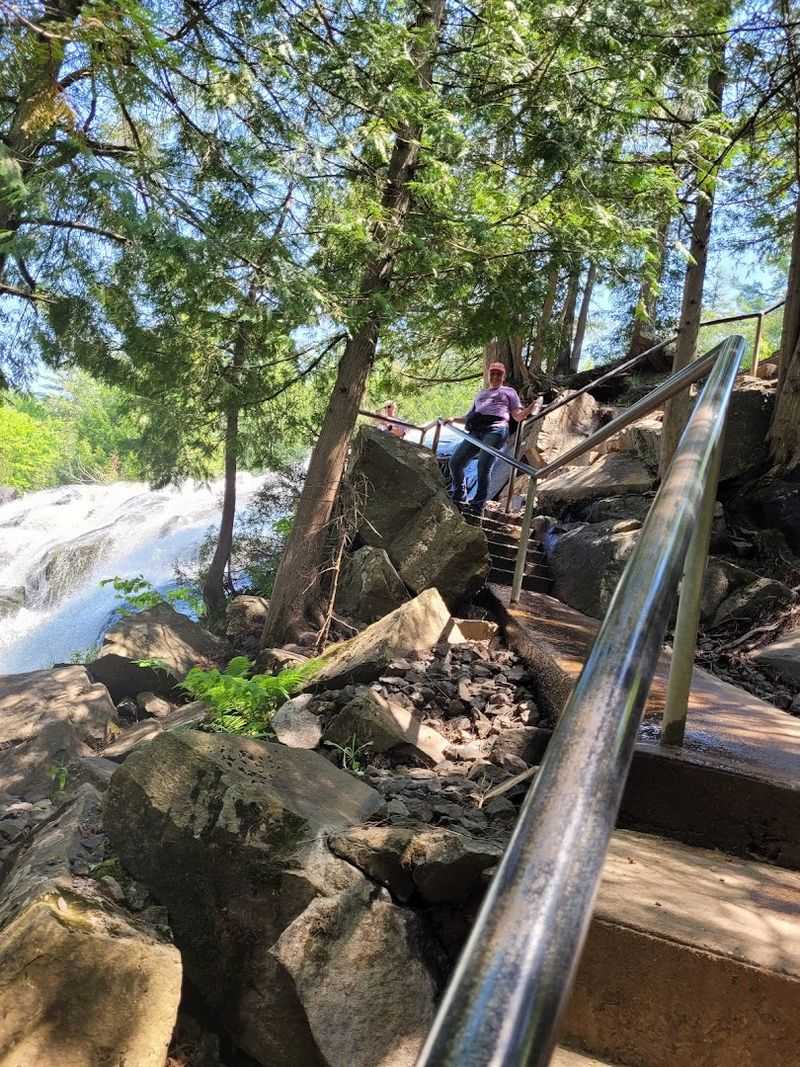
Beyond the boardwalk, the trails on both sides of the falls offer a completely different kind of experience. The paths climb up along the river on either bank, giving you elevated views of the cascade from angles that most casual visitors never see.
These upper trails are more rugged, with exposed tree roots, uneven rock surfaces, and changes in elevation that require a bit of careful footing. Wearing proper hiking shoes makes a noticeable difference here, especially after rain when the rocks near the water become slick.
The left bank trail tends to be slightly more maintained, with a set of wooden stairs built into the slope. The right bank is more natural and raw, which some hikers prefer for that reason alone.
Both routes eventually bring you to the top of the falls, where the river runs flat and calm just before it tips over the edge, and standing there gives you a perspective on the falls that feels almost private compared to the busy viewing platform below.
Why the Cascading Style Sets It Apart from Other Falls
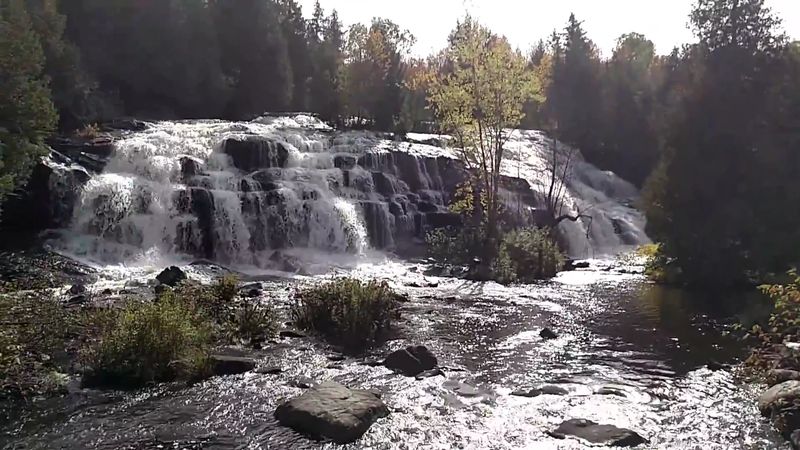
Most waterfalls in Michigan fall into one of two categories: a single dramatic drop or a gentle stream tumbling over small rocks. Bond Falls refuses to fit neatly into either box.
The cascading style here means the water breaks apart across a series of staggered rock shelves, each one redirecting the flow in a slightly different direction before sending it forward again. The result is a constant visual movement that keeps your eyes busy no matter where you look.
The dark basalt rock that makes up the falls absorbs light differently depending on the time of day, shifting from deep charcoal in the morning to almost reddish-brown in the afternoon sun. Moss clings to every surface it can find, adding thick patches of green that make the whole structure feel alive.
That combination of moving water, layered rock, and living moss is exactly why so many visitors describe Bond Falls as looking almost artificial, because nature rarely puts together a composition this visually precise.
The Best Seasons to Visit and What Each One Offers
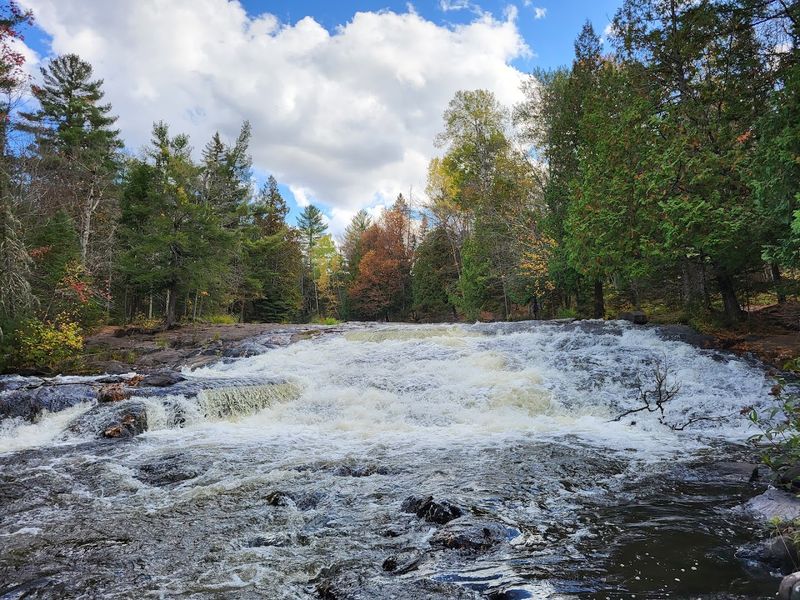
Each season at Bond Falls brings a noticeably different experience, and the site holds up beautifully across all of them. Summer is the most popular time, when the trails are fully open, the boardwalk is buzzing with visitors, and the surrounding forest is at its richest green.
Fall is when the scenery reaches its most dramatic peak. The maple and birch trees that crowd the hillsides above the falls turn vivid shades of orange, yellow, and red, framing the white water in a color combination that makes every photo look professionally edited.
Spring brings high water volume from snowmelt, which pushes the falls to their most powerful and loud, though some trails may be muddy. Winter visits are possible but require ice cleats and real caution, as the boardwalk and trail surfaces can become dangerously icy.
If you can only make the trip once, late September through mid-October offers a balance of good weather, peak foliage, and manageable trail conditions that is hard to beat at any Michigan waterfall.
The Reservoir and Dam Area Just Upstream
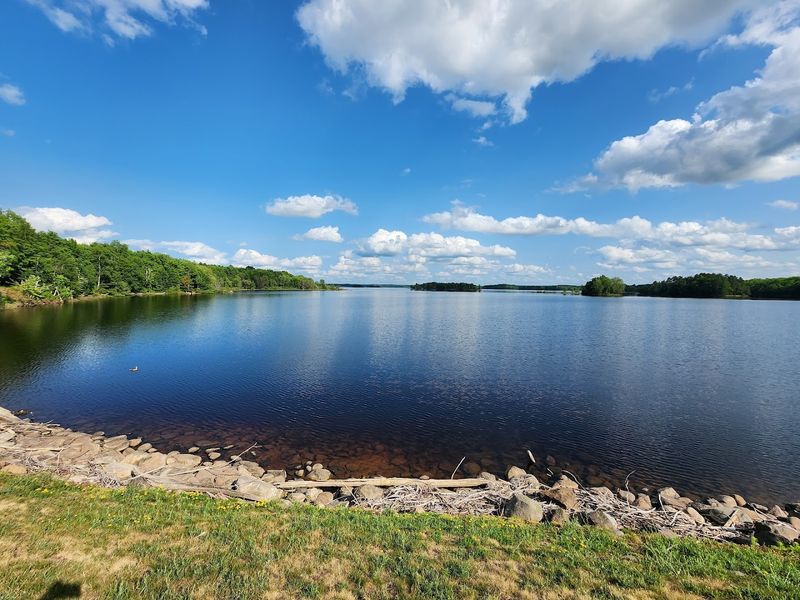
A short drive upstream from the main falls leads to the Bond Falls Flowage, a quiet reservoir that most visitors skip entirely. That is a mistake worth correcting on your next trip.
The reservoir has a sandy beach area, picnic tables, and grills, making it a genuinely pleasant spot to slow down before or after hiking the falls. The water is calm and the shoreline is lined with trees that reflect perfectly on still mornings.
There is also a dam structure near the top of the falls that controls water flow into the cascade below. Standing near the dam gives you a clear sense of the geography, showing how the river collects in the wide reservoir before funneling toward that dramatic drop downstream.
The area around the reservoir tends to be quieter than the main falls parking lot, so if you are looking for a peaceful picnic spot with very little competition for a good table, heading up the road first is a smart move.
Fishing the Ontonagon River Near the Falls
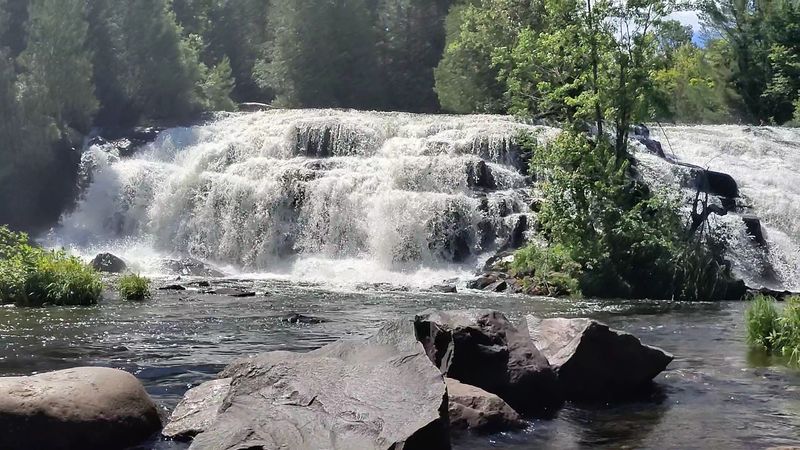
The Middle Branch of the Ontonagon River runs through the Bond Falls site, and it draws a steady crowd of fly fishing enthusiasts who come as much for the water as for the waterfall itself.
The river runs clear and cold over a rocky bottom, and the stretches both above and below the falls offer solid conditions for trout fishing. Visitors who arrive early in the morning often spot anglers already in the water before the hiking crowd shows up.
Fishing here requires a valid Michigan fishing license, and regulations for the Ontonagon River apply, so checking current DNR rules before wading in is always the smart first step. The season and specific stretch of river can affect what gear and methods are permitted.
Even if fishing is not your thing, watching a skilled angler work the current near the base of the falls is its own kind of entertainment, and it adds a layer of local character to the site that pure nature photography does not always capture.
Practical Tips for Visiting Without Any Surprises
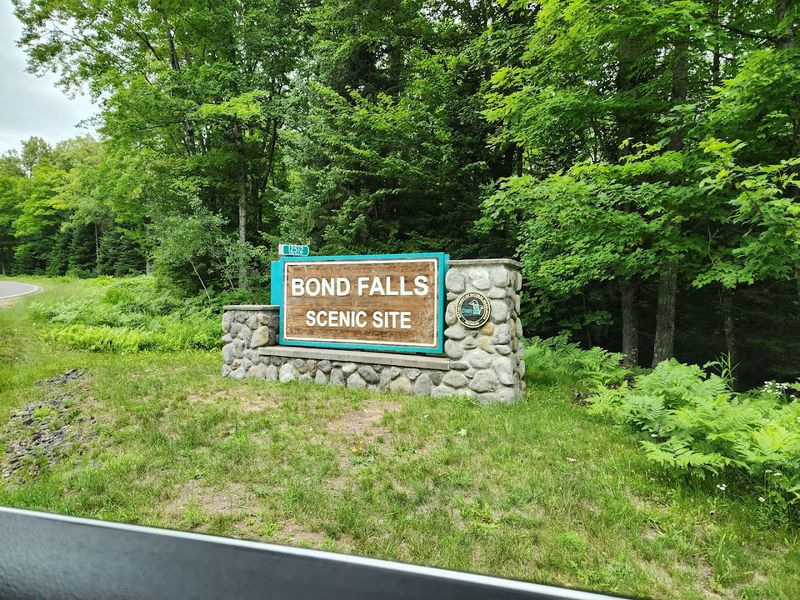
A few practical details can make the difference between a smooth visit and a frustrating one. The site is open daily from 8 AM to 10 PM, and arriving closer to opening time on weekends means you will likely have the boardwalk to yourself for at least a short while.
Bug spray is not optional in summer. The Upper Peninsula is known for its mosquito population, and the damp environment near the falls makes the area a prime spot for them, especially in June and early July.
The restrooms at the site are outhouse-style facilities, clean but basic, so plan accordingly if you are visiting with young children or anyone who needs more than a quick stop. There is no food vendor on site, so bringing snacks and water is a good habit.
Cell service in the Trout Creek area is limited, which means downloading offline maps before you leave home is a practical step that saves a lot of unnecessary roadside confusion on the way in.
The Gift Shop and Small Outpost at the Top
Near the upper parking area, there is a small gift shop and outpost that operates on a seasonal basis. It is easy to miss if you head straight for the falls trail, but worth a quick detour on your way back to the car.
The shop carries a selection of locally made items, souvenirs, and basic supplies. It is a modest operation rather than a full retail store, but the kind of place where you might find a postcard or a small keepsake that actually connects to the specific place you just visited rather than a generic Michigan souvenir.
Hours are not always consistent, and the shop may be closed on certain days or during the shoulder seasons, so treating it as a bonus rather than a guaranteed stop will keep expectations realistic. Checking ahead by calling the site at 906-353-6558 is a good way to confirm whether it will be open during your visit.
The upper parking area near the shop also gives you a different starting point for exploring the dam and reservoir, which makes it a useful second stop on the same visit.
How Bond Falls Compares to Other Michigan Waterfalls
Michigan has over 300 waterfalls, most of them concentrated in the Upper Peninsula, and Bond Falls consistently earns its place near the top of any serious list. The comparison that comes up most often is with Tahquamenon Falls, which is larger and more famous but also far more crowded.
Bond Falls offers something Tahquamenon cannot always guarantee: a sense of personal space. The site is well-visited but rarely overwhelmed, and the trail layout means you can find a quiet corner even on a busy summer afternoon.
Hungarian Falls in the Keweenaw Peninsula has a similar multi-drop structure, but the access trail is rougher and less developed. Ocqueoc Falls in the Lower Peninsula is celebrated for its accessibility, but the visual scale is much smaller than what Bond Falls delivers.
For a combination of visual drama, accessible infrastructure, and a setting that feels genuinely wild despite the maintained trails, Bond Falls occupies a category that few other Michigan waterfalls can match, and that reputation is well-earned.
Why This Place Stays With You Long After You Leave
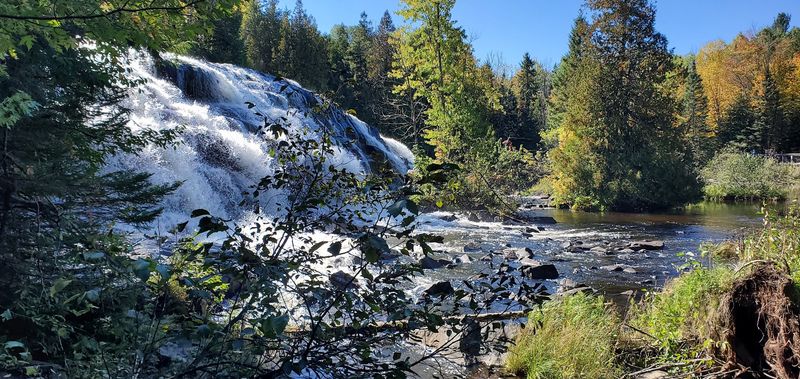
Some places are beautiful in a way that fades quickly once you are back in the car. Bond Falls is not one of those places.
The sound of the water hitting the rocks below stays in your memory in a specific way, distinct from the white noise of most waterfalls.
Part of what makes the impression last is the scale of the experience relative to the effort required. You walk a short path, and then suddenly you are standing in front of something that feels genuinely grand.
That gap between expectation and reality is what turns a nice outing into a story you tell people.
The cold, misty air that hangs near the base of the falls on a warm summer day is another detail that sticks around in the memory. It is the kind of natural air conditioning that makes you want to stand there just a little longer than you planned.
Share this story