History gets tidied up fast, especially when famous names are involved. Schoolbook versions usually keep the inventions, paintings, speeches, and breakthroughs, then quietly file away the habits, contradictions, and personal chaos that made those people harder to categorize.
That is a mistake, because the interesting part is often the mess: unfinished projects, uneasy compromises, public reinventions, and private battles that shaped what the world eventually saw. Keep reading and you will meet twelve remarkable figures whose brilliance was real, whose flaws were equally real, and whose stories make the past feel much more human.
1. Ernest Hemingway
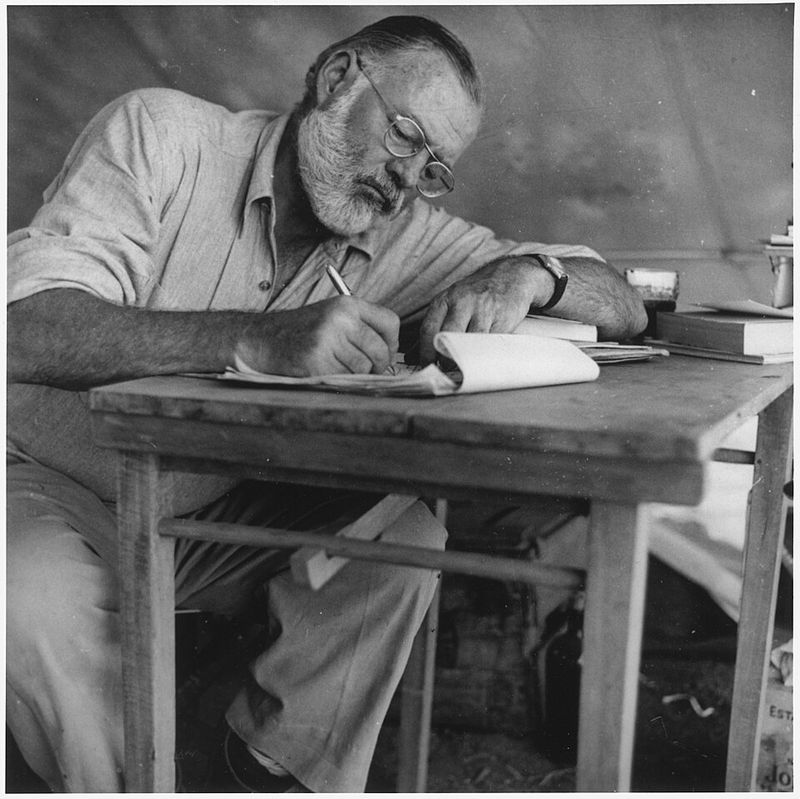
Hemingway marketed toughness so effectively that the image nearly swallowed the writer. Safari stories, war correspondence, fishing trips, boxing, and carefully cultivated bravado made him look like a man built from action first and reflection second.
The writing, of course, tells a more complicated story. His best prose depended on restraint, omission, and emotional pressure beneath plain surfaces, suggesting a person who understood vulnerability even when he worked hard to disguise it in public.
Success brought recognition, but it also intensified competition, self scrutiny, and the pressure to remain Hemingway at all times.
That performance took effort, and the private costs are hard to ignore. Marriages, friendships, injuries, and periods of instability all fed into a life that rarely looked calm for long.
Yet his influence on twentieth century style is undeniable. He changed how many writers approached dialogue, pacing, and sentence structure, making simplicity look deceptively easy.
The contradiction is almost perfect. A man famous for hardness produced work whose power often came from what remained unspoken, uncertain, and emotionally exposed.
2. Virginia Woolf
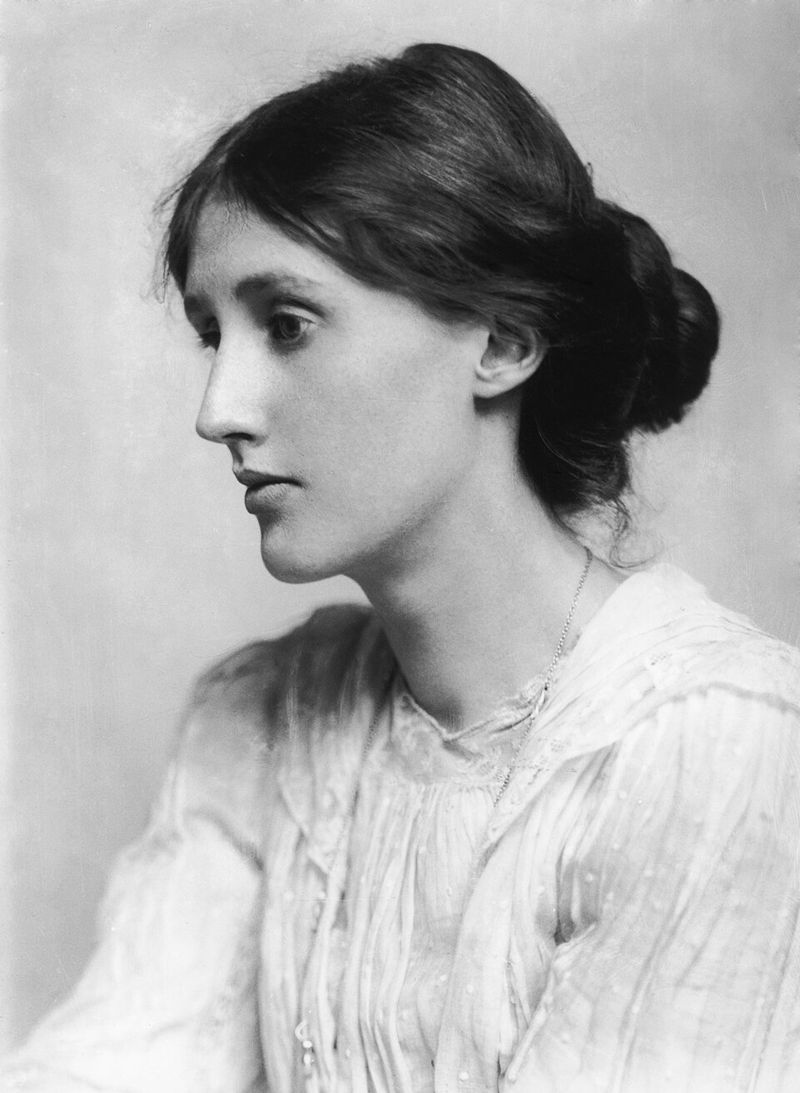
Virginia Woolf wrote as if ordinary thought deserved top billing, and that changed the novel. Instead of arranging fiction around neat plots alone, she explored memory, time, routine, and consciousness with a precision that made inner life feel newly important on the page.
Her work emerged alongside long periods of mental strain, which shaped both her daily routines and her writing life. Within the Bloomsbury circle, she was intellectually central, but she was also managing recurring instability, publishing pressures, and the practical demands of running the Hogarth Press with Leonard Woolf.
What keeps Woolf compelling is the way form and biography seem to converse without collapsing into each other. She challenged social expectations for women, questioned the structures of literary authority, and insisted that private perception belonged in serious art.
Essays like A Room of One’s Own remain influential because they connect economics, education, and creativity with uncommon clarity. Woolf was experimental without becoming remote.
Her life was complicated, but the complexity sharpened her observations, giving later readers a writer who could be analytical, intimate, and startlingly modern all at once.
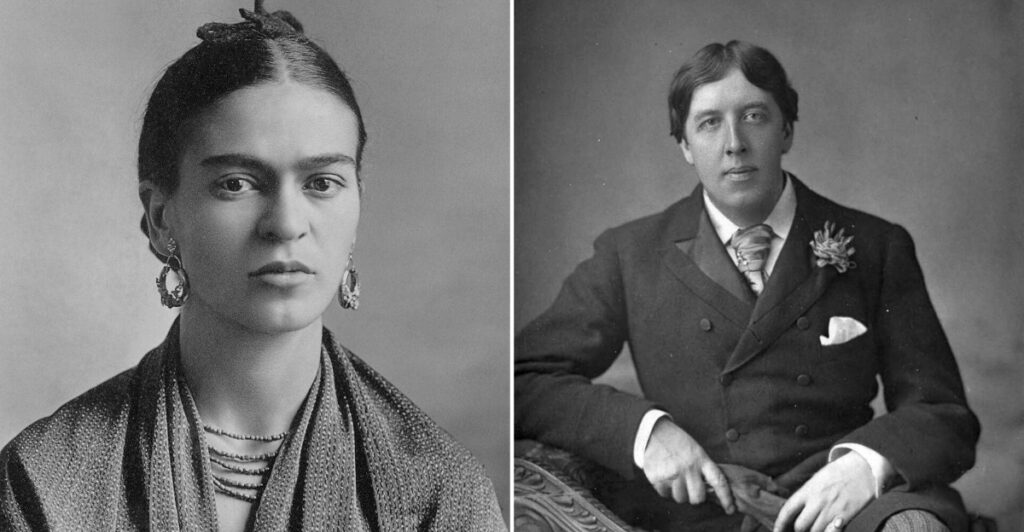
3. Oscar Wilde
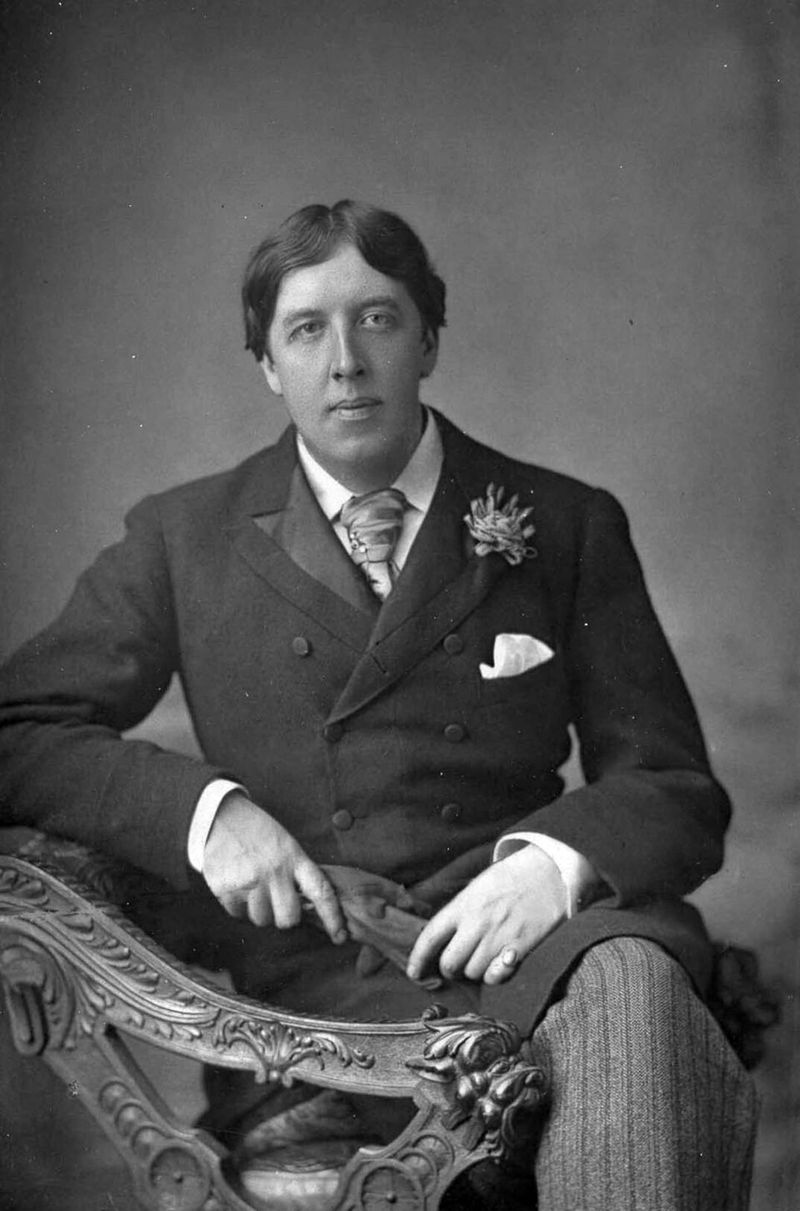
Oscar Wilde could make a room look slow simply by opening his mouth. He became famous for plays, essays, fairy tales, and epigrams that skewered Victorian respectability with such elegance that audiences sometimes missed how sharp the joke really was.
That brilliance rested on more than wit. Wilde was highly educated, deeply aware of performance, and committed to aesthetic ideas that challenged the moral earnestness of his age.
He turned conversation into art, but he also lived in a society that monitored reputation closely and punished deviation from accepted codes.
His public rise and abrupt fall reveal how unstable celebrity could be in the late nineteenth century. The same culture that admired his style and intelligence could quickly turn punitive when private life became public controversy.
After legal battles and imprisonment, his circumstances changed dramatically, yet his writing never lost its ability to expose hypocrisy with remarkable economy. Wilde remains compelling because he fused entertainment with critique so completely.
He could be dazzling, vain, vulnerable, and devastatingly perceptive all at once, which makes his work feel less like period decoration and more like a direct challenge.
4. Amelia Earhart
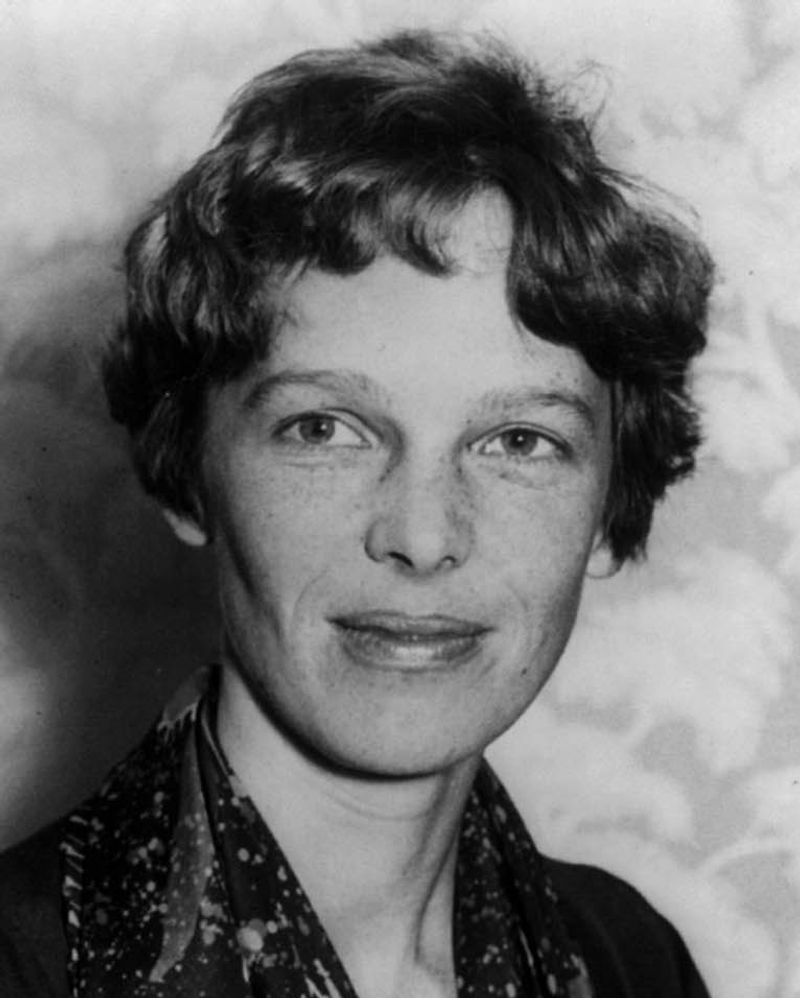
Amelia Earhart understood that modern fame could be piloted as carefully as an aircraft. She set aviation records, completed a solo Atlantic flight, and became one of the most recognizable figures of the interwar years while also championing broader opportunities for women in fields still coded male.
Her public presence was not accidental. Earhart wrote books, gave lectures, endorsed practical clothing, and worked with organizers who understood the power of media.
That polish sometimes leads people to forget she was also a serious pilot navigating a rapidly evolving era of aircraft design, navigation methods, and public expectations.
The complexity of her life comes from how many roles she held at once. She was an aviator, symbol, business partner, writer, and advocate, each identity affecting the others.
Critics occasionally questioned whether publicity overshadowed technical skill, but that criticism misses the point. Earhart grasped that visibility itself could shift cultural assumptions.
She used celebrity strategically, not frivolously. Long before personal branding became standard practice, she showed that public image could be a tool for changing who gets imagined in the cockpit.
5. Frida Kahlo
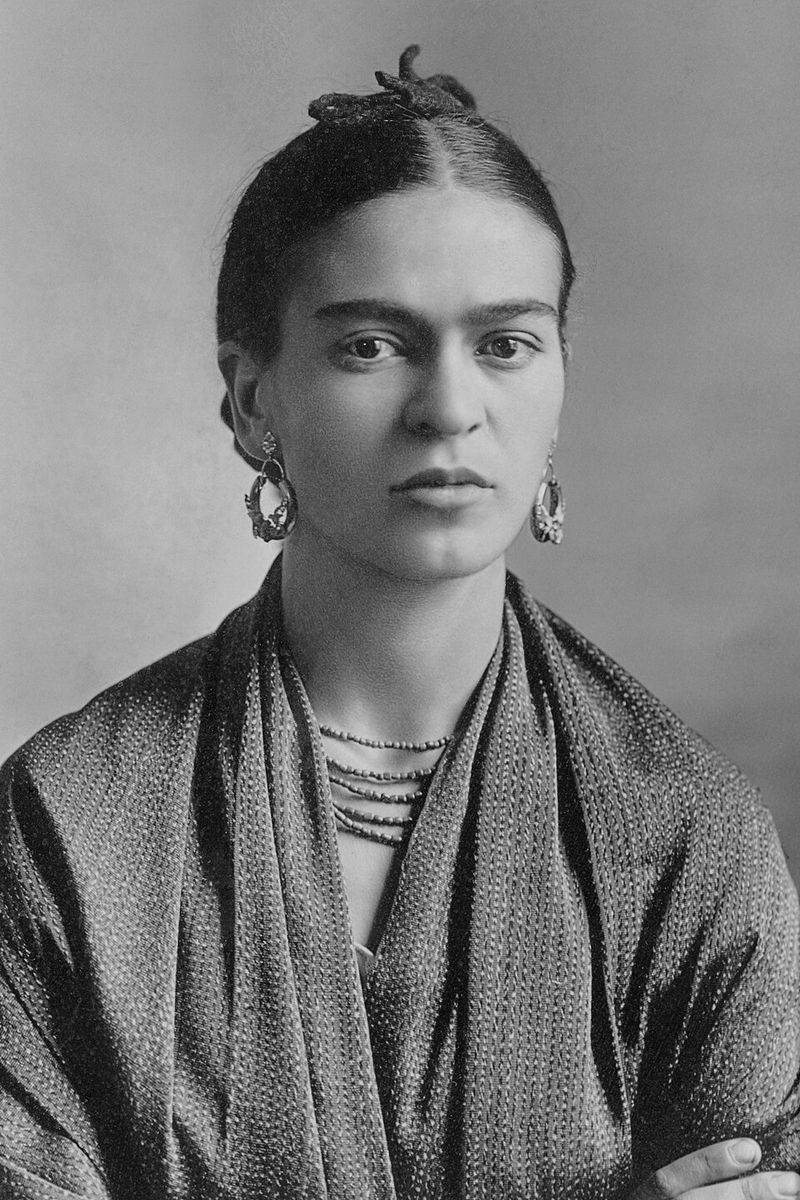
Frida Kahlo turned autobiography into an art form before that idea became cultural shorthand. Her paintings did not sidestep injury, identity, marriage, politics, or physical pain.
They confronted each subject directly and made self portraiture feel less like vanity and more like a record of survival.
After a serious bus accident altered her health and mobility, Kahlo began painting during long recoveries. She drew from Mexican folk art, Catholic imagery, indigenous symbolism, and personal experience, building a visual language that was unmistakably hers even when critics tried to define her mainly through her connection to Diego Rivera.
That connection was only one part of a much larger story. Kahlo navigated fame, disability, political commitment, and a public persona she shaped with clear intention, from dress to image to subject matter.
Her life was complicated not because it was mysterious, but because she refused simplification. You can see that resistance in the work itself.
She presented hurt, humor, pride, and contradiction on the same canvas, which is exactly why audiences still find her startlingly current.
6. Cleopatra
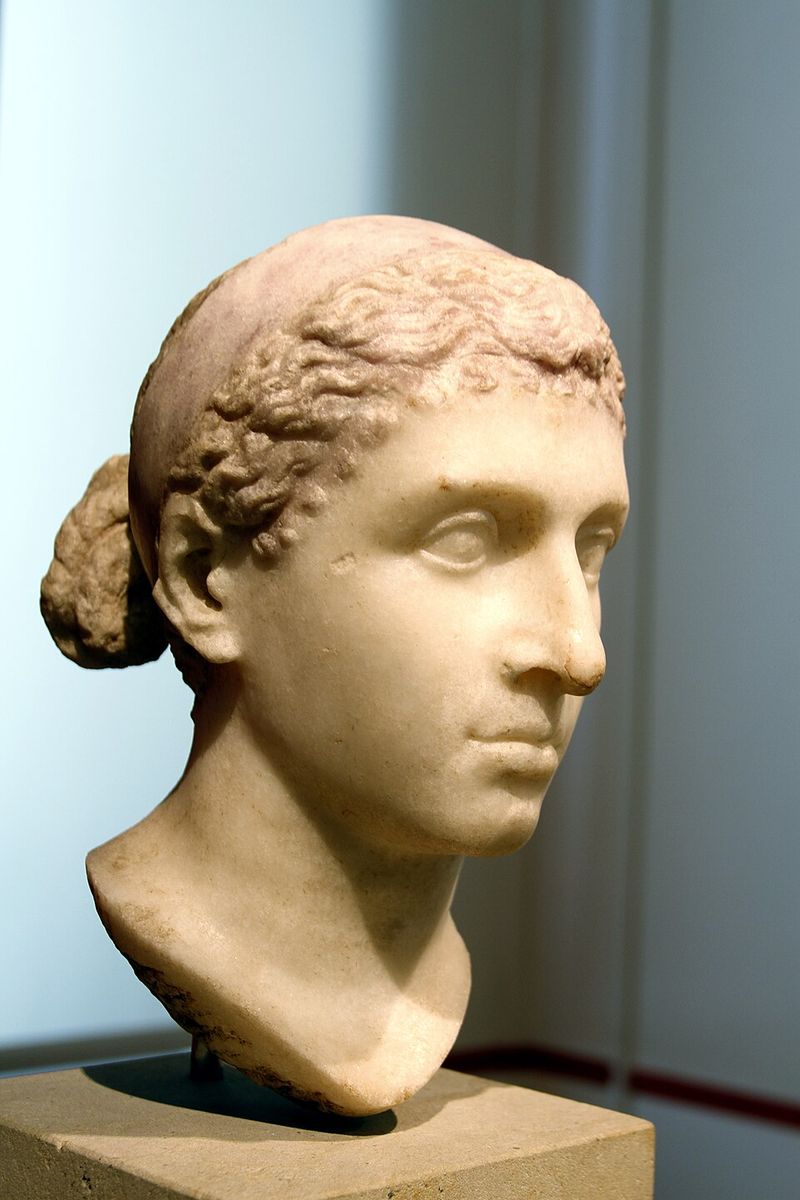
Pop culture loves a shortcut, and Cleopatra has been reduced to one for centuries. The familiar version centers romance and glamour, but the historical figure was a ruler navigating a high stakes political environment where every alliance had consequences and every public move sent a message.
As queen of Ptolemaic Egypt, she spoke multiple languages and understood that survival required strategy as much as ceremony. Her ties to Julius Caesar and later Mark Antony were not just personal matters.
They were calculated efforts to protect Egyptian power while Rome kept tightening its grip across the Mediterranean.
That larger context makes her far more interesting than the caricature. Cleopatra managed court politics, family rivalry, international diplomacy, and the expectations placed on a female ruler in a period dominated by imperial ambition.
She knew symbolism mattered, and she used it well, presenting herself as both monarch and cultural force. If her life seems dramatic, it is because the world around her was unstable.
She was not merely a legend in jewels. She was a political operator facing impossible arithmetic.
7. Thomas Jefferson
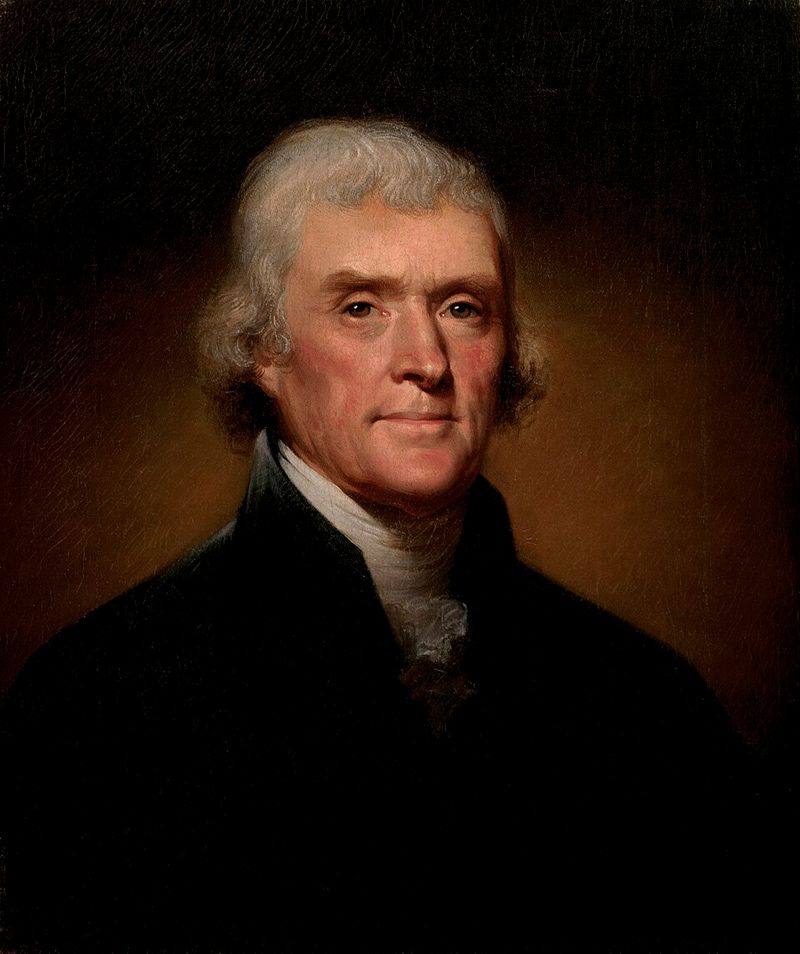
Jefferson’s reputation arrives polished, but the details quickly make things more difficult. He wrote soaring language about liberty and rights, helped shape the early United States, and cultivated the image of a learned republican thinker with broad interests in architecture, agriculture, science, and books.
Yet those ideals existed beside the reality that he owned enslaved people throughout his life. That contradiction is not a footnote.
It sits at the center of any honest account of his legacy, alongside his debts, his political maneuvering, and the enduring questions surrounding Sally Hemings and the Jefferson household.
Part of what keeps Jefferson relevant is that he forces readers to hold opposing truths at once. He could be intellectually adventurous and morally compromised in the same breath.
He designed buildings, collected inventions, and promoted education, while also benefiting from a system that denied freedom to others. There is no clean way to summarize him, and that is precisely the point.
His life shows how national founding myths become less comfortable, and more accurate, when the missing parts are finally put back in.
8. Leonardo da Vinci
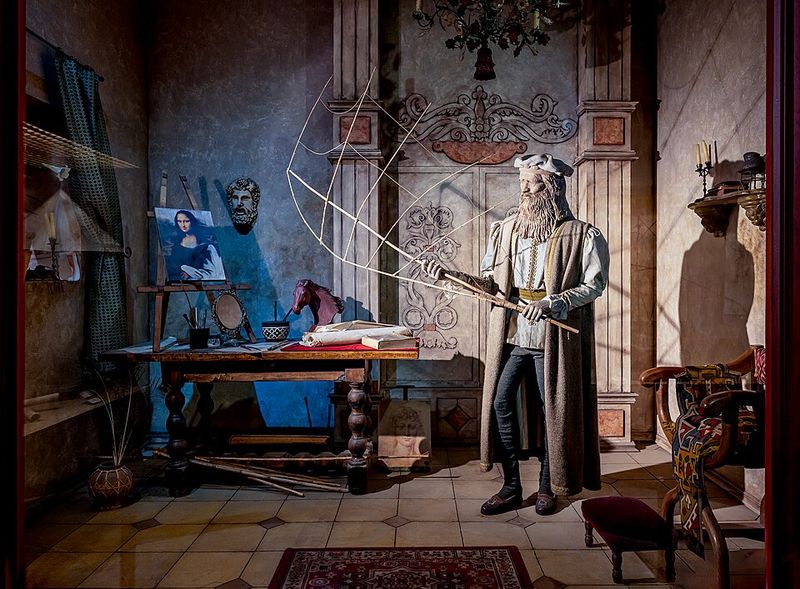
Genius, in Leonardo’s case, looked a lot less tidy than the legends suggest. You probably know the famous paintings, but his real habit was chasing ideas across art, engineering, anatomy, and architecture with the attention span of a brilliant magpie.
He filled notebooks with mirror writing, machine sketches, studies of muscles, and plans for devices that would not be practical for centuries. Just as often, he left commissions unfinished, frustrating patrons who expected a completed masterpiece instead of another detour into hydraulics or flight.
That contradiction is what makes him so fascinating now. Leonardo was not a smooth, efficient machine for producing greatness.
He was curious to an almost inconvenient degree, constantly revising, testing, and wandering into new fields. If modern culture loves the restless multitasker, it is worth admitting that Leonardo may have been the original version, brilliant enough to change history while still missing deadlines.
9. Nikola Tesla
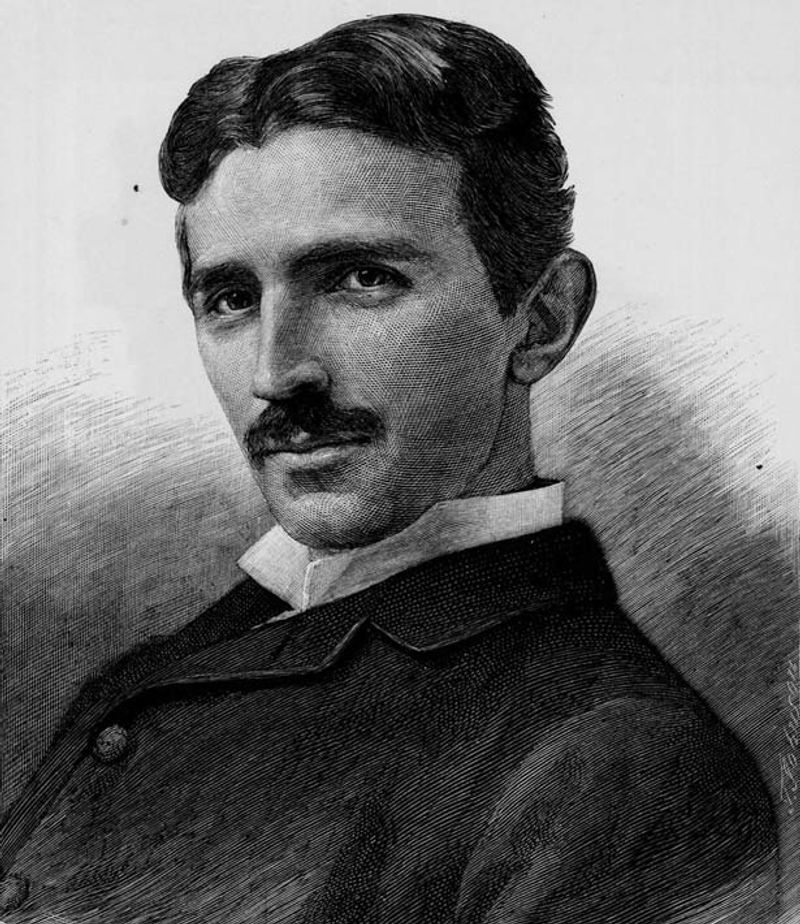
Some people are ahead of their time, and then there is Nikola Tesla making everyone else look late. He imagined wireless communication, remote control, and broad electrical systems with a confidence that made him sound futuristic even in his own century.
That brilliance, however, came paired with habits that made business partners nervous. Tesla could be charming and persuasive, but he was also obsessive, financially inconsistent, and far more interested in elegant ideas than in turning those ideas into dependable profit, which left room for rivals with sharper commercial instincts.
His public image swung between celebrated inventor and eccentric curiosity. He spoke about grand systems for power and communication, kept rigid routines, and became known for quirks that newspapers treated almost like side entertainment.
Yet beneath the oddity was a mind that helped shape modern electrical life in ways ordinary people still rely on every day. Tesla’s story feels familiar because it combines innovation, missed opportunities, branding problems, and the eternal truth that genius does not always arrive with a decent accountant.
10. Marie Curie
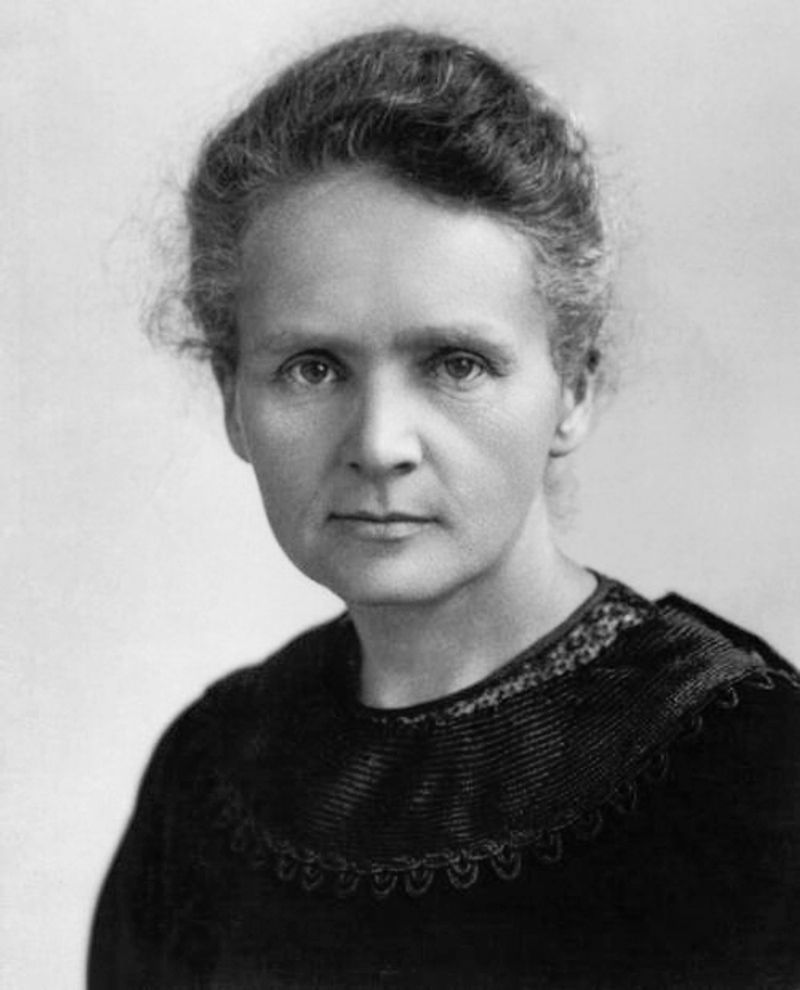
Few lives prove that determination can rewrite the rules quite like Marie Curie’s. Arriving in Paris with limited money and enormous ambition, she pushed through barriers that made higher education and laboratory work far harder for women than for men.
Her research with Pierre Curie helped identify polonium and radium, and her achievements earned Nobel Prizes in physics and chemistry. Yet her path was never simple, because the scientific world that praised her discoveries could also question her place in it, scrutinize her private life, and underestimate the risks surrounding radioactive materials.
What stands out most is her stubborn clarity of purpose. Curie kept working, teaching, and organizing mobile X-ray units during wartime, even as the long term effects of radiation were not yet fully understood.
She was disciplined rather than theatrical, which somehow makes the scale of her accomplishments even more striking. Curiosity drove her forward, but it also placed her in territory science had not yet learned how to handle safely.
11. Winston Churchill
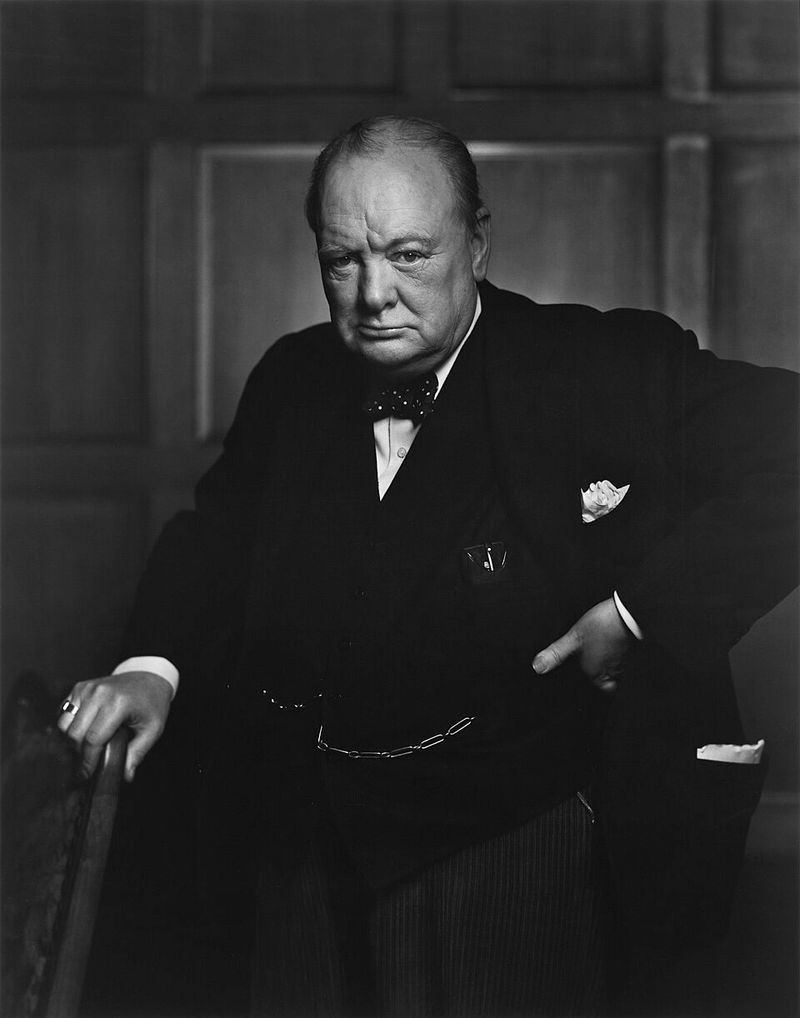
Churchill could turn a sentence into a national event, which is one reason his image remains so durable. During Britain’s hardest wartime period, his speeches gave shape to public resolve and helped define what leadership looked like when certainty was in short supply.
Still, eloquence does not erase complexity. Churchill struggled with depressive periods he called his black dog, shifted political parties earlier in his career, and made imperial decisions that continue to draw strong criticism, particularly when historians assess the wider consequences of British policy beyond Europe.
That mix of courage, ego, vision, and misjudgment is what makes him difficult to flatten into a statue. He was industrious, theatrical, deeply read, and often convinced of his own correctness even when events suggested otherwise.
Admirers focus on resolve and language. Critics point to colonial attitudes and damaging policy choices.
Both are part of the record. Churchill matters not because he fits a neat template of greatness, but because he shows how public leadership can be genuinely consequential while still carrying serious moral and political complications.
12. Galileo Galilei
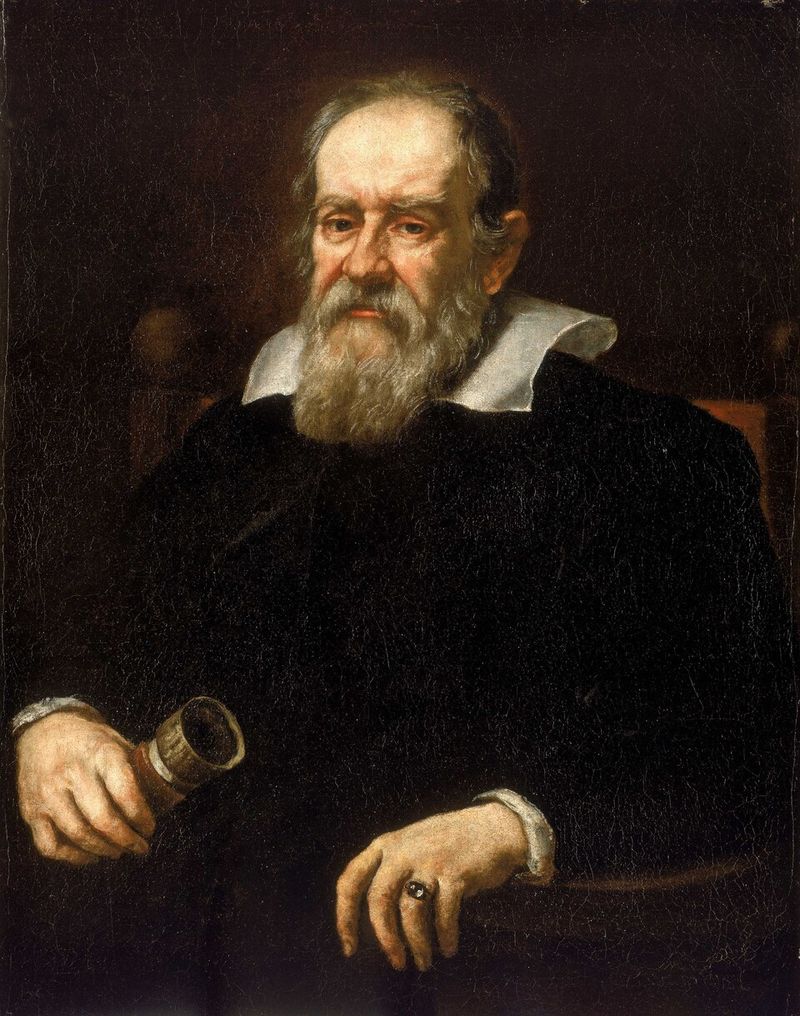
Sometimes the trouble starts because one person looks carefully and refuses to pretend otherwise. Galileo used improved telescopes to study the heavens and found evidence that challenged accepted assumptions, including observations supporting the idea that Earth was not the center of everything.
Those findings mattered scientifically, but they also carried institutional consequences. In seventeenth century Europe, cosmology was tied to authority, interpretation, and public doctrine, so Galileo’s arguments did not stay inside a laboratory lane.
They entered a broader struggle over who had the right to describe reality.
He was not simply a rebel in a cape, despite the legends. Galileo was also a mathematician, teacher, and skilled writer who understood how to frame complex ideas for wider audiences, sometimes with a confidence that sharpened opposition.
His later years were constrained, yet his work kept circulating, influencing astronomy and natural philosophy long after formal criticism tried to contain it. What makes his life complicated is not just conflict with authority.
It is the fact that evidence, communication style, ego, and timing all collided, proving that truth alone does not guarantee an easy reception.
Share this story