Some cities are worth visiting for their history or landmarks, but a few rare places are worth visiting purely for the food. From street-side noodle stalls to centuries-old pasta traditions, these destinations have built entire identities around eating well.
I once rearranged a whole travel itinerary just to squeeze in one extra meal in Tokyo, and honestly, I have zero regrets. These 16 food cities are the kind of places where your stomach should absolutely be in charge of the schedule.
Tokyo, Japan
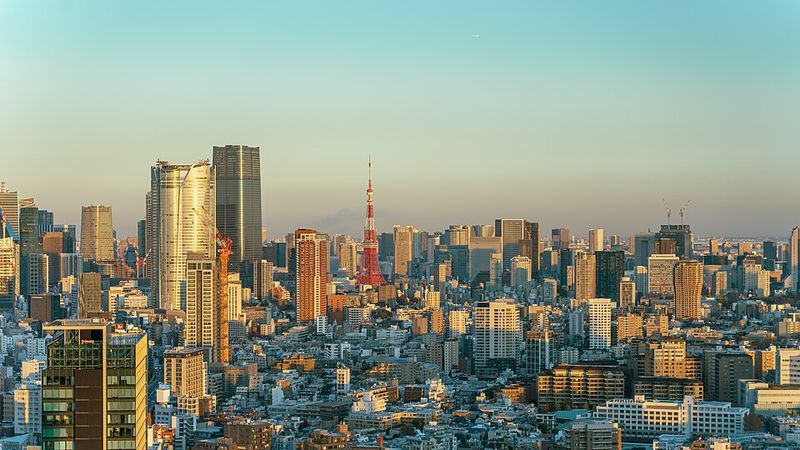
Tokyo holds more Michelin stars than any other city on the planet. That single fact should be enough to reroute any travel plan.
The range here is staggering: you can spend your morning at a tiny ramen counter, your afternoon at a yakitori spot tucked under a train track, and your evening at a once-in-a-lifetime omakase.
What makes Tokyo truly special is that excellence is not reserved for fancy restaurants. A convenience store onigiri here is better than a sit-down meal in most cities.
The precision applied to every dish, at every price point, is genuinely humbling.
First-time visitors often make the mistake of over-scheduling. Leave room to wander into a neighborhood spot with no English menu and just point.
That spontaneous meal will probably end up being the highlight of the trip. Tokyo rewards curiosity more than any other food city I have visited.
Osaka, Japan
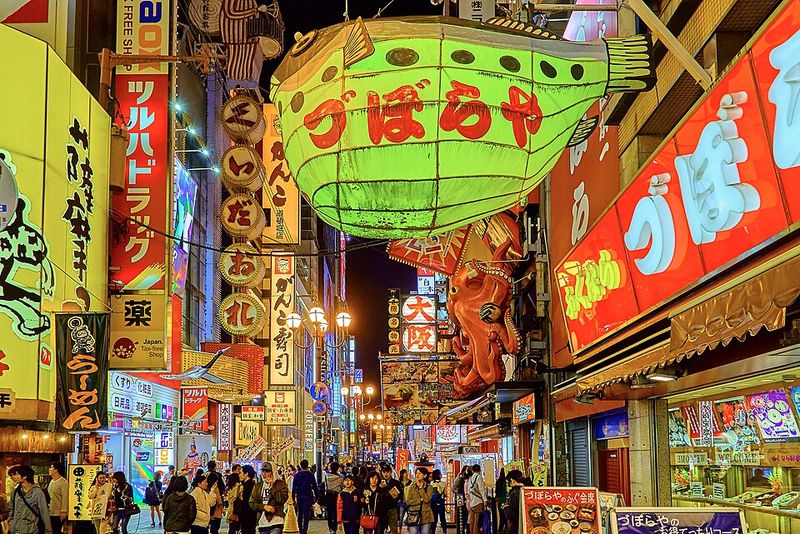
Osaka has been called the Kitchen of the Nation for centuries, and the city has absolutely leaned into that title. The locals have a concept called kuidaore, which roughly translates to eating yourself into ruin.
They treat it less like a warning and more like a life goal.
Takoyaki, okonomiyaki, and kushikatsu are the holy trinity here. Each dish is cheap, filling, and made with a level of care that puts expensive meals elsewhere to shame.
The Dotonbori district alone could occupy an entire food trip.
What separates Osaka from other great food cities is the energy. Eating here feels festive even on a Tuesday.
Street vendors, tiny basement restaurants, and bustling covered markets all compete for your attention and your appetite. The city does not just feed you well; it makes the whole act of eating feel like a celebration worth showing up for.
Bangkok, Thailand
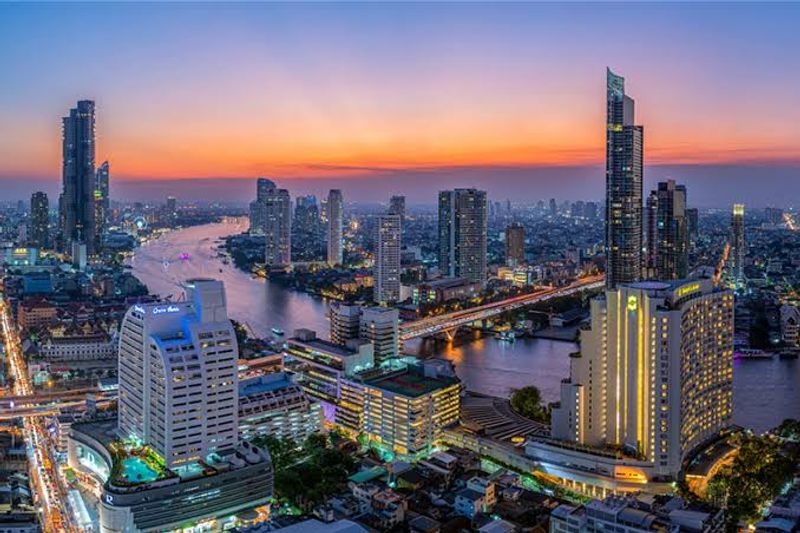
Bangkok is one of the few cities where the Michelin Guide maintains a dedicated street food section, and that detail matters more than it sounds. It means the inspectors recognize what every regular visitor already knows: the best food here is not always behind a restaurant door.
Pad see ew sizzling in a wok at midnight, boat noodles served from a floating vessel, green papaya salad made to order with a mortar and pestle at the curb. These are not backup options when the restaurants are full.
They are the main event.
Bangkok also rewards night owls. Some of the best stalls do not open until most people are thinking about sleep.
The city runs on its own schedule, and the food scene follows suit. Visitors who stay flexible and eat with the flow of the city tend to leave with the most memorable meals.
Singapore
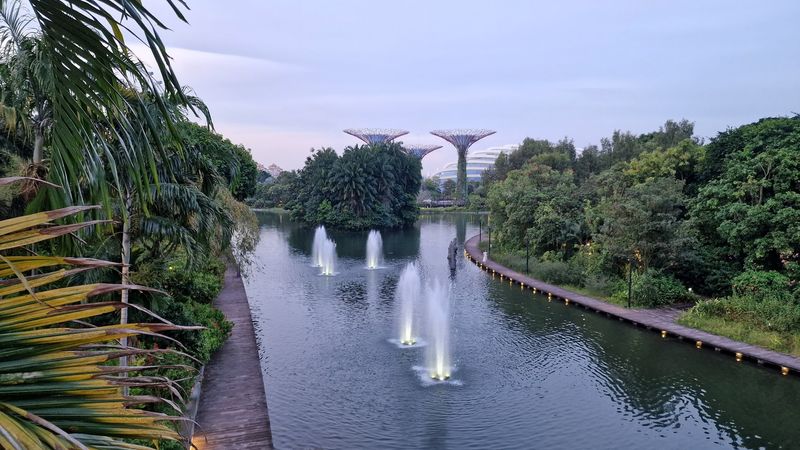
Singapore is the only city in the world where hawker food culture has been inscribed on UNESCO’s Intangible Cultural Heritage list. That is not a marketing slogan.
It is a formal recognition that what happens in these open-air food centres is genuinely irreplaceable.
Hawker centres are where Singapore does its best work. Hainanese chicken rice, char kway teow, laksa, and chili crab all find their finest versions here, often cooked by stall operators who have spent decades perfecting a single dish.
The prices are low and the quality is outrageously high.
The multicultural makeup of Singapore means every meal is a tour through Chinese, Malay, Indian, and Peranakan traditions. One tray of food can represent four different culinary histories.
For a traveler who wants maximum flavor variety with minimum distance between spots, Singapore is almost unfairly convenient. It is a small city that eats very, very large.
Mexico City, Mexico
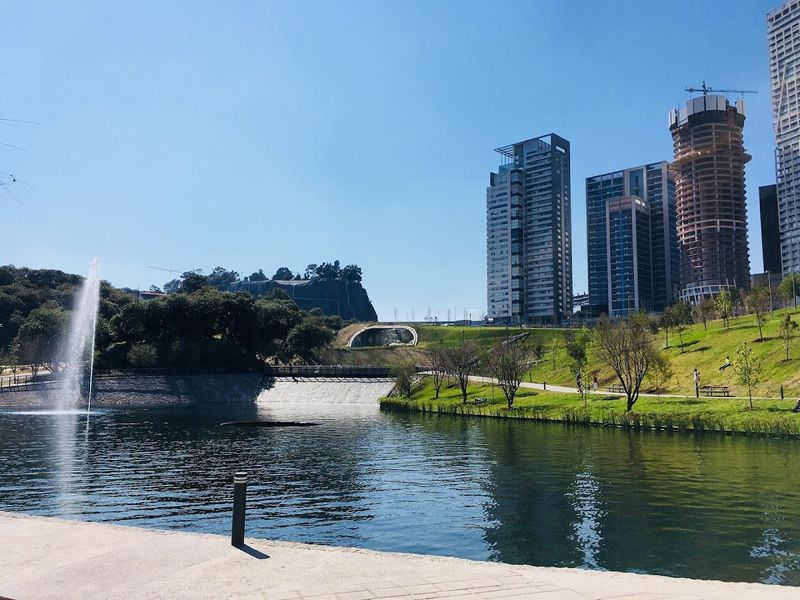
Mexico City’s own tourism guide calls it the epicenter of the universe of Mexican cuisine, and after spending a week eating my way through its neighborhoods, I am not going to argue. The range on offer here is almost overwhelming in the best possible way.
Breakfast alone could be its own trip. Chilaquiles, tamales, and fresh-pressed juice from a market stall set the tone before 9 a.m.
Then lunch stretches into a two-hour affair at a cantina, and street tacos fill the gaps in between. There are no slow food moments in this city.
Beyond the tacos and tortas, Mexico City also has a thriving fine-dining scene that celebrates regional Mexican cooking in ways that feel genuinely creative. Chefs here pull from Oaxacan, Yucatecan, and central Mexican traditions to build menus that are sophisticated without being stuffy.
The whole city eats with both pride and pleasure.
Lima, Peru
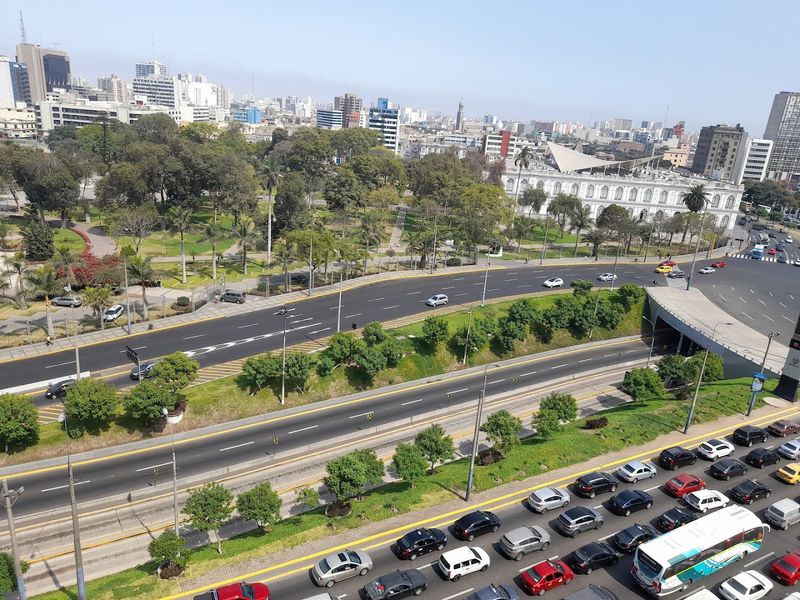
Peru’s official tourism site calls Lima one of the top food capitals in the world, and several of its restaurants have spent years near the top of the World’s 50 Best list. For a city that was largely overlooked by international food travelers two decades ago, that rise has been remarkable.
Ceviche is the obvious entry point, and it delivers every time. The combination of fresh fish, citrus, and heat in a classic Lima cevicheria is one of those dishes that makes you understand why people call food a pilgrimage.
Tiradito, anticuchos, and lomo saltado round out a must-eat list that keeps growing.
What gives Lima its edge is the layered history behind every dish. Indigenous, African, Chinese, Japanese, and Spanish influences have been blending here for centuries, producing a cuisine that belongs entirely to Peru.
No other food city offers quite this blend of cultural depth and sheer deliciousness at the same table.
Bologna, Italy
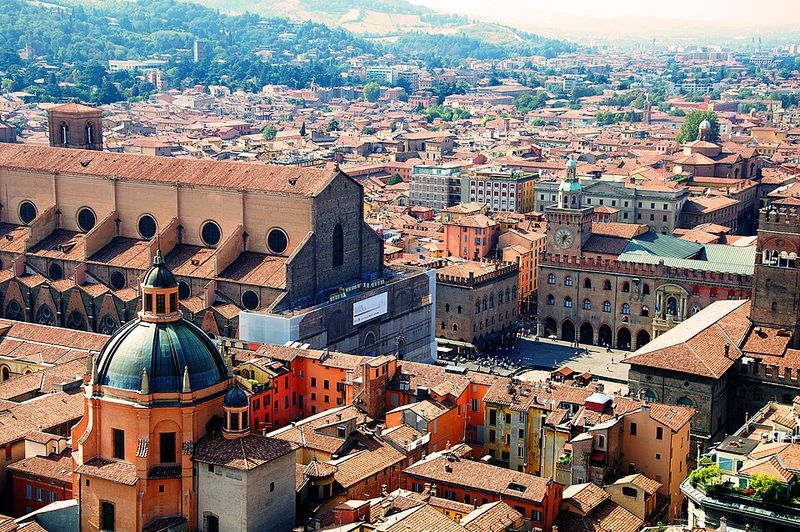
Bologna’s nickname is La Grassa, which translates to The Fat One, and the city wears it like a badge of honor. UNESCO recognized Bologna within its Creative Cities Network for gastronomy, which is a formal way of saying what locals have known for centuries: this place is serious about food.
Tagliatelle al ragù is the flagship dish, and the version served here is nothing like the spaghetti bolognese found everywhere else. The Bolognese Chamber of Commerce actually filed a notarized recipe in 1982 to protect the authentic version.
That level of commitment to pasta is admirable and slightly hilarious.
Tortellini, mortadella, and aged Parmigiano-Reggiano fill out a food scene that feels more like a living culinary museum than a tourist destination. The covered porticoes lining the streets lead you from one excellent trattoria to the next.
Bologna is not a stop on an Italian trip. It is a reason to take one.
Naples, Italy
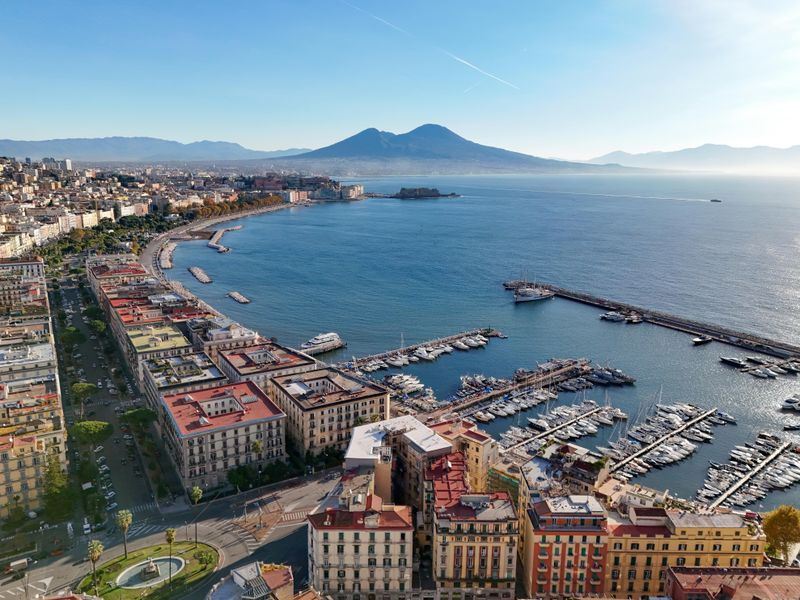
The art of the Neapolitan pizzaiuolo is recognized by UNESCO as intangible cultural heritage. That means Naples is not just famous for pizza.
It is globally certified for the craft, tradition, and ritual that goes into making one. Eating a pie here carries a weight that no other city can replicate.
The pizza itself is a study in simplicity done perfectly. Soft, blistered dough, San Marzano tomatoes, fresh fior di latte, and a quick turn in a screaming-hot wood oven.
The whole process takes about 90 seconds, and the result is a religious experience for carb lovers.
Naples also delivers on seafood, fried street food, and espresso that will ruin all other espresso forever. The city is chaotic and loud and full of character in every direction.
First-time visitors sometimes find it overwhelming, but those who lean into the energy tend to fall completely in love. Naples does not ask for your approval.
Paris, France
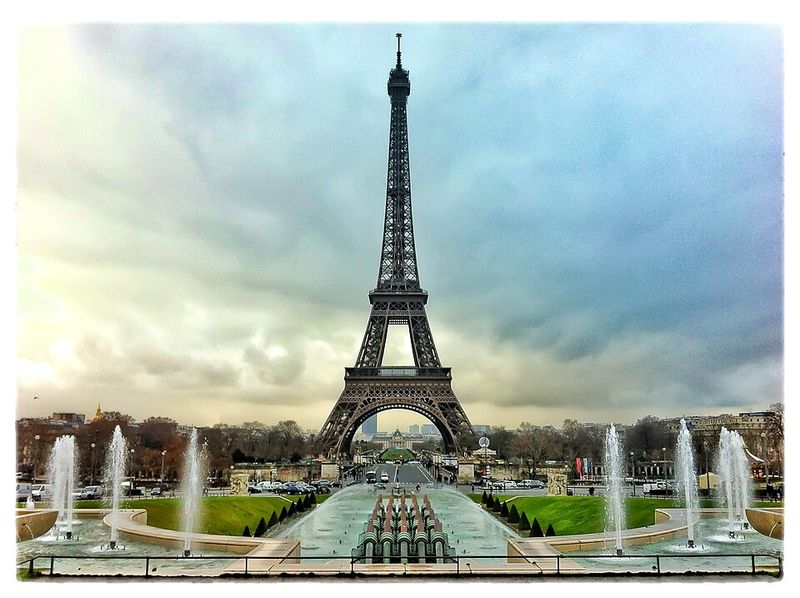
Paris is one of those cities that has been called a food capital so many times that it almost starts to sound like a cliche. And then you bite into a perfectly laminated croissant at 8 a.m. and remember exactly why the reputation exists.
The city covers every register of eating with equal confidence. A neighborhood bistro with a 15-euro prix fixe lunch can feel just as satisfying as a three-star tasting menu.
That democratic approach to great food is what keeps Paris relevant in a world full of rising food capitals.
Bakeries, fromageries, wine bars, covered food markets, and patisseries are packed into every arrondissement. The official tourism office highlights how Paris balances deep culinary tradition with constant innovation, and that tension is exactly what makes it endlessly interesting.
There is always a new chef doing something unexpected, and always a classic that reminds you why the old ways still hold up.
San Sebastian, Spain
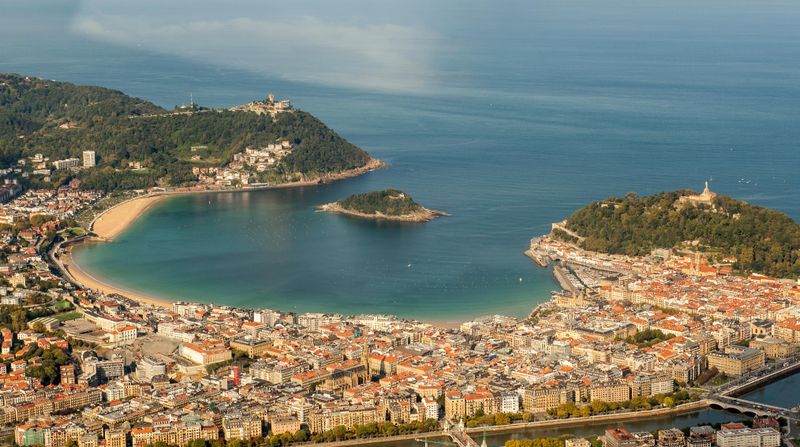
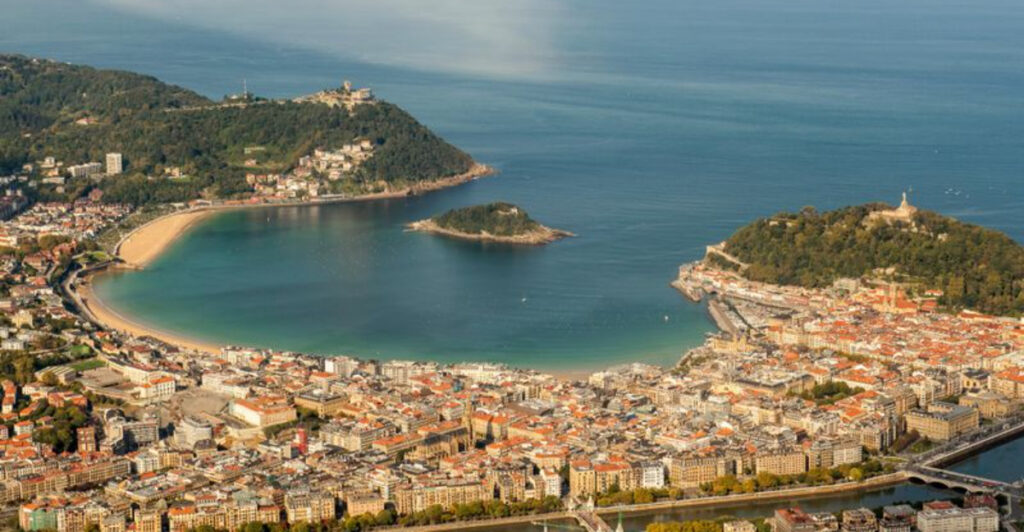
San Sebastian has more Michelin stars per capita than almost anywhere else on earth. For a city of fewer than 200,000 people, that is either an impressive statistic or proof that the entire population is secretly made of professional food critics.
The pintxos culture is where most visitors start, and it is the perfect introduction. Bar-hopping through the Parte Vieja old town, collecting small bites of anchovy, jamón, and spider crab from one counter to the next, is one of the most enjoyable ways to eat in all of Europe.
No reservations, no fuss, just great food and good wine.
The city’s official tourism site calls pintxos an essential part of the visit, which is a rare case of tourism marketing being completely accurate. San Sebastian also has world-class tasting menu restaurants for those who want the full high-end experience.
Both ends of the spectrum are exceptional, and most visitors end up doing both without any regrets.
Hong Kong
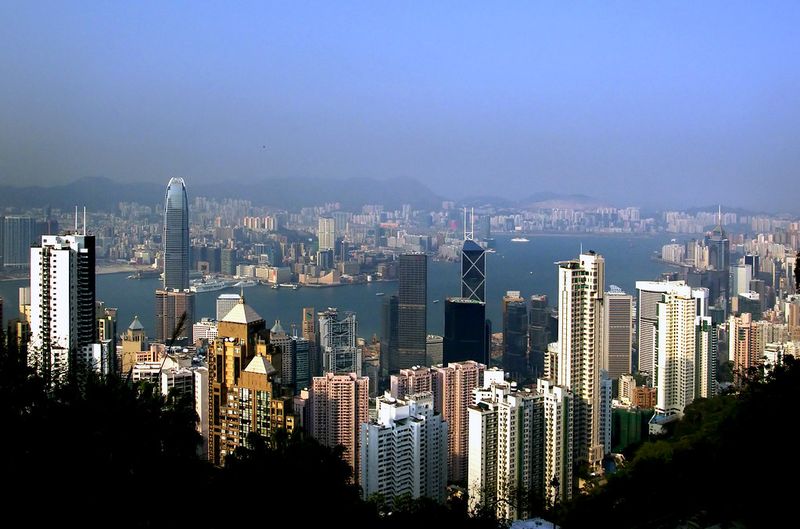
Hong Kong’s food scene operates at two speeds: unhurried and ceremonial over a long dim sum breakfast, and blazingly fast at a roast goose counter where the line moves whether you are ready or not. Both experiences are essential and neither one disappoints.
Yum cha, the tradition of drinking tea and sharing small dishes, is one of the great communal eating rituals in the world. The clatter of trolleys, the steam rising from bamboo baskets, and the chaos of a packed teahouse on a Sunday morning are all part of the meal.
You do not just eat dim sum in Hong Kong. You participate in it.
The city’s tourism board also points visitors toward dai pai dongs, the open-air food stalls that serve wok-fried classics with serious heat and speed. Roast goose, wonton noodle soup, and pineapple buns from a cha chaan teng round out a food scene that is dense, delicious, and completely its own.
Istanbul, Turkiye
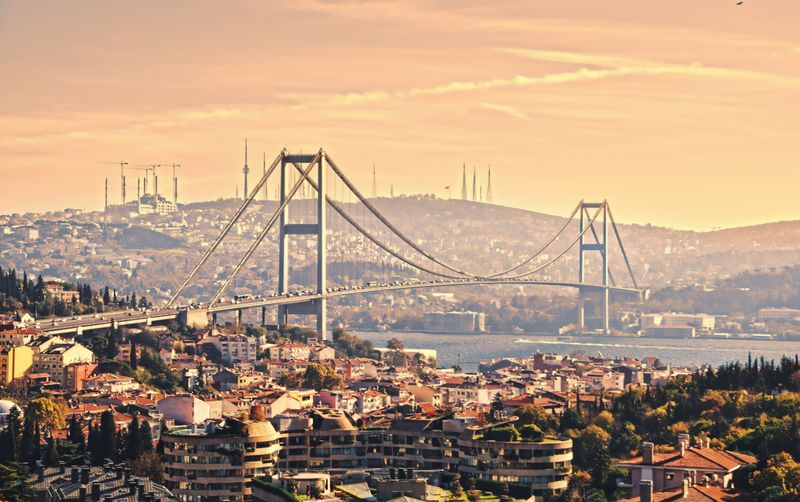
Turkish breakfast culture alone is worth a flight to Istanbul. The spread, known as kahvalti, involves a small army of dishes: white cheese, olives, tomatoes, fresh bread, honey, clotted cream, and at least two glasses of strong tea.
It is the most civilized way to start a day that exists.
Istanbul’s official tourism materials highlight kebabs, mezes, baklava, and simit as pillars of the culinary experience, and each one delivers. The city sits between Europe and Asia, and that geography shows up directly on the plate.
Flavors here feel layered in a way that reflects centuries of empire and trade.
The Grand Bazaar and Spice Market are worth visiting for the sensory spectacle, but the real eating happens in neighborhood spots away from the tourist trail. A simple lunch of fresh balık ekmek, a fish sandwich from a boat on the Bosphorus, is one of the most unexpectedly perfect meals this city offers.
New Orleans, United States
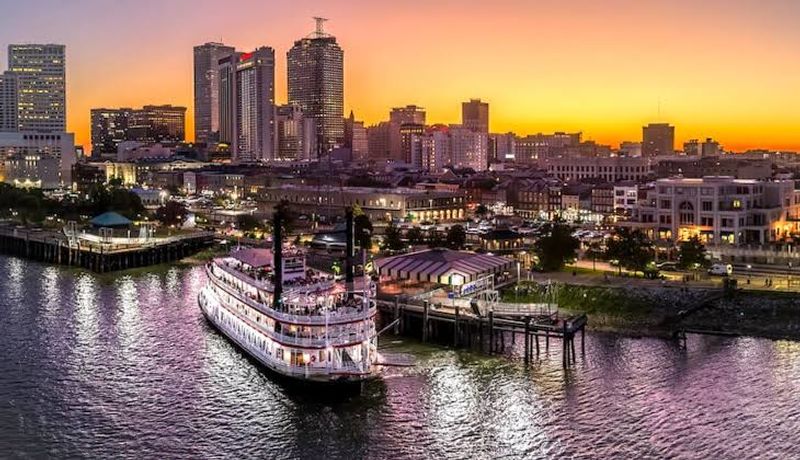
New Orleans is the only American city with a food culture so distinct that it essentially operates as its own culinary country. The blend of Creole, Cajun, African, French, Spanish, and local traditions has produced a cuisine that cannot be replicated anywhere else, no matter how hard people try.
Gumbo, jambalaya, red beans and rice, po’boys, beignets dusted in powdered sugar at Cafe Du Monde at 2 a.m. These are not just dishes.
They are cultural landmarks with flour and hot sauce. New Orleans & Company puts it simply: food helps make the Crescent City unlike anywhere else, and that is not an overstatement.
The restaurant scene has also grown beyond its classic anchors. A new generation of chefs is pushing Creole cooking into exciting directions without abandoning its roots.
Whether you are after a historic institution or a boundary-pushing newcomer, New Orleans delivers the goods with a side of live brass band music.
Marrakech, Morocco
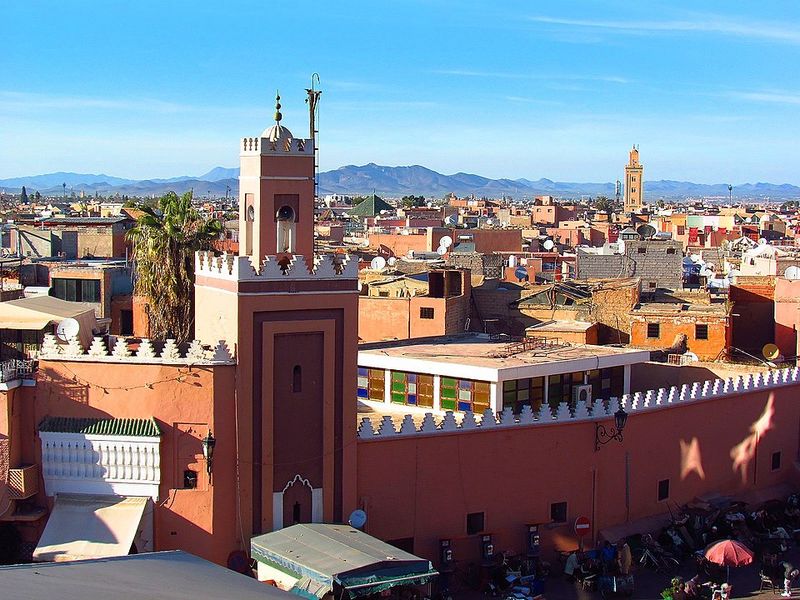
Marrakech is the kind of city where a wrong turn through the medina leads you directly to the best meal of your trip. Wandering hungry through the souks is not just acceptable here.
It is basically a recommended activity by the city’s own tourism guides.
Tagine, couscous, pastilla, and tanjia Marrakchia anchor the local food scene, and each dish carries the city’s signature sweet-savory complexity. The spice blends used in Moroccan cooking have been refined over centuries, and the depth of flavor in a slow-cooked tagine is genuinely difficult to describe without sounding dramatic.
Djemaa el-Fna square becomes an open-air food market at night, with dozens of stalls cooking merguez sausages, harira soup, and grilled meats over open flames. The atmosphere is chaotic in the best way.
Street food, rooftop restaurants overlooking the medina, and intimate riads serving multi-course Moroccan feasts all compete for your attention. Every option is worth taking.
Taipei, Taiwan
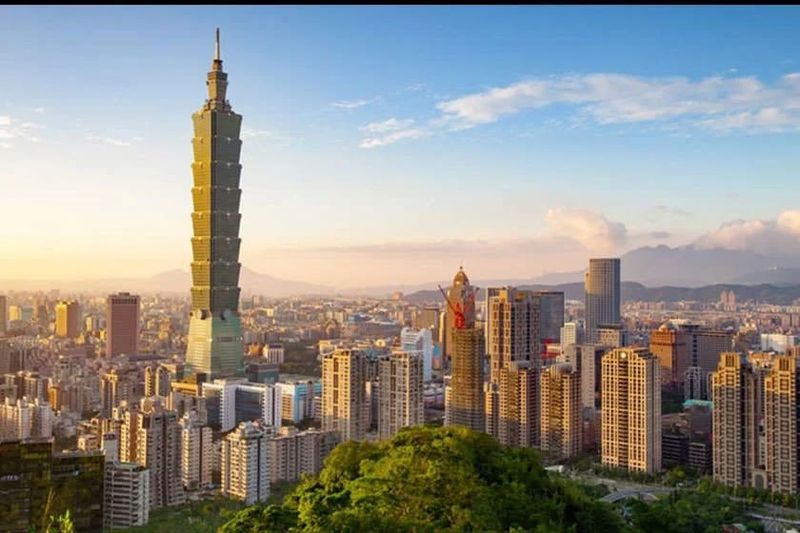
Taipei Travel officially refers to the city as a Level 1 Gourmets’ Warzone, which is the most accurate and slightly threatening food destination description ever written. The city takes casual eating with the same seriousness that other cities reserve for fine dining, and the results are spectacular.
Beef noodle soup is the unofficial national dish, and the debate over which shop does it best is an ongoing civic argument that has never been resolved. Xiaolongbao, pepper buns, oyster vermicelli, and shaved ice with toppings fill out a must-eat list that grows with every visit.
The night markets are where Taipei really shows off. Shilin, Raohe, and Ningxia each have their own specialties and their own loyal regulars.
Going between them in a single night is ambitious but absolutely doable. Taipei also has Michelin-starred restaurants for when the street food has fueled you enough to want a proper seat.
The full range is here and it is all excellent.
Lyon, France
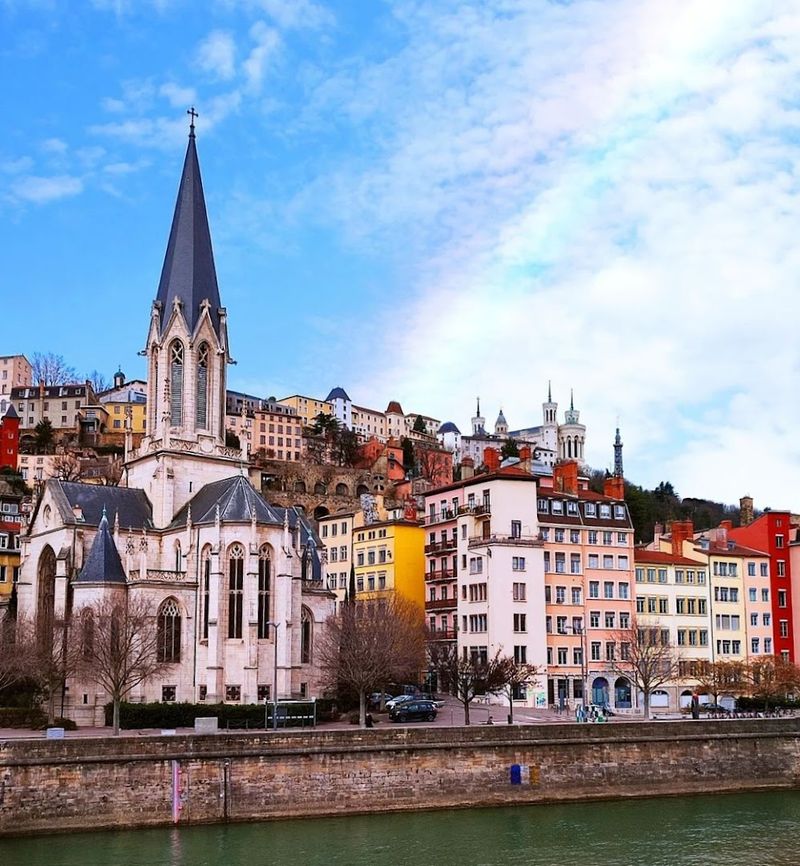
Lyon has a food reputation so established that even Paris treats it with respect. The city’s authentic bouchon lyonnais tradition is protected by an official label created with the local chamber of commerce, which means when a restaurant calls itself a true bouchon, it has earned that title.
A bouchon is a specific type of Lyonnais bistro that serves traditional working-class dishes with pride. Quenelles, andouillette, salade lyonnaise, and tablier de sapeur are classics on every menu.
The cooking is rich, hearty, and deeply unfashionable in the best possible sense.
Lyon also sits at the confluence of the Rhone and Saone rivers, which has historically made it a crossroads for ingredients and culinary ideas from all over France. The city’s covered markets, especially Les Halles de Lyon Paul Bocuse, are worth a full morning of browsing.
Paul Bocuse himself called Lyon the gastronomic capital of the world, and very few people have ever had the nerve to disagree.
Share this story