Deep inside Everglades National Park, there is a place that most Floridians have never heard of, yet it holds one of the most gripping chapters in American history. During the Cold War, the United States quietly built a network of missile bases to protect major cities from potential threats, and one of those bases still stands today, nearly unchanged from the 1960s.
This is not a movie set or a museum replica. The buildings, the missile silos, and even some of the original equipment are all real, all preserved, and all open for you to explore.
Whether you are a history lover, a curious traveler, or someone who just wants to see something genuinely surprising, this hidden site in South Florida is the kind of place that stops you in your tracks and makes you think about how close the world once came to a very different future.
Where Exactly This Secret Base Is Located
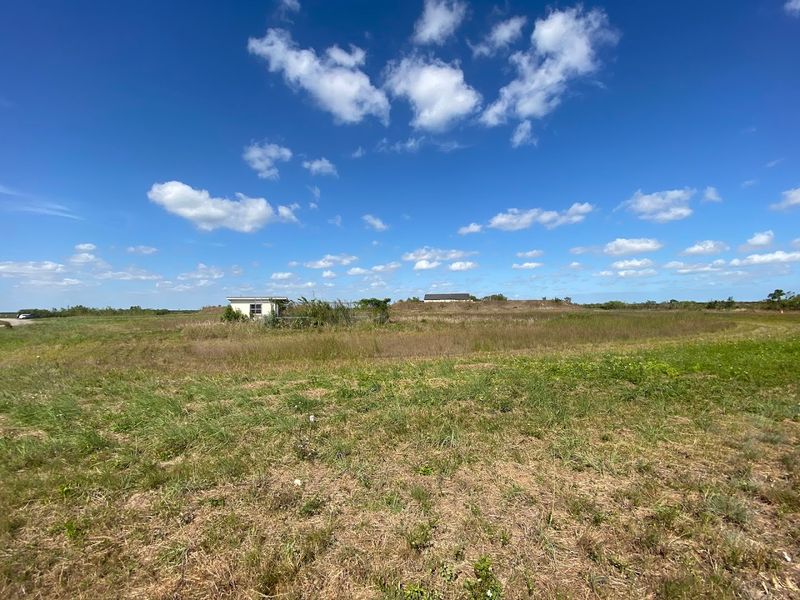
Most people driving through South Florida have no idea that a fully preserved Cold War missile base sits just off Research Road in Homestead, Florida 33034, tucked deep within Everglades National Park.
The base coordinates place it at roughly 25.37 degrees north latitude, surrounded by flat sawgrass marshes and subtropical wilderness that look nothing like a military installation from the outside.
To reach HM69, you must first enter Everglades National Park, which means paying the standard park entrance fee of around $35 per vehicle. From the main entrance, it is a noticeable drive before the base comes into view on your right.
The setting itself adds to the experience. There are no city sounds, no crowds, and no commercial distractions.
Just open sky, quiet wetlands, and the sudden appearance of concrete structures that remind you this peaceful landscape once held nuclear-capable missiles ready to launch.
The Cold War History Behind This Base
In the early 1960s, the United States government was deeply concerned about the threat of Soviet aircraft and missiles approaching from the south, particularly after the Cuban Missile Crisis of 1962 brought the world to the edge of nuclear conflict.
To defend the Miami metropolitan area, the Army established a ring of Nike missile batteries around the city, and HM69 was one of them. The “HM” designation stood for Homestead, and the “69” identified its specific position in the defensive network.
These bases operated as part of the larger Nike Ajax and Nike Hercules missile programs, which were designed to intercept enemy aircraft before they could reach populated areas. The technology was considered cutting-edge for its time, and the soldiers stationed here were trained to respond within minutes.
Understanding this context makes walking through the base feel less like a field trip and more like standing inside a chapter of history that most textbooks barely cover.
What the Base Actually Looks Like Up Close
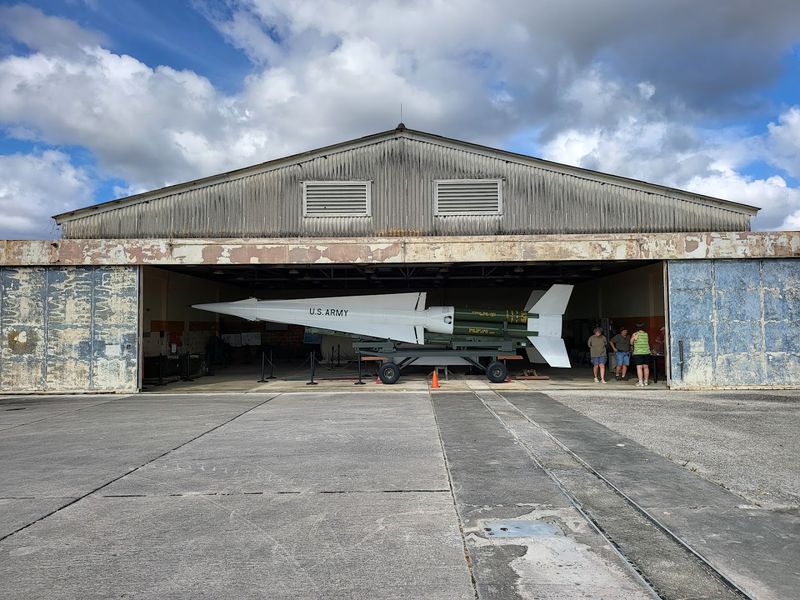
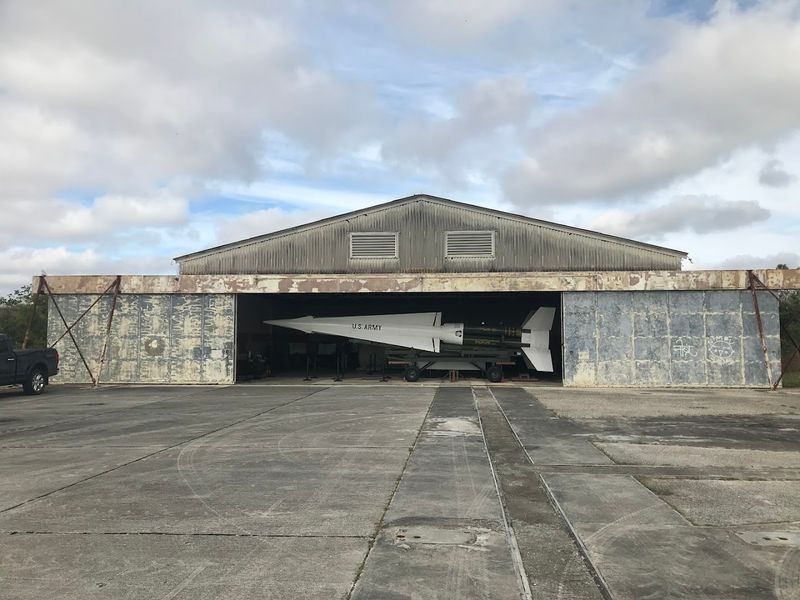
Pulling up to HM69 for the first time, the site looks almost underwhelming at first glance. A few plain concrete buildings, some chain-link fencing, and a flat expanse of land that blends into the surrounding Everglades landscape.
Then you see the hangar doors.
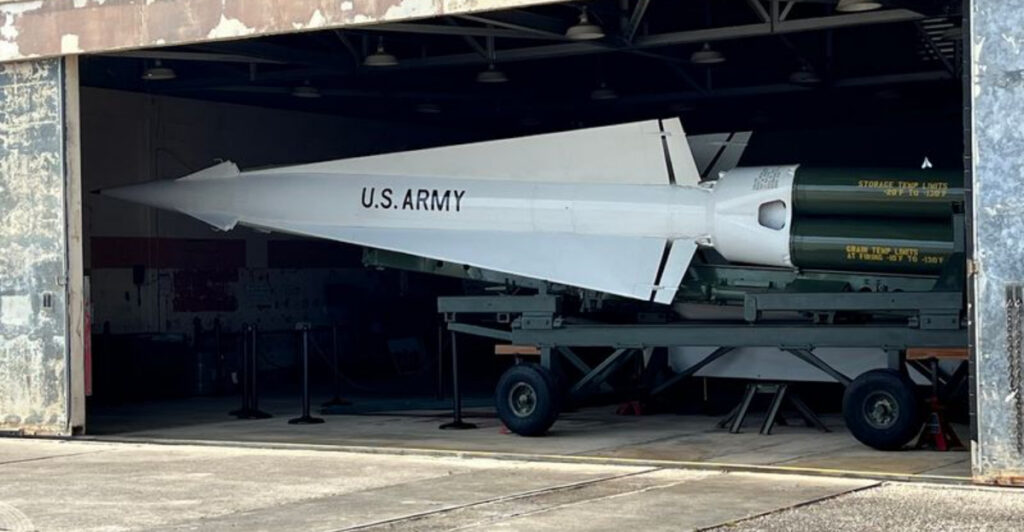
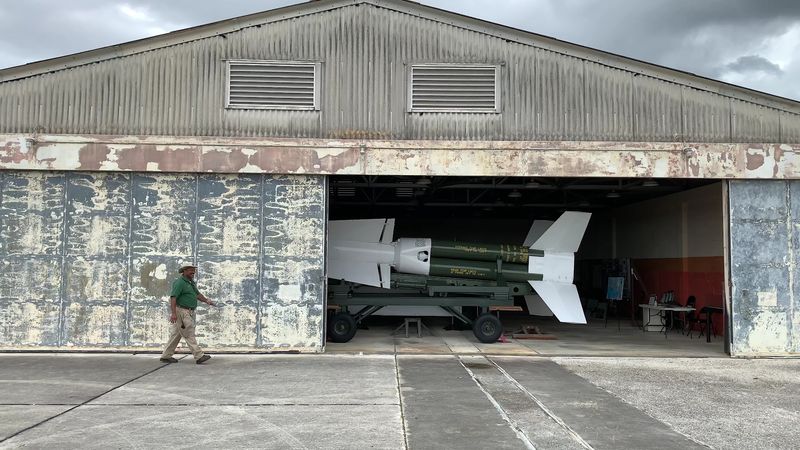
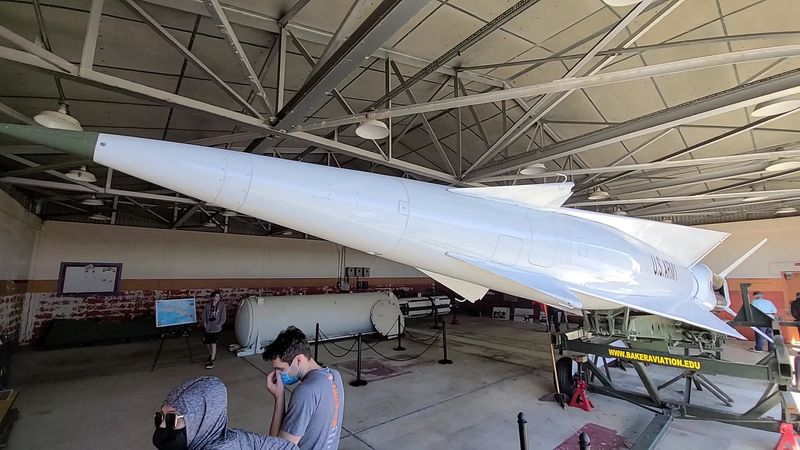
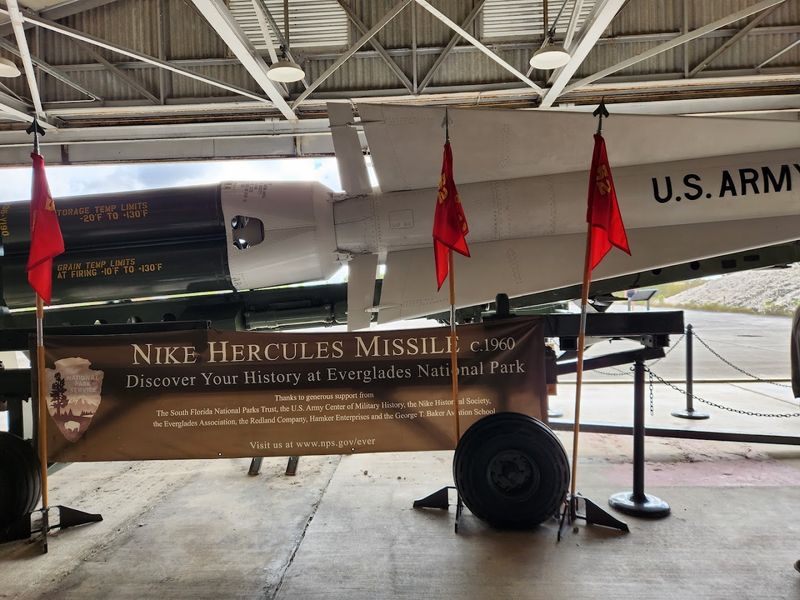
Those massive steel doors, when opened, reveal a Nike Hercules missile sitting right there in the open, its sleek white body reflecting whatever light filters through. The sheer scale of it is genuinely startling, especially when you realize this is not a replica.
The rest of the base includes several structures that once served as barracks, storage facilities, and control rooms. Many of the original fixtures, signs, and equipment are still in place, giving the site an almost time-capsule quality that photographs really cannot capture.
Every corner of this place has something worth examining slowly, and the more time you give it, the more fascinating details begin to surface around you.
The Missile on Display and What It Represents
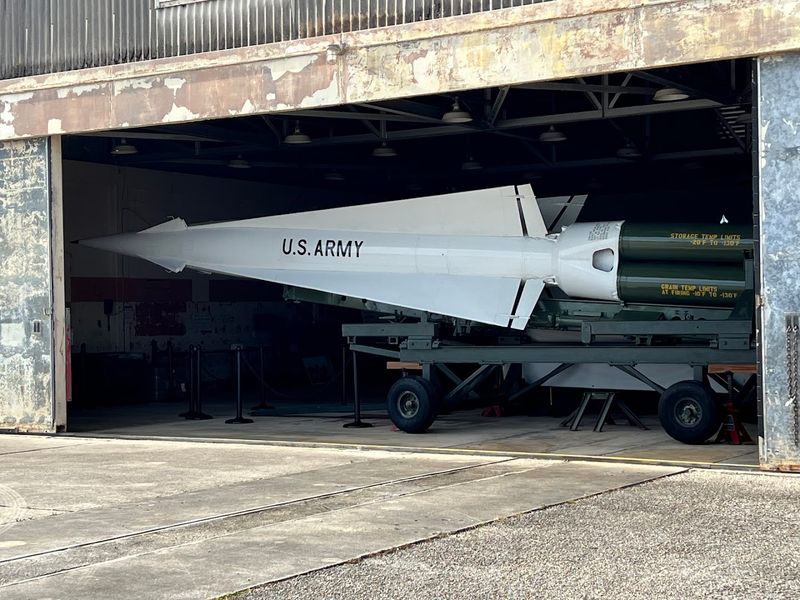
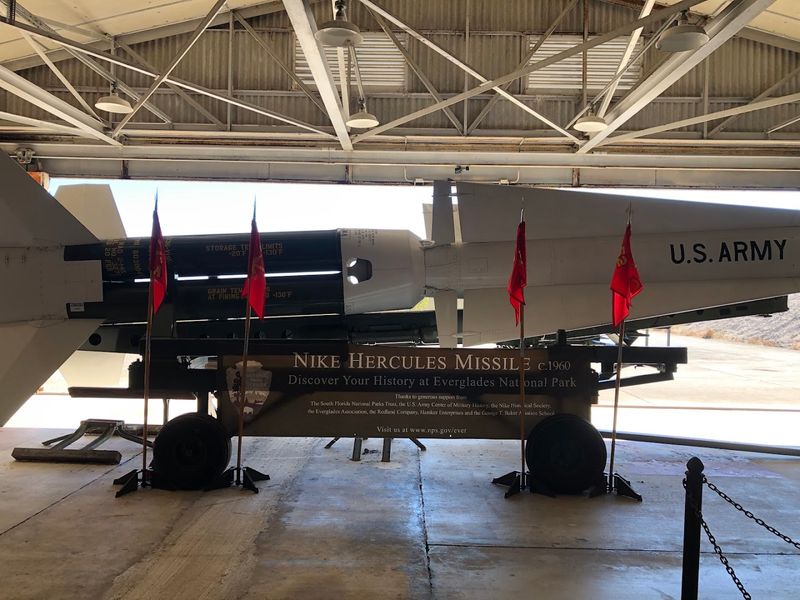
The star of the show at HM69 is undeniably the Nike Hercules missile, which sits on display inside one of the original launch hangars. Seeing it in person hits differently than reading about it in a book.
The Nike Hercules was a surface-to-air missile capable of carrying either a conventional or nuclear warhead, and it was the primary defensive weapon used at this base during the height of the Cold War. Its range exceeded 100 miles, and it could reach altitudes where enemy bombers would have been flying.
What makes the display especially powerful is the context surrounding it. Informational placards explain how the missile worked, how it was maintained, and what conditions the soldiers lived under while keeping it ready for launch at a moment’s notice.
Standing next to something that was once pointed at the sky in genuine readiness is a sobering experience that connects you to an era of real tension and remarkable human ingenuity.
The Three Underground Missile Silos
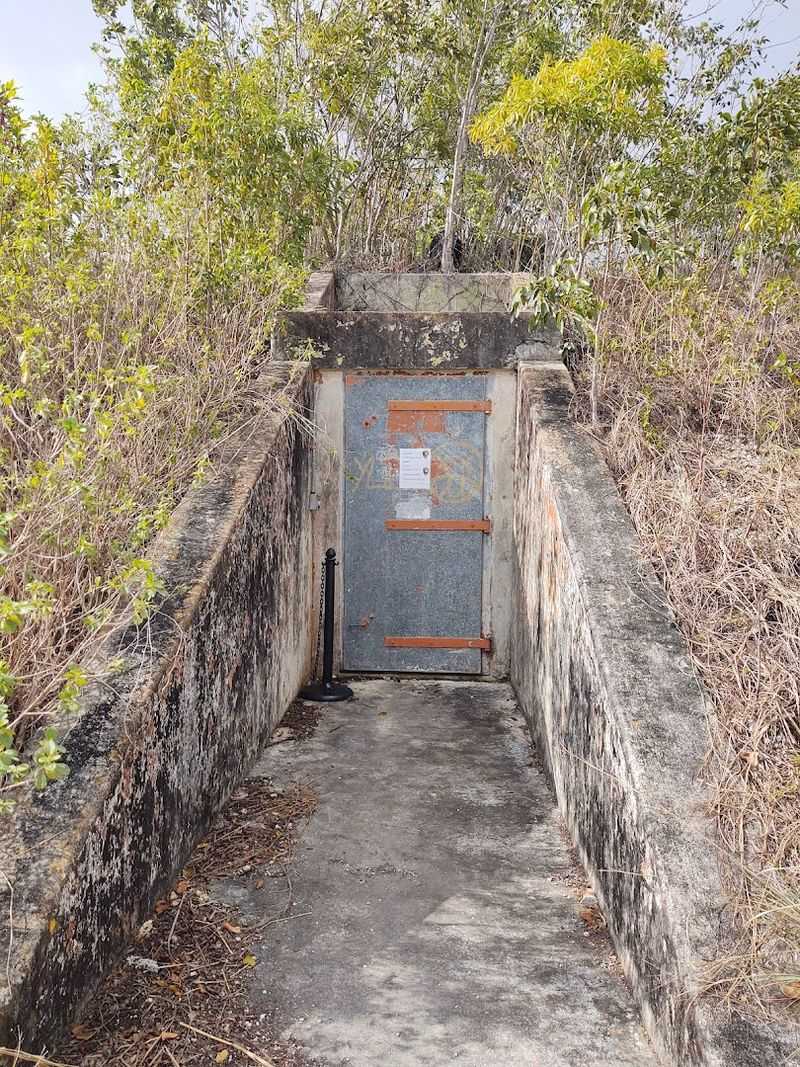
One of the most intriguing features of HM69 is that it originally had three underground missile silos, each designed to hold up to six Nike Hercules missiles in a ready-to-launch configuration.
The silos were built below ground level specifically to protect the missiles from attack and to keep them hidden from aerial surveillance. Hydraulic lifts would raise the missiles to the surface when a launch order was given, a process that could be completed in a surprisingly short amount of time.
Today, visitors can see at least one of the silos open during each visit, though the base typically rotates which one is accessible. Some visitors have noted that they would love to see all three open simultaneously, which is a fair wish given how fascinating each one is.
The engineering behind these silos reflects the urgency and resourcefulness of the era, when military planners had to solve enormous logistical problems quickly and quietly, often in remote locations like this one.
Life for the Soldiers Stationed Here
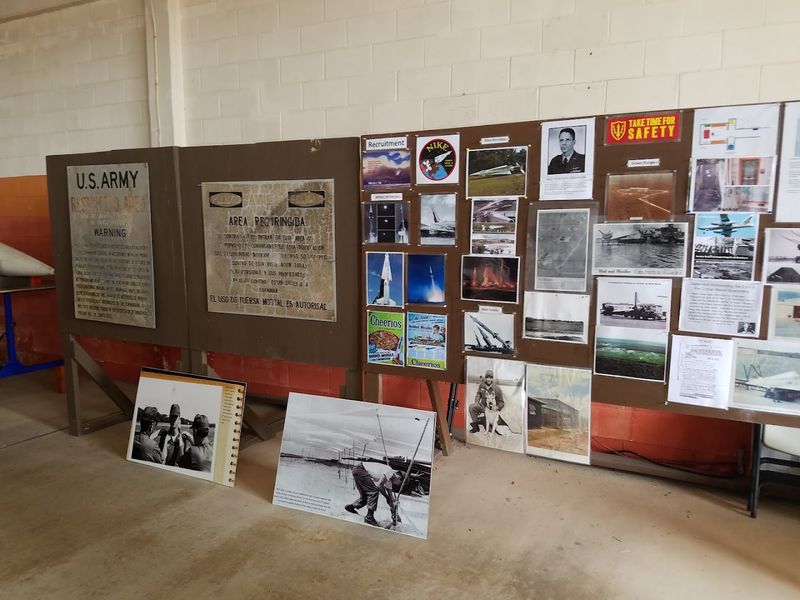
Here is something that rarely gets mentioned in the highlights: the soldiers who lived and worked at HM69 had a genuinely tough daily existence, and the base does an excellent job of bringing that reality to life.
The Everglades environment was brutal. Mosquitoes were a constant problem, and the soldiers stationed here reportedly despised them with a passion that only someone who has spent time in South Florida swampland can truly appreciate.
The isolation was another challenge. The base was classified, which meant the men could not freely discuss their work with family or friends.
They lived in barracks on-site, maintained their equipment around the clock, and stayed ready for a threat that, thankfully, never came.
Artifacts on display at the base bring these personal stories forward, from photographs and personal items to equipment that still shows signs of daily use. It is a reminder that behind every piece of military hardware, there were real people living real lives in extraordinary circumstances.
The Role of Guard Dogs at the Base
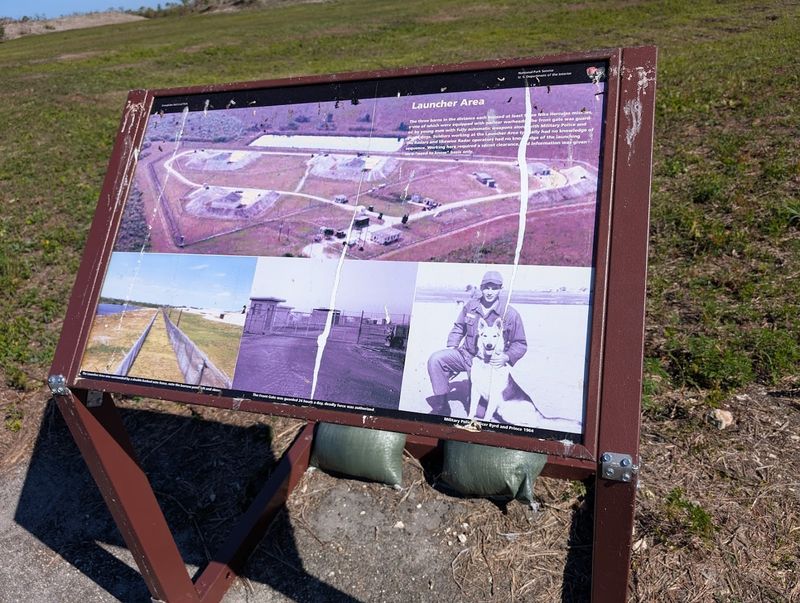
Not many visitors expect to find a section of the base dedicated to the military working dogs that served alongside the soldiers here, but it is one of the more touching details HM69 preserves.
Guard dogs were a standard part of security at Nike missile bases across the country. Their keen senses made them far more reliable than any electronic detection system available at the time, and they were trusted members of the unit in every practical sense.
The base displays photographs and information about the dogs that served at HM69, giving them the recognition they deserve as part of this chapter of American military history. It is a small detail, but it adds a layer of humanity to a story that can otherwise feel dominated by hardware and strategy.
For visitors who love animals or military history, this corner of the exhibit tends to leave a lasting impression long after the rest of the base has faded into the background of memory.
The Volunteer-Run Experience That Makes It Special
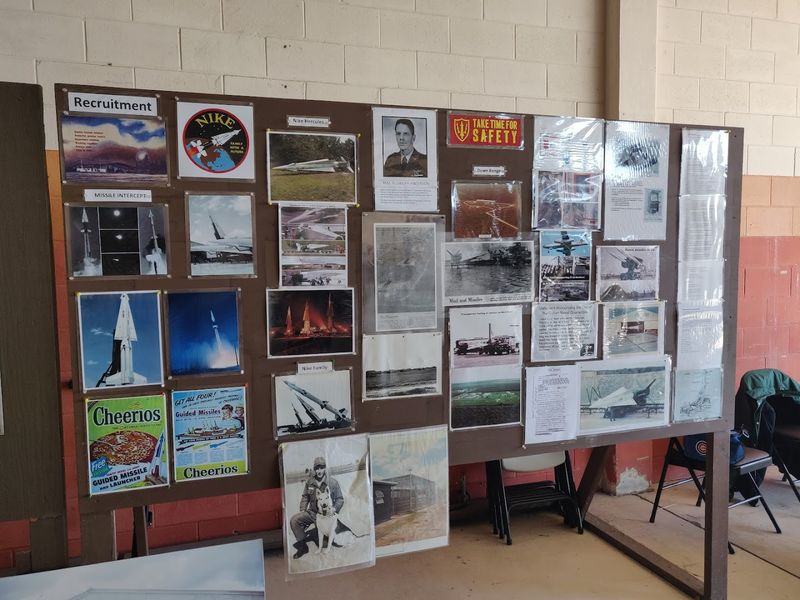
There is something genuinely refreshing about a historical site run almost entirely by volunteers who are there because they care deeply about the subject, not because it is a job requirement.
The volunteers at HM69 are knowledgeable, enthusiastic, and eager to share details that go well beyond what the placards say. Several of them have personal connections to the Cold War era, and a few have even shared firsthand accounts of living in South Florida during the Cuban Missile Crisis, which gives the tour an intimacy that no scripted presentation could replicate.
Because the site relies on volunteers, the hours can occasionally be unpredictable. The base is generally open from 10 AM to 2 PM throughout the week, but checking the National Park Service website or calling ahead at 305-242-7700 before your visit is always a smart move.
When the volunteers are on-site and engaged, the experience transforms from a quiet self-guided walk into something that genuinely sticks with you for years.
Guided Tours Versus Self-Guided Visits
HM69 offers two distinct ways to experience the site, and each one has its own appeal depending on what kind of visitor you are.
The self-guided option lets you move at your own pace, reading the informational placards placed throughout the base and spending as much time as you like in front of the missile display or inside the open silo. Most visitors spend around 30 to 45 minutes this way, though curious explorers often stretch it to an hour without realizing it.
Guided tours, often led by National Park Service rangers or knowledgeable volunteers, add an entirely different layer to the visit. Rangers like the highly praised guides who have led tours here bring the history alive with stories, technical explanations, and personal context that the placards simply cannot convey.
Groups visiting with organized tour companies, such as Everglades Institute tours, sometimes use earpiece systems to make sure everyone can hear clearly, which is a clever solution for outdoor settings where wind and ambient noise can compete with the storytelling.
Planning Your Visit: Hours, Fees, and Practical Tips
A little planning goes a long way when it comes to visiting HM69, and a few practical details can make the difference between a smooth trip and a frustrating one.
The base is located inside Everglades National Park, which charges a standard vehicle entrance fee of around $35. Your pass covers access to the rest of the park as well, so it is worth planning a full day that includes other park highlights like the Royal Palm Visitor Center, which is about 12 minutes away by car.
HM69 is generally open from 10 AM to 2 PM daily, but because it depends on volunteer availability, hours can vary. Always check the National Park Service website at nps.gov/ever or call 305-242-7700 before making the drive.
Mosquito repellent is strongly recommended, especially during warmer months. The soldiers stationed here famously hated the bugs, and modern visitors will quickly understand exactly why they felt that way.
How This Site Connects to the Cuban Missile Crisis
The Cuban Missile Crisis of October 1962 is the single event that most directly explains why HM69 exists at all, and the base does a thoughtful job of connecting visitors to that terrifying two-week standoff.
When U.S. reconnaissance aircraft discovered Soviet nuclear missiles being installed in Cuba, just 90 miles from the Florida coast, the threat to South Florida became immediate and undeniable. Nike missile bases like HM69 were suddenly not just a precaution but a genuine frontline defense.
The soldiers at HM69 during that period were placed on high alert, with their missiles ready and their orders clear. For 13 days, the world held its breath, and the men at this base held their positions.
Walking through HM69 with that historical backdrop in mind changes the experience entirely. The concrete walls and the missile on display stop being curiosities and start feeling like evidence of one of the most consequential moments in modern history.
The Artifacts and Displays That Bring the Era to Life
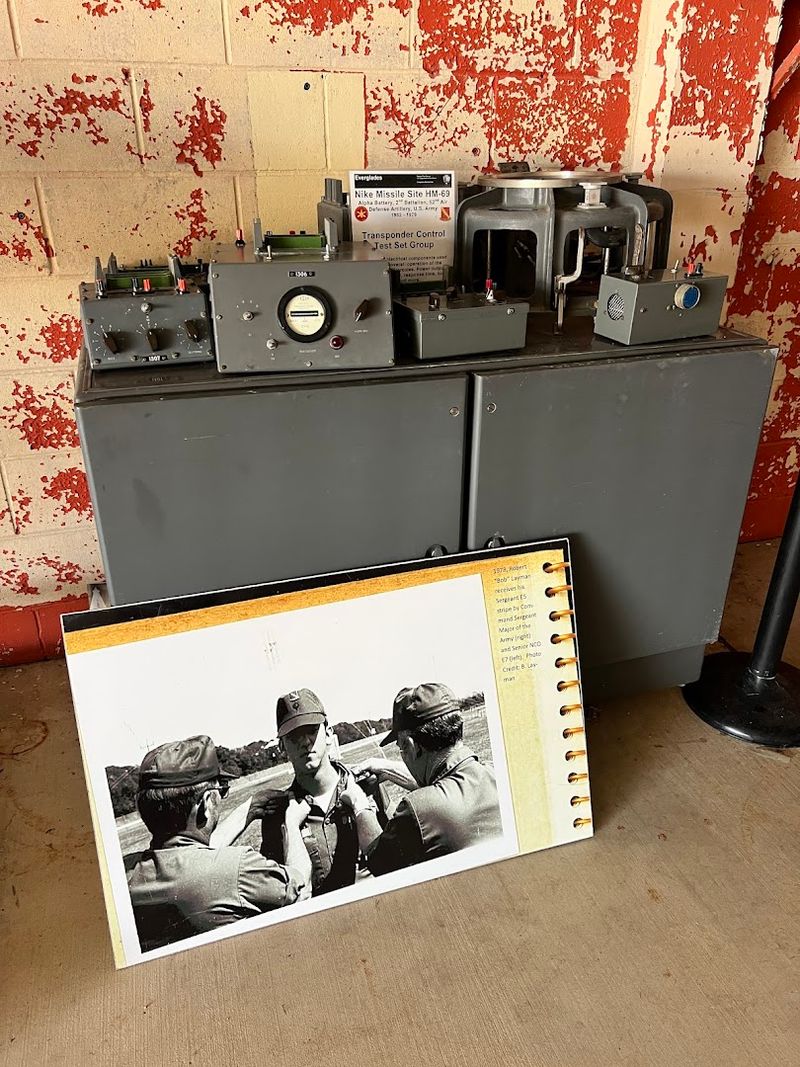
Beyond the missile itself, HM69 holds a surprisingly rich collection of artifacts and displays that paint a detailed picture of life and operations at the base during the Cold War years.
Control panels, operational maps, classified documents that have since been declassified, photographs of the soldiers and their families, and equipment used in daily maintenance are all part of what visitors can examine up close. The level of detail preserved here is genuinely impressive for a site of this size.
The informational placards throughout the base are well-written and thorough, covering everything from the technical specifications of the missiles to the social dynamics of living in an isolated, top-secret posting for months at a time.
What stands out most is how the displays humanize the experience rather than just cataloging hardware. By the time you finish reading through everything, you have a clear sense of who these soldiers were and what their daily lives actually looked like inside this remote, classified outpost.
Combining HM69 With a Broader Everglades Adventure
Since HM69 sits inside Everglades National Park, it makes perfect sense to treat the missile base as one stop on a longer day of exploration rather than the sole destination.
The Royal Palm Visitor Center, roughly 12 minutes away by car, offers boardwalk trails through stunning subtropical ecosystems, including the famous Anhinga Trail where wildlife sightings are practically guaranteed. Combining both stops gives you a full day that covers both natural wonder and historical significance.
RV travelers and road-trippers have noted that HM69 fits naturally into a broader Florida loop, especially for those already spending time in the Keys or the greater Miami area. The park entrance fee covers everything, so there is no extra cost for adding the missile base to your itinerary.
Few places in Florida let you watch an alligator glide through a glassy pond in the morning and then stand next to a Cold War missile by early afternoon, but the Everglades makes exactly that kind of day possible.
Share this story