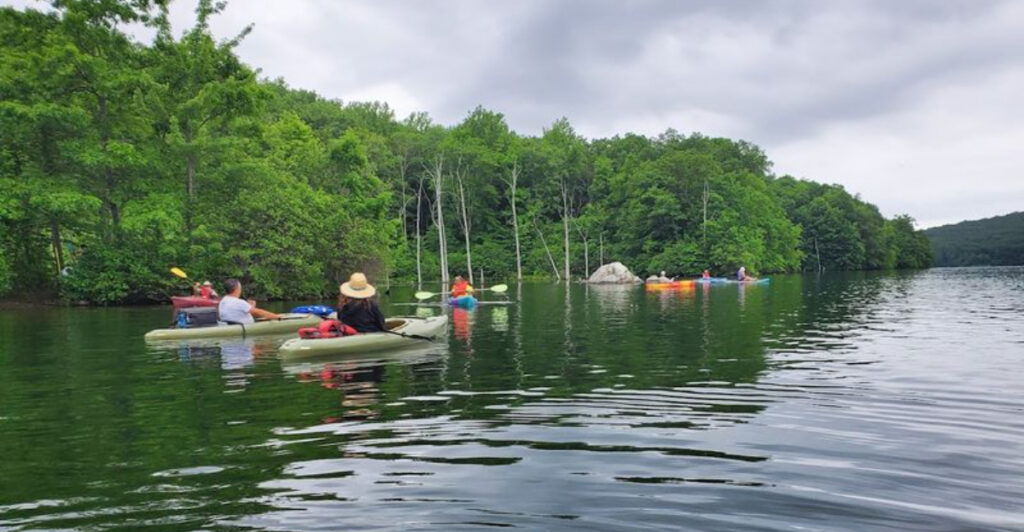
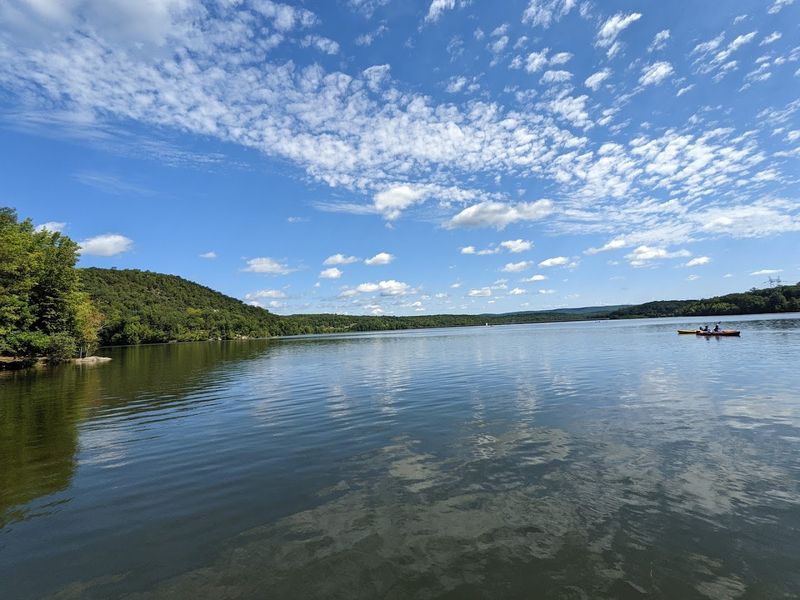
Tucked away in the highlands of northern New Jersey, there is a reservoir that quietly earns a top spot on paddle enthusiasts’ lists year after year. The water is remarkably clear for a lake, the shoreline is wild and untouched, and the whole place feels like a secret that nature decided to keep mostly to itself.
On a calm weekday morning, you might share the water with nothing more than a great blue heron and a few curious turtles. This is not your average day trip destination, and once you read what makes it so special, you will understand exactly why people keep coming back season after season.
Where Exactly You Will Find This Hidden Water Gem
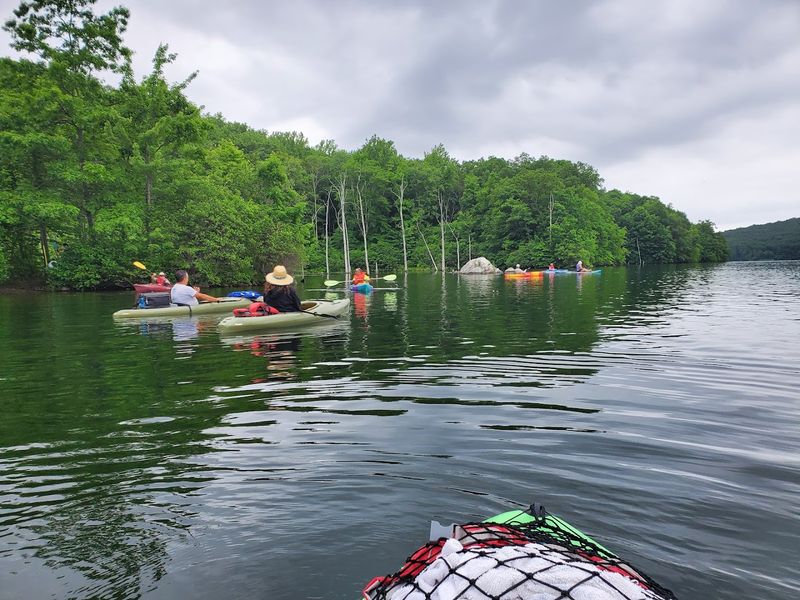
Monksville Reservoir sits within Ringwood State Park in Passaic County, New Jersey, making it one of the most accessible yet surprisingly uncrowded outdoor destinations in the entire state.
The reservoir is located along Monksville Road in Ringwood, NJ 07456, and it falls under the management of the New Jersey Division of Fish and Wildlife.
Getting there is straightforward from most of northern New Jersey, and the drive itself through the Skylands region is worth the trip on its own.
There are multiple access points, including a north boat launch and a south boat ramp, both of which are free to use and open to the public during season.
The surrounding area is part of a larger protected landscape, which means the reservoir stays buffered from development on nearly all sides. That natural boundary is a big part of what keeps the place feeling so removed from everyday life.
The Story Behind the Water You Are Paddling On
Monksville Reservoir did not always exist as a lake. It was created when the Monksville Dam was built across the Wanaque River, flooding the valley below and submerging the land that once sat there.
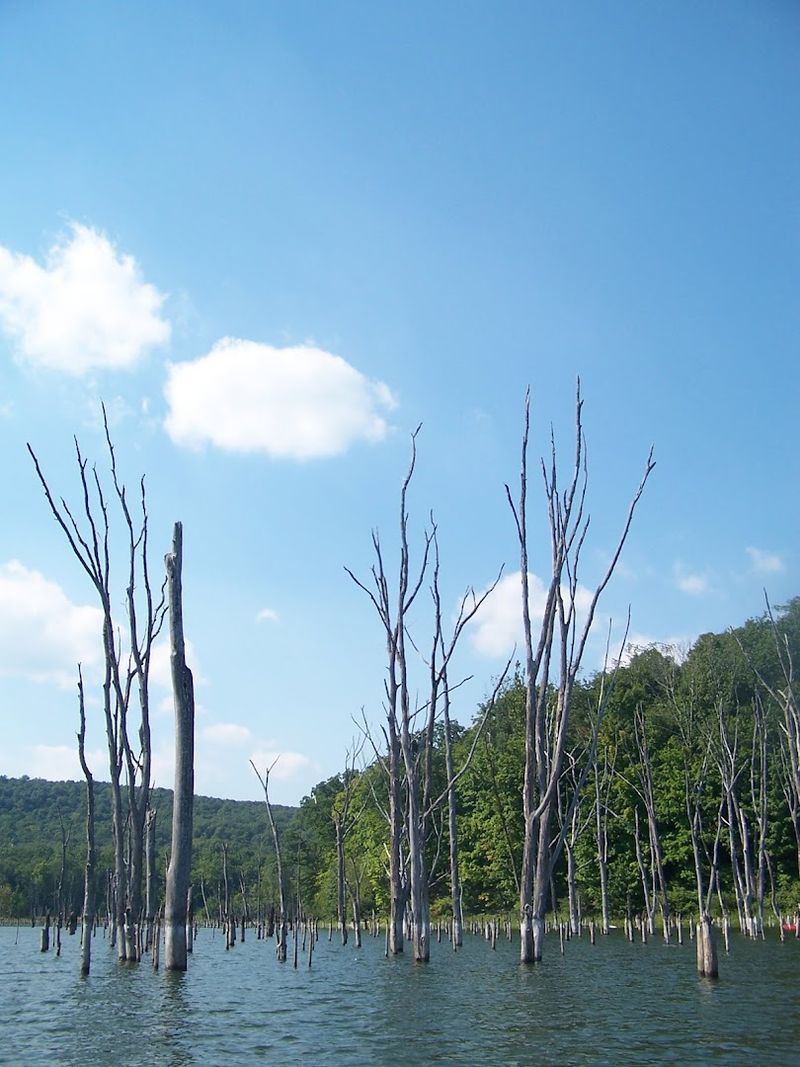
That flooding left behind something visually striking: a collection of standing dead trees along the northern edge of the reservoir, their bare trunks rising out of the water like a ghostly forest preserved in place.
Paddlers who venture into that northern section can weave between those trunks, which gives the experience a completely different character from the open water sections of the reservoir.
The dam and reservoir were developed as part of New Jersey’s broader water supply infrastructure, and the project permanently transformed this corner of Passaic County.
What makes the history compelling is how the reservoir managed to become a thriving ecological zone despite being entirely man-made. Nature filled in the gaps quickly, and the result is a lake that feels far older than it actually is.
Wildlife That Shares the Water With You
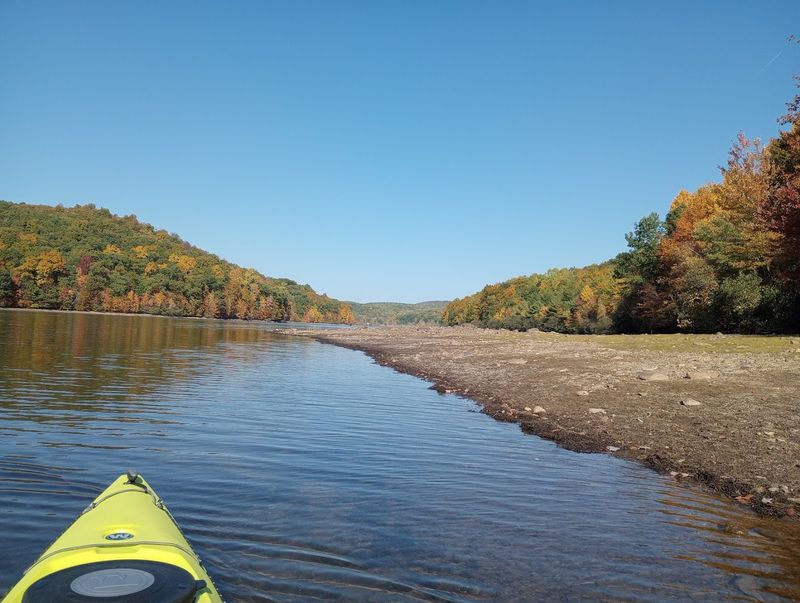
The wildlife presence at Monksville Reservoir is one of the most talked-about aspects of a visit, and for good reason. The reservoir and its surrounding state park land create a protected corridor that supports a wide variety of animal species.
Out on the water, great blue herons are a regular sight, often standing motionless near the rocky shoreline before lifting off with slow, deliberate wingbeats. Snowy egrets, swans, and hawks are also commonly spotted throughout the warmer months.
Turtles are frequently seen basking on partially submerged logs, especially in the calmer coves along the northern section of the lake.
On land, hikers should be aware that northern black rattlesnakes and copperheads are present in the area, so solid footwear and careful trail attention are both strongly recommended.
The combination of aquatic and forest wildlife makes every visit feel like a nature outing that goes well beyond a simple paddle. The reservoir is genuinely alive in a way that keeps you watching and paying attention.
Kayak Rentals and What You Need to Know Before You Launch
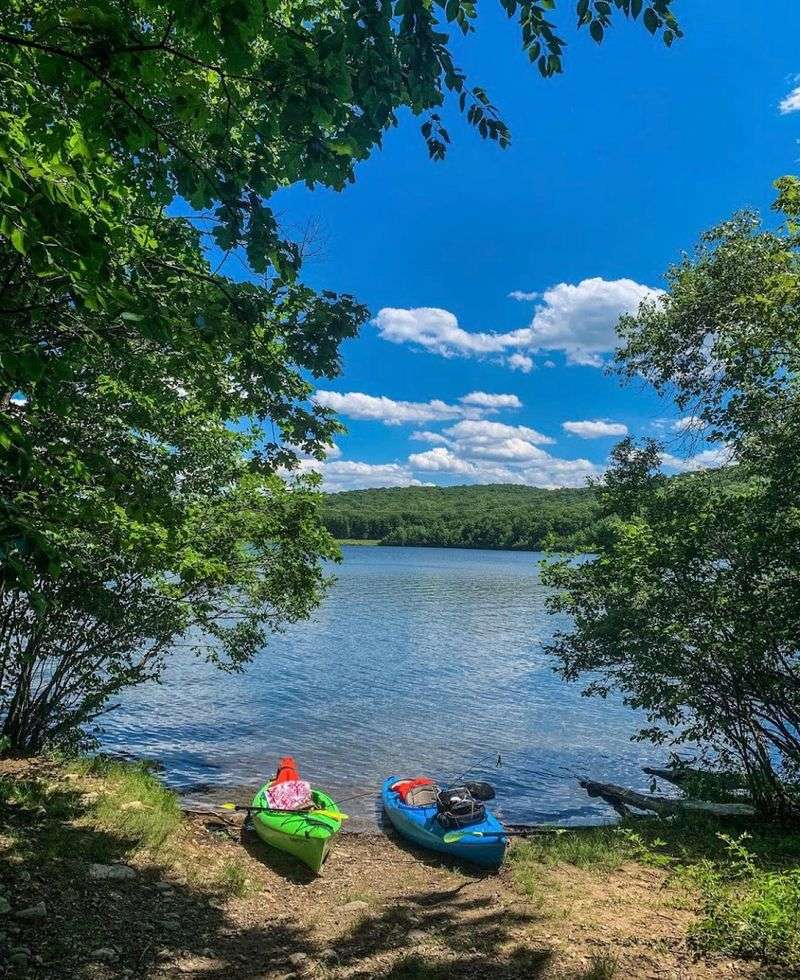
Not everyone arrives at Monksville Reservoir with their own watercraft, and that is perfectly fine. Flatwater Paddle Co. operates a kayak rental concession at the reservoir during the warmer months, offering a convenient option for those who want to get on the water without hauling their own gear.
Reservations in advance are strongly recommended, particularly on weekends, since the rental operation can get busy and walk-up availability is not guaranteed.
For those bringing their own kayak, canoe, or stand-up paddleboard, there are two dedicated boat ramps available at no cost. The south boat ramp and the north launch both provide access to the water, with gravel parking areas nearby.
Wear water shoes or hard-soled footwear when loading and unloading, since the gravel surface can be tough on bare feet.
Small motorized boats are also permitted on the reservoir, which adds another layer of activity to the mix, though paddle craft remain by far the most common sight on the water.
Fishing at Monksville and Why It Rewards Patience
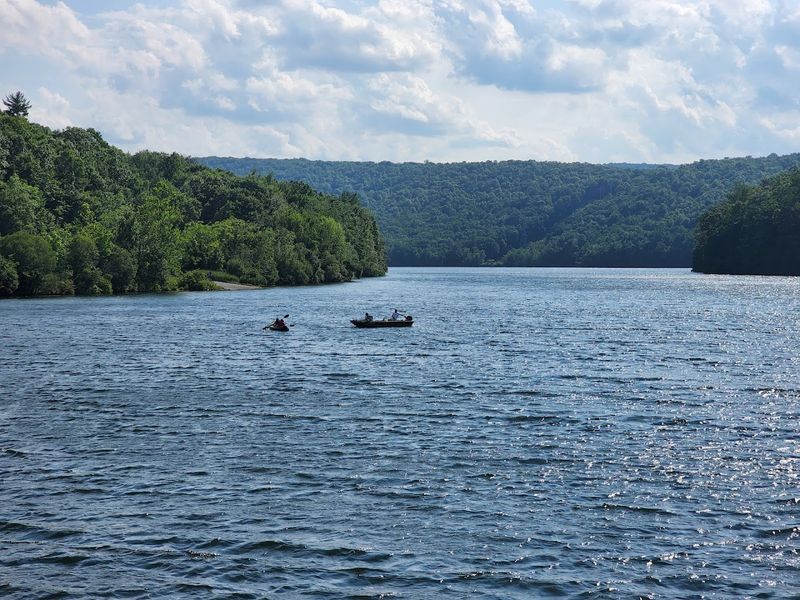
Fishing at Monksville Reservoir has a reputation for being a challenge that pays off when you know what you are doing. The lake is man-made and notably deep along its edges, which means fish do not always hold in the obvious spots.
Muskellunge, commonly called musky, are present in the reservoir in notable numbers, and catching one is considered a real achievement among freshwater anglers.
Bass fishing can be slow on some visits and productive on others, with decent-sized fish available for those who put in the time and adjust their approach based on conditions.
The depth and clarity of the water, which sits at around four feet of visibility, means fish can see your presentation clearly, which raises the bar on technique and tackle selection.
Fishing from a kayak or canoe is a popular approach here because it allows access to sections of the shoreline that bank anglers cannot easily reach. A little persistence goes a long way on this particular body of water.
Hiking Trails That Frame the Reservoir From Above
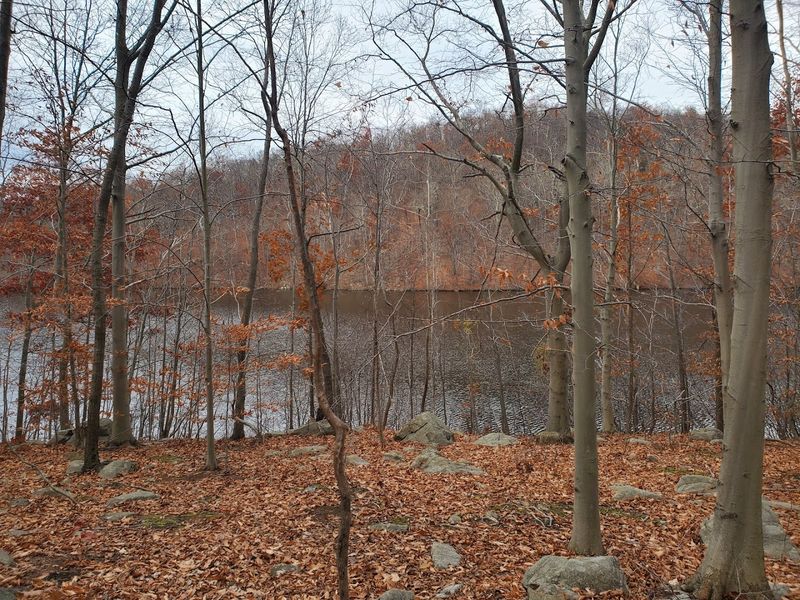
The trails around Monksville Reservoir offer a completely different way to experience the landscape, and the views from higher ground are worth every step of the climb.
One popular route starts near the boat ramp and winds back toward a peninsula, covering roughly three miles of relatively moderate terrain. The path is generally accessible, though some sections involve uneven ground and elevation changes that require a bit of effort.
A hiking stick is a practical addition, especially in autumn when fallen leaves cover the trail surface and make it harder to read the ground beneath your feet.
At the top of the main hill, the reservoir spreads out below in a wide panoramic view that makes the uphill push feel entirely worth it. There is even a small improvised shelter near the overlook that serves as a natural rest stop.
The trail is secluded, quiet, and largely free of crowds, which makes it a reliable choice when you want a hike that does not feel like a crowded weekend event.
Fall Colors That Turn the Reservoir Into a Living Painting
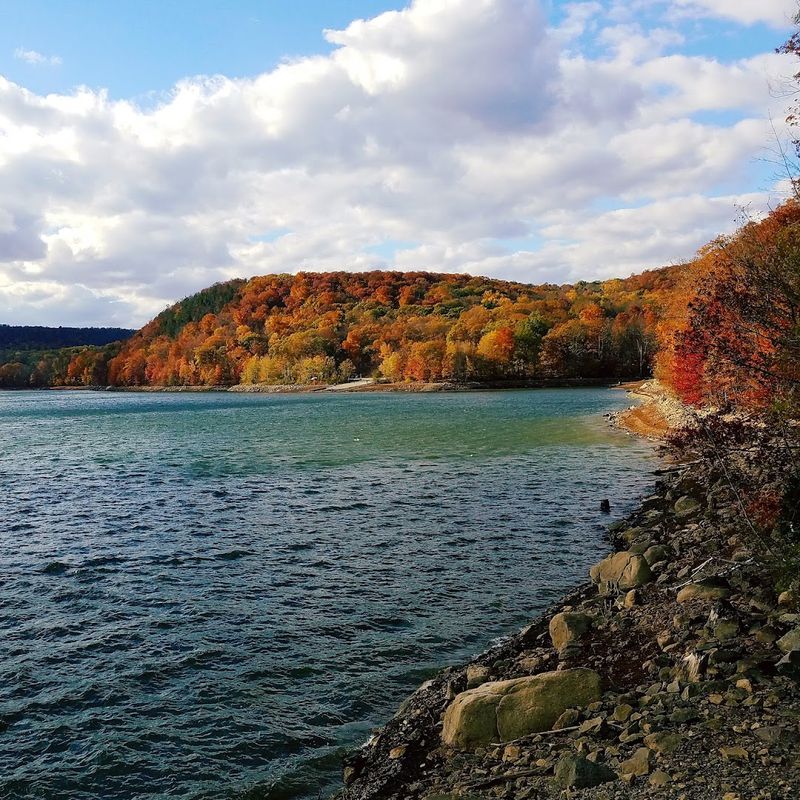
Autumn is arguably the most visually striking season to visit Monksville Reservoir, and the transformation that happens between late September and early November is genuinely dramatic.
The tree-lined shoreline shifts from green to a full spectrum of orange, red, and gold, and the colors reflect off the surface of the water in a way that makes the whole reservoir look like it has been painted from scratch.
Driving through the Skyline Drive area on the way to the reservoir adds to the experience, with roads lined by trees that peak in color right alongside the lake itself.
Paddling during peak fall color puts you directly inside the scene rather than observing it from a distance, and the combination of clear water, still air, and surrounding foliage makes for an outing that is hard to replicate at any other time of year.
Weekend visits during peak color tend to attract more people, so an early weekday arrival gives you the best chance at experiencing the fall display without the added company.
What Makes the Water Here Different From Most Lakes
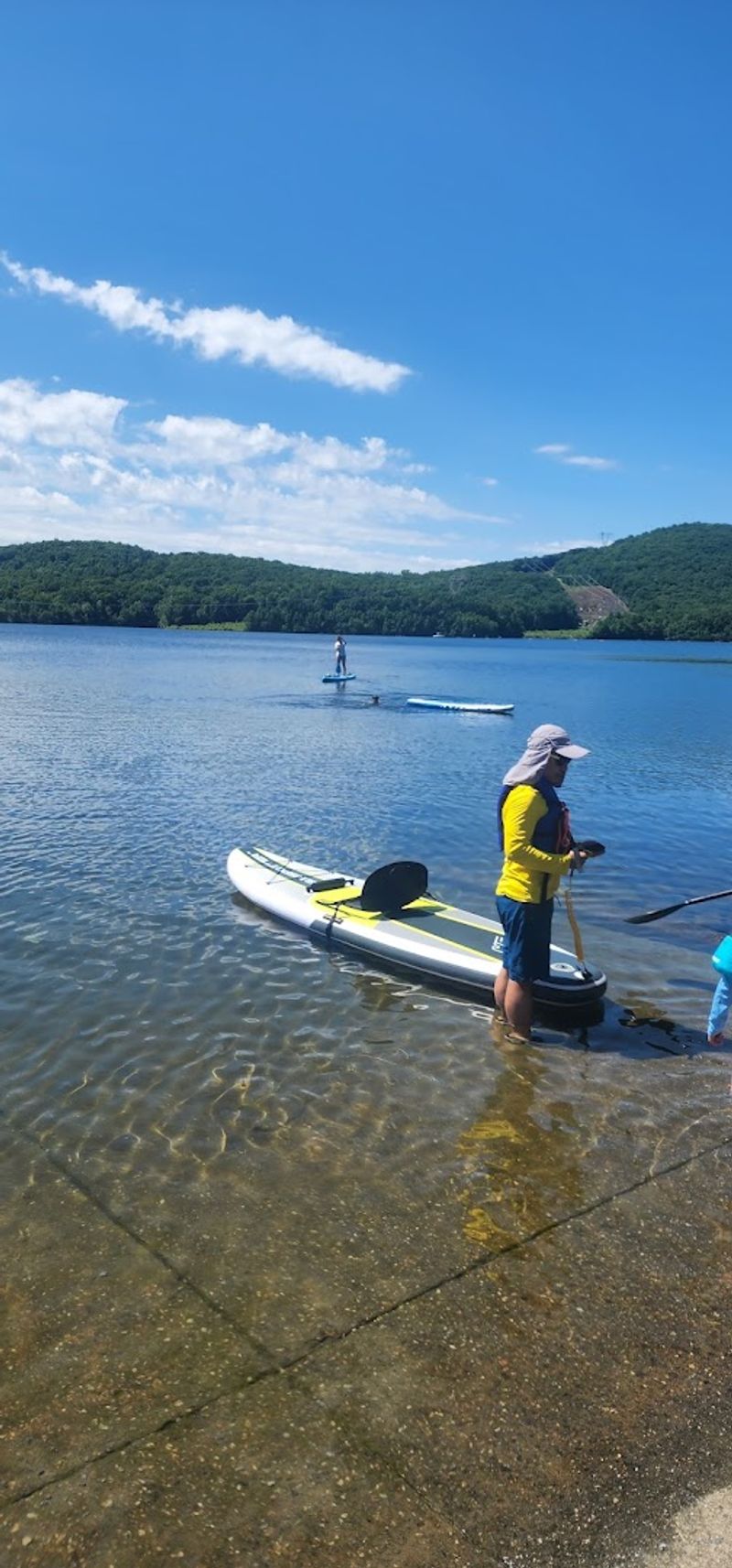
Water clarity is not something most people think about when planning a paddle outing, but at Monksville Reservoir it becomes part of the experience almost immediately.
The reservoir maintains a visibility of around four feet, which is notably clear for a body of water in northern New Jersey. That clarity means you can watch the bottom shift from sandy patches to rocky sections as you glide across the surface.
The water also stays relatively clean throughout the season, largely because the reservoir sits within protected state park land that limits the kind of runoff and development pressure that degrades water quality elsewhere.
The carry-in, carry-out policy at the launch areas helps maintain that standard, though enforcement depends on people following the rules voluntarily. Most paddlers and hikers respect the policy, and the overall condition of the site reflects that.
For anyone who enjoys a quick swim after a paddle, the water quality and clarity make Monksville a far more appealing option than many of the more developed lakes in the region.
The Small Islands and Hidden Coves Worth Exploring
Scattered across the reservoir are small islands and quiet coves that reward paddlers who take the time to explore beyond the main channel.
These spots break up the open water sections of the lake and give the paddle a treasure-hunt quality, with each new alcove offering a slightly different view of the surrounding forested hills.
One practical note worth keeping in mind: yellow jackets have been known to nest on some of the islands, particularly in late summer, so approaching any island shore should be done with a bit of caution rather than full enthusiasm.
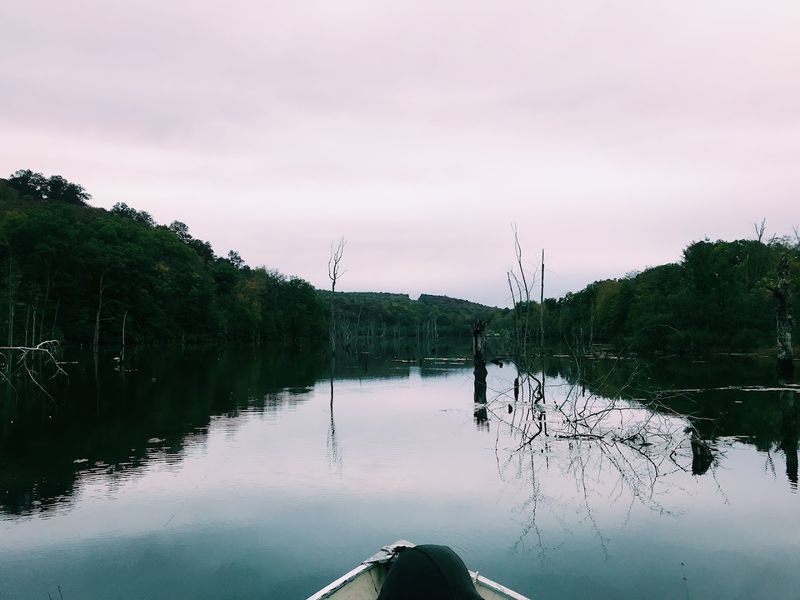
The coves near the northern section of the reservoir, where the standing dead trees create a more enclosed atmosphere, are particularly worth seeking out. Paddling slowly through that area gives you a close look at the submerged forest that formed when the valley was originally flooded.
These quieter corners of the reservoir tend to attract the most wildlife, making them the best spots to pause, drift, and simply watch what is happening around you.
Photography Opportunities That Go Beyond the Obvious Shot
Monksville Reservoir has drawn photographers as well as paddlers, and it is easy to understand why once you see how the light plays across the water at different times of day.
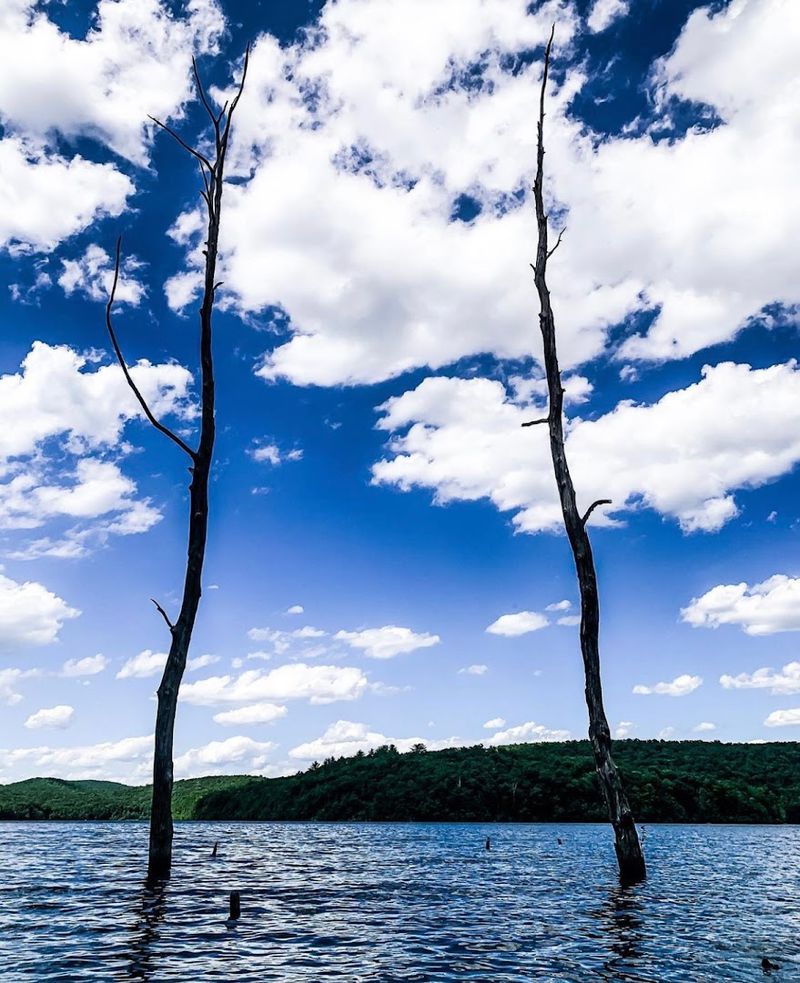
The standing dead trees in the northern section create a striking visual element that works particularly well in flat, overcast light when shadows are soft and the details of the bark and water surface come through clearly.
Evening visits offer a different kind of opportunity, with the reservoir becoming very still as the day winds down and the surrounding hills casting long reflections across the surface.
Night photography is also possible here, and the park’s relatively dark skies compared to the surrounding suburban areas make it a workable location for long-exposure shots.
The rocky shoreline, the S-shaped layout, and the seasonal color changes all provide material that shifts with every visit. Returning in different seasons consistently produces new compositions, which is part of why photographers tend to come back rather than treating it as a one-time location.
Practical Tips for Getting the Most Out of Your Visit
A few practical details can make the difference between a smooth visit and a frustrating one at Monksville Reservoir, so it helps to know what to expect before you arrive.
Both the north and south boat launches have portable restroom facilities, which are kept in reasonably clean condition throughout the season. The parking areas are gravel, so water shoes or hard-soled footwear are a better choice than sandals when loading and unloading gear.
Weekends during summer can bring more people to the launch areas, and the kayak rental concession tends to get busy. An early arrival or a weekday visit significantly reduces the chance of dealing with a crowded ramp.
The reservoir operates on a carry-in, carry-out basis for trash, so packing a small bag for your own waste keeps the site clean for everyone who follows.
Head protection is worth bringing on sunny days, since the open water sections of the reservoir offer very little shade. A hat and water shoes cover the two most commonly overlooked comfort items on a full paddle outing here.
Share this story