There is a small corner of Lakewood, New Jersey, where the cooking feels like it has been pulled straight from a family kitchen that has been perfecting its recipes for generations. The menu reads like a love letter to Hungarian Jewish tradition, and the whole setup is designed to make you feel like you never left home.
Kosher food in New Jersey has plenty of options, but this particular spot has carved out a reputation that reaches well beyond the tri-state area. People drive from Brooklyn, from Manhattan, and from towns across the region just to get a table.
The restaurant carries a name that says everything about its mission: Nostalgia. That single word sets up a very clear promise, and from what regulars and first-timers alike keep saying, the kitchen delivers on it every single time.
Keep reading to find out exactly what makes this place worth the trip.
What Hungarian Jewish Cooking Actually Means
Hungarian Jewish cuisine is not always easy to find in the United States, and that scarcity is exactly what makes Nostalgia stand out in a crowded kosher dining landscape.
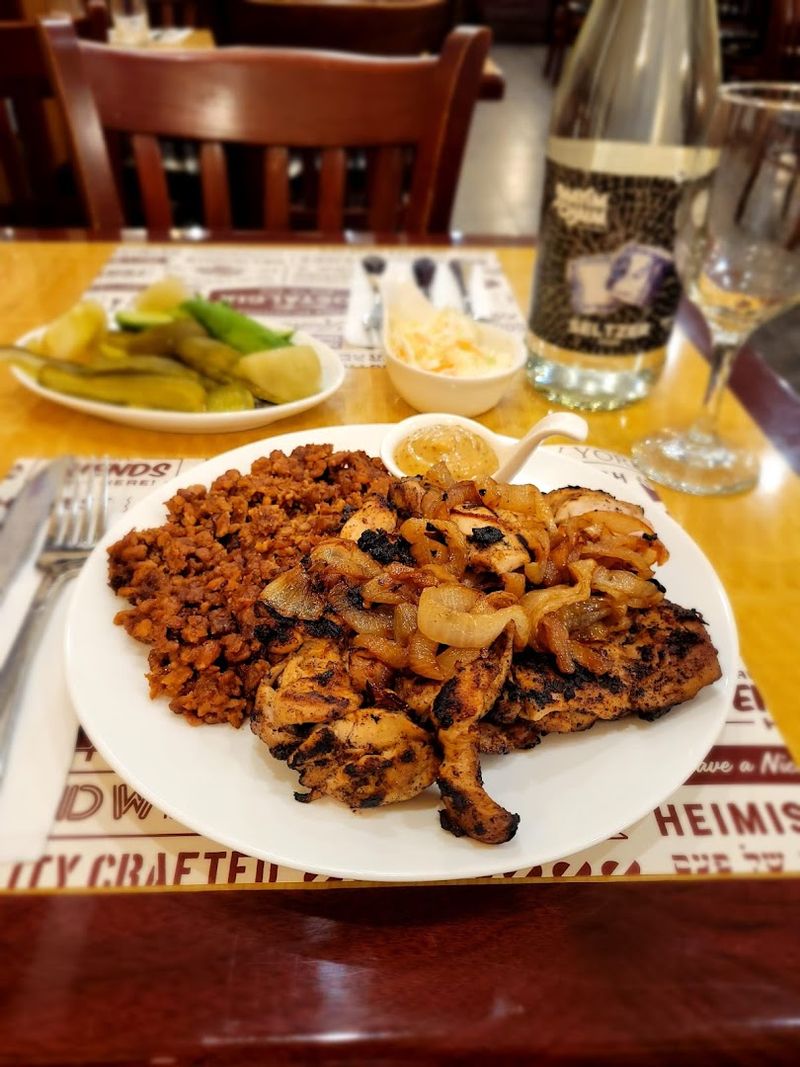
This cooking tradition developed over centuries in Hungary, where Jewish communities adapted local ingredients and techniques to meet kosher dietary laws. The result is a style of food that is hearty, deeply layered in its preparation, and built around slow-cooked proteins, root vegetables, and rich broths.
Paprika plays a central role, as does the patience required to properly braise meat until it reaches the kind of tenderness that shortcuts simply cannot replicate. Dishes like goulash became staples not just because they tasted good, but because they were practical, filling, and could feed a large family without waste.
At Nostalgia, that culinary history is treated with genuine respect, and the kitchen works hard to keep those traditions alive in every dish that leaves the line.
The Menu Sheet That Actually Makes You Smile
Most restaurant menus are purely functional documents, but the menu at Nostalgia adds a layer of personality that regulars genuinely look forward to reading.
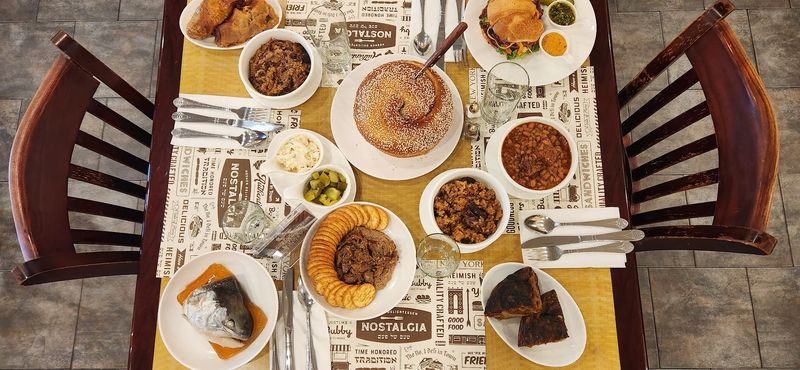
The menu sheet includes Yiddish humor translations alongside the food items, turning what could be a simple ordering process into a small cultural experience. For anyone who grew up in a Yiddish-speaking household, the wordplay will land with an extra dose of warmth.
For those who did not, it is a fun and approachable introduction to a language and a tradition that shaped much of Ashkenazi Jewish culture.
It is a small creative touch, but it says a lot about the restaurant’s overall philosophy. Nostalgia is not just trying to feed people well; it is trying to connect them to something larger, to a community and a history that deserves to be celebrated rather than forgotten.
That kind of intentionality in the details is what separates a memorable restaurant from a forgettable one.
The Atmosphere That Earns Its Name
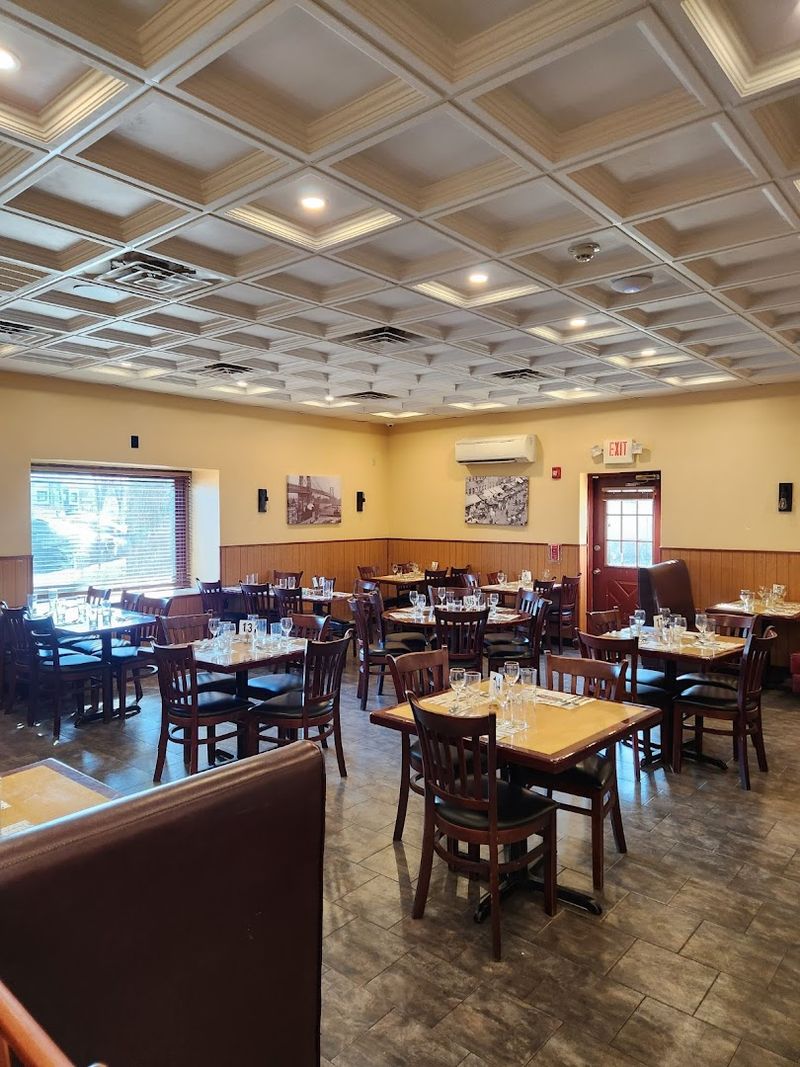
The name Nostalgia is doing real work inside this restaurant, and the interior design was clearly planned to support that idea from every angle.
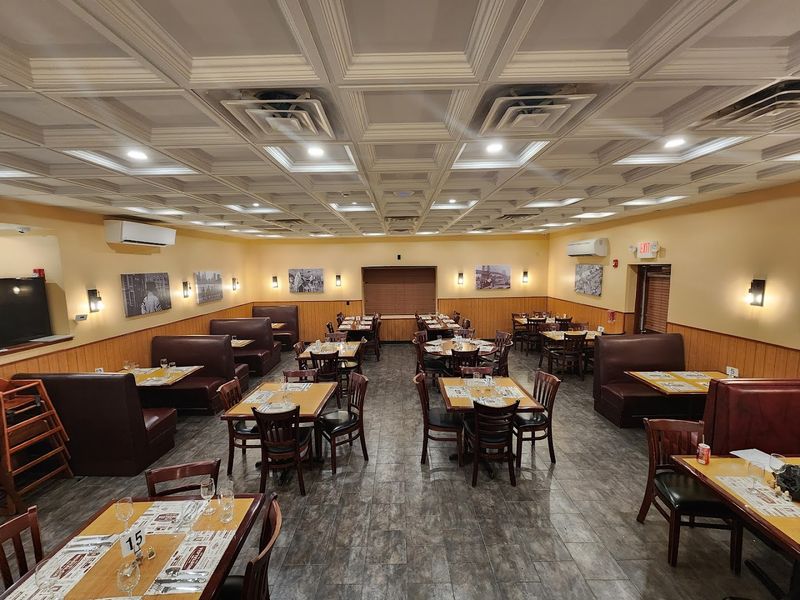
The setting leans into a vintage-inspired aesthetic, with decor choices that reference an older era of Jewish deli culture without tipping over into a theme-park version of it. The booths and seating arrangements give the space an old-style diner energy that feels comfortable rather than staged.
It is the kind of place where you instinctively settle in rather than rush through your meal.
The kitchen is partially visible from the seating area as you walk through, which gives the whole experience a certain transparency that some diners appreciate. You can see where the food is coming from, and that openness adds to the overall feeling of a place that is not trying to hide anything.
Spacious enough for family groups, the layout accommodates everything from a quick solo lunch to a full birthday celebration without feeling cramped.
Goulash Done the Right Way
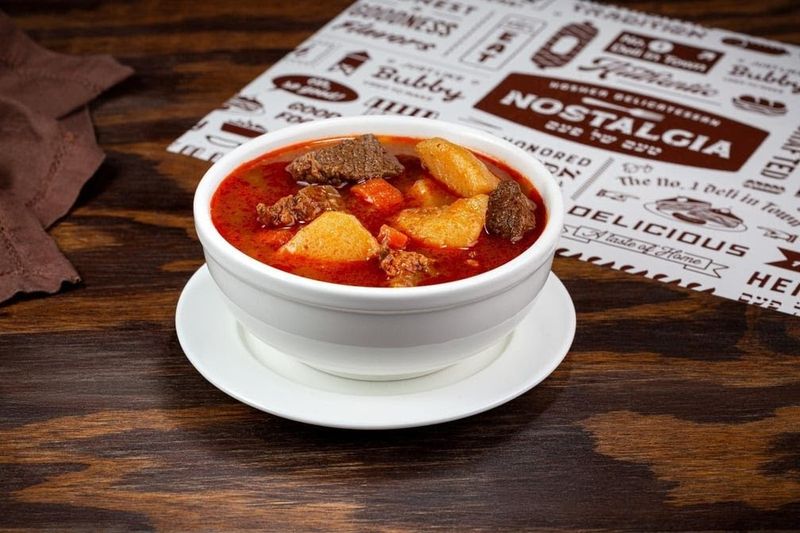
Goulash is one of those dishes that gets simplified and watered down so often that finding a version made with genuine care feels like a small event worth talking about.
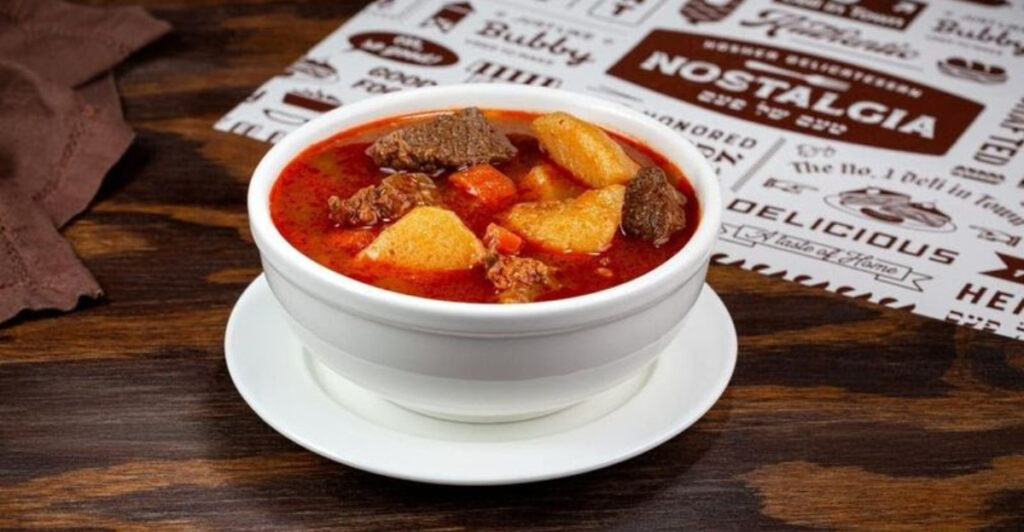
At Nostalgia, the goulash is built the way Hungarian tradition intended: slow-cooked beef in a paprika-forward broth that has been given the time it needs to develop real depth. The meat breaks apart without any resistance, and the broth carries a richness that comes from proper technique rather than shortcuts.
For anyone who grew up eating this dish at a grandmother’s table, the first spoonful tends to trigger exactly the kind of emotional recognition that the restaurant’s name promises. For first-timers, it is simply a very good bowl of food that makes a strong case for why Hungarian cooking deserves more attention in the American kosher dining world.
Goulash at Nostalgia is not a menu afterthought; it is one of the dishes that defines what this kitchen is actually capable of.
Brisket That Carries a Story
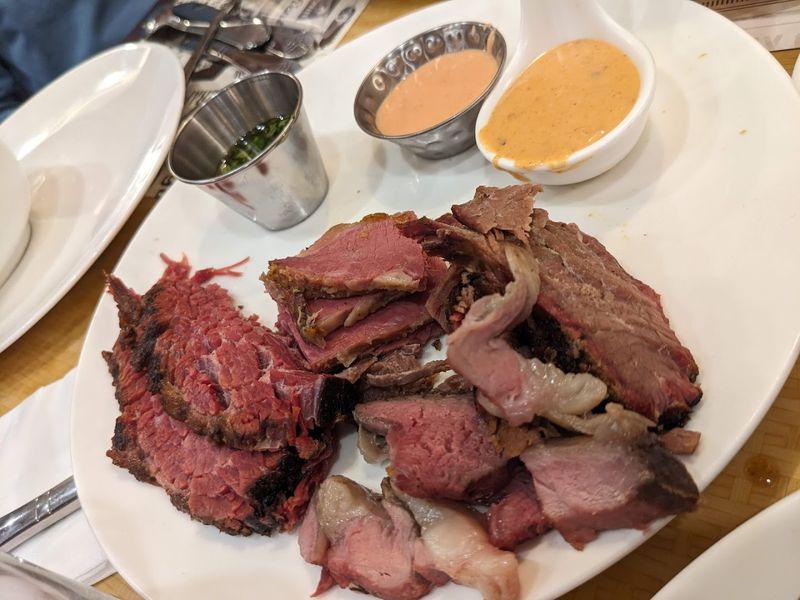
Brisket holds a specific place in Jewish food culture that goes far beyond its status as a cut of beef. It is the centerpiece of holiday tables, the dish that gets passed down through family recipes, and the measuring stick by which Jewish cooks have always quietly judged one another.
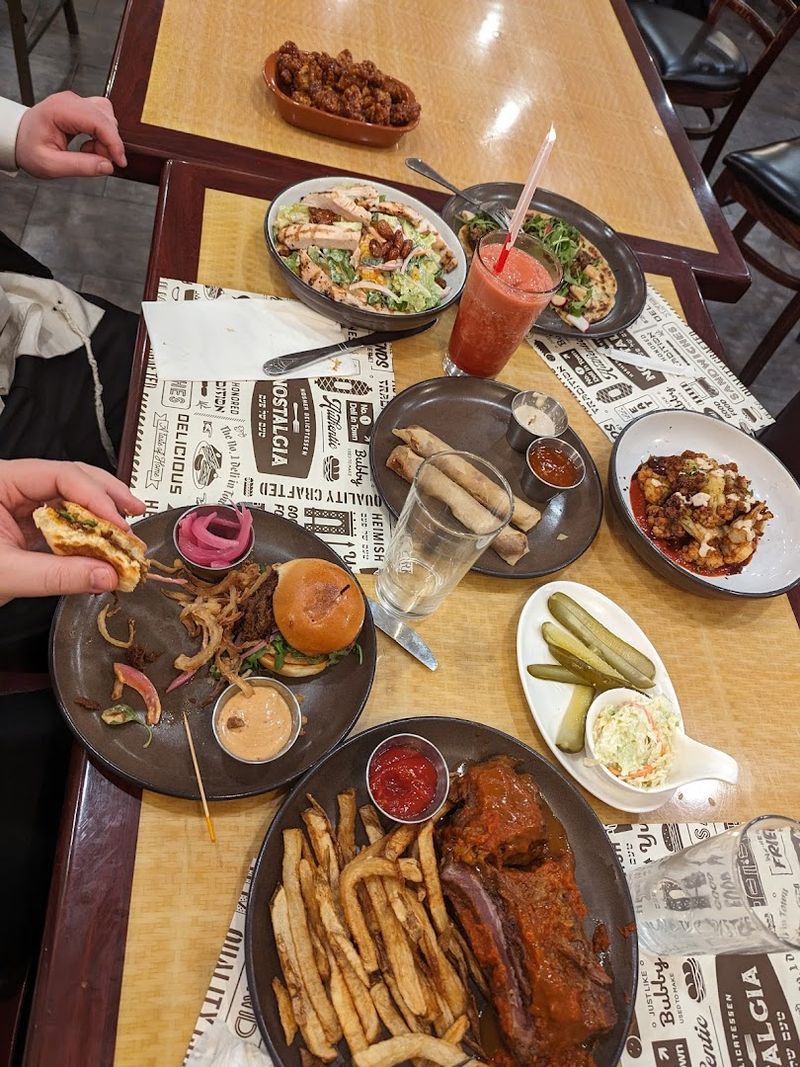
The brisket at Nostalgia is braised low and slow until it reaches the kind of fork-tender consistency that makes you wonder why anyone would ever rush the process. The braising liquid does most of the flavor work, and the kitchen clearly understands how to build that base properly.
Regulars point to the brisket as one of the strongest arguments for making the trip to Lakewood specifically to eat here. It shows up on the menu in multiple forms, including as a standalone entree and as the filling in brisket sliders, which gives you a couple of different ways to experience the same excellent preparation.
Classic Deli Sandwiches Built for Serious Appetites
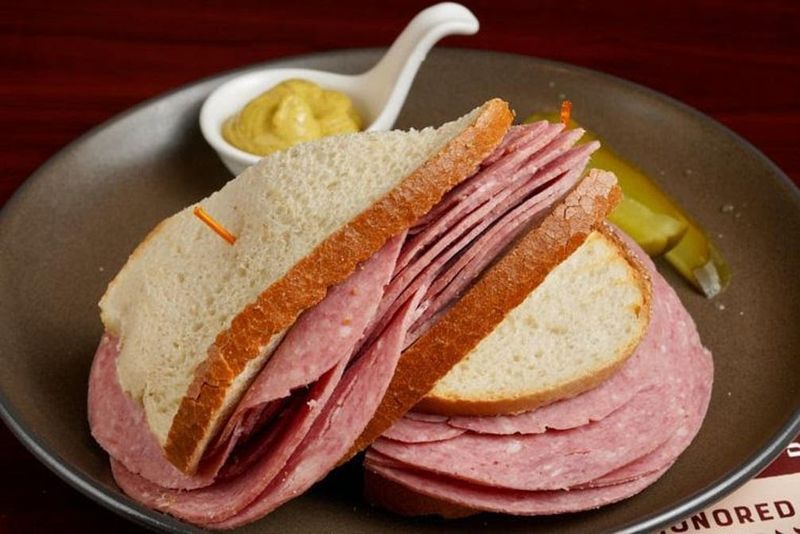
A great deli sandwich is one of the most unforgiving tests in the kosher food world, because the ingredients are simple enough that there is nowhere to hide a mistake.
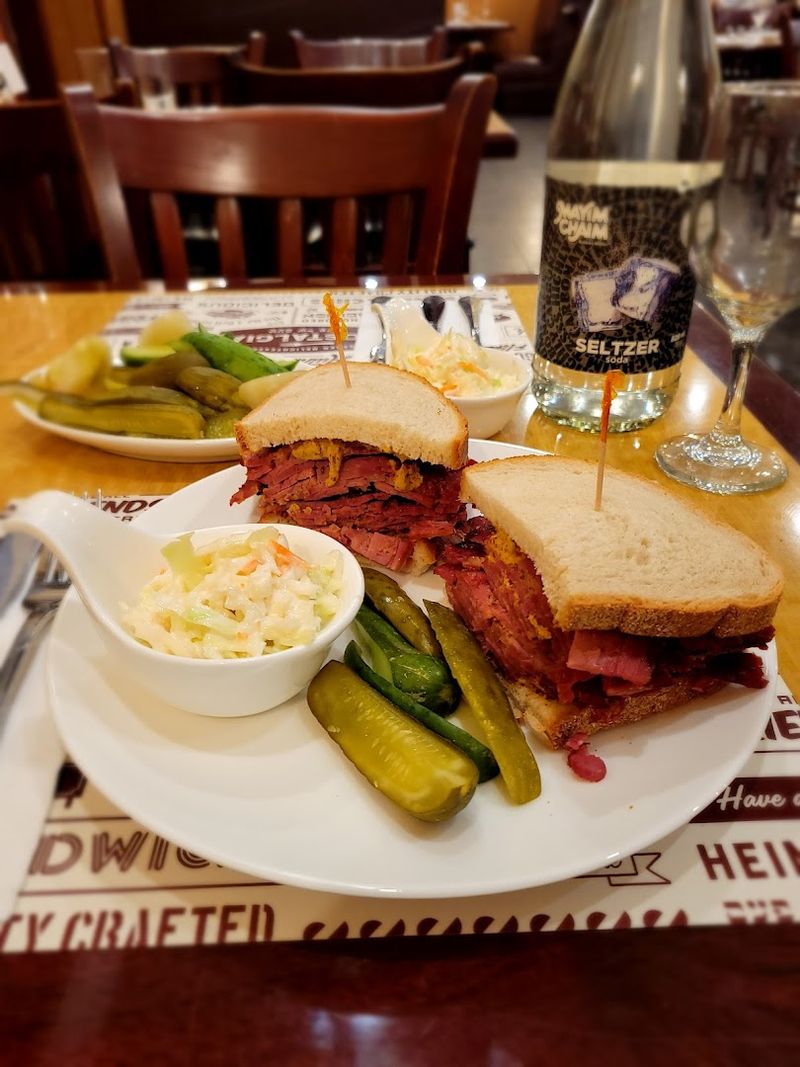
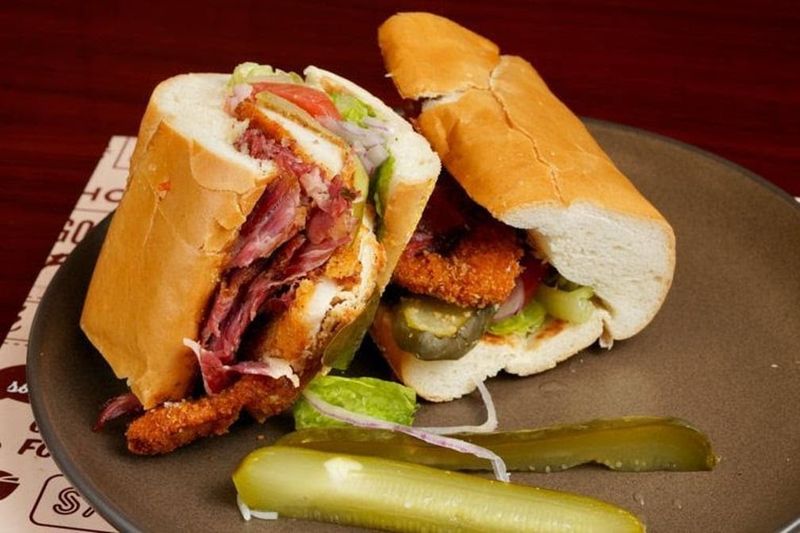
Nostalgia takes its deli sandwiches seriously, and the pastrami in particular has developed a loyal following. The menu describes it as overstuffed, and that claim holds up: the house-smoked Romanian pastrami arrives in generous portions on your choice of bread, with enough meat to make the whole thing a genuinely filling meal rather than a polite snack.
The pastrami is house-smoked, which is a detail that matters significantly. Smoking your own meat rather than buying it pre-made gives the kitchen direct control over the flavor profile, and the result is a sandwich that tastes distinctly like it was made in-house rather than assembled from a supplier’s package.
For deli purists, that distinction is everything, and Nostalgia earns real credibility by committing to the extra work involved.
Matzo Ball Soup and the Power of a Simple Bowl
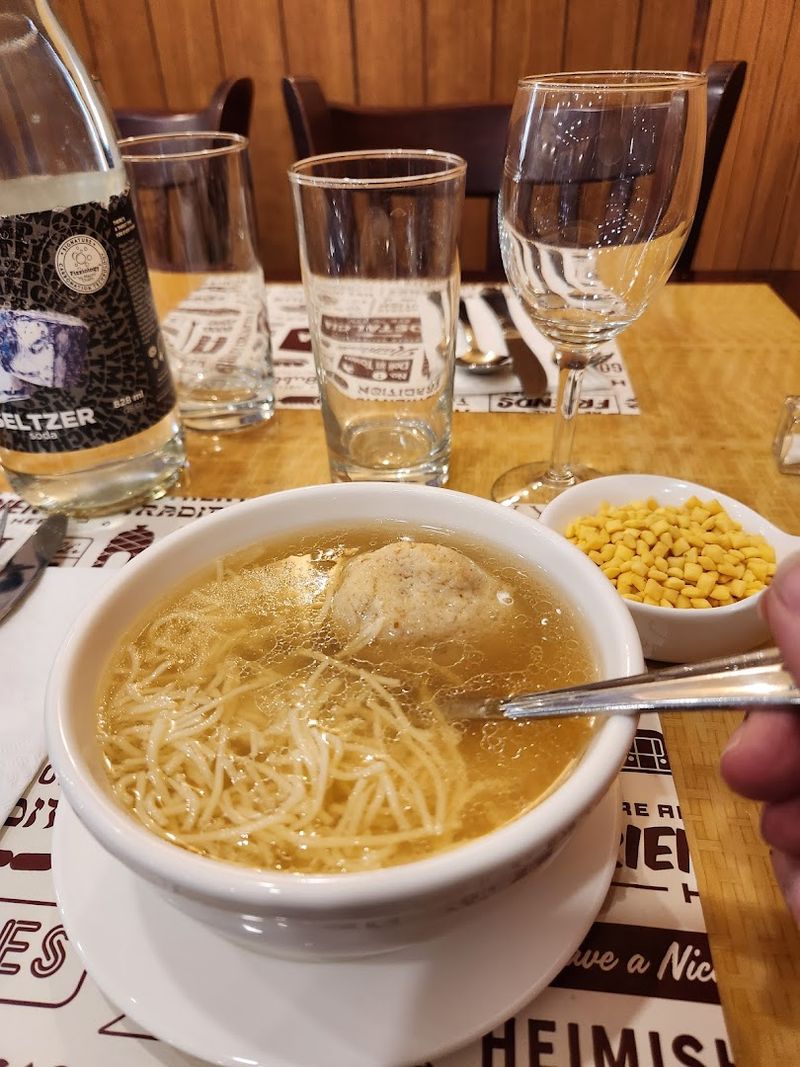
Matzo ball soup occupies a near-sacred position in Ashkenazi Jewish cooking, and every kosher restaurant that puts it on the menu is inviting a comparison to every version the customer has ever eaten before.
At Nostalgia, the matzo ball soup is treated as a timeless classic rather than a novelty, and the execution reflects that attitude. The broth runs clear and golden, the kind of color that signals a long, careful cooking process rather than a quick stock from a powder.
The matzo balls themselves arrive with the right balance between light and substantial, which is a harder target to hit than it sounds.
For many diners, this bowl is the emotional core of the entire menu. It is the dish that connects most directly to the restaurant’s stated mission of evoking memory and tradition through food.
Whether it is your first bowl or your hundredth, a properly made matzo ball soup at a place like this is never just soup.
The Dessert Section That Rounds Everything Out
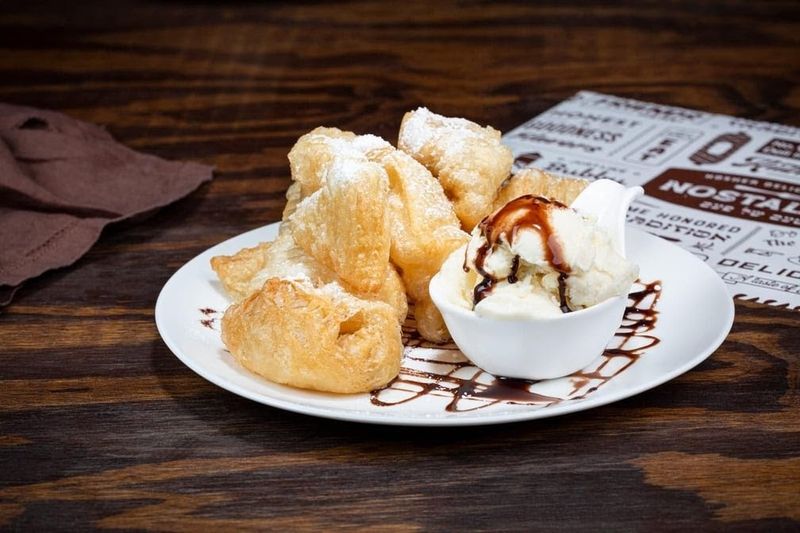
Dessert at a Hungarian-inspired Jewish deli should feel like the natural conclusion to everything that came before it, and Nostalgia approaches the final course with the same seriousness it applies to the savory side of the menu.
Babka is the standout, and it earns that status. The chocolate babka at Nostalgia is the kind that pulls apart in satisfying layers, with a richness that makes it clear the kitchen is not cutting corners on ingredients.
It is a dessert that has deep roots in Jewish baking tradition, and getting it right requires both the correct recipe and the patience to execute it properly.
The hot chocolate brownie is another option worth knowing about, particularly for anyone who wants something warm and deeply chocolatey to finish the meal. Together, the dessert options reinforce the restaurant’s broader identity: food that connects to tradition while still delivering genuine quality on the plate.
Skipping dessert here would genuinely be a missed opportunity.
A Spot That Draws People From Far Outside Lakewood
One of the clearest signs that a restaurant is doing something right is when people make a deliberate effort to get there from somewhere else entirely.
Nostalgia has built exactly that kind of reputation. Diners from Brooklyn, Manhattan, and various points across New Jersey and beyond have made the trip specifically to eat here, treating it as a destination rather than a convenience.
For a strip-mall kosher restaurant in a New Jersey suburb, that kind of draw is genuinely remarkable.
Part of the appeal is the specificity of the cooking. Hungarian Jewish cuisine is not something you can find on every corner, even in areas with large kosher dining scenes.
When a restaurant does it well and does it consistently, word travels fast in communities where food recommendations are taken seriously.
The drive from New York City takes roughly an hour, which puts Nostalgia well within range for a weekend lunch or a special-occasion dinner without requiring an overnight trip.
The Kosher Standard and What It Means for Diners
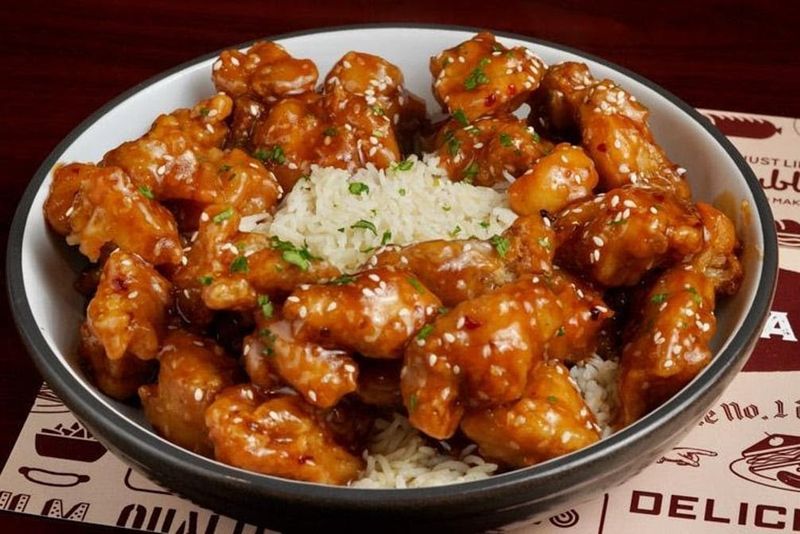
For observant Jewish diners, the kosher certification at a restaurant is not a minor detail; it is the fundamental requirement that determines whether the place is even an option.
Nostalgia operates as a fully kosher establishment, which means every ingredient, every preparation method, and every piece of equipment in the kitchen meets the standards set by kosher dietary law. That commitment opens the restaurant up to the large Orthodox community in Lakewood while also welcoming kosher-observant diners from anywhere who happen to be passing through.
Beyond the religious significance, the kosher standard also functions as a quality signal for many non-observant diners who associate it with careful sourcing and preparation. The restaurant’s Hungarian-Jewish identity and its kosher certification are not separate features; they are deeply intertwined aspects of the same culinary tradition.
Understanding that connection helps explain why the cooking at Nostalgia tastes the way it does: rooted in a specific cultural and religious context that shapes every decision made in the kitchen.
Takeout Options for When You Cannot Stay
Not every visit to a great restaurant has to involve sitting down at a table, and Nostalgia has made sure that takeout is a fully supported option for anyone working with a tighter schedule.
The takeout setup allows customers to order online through the restaurant’s Toast-based platform and schedule a pickup time, which takes most of the friction out of the process. For a kosher household looking to bring home a meal that actually tastes like it came from a real kitchen rather than a reheated package, the takeout menu at Nostalgia covers a lot of ground.
The full range of deli sandwiches, soups, entrees, and sides are available for pickup, which means you can build a complete meal without compromising on any particular course. The restaurant’s location on River Avenue also has parking available, though it can get tight during peak hours, so factoring in a little extra time for that is a reasonable approach.
Why This Deli Deserves a Place on Your List
Hungarian Jewish cooking is one of those culinary traditions that does not get nearly the attention it deserves in the broader conversation about great American food, and Nostalgia is one of the few places in the country making a consistent, high-quality case for it.
The combination of a deeply specific cultural identity, a kosher kitchen operating at a serious level, and a location in one of the most vibrant Jewish communities in the United States makes this restaurant genuinely difficult to replicate anywhere else.
The menu connects to real history, the setting reinforces that connection, and the kitchen has the technical ability to back it all up with food that earns its reputation. That is a rare combination in any dining category, and it is especially rare in a strip-mall setting that gives no outward hint of what is happening inside.
For anyone who cares about food with a story behind it, Nostalgia Kosher in Lakewood is exactly the kind of place that justifies making a plan and getting in the car.
A Lakewood Address With a Lot of History Behind It
Nostalgia Kosher sits at 1200 River Ave, Suite 8, Lakewood, NJ 08701, tucked inside a strip mall that does not exactly shout “destination dining” from the outside.
Lakewood itself is one of the largest Orthodox Jewish communities in the United States, which makes it fertile ground for a kosher restaurant with serious culinary ambitions. The city has grown dramatically over the past two decades, and its food scene has grown right along with it.
Nostalgia opened with a clear concept: bring Hungarian Jewish cooking back to the table in a way that felt both authentic and welcoming. The location on River Avenue puts it right in the heart of a neighborhood that understands and appreciates that kind of cooking on a deep level.
For out-of-towners, Lakewood is about an hour from New York City, making it a very doable day trip for anyone chasing a genuinely traditional kosher meal.
Share this story