Deep in the heart of central Florida, there is a place most people have never heard of, and even fewer have actually visited. It spans more than 106,000 acres of raw, undeveloped land, sits behind a guarded gate, and operates under military jurisdiction six days a week.
On weekends, a lucky few get to step inside and discover something genuinely surprising: one of the most peaceful, wildlife-rich, and quietly spectacular outdoor destinations in the entire state. I had been curious about this place for years before I finally made the trip, and once I got through that gate, I completely understood why the people who know about it keep coming back year after year.
This is the kind of place that rewards the curious and the patient, and I am here to tell you everything about it.
Where Exactly This Place Is and How to Find It
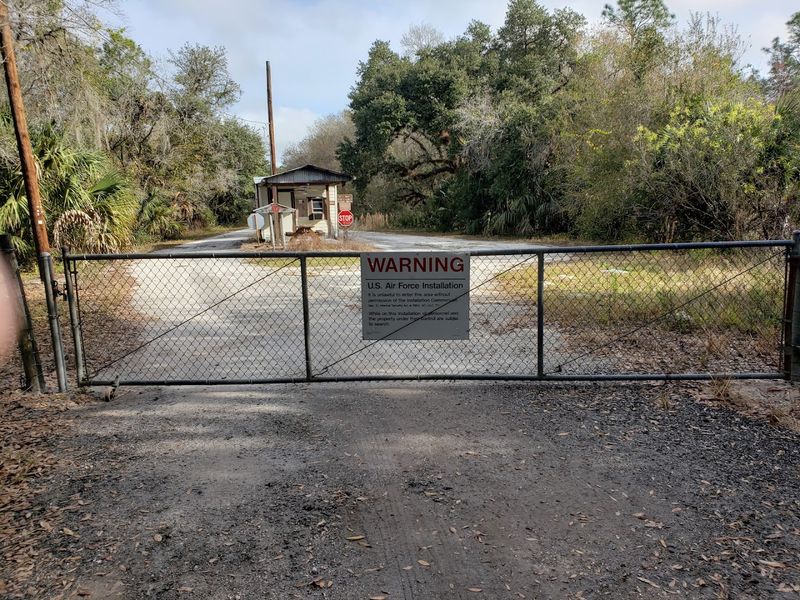
Avon Park Air Force Range sits at Lake Wales, tucked into the highlands of Polk and Highlands counties in central Florida.
Getting there requires some commitment. The roads leading in are mostly unpaved dirt tracks, and a four-wheel-drive vehicle is genuinely recommended, not just suggested.
The signage along the approach is minimal at best, which means a GPS coordinate is your best friend: 27.6461997 latitude, -81.2786378 longitude.
The front gate is staffed by professional guards who are helpful and take their job seriously. You must sign in when you arrive and check out when you leave, no exceptions.
That combination of remoteness and structure is the first clue that this is not your average Florida nature spot.
A Brief History of This Military Wilderness
The range has been an active U.S. Air Force installation since World War II, originally established to support bombing and tactical training missions over Florida’s flat interior landscape.
Decades later, it continues to serve as a live training area for military units from across the country.
What makes the history especially interesting is how the military mission and the natural world have coexisted here for so long. Because the land has been largely off-limits to development, the ecosystems have remained remarkably intact compared to much of Florida, which has seen explosive growth and habitat loss over the same period.
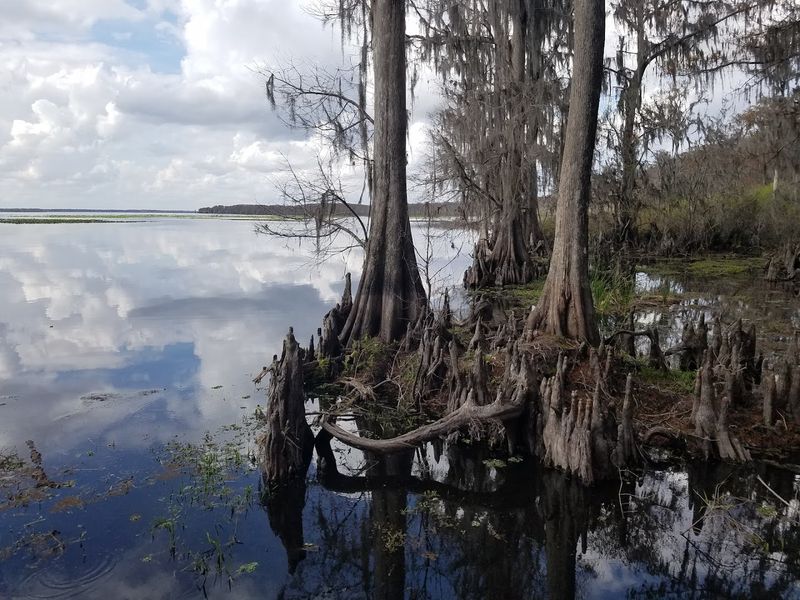
The result is a landscape that feels like it has been frozen in time, with old-growth slash pine stands, undisturbed wetlands, and wildlife populations that simply do not exist at this density in many other accessible parts of the state. History here is written in both concrete and cypress roots.
The Sheer Scale of the Land
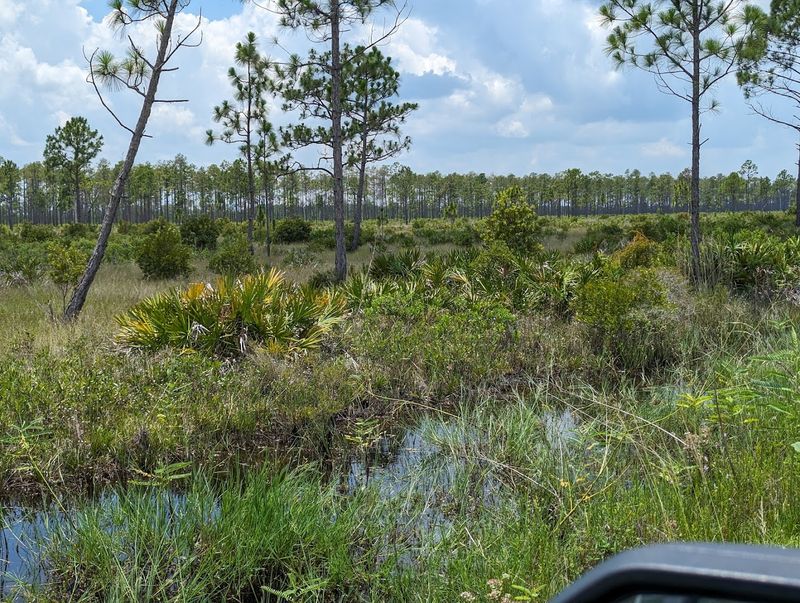
Over 106,000 acres sounds like a big number, but it only truly hits you when you are out there on a dirt road with nothing but pine forest in every direction and no other person in sight. The range is genuinely enormous, and that size is a huge part of its appeal.
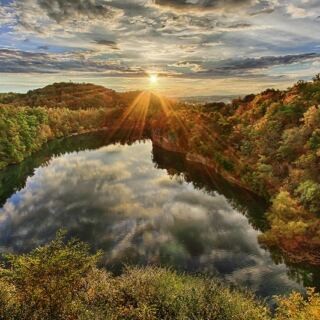
Most of the terrain consists of slash pine flatwoods, scrub oak patches, and open wetland prairies. There are also multiple lakes scattered across the property, each one sitting in quiet solitude without a dock, a boat ramp crowd, or a single jet ski in sight.
For anyone who has spent time at Florida state parks on a busy weekend, the contrast here is almost surreal. The space gives wildlife room to roam freely and gives visitors the rare experience of feeling genuinely alone in nature, which in modern Florida is practically a superpower.
When the Public Is Actually Allowed In
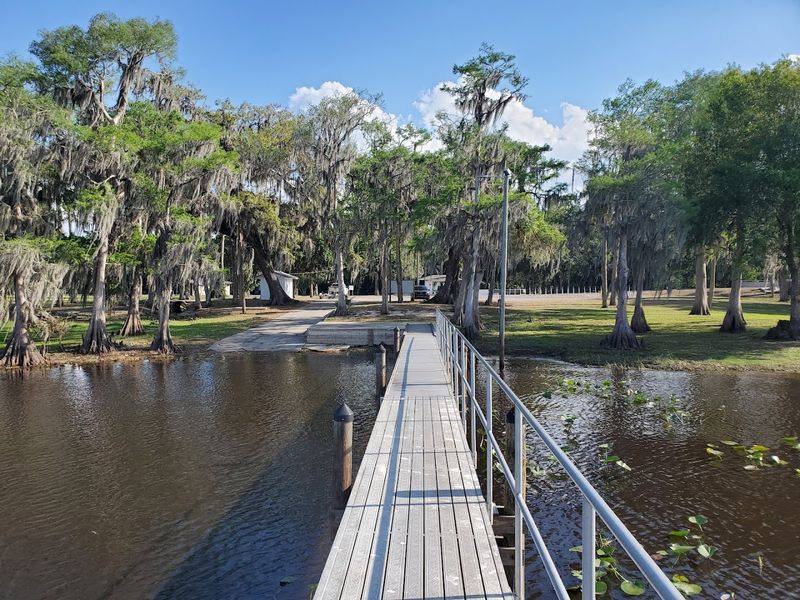
The range is closed to the general public Monday through Friday, when military training operations take priority. On weekends, the gates open and day passes are available for a modest fee of around ten dollars per person, making it one of the more affordable outdoor adventures in Florida.
The schedule can vary depending on training schedules and seasonal hunting periods, so checking the isportsman website before heading out is essential. There have been weekends where access is restricted due to active training, and showing up without checking first can mean a wasted trip down long dirt roads.
Hunting season runs heavily from October through December, which means those months bring more activity and more people than the rest of the year. Outside of that window, the range feels almost completely empty, which is either thrilling or slightly eerie depending on your personality and comfort with very quiet places.
Birdwatching That Serious Birders Dream About
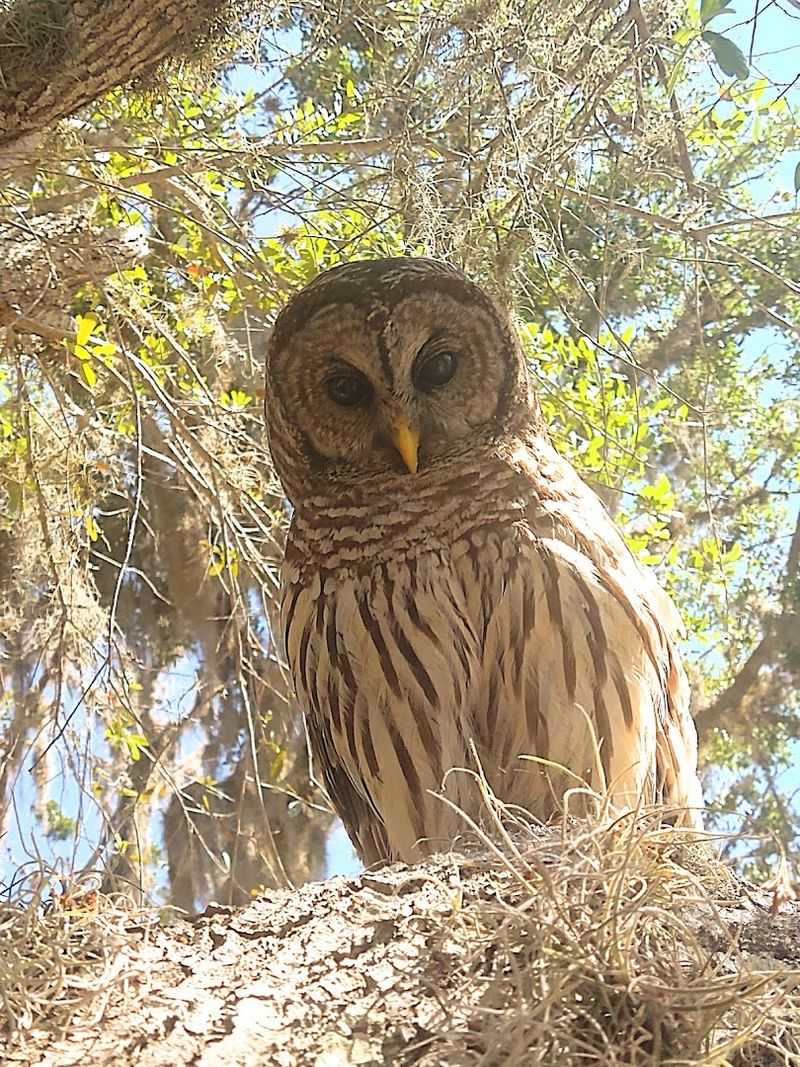
The range has built a quiet reputation among Florida birding circles as one of the best and least crowded spots in the state. The combination of undisturbed scrub, pine flatwoods, and wetland edges creates habitat for a remarkable range of species, including some that are genuinely hard to find elsewhere.
The Florida scrub jay, a federally threatened species, has an established population here. Sandhill cranes, red-headed woodpeckers, bald eagles, and various wading birds are regular sights as well.
During migration season, the diversity spikes even further.
Because visitor numbers are so low compared to public parks, the birds here tend to be less skittish and easier to observe closely. Bring good binoculars, a field guide, and a lot of patience, and the range will reward you generously.
Early morning visits, right after the gate opens, tend to produce the most active wildlife sightings.
Fishing in Lakes Most People Have Never Heard Of
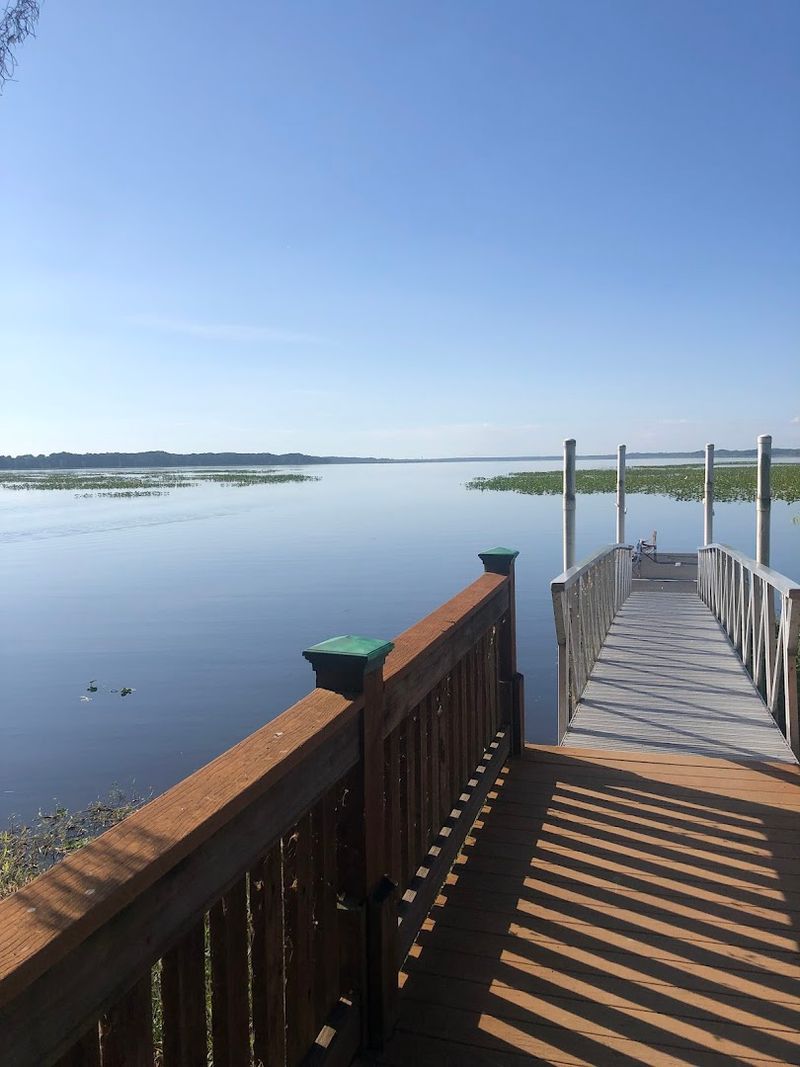
Lake Arbuckle is perhaps the most well-known body of water on the range, and longtime visitors speak of it with real affection. Historically, it has had a white sand bottom and clear water, and it has long been home to largemouth bass, warmouth, and other freshwater species that make Florida anglers very happy.
The lakes on the range receive far less fishing pressure than public waterways, which means the fish populations tend to be healthier and the catches more consistent. There are no crowds jostling for position along the bank, and no motorboats churning up the surface every few minutes.
A valid Florida fishing license is required, and all standard state regulations apply. The reward for following the rules and making the effort to get out there is the kind of peaceful fishing experience that most people assume no longer exists in Florida.
Spoiler: it absolutely still does.
Primitive Camping Under the Florida Stars
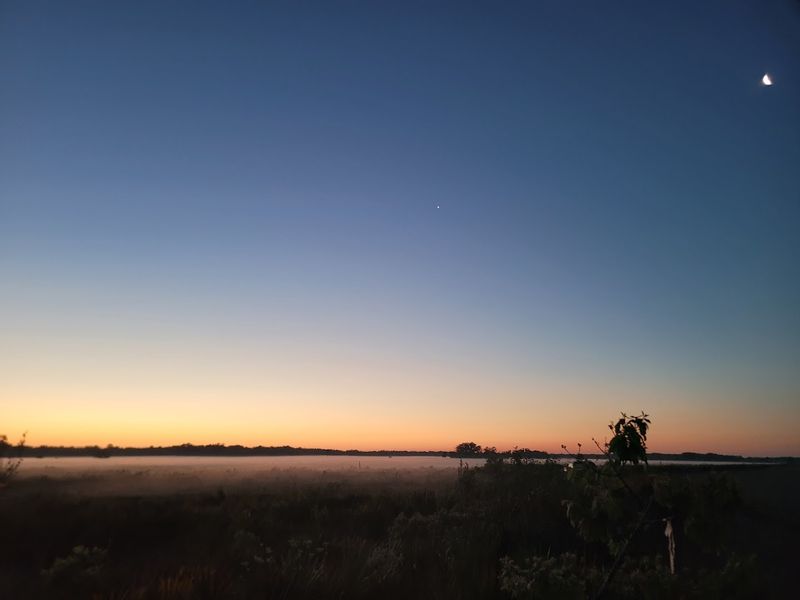
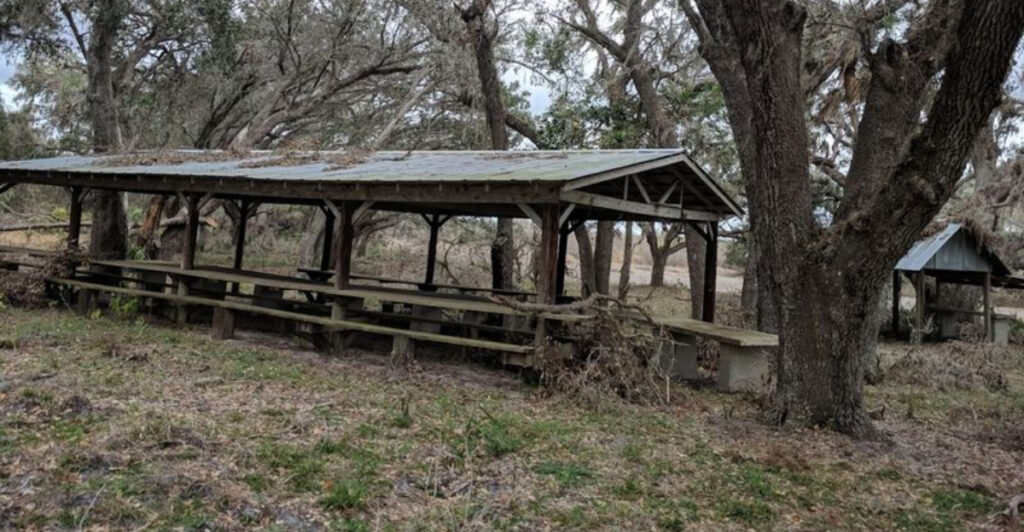
Camping at the range is strictly primitive, meaning no hookups, no bathrooms with running water, and no camp store selling firewood and ice cream sandwiches. What you do get is something increasingly rare: genuine solitude, clean air, and a sky full of stars unaffected by significant light pollution.
Visitors who have camped here consistently describe it as restorative in a way that developed campgrounds simply cannot replicate. Waking up to bird calls, watching resurrection fern come back to life after a rain, and hearing nothing louder than wind through pine needles is the whole point.
A permit is required for camping, and military regulations govern behavior on the property, so this is not a place where rules are optional. Treat the land with respect, follow every instruction from range staff, and the experience will be genuinely memorable.
Bring everything you need, because the nearest store is a long drive away.
The Wildlife That Calls This Place Home
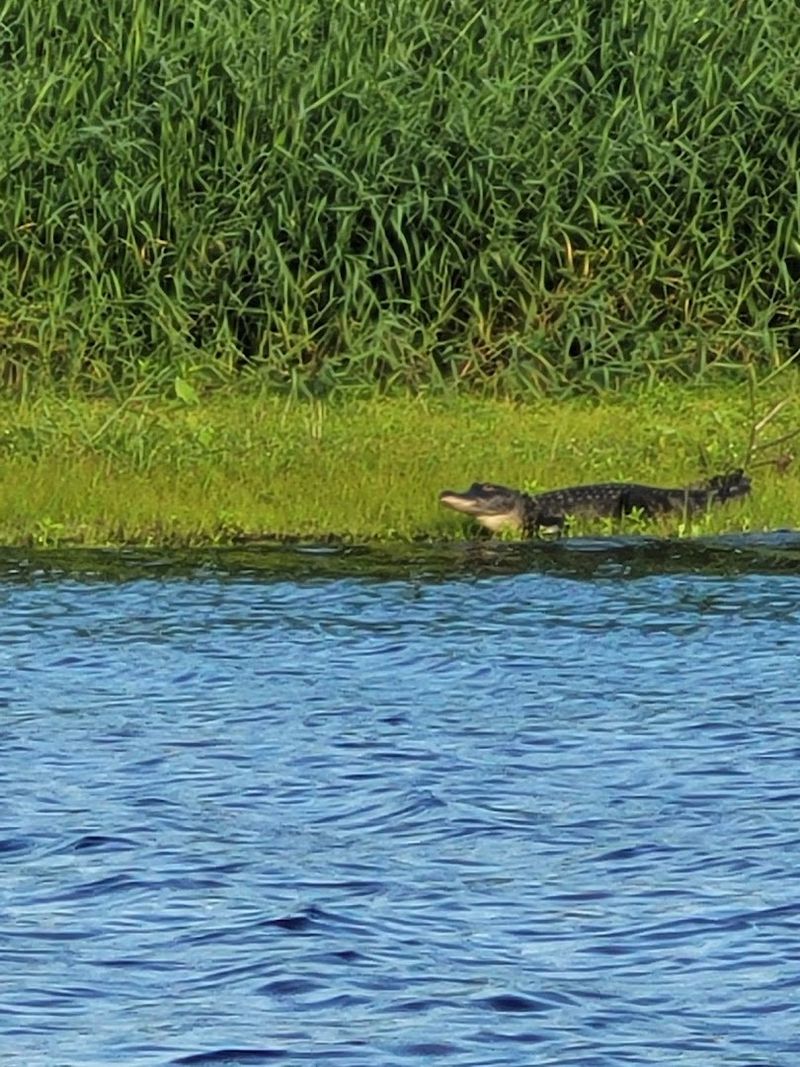
The wildlife list at the range reads like a greatest hits of Florida fauna. White-tailed deer, wild hogs, alligators, black bears, gopher tortoises, and a wide variety of birds all share this landscape, largely undisturbed by the kind of human activity that has pushed many species out of other parts of the state.
Black bear sightings are not unheard of, and they add a genuine element of wildness to the experience. The bears generally want nothing to do with people, but knowing they are out there changes how you feel about a solo walk through the pines in a very interesting way.
Alligators are present in and around the lakes and wetland areas, as they are throughout Florida, and should be observed from a respectful distance. The gopher tortoise, a keystone species that supports dozens of other animals, is actively monitored and protected here as part of the range’s conservation responsibilities.
Kayaking Through Quiet Creek Systems
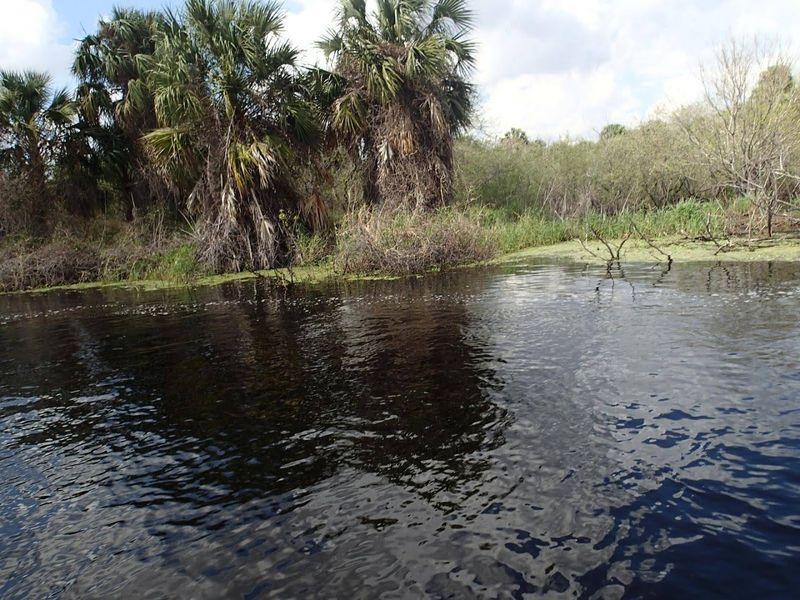
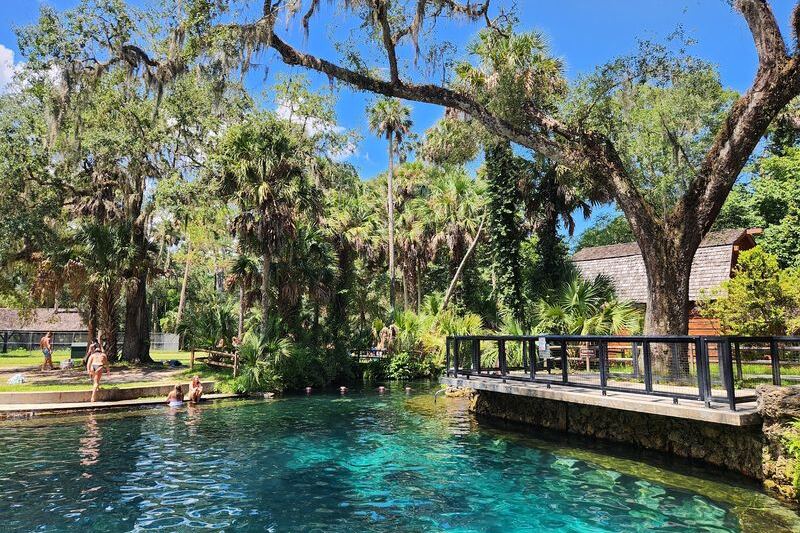
There is a kayaking creek on the range that has attracted paddlers for years, and it is not hard to see why. The waterway winds through dense vegetation, with overhanging trees creating natural tunnels and the water staying remarkably calm and clear compared to more trafficked Florida paddling destinations.
Alligator sightings are part of the experience here, including spots where young gators gather in nursery areas near the bank. Seeing that up close from a kayak, at a safe distance, is one of those Florida moments that genuinely sticks with you long after the trip is over.
The creek also serves as a corridor for wading birds, turtles, and various other wildlife, making every paddle feel like a slow-motion nature documentary. There is no kayak rental on site, so you need to bring your own craft and all necessary gear.
The payoff for that extra planning is a paddle that feels completely removed from the outside world.
Hunting on a Military Base: What That Actually Means
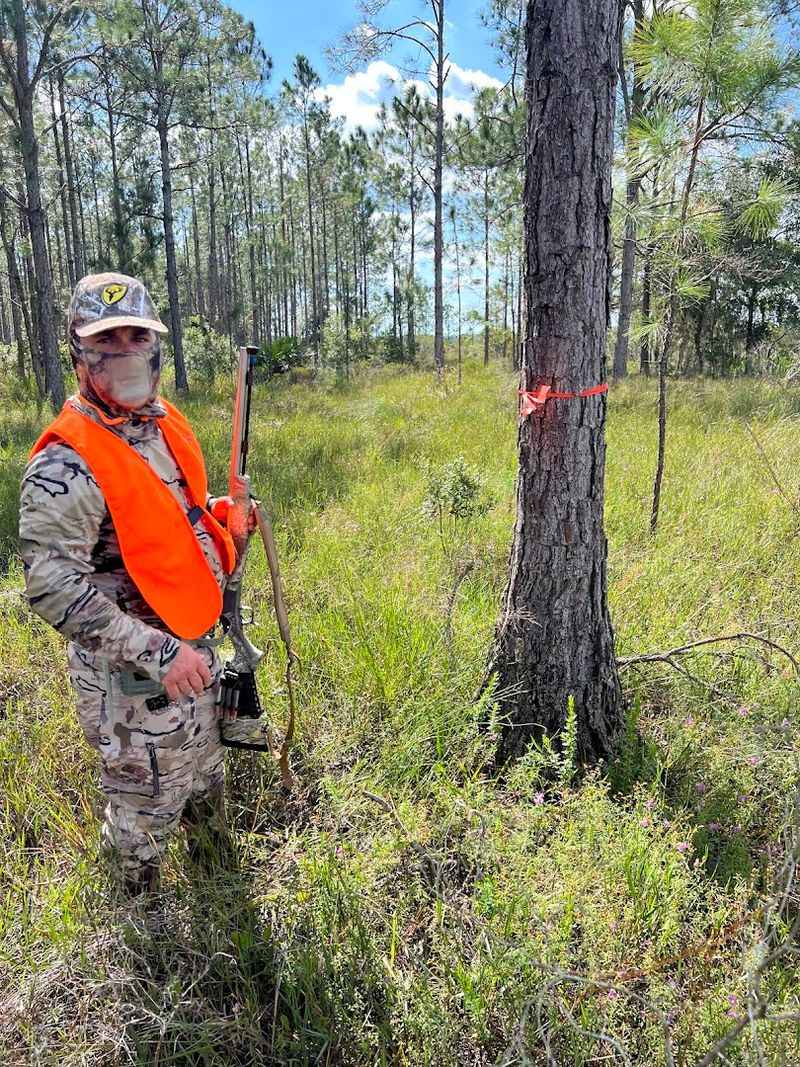
Hunting at the range is a serious and well-organized program, and it draws a loyal community of sportsmen who return year after year. A membership is required, and the process involves registering through the isportsman system, following specific season dates, and adhering strictly to military regulations that go beyond standard Florida Fish and Wildlife rules.
The land management team at the range takes wildlife stewardship seriously, which is part of why the deer and hog populations remain healthy enough to support a sustainable hunting program. The road system across the property is considered by many hunters to be the best of any wildlife management area in Florida, making access to remote sections of the land much easier than at comparable public hunting grounds.
The staff at the check station are consistently praised for being knowledgeable and genuinely helpful. This is a community built around mutual respect for the land and the rules that protect it, and that culture shows.
The Shooting Range Facility on the Property
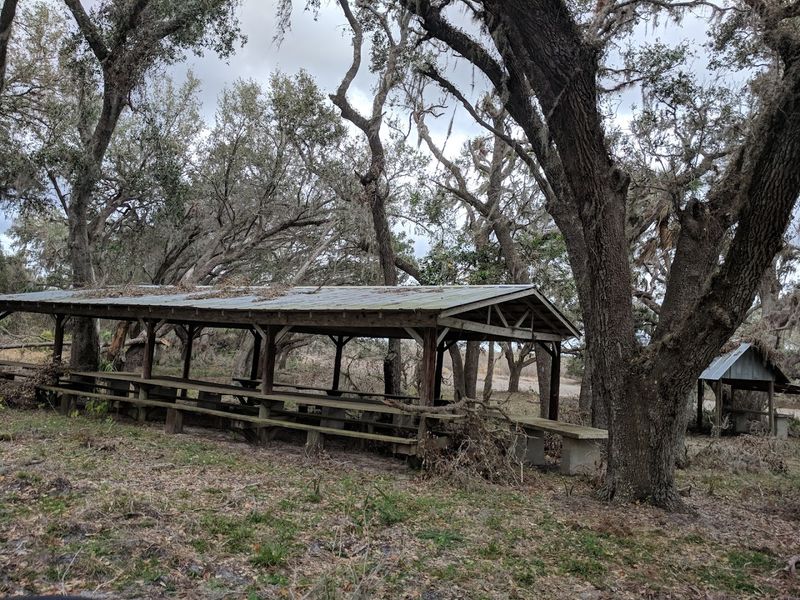
Beyond the wide open wilderness, the range also includes a shooting range facility that is available to authorized users. For military personnel and permitted civilians, it offers a structured space to practice marksmanship without the crowds and wait times that plague many public shooting ranges in Florida.
The facility has been used by military units for tactical training, and its setting within an active Air Force installation means it operates under a level of discipline and safety culture that you simply do not find at many civilian ranges. Range safety is taken extremely seriously, and visitors are expected to follow all posted rules without exception.
For retired military members especially, the combination of the shooting range, the hunting program, and the overall atmosphere of the base creates something that feels like a return to a familiar and comfortable world. More than one veteran has described the range as their personal sanctuary, and that sentiment comes through clearly in how they talk about the place.
The Role of Conservation at an Active Military Base
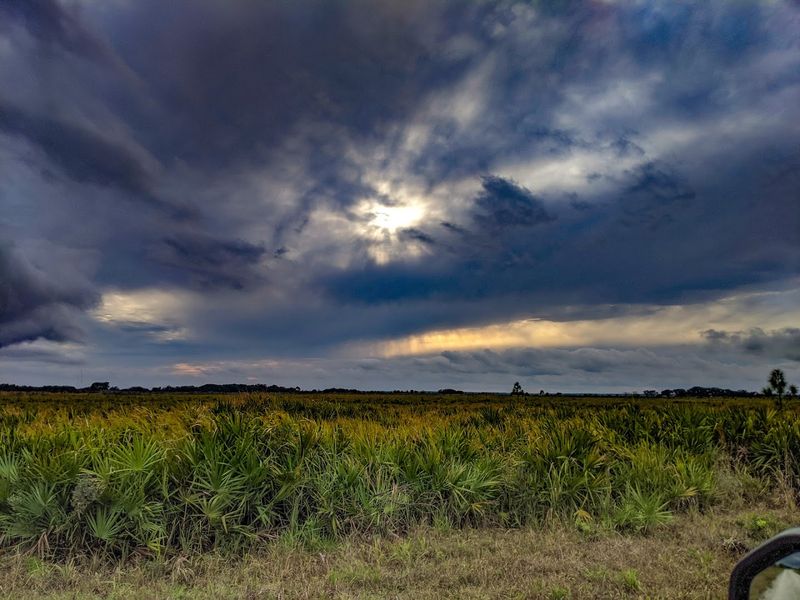
One of the more surprising things about the range is how seriously the military takes its environmental responsibilities. The installation actively monitors and protects several federally listed species, including the gopher tortoise and the Florida scrub jay, both of which depend on the kind of open, fire-maintained habitat that the range provides.
Prescribed burns are used to manage the landscape and keep the scrub and pine flatwood ecosystems healthy, a practice that mirrors what natural wildfires once did before humans started suppressing them. This kind of active land management is one reason the biodiversity here is so impressive.
The range also has cattle leases and logging operations in certain areas, which adds an interesting layer of complexity to the land use picture. Far from being a contradiction, these uses are carefully balanced with conservation goals, creating a working landscape that manages to support both human economic activity and thriving wildlife populations at the same time.
Tips for First-Time Visitors Who Want to Get the Most Out of It
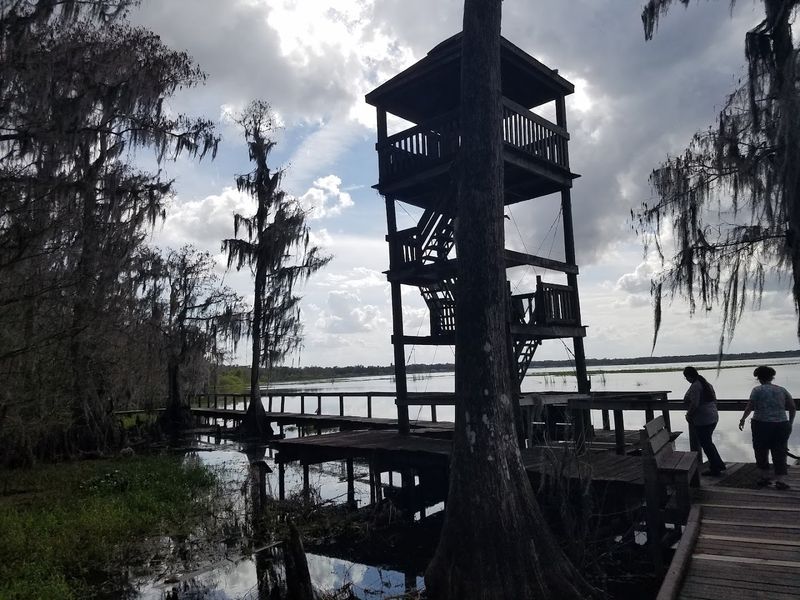
A few practical notes can make the difference between a great visit and a frustrating one. First, always check the schedule on avon.isportsman.net before you go, since access can be restricted without much public notice.
Register in advance, bring your confirmation, and have a valid photo ID ready for the gate.
Four-wheel drive is not just a suggestion for the more remote areas of the property. Some of the interior roads get soft after rain, and getting stuck miles from the gate with no cell signal is an experience nobody needs.
Pack water, snacks, a paper map of the property if you can get one, and a fully charged phone.
Arrive early on weekends to maximize your time before the afternoon heat sets in. The range is a place that rewards preparation and patience, and the visitors who come ready for a genuine outdoor adventure consistently leave with stories worth telling.
Come curious, leave impressed.
What Makes It Feel Different From Every Other Florida Park
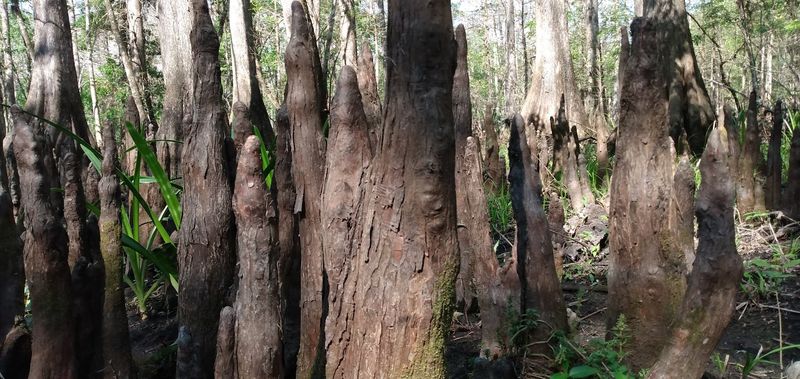
Florida has no shortage of parks, preserves, and wildlife areas, but very few of them carry the particular atmosphere that the range does. There is something about knowing you are on an active military installation that sharpens your awareness and makes the whole experience feel a little more deliberate and a little more earned.
The absence of the usual park infrastructure, the paved paths, the interpretive signs, the crowded trailheads, forces you to engage with the landscape on its own terms. You are not being guided or entertained.
You are simply out there, with the land and the wildlife and whatever you brought with you.
That stripping away of convenience is exactly what many visitors find so refreshing about the range. In a state where nature is often packaged and presented for maximum accessibility, this place remains genuinely raw and wonderfully unpolished, and that quality is becoming harder and harder to find anywhere in Florida.
Why People Keep Coming Back Year After Year
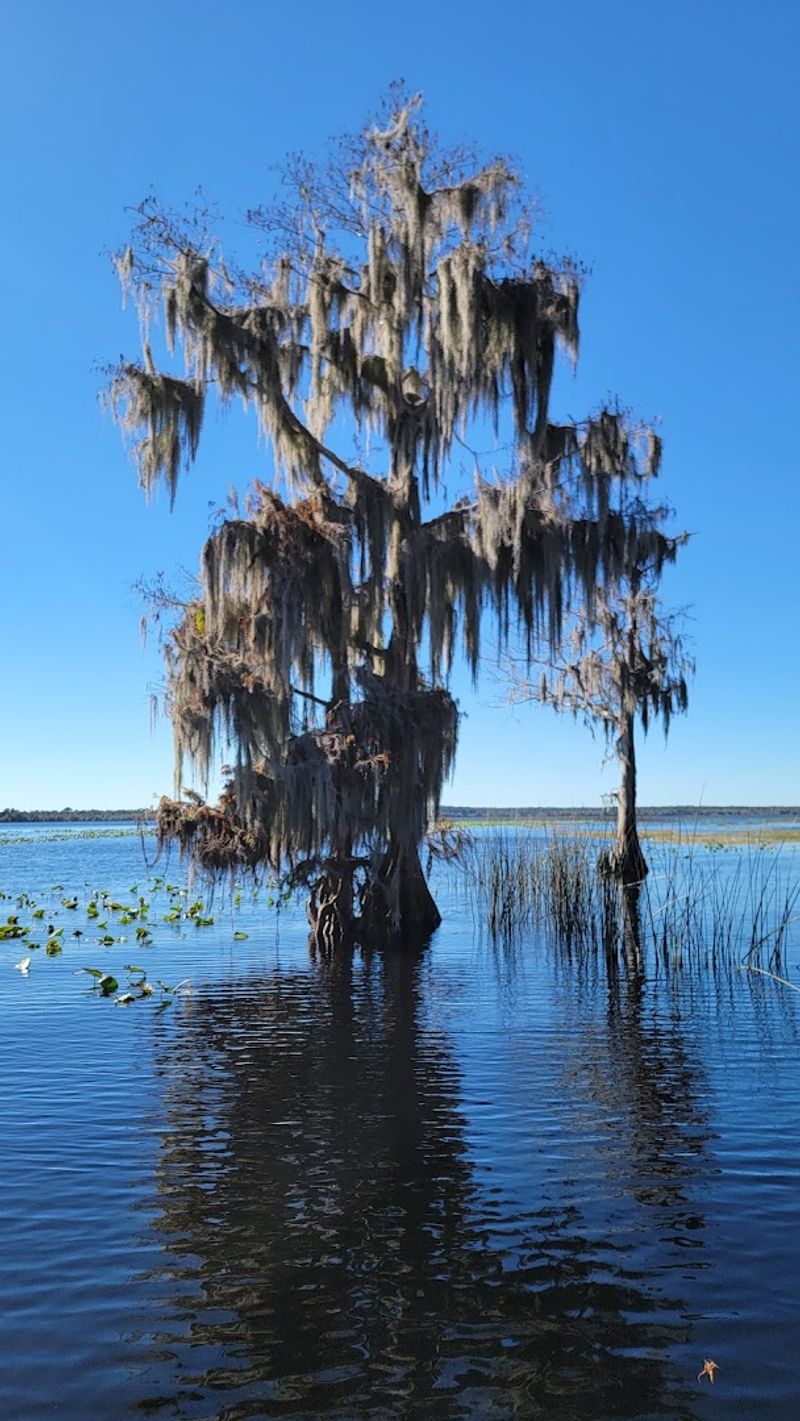
The people who discover this range tend to become regulars, and the loyalty they feel toward it is genuine and consistent. Some have been visiting for over a decade, drawn back each time by the combination of peace, wildlife, and a landscape that feels fundamentally unchanged from one visit to the next.
Retired military members in particular seem to find something deeply meaningful here, a place that connects them to a familiar world while also offering the kind of natural beauty and quiet that is hard to put a price on. The staff and the community of regular visitors create a culture of mutual respect that makes the whole experience feel warm despite the official military context.
The range is not for everyone. It demands preparation, flexibility, and a genuine appreciation for unmanicured wild places.
But for those who meet it on its own terms, it delivers something that most Florida destinations simply cannot: the feeling that you have found somewhere truly worth protecting.
Share this story