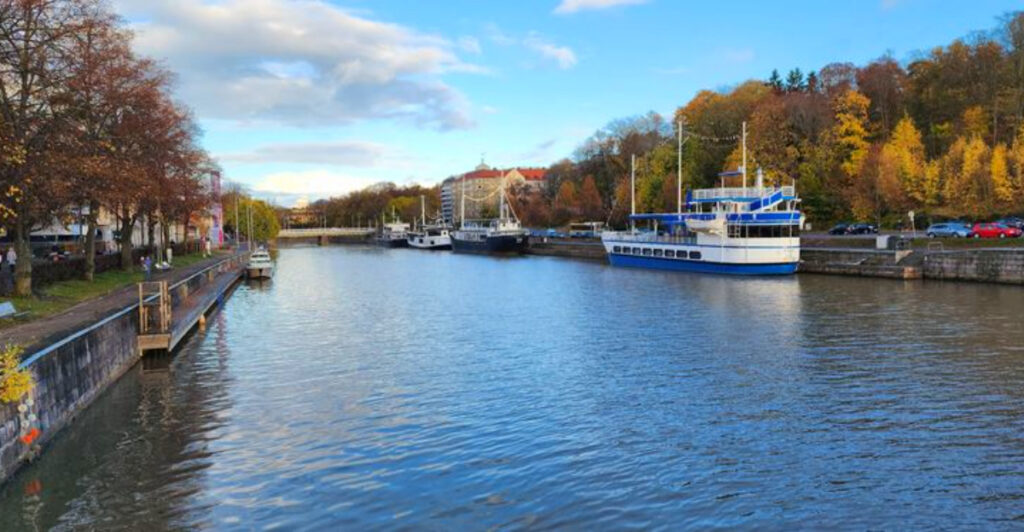
Water covers most of our planet, but some countries are hiding an incredible secret — they’re absolutely packed with lakes. From icy northern wilderness to lush tropical rainforests, these nations are home to thousands upon thousands of freshwater bodies that shape their landscapes, cultures, and ecosystems.
Whether formed by ancient glaciers, volcanic activity, or mighty river systems, these lakes are more than just pretty scenery. Get ready to explore the 15 countries that are winning the world’s unofficial lake championship.
Canada
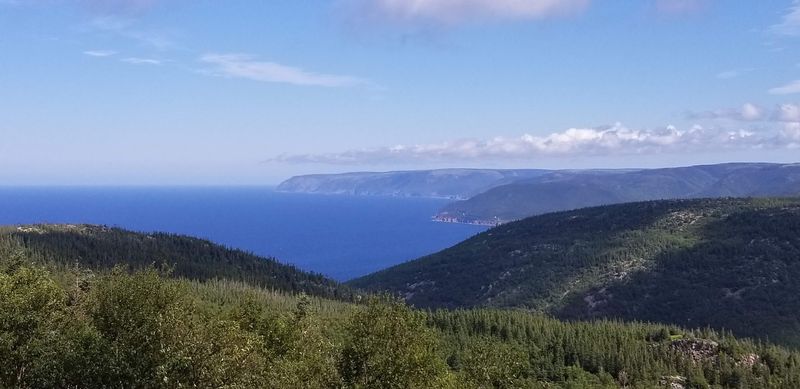
No country on Earth even comes close to Canada when it comes to lakes — and the numbers are almost hard to believe. With roughly 879,800 lakes larger than 0.1 square kilometers, Canada holds about 60% of the world’s total lake count.
That’s not a typo. More than half of all the lakes on the planet are sitting inside one country’s borders.
Thank the last Ice Age for this jaw-dropping statistic. As colossal glaciers slowly melted over thousands of years, they carved out millions of depressions across the land.
Those hollows gradually filled with freshwater, creating the lake-studded landscape Canadians know and love today. From the enormous Great Bear Lake in the Northwest Territories to the famous Great Lakes along the U.S. border, the variety is staggering.
These lakes aren’t just beautiful backdrops for postcards. They supply drinking water to millions of people, support rich ecosystems, and fuel tourism industries worth billions of dollars.
Fishing, kayaking, and lakeside camping are practically national pastimes. Canada doesn’t just have the most lakes — it has built an entire way of life around them.
Russia
Stretching across eleven time zones, Russia has so much land that it almost feels unfair — and that includes an astonishing 201,200 lakes spread from the European plains all the way to the frozen reaches of Siberia. Second place on this list still means an almost incomprehensible number of freshwater bodies.
Glacial activity shaped much of Russia’s northern lake landscape, just as it did in Canada. Siberia alone contains tens of thousands of lakes, many of which are so remote that scientists have barely studied them.
Some freeze solid for months every winter, turning into flat white mirrors that locals actually drive across.
Russia’s crown jewel is undoubtedly Lake Baikal, which sits in southern Siberia and holds roughly 20% of the world’s unfrozen surface freshwater. It’s also the deepest lake on Earth, plunging to about 1,642 meters at its lowest point.
Baikal is home to species found nowhere else, including the adorable nerpa — the world’s only freshwater seal. Russia’s lakes aren’t just plentiful; they’re genuinely extraordinary in their diversity, depth, and ecological importance to the entire planet.
United States
Minnesota calls itself the Land of 10,000 Lakes, which sounds impressive until you realize the actual count is closer to 11,842 in that state alone. Multiply that spirit across the entire country, and you get roughly 102,500 lakes making the United States the third most lake-rich nation on Earth.
Alaska and Minnesota together account for a huge chunk of that total, both shaped heavily by glacial retreat thousands of years ago. The landscape left behind is dotted with water at nearly every turn.
Alaska, in particular, is so lake-dense that flying over it looks like someone dropped a giant mirror and shattered it across the tundra.
Then there are the Great Lakes — Superior, Michigan, Huron, Erie, and Ontario — which together form the largest group of freshwater lakes in the world by total area. They hold about 21% of the world’s surface fresh water and border eight U.S. states and two Canadian provinces.
American lakes fuel tourism, support massive fishing industries, and provide drinking water to tens of millions of people. Summer vacations, fishing trips, and lakeside cabins are as American as baseball.
China
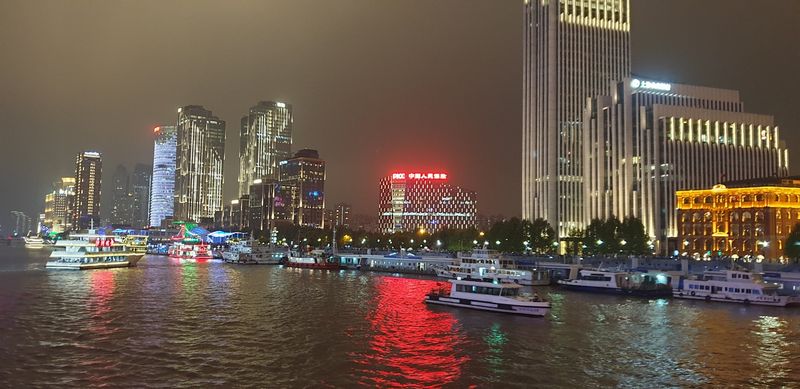
China’s lake story is one of contrasts — from shimmering alpine lakes perched high in the Himalayas to vast, shallow floodplain lakes that expand and shrink with the seasons. With approximately 23,800 lakes, China ranks fourth globally and manages some of the most ecologically complex freshwater systems anywhere on the planet.
Poyang Lake in Jiangxi Province is the largest freshwater lake in China, and it plays a dramatic role in the country’s hydrology. During the rainy season, it swells to an enormous size, absorbing overflow from the Yangtze River.
Then, in drier months, it shrinks dramatically, sometimes losing over 90% of its surface area. This seasonal pulse makes it a critical habitat for millions of migratory birds, including rare Siberian cranes.
Dongting Lake serves a similar flood-control function further upstream, acting like a natural sponge for one of Asia’s mightiest rivers. China’s lakes face serious pressures from pollution, land reclamation, and climate change, but conservation efforts are growing.
These water bodies are not optional extras in China’s landscape — they are the backbone of agriculture, biodiversity, and flood management for hundreds of millions of people.
Sweden
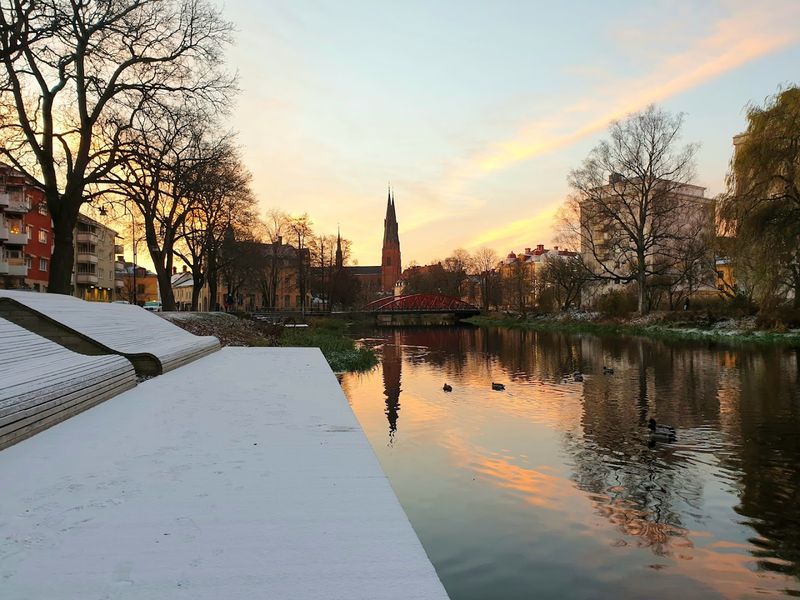
Spend five minutes looking at a map of Sweden and you’ll notice something immediately — the country looks like it’s been splattered with blue paint. That’s because roughly 22,600 lakes are scattered across its forests, valleys, and open countryside, making water as much a part of Sweden’s identity as meatballs and ABBA.
Glaciers carved out these lakes during the last Ice Age, leaving behind a landscape that Swedes have embraced wholeheartedly. The two largest lakes — Vänern and Vättern — are also among the biggest in Europe.
Vänern alone is so large that it looks like an inland sea on the map, covering nearly 5,655 square kilometers.
Swedish culture is deeply tied to these lakes. The concept of “friluftsliv” — outdoor life — is practically a national philosophy, and lakes are central to it.
Families spend summers at lakeside stugor (cottages), swimming in the cool, clear water and paddling canoes through quiet inlets. Swimming in a lake, then sitting in a wood-fired sauna, then jumping back into the water is a beloved Swedish ritual.
These lakes aren’t just geography — they’re part of the national soul.
Brazil
Brazil doesn’t usually make headlines for its lakes — the Amazon River tends to steal all the attention. But with around 20,900 lakes, many of them tucked deep inside the Amazon Basin, Brazil is quietly one of the most lake-rich countries in the Southern Hemisphere.
Many of Brazil’s lakes are oxbow lakes, formed when a meandering river cuts off a bend and leaves behind a crescent-shaped body of water. Others are lagoons along the Atlantic coast, like the stunning Lagoa dos Patos in Rio Grande do Sul — one of the largest coastal lagoons in the world.
These coastal lagoons support major fishing communities and serve as critical nursery habitats for marine species.
Inside the Amazon, seasonal flooding transforms the landscape dramatically. During the wet season, the forest floor floods for months, and what looks like dry land becomes an underwater world teeming with fish, river dolphins, and aquatic plants.
These flooded lake systems are among the most biodiverse aquatic environments on Earth. Brazil’s lakes may not carry the fame of its rivers, but they quietly support an ecosystem that the entire planet depends on for climate stability and oxygen production.
Norway
If dramatic scenery were a competitive sport, Norway would win gold every time. About 20,000 lakes are nestled among the country’s steep mountains, deep valleys, and iconic fjords, creating landscapes so stunning that they almost look digitally enhanced.
Spoiler: they’re completely real.
Norway’s lakes owe their existence largely to glacial erosion — the same geological force that sculpted the country’s famous fjords. As ice sheets scraped across the land over thousands of years, they gouged out basins that eventually filled with meltwater and rainfall.
Many Norwegian lakes sit at high elevations, surrounded by snowfields even in summer, giving them that impossibly clear, cold look that photographers dream about.
Beyond their beauty, these lakes are workhorses of Norway’s energy system. Norway generates about 90% of its electricity from hydropower, and lakes serve as the reservoirs that make this possible.
Towns and cities are powered by water stored in mountain lakes, then released through turbines. Lake Mjøsa, the largest in Norway, stretches across 362 square kilometers and has been central to Norwegian life for centuries.
It’s a country where lakes aren’t just scenery — they literally keep the lights on.
Finland
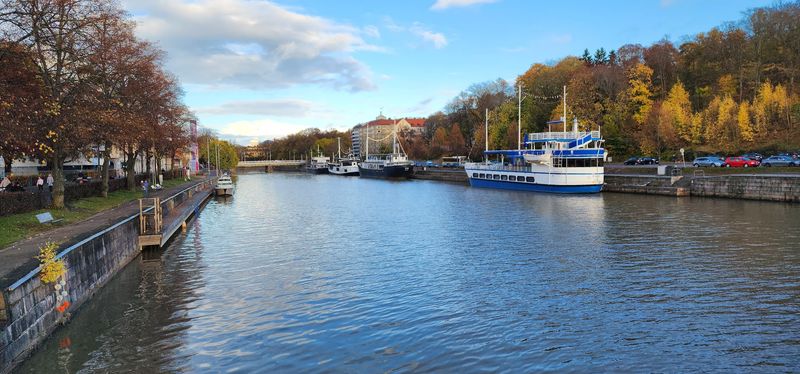
Finland calls itself the Land of a Thousand Lakes, which is adorably modest. The actual number, counting lakes of all sizes, is closer to 188,000.
That means if you randomly dropped a pin anywhere in Finland, there’s a solid chance it would land in water or within walking distance of some.
Finnish lakes are so densely packed in the southeastern lake district that land and water seem almost interchangeable from the air. Narrow strips of forest separate one lake from the next, connected by channels and rivers that make the whole region feel like one giant, glittering puzzle.
Saimaa, the largest lake in Finland, is actually a complex of interconnected lakes covering about 4,400 square kilometers.
Lakes are woven into the Finnish way of life with a seriousness that’s hard to overstate. Nearly every Finnish family has access to a summer cottage — a “mökki” — beside a lake.
The classic Finnish summer involves swimming at dawn, sitting in a lakeside sauna until you’re bright red, then rolling into the cool water to cool down. Finland also has its own endangered species tied to its lakes: the Saimaa ringed seal, found nowhere else on Earth.
These lakes are Finland’s greatest treasure.
Argentina
Patagonia sounds like a place invented for adventure novels, and Argentina’s lake district in the south lives up to every expectation. With about 13,600 lakes, Argentina’s water bodies range from glacier-fed alpine jewels in the Andes to wide, wind-swept lakes stretching across the Patagonian steppe — and each one is more photogenic than the last.
Lake Nahuel Huapi, near the resort town of Bariloche, is perhaps the most famous. Its deep blue water, framed by forested mountains and distant snow-capped peaks, draws visitors from around the world.
The lake is part of a national park established in 1934, making it one of South America’s oldest protected areas. Boat trips across its surface offer views that genuinely stop people mid-sentence.
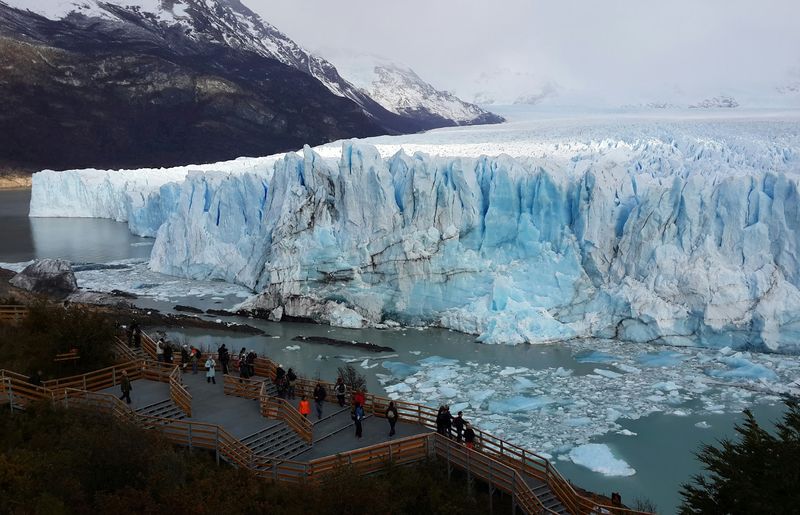
Further south, in the Patagonian wilderness, lakes like Lago Argentino feed into the famous Perito Moreno Glacier — one of the few glaciers in the world that is not currently retreating. Chunks of ice the size of buildings regularly break off and crash into the lake with a thunderous boom that visitors can watch from viewing platforms.
Argentina’s lakes aren’t just beautiful; they’re connected to some of the most dynamic natural processes on the planet.
Kazakhstan
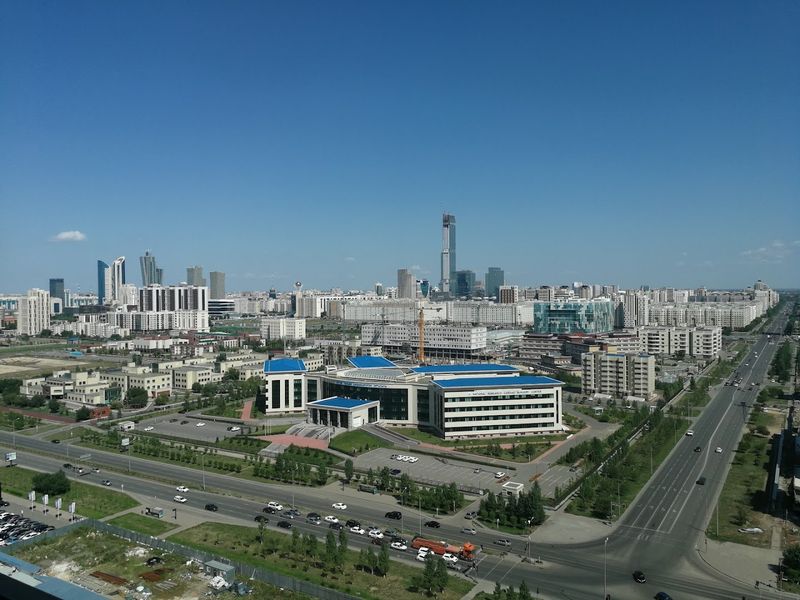
Kazakhstan is the world’s largest landlocked country, and with about 12,400 lakes scattered across its vast steppes and mountain ranges, it has no shortage of water — even without an ocean in sight. These lakes range from crystal-clear freshwater bodies in the Altai Mountains to flat, salty lakes shimmering across the arid plains.
The most dramatic water story in Kazakhstan is the shrinking of the Aral Sea, once one of the four largest lakes in the world. Decades of Soviet-era irrigation projects diverted the rivers feeding it, causing the lake to lose more than 90% of its volume.
What was once a thriving fishing hub became a desert of salt and rusting ships. It stands as one of the worst environmental disasters in history, and Kazakhstan has been working to restore part of the northern section with some success.
On a brighter note, Lake Balkhash is a fascinating anomaly — one half of it is freshwater and the other half is saline, separated naturally by a narrow strait. It’s one of the largest lakes in Asia and supports important fisheries.
Kazakhstan’s lakes tell a story of extremes: breathtaking natural beauty alongside serious environmental lessons the whole world should learn from.
Australia
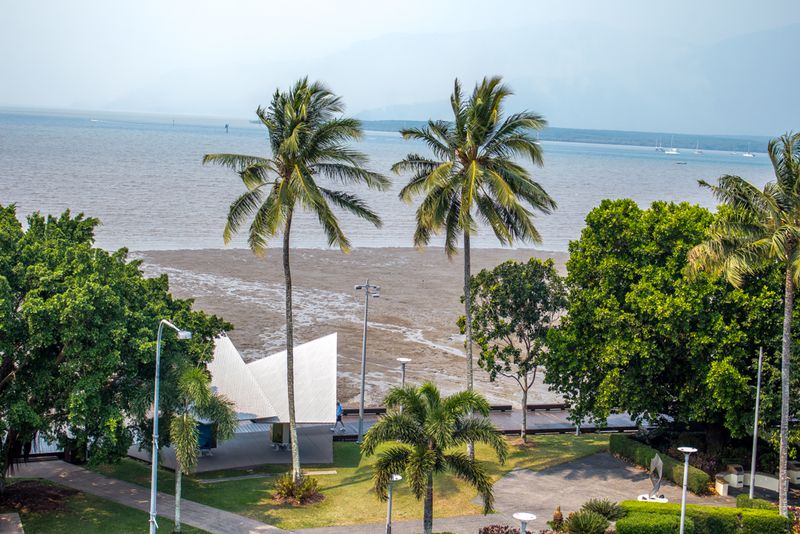
Australia is not exactly famous for its lakes — it’s the driest inhabited continent on Earth, after all. But with around 11,400 lakes, it manages to make the list, and its water bodies are among the most bizarre and fascinating you’ll find anywhere on the planet.
Most of Australia’s lakes aren’t the kind you’d swim in. Many are salt lakes — flat, dry, crusty pans for most of the year that only fill with water after rare, heavy rainfall events.
Lake Eyre, now officially called Kati Thanda-Lake Eyre, is the largest lake in Australia and sits in the heart of the outback. It fills completely only a handful of times per century, but when it does, it transforms into a shallow inland sea that attracts thousands of birds seemingly from nowhere.
The pink lakes are another Australian quirk worth mentioning. Lake Hillier on the south coast of Western Australia is a famously vivid bubble-gum pink, caused by a combination of algae and salt-loving bacteria.
Scientists have studied it for years, and it remains perfectly safe to swim in — though most visitors prefer to admire it from above. Australia proves that lakes don’t have to be big and blue to be absolutely extraordinary.
India
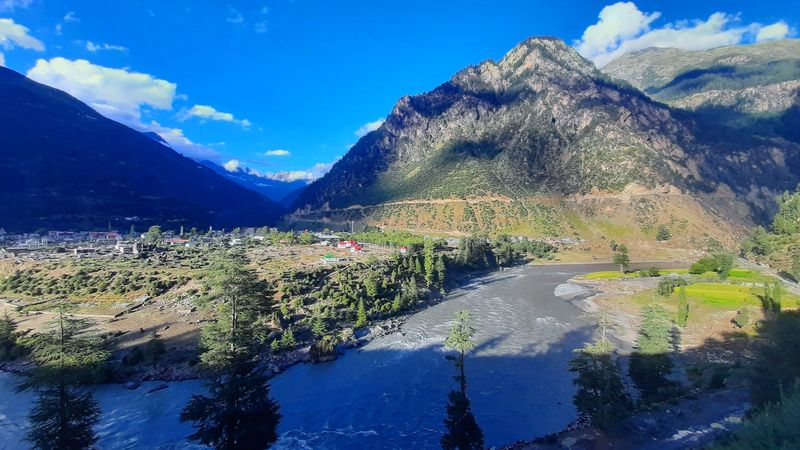
India’s lake story is ancient, diverse, and deeply spiritual. Thousands of lakes are scattered across the subcontinent — from glacial lakes shimmering at high altitude in the Himalayas to sacred temple ponds in the south and vast coastal lagoons along the eastern shore.
Exact counts vary depending on how lakes are classified, but the number runs well into the tens of thousands.
Dal Lake in Kashmir is one of the most iconic. Houseboats have floated on its surface for generations, and vendors paddle wooden shikaras through its channels selling flowers, vegetables, and handicrafts.
It’s a functioning community built on water, and it has been for centuries. Chilika Lake in Odisha is another standout — the largest coastal lagoon in Asia, it hosts over a million migratory birds every winter and is home to rare Irrawaddy dolphins.
Many of India’s lakes hold deep religious significance. Pushkar Lake in Rajasthan is considered one of the holiest bodies of water in Hinduism, surrounded by ghats where pilgrims bathe during festivals.
Loktak Lake in Manipur is famous for its floating islands — called phumdis — made of vegetation, soil, and organic matter. India’s lakes are not just water; they’re living, breathing pieces of culture and history.
Estonia
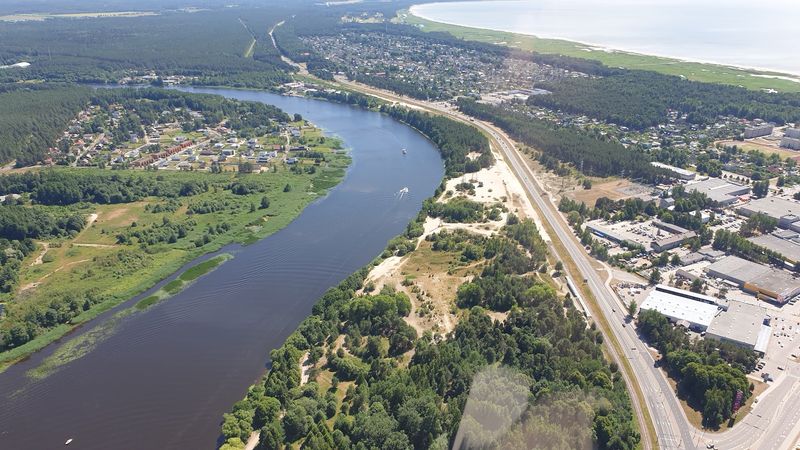
Estonia is a small country — about the size of Denmark or the Netherlands — but it punches well above its weight when it comes to lakes. With over 1,500 lakes covering roughly 4.9% of the country’s total area, Estonia is one of the most water-rich nations in Europe relative to its size.
That’s a remarkable statistic for a country most people couldn’t immediately point to on a map.
Lake Peipus, shared with Russia, is the fourth largest lake in Europe and dominates Estonia’s eastern border. It has been a boundary marker, a battlefield, and a fishing ground for centuries.
In winter, it freezes thickly enough to support vehicles, and ice fishing is a beloved local tradition that draws people out onto the frozen surface with drills, folding chairs, and thermoses of hot coffee.
Smaller lakes are scattered across Estonia’s forests and peat bogs, creating habitats for wolves, lynx, elk, and hundreds of bird species. The country takes environmental protection seriously — a significant portion of its land is legally protected.
Estonians have a quiet, deep connection to their natural surroundings, and lakes are central to that relationship. Hiking through Estonian forests and stumbling onto a perfectly still lake feels like finding a secret the rest of Europe doesn’t know about.
Poland
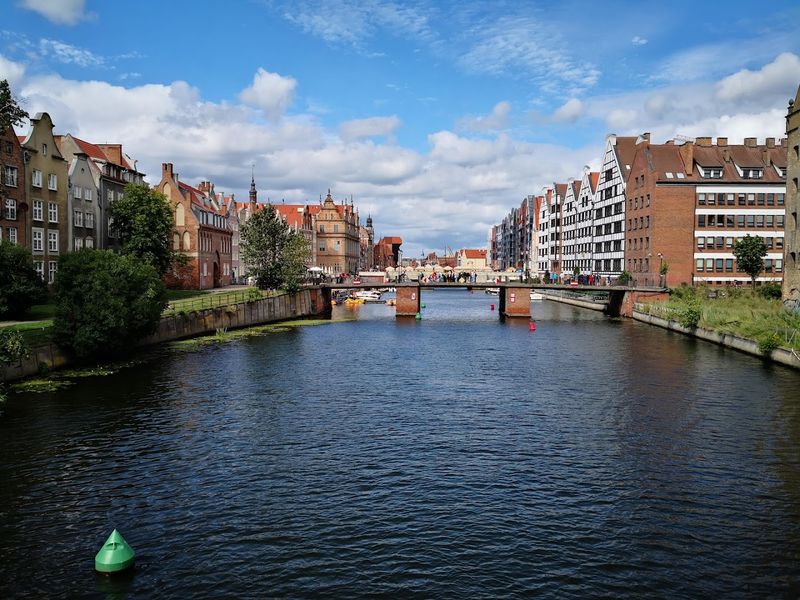
Poland’s Masurian Lake District is one of Central Europe’s best-kept secrets — and once you see it from above, you’ll wonder why it isn’t more famous. Over 2,000 lakes are packed into this northeastern region of Poland alone, earning it the nickname “Land of a Thousand Lakes,” though the actual count is double that.
The whole region looks like a mosaic of blue and green from the air.
These lakes were carved out by glaciers during the last Ice Age, and the landscape they left behind is perfect for sailing. The Masurian lakes are connected by rivers and canals, allowing boaters to sail for weeks without repeating the same stretch of water.
Every summer, hundreds of thousands of Polish vacationers arrive with sailboats, kayaks, and camping gear to explore this watery paradise.
Poland’s total lake count runs into the thousands when lakes across the country are included — particularly in the lake-rich Pomeranian region in the northwest. These lakes support biodiversity, provide drinking water, and anchor regional tourism economies.
The white-tailed eagle, Poland’s national bird, nests along many of these lakeshores. Poland may be better known for its history and architecture, but its lake-filled north is a landscape that genuinely rewards those who make the trip.
Canada’s Neighbor: Greenland (Denmark)
Greenland is playing a wild card in the global lake game, and climate change is dealing it a new hand every year. As part of the Kingdom of Denmark, Greenland isn’t an independent country — but its transformation into one of the fastest-growing lake regions on Earth makes it impossible to leave off this list.
Thousands of supraglacial lakes — lakes that form on top of the ice sheet — now appear every summer as temperatures rise.
These meltwater lakes are electric blue, almost unnaturally vivid, pooling on the surface of the Greenland Ice Sheet as surface ice melts under the summer sun. They can appear and drain within days, sometimes draining catastrophically through cracks in the ice and accelerating glacial flow toward the ocean.
Scientists study them intensely because they are a key indicator of how quickly Greenland’s ice is destabilizing.
Beyond the ice sheet, Greenland also has thousands of conventional lakes formed in rocky fjord landscapes as glaciers retreat and expose bare ground for the first time in thousands — sometimes tens of thousands — of years. New lakes are literally being born right now.
Greenland is a striking, sobering reminder that the world’s lake map is not fixed — it’s changing in real time, and the consequences reach far beyond the Arctic.
Share this story