Europe is home to some of the most breathtaking medieval cities in the world — places where ancient walls, cobbled streets, and centuries-old towers still stand tall. These cities feel like they were pulled straight from the pages of a fairytale, and visiting them is an experience unlike anything else.
From Germany’s perfectly preserved Bavarian towns to Malta’s whisper-quiet walled city, each destination has its own story to tell. If your bucket list needs a serious upgrade, these 15 medieval gems are exactly where to start.
Rothenburg ob der Tauber, Germany
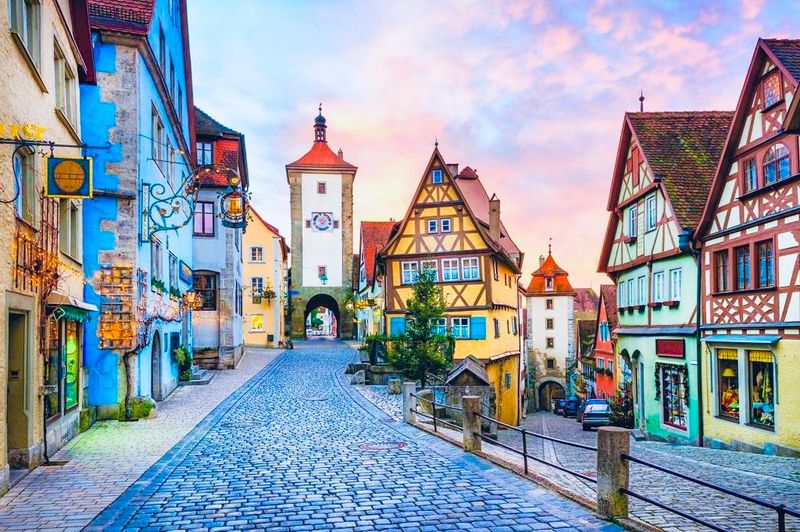
Step through the ancient gates of Rothenburg ob der Tauber, and you might genuinely wonder if someone slipped a time machine into your travel bag. This Bavarian town is widely considered the most perfectly preserved medieval settlement in all of Europe — and that title is not handed out lightly.
The intact city walls stretch nearly three kilometers, and you can walk along the top of them for sweeping views of terracotta rooftops and rolling countryside. The Market Square is anchored by centuries-old Gothic buildings that glow warmly in the afternoon sun.
Every alley feels deliberate, as if the town was designed specifically to make your jaw drop every few steps.
Rothenburg is especially magical during the Christmas market season, when lantern light flickers across snow-dusted cobblestones and the scent of mulled wine fills the air. Spring is equally lovely, with flowers spilling from window boxes along quiet lanes.
History lovers will enjoy the Medieval Crime and Justice Museum, which is as fascinating as it sounds — and maybe a little unsettling. Whether you are here for the architecture, the history, or simply the atmosphere, Rothenburg delivers a fairytale experience that feels completely genuine.
Český Krumlov, Czech Republic
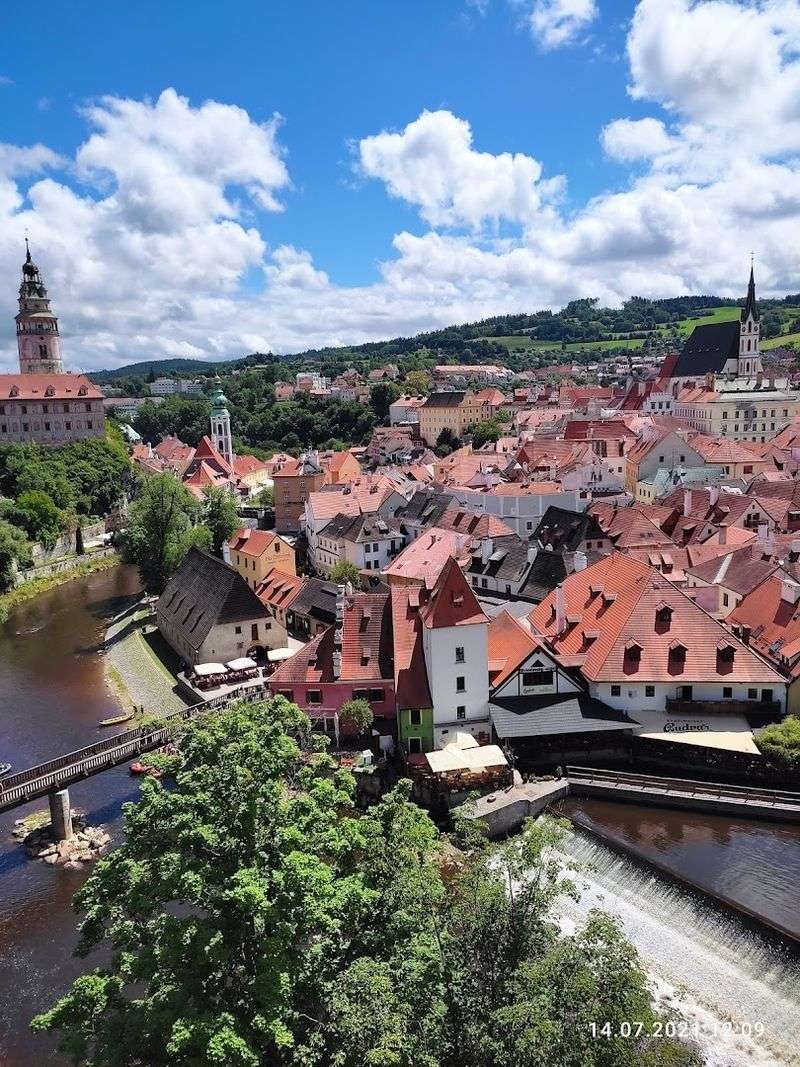
Wrapped inside a horseshoe bend of the Vltava River, Český Krumlov looks less like a real town and more like someone painted it from imagination. The 13th-century castle looming above the red rooftops is one of the largest castle complexes in Central Europe, and it is every bit as dramatic up close as it appears from a distance.
Inside the castle walls, you will find a rare Baroque theater that still hosts live performances — a detail that makes the whole place feel alive rather than frozen. The old town below is a maze of colorful facades, hidden courtyards, and stone bridges that invite you to wander without any particular plan.
Getting genuinely lost here is not a problem; it is actually the point.
The town has changed remarkably little over the centuries, which is exactly why UNESCO added it to their World Heritage list. Canoe trips along the Vltava are a popular way to see the town from a fresh angle, and the view of the castle from the river is unforgettable.
Fewer crowds than Prague, more charm than almost anywhere else — Český Krumlov is the kind of place that quietly becomes your favorite city in Europe.
Bruges, Belgium
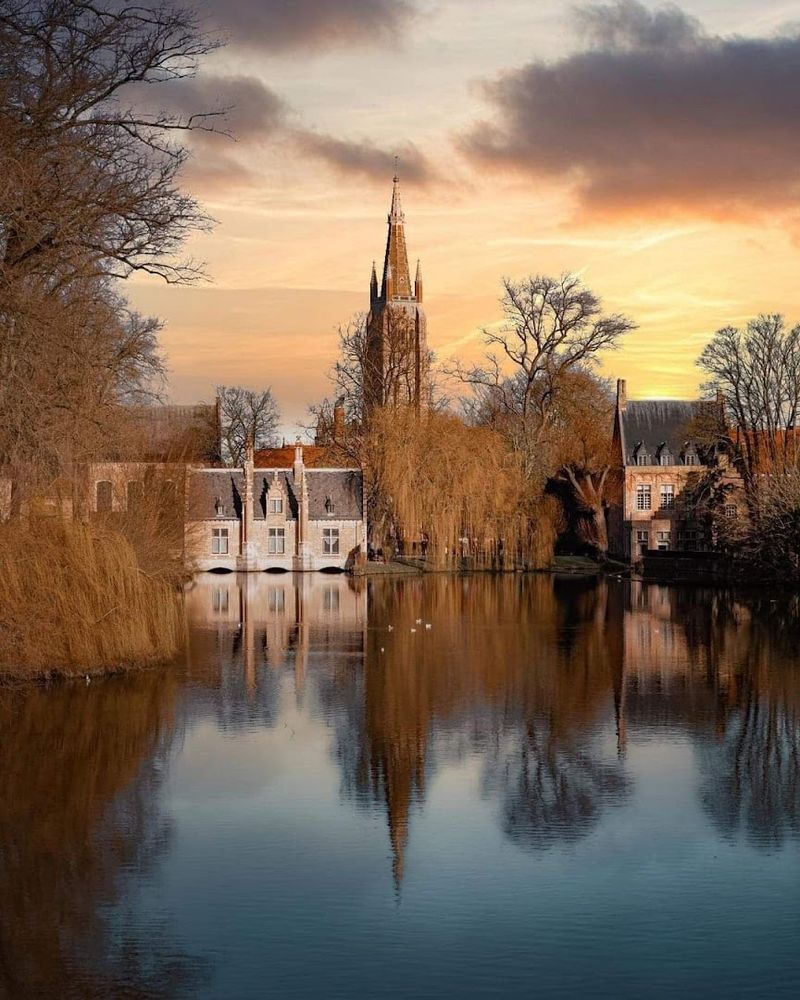
Canals so still they mirror the Gothic spires above them, horse-drawn carriages clip-clopping across cobblestones, and chocolate shops on literally every corner — welcome to Bruges, where medieval Europe never really left. The nickname “Venice of the North” gets thrown around a lot in travel writing, but in Bruges, it actually fits.
The historic center is remarkably intact, with guild houses, medieval churches, and winding waterways creating a setting that feels almost too beautiful to be real. Climbing the 366 steps of the Belfry tower rewards you with one of the best views in Belgium — a sweeping panorama of rooftops, church spires, and the flat Flemish countryside stretching to the horizon.
A quiet canal cruise is the best way to slow down and soak in the city from water level, where the reflections of stone bridges and ivy-draped walls create endlessly photogenic scenes. Spring is particularly stunning, when flowers line the canal banks and the city takes on a soft, golden quality.
Bruges also has a thriving food scene — the waffles, fries, and local beers are reason enough to visit on their own. It is a city that rewards those who wander slowly and resist the urge to rush.
Colmar, France
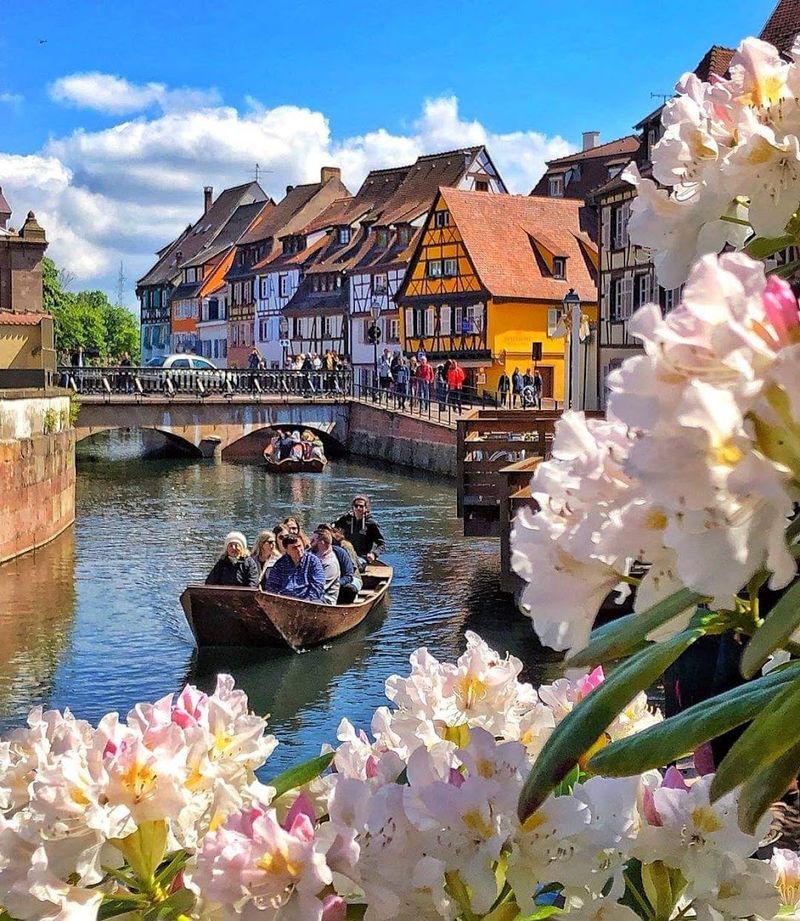
Colmar looks so perfectly charming that first-time visitors often stop mid-street just to confirm it is actually real. Tucked into the Alsace region of northeastern France, this town is a vivid patchwork of half-timbered houses painted in mustard yellow, salmon pink, and sky blue — colors that seem almost too cheerful to be centuries old.
The neighborhood known as Petite Venise — Little Venice — is the most photographed spot, where flower-draped buildings lean over narrow canals and wooden boats drift lazily past. But the magic extends well beyond that single postcard view.
The old town is packed with medieval lanes, Gothic churches, and Renaissance-era merchant houses that tell the story of a prosperous trading hub.
Colmar sits at the heart of the Alsatian wine route, so excellent Riesling and Gewürztraminer are never far away. The weekly markets are lively, fragrant, and loaded with regional cheeses, charcuterie, and pretzels the size of your head.
During the Christmas season, Colmar transforms into one of Europe’s most beloved holiday markets, with twinkling lights reflecting off the canals. The town manages to feel both intimate and lively — a rare combination that keeps visitors coming back year after year.
San Gimignano, Italy
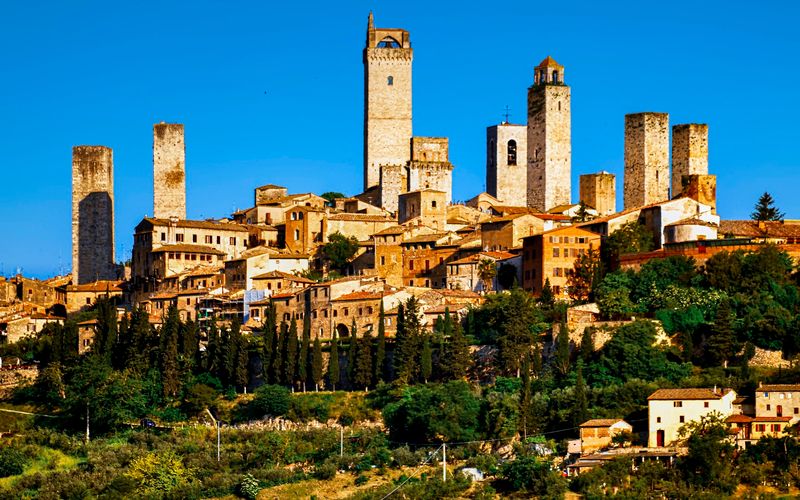
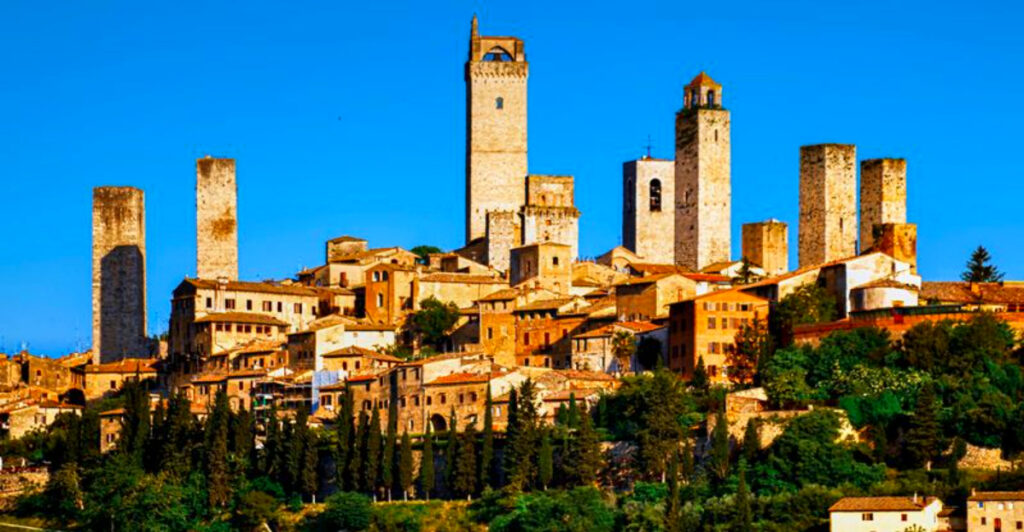
Fourteen medieval towers punching into the Tuscan sky — San Gimignano’s silhouette is one of the most recognizable in all of Italy, and arriving by road with that skyline growing larger in front of you is genuinely exciting. Once upon a time, over 70 towers stood here, built by wealthy rival families trying to literally out-height each other.
Medieval flex culture was very real.
Today, the 14 surviving towers give the town a dramatic, fortress-like quality that sets it apart from every other hilltop village in Tuscany. The stone streets are narrow and atmospheric, lined with artisan shops, trattorias, and gelato spots — including the award-winning Gelateria Dondoli, which has won the World Gelato Championship multiple times.
That alone makes the trip worthwhile.
Piazza della Cisterna, the main square, is paved with herringbone brickwork and surrounded by towers and medieval buildings that have barely changed in 700 years. The views from the top of Torre Grossa stretch across vineyards, olive groves, and the rolling hills of the Val d’Elsa.
San Gimignano is a UNESCO World Heritage Site, and it earns every bit of that recognition. Arrive early in the morning or late in the afternoon to experience it at its quietest and most atmospheric.
Carcassonne, France
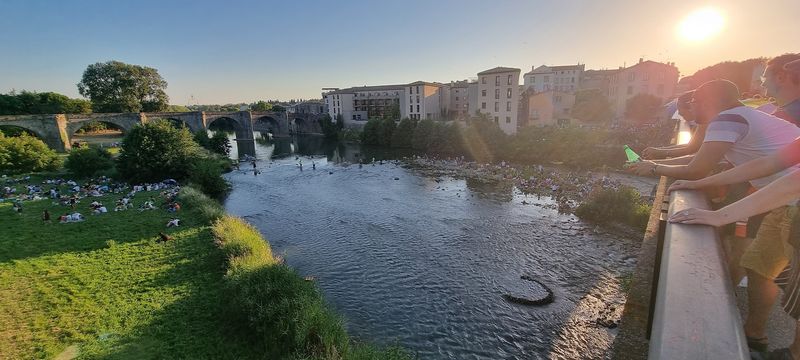
No other fortified city in Europe hits quite like Carcassonne. The moment those double walls and 52 towers come into view, rising above the flat plains of southern France, your brain immediately starts reaching for fantasy film references — and honestly, that reaction is completely justified.
Peter Jackson would have used this place if he had found it first.
The entire citadel is a UNESCO World Heritage Site, and it is the largest medieval fortress complex in Europe. Walking through the main gate feels less like tourism and more like crossing into a different century entirely.
The cobbled lanes inside the walls wind past Romanesque churches, a 12th-century castle, and towers you can climb for dramatic panoramic views.
Carcassonne is particularly spectacular at night, when the walls are illuminated and the city glows against the dark southern sky. The lower town across the Aude River offers a quieter, more local experience with excellent restaurants serving cassoulet — the hearty bean-and-meat stew that is the region’s most famous dish and absolutely worth every calorie.
The city hosts a spectacular fireworks display every July 14th that draws visitors from across Europe. Big, bold, and completely unforgettable, Carcassonne belongs near the top of any medieval travel list.
Tallinn, Estonia
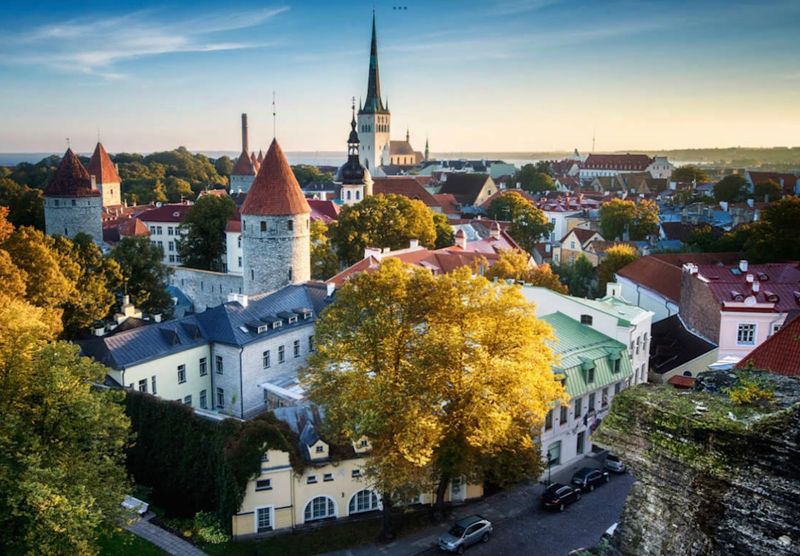
Cold Baltic air, Gothic church spires, and cobblestone streets worn smooth by 800 years of foot traffic — Tallinn’s Old Town is one of those places that grabs you immediately and refuses to let go. It is arguably the best-preserved medieval city center in Northern Europe, and it wears that distinction with quiet confidence.
The city is divided into two distinct medieval layers: the upper town of Toompea Hill, where the nobility once lived, and the lower merchant town below, where the real trading action happened. Both areas are connected by steep, winding lanes and offer completely different atmospheres within the same ancient walls.
Town Hall Square at the center of the lower town is surrounded by Gothic and Renaissance buildings that date back to the 13th and 14th centuries.
Tallinn also has a surprisingly vibrant food and craft beer scene tucked inside its medieval bones — cozy cellar restaurants serving elk stew and black bread sit just steps from towers that once defended against Viking raids. The city walls are largely intact, and several towers can be explored from the inside.
Tallinn tends to be overshadowed by other European capitals, which means fewer crowds and more room to actually enjoy it. That is a genuine advantage worth celebrating.
Óbidos, Portugal
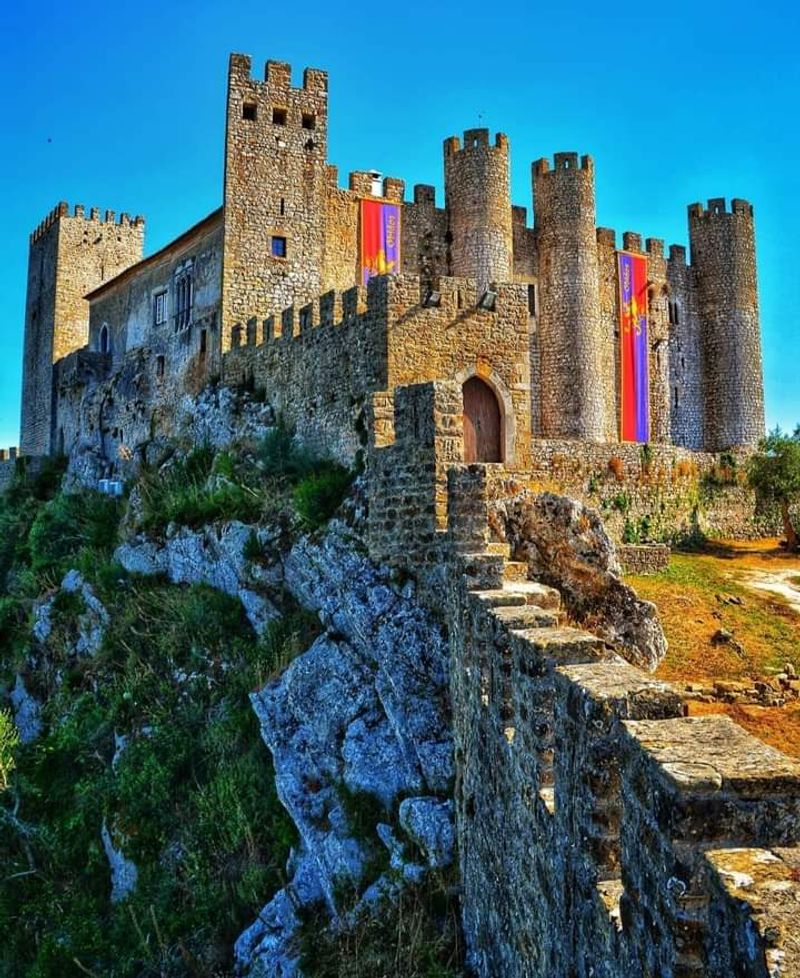
Óbidos is the kind of town that makes you want to move there immediately, consequences be damned. Entirely enclosed within ancient Moorish-built walls, this tiny Portuguese gem sits about an hour north of Lisbon and packs more charm per square meter than almost anywhere else on the Iberian Peninsula.
The streets inside the walls are narrow, whitewashed, and draped in bougainvillea so aggressively purple it almost looks fake. The main street, Rua Direita, is lined with pottery shops, bookstores, and cafés serving ginjinha — the local cherry liqueur that traditionally comes served in a tiny chocolate cup you eat after drinking.
That combination alone deserves a mention in every travel guide ever written.
Walking along the top of the town walls is one of the highlights, offering views of terracotta rooftops, the surrounding farmland, and the distant glimmer of the Atlantic. The medieval castle at the far end of town has been converted into a luxurious pousada — a government-run heritage hotel — where you can actually sleep inside a 12th-century fortress. Óbidos is small enough to explore in a day but special enough to deserve much longer.
It is the kind of place that quietly becomes the highlight of an entire Portugal trip.
Sighișoara, Romania
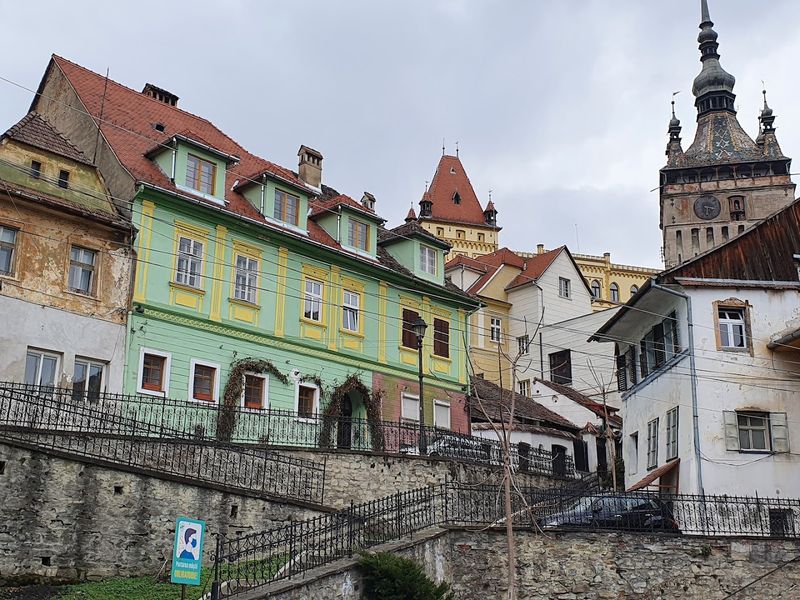
Here is a fun fact that immediately sets Sighișoara apart from every other medieval city on this list: it is the birthplace of Vlad the Impaler, the real historical figure who inspired Bram Stoker’s Dracula. You can actually visit the house where he was born, which is now a restaurant — because Romanians have a wonderful sense of humor about their history.
Beyond the Dracula connection, Sighișoara is one of the most authentic and atmospheric medieval citadels in Europe. The hilltop upper town is a UNESCO World Heritage Site, with pastel-colored merchant houses, Gothic churches, and a 64-meter clock tower that has been keeping time since the 14th century.
The cobblestone lanes are steep, uneven, and absolutely perfect.
What makes Sighișoara genuinely special is how lived-in it feels. Families still live inside the citadel walls, children play in the squares, and local life carries on around the tourists rather than being replaced by them.
The covered wooden staircase — 175 steps leading to the hilltop church — is a memorable climb with rewarding views at the top. Romania is often skipped on European itineraries, which means Sighișoara remains refreshingly uncrowded.
That is a rare gift in a continent full of increasingly busy destinations.
Dubrovnik, Croatia
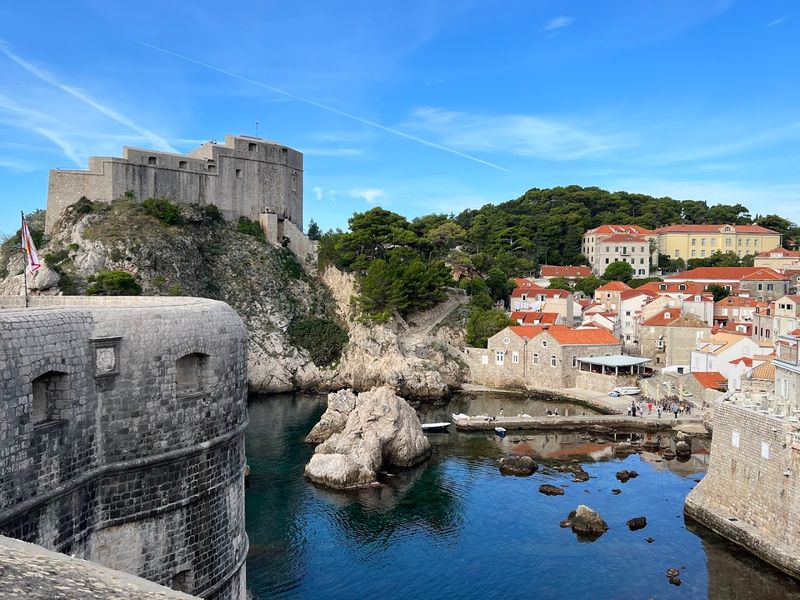
Perched above the impossibly blue Adriatic Sea, Dubrovnik operates at a level of scenic drama that most cities can only dream about. The limestone walls encircling the Old Town are among the best-preserved medieval fortifications in the world, and walking the full two-kilometer circuit along the top of them is one of the most breathtaking experiences Europe offers.
The city was a powerful independent republic for centuries, known as Ragusa, and its wealth is still visible in the grand stone architecture of the old town. The main pedestrian street, Stradun, is polished to a mirror shine by centuries of foot traffic and lined with Baroque churches, cafés, and shops.
Game of Thrones fans will recognize plenty of filming locations here — the show used Dubrovnik extensively as a stand-in for King’s Landing.
The best strategy for enjoying Dubrovnik is to arrive early in the morning before the cruise ship crowds descend, or to visit in spring or autumn when the summer heat and peak tourism have both eased. Cable car rides up Mount Srđ offer jaw-dropping aerial views of the walled city against the sea.
Kayaking around the outside of the walls at sunset is another experience that is difficult to top. Dubrovnik is busy for very good reason.
York, England
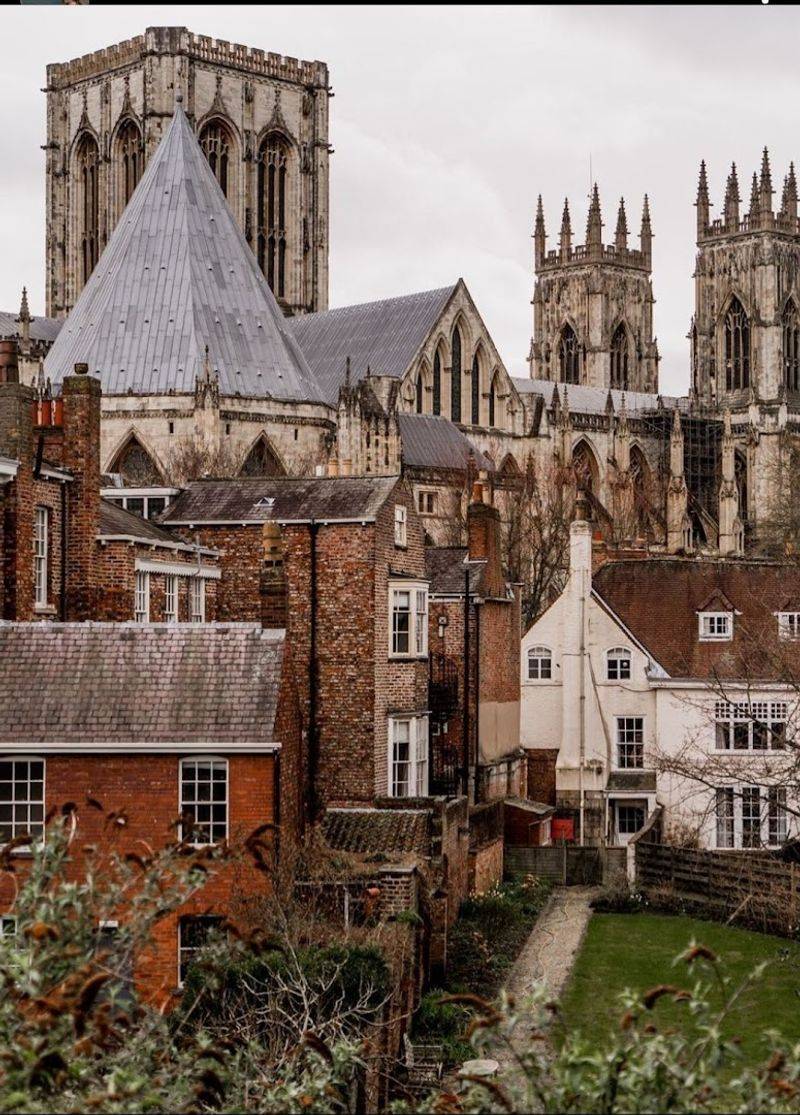
York has been continuously inhabited for over 2,000 years, which means its history is layered like the world’s most interesting lasagna — Romans at the bottom, Vikings in the middle, and medieval English on top. The result is a city that rewards curious visitors at every turn, with something genuinely surprising hiding around nearly every corner.
The Shambles is the most famous street, a narrow, crooked lane of overhanging timber-framed buildings so old that the upper floors nearly touch across the alley. It was originally a butchers’ row in the medieval period, and today it is filled with independent shops and cafés that lean just as charmingly as the buildings above them.
York Minster, the enormous Gothic cathedral at the city’s heart, took 250 years to build and contains the largest collection of medieval stained glass in the world.
The city walls are largely intact and offer a free, scenic walk with views over rooftops and gardens. York also has an exceptional Viking museum called the JORVIK Viking Centre, where you can experience a reconstruction of 10th-century Viking York — complete with smells, which is either a great idea or a very bold one.
York manages to be historically rich, visually stunning, and genuinely fun all at once.
Ghent, Belgium
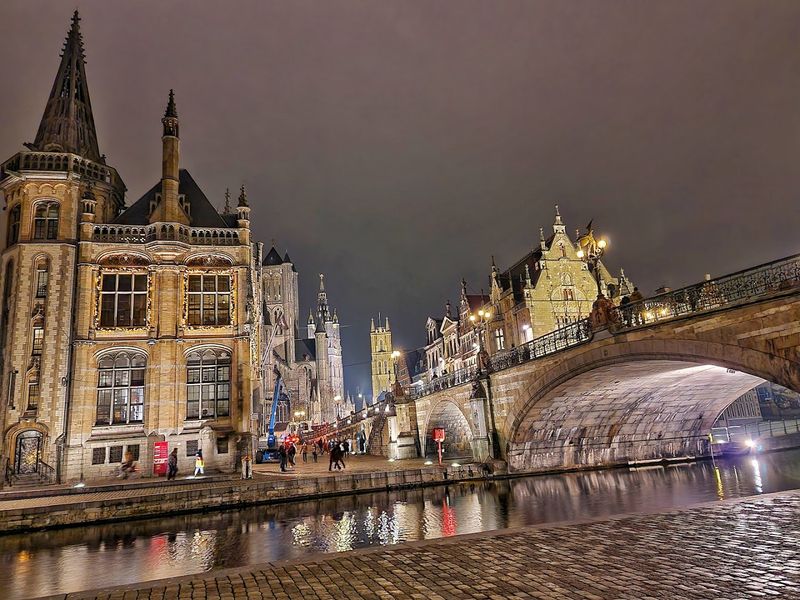
Ghent at night is something else entirely. When the medieval guild houses along the Graslei waterfront light up and their reflections shimmer across the canal below, the city transforms into a scene that genuinely stops people mid-stride.
It is one of the most dramatic urban night views in Europe, and it is completely free to enjoy from the riverbank.
During the day, Ghent reveals itself as a city with serious medieval credentials. The Gravensteen — a 12th-century stone castle sitting right in the middle of the city — looks like it was dropped there from a completely different era, which is essentially what happened.
St. Bavo’s Cathedral houses the Van Eyck altarpiece, one of the most important paintings in Western art history, and seeing it up close is a genuinely moving experience.
Ghent is often described as a quieter alternative to Bruges, and while that comparison is fair, it undersells what Ghent actually offers. The city has a lively university population that keeps the bar scene, food culture, and general energy feeling current and vibrant rather than purely touristy.
The combination of medieval architecture and modern city life gives Ghent a personality that is entirely its own. It is a city that rewards visitors who were smart enough to look beyond the obvious choices.
Rhodes Old Town, Greece
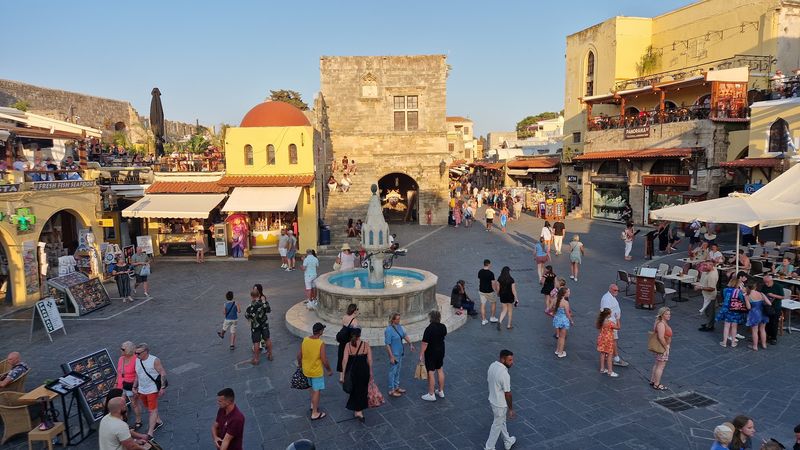
Rhodes Old Town holds a record that very few medieval cities can match: it is one of the largest and best-preserved medieval walled cities in the entire world. The fortifications stretch for four kilometers, enclosing a dense labyrinth of Byzantine churches, Ottoman mosques, Jewish synagogues, and knightly palaces — a layered history that reflects centuries of different rulers leaving their mark.
The Street of the Knights is the most striking thoroughfare, a perfectly preserved medieval lane lined with the inns of the Knights Hospitaller, each built in the architectural style of their home country. Walking its length feels like a slow, quiet history lesson delivered entirely through stone.
The Palace of the Grand Master at the top of the street is enormous and surprisingly well-restored, with mosaic floors salvaged from the nearby island of Kos.
What makes Rhodes genuinely unique among medieval cities is the warmth — both the Mediterranean sunshine and the cultural mix baked into every corner of the old town. Turkish baths, Byzantine churches, and Gothic arches all coexist within the same ancient walls.
The old town is also a living neighborhood, with restaurants, shops, and guesthouses operating inside the fortifications. Visiting in spring or early autumn means warm weather without the intense summer crowds.
Rhodes is a destination that consistently exceeds expectations.
Bamberg, Germany
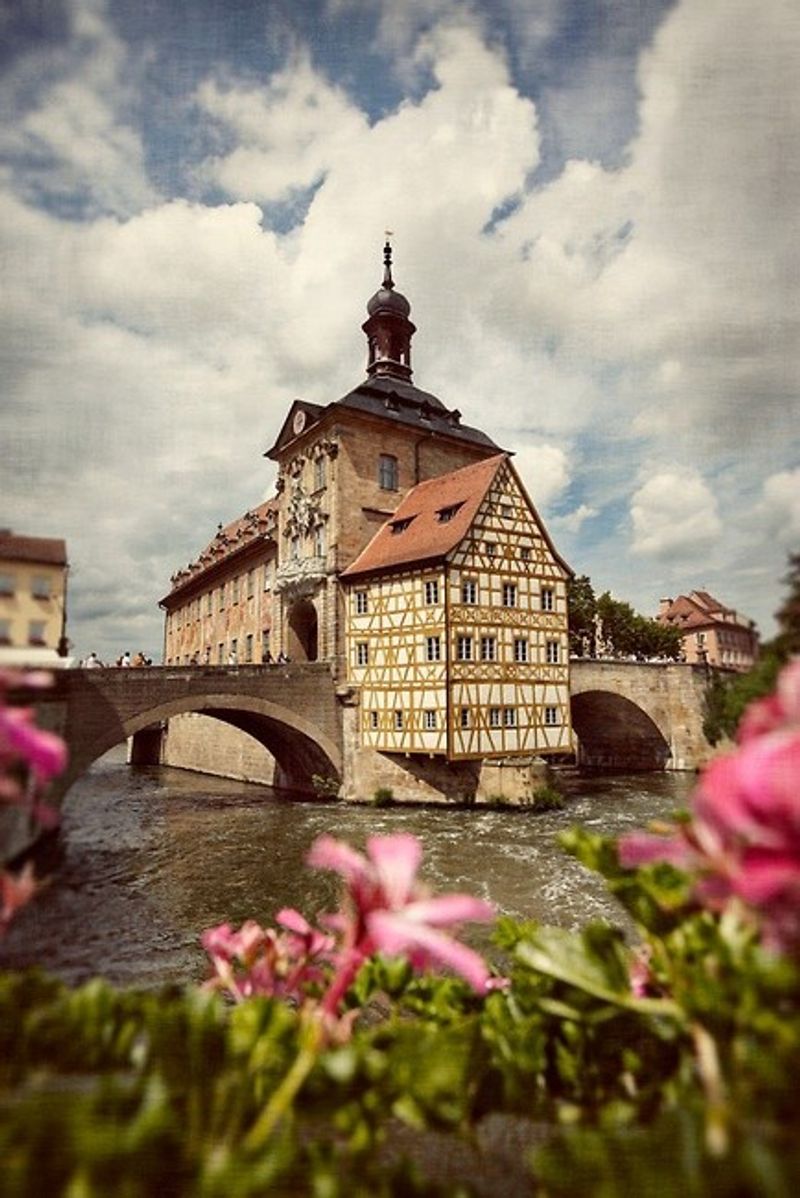
Bamberg survived World War II almost entirely intact, which makes it something of a miracle among German cities and explains why its medieval core looks so remarkably complete today. The entire old town is a UNESCO World Heritage Site, and strolling through it feels like wandering a living architectural museum — except far more pleasant and with significantly better beer.
The city is built across seven hills, mirroring the layout of Rome, and each hill offers a slightly different perspective on the cathedral, the river, and the surrounding rooftops. Bamberg Cathedral, a magnificent Romanesque-Gothic structure, dominates the skyline and houses the famous equestrian statue of the Bamberg Rider — one of the most celebrated medieval sculptures in Germany.
The Old Town Hall, built directly on a bridge over the Regnitz River, is one of the most photographed buildings in Bavaria.
Bamberg is also the smoky beer capital of the world, with a regional specialty called Rauchbier — smoked beer — brewed using malts dried over open beechwood flames. It tastes exactly as interesting as it sounds.
The city has more breweries per capita than almost anywhere else in Germany, which is saying something in a country that takes brewing extremely seriously. Bamberg is one of Germany’s most rewarding hidden gems, beloved by those who find it and baffling to those who have not yet made the trip.
Mdina, Malta
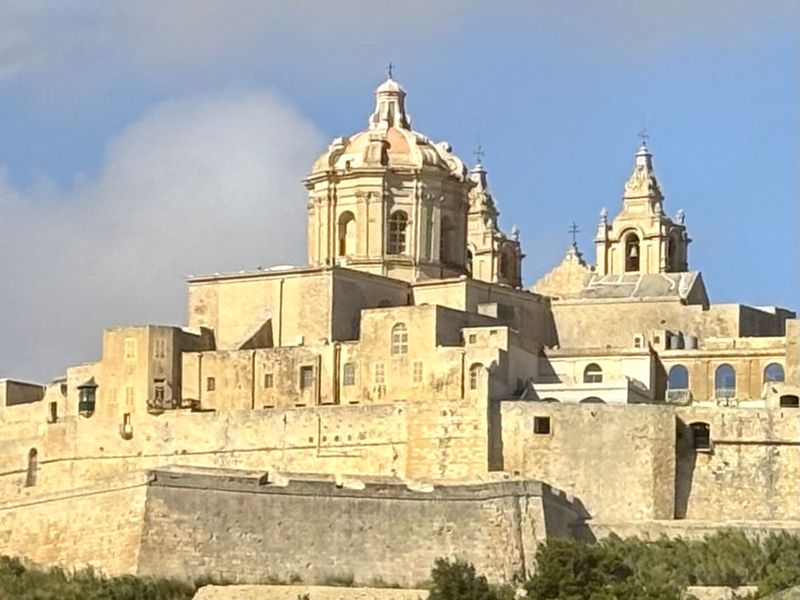
They call Mdina the Silent City, and the name earns its reputation the moment you pass through the main gate. Cars are banned inside the walls — except for residents — which means the loudest sounds you are likely to hear are your own footsteps on ancient limestone and the distant toll of a church bell.
After the noise of modern travel, that silence feels almost sacred.
Mdina served as Malta’s capital for centuries, and the architecture reflects its long and layered history — Moorish street patterns, Norman fortifications, and Baroque palaces all compressed into a small hilltop walled city. The golden limestone used throughout the city glows in the late afternoon sun, shifting from honey-colored to deep amber as the light changes.
It is the kind of place that photographers obsess over for very good reason.
The views from the bastions are extraordinary — on clear days, you can see across the entire island of Malta and out to the Mediterranean beyond. Mdina’s population is just a few hundred people, making it one of the smallest inhabited medieval cities in Europe.
The Palazzo Falson, a beautifully restored Norman house, offers a fascinating glimpse into aristocratic Maltese life across the centuries. Mdina rewards slow, quiet exploration — rush it and you will miss everything that makes it extraordinary.
Share this story