Venice is breathtaking, but its sky-high prices and shoulder-to-shoulder crowds can turn a dream trip into a stressful one. The good news?
Europe is packed with stunning canal cities, waterfront towns, and island villages that deliver all the romance and charm of Venice — without draining your bank account. From hidden Italian gems to colorful Dutch villages, these 15 destinations prove you don’t need to spend a fortune to find magic on the water.
Giethoorn, Netherlands
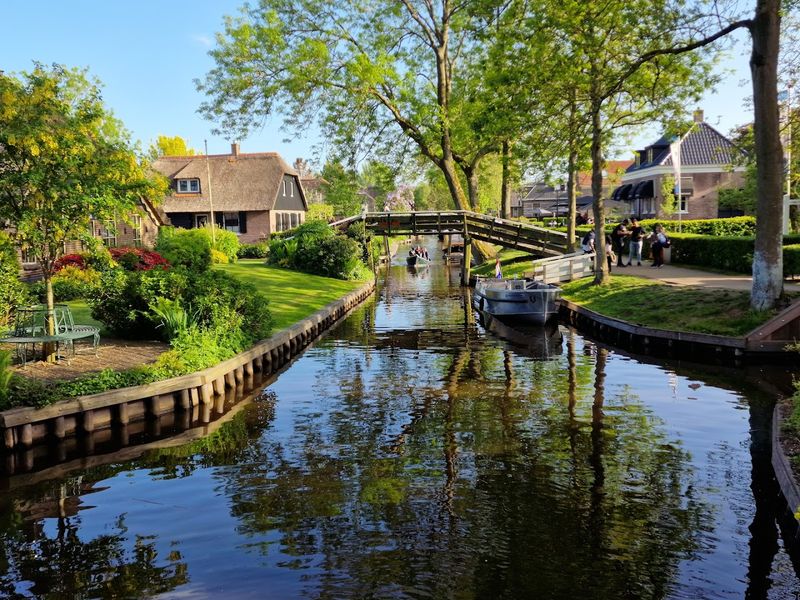
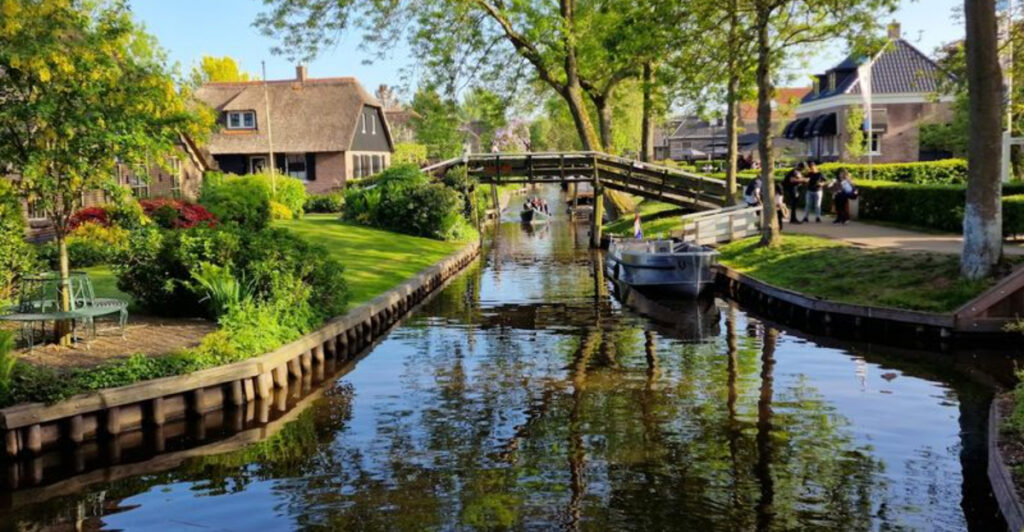
No roads, no noise, no stress — just the gentle splash of water and birdsong filling the air. Giethoorn is one of those rare places that feels like it was plucked straight from a storybook and dropped into the Dutch countryside.
The historic center is completely car-free, meaning the only way to get around is by boat, on foot, or by bicycle along quiet garden paths.
Visitors rent small electric boats and drift through over 170 canals at their own pace, passing flower-filled gardens and centuries-old thatched-roof farmhouses. There are no tour guides barking instructions, no gondoliers charging a premium — just pure, unhurried exploration.
Boat rentals are genuinely affordable, and most visitors are surprised by how little it costs to spend a full day on the water.
The village has a handful of cozy restaurants and cafes where a hearty Dutch meal won’t set you back much. Spring and early summer are the most beautiful times to visit, when the gardens are in full bloom.
Giethoorn may be small, but it punches way above its weight when it comes to charm, tranquility, and sheer visual beauty.
Annecy, France
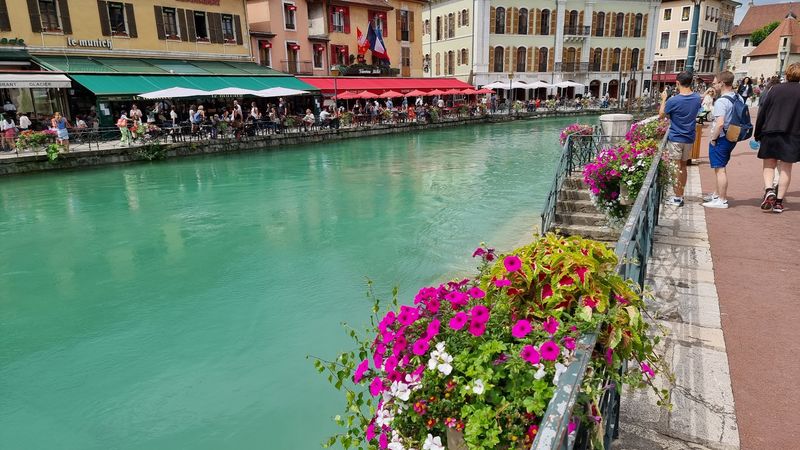
Turquoise water so clear you can see the bottom — that’s the first thing most visitors notice about Annecy, and it sets the tone for everything else. Nestled at the foot of the French Alps, this town blends mountain drama with canal-side romance in a way that feels almost unfair to other destinations.
The old town’s pastel facades, arched walkways, and flower-draped bridges look like a painting come to life.
Canal boat rides here are a fraction of Venice’s gondola prices, and the lakeside promenade is completely free to enjoy. Couples, photographers, and solo travelers all find something to love — whether it’s a slow coffee on a canal-side terrace or a sunrise walk along the water before the crowds arrive.
The weekly market is also worth planning your trip around, offering local cheeses, meats, and fresh flowers.
Accommodation ranges from budget hostels to charming boutique hotels, giving travelers plenty of options. Annecy is easy to reach by train from Paris or Geneva, making it a convenient add-on to a bigger European trip.
The combination of Alpine scenery and waterway charm makes it genuinely hard to leave without booking a return visit.
Bruges, Belgium
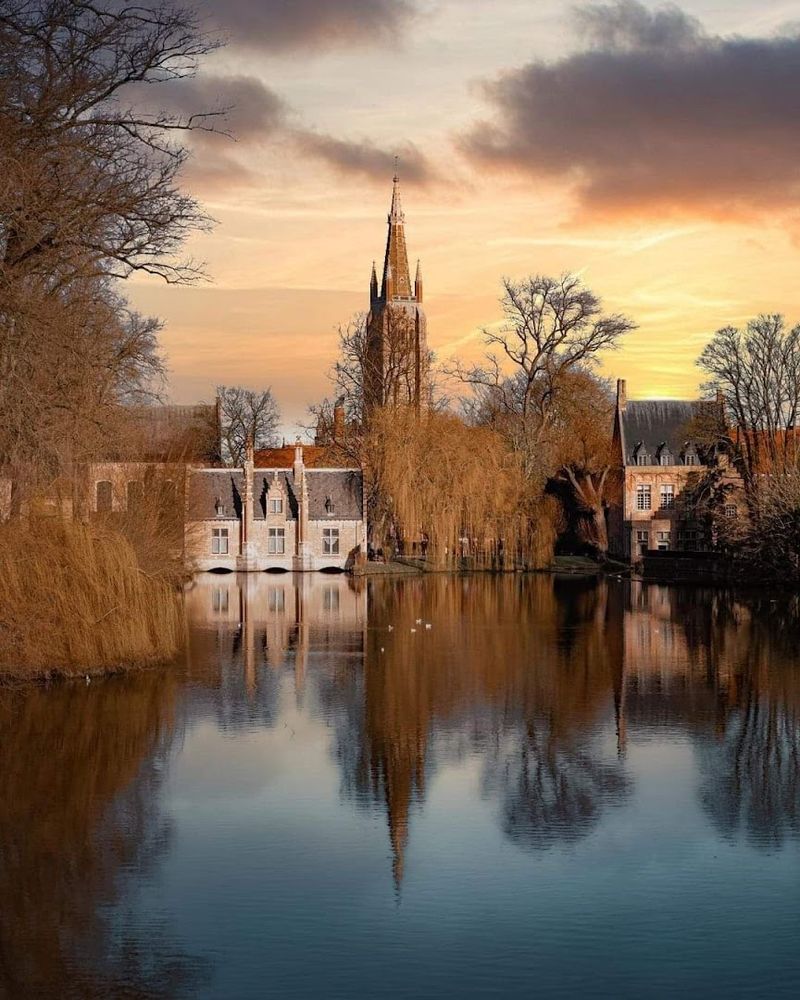
Bruges is the kind of place where you turn a corner and immediately reach for your camera. Its medieval canal network winds through one of the best-preserved historic city centers in all of Europe, earning it a UNESCO World Heritage designation that it absolutely deserves.
Horse-drawn carriages, chocolate shops, and Gothic spires complete a scene that somehow manages to feel timeless rather than touristy.
Canal boat tours run regularly and cost far less than Venice’s famous gondola rides, giving you stunning views of centuries-old guild houses and hidden gardens from the water. The city is compact and very walkable, so you can easily cover most highlights in a weekend without burning through your budget.
Visiting in the off-season — late autumn or winter — cuts accommodation prices dramatically and adds a moody, atmospheric quality to the canals.
Belgian food is another massive win here. A bowl of steaming mussels and fries at a canal-side restaurant costs a reasonable amount, and the local beer scene is legendary.
Bruges tends to get busy during summer weekends, so an early morning stroll before the tour groups arrive is the insider move for experiencing the city at its most magical.
Aveiro, Portugal
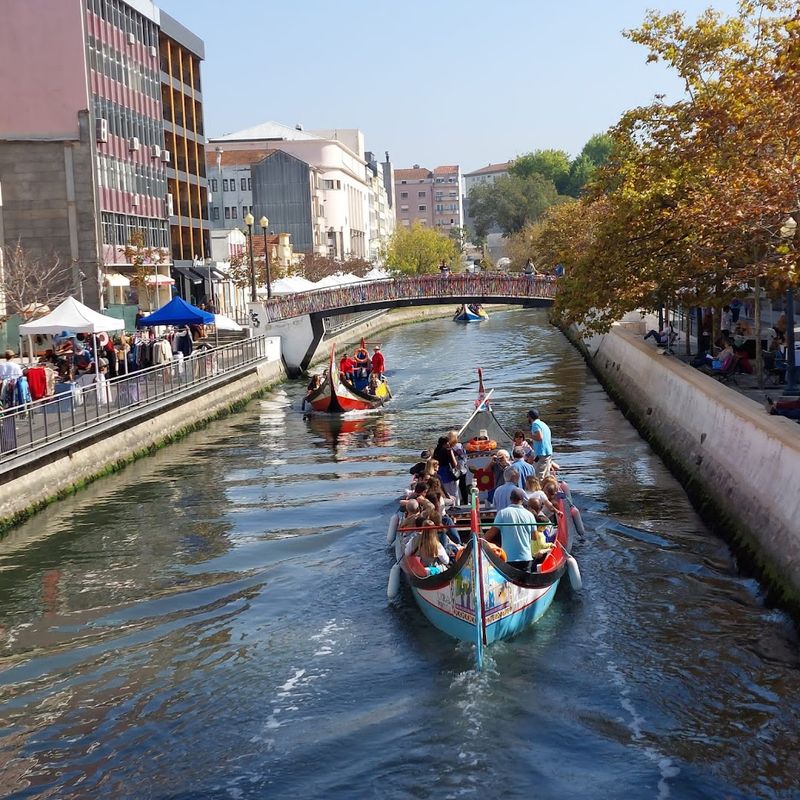
Painted boats with hand-illustrated panels gliding along wide, peaceful canals — welcome to Aveiro, Portugal’s answer to Venice, and honestly, a strong contender. The moliceiro boats are the city’s most iconic feature, traditionally used to harvest seaweed from the lagoon and now serving as one of the most charming and affordable canal tours in Europe.
A full boat ride costs a small fraction of what a Venetian gondola would set you back.
The city’s architecture has a delightful Art Nouveau streak, with ornate facades and colorful tilework decorating buildings along the waterfront. Nearby beaches like Costa Nova are just a short bus ride away, making Aveiro an easy base for a coastal day trip.
The combination of canals, ocean, and city life in one compact area is genuinely rare.
Food lovers will be thrilled to know that Aveiro is famous for ovos moles — sweet egg-yolk pastries shaped like shells and fish that are sold in almost every bakery in town. Seafood restaurants along the canal offer fresh catches at prices that feel almost too good to be true.
Portugal is already one of Europe’s most affordable destinations, and Aveiro proves that budget travel and beauty are not mutually exclusive.
Chioggia, Italy
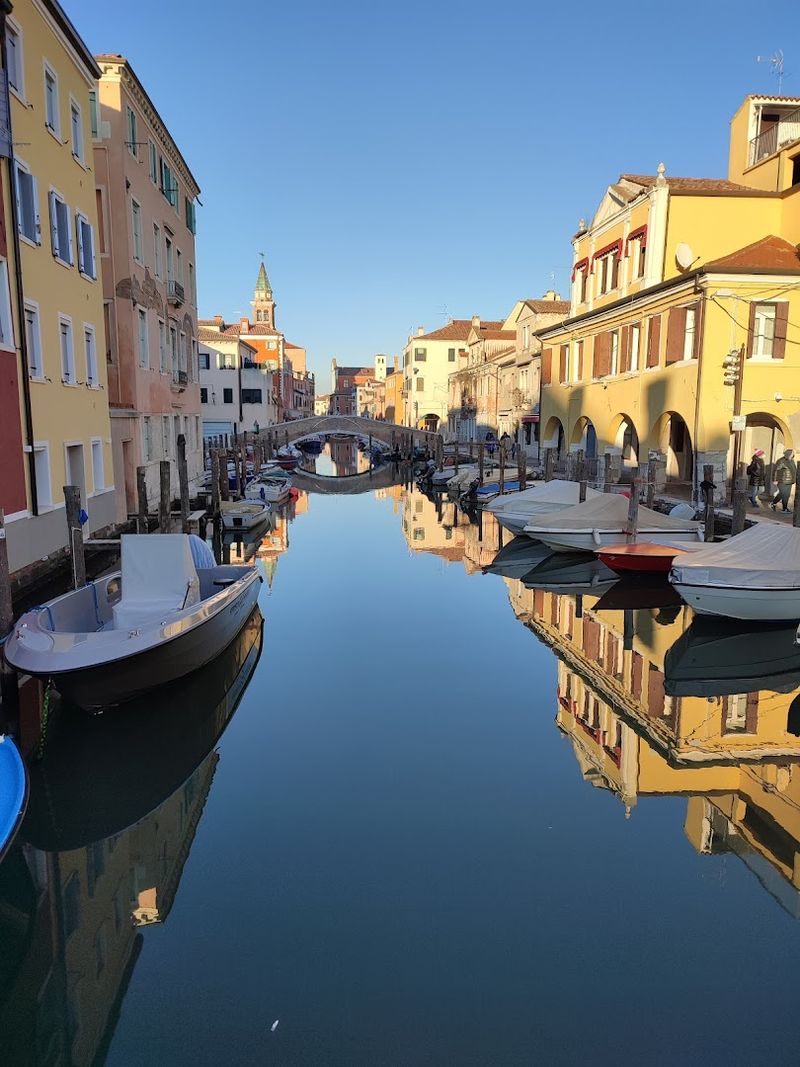
Just a short boat ride south of Venice lies a town that most tourists completely skip — and that’s exactly what makes it so special. Chioggia shares Venice’s DNA: canals, colorful buildings, fresh seafood, and that unmistakable salt-air atmosphere.
But where Venice can feel like a crowded theme park in peak season, Chioggia feels like real Italian life is still happening all around you.
Fishermen unload their morning catch at the harbor while locals argue cheerfully over espresso at the bar. The fish market here is one of the most vibrant in the Veneto region, and picking up fresh seafood to cook or eat at a waterfront trattoria is a genuine pleasure.
Prices for food and accommodation are noticeably lower than in Venice, even though the scenery is remarkably similar.
The main canal, Canale della Vena, runs through the heart of town and is lined with colorful boats and centuries-old buildings. Bridges span the water at regular intervals, giving you constantly changing views as you wander.
Chioggia doesn’t have Venice’s grand palaces, but it has something arguably more valuable: authenticity. This is a working Italian town that happens to be beautiful, not a museum charging admission for the privilege.
Comacchio, Italy
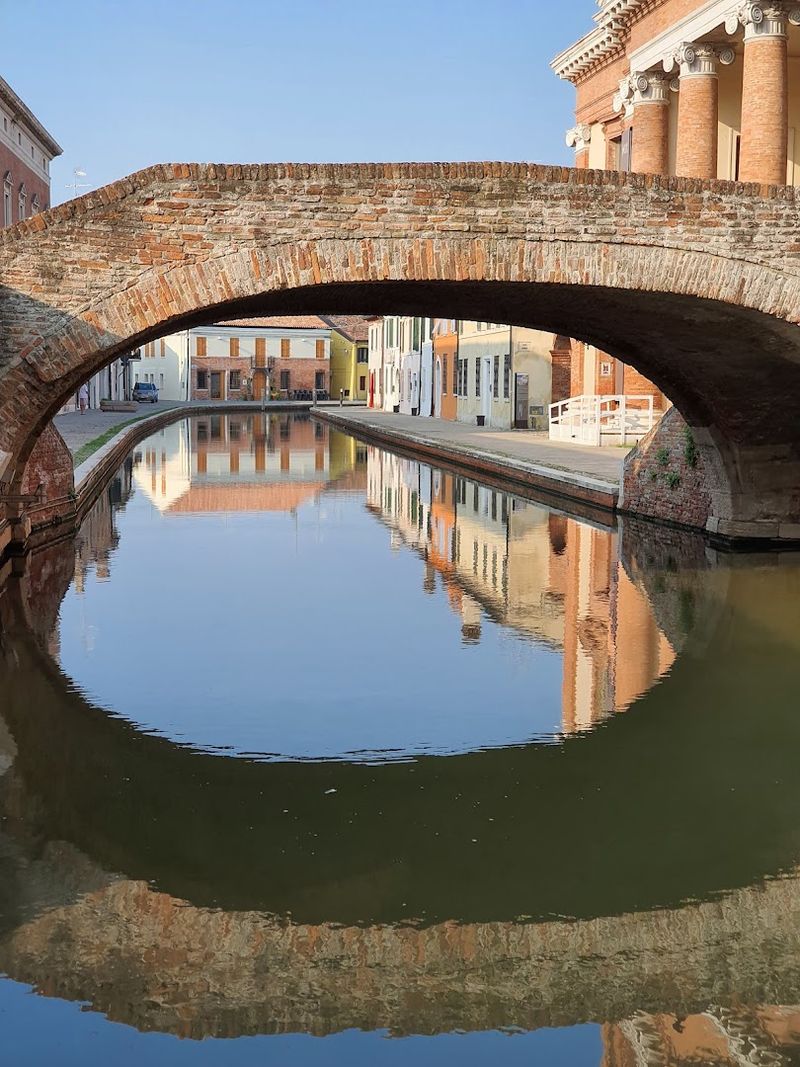
Some places feel like the rest of the world simply forgot to find them — Comacchio is one of those places. Built on a cluster of small islands in the Po Delta, this little-known Italian town has canals, arched bridges, and colorful buildings that rival Venice in charm while attracting only a tiny fraction of the visitors.
The silence here is almost disorienting at first, especially if you’ve just come from a busier Italian city.
The town’s most famous landmark is the Trepponti bridge, a striking five-arched structure from the 17th century that connects several canals at once and makes for an extraordinary photograph. Walking across it at sunset, with the water glowing orange and pink below, is one of those travel moments you don’t forget.
The surrounding Po Delta is a protected natural area, popular with birdwatchers and cyclists who explore the flat, scenic landscape by bike.
Comacchio is also famous for its eel, a local delicacy that has been harvested from the lagoon for centuries and prepared in ways that might surprise adventurous eaters. Restaurants here are small, local, and wonderfully affordable.
If you want to experience Venice-like scenery without a single tour bus in sight, Comacchio is your answer.
Amsterdam, Netherlands
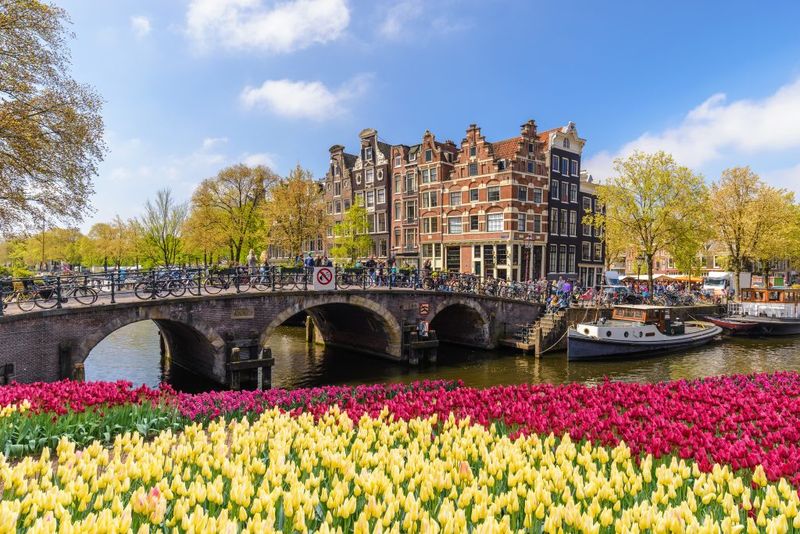
Here’s a fun fact that surprises almost everyone: Amsterdam has roughly 165 canals totaling over 100 kilometers — making it one of the most canal-dense cities in the world, easily outpacing Venice. The city’s famous canal ring, dug in the 17th century during the Dutch Golden Age, is a UNESCO World Heritage Site and one of the most photographed urban landscapes on the planet.
Tall, narrow townhouses lean slightly forward over the water, giving the whole city a wonderfully crooked, lived-in look.
Budget travelers will find far more options here than in Venice. There are affordable hostels, budget hotels, and a wide range of cheap eats from street-side herring stands to Indonesian rice tables that cost almost nothing.
Public transport is excellent, and many of the best experiences — cycling along canals, exploring the Jordaan neighborhood, or sitting by the water with a stroopwafel — are completely free.
Canal boat tours run throughout the day and evening, offering a relaxed way to see the city from the water. Evening cruises with a glass of local beer in hand are particularly atmospheric.
Amsterdam is lively, diverse, and endlessly interesting — a water city that earns its reputation every single day without requiring you to take out a second mortgage to enjoy it.
Colmar, France
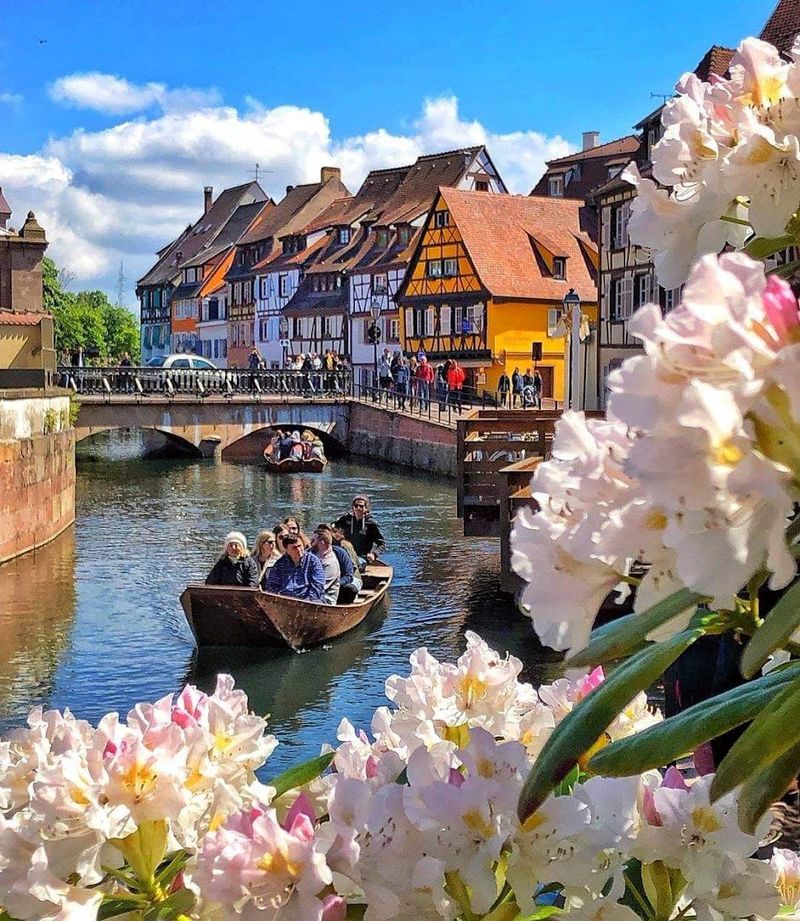
Colmar looks like someone took a medieval fairy tale and turned it into a real town — the half-timbered houses painted in candy colors, the flower boxes bursting with geraniums, and the narrow canal winding through the Little Venice quarter all combine into something almost surreal. Located in the Alsace region of northeastern France, Colmar is one of the most visually striking small cities in all of Europe, and most people don’t even know it exists.
The Little Venice district, known locally as La Petite Venise, is the postcard-perfect heart of the city, where you can take a short punt boat ride along the canal for a very reasonable price. Spring is the best time to visit, when the flowers are in full bloom and the colors are at their most vivid.
Summer evenings bring outdoor dining and a relaxed, festive atmosphere to the canal-side restaurants.
Colmar is also a brilliant base for exploring the Alsace Wine Route, where rolling vineyards and hilltop castles are just a short drive away. Local food — tarte flambée, choucroute, and Alsatian wine — is hearty, delicious, and reasonably priced.
For a destination this beautiful, Colmar remains surprisingly under the radar, which means you can still enjoy it without fighting through enormous crowds.
Treviso, Italy
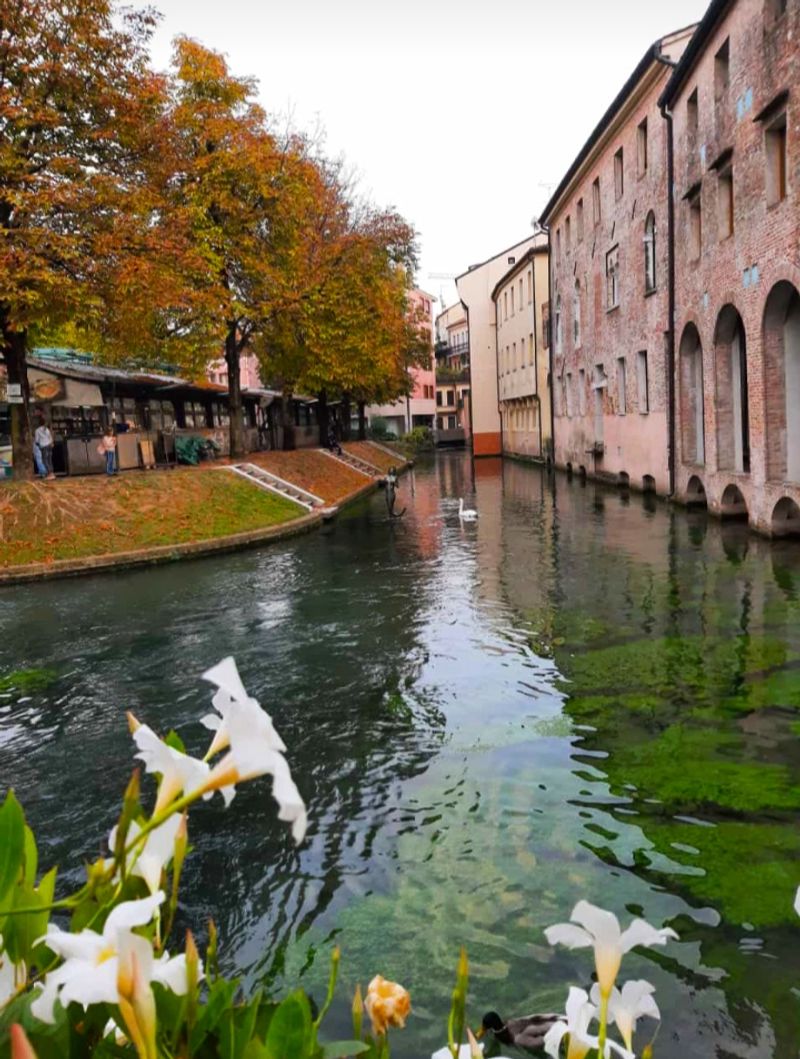
Treviso is the open secret that Venetians have been keeping to themselves for years. Just 30 kilometers north of Venice, this compact medieval city has its own network of canals, ancient city walls, and fresco-decorated buildings — but at prices that feel like a completely different country.
Many Venetians actually commute to Treviso for cheaper groceries, meals, and everyday life, which tells you everything you need to know.
The canals here are shallow and clear, fed by the Sile River, and you can spot fish swimming lazily in the current as you walk along the stone-paved banks. The covered fish market, built on an island in the middle of a canal, is one of the most charming spots in the city and a must-visit on weekend mornings.
Locals gather there not just to shop but to chat, argue, and drink a morning spritz before the day gets going.
Treviso is also the birthplace of tiramisu, which means dessert here carries extra historical weight — and extra deliciousness. The food scene is excellent and unpretentious, with osterie and trattorias serving honest Venetian cooking at honest prices.
If you want to experience northern Italy the way Italians actually live it, Treviso is the place to be.
Stockholm, Sweden
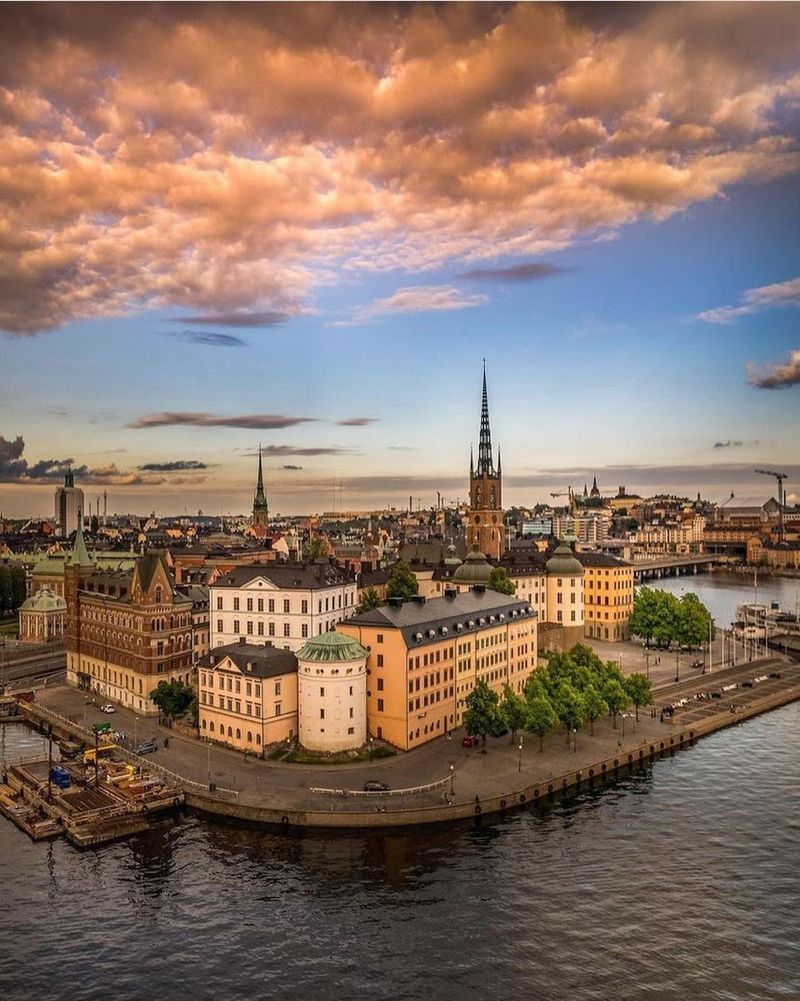
Stockholm was built on fourteen islands, which means water isn’t just a backdrop here — it’s the actual foundation of the city. The old town, Gamla Stan, sits on its own island and is one of the best-preserved medieval city centers in Northern Europe, with cobblestone lanes, ochre-painted buildings, and views of open water in nearly every direction.
It has a completely different energy from Venice, but that water-city magic is absolutely present.
Boat tours depart regularly from the city center and range from short harbor cruises to multi-hour trips through the Stockholm Archipelago, one of the most spectacular island chains in the world. Budget travelers can also hop on public ferry lines, which cost the same as a bus ticket and give you stunning water views for free.
The city’s transit system is excellent and affordable, making it easy to get around without taxis.
Stockholm is admittedly not the cheapest city in Europe, but it offers far better value than Venice when you factor in accommodation variety, free museum days, and the incredible quality of everyday experiences. Fika culture — the Swedish tradition of coffee and a pastry as a social ritual — means even a simple cafe stop feels meaningful.
Stockholm rewards slow, curious travelers who take time to explore beyond the obvious highlights.
Hamburg, Germany
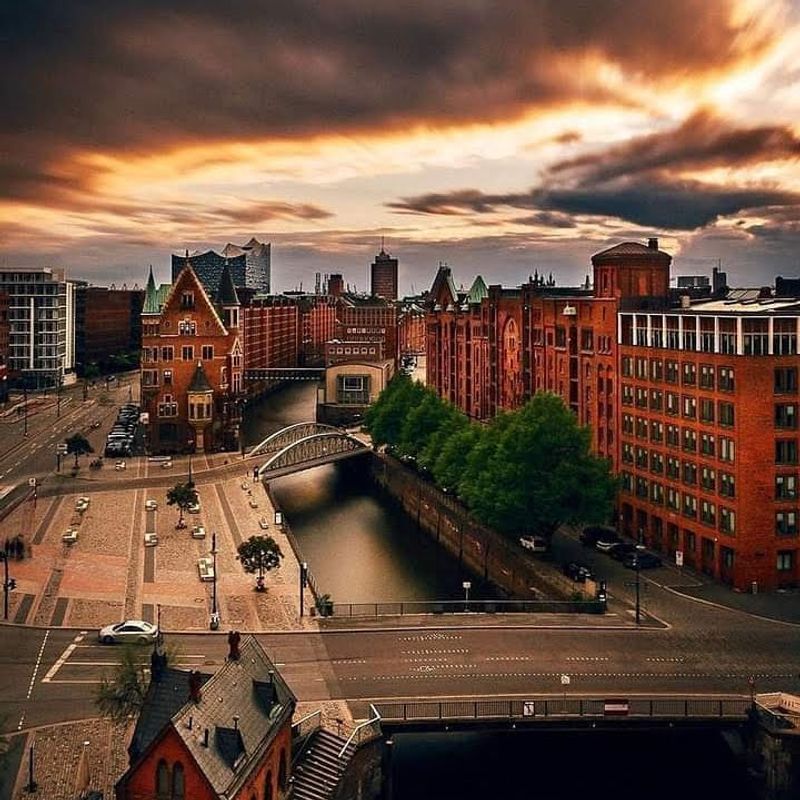
Hamburg has more bridges than any other city in the world — over 2,500 of them — which gives you a sense of just how water-woven this city really is. The Speicherstadt district, a stunning maze of red-brick canal warehouses built on oak pilings in the late 1800s, is now a UNESCO World Heritage Site and one of the most dramatic urban waterscapes you’ll find anywhere in Europe.
At night, the reflections in the dark water are genuinely breathtaking.
The HafenCity neighborhood, built on former port land right next to Speicherstadt, shows what modern waterfront development can look like when it’s done with ambition and style. Canal boat tours through both areas are affordable and informative, and the guides have a great sense of humor about Hamburg’s complicated and fascinating history as a major trading port.
The Elbphilharmonie concert hall, perched on the harbor, is free to visit on the public viewing platform.
Hamburg’s food scene is diverse, affordable, and deeply satisfying — especially the fish sandwiches at the famous Fischmarkt, which has been running since 1703. Street food, international restaurants, and traditional German taverns all compete for your attention and your euros.
Hamburg is a big, confident, working city with real waterway DNA, and it delivers excellent value compared to Venice at every turn.
Kotor, Montenegro
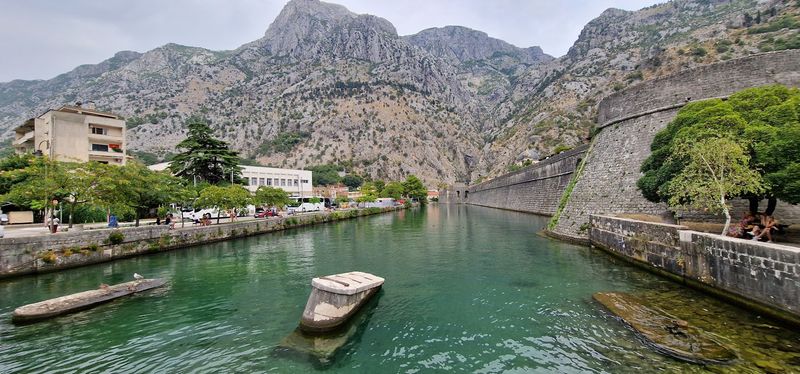
Kotor sits at the bottom of what looks like a fjord but is actually a bay — a dramatic, mountain-ringed inlet of the Adriatic that makes the approach by boat or car one of the most jaw-dropping arrivals in all of Europe. The old city itself is encircled by medieval walls that climb the rocky mountainside above, and the architecture inside is unmistakably Venetian: arched loggias, stone palaces, and carved lion reliefs that mark the centuries when Venice ruled this coastline.
That Venetian heritage is visible everywhere, from the Cathedral of Saint Tryphon to the clock tower in the main square — but prices here are dramatically lower than in Italy. A full dinner with wine at a good restaurant in Kotor’s old town costs a fraction of what the same meal would run in Venice.
Accommodation, transport, and activities all follow the same pattern of excellent quality at genuinely reasonable prices.
Hiking the city walls is one of the best physical activities in the region — the climb is steep and rewarding, ending with panoramic views over the bay that you’ll want to stare at for a long time. Boat trips to the island churches of Our Lady of the Rocks and Saint George are a highlight not to miss.
Montenegro in general is one of Europe’s most underrated destinations, and Kotor is its crown jewel.
Ghent, Belgium
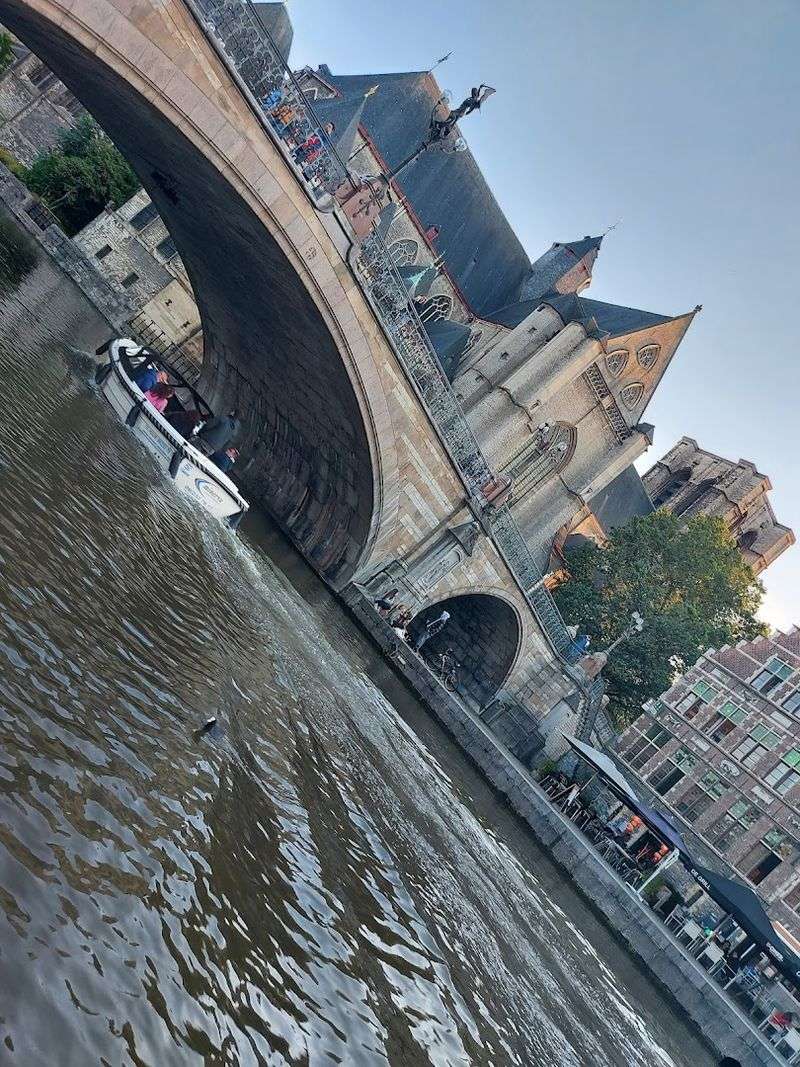
Ghent has a quiet confidence that Bruges — its more famous neighbor — simply can’t match. Where Bruges can feel polished for tourists, Ghent feels genuinely alive, with a large university population keeping the streets buzzing and the bars full.
The medieval waterfront along the Graslei and Korenlei is stunning in any light, but at night, when the guild houses and castle are illuminated and reflected in the canal below, it becomes something truly extraordinary.
Canal boat tours here are popular and very affordable, giving you close-up views of the Gravensteen Castle, the Belfry, and the Saint Nicholas Church from the water. The combination of three major medieval towers visible from a single viewpoint is unique in Europe and makes for an unforgettable photograph.
Ghent is also home to Ghent Mystery, a legendary Saturday night party tradition that draws locals and visitors alike to the streets near the canal.
Food and drink prices in Ghent are noticeably more reasonable than in Bruges, and the quality is just as high. The city has a strong vegetarian food culture — it famously introduced a weekly meat-free day — alongside excellent Belgian beer bars and chocolate shops.
Ghent is the kind of place that surprises people who expected Bruges and found something better: a real, breathing, beautiful city with serious waterway credentials.
Saint Petersburg, Russia
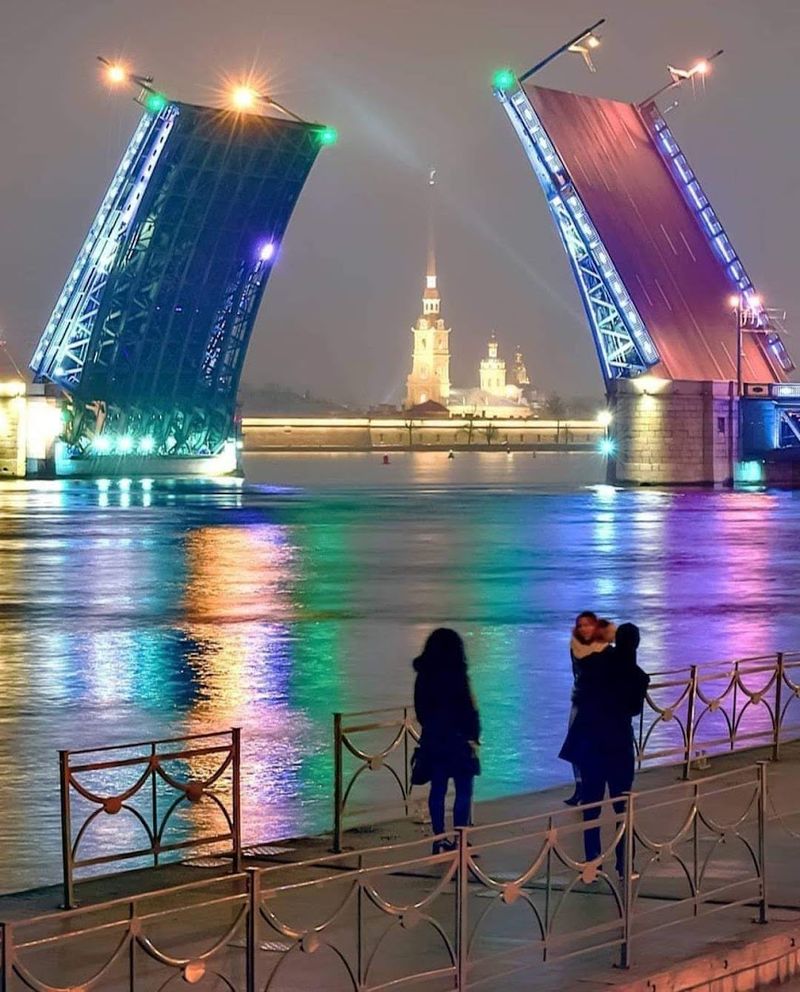
Called the “Venice of the North” more often than any other city on this list, Saint Petersburg was literally designed with Venice in mind — Peter the Great admired Italian canal cities so much that he hired European architects to build his new capital on a network of rivers and canals in the Russian delta. The result is staggering in scale and ambition: over 300 bridges, 93 rivers and canals, and a skyline of Baroque palaces, gilded domes, and imperial grandeur that Venice simply cannot match for sheer drama.
Canal boat tours along the Fontanka and Moika rivers offer a completely different perspective on the city, passing under ornate bridges and alongside palace facades that look even more impressive from the water. The famous White Nights of summer, when the sky barely darkens, give the canals an ethereal quality that photographers travel across the world to capture.
Many of the city’s most iconic views are free to admire from the riverbanks.
Budget travelers should note that entrance fees to the Hermitage and other major museums, while not free, are significantly lower than comparable institutions in Western Europe. Street food, local cafes, and the city’s metro system are all very affordable.
Saint Petersburg demands time and attention — it’s a city of enormous depth, and every canal has a story worth hearing.
Copenhagen, Denmark
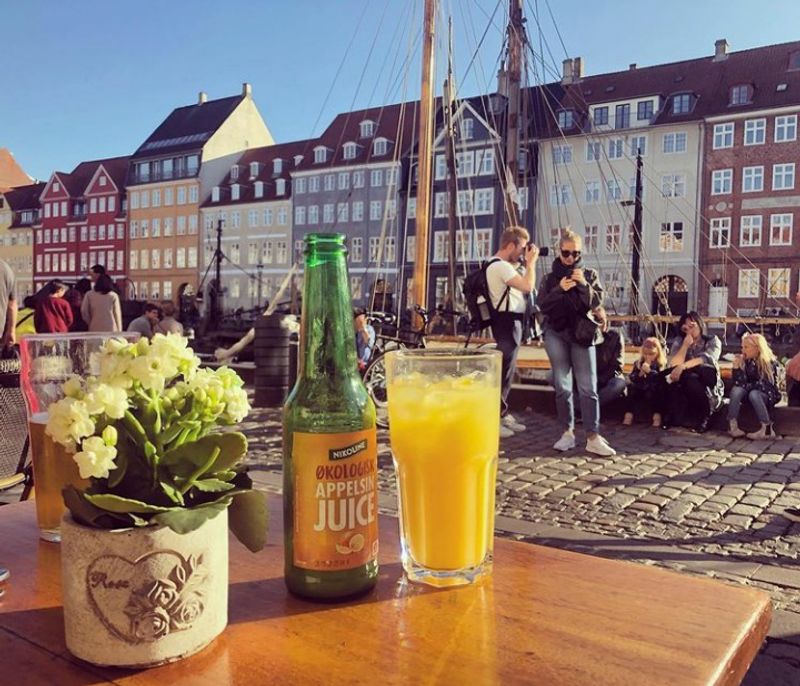
Nyhavn on a summer afternoon — painted houses in every warm color, wooden boats bobbing gently in the canal, outdoor tables packed with people eating open-faced sandwiches and drinking cold lager — is one of the most cheerful scenes in all of Europe. Copenhagen’s canal district has a completely different personality from Venice: louder, more relaxed, and considerably less precious about its beauty.
It invites you to sit down and enjoy it rather than simply admire it from a distance.
Canal boat tours depart from Nyhavn and loop through the harbor, passing the Little Mermaid statue, the Opera House, and the striking modern architecture of the waterfront. Tickets are affordable, and the tours run frequently throughout the day and evening.
Cycling along the canal paths is also a fantastic option — Copenhagen is one of the world’s great cycling cities, and bike rentals are easy to find at reasonable prices.
Copenhagen has a reputation for being expensive, and some parts of that reputation are earned. But smart travelers find plenty of budget-friendly options: free entry to many museums, affordable street food at the Torvehallerne market, and happy hour deals at canal-side bars that make waterfront drinking very accessible.
The city’s blend of history, design culture, and genuine waterway beauty makes it one of the most rewarding capitals in Northern Europe.
Share this story