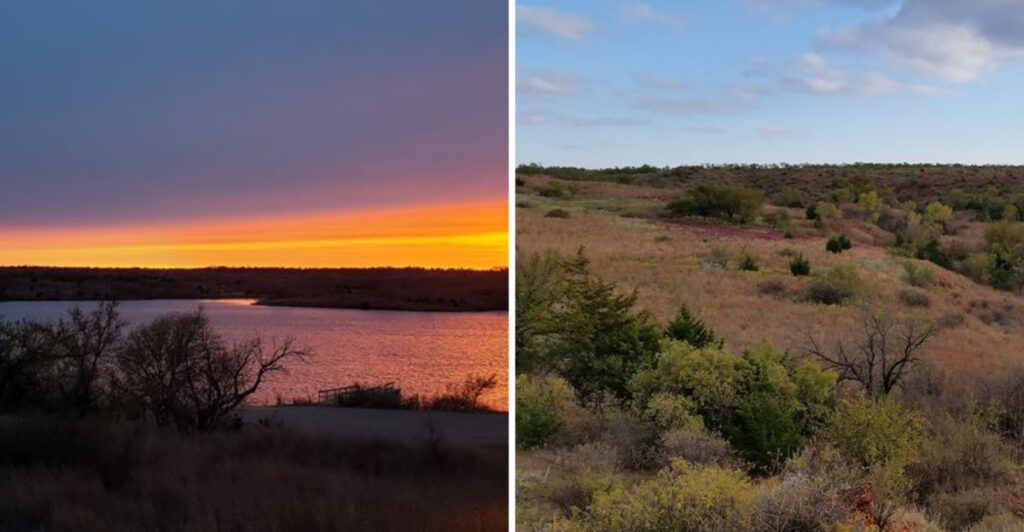
Most people picture forests or mountain ranges when they think of federally protected land, but out in western Oklahoma, the landscape tells a completely different story. A vast stretch of open sky, rolling plains, and native grasses spreads across the panhandle region, and it belongs to one of the rarest types of protected land in the entire country.
There are only 20 national grasslands in the United States, and Oklahoma is lucky enough to claim one of them. From free camping under a canopy of stars to quiet fishing ponds and trails that wind through wide-open country, this place rewards anyone willing to make the drive out west.
Where Exactly This Grassland Calls Home
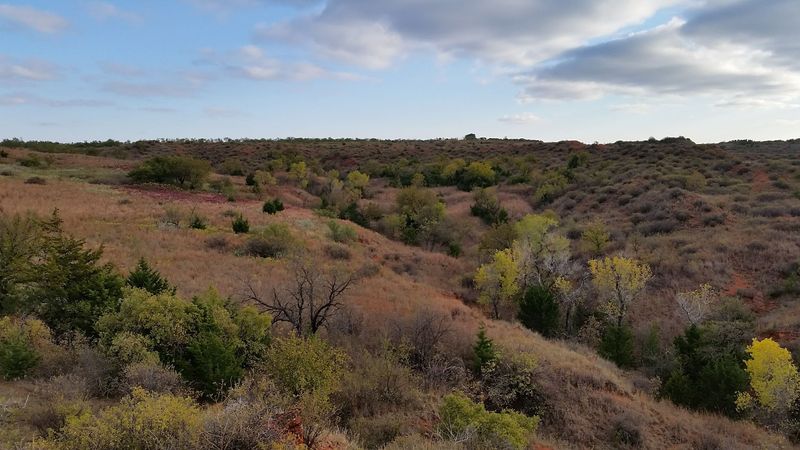
The address for Black Kettle National Grassland places it near Cheyenne, Oklahoma 73638, tucked into the rolling terrain of Roger Mills County in the western part of the state. The grassland sits at approximately 35.6667 degrees north latitude and -99.7507 degrees west longitude, which puts it deep in the heart of the southern Great Plains.
To get there, you will want to rely on a reliable map app, but pay close attention to your route. Visitors have reported that GPS directions can sometimes try to route you through an active oilfield, which is not exactly the scenic detour anyone wants on a road trip.
The nearest town is Cheyenne, Oklahoma, a small community that serves as the practical gateway to the grassland. Cheyenne offers basic amenities before you head out into the wide open spaces.
The U.S. Forest Service manages this land as part of the Cibola National Forest administrative unit, making it a genuinely unique corner of the American Southwest that most travelers completely overlook.
A History Written in the Grass
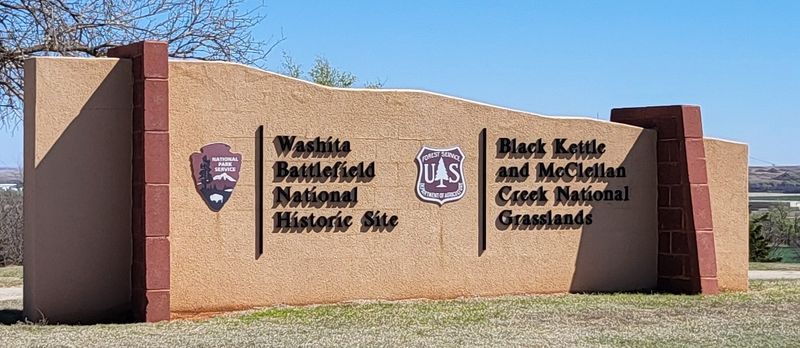
The name Black Kettle carries real historical weight. The grassland was named after Chief Black Kettle, a Southern Cheyenne peace chief who was known for his persistent efforts to maintain peaceful relations between his people and the United States government during a turbulent era in the mid-1800s.
The nearby Washita Battlefield National Historic Site marks the location of the 1868 Battle of the Washita, a deeply significant and somber event in American history. That battle took place just a few miles from where the grassland now stands, and the two sites together offer a powerful window into the history of the Southern Plains and the people who called this land home long before federal land designations existed.
Visiting this grassland with that historical context in mind changes the experience entirely. The open land feels less like empty space and more like a place with layers of meaning.
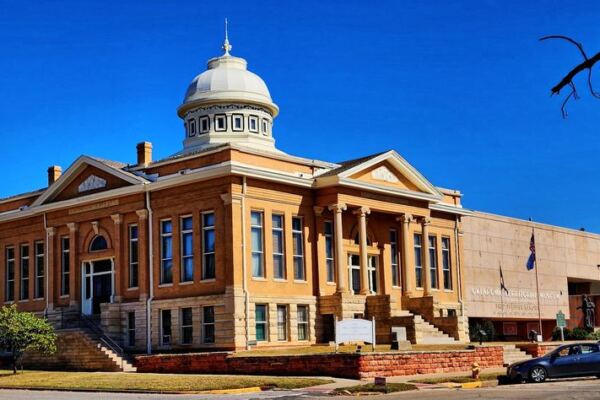
The U.S. Forest Service has worked to preserve not just the ecology of the land but also its cultural significance, and a visit to the nearby museum helps bring those stories to life in a respectful and thoughtful way.
The Landscape That Greets You
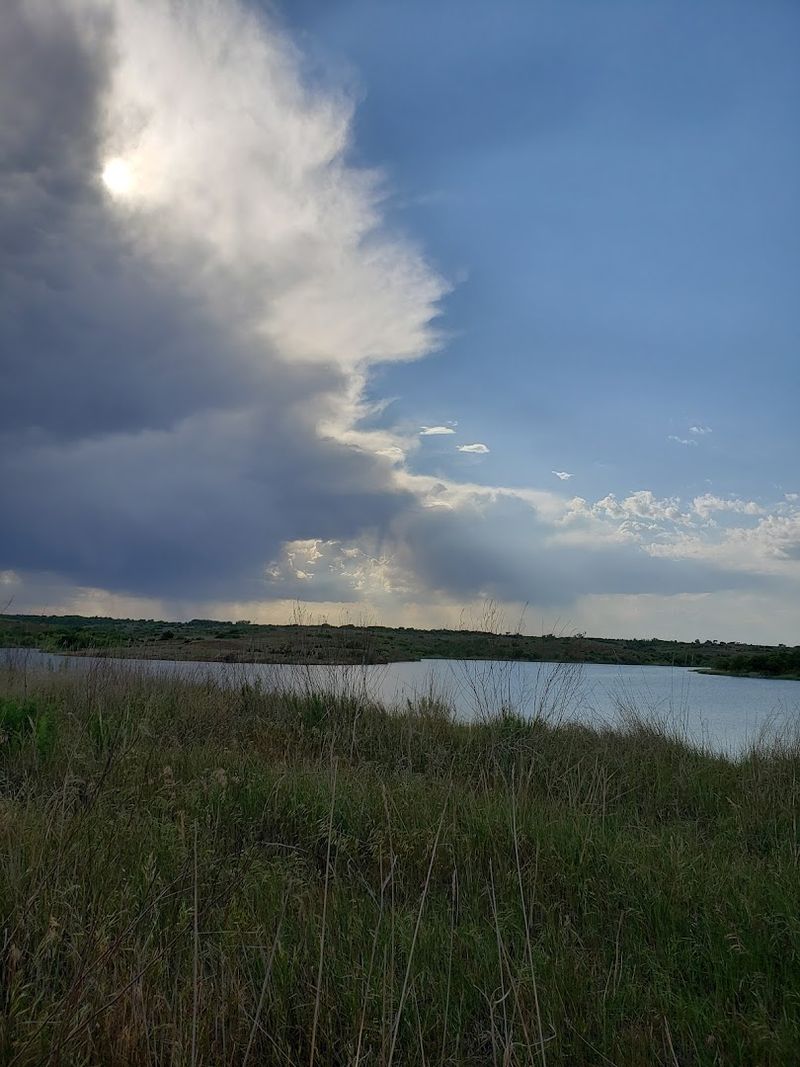
There is something almost startling about the scale of the landscape here. The terrain rolls gently in every direction, covered in native grasses that shift color with the seasons, from pale gold in winter to deep green in the warmer months.
The sky above feels enormous, the kind of sky that reminds you just how much space this country actually has.
Unlike the dense forests of the eastern United States, this grassland offers visibility for miles. You can watch a storm build on the horizon and track it across the plains long before it reaches you, which is both thrilling and humbling at the same time.
Scattered throughout the landscape are ponds, creek beds, and patches of scrubby trees that provide shade and habitat for wildlife. The variety of terrain within a single grassland unit is genuinely surprising.
One moment you are crossing open prairie, and the next you are standing beside a quiet pond ringed with cattails and cottonwoods. The land shifts in subtle ways that reward slow, attentive exploration rather than a quick drive-through visit.
Free Camping That Actually Delivers
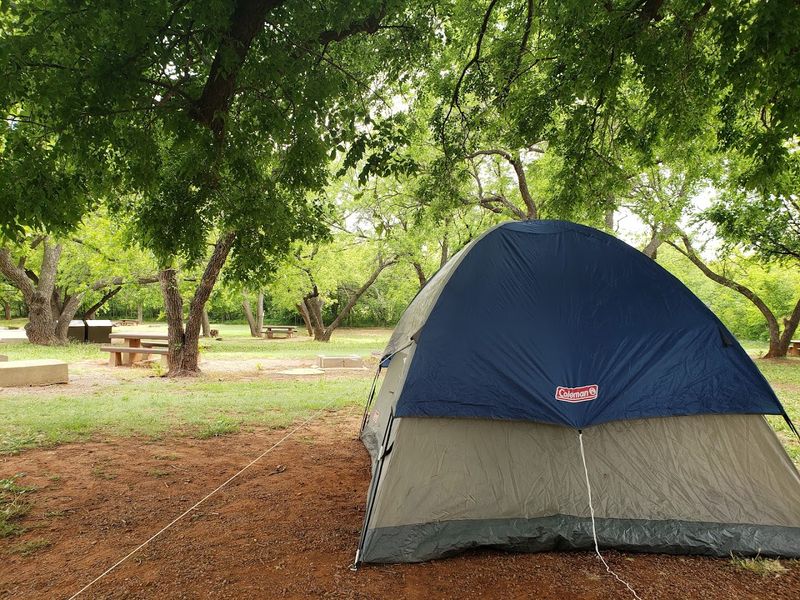
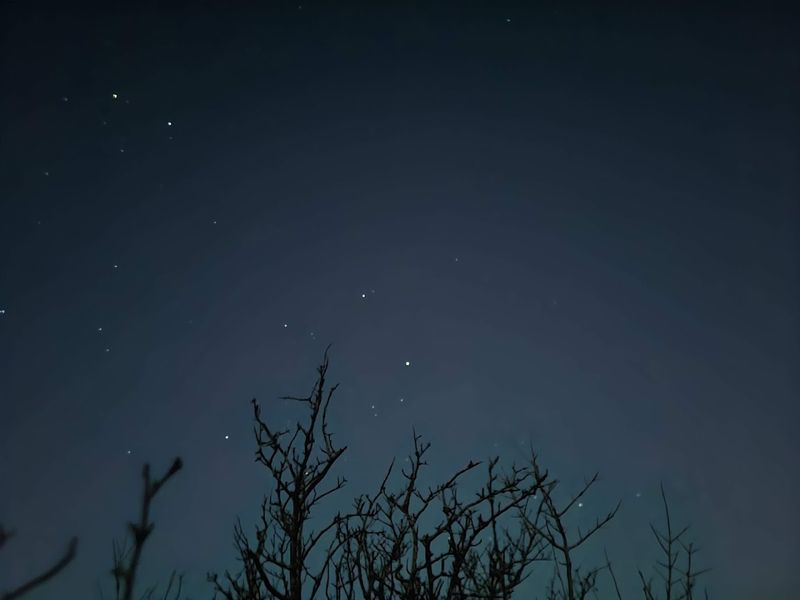
Free camping is one of those things that sounds too good to be true, but at Black Kettle National Grassland, it is completely real and genuinely enjoyable. The Skipout Campground is one of three camping areas in the grassland, and it offers a surprisingly comfortable setup for a no-cost experience.
Each campsite comes with a picnic table and a fire pit, which covers the basics for a comfortable overnight stay. The restrooms are kept relatively clean, and there are water spigots available to fill containers.
There is no electricity or sewage dump, so this is a spot for campers who enjoy a simpler, more self-sufficient experience.
On a typical Friday night, you might share the campground with only a handful of other campers, which means you get the kind of quiet that city dwellers genuinely forget exists. The RV spots are limited to two designated areas at Skipout, while tent campers can choose from roughly ten picnic table spots spread across several parking areas.
For the price of zero dollars, the experience is hard to beat anywhere in Oklahoma.
Fishing, Boating, and Time on the Water
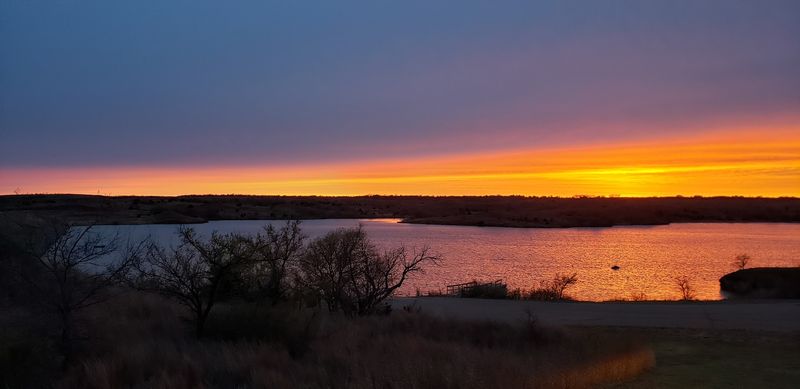
A small lake sits within the grassland boundaries, complete with a boat ramp and a fishing pier that has a worn, well-used charm about it. The lake is not large by any measure, but it does not need to be.
The fishing here is decent, with enough activity to keep an angler entertained through a quiet afternoon without any guarantees of a trophy catch.
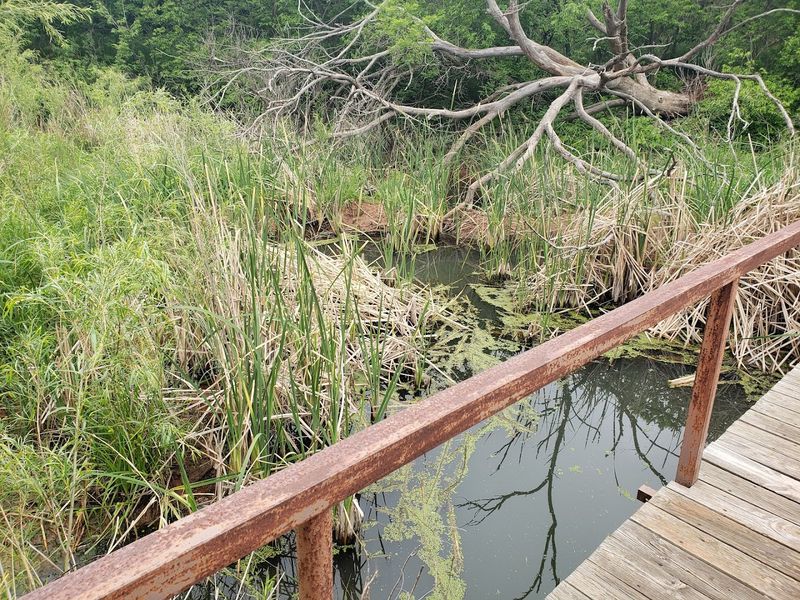
Behind the main lake, a series of smaller ponds lines the back trails, adding more opportunities to cast a line in a more secluded setting. These ponds feel genuinely off the beaten path, the kind of spots you discover by wandering rather than by following a map.
The boat ramp makes it practical to bring a small vessel, though the lake’s size means kayaks and canoes fit the setting better than anything with a large motor. Sitting on the dock in the early morning, when the water is still and the grassland is just waking up, is one of those simple pleasures that travel writers tend to overlook in favor of flashier destinations.
This one is worth your time.
Trails Through the Open Country
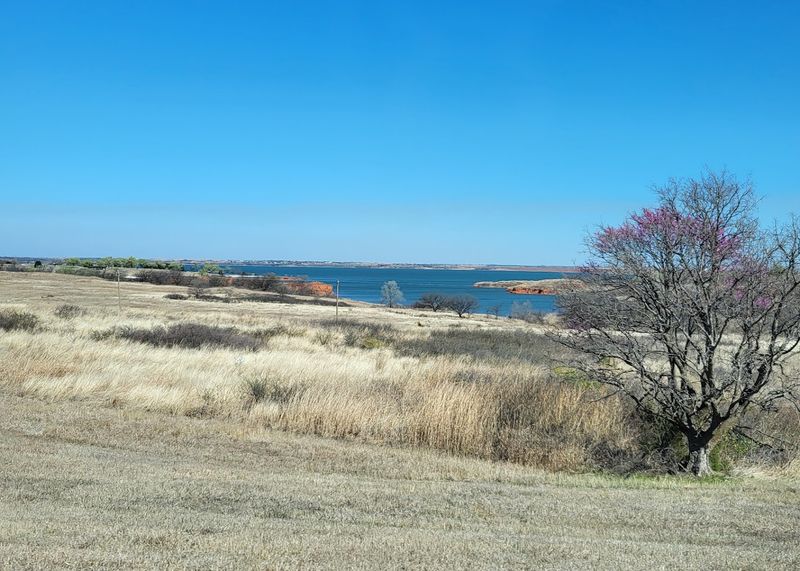
The trail system at Black Kettle National Grassland is modest in length, which means you are not going to rack up marathon mileage here. What the trails lack in distance, they make up for in atmosphere.
The paths wind through native grassland, past the smaller ponds behind the main lake, and through terrain that feels genuinely untouched by modern development.
One practical note worth mentioning: dogs are not permitted on the walking trails, which surprised some visitors who arrived with their four-legged companions expecting a pet-friendly hike. If you are planning to bring a dog, check current regulations before you go to avoid disappointment at the trailhead.
The trails are best enjoyed at a slow pace, with attention paid to the small details around you. Native grasses, wildflowers, bird activity, and the occasional deer track in the soft soil all reward hikers who take their time.
The landscape is subtle rather than dramatic, and that subtlety is exactly its appeal. Rushing through these trails would be like skimming a book that deserves a careful read from cover to cover.
Wildlife That Shares This Space
The grassland supports a solid variety of wildlife, and the open terrain makes spotting animals easier than in a dense forest. White-tailed deer are a consistent presence, and hunters visit specifically for deer season, with multiple reviewers mentioning the grassland as a reliable spot for deer activity.
Beyond deer, the grassland provides habitat for a range of bird species that thrive in open prairie environments. Meadowlarks, scissor-tailed flycatchers, and various raptors can be spotted circling above the grass, and early mornings are the best time to catch the most activity.
Birdwatchers with binoculars and patience will find this place genuinely rewarding.
The ponds and lake attract waterfowl as well, adding another layer of wildlife diversity to the property. Hunting is permitted in designated areas and seasons, making the grassland a practical destination for both hunters and wildlife observers who prefer to keep their cameras in hand instead.
The coexistence of those two groups within the same space works better here than you might expect, largely because the land itself is big enough to accommodate both without friction.
What the Seasons Do to This Place
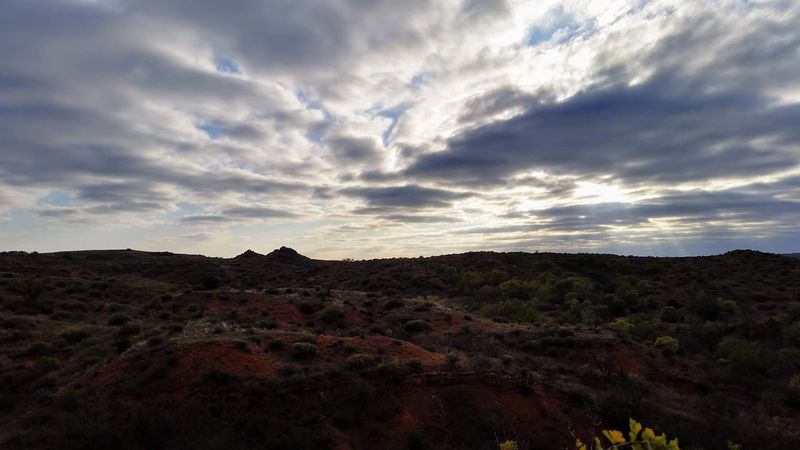
The grassland changes personality with every season, and each one offers a different reason to visit. Spring brings wildflowers and migrating birds, and the grasses begin their annual push toward green after the grey of winter.
The air carries a freshness that is hard to find anywhere near a city, and the landscape feels genuinely alive in a way that is easy to underestimate until you are standing in the middle of it.
Summer days can run hot on the southern plains, so early morning and late afternoon visits make the most sense during those months. The golden light at dusk over an open grassland is one of those views that photographs well but feels even better in person.
Fall is arguably the most comfortable season for camping and hiking here, with cooler temperatures and the grasses shifting to warm amber and copper tones that give the whole landscape a painted quality. Winter visits are quiet and solitary, with almost no other visitors and a stark beauty that appeals to travelers who enjoy having a wild place entirely to themselves.
Each season makes a legitimate case for itself.
Practical Tips Before You Head Out
A few practical details can make the difference between a smooth visit and a frustrating one. The GPS endpoint for the grassland can be misleading, and at least one route has been known to direct drivers through an active oilfield.
Using the Cheyenne, Oklahoma area as your general destination and then following Forest Service signage once you are close is a smarter approach than trusting the map endpoint blindly.
There is no electricity at the campgrounds and no sewage dump station, so plan your supplies accordingly. Water spigots are available at Skipout Campground, and there are dumpsters for trash, but this is genuinely a pack-it-in, pack-it-out kind of place.
Two dumpsters serve the campground, so waste management is covered at a basic level.
Goathead stickers, a type of thorny seed, have been reported in the grass by some campers with dogs, so footwear with solid soles is a good idea for everyone. The campgrounds are busiest on holiday weekends, so a mid-week visit or a non-holiday Friday will give you a far quieter and more enjoyable experience than showing up on a busy summer weekend.
Share this story