Tucked into the Rocky Mountains near the Colorado border, there is a small New Mexico village that feels like it belongs on the cover of a storybook. The air is crisp, the scenery is jaw-dropping, and the town moves at a pace that makes you want to slow down and actually look around.
A narrow-gauge steam train huffs through pine-covered valleys, local artists sell handcrafted treasures, and the whole place has a warmth that big cities simply cannot manufacture. This is not your average road trip stop, and once you read what is waiting here, you will understand exactly why people keep coming back.
A Mountain Village With Deep Roots
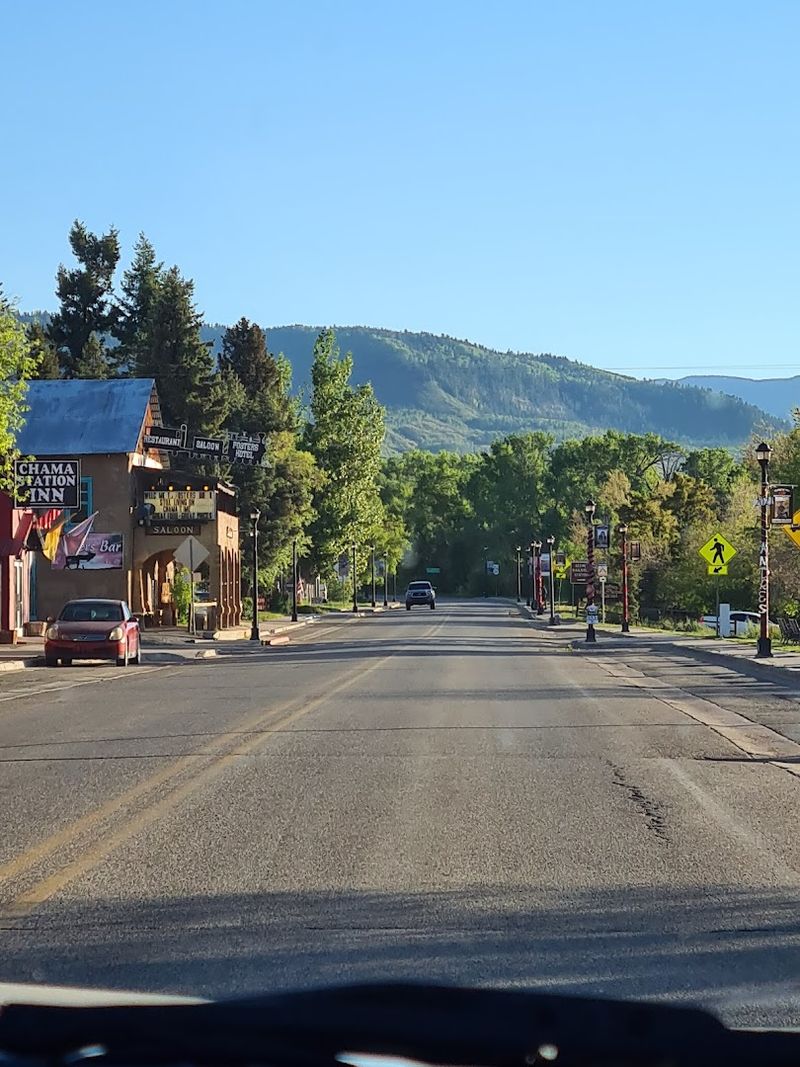
Chama, New Mexico, sits at an elevation of about 7,851 feet in Rio Arriba County, roughly seven miles south of the Colorado border. The full address for the village is Chama, and its coordinates place it deep in the heart of the southern Rocky Mountains.
With a population of just 917 as recorded in the 2020 census, this is genuinely one of those places where everybody knows everybody. The village has roots stretching back centuries, shaped by Indigenous cultures, Spanish settlers, and later the railroad era that gave it much of its lasting identity.
The landscape surrounding Chama is nothing short of spectacular, with the Chama River winding through valleys flanked by golden aspens in fall and snowcapped peaks in winter. Small as it may be, this village carries a history and a spirit that punches well above its weight.
The Cumbres and Toltec Scenic Railroad
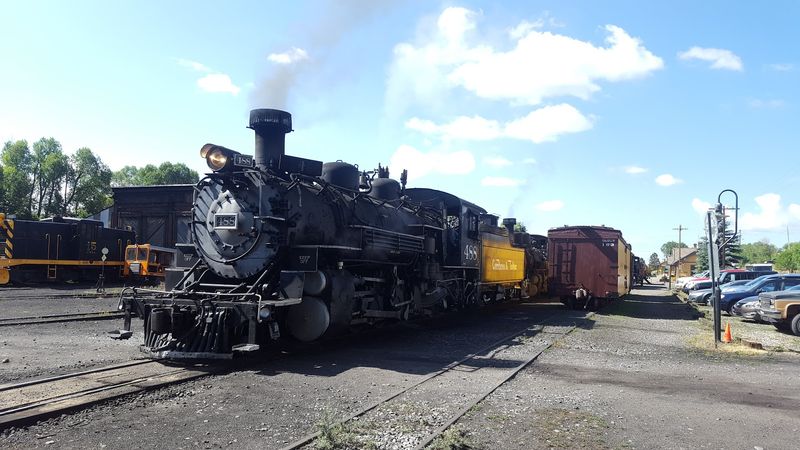
The crown jewel of Chama is, without question, the Cumbres and Toltec Scenic Railroad, a National Historic Landmark that has been running since 1880. This narrow-gauge steam train departs from the Chama depot and winds 64 miles through some of the most breathtaking mountain terrain in the entire American Southwest.
The route crosses the Cumbres Pass at 10,015 feet, making it the highest narrow-gauge railroad in the United States. Passengers ride through steep gorges, over tall trestle bridges, and past meadows that look like they were painted by hand.
The train runs seasonally, typically from late May through mid-October, and tickets can be purchased for one-way or round-trip journeys. Whether you choose a coach seat or a first-class car, the views from every window are genuinely unforgettable.
This is the kind of train ride that turns skeptics into lifelong rail enthusiasts.
Riding Through Cumbres Pass
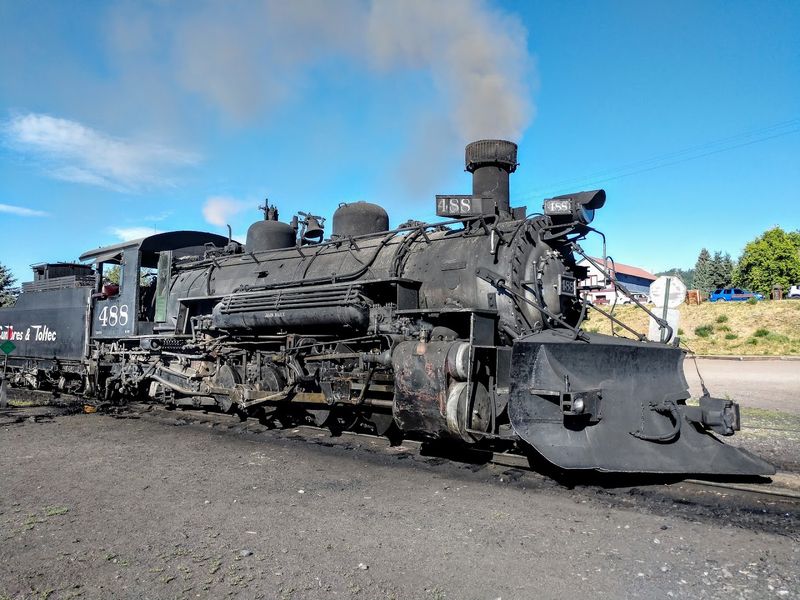
The journey over Cumbres Pass is the kind of experience that travel writers struggle to put into words without sounding like they are exaggerating. The train climbs through switchbacks and curves that reveal new panoramas at every turn, and the smell of coal smoke mixing with mountain pine air is oddly intoxicating.
At the summit of Cumbres Pass, the views stretch for what feels like forever across the San Juan Mountains and the valleys of northern New Mexico and southern Colorado. On a clear autumn day, the aspen trees turn the hillsides bright gold, and the contrast against the dark green pines is genuinely stunning.
Wildlife sightings along the route are common, including elk, mule deer, and various birds of prey soaring overhead. The train moves slowly enough that you can really absorb every detail of the landscape, which is exactly the point of this historic journey.
The Artisan Spirit of a Small Town
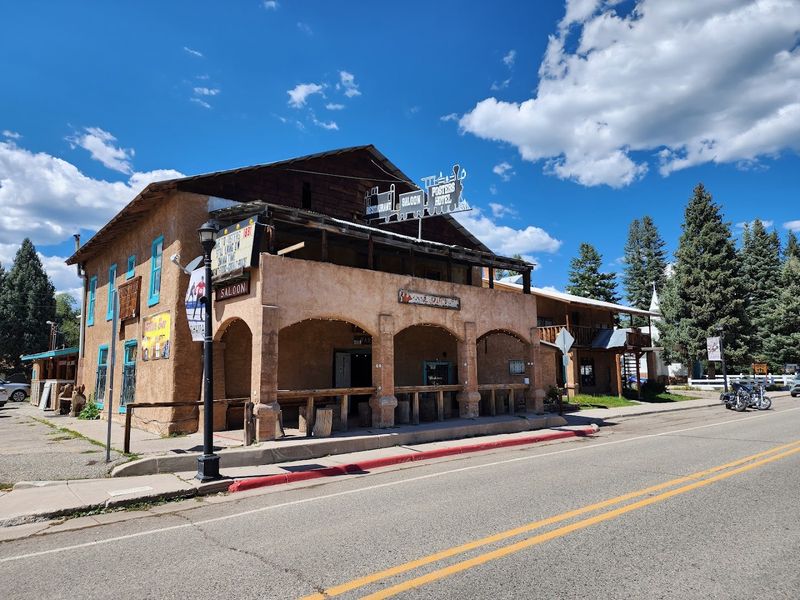
Beyond the railroad, Chama has quietly built a reputation as a haven for local artists and craftspeople. The village is home to a handful of galleries and shops where you can find handmade pottery, woven textiles, woodwork, and paintings that reflect the cultural blend of this corner of New Mexico.
Many of the artists living and working here draw inspiration from the dramatic landscape outside their studio windows, and it shows in the richness of their work. You will find pieces that carry the warm earth tones of the high desert alongside the deep greens and blues of the mountain forests.
Shopping here feels nothing like browsing a generic tourist gift shop. Each piece has a story, and most artists are happy to share theirs if you ask.
Taking home a handcrafted piece from Chama is one of the best ways to carry a little bit of this mountain magic with you.
Fall Foliage That Stops You in Your Tracks
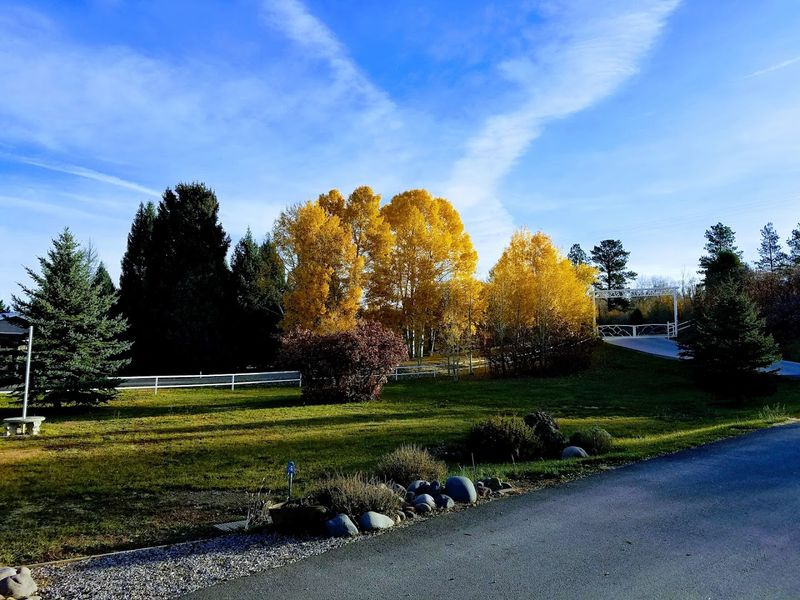
Few things in New Mexico rival the fall foliage display around Chama, and that is saying something in a state already famous for its natural beauty. Every September and October, the aspen groves that blanket the surrounding mountains transform into blazing shades of gold, orange, and amber.
The drive along US-64 toward Tierra Amarilla and the scenic byways near the village offer some of the best leaf-peeping in the entire Southwest. Photographers, painters, and casual visitors all show up in droves during peak foliage season, and the competition for the perfect shot is friendly but fierce.
The Cumbres and Toltec train ride during fall is particularly special, since the route passes through dense aspen forests at their most colorful. If you are planning a trip to Chama, timing your visit for late September is a very smart move that most first-time visitors end up wishing they had made.
Fishing and the Chama River
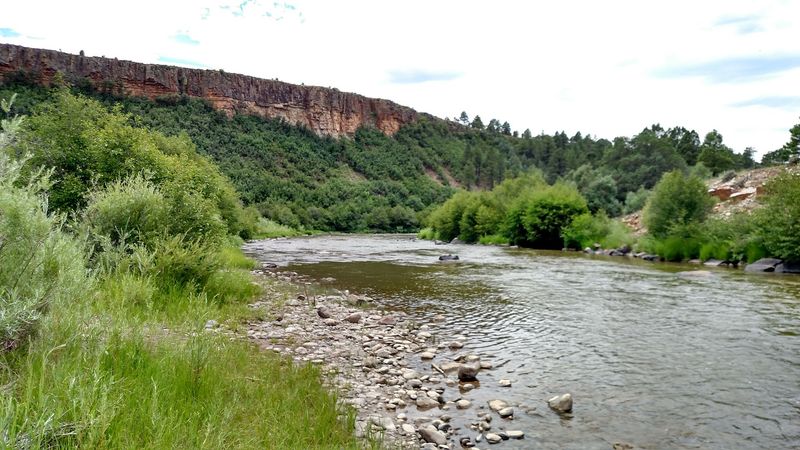
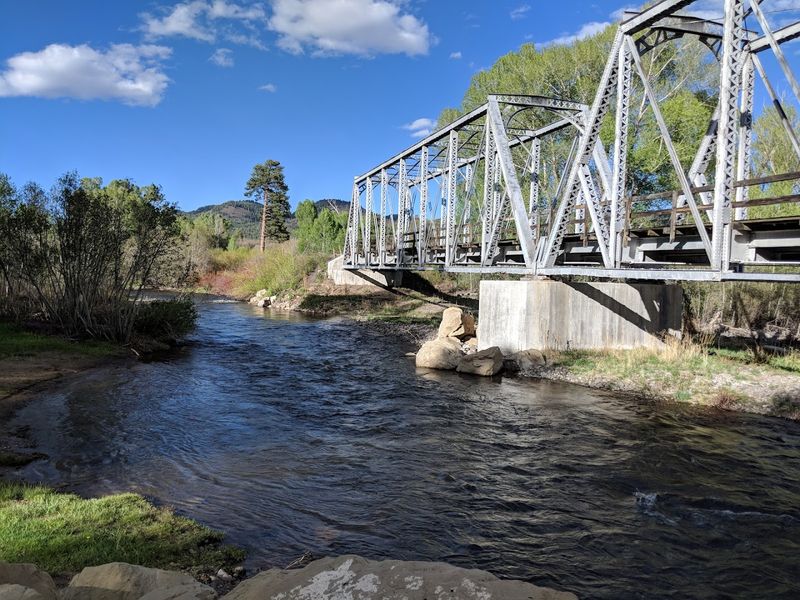
The Chama River is one of those quietly legendary fishing destinations that serious anglers talk about in reverent tones. Running through the heart of the village and extending into the broader Rio Chama watershed, the river offers excellent trout fishing in a setting that feels completely removed from the modern world.
Brown trout and rainbow trout are the main attractions, and the river has stretches designated as quality water for fly fishing enthusiasts. The current is lively, the water is clear and cold, and wading in during summer feels like a full-body reset.
Even if fishing is not your thing, spending time along the river banks is deeply relaxing. The sound of moving water, the rustle of cottonwood leaves, and the occasional flash of a trout breaking the surface are enough to make even the most restless traveler slow down and breathe.
The river is one of Chama’s most underrated gifts.
Wildlife Watching in the High Country
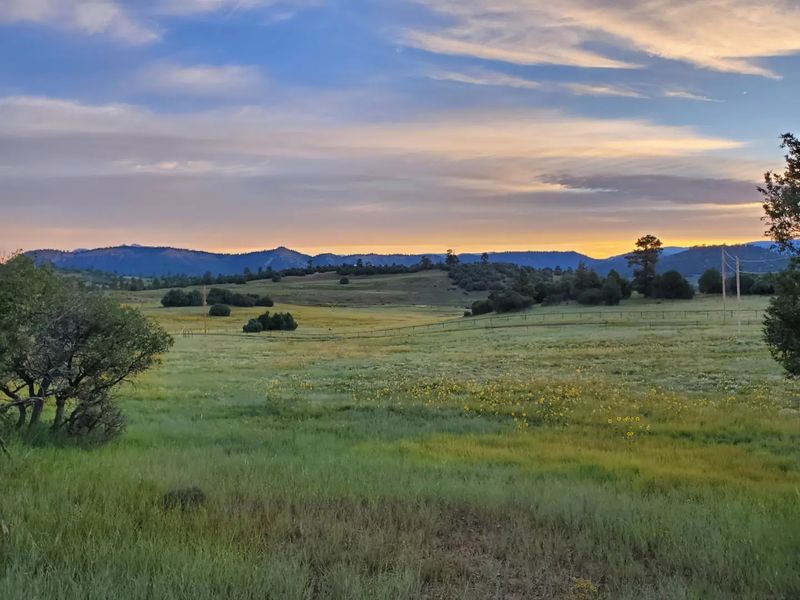
Chama sits in the middle of some of the richest wildlife habitat in New Mexico, and the surrounding mountains are home to an impressive roster of animals. Elk are the undisputed stars of the show here, and during the fall rut in September, the sound of bulls bugling through the valleys is one of the most thrilling natural sounds you will ever hear.
Mule deer, black bear, mountain lion, and wild turkey all share this landscape, and patient observers are often rewarded with close-up views that feel almost surreal. The open meadows along the highways near Chama are particularly productive for wildlife spotting during early morning and evening hours.
Birdwatchers will also find plenty to get excited about, since raptors including red-tailed hawks, bald eagles, and osprey are regularly seen along the river corridor. A pair of binoculars and a little patience go a very long way in this part of New Mexico.
Winter Magic in a Snow-Covered Village
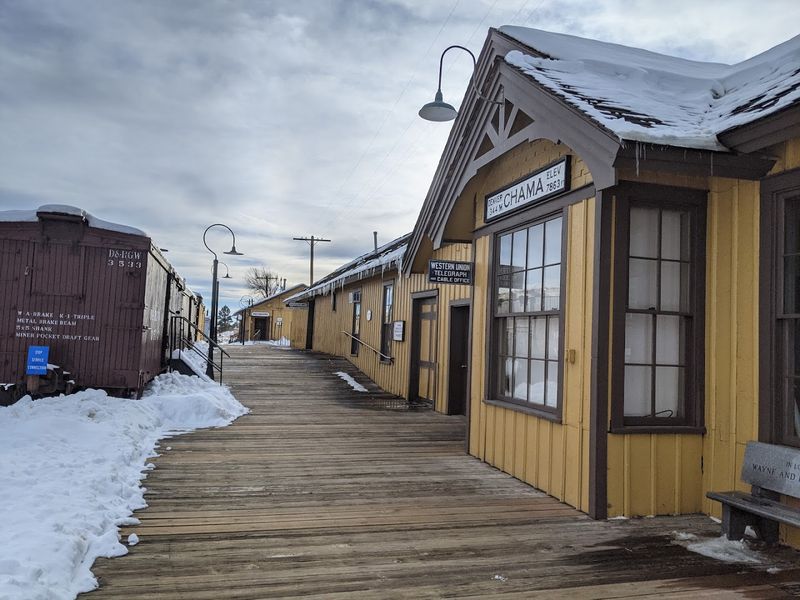
When winter arrives in Chama, the village transforms into something that looks genuinely pulled from a holiday greeting card. Snow settles deep on the rooftops, the mountains disappear into low clouds, and the whole place takes on a hushed, peaceful quality that is completely different from the busy summer season.
Cross-country skiing and snowshoeing are popular activities in the surrounding national forest lands, and the trails near Chama offer routes for all skill levels. The Cumbres Pass area, accessible by snowmobile in winter, is a favorite for those who want to experience the high country blanketed in white.
The village itself feels cozy and intimate during the colder months, with far fewer visitors than summer and fall bring. Local restaurants and shops stay open, and the slower pace gives you a chance to actually connect with the community rather than just passing through.
Winter in Chama is a well-kept secret worth discovering.
Hiking Trails With Breathtaking Payoffs
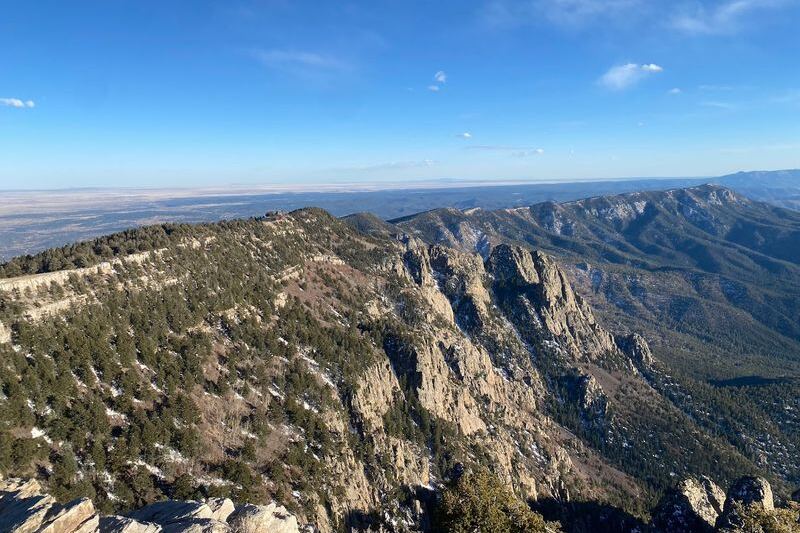
The Carson National Forest and the surrounding public lands near Chama offer hiking opportunities that range from gentle riverside walks to challenging summit scrambles. The terrain is varied and rewarding, with trails threading through aspen groves, along creek beds, and up exposed ridgelines with panoramic views.
One of the most popular areas for hiking is the region around Cumbres Pass, where high-altitude meadows open up views of the San Juan and Tusas mountains that feel almost too big to process. The wildflower season in July and August turns these meadows into a riot of color that rivals anything you will find in the national parks.
Trail conditions can change quickly at elevation, so checking weather forecasts and carrying extra layers is always a good idea. The altitude alone is enough to humble even experienced hikers who arrive without proper acclimatization time.
Still, every steep step earns a view that makes the effort feel completely worthwhile.
Planning Your Visit to This Mountain Gem
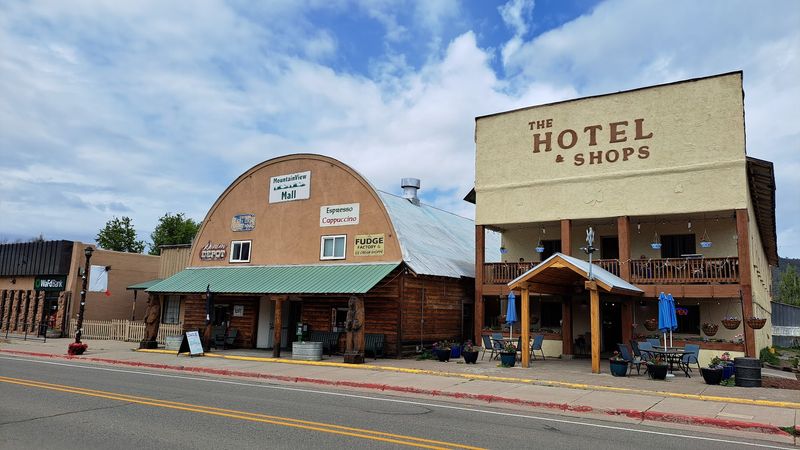
Getting to Chama requires a bit of intentional planning, which is honestly part of what keeps it feeling special and unspoiled. The village is accessible via US-64 from the east and US-84 from the south, and the drive through the high desert and mountain terrain is scenic enough to count as part of the experience.
Accommodation options include small motels, bed and breakfast inns, and vacation rentals that tend to book up quickly during peak train season and fall foliage weeks. Reserving well in advance, especially for September and early October visits, is strongly recommended.
The village has a handful of local restaurants serving New Mexican cuisine, and the green chile dishes here are the real deal rather than a watered-down tourist version. Chama rewards slow travelers who come prepared to linger, explore the back roads, and let the mountain pace work its quiet magic on them over a few unhurried days.
Share this story