Some parks just have better PR than others, and honestly, nature has always been the best marketer. From geysers that erupt on schedule to waterfalls that make you feel genuinely small, these places remind us that the planet is doing just fine without our help.
I took my first real hike at a national park when I was twelve, and that moment of standing in front of something enormous and wild changed how I see the world. These 15 parks are proof that sometimes, the best attraction is the one that was already there.
Yellowstone National Park, USA
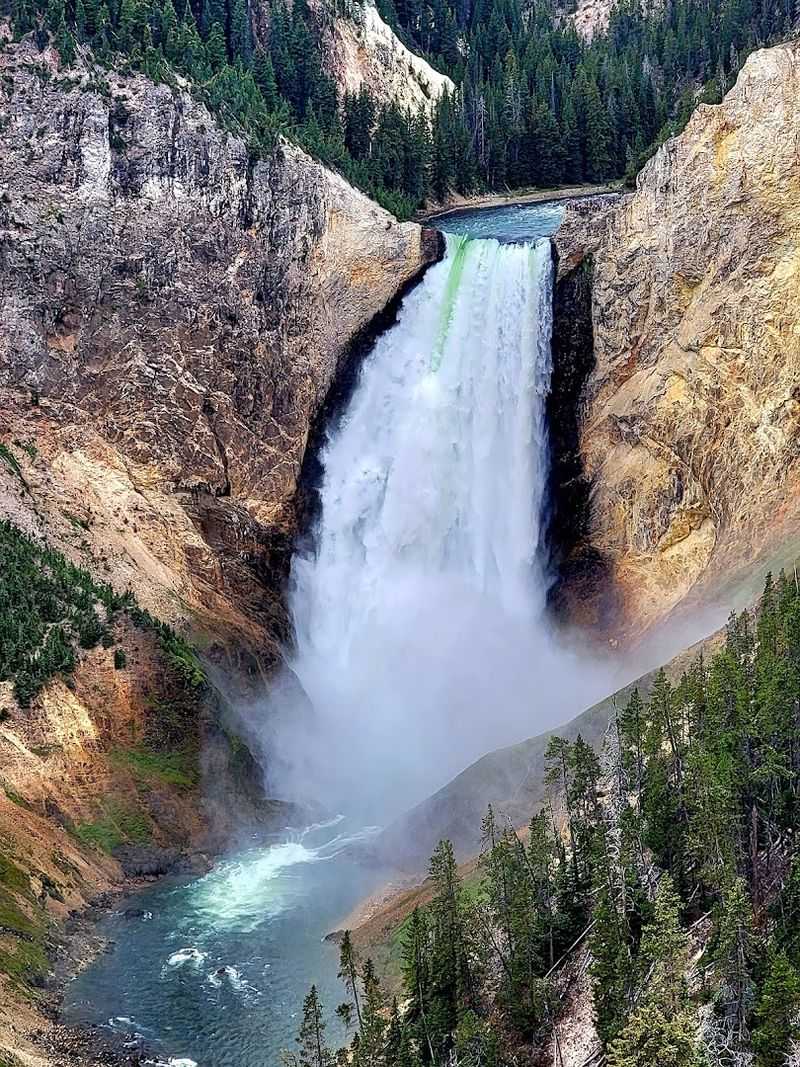
The earth at Yellowstone is not just scenery, it is actively doing something. With over 10,000 thermal features, including geysers, hot springs, and mud pots, the park sits on top of one of the world’s largest volcanic systems.
Old Faithful earns its name by erupting roughly every 90 minutes, which is honestly more reliable than most people I know.
Bison have roamed here since prehistoric times, making them the park’s longest-running residents. You can spot herds wandering across roads without a care in the world, which is both charming and a little terrifying.
The Grand Prismatic Spring looks like someone spilled a giant paint palette into the ground.
Yellowstone spans three states: Wyoming, Montana, and Idaho. It became the world’s first national park in 1872, so it has had plenty of time to perfect the art of being spectacular.
Pack layers because the weather changes fast.
Banff National Park, Canada
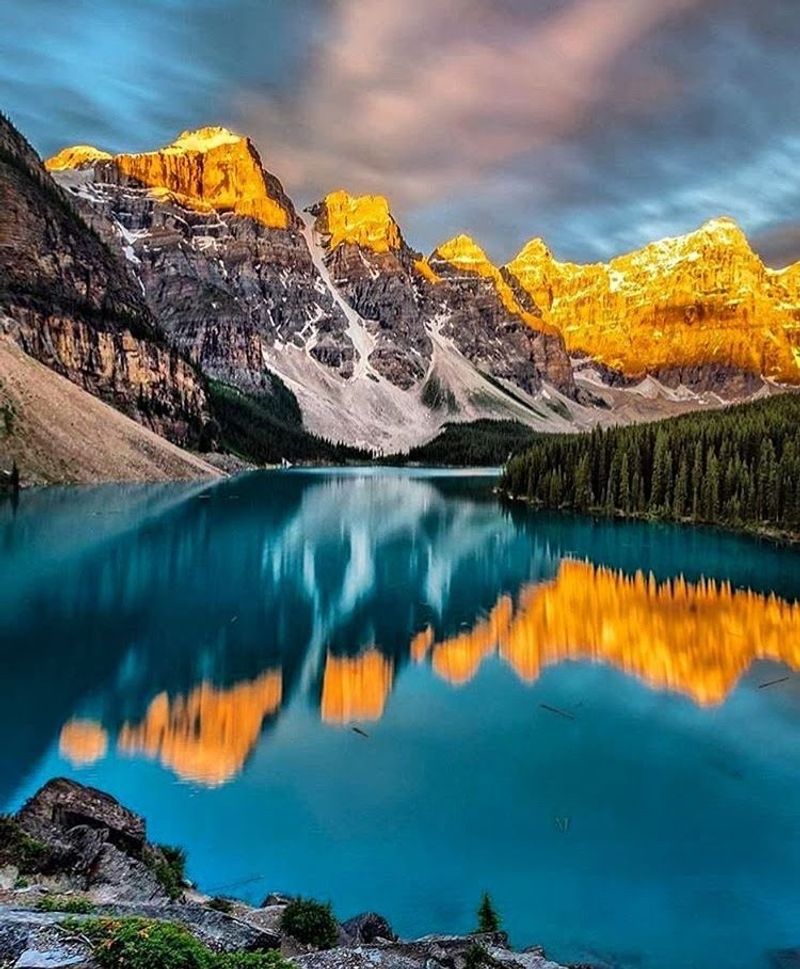
Banff looks so polished that first-time visitors often wonder if the photos were edited. They were not.
The turquoise color of Lake Louise comes from glacial rock flour suspended in the water, which is basically nature showing off its chemistry skills. Rocky Mountain peaks frame every view like a painting that never gets old.
Wildlife sightings here are genuinely common. Elk wander near the townsite, grizzly bears patrol the valleys in spring, and mountain goats cling to cliff faces like they invented rock climbing.
Banff was Canada’s first national park, established in 1885, and it has been overdelivering ever since.
The Icefields Parkway connecting Banff to Jasper is widely considered one of the most scenic drives on the planet. Every bend reveals something that makes you want to pull over.
Budget more time than you think you need, because you will stop constantly.
Plitvice Lakes National Park, Croatia
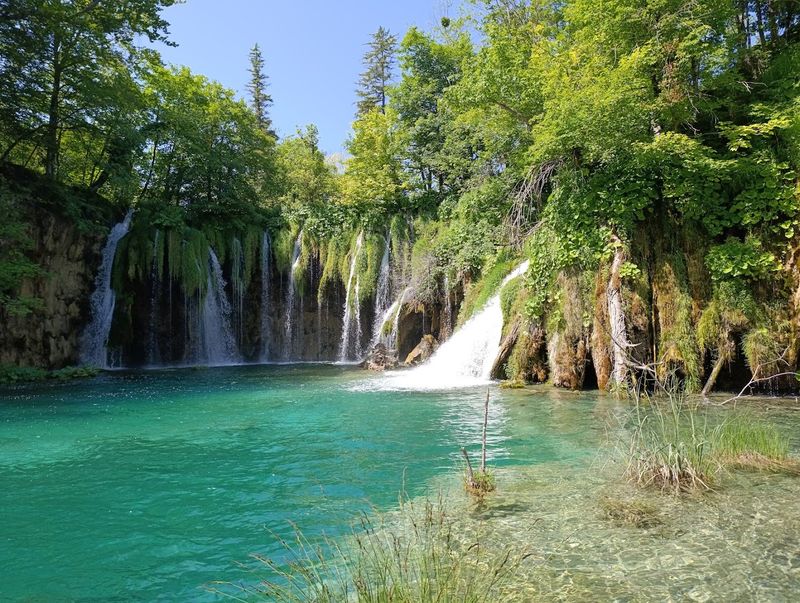
Croatia hid something extraordinary in its interior, and Plitvice Lakes is the proof. The park contains 16 named lakes that cascade into each other through a series of waterfalls, creating a chain of turquoise pools that look completely unreal.
The color comes from minerals and organisms in the water, not from any kind of filter.
Wooden boardwalks run right alongside and over the water, putting visitors just inches from the action. Walking the lower lakes trail feels like being inside a nature documentary, except you are actually there.
The park shifts personality with every season, from lush green summers to frozen, icy winters.
Plitvice has been a UNESCO World Heritage Site since 1979. The lakes are constantly changing shape as travertine deposits build up and shift over time.
Technically, the park is a living, growing system. Booking tickets in advance is strongly recommended because this place is very popular for good reason.
Fiordland National Park, New Zealand
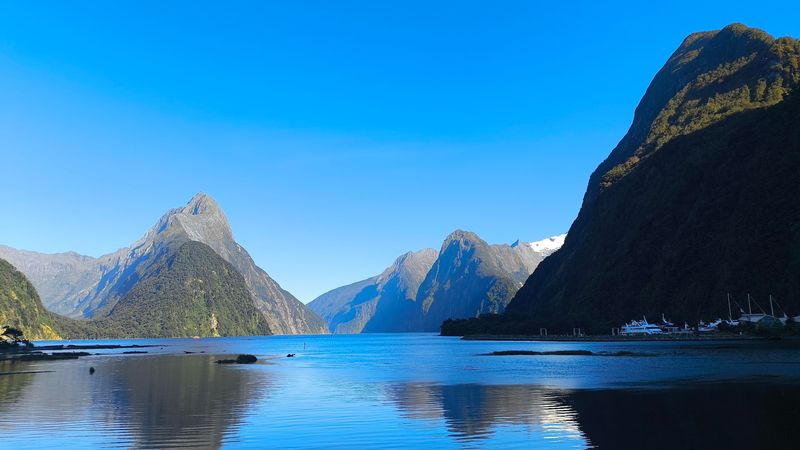
Fiordland is the kind of place that makes the word “big” feel inadequate. Carved by ancient glaciers, the fiords here drop dramatically from granite peaks straight into the sea, creating walls of rock that tower hundreds of meters above the water.
Milford Sound is the most famous, but Doubtful Sound is arguably even more wild and remote.
New Zealand’s Department of Conservation manages this park as part of Te Wahipounamu, a UNESCO World Heritage Area. Waterfalls appear out of nowhere after rain, which happens often because Milford Sound is one of the wettest places on Earth.
Somehow, the rain makes everything more dramatic rather than less.
The Milford Track is one of the world’s great hiking trails, running 53 kilometers through the park. Rare birds like the flightless takahe survive here because the isolation protects them.
Fiordland rewards the effort it takes to reach it, every single time.
Kakadu National Park, Australia
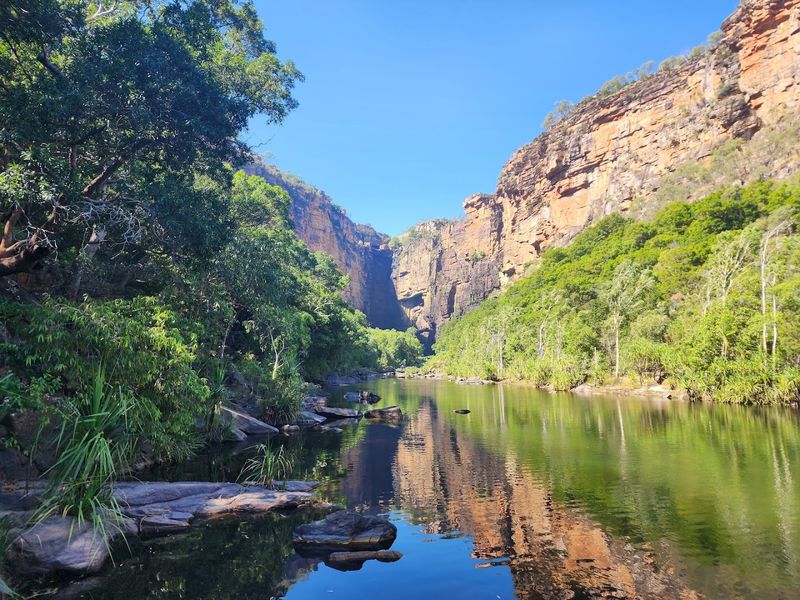
Kakadu is not one park, it is more like five different landscapes sharing the same address. The park stretches from a dramatic sandstone escarpment down through gorges, waterfalls, floodplains, and internationally recognized wetlands, all within one boundary.
UNESCO gave it dual World Heritage status for both its natural and cultural values, which is a rare achievement.
The wetlands attract enormous numbers of waterbirds, including magpie geese and jabirus, making Kakadu a serious destination for birdwatchers. Jim Jim Falls and Twin Falls are accessible in the dry season, and the journey to reach them is part of the experience.
Aboriginal rock art sites in the park date back tens of thousands of years.
Kakadu covers nearly 20,000 square kilometers in the Northern Territory, making it Australia’s largest national park. The wet season transforms the landscape dramatically, flooding the plains and sending waterfalls into full power.
Visiting in the dry season is easier, but both versions are worth seeing.
Galapagos Islands National Park, Ecuador
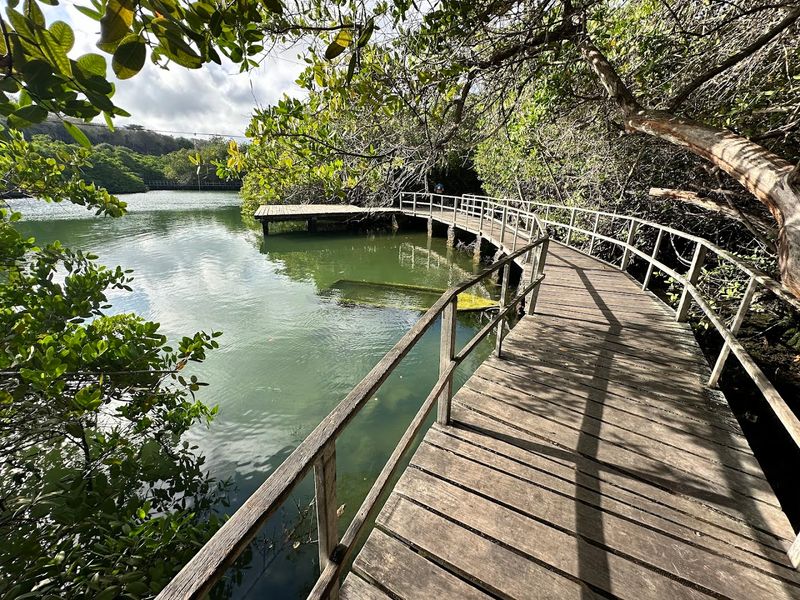
The Galapagos Islands are where evolution decided to run its boldest experiments. UNESCO highlights the islands for exceptional endemism, meaning many species here exist nowhere else on Earth.
The marine iguana is the world’s only ocean-swimming lizard, and it looks like a creature from another planet, which is fitting because these islands feel like another planet.
Animals here have famously little fear of humans. Sea lions nap on benches, blue-footed boobies perform their dance routines without caring who is watching, and giant tortoises move through their days at an unhurried pace that feels almost philosophical.
Charles Darwin visited in 1835, and the islands helped inspire his theory of natural selection.
The national park covers about 97 percent of the Galapagos land area. Visitor access is carefully controlled to protect the ecosystem.
You must travel with a licensed guide, which turns out to be genuinely useful because the wildlife knowledge guides carry is remarkable.
Komodo National Park, Indonesia
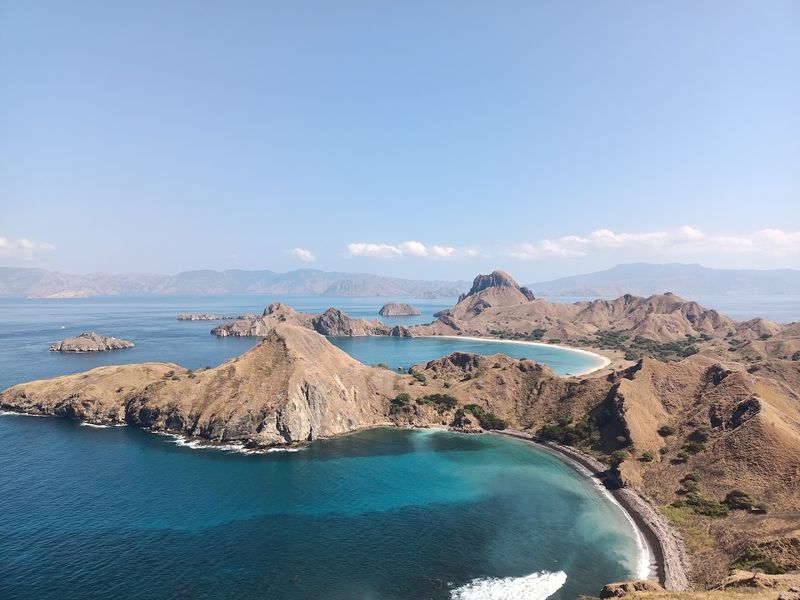
There are not many places where the main attraction could theoretically eat you, but Komodo National Park is one of them. Around 5,700 Komodo dragons live across the volcanic islands here, making this their primary stronghold on Earth.
UNESCO has recognized the park since 1991, and the dragons have been running the place for far longer than that.
Komodo dragons are the world’s largest lizards, reaching up to three meters in length. They hunt using a combination of venom and sheer ambush power, taking down prey much larger than themselves.
Watching one move is both fascinating and deeply unsettling in the best way.
Beyond the dragons, Komodo’s surrounding waters are among the most biodiverse marine environments in the world. Manta rays, sharks, sea turtles, and thousands of fish species live in the coral-rich seas around the islands.
Many visitors combine trekking with snorkeling, which makes for a genuinely unforgettable day. Rangers accompany all visitors on island treks.
Iguazu National Park, Argentina
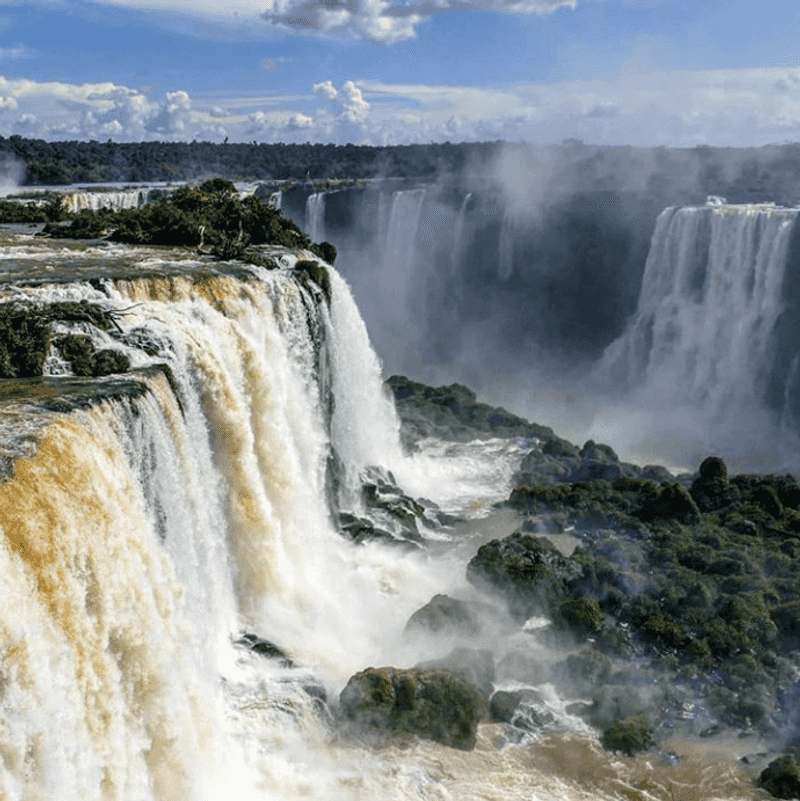
You hear Iguazu Falls before you see them, which tells you everything about the scale involved. UNESCO calls this one of the largest and most spectacular waterfall systems in the world, spanning nearly three kilometers across the Argentina-Brazil border.
The falls are made up of around 275 individual cascades, and the most powerful section, Devil’s Throat, drops 82 meters straight down.
Eleanor Roosevelt reportedly said upon seeing the falls: “Poor Niagara.” That reaction makes complete sense once you are standing at the edge. The surrounding subtropical forest is packed with toucans, coatis, and hundreds of butterfly species that seem unbothered by the roaring water nearby.
The Argentine side offers closer access to individual falls along elevated walkways, while the Brazilian side gives broader panoramic views. Both are worth visiting if you have the time.
Bring waterproof gear for the boat tours, which take you directly under the falls. Getting soaked is not optional, it is the whole point.
Kruger National Park, South Africa
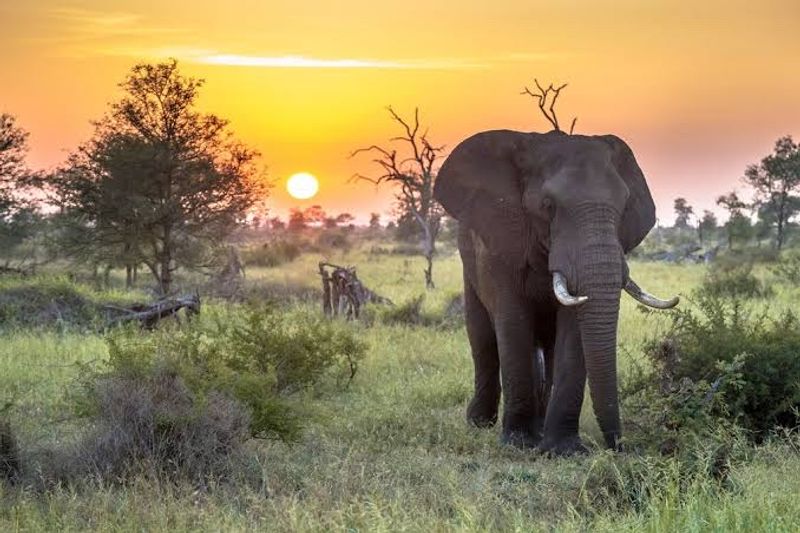
Kruger is where the phrase “Big Five” actually means something. Covering nearly 2 million hectares, South Africa’s flagship park holds lions, leopards, elephants, rhinos, and buffalo alongside thousands of other species.
SANParks consistently ranks it as one of Africa’s premier wildlife experiences, and the numbers back that up completely.
Self-drive safaris are one of Kruger’s best features. Visitors can explore the park in their own vehicles, stopping wherever wildlife appears.
I once sat in a car for forty minutes watching a leopard eat its meal in a tree, and nobody was going anywhere. That kind of unscripted moment is what Kruger delivers constantly.
The park has a well-developed network of rest camps with accommodation ranging from basic camping to comfortable cottages. Night drives with rangers offer a completely different experience, revealing nocturnal animals that daytime visitors rarely encounter.
Kruger rewards patience, and the longer you stay, the more it gives back.
Serengeti National Park, Tanzania
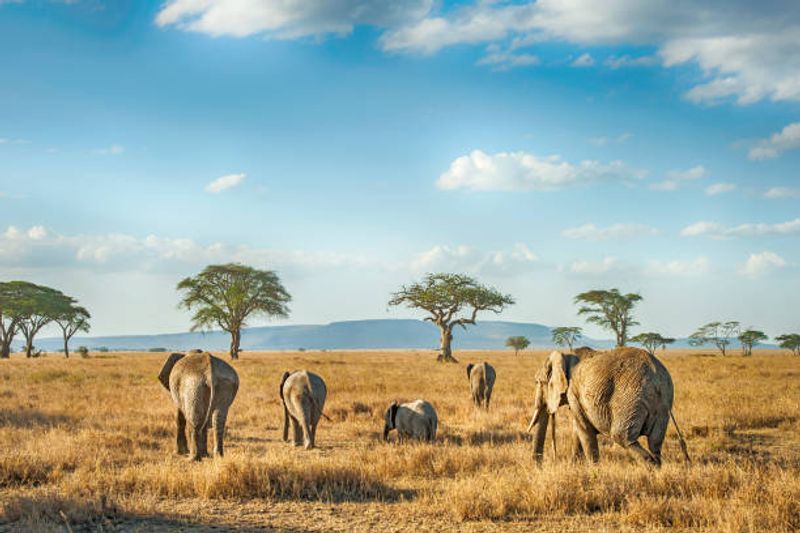
“Serengeti” comes from the Maasai word for endless plains, and Tanzania National Parks confirms the name is accurate. The landscape stretches so far in every direction that the horizon feels like a suggestion rather than a boundary.
This is the stage for the world’s most famous wildlife event: the annual wildebeest migration.
About 1.5 million wildebeest, plus hundreds of thousands of zebras and gazelles, circle the ecosystem in a continuous loop following rainfall and fresh grass. Predators follow the herds, making every crossing of the Mara River a high-stakes wildlife spectacle.
No filmmaker stages it, no schedule controls it. It just happens.
The Serengeti covers about 14,750 square kilometers and connects to Kenya’s Masai Mara to the north, forming one massive ecosystem. Hot air balloon safaris over the plains at sunrise are one of the most memorable experiences available anywhere in Africa.
Book well in advance because those spots fill up fast.
Kaziranga National Park, India
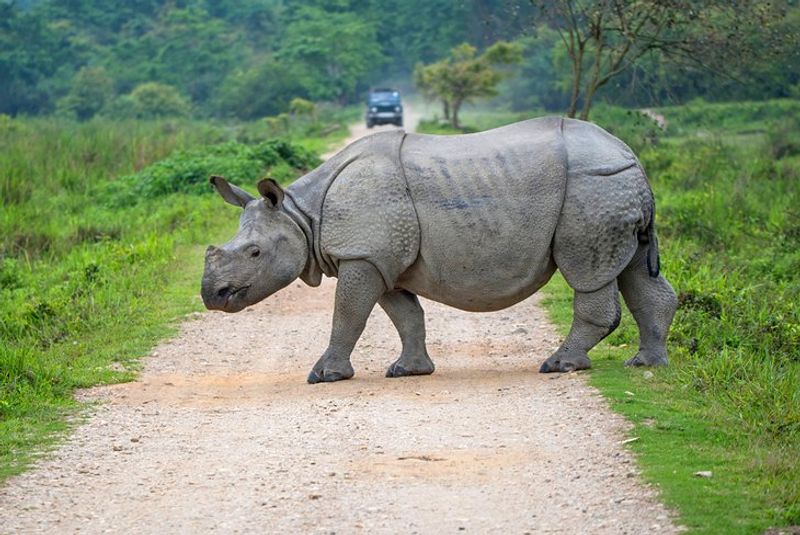
Kaziranga is the rhino’s best comeback story. The park is home to the world’s largest population of the Great Indian one-horned rhinoceros, a species that was nearly wiped out in the early 20th century.
Conservation efforts here helped bring the population back from the brink, and today over 2,600 rhinos live within the park boundaries.
The landscape is a patchwork of elephant grass, marshes, and shallow pools that create ideal habitat for rhinos, elephants, wild buffalo, and tigers. Kaziranga actually has one of the highest densities of tigers of any protected area in the world, though they are harder to spot than the rhinos.
Jeep safaris and elephant-back rides give visitors different perspectives on the terrain.
Located in Assam in northeastern India, Kaziranga became a UNESCO World Heritage Site in 1985. The Brahmaputra River borders the park and floods it seasonally, which the wildlife has adapted to over centuries.
The park’s success is a genuine conservation achievement worth celebrating.
Torres del Paine National Park, Chile
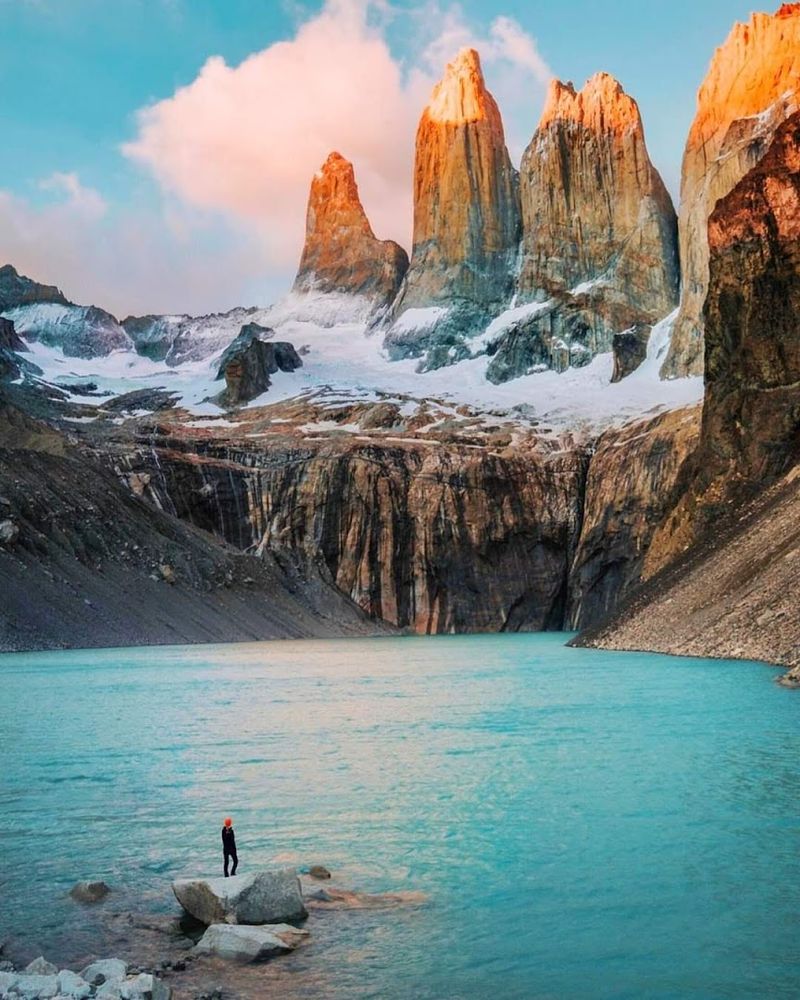
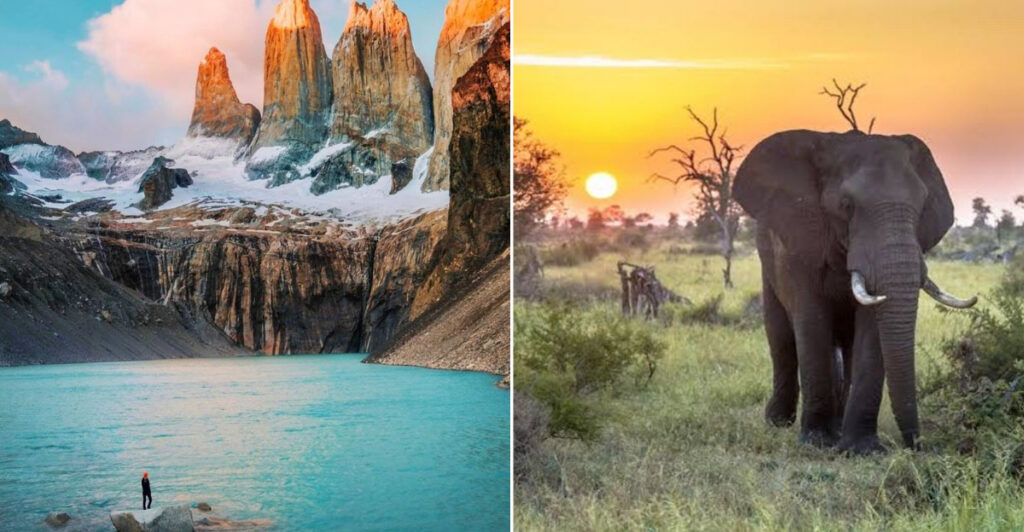
Three granite towers jutting into a Patagonian sky is the image that has put Torres del Paine on every serious hiker’s bucket list. The Paine massif serves as the park’s unmistakable centerpiece, surrounded by glaciers, lakes, rivers, and sweeping steppe that stretch toward the horizon.
The light here changes constantly, making the same view look completely different hour to hour.
The W Trek and the full Circuit are the park’s two main multi-day routes, drawing hikers from around the world. Guanacos, the wild relatives of llamas, wander across the trails without concern.
Condors circle overhead regularly, which is one of those sights that never stops being thrilling no matter how many times it happens.
Chilean Patagonia is famous for unpredictable weather, and Torres del Paine lives up to that reputation. Wind, rain, sun, and snow can all appear within a single afternoon.
Layered clothing and waterproof gear are non-negotiable. The park rewards preparation with some of the most dramatic scenery available anywhere on the planet.
Arenal Volcano National Park, Costa Rica
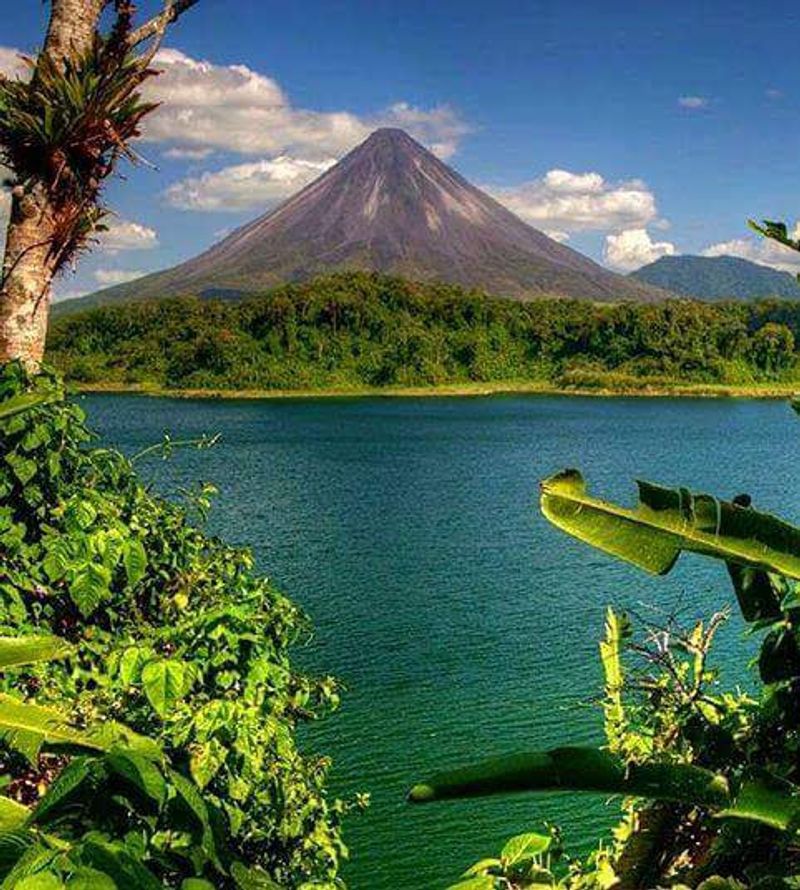
A volcano surrounded by rainforest is already a strong concept, but Arenal pulls it off with style. Costa Rica’s official sources describe the park as a combination of rainforest trails, rich wildlife, and views of the symmetrical cone that makes Arenal one of the most photogenic volcanoes in the Americas.
Preserved lava flows from past eruptions are still visible along certain trails.
The park is packed with wildlife, from howler monkeys crashing through the canopy to poison dart frogs sitting boldly on the forest floor. Toucans, sloths, and coatis all show up regularly, making any walk through the park feel like a wildlife lottery where everyone wins.
Hot springs near the park, heated by geothermal activity, are a popular way to end a day of hiking.
Arenal sits in the La Fortuna region, which is well set up for visitors with plenty of accommodation and tour options. Cloud cover can hide the volcano’s peak, so morning visits generally offer the clearest views.
Patience pays off here, as it does in most of Costa Rica.
Wulingyuan Scenic Area, China
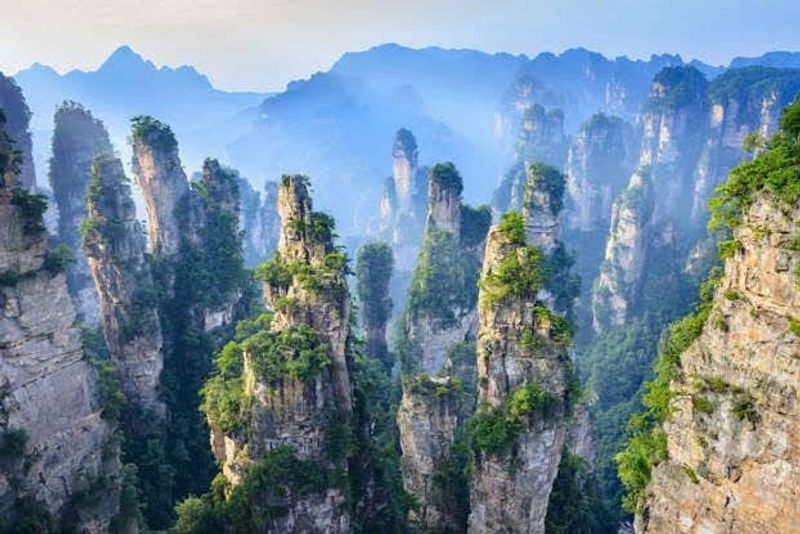
Over 3,000 sandstone pillars rising more than 200 meters out of a forested valley sounds like something from a fantasy novel. Wulingyuan Scenic Area in Hunan Province, China, is exactly that, and UNESCO made it a World Heritage Site in 1992 to make sure everyone knew about it.
The pillars, draped in vegetation and often wrapped in mist, create a landscape unlike anything else on Earth.
The park also contains ravines, gorges, streams, pools, waterfalls, caves, and natural bridges, making it far more varied than just the famous pillars. Glass-bottomed bridges and cable cars have been added in recent years, offering views that are equal parts thrilling and terrifying.
The Bailong Elevator, built into a cliff face, is the world’s tallest outdoor elevator.
Wulingyuan inspired the floating mountains in the film Avatar, which tells you something about how otherworldly the landscape looks. Weekdays are quieter than weekends for visiting.
The park covers about 264 square kilometers, so comfortable walking shoes are essential for exploring properly.
Yosemite National Park, USA
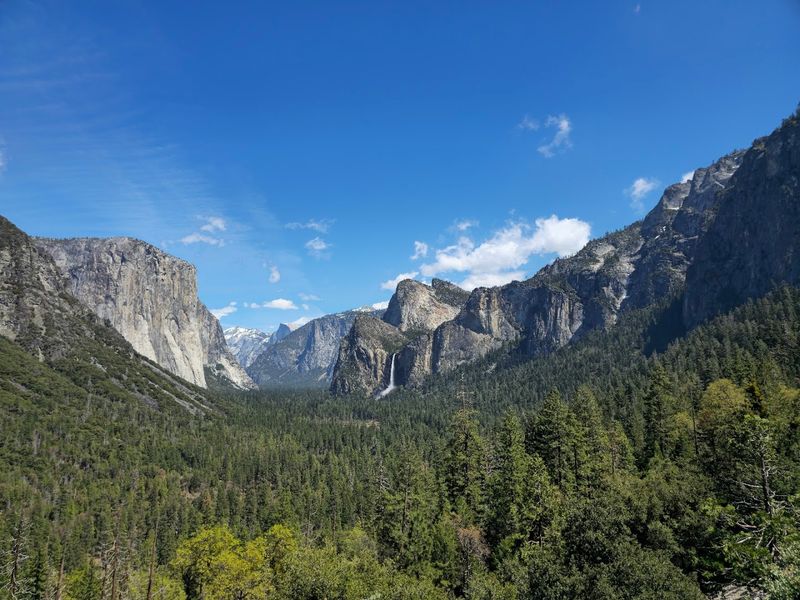
Yosemite has been making jaws drop since before photography existed to prove it. The National Park Service highlights the park’s massive granite cliffs, including El Capitan and Half Dome, alongside ancient giant sequoias in the Mariposa Grove, which contains over 500 mature trees.
The scale of everything here is genuinely hard to process until you are standing inside it.
Yosemite Falls is one of the tallest waterfalls in North America, and the valley it sits in was carved by glaciers over millions of years. Rock climbers from around the world treat El Capitan as the ultimate challenge.
Watching tiny figures ascend that enormous wall is humbling in ways that are hard to put into words.
The park gets around four million visitors a year, so timed entry reservations are required during peak season. Arriving early in the morning helps avoid the biggest crowds and catches the best light on the valley walls.
Yosemite rewards those who venture beyond the main valley floor into its quieter, wilder corners.
Share this story