Some cities just have it all. They carry centuries of history in their streets, buzz with real energy, and serve food that makes you rethink everything you thought you knew about American cuisine.
I have been lucky enough to visit a good chunk of the cities on this list, and every single one left a mark. Whether you are a history nerd, a food lover, or just someone who wants a trip worth talking about, these 16 cities deliver the full package.
New Orleans, Louisiana
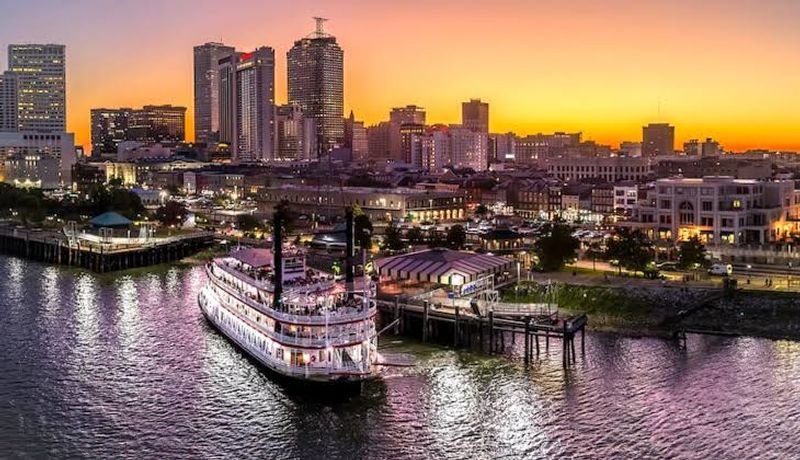
New Orleans does not just have a food scene. It has a food religion.
Every neighborhood, every corner, every second-hand kitchen smell tells you something about this city’s soul. Gumbo, po-boys, muffulettas, and beignets are not menu items here.
They are cultural artifacts.
I once stumbled into a tiny Creole spot on Magazine Street with no sign outside and had the best bowl of red beans and rice of my life. Nobody warned me.
That is just how New Orleans works.
The French Quarter sets the tone with its wrought-iron balconies and jazz spilling into the street at all hours. The city’s history runs deep, shaped by French, Spanish, African, and Caribbean influences.
That layered past is exactly why the food hits so differently here. New Orleans earns its reputation not by trying, but by simply being itself.
Charleston, South Carolina
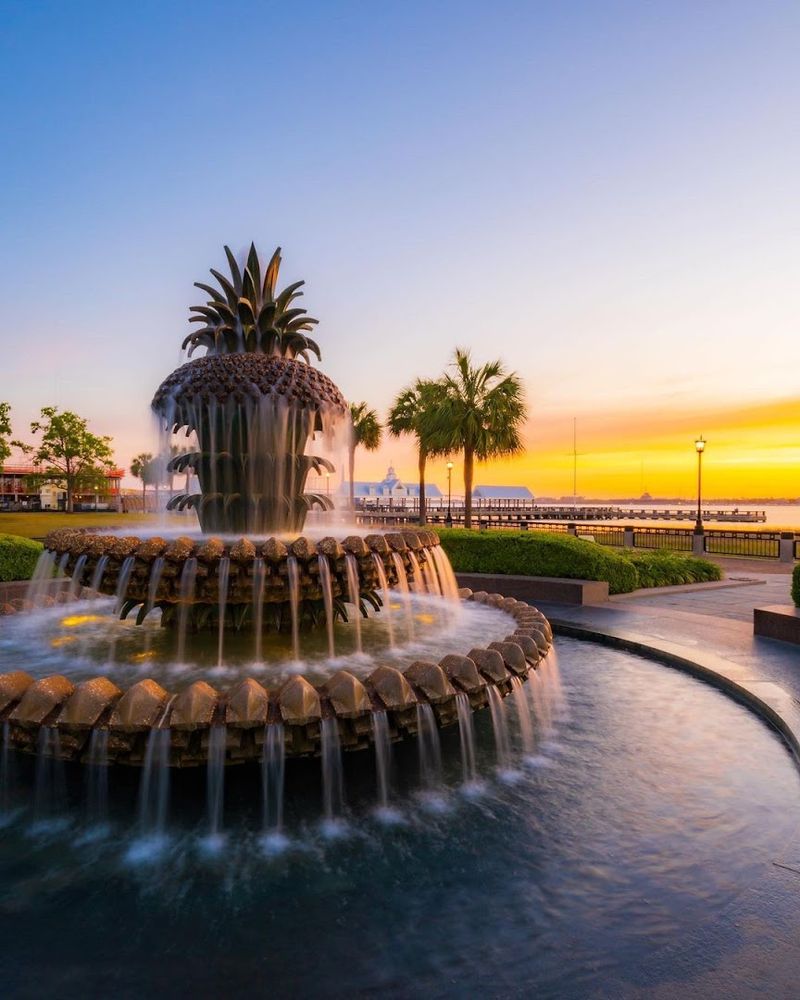
Charleston has a way of making you slow down without even asking. The cobblestone streets, the rainbow-painted historic homes, the harbor breeze.
It all adds up to a city that feels genuinely graceful rather than artificially charming.
Lowcountry cuisine is the real star here. Shrimp and grits might sound simple, but Charleston chefs have spent decades perfecting every version of it.
She-crab soup is another local obsession worth tracking down.
What makes Charleston stand out on this list is how naturally history and food connect here. You can walk through centuries-old streets, learn about the city’s complex past, and then sit down to a meal that reflects that same layered heritage.
Nothing feels disconnected. The dining scene is serious but never stuffy, which is a hard balance to strike.
Charleston pulls it off with the kind of effortless confidence that only comes from doing something for a very long time.
Boston, Massachusetts
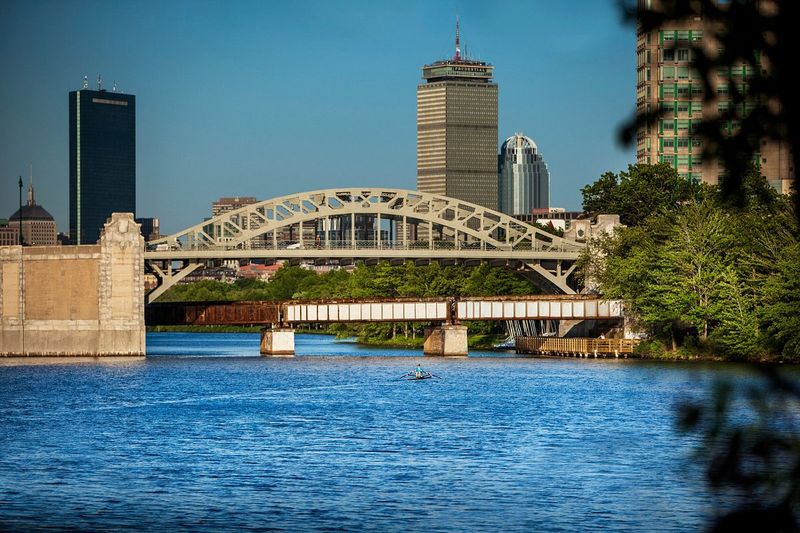
Boston makes history feel personal. Walk the Freedom Trail and you are literally following a red line painted across the city to connect 16 historic sites.
It is one of the cleverest tourist ideas any American city has ever pulled off.
But Boston is not just a history lesson in walking shoes. The neighborhoods pulse with university energy, local pride, and a dining scene that punches well above its size.
Clam chowder is the obvious starting point, but lobster rolls and Boston cream pie deserve equal loyalty.
One thing I noticed on my first visit was how much locals care about their food. Order a clam chowder in a bread bowl near Faneuil Hall and watch the room light up with opinions.
That kind of passionate ownership over regional food is exactly what makes a city memorable. Boston has history in its bones and comfort food in its heart, which is a combination that never gets old.
San Antonio, Texas
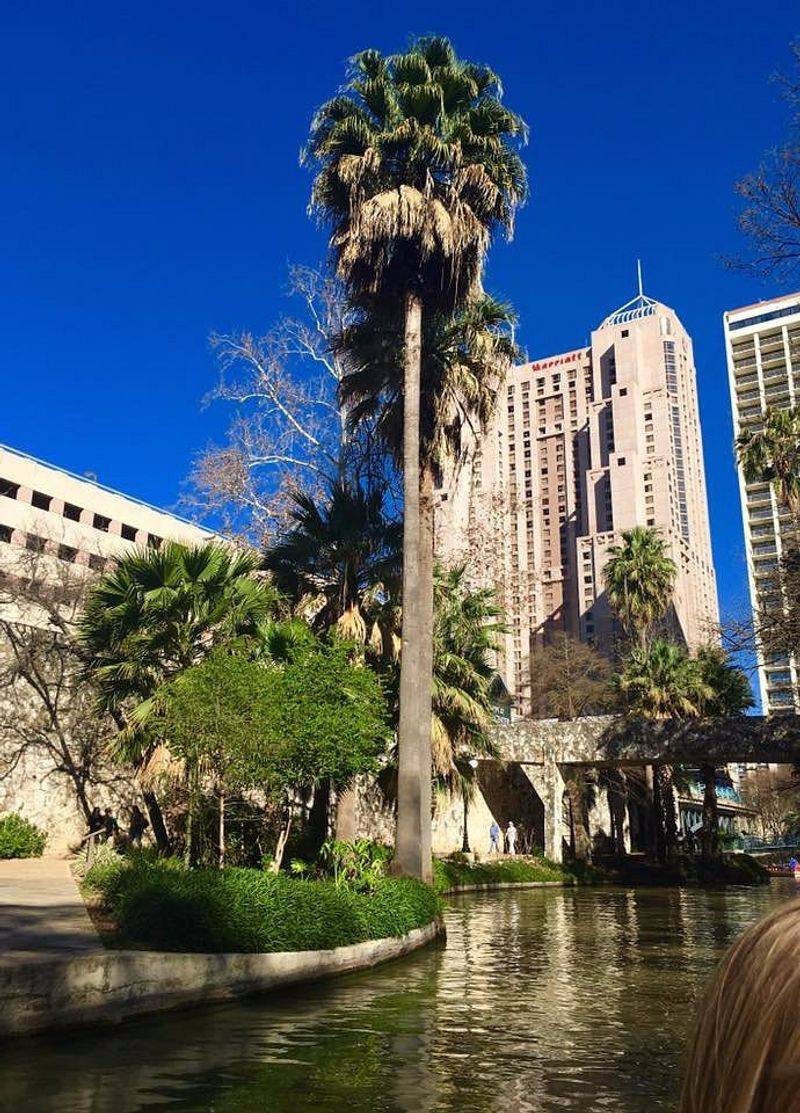
San Antonio is one of those cities that surprises you with how much it offers. The River Walk alone could fill a full day, winding through restaurants, bars, and bridges with a festive energy that never really stops.
History is baked into the city’s layout. The Spanish colonial missions, including the Alamo, give San Antonio a distinct old-world character that few Texas cities can match.
This is a place where centuries of Spanish, Mexican, and Texan culture have layered on top of each other in the best possible way.
Tex-Mex is the food identity here, and San Antonio wears it proudly. Puffy tacos are a local specialty you will not find done better anywhere else.
The breakfast taco situation alone could justify the trip. What I love most about San Antonio is that the history and the food feel connected rather than separate attractions.
They both come from the same cultural roots, which makes the whole experience feel cohesive and genuinely authentic.
Philadelphia, Pennsylvania
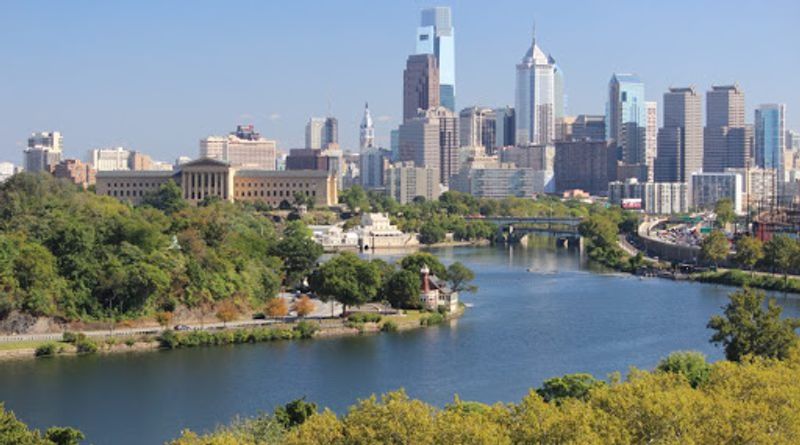
Philadelphia has been America’s founding city for so long that it sometimes gets taken for granted. The Liberty Bell, Independence Hall, and the Betsy Ross House are all within walking distance of each other.
That kind of historic concentration is genuinely rare.
But Philly has never been content to just be a museum. Reading Terminal Market, open since 1893, is one of the greatest indoor food markets in the country.
Amish vendors, cheesesteak counters, and soft pretzel stands all coexist in glorious, slightly chaotic harmony.
The cheesesteak debate alone could keep you busy for days. Pat’s or Geno’s?
Whiz or provolone? These are questions Philadelphians take seriously, and honestly, so should you.
The city has a gritty, working-class energy that makes it feel real in a way that more polished cities sometimes miss. Philadelphia does not try to impress you.
It just feeds you, teaches you history, and dares you not to love it.
Savannah, Georgia
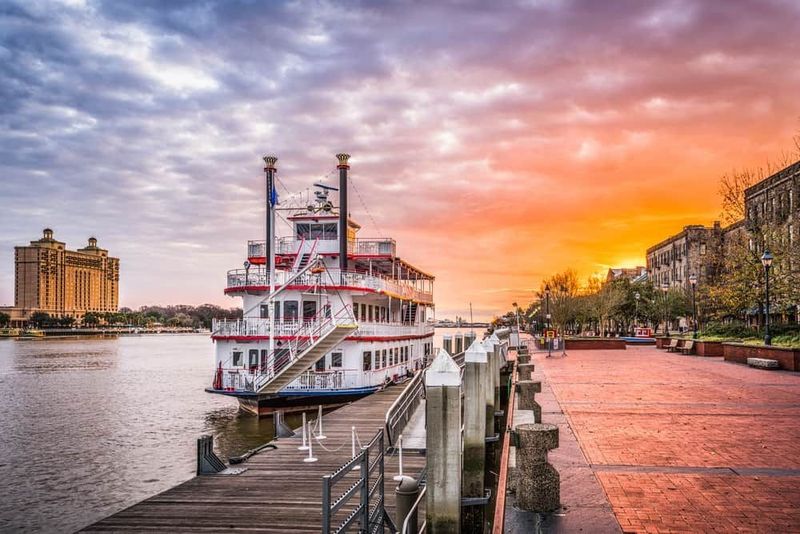
Savannah is the kind of city that makes you want to cancel your return flight. The 22 historic squares, each one shaded by ancient oaks dripping with Spanish moss, give the city a mood that is hard to replicate anywhere else in America.
Southern cooking here goes beyond clichés. Local chefs take traditions seriously and update them thoughtfully.
Fried chicken, shrimp and grits, and peach cobbler are all done with real craft. The food scene has grown significantly in recent years without losing its roots.
What keeps Savannah on this list is how seamlessly the history, atmosphere, and food blend together. A walk through the historic district naturally leads you past restaurants, markets, and bakeries that feel like part of the city’s story rather than tourist additions.
Savannah is romantic without being saccharine, historic without feeling frozen in time. It moves at its own pace, feeds you well, and quietly refuses to be anything other than exactly itself.
Santa Fe, New Mexico
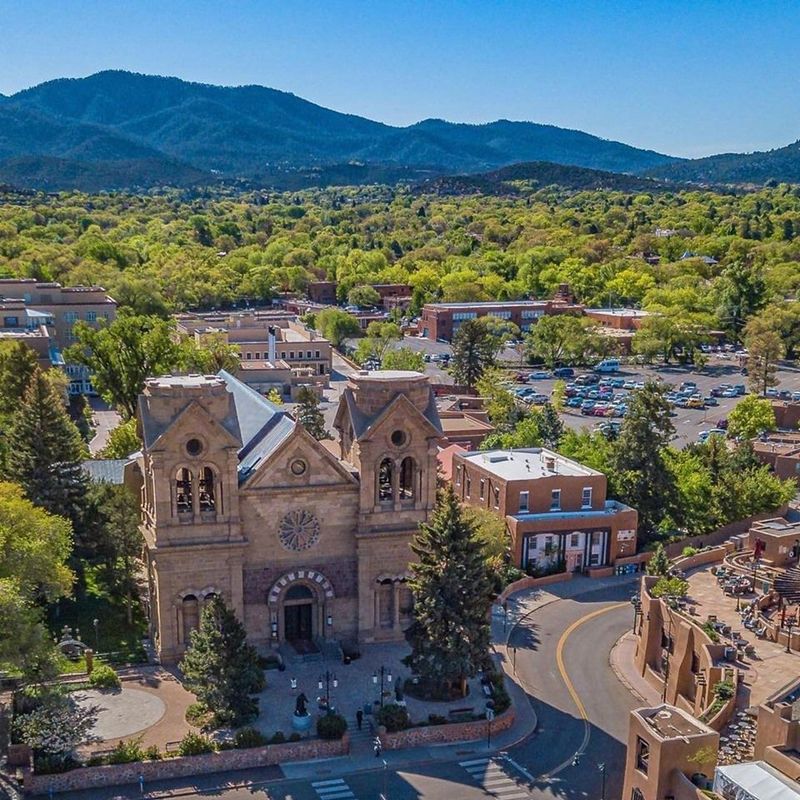
Santa Fe sits at 7,000 feet above sea level, and the altitude is not the only thing that will take your breath away. This city has been continuously inhabited for over 400 years, making it one of the oldest capital cities in North America.
That history shows in every adobe wall and narrow street.
New Mexican cuisine is its own thing entirely. Do not confuse it with Tex-Mex or California Mexican.
The red and green chile sauces here are built from locally grown peppers with a flavor profile that is specific to this region. Blue corn everything is also very much on the menu.
The arts culture adds another layer to the experience. Galleries line Canyon Road, Native American jewelry fills the plaza, and the whole city operates like a living museum that also happens to serve outstanding food.
Santa Fe rewards slow travelers who want to actually absorb a place rather than just photograph it and move on.
St. Augustine, Florida
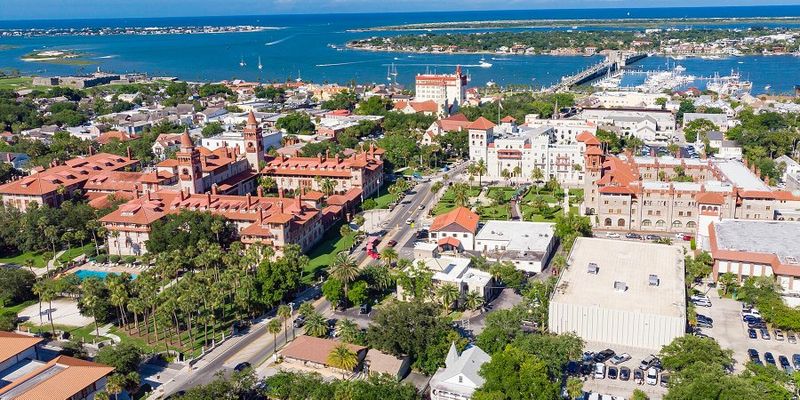
Founded in 1565, St. Augustine is the oldest continuously occupied European settlement in the United States. That fact alone earns it a permanent spot on any serious American history list.
The Castillo de San Marcos, a 17th-century Spanish fort still standing on the waterfront, is one of the most impressive historic structures in the entire country.
Florida’s Historic Coast has done smart work connecting the city’s heritage to its food culture. Local restaurants lean into Spanish and Minorcan influences, and datil pepper hot sauce is a regional specialty you will not find anywhere else.
The culinary scene here is smaller than some cities on this list, but it is distinctive in ways that matter.
St. Augustine works especially well as a destination because it does not feel manufactured. The history is real, the streets are genuinely old, and the food tells an actual story.
For travelers who want authenticity over spectacle, this city delivers something quietly powerful and completely worth the trip.
Chicago, Illinois
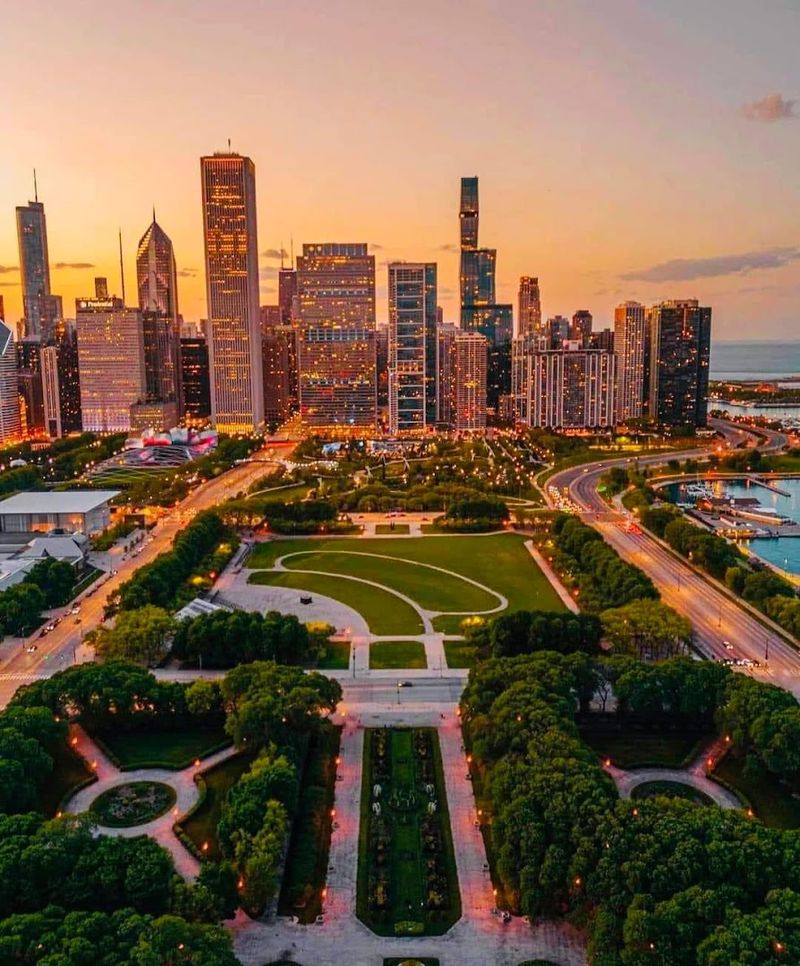
Chicago is the kind of city that makes you feel small in the best possible way. The architecture alone is worth the trip.
The city essentially reinvented itself after the Great Fire of 1871 and became a testing ground for modern building design. Walking downtown feels like a live architecture textbook.
The food identity here is loud and unapologetic. Deep-dish pizza is the obvious entry point, but Italian beef sandwiches soaked in gravy are arguably the more Chicago thing to eat.
The neighborhood dining culture, from Pilsen to Chinatown to Wicker Park, adds serious depth beyond the tourist classics.
Chicago also punches hard on energy. The city moves fast, the El train rattles overhead, and there is always something happening.
It never feels like a city coasting on its reputation. I spent a long weekend there once and barely scratched the surface.
That is the mark of a truly great city. You always leave with a longer list than you arrived with.
Nashville, Tennessee
Hot chicken changed American food culture, and Nashville invented it. The story goes that Thornton Prince’s jealous girlfriend made his fried chicken insanely spicy as revenge, and he loved it so much he opened a restaurant.
That is either a great origin story or a great lie, but either way, the chicken is legendary.
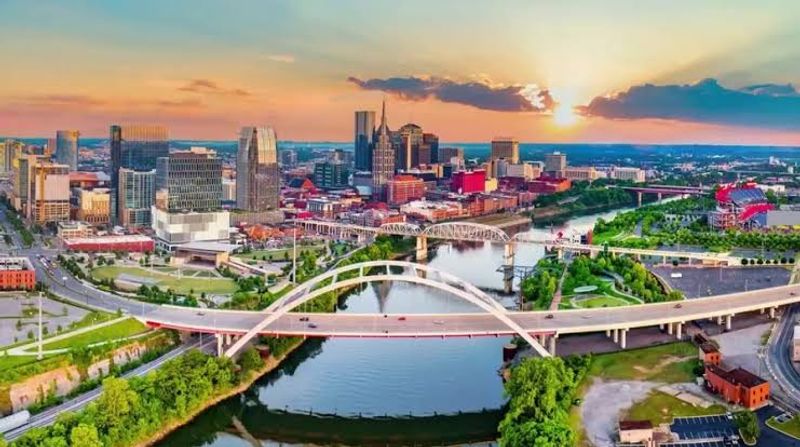
Music City has a pace that is hard to match. Broadway fills up early and stays loud late.
The honky-tonks, the rooftop bars, the live music everywhere. Nashville moves like a city that genuinely enjoys itself, which is contagious in the best way.
Beyond the chicken and the country music, Nashville has developed a serious food scene that goes well beyond tourist traps. Chef-driven restaurants, great cocktail bars, and a growing brunch culture have made it a legitimate dining destination.
The history here is musical more than political, but it runs just as deep. Nashville knows exactly who it is, and it is very happy to show you.
Washington, D.C.
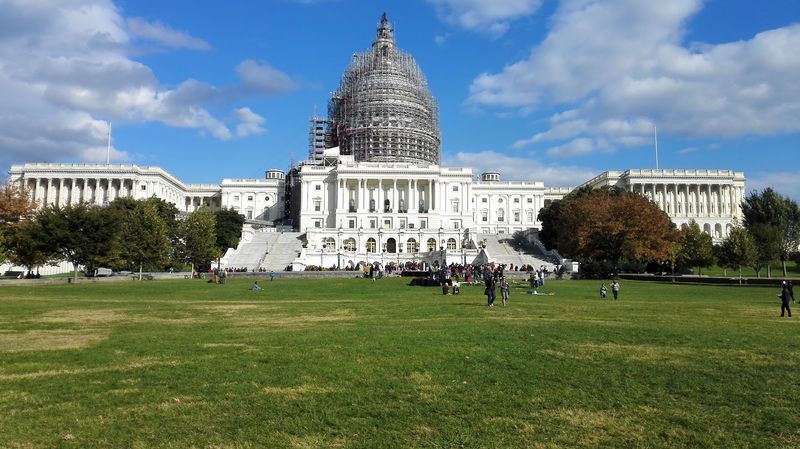
Washington D.C. is the only city on this list where you can walk from a museum dedicated to American history to a Michelin-starred restaurant in about fifteen minutes. That contrast is part of what makes it so compelling as a travel destination.
The monuments are genuinely moving in person. The Lincoln Memorial, the Vietnam Veterans Memorial, the Martin Luther King Jr. Memorial.
These are not just photo ops. They carry real weight, and visiting them in sequence tells a powerful national story.
What surprises many visitors is how alive the neighborhoods are beyond the monuments. Shaw, Adams Morgan, and Capitol Hill all have distinct personalities and strong local food scenes.
Ethiopian cuisine has deep roots in D.C. and is absolutely worth seeking out. The city also benefits from world-class free museums, which means your food budget stays intact.
D.C. rewards visitors who look past the obvious landmarks and spend time in the neighborhoods where the real city actually lives.
New York City, New York
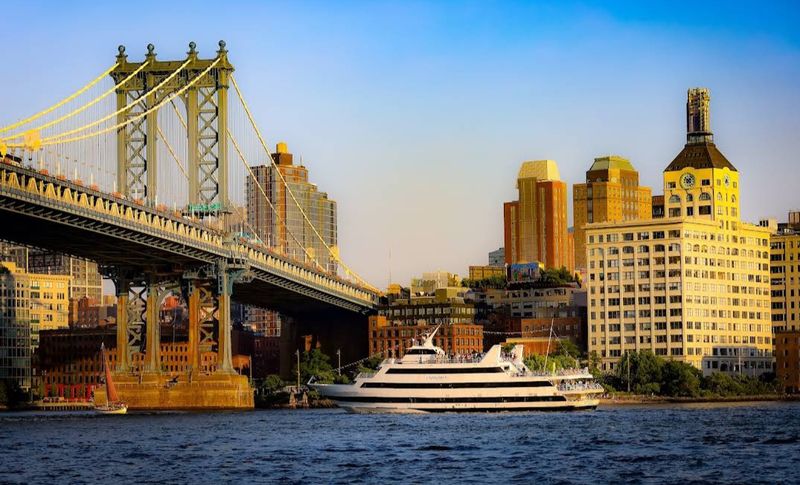
New York City has five boroughs, eight million people, and approximately one strong food opinion per resident. The scale of it is genuinely hard to process until you are standing in the middle of it trying to decide between a slice of pizza, a bagel, and a bowl of ramen that are all within the same block.
The city’s food culture was built by immigrants, and that heritage is still visible everywhere. Little Italy, Chinatown, Flushing, Jackson Heights, and Arthur Avenue all tell distinct stories through their restaurants and markets.
NYC Tourism is right to push all five boroughs, because limiting yourself to Manhattan means missing most of what makes this city extraordinary.
History runs deep here too, from the colonial-era streets of Lower Manhattan to the immigrant tenement buildings of the Lower East Side. New York is not a city you ever fully figure out.
Every visit reveals something new. That is not a cliche.
It is just the honest reality of a place this relentlessly layered and alive.
San Francisco, California
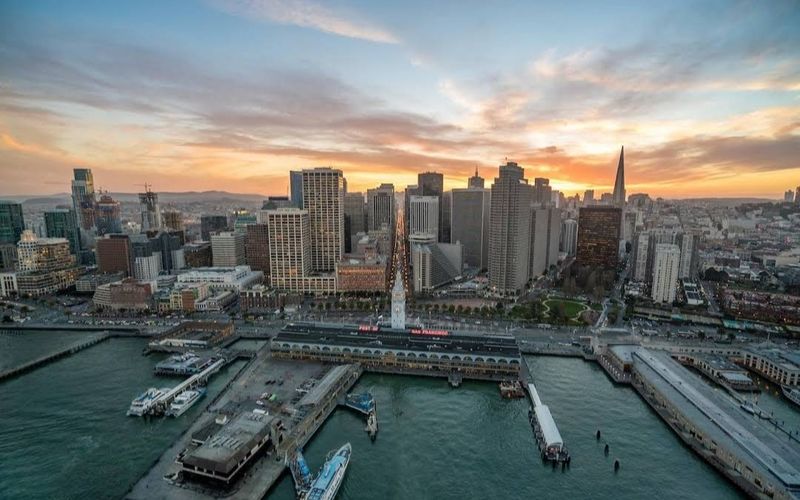
San Francisco has a geography that does the heavy lifting before you even eat anything. The hills, the bay, the fog rolling in over the Golden Gate Bridge.
It is a city with strong visual identity built right into its landscape.
The food scene here earned its reputation honestly. Sourdough bread baked with wild yeast cultures that date back to the Gold Rush era.
Dungeness crab from the bay. Mission-style burritos that launched a thousand imitations.
San Francisco’s culinary contributions to American food culture are genuinely significant and still evolving.
History layers run from the Gold Rush to the Beat Generation to the tech boom, and each era left marks on the city’s neighborhoods. Chinatown is the oldest in North America.
The Mission District carries deep Latino cultural roots. North Beach still smells like espresso and old bookshops.
San Francisco rewards curious travelers who want a city with actual chapters to its story, not just a highlight reel.
Portland, Maine
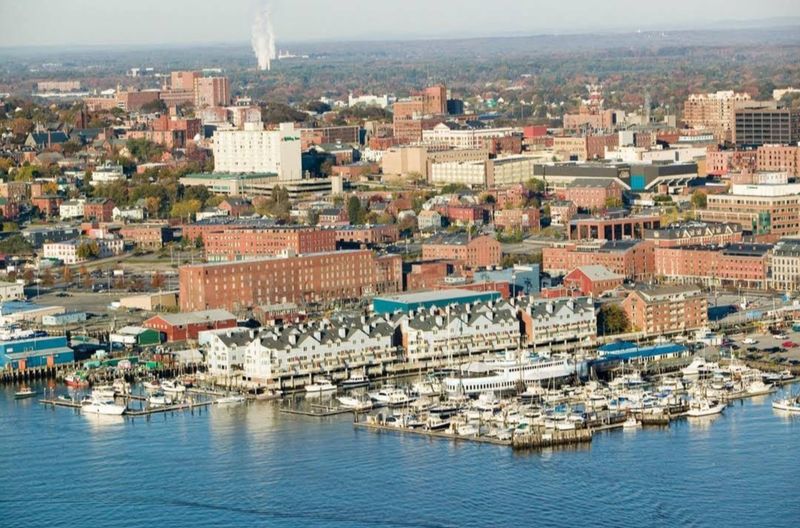
Portland, Maine is proof that a city does not need to be enormous to be exceptional. The Old Port district packs more charm, history, and seafood into a few walkable blocks than cities ten times its size manage across entire neighborhoods.
The maritime heritage here is not decorative. Portland has been a working fishing port for centuries, and that history feeds directly into what ends up on your plate.
Lobster rolls, clam chowder, and oysters from local waters are not tourist additions. They are the actual food culture of this place.
What makes Portland worth a dedicated trip is the combination of intimacy and quality. The restaurant scene punches far above the city’s population size.
James Beard Award nominations have become almost routine here. The historic New England architecture gives every block a sense of permanence that newer cities simply cannot manufacture.
Portland is a place that rewards people who choose depth over spectacle, and it delivers on that promise every single time.
Baltimore, Maryland
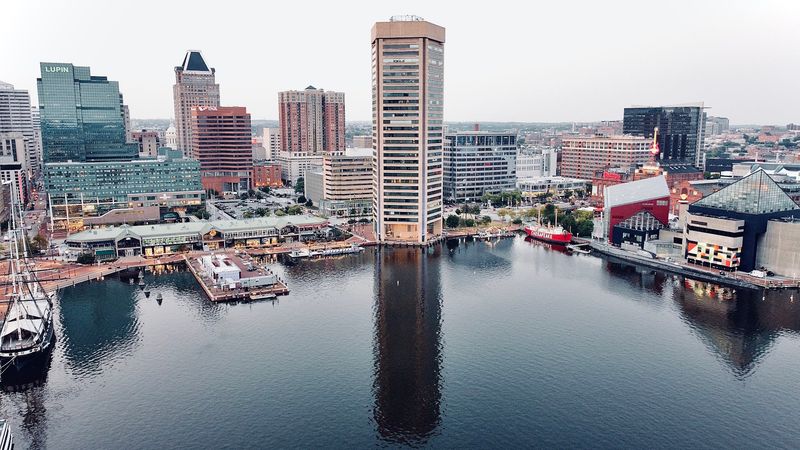
Baltimore does not polish itself up for visitors, and that is exactly what makes it worth visiting. The city has texture, grit, and a local pride that runs so deep it practically has its own accent.
Hon culture is real, and the people here will tell you exactly what they think of your crab cake technique.
Chesapeake blue crabs are the city’s culinary religion. Old Bay seasoning, mallets, brown paper on the table.
A proper Maryland crab feast is less a meal and more a full afternoon commitment. Visit Baltimore is not exaggerating when it puts crab cakes at the center of the city’s food identity.
The history here goes beyond the Inner Harbor’s tourist circuit. Fort McHenry, where Francis Scott Key wrote the Star-Spangled Banner, sits just a short drive from downtown.
Civil rights history is woven throughout the city’s neighborhoods. Baltimore is a city that has been through a lot and carries all of it honestly, which makes every visit feel meaningful rather than superficial.
Los Angeles, California
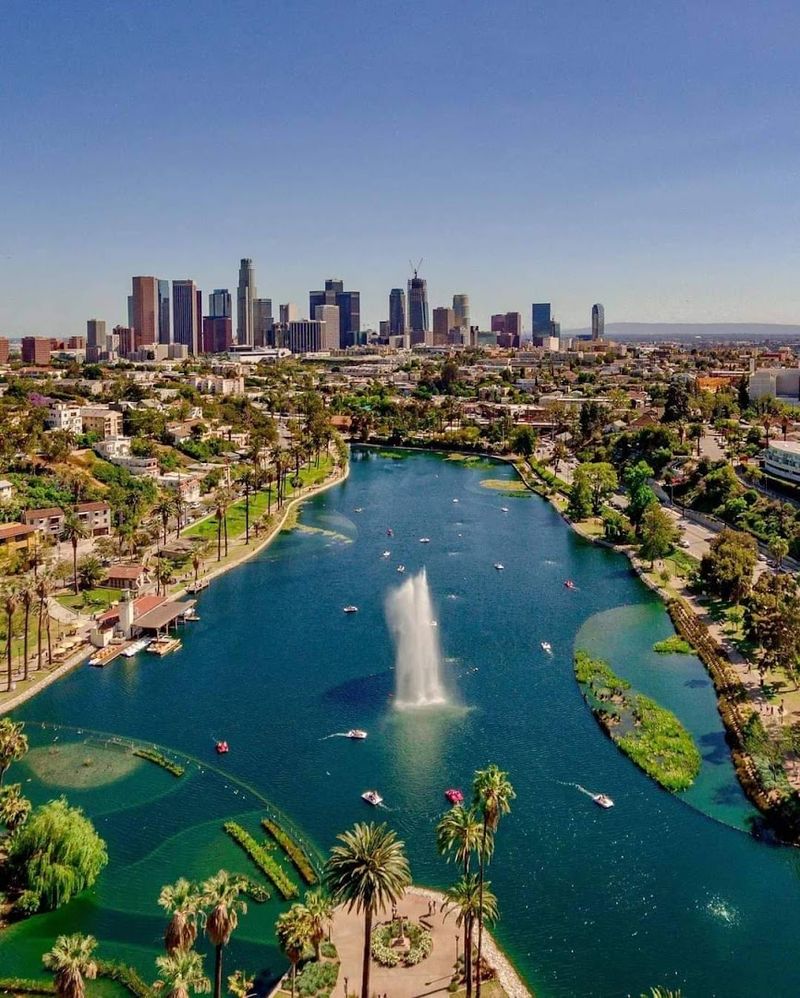
Los Angeles gets labeled as shallow more often than it deserves, which is ironic for a city with a founding story that stretches back to 1781. El Pueblo de Los Angeles Historical Monument marks the actual birthplace of the city, and Olvera Street, the oldest street in LA, is still one of its most vibrant cultural destinations.
Tacos are the defining food of Los Angeles, and Discover Los Angeles has leaned fully into that identity. Street tacos, birria tacos, fish tacos, breakfast tacos.
The variety and quality here rival anywhere in the country. The taco truck scene alone could fill a week of eating.
What makes LA surprising for history lovers is how much cultural depth exists beneath the entertainment industry surface. The city’s Latino heritage, its Japanese American history in Little Tokyo, its African American cultural roots in Leimert Park.
These neighborhoods tell stories that most visitors never get to hear. Los Angeles rewards the curious traveler who shows up ready to look past the obvious and find the real city underneath.
Share this story