Most travelers heading to Ann Arbor pass right through Ypsilanti without giving it a second look – and that is exactly why it still feels like a genuine discovery. This is not a place built around big attractions or carefully packaged experiences.
It is a town you understand gradually, one street and one stop at a time.
At first glance, Ypsilanti can seem quiet, even a little rough around the edges. But spend a bit of time here, and a different picture starts to come into focus.
Historic buildings, independent shops, local restaurants, and small venues all come together to create a place that feels lived-in rather than curated.
The appeal is not in any one standout feature. It is in how everything fits together.
A walk through Depot Town, a stop at a local café, or a casual live show in the evening reveals a community that supports its own and does things on its own terms.
There are creative elements here – local art, small galleries, occasional public pieces – but they are not the headline. What stands out more is the character of the town itself: unpolished, independent, and quietly interesting in ways that reward a slower visit.
Ypsilanti is not trying to compete with bigger destinations nearby. And that is exactly why it ends up being worth the stop.
Where Ypsilanti Puts Itself on the Map
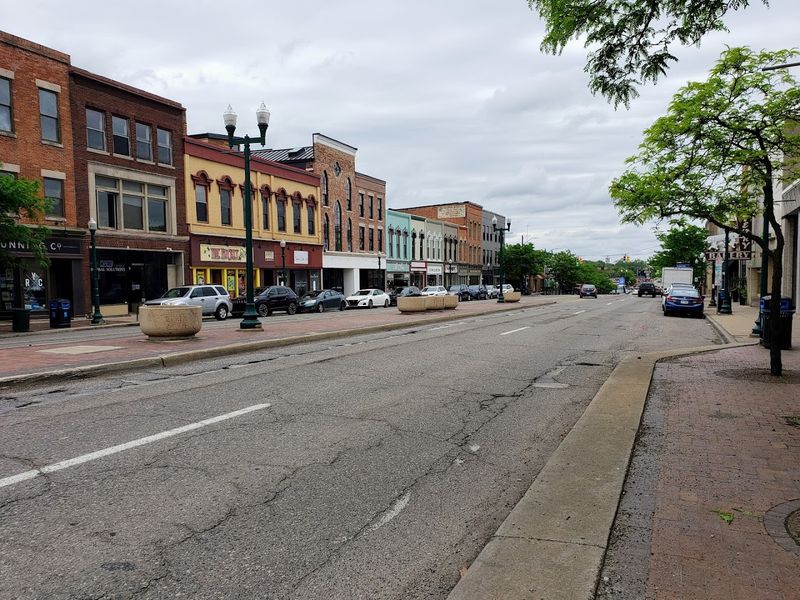
Right in the heart of Washtenaw County, Ypsilanti sits at a crossroads that feels both historic and alive. The city’s official address is Ypsilanti, Michigan, and you can find its city hall at 1 South Huron Street, Ypsilanti, MI 48197.
The Huron River wraps around parts of the city, giving it a natural backdrop that softens all those hard-edged brick facades.
Eastern Michigan University anchors the north side of town, bringing a constant flow of students, artists, and thinkers into the mix. That university energy is a big reason why Ypsilanti never feels stagnant.
New ideas keep arriving, and the local creative community absorbs them fast.
The city sits just six miles east of Ann Arbor, which means it gets some of that university-town energy without the price tag or the crowds. If you want the real Michigan experience without the polish, Ypsilanti is exactly where you should be looking.
The Historic District That Feels Like a Time Capsule
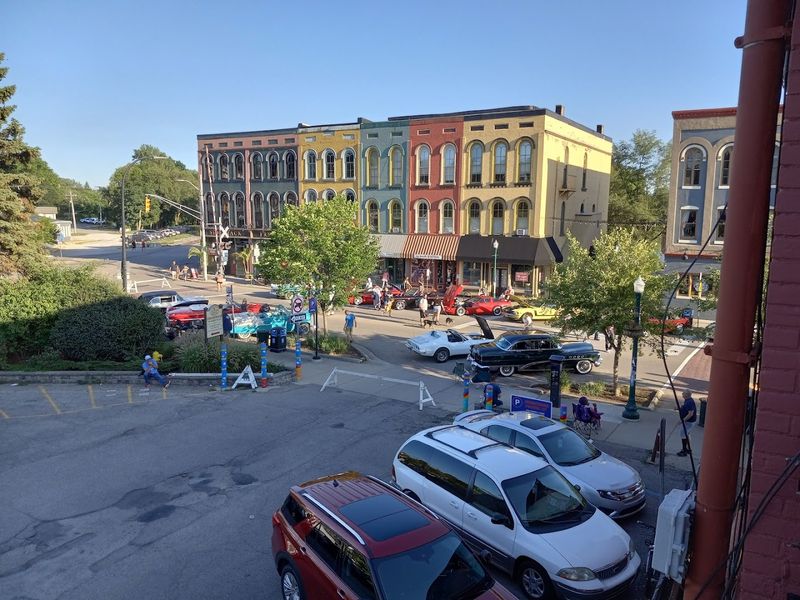
Few Michigan towns wear their history as openly as Ypsilanti does. The Depot Town neighborhood is the crown jewel of that history, a stretch of 19th-century commercial buildings along East Cross Street that have been preserved with real care and attention.
Walking through it feels like someone froze a moment in time and then decided to keep the coffee shops open.
The architecture here ranges from Italianate storefronts to solid brick warehouses, and nearly every building has a story attached to it. Many of them now house independent restaurants, record stores, vintage shops, and art studios, which means the past and the present are sharing the same square footage.
Depot Town earned its name from the old railroad depot nearby, which once connected Ypsilanti to the broader Midwest economy. That same spirit of connection still runs through the neighborhood today, just expressed through art markets and live music instead of freight cars.
History here is not behind glass; it is underfoot.
The Music Scene Nobody Outside Michigan Knows About
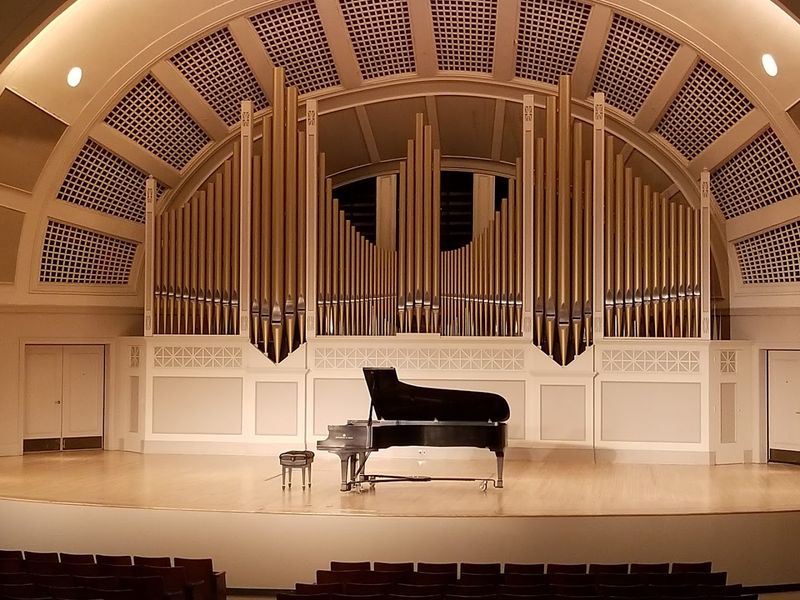
Ypsilanti has a music culture that operates mostly under the radar, which somehow makes it even better. The venues here are small, the crowds are passionate, and the performers range from local bands cutting their teeth to touring acts who know that Ypsi audiences actually listen.
The Elbow Room on Washington Street has long been a hub for live music, booking everything from indie rock to jazz to soul. The intimacy of the space means you are never more than twenty feet from the stage, and that proximity changes how music feels.
You hear every note differently when the performer is right in front of you.
Beyond the dedicated venues, music spills out of Ypsilanti in unexpected ways. Outdoor festivals, pop-up performances in Depot Town, and university showcases all add to a calendar that keeps the city humming year-round.
The music scene here rewards curiosity, and the more you explore, the more you realize how deep the talent runs in this small river city.
The Ypsilanti Food Co-op and the Culture of Community
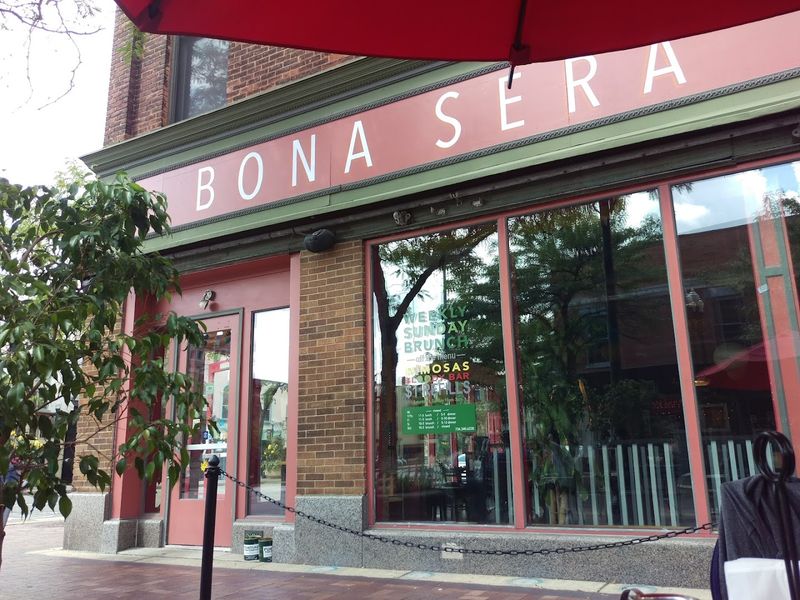
Community-minded businesses are part of what gives Ypsilanti its character, and the Ypsilanti Food Co-op is a perfect example. This member-owned grocery store on North River Street has been a gathering point for the city’s progressive, creative community for years, stocking local produce, handmade goods, and products from regional makers.
Shopping here feels nothing like a standard grocery run. The staff knows the products intimately, the bulletin boards are plastered with flyers for local events and art shows, and the whole atmosphere encourages you to slow down and connect.
It is the kind of place where you go for vegetables and leave with three new recommendations for weekend activities.
The co-op also reflects something important about Ypsilanti’s broader identity. This is a city that values cooperation over competition, local over corporate, and people over profit.
That ethic runs through the arts scene too, where collaboration between artists, venues, and audiences feels like the default mode rather than the exception. The co-op is as much a cultural institution as any gallery in town.
Holy Bones Festival & the City’s Handmade Scene
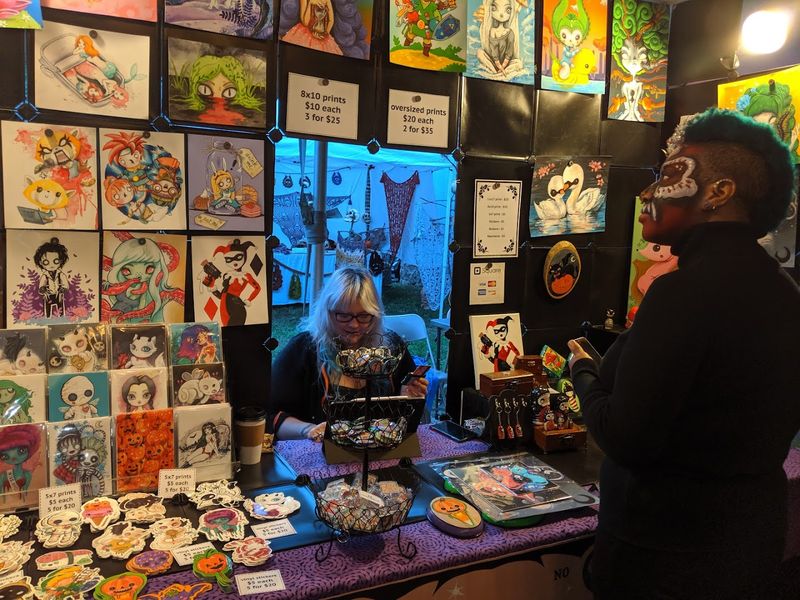
One event that captures Ypsilanti’s independent spirit in a more grounded, community-driven way is the Holy Bones Festival & Artisan Market. Held periodically in the city, this event blends handmade goods, alternative culture, and a strong DIY energy that feels true to Ypsi’s personality.
Rather than a traditional fine art fair, Holy Bones leans into artisan work and small-batch creations. Vendors typically include local makers selling jewelry, prints, vintage items, candles, clothing, and handcrafted goods, alongside artists whose work has a more underground or experimental edge.
It is less about polished gallery pieces and more about creativity that feels personal and accessible.
The atmosphere is informal and welcoming. You are just as likely to chat with a maker about how they produce their work as you are to discover something unexpected sitting on a table.
Live music, themed elements, and a slightly offbeat vibe often give the event a character that stands apart from more traditional festivals in the region.
What makes Holy Bones stand out is how closely it reflects the local community. It is not designed to impress tourists or follow a standard festival formula.
It feels built by and for the people who live here, which gives it a more authentic, less commercial energy.
If you happen to be in town when it is running, it is one of the better ways to see Ypsilanti’s creative side in action – just without the scale or structure of a major art fair.
The Ypsilanti District Library’s Unexpected Art Role
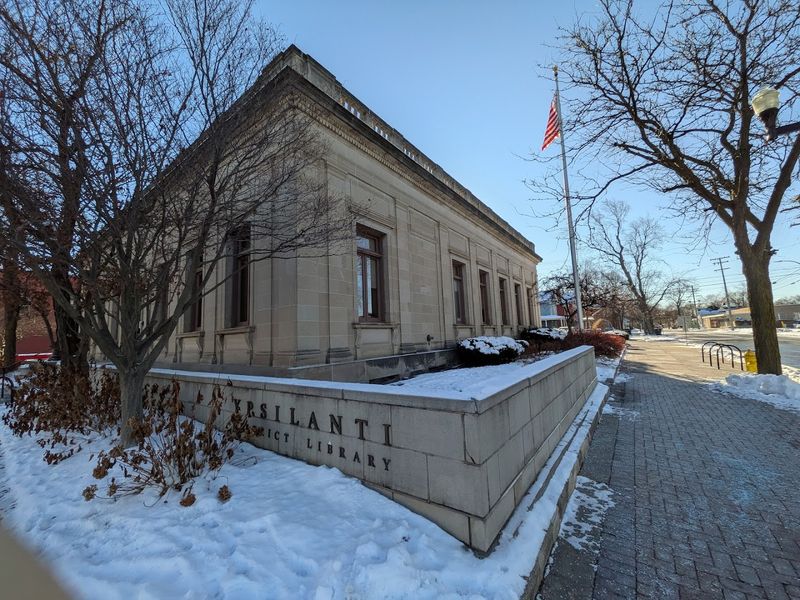
Public libraries are often overlooked as cultural spaces, but the Ypsilanti District Library has never been content to stay in the background. The main branch on Whittaker Road regularly hosts art exhibitions, author readings, community workshops, and creative events that draw people in long after they have returned their books.
The library’s gallery space showcases work by local artists on a rotating basis, giving creators who might not have access to a traditional gallery a real platform for their work. The exhibitions cover everything from photography to textile art to mixed media, and the quality is consistently high.
Seeing serious art in a library setting somehow makes both the art and the library feel more approachable.
The library also partners with community organizations to offer creative writing programs, zine-making workshops, and digital art classes that serve residents of all ages and backgrounds. In a city where arts funding is always tight, the library steps into the gap with genuine enthusiasm.
It is one of those institutions that quietly does more for the local culture than most people realize, and it deserves far more credit than it gets.
The Huron River Trail and Art in the Open Air
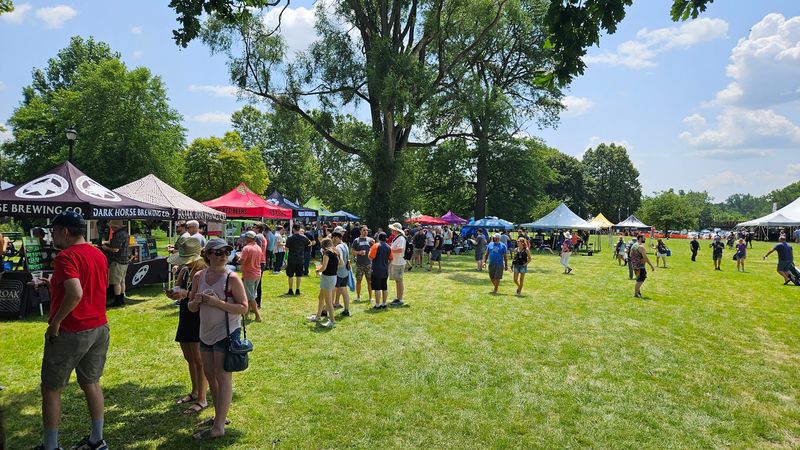
Not all of Ypsilanti’s art hangs on walls or performs on stages. Some of it exists in the landscape itself, and the Huron River corridor is where that outdoor creativity comes alive.
The river trail that winds through the city offers more than just a pleasant walk; it connects parks, public sculptures, and natural spaces that feel deliberately curated.
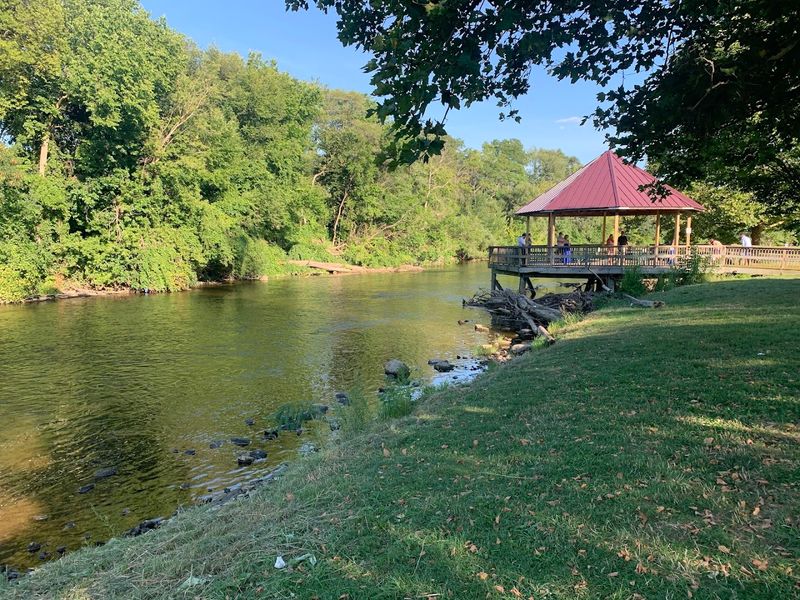
Riverside Park and Frog Island Park sit along the Huron River and regularly host outdoor concerts, festivals, and community gatherings that blur the line between nature and performance. The Frog Island Music Festival, held each summer, is one of the city’s most anticipated events, turning a grassy riverside space into a genuine celebration of local music and culture.
The river itself has shaped Ypsilanti’s identity in ways that go beyond geography. It provided industrial power in the 19th century, recreational space in the 20th, and now it serves as a kind of living backdrop for the city’s ongoing creative life.
A walk along the Huron on a warm afternoon is its own kind of art experience, one that does not require a ticket or a program.
The Ypsilanti Water Tower and Its Surprisingly Controversial Legacy
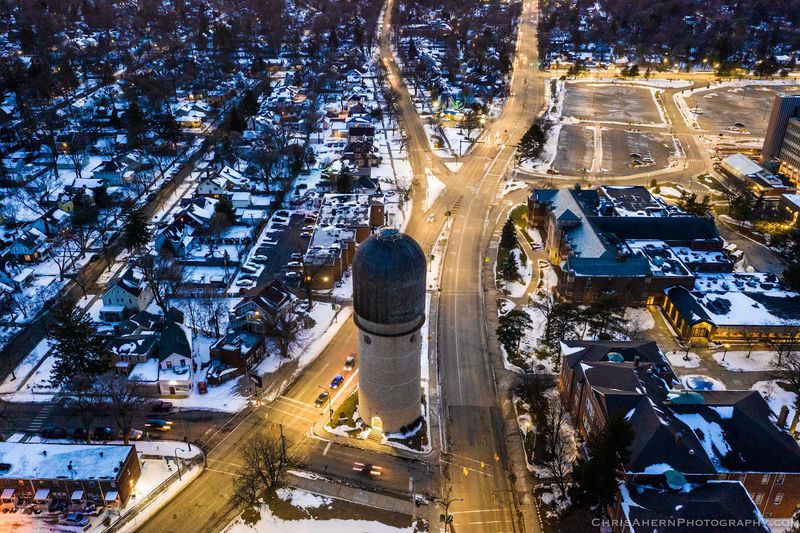
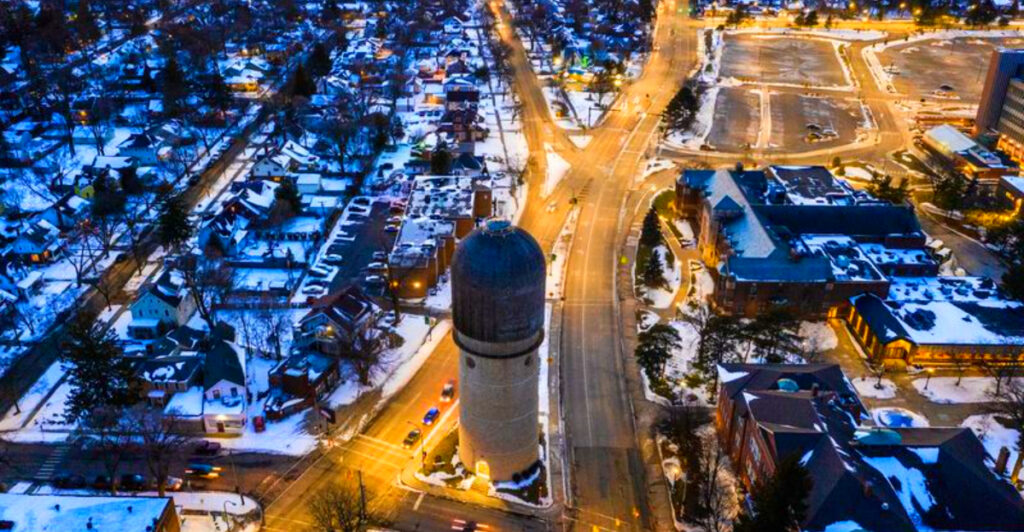
Few landmarks in Michigan generate as much conversation as the Ypsilanti Water Tower, and that is saying something. Built in 1890, this red brick tower on North Summit Street is one of the oldest surviving water towers in the country, and its, shall we say, distinctive shape has made it the subject of countless jokes and a surprising amount of civic pride.
The tower was added to the National Register of Historic Places in 1975, which means its unusual silhouette is officially protected for posterity. Local residents have embraced it with a sense of humor that says a lot about Ypsilanti’s personality.
The city does not take itself too seriously, and the water tower is living proof of that.
Beyond the jokes, the tower is genuinely beautiful in a Victorian engineering sort of way. The brickwork is detailed, the proportions are dramatic, and it rises above the surrounding neighborhood with a confidence that feels almost theatrical.
It has appeared in travel lists, trivia contests, and architecture discussions alike, making it one of those rare landmarks that manages to be both funny and legitimately significant at the same time.
The Creative Businesses Redefining Downtown

Downtown Ypsilanti has been through cycles of boom and struggle, but the current chapter feels genuinely promising. A wave of independent businesses has moved into the storefronts along Michigan Avenue and the surrounding streets, and many of them are creative enterprises that add directly to the city’s arts identity.
Record stores, bookshops, print studios, ceramics workshops, and vintage clothing boutiques share the commercial landscape with coffee shops and bakeries that double as informal gallery spaces. The mix creates a downtown that rewards slow exploration.
Every block has something unexpected, and the people behind the counters are usually artists themselves with strong opinions about what is worth your time.
The creative business community in Ypsilanti is notably collaborative. Shop owners cross-promote each other’s events, artists share studio space, and the general attitude is that a rising tide lifts all boats.
That cooperative spirit is part of what makes the downtown feel cohesive rather than random. And honestly, finding a city where the independent businesses are actually thriving feels like a discovery worth sharing with everyone you know.
Why Ypsilanti Keeps Drawing People Back
There is something about Ypsilanti that sticks with you after you leave. It is not the most polished city in Michigan, and it makes no pretense of being so.
But that honesty is precisely what makes it compelling. The art here is made by people who live here, the music is played by people who grew up here, and the culture reflects a community that has worked hard to build something meaningful with limited resources.
The city’s diversity adds another layer of richness that you feel in the food, the music, the visual art, and the conversations you have with strangers. Ypsilanti has one of the more culturally varied populations in southeast Michigan, and that variety shows up everywhere in the creative output of the city.
Every time I have visited, I have left with a longer list of things I still want to see and do. That is the mark of a place with real depth, not just a surface designed for Instagram.
Ypsilanti rewards the curious, the patient, and the willing, and it asks nothing in return except that you show up with an open mind.
Share this story