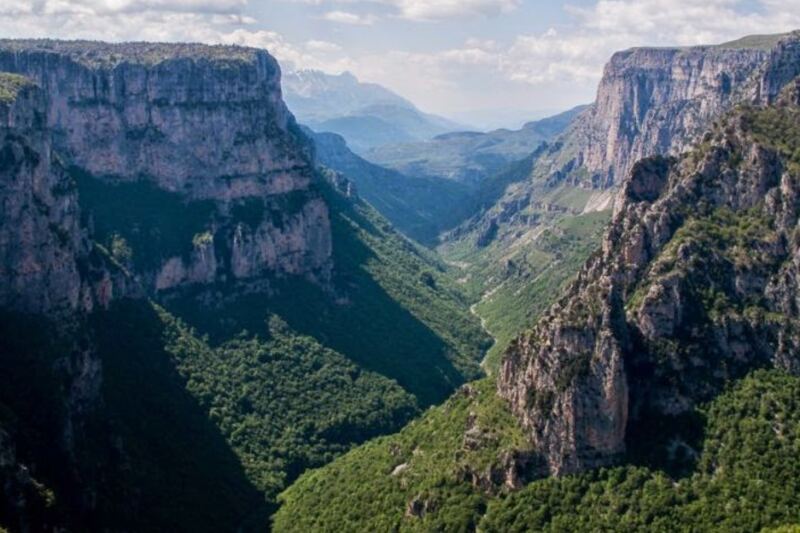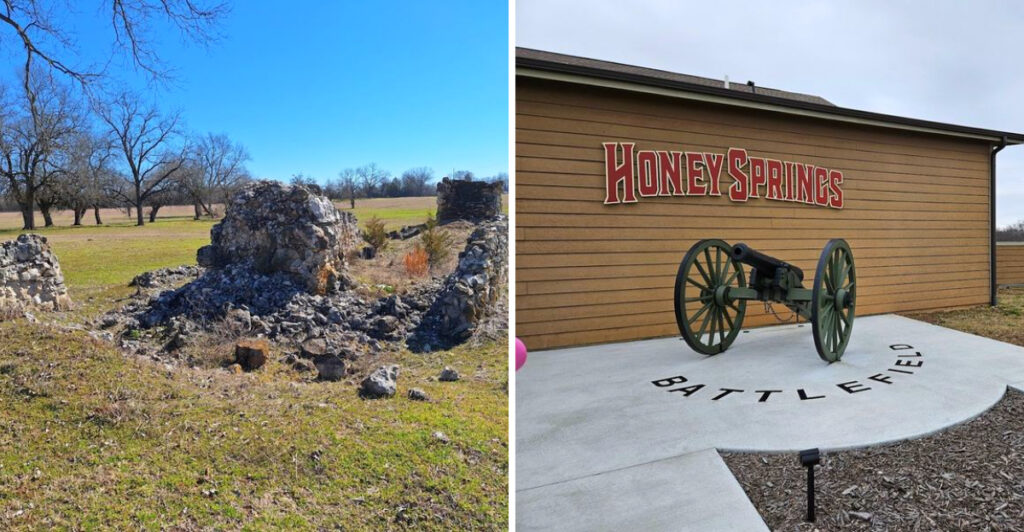
Oklahoma might not be the first place that comes to mind when you think of ancient ruins and crumbling forts, but this state is packed with fascinating pieces of forgotten history. From prehistoric Native American ceremonial mounds to Civil War battlefields, Oklahoma’s historic ruins tell stories that shaped an entire nation.
Whether you’re a history buff, an outdoor explorer, or just someone who loves a good adventure, these sites will leave you speechless. Pack your walking shoes and get ready to step back in time.
Spiro Mounds, Eastern Oklahoma
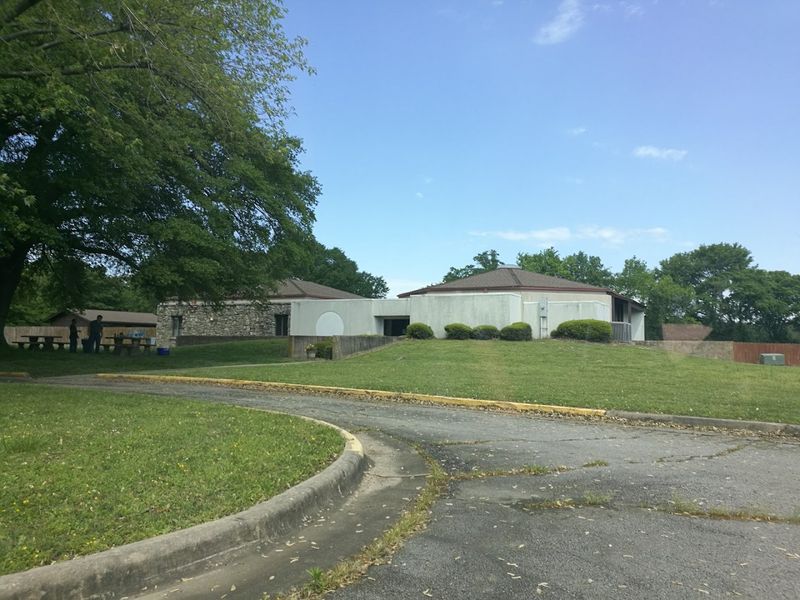
Long before European explorers ever set foot on this continent, a sophisticated civilization was already building something extraordinary in eastern Oklahoma. Spiro Mounds dates back to roughly 900–1450 CE, making it one of the most important prehistoric Native American sites in the entire United States.
The people who built these mounds were skilled traders, artists, and leaders who connected cultures across a vast region.
Twelve earthen mounds still stand across the site, each one a testament to the ambition and organization of the Caddoan Mississippian culture. Archaeologists have uncovered copper plates, carved shells, and ceremonial objects here that rival anything found at more famous sites across North America.
The discoveries were so significant that Spiro is sometimes called the “King Tut’s Tomb of the Americas.”
Walking the grounds today feels almost meditative. The landscape is open and quiet, letting you absorb the sheer scale of what once existed here.
An on-site museum provides context and displays recovered artifacts that bring this ancient world to life. If you only visit one prehistoric site in Oklahoma, make it this one — you will not regret it.
Fort Washita Ruins, Bryan County
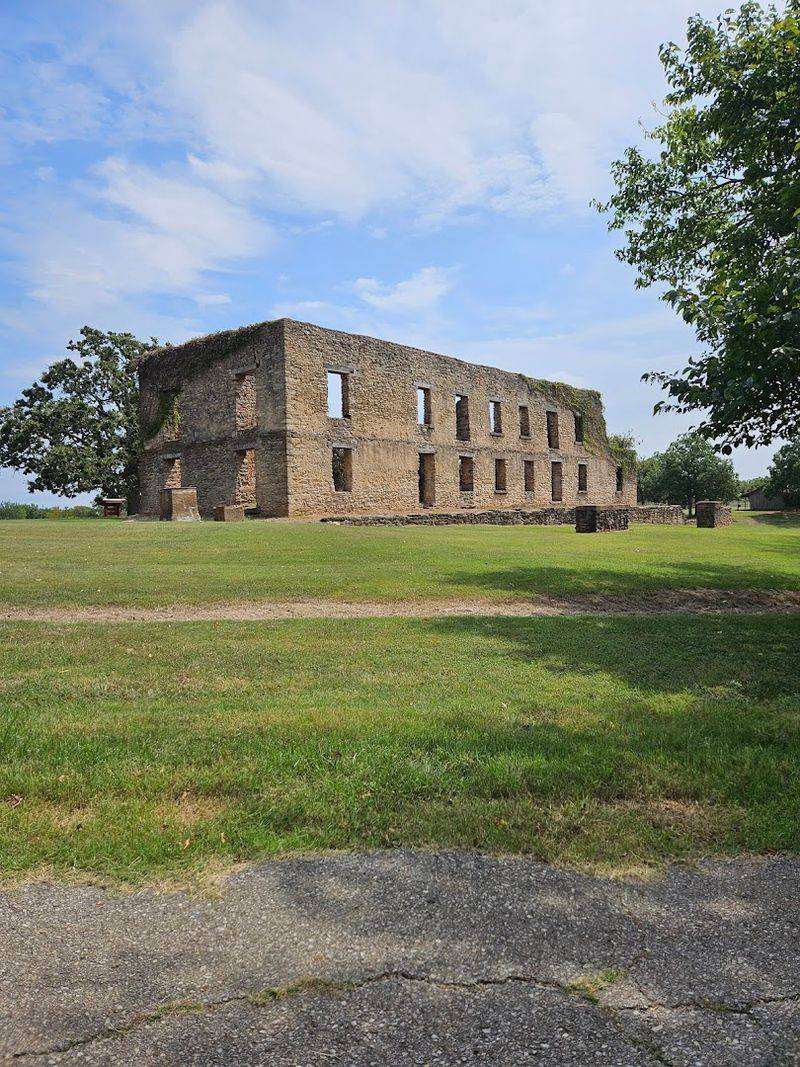
There is something almost cinematic about standing among the crumbling limestone walls of Fort Washita, imagining the soldiers and Chickasaw citizens who once moved through these very spaces. Established in 1842, the fort was built to protect the Chickasaw Nation from raids by Plains tribes moving through the region.
It quickly became one of the most active military posts in the pre-Civil War South.
When the Civil War broke out, Union troops abandoned the fort and Confederate forces moved in, using it as a supply depot and strategic base. After the war ended, the buildings were left to the elements, and time has done what time always does.
Today, partial walls, foundations, and the outlines of barracks and officers’ quarters remain, giving visitors a surprisingly vivid sense of the original layout.
The open setting makes Fort Washita one of Oklahoma’s most atmospheric places to explore. Tall trees shade the grounds, and interpretive signs help connect the crumbling stones to real human stories.
The Oklahoma Historical Society manages the site and has done excellent work preserving what remains. History enthusiasts will especially appreciate the depth of information available both on-site and through the visitor center nearby.
Fort Towson Ruins, Choctaw County
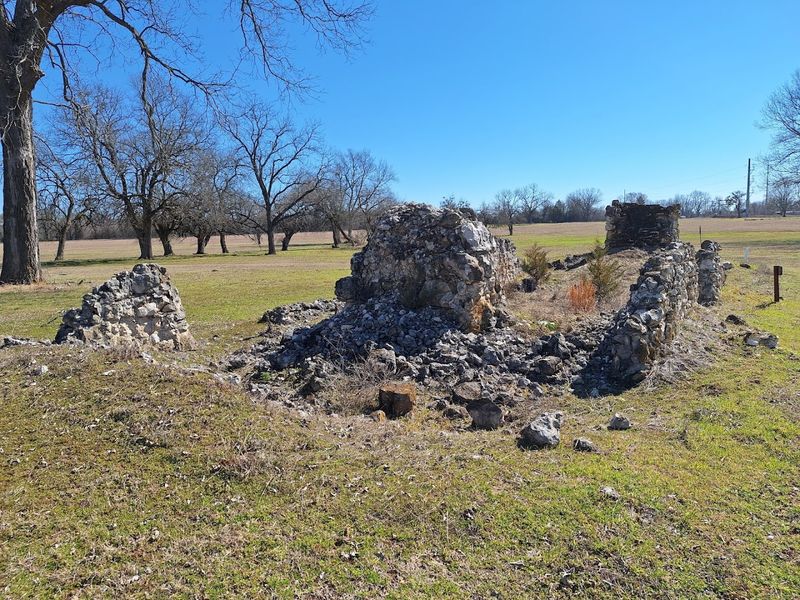
Fort Towson holds a distinction that no other site in the United States can claim — it is where the last Confederate general officially surrendered, ending the Civil War in June 1865. Stand on these grounds and let that sink in.
The echoes of that moment still feel present in the quiet air around the crumbling walls.
Founded in 1824, Fort Towson served as a key military and administrative hub during the forced relocation of the Choctaw Nation along the Trail of Tears. Its location near the Red River made it a critical supply point for troops and a refuge for those navigating one of the darkest chapters in American history.
The fort was abandoned after the Civil War, leaving behind foundations, partial walls, and scattered stone remnants.
Visiting today means walking through open, grassy grounds where history literally lies beneath your feet. The Oklahoma Historical Society maintains the site and provides interpretive signage that explains both the military and cultural significance of the location.
A small museum on-site adds helpful context. For anyone interested in Civil War history or the story of the Choctaw Nation, Fort Towson is an absolute must-see destination in southeastern Oklahoma.
Fort Gibson Historic Ruins, Muskogee County
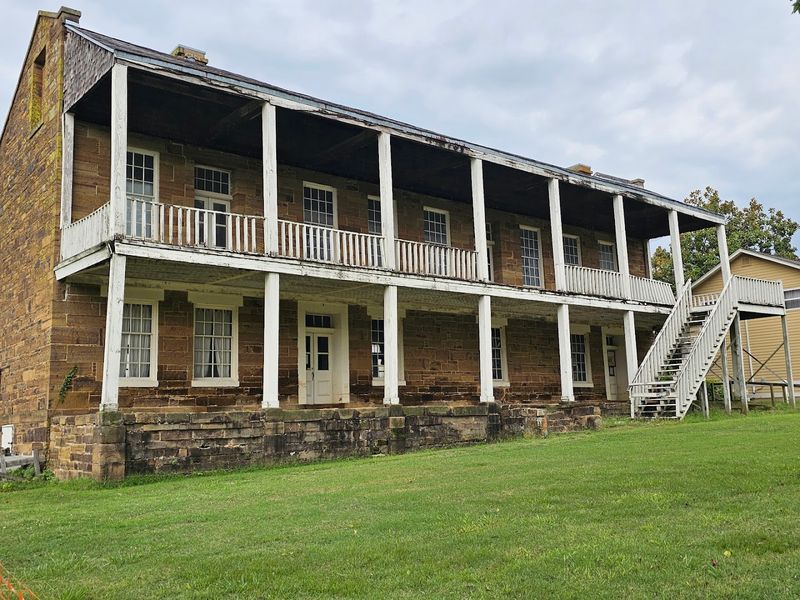
Established in 1824, Fort Gibson earned the grim nickname “the graveyard of the Army” due to the staggering number of soldiers who died from disease and harsh conditions during its early years. That dark history makes it one of the most compelling historic sites in Oklahoma.
It was also one of the first U.S. military outposts west of the Mississippi River.
The fort played a central role in the administration of Indian Territory, serving as headquarters during the forced relocations of the Cherokee, Creek, and other nations. Famous figures including Washington Irving, Sam Houston, and Jefferson Davis all passed through its gates.
Some original structures have been carefully restored, but original foundations and weathered remnants are still visible throughout the grounds, giving the site a layered, textured feel.
A visit to Fort Gibson offers something rare — the chance to see preserved history side by side with authentic ruins. The contrast between the restored buildings and the original crumbling stone gives visitors a genuine sense of how much time has passed.
The on-site museum is detailed and well-curated, making it easy to spend several hours here. History fans and casual visitors alike consistently leave impressed by the depth of this remarkable site.
Washita Battlefield Site, Western Oklahoma
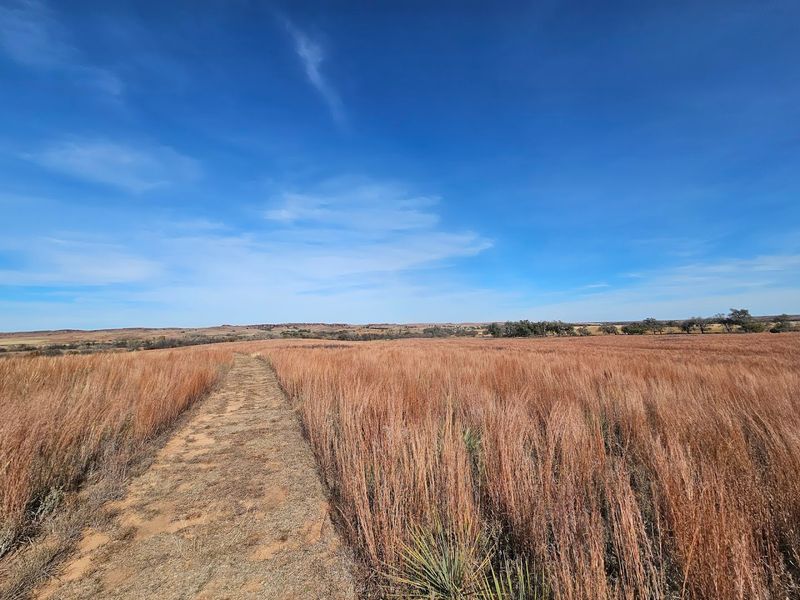
Few places in Oklahoma carry the weight of history quite like the Washita Battlefield, where the wind still seems to whisper across the frozen plains. On November 27, 1868, Lt.
Col. George Armstrong Custer led a dawn attack on a peaceful Cheyenne village led by Chief Black Kettle, killing men, women, and children in what became one of the most controversial military actions of the Indian Wars era.
Today, the site is managed as a National Historic Site by the National Park Service. The open plains where the village once stood have changed very little, making this one of the most authentic and emotionally powerful historic landscapes in the state.
Interpretive trails wind through the area, with detailed markers explaining the events from multiple perspectives, including that of the Cheyenne people.
Physical ruins here are minimal — the power of this place lies in the land itself. Rangers offer guided tours that bring the story to life with nuance and respect.
A visitor center provides maps, exhibits, and background on the broader context of the Indian Wars. Whether you come as a history student or a curious traveler, the Washita Battlefield will leave a lasting impression that no photograph can fully capture.
Fort Arbuckle Ruins, Murray County
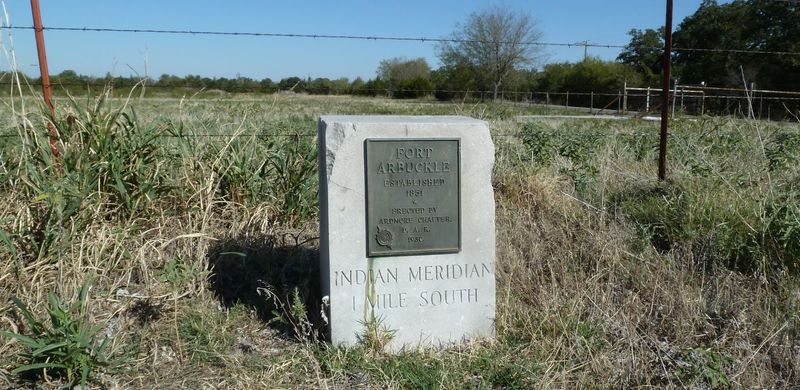
Tucked into the rolling hills of Murray County, the ruins of Fort Arbuckle have been slowly reclaimed by cedar trees, tall grass, and wildflowers — and honestly, that makes them even more beautiful. Established in 1851, the fort was created to protect the Chickasaw and Choctaw Nations from raids by Comanche and Kiowa warriors moving across the southern plains.
The fort was an active and important post for nearly a decade before it was relocated and eventually abandoned after the Civil War. Stone foundations and scattered structural remains are all that survive today, but they are enough to give a clear sense of the fort’s original footprint.
Nature has done its best to blend these remnants back into the landscape, creating a hauntingly peaceful atmosphere.
Getting to the ruins requires a bit of effort, which only adds to the sense of discovery when you finally arrive. The surrounding area is part of the Chickasaw National Recreation Area, so combining a visit to the ruins with a hike or picnic makes for a full and rewarding day.
History lovers who enjoy off-the-beaten-path experiences will find Fort Arbuckle especially satisfying. It feels less like a tourist stop and more like a genuine archaeological adventure.
Fort Cobb Ruins, Caddo County
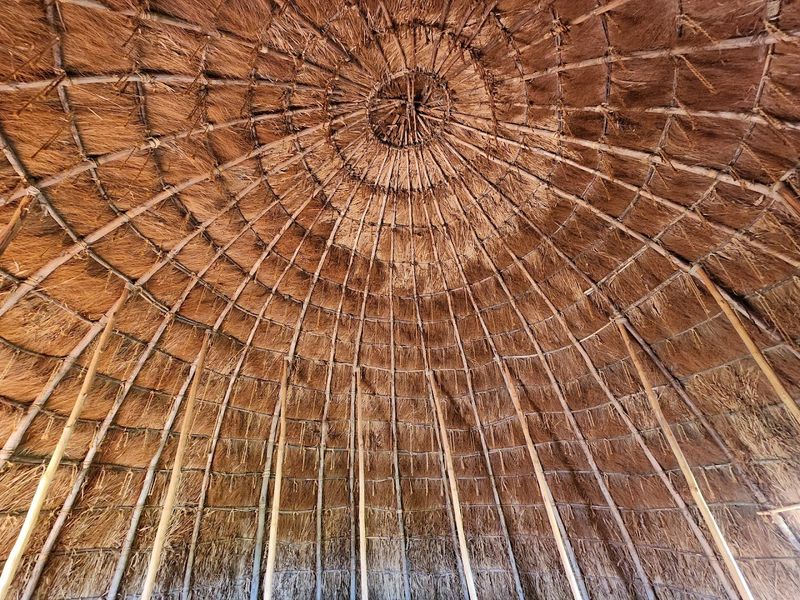
Built in 1859 on the banks of Pond Creek in what is now Caddo County, Fort Cobb had one of the most turbulent histories of any frontier post in Oklahoma Territory. It was established to maintain peace among the Wichita and affiliated tribes, but the outbreak of the Civil War quickly scrambled those plans.
Confederate forces briefly occupied the fort before abandoning it entirely.
After the war, Fort Cobb was reestablished as a base of operations for General Philip Sheridan’s winter campaign against Southern Plains tribes. It became a gathering point for thousands of Native Americans who were being pushed onto reservations, and the stories of those forced relocations are woven into every inch of this ground.
The original structures deteriorated over the decades, leaving only traces and foundations behind.
Today, Fort Cobb Lake sits nearby, and the surrounding area has become a popular recreation destination. But the historic site itself remains quietly significant, marked by signage that helps visitors connect the peaceful present-day landscape to its turbulent past.
For those willing to look beyond the surface, Fort Cobb offers a surprisingly rich history that covers military strategy, Native American displacement, and the complicated politics of the post-Civil War frontier era.
Camp Nichols Site, Cimarron County
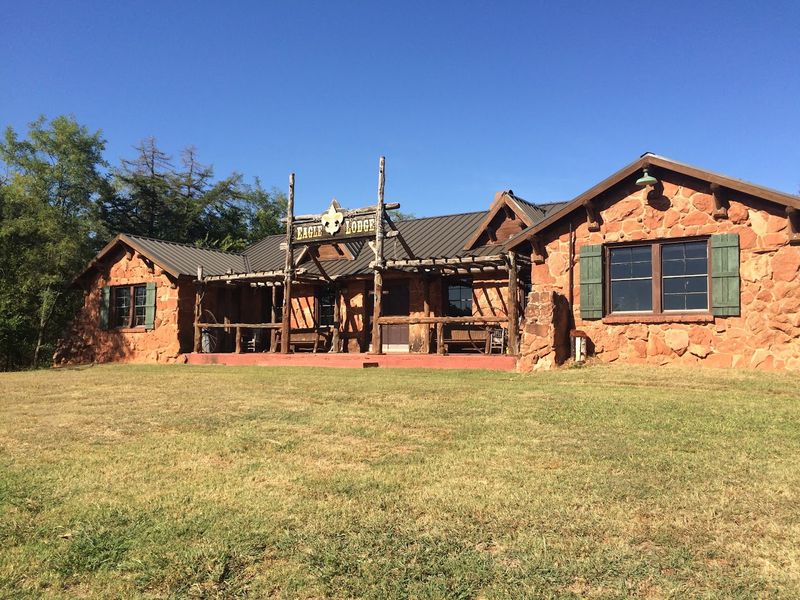
Way out in the far western tip of Oklahoma’s panhandle, where the land flattens out and the sky seems to go on forever, lies one of the most remote and undervisited historic sites in the entire state. Camp Nichols was a temporary military post established in 1865 by legendary frontiersman Kit Carson, built specifically to protect travelers moving along the Santa Fe Trail.
The camp was only in operation for a few months, but its location made it strategically vital during a period of intense conflict between Plains tribes and westward-moving settlers. Today, subtle earthworks — low ridges and depressions in the ground — are all that remain of the original structures.
There are no grand walls or dramatic ruins here, just the quiet, windswept land and a handful of historical markers.
That remoteness is actually part of the appeal. Visiting Camp Nichols feels like stepping into a forgotten corner of American history that most people never knew existed.
The Cimarron County Historical Society occasionally leads guided tours, which are well worth attending for the extra context they provide. If you love wide-open spaces and stories that most history books barely mention, Camp Nichols belongs on your Oklahoma bucket list without question.
Fort Reno Ruins, Canadian County
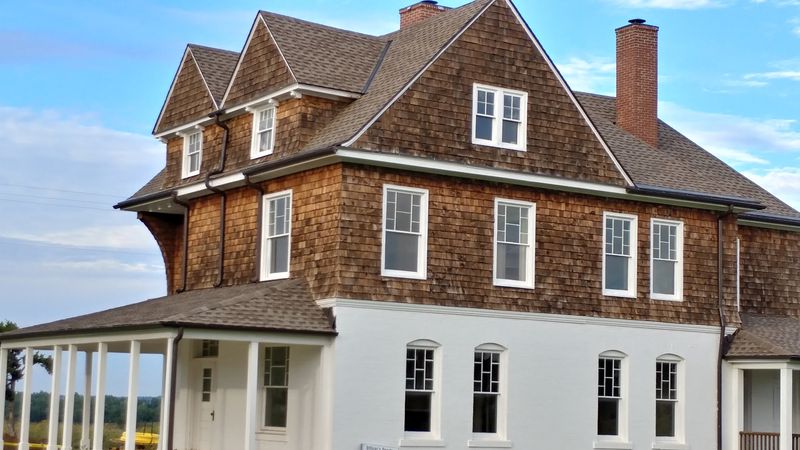
Fort Reno has worn many hats over the years — frontier military post, prisoner of war camp, agricultural research station — and that layered history makes it one of the most genuinely fascinating historic sites in Oklahoma. Established in 1874 along the North Canadian River, it was originally built to maintain order during a period of intense conflict between Plains tribes and encroaching settlers.
During World War II, the fort served as a camp for German and Italian prisoners of war, a chapter that surprises most visitors. Some original buildings from that era still stand, while others have fallen into various states of ruin.
Walking the grounds, you can see the full arc of the fort’s history written across its aging brick and crumbling foundations.
The site is currently managed by the USDA Agricultural Research Service, and public access is available, though it is a good idea to check visiting hours before heading out. A small museum on the property helps explain the fort’s multiple roles across more than a century of use.
History enthusiasts who enjoy sites with complicated, multi-layered stories will find Fort Reno particularly rewarding. It is the kind of place that rewards slow, thoughtful exploration rather than a quick drive-through visit.
Honey Springs Battlefield Remains, McIntosh County
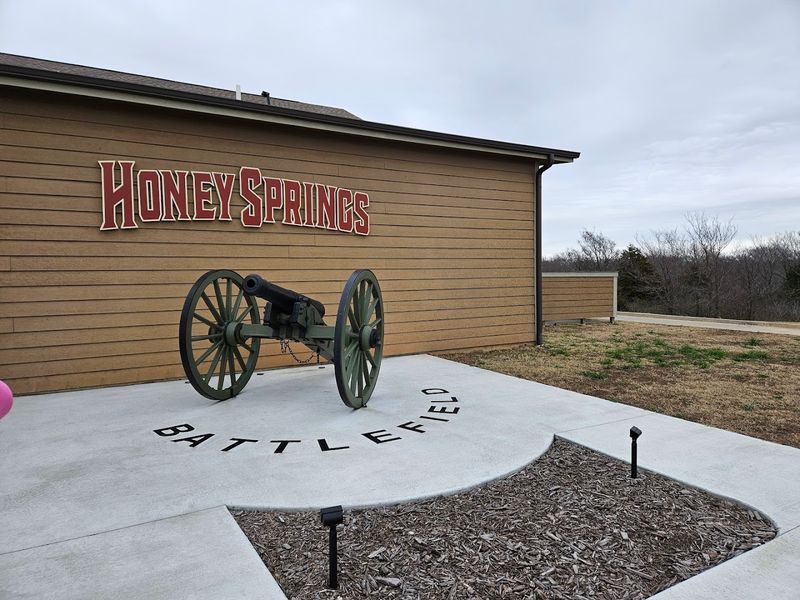
On July 17, 1863, the largest Civil War battle ever fought in Indian Territory took place near Checotah in what is now McIntosh County. The Battle of Honey Springs pitted Union forces — including the First Kansas Colored Infantry, one of the first Black regiments to see combat — against Confederate troops and their Native American allies.
The Union victory here shifted control of Indian Territory and changed the course of the war in the region.
Today, the battlefield is preserved as a state historic site, with open fields, interpretive trails, and detailed markers that walk visitors through the sequence of events. Physical ruins are minimal — this is a battlefield, not a fort — but the landscape itself is remarkably well preserved and easy to visualize.
Standing in the open field where thousands of soldiers clashed, you feel the history in a way that no exhibit can replicate.
The site is well maintained and free to visit, making it one of the most accessible historic destinations in eastern Oklahoma. Interpretive panels cover the battle from multiple angles, including the significant roles played by Native American soldiers on both sides.
For anyone interested in Civil War history, African American military history, or the unique complexity of Indian Territory during the war, Honey Springs is an essential stop.
Fort Supply Ruins, Woodward County
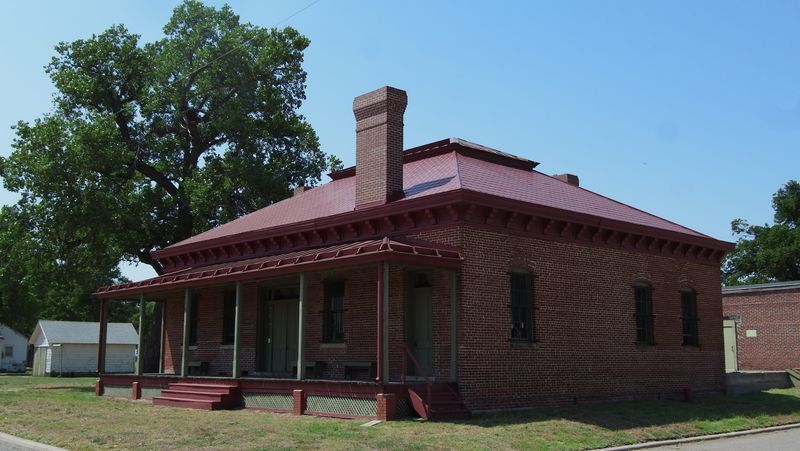
Winter in the Oklahoma panhandle is brutal, and it was into that brutal winter that General Philip Sheridan pushed his troops in 1868, establishing Camp Supply as a forward base for his campaign against Southern Plains tribes. The camp — later renamed Fort Supply — became the launching point for Custer’s attack on the Washita village, linking these two historic sites in a shared and sobering story.
The fort continued operating through the late 19th century, eventually transitioning to civilian use before parts of it fell into disrepair. Several original stone and brick structures still stand today, some in better shape than others.
The Oklahoma Department of Mental Health and Substance Abuse Services currently occupies part of the property, which means access to certain areas is limited — but the historic structures visible from public areas are still impressive.
A dedicated historic district on the grounds includes some of the oldest surviving military architecture in Oklahoma. The Fort Supply Historic Site is listed on the National Register of Historic Places, and guided tours are available through the Western Plains Museum nearby.
History enthusiasts visiting northwestern Oklahoma will find Fort Supply a surprisingly rich destination, especially when combined with a stop at the nearby Plains Indians and Pioneers Museum in Woodward.
Old Fort Wayne Site, Delaware County
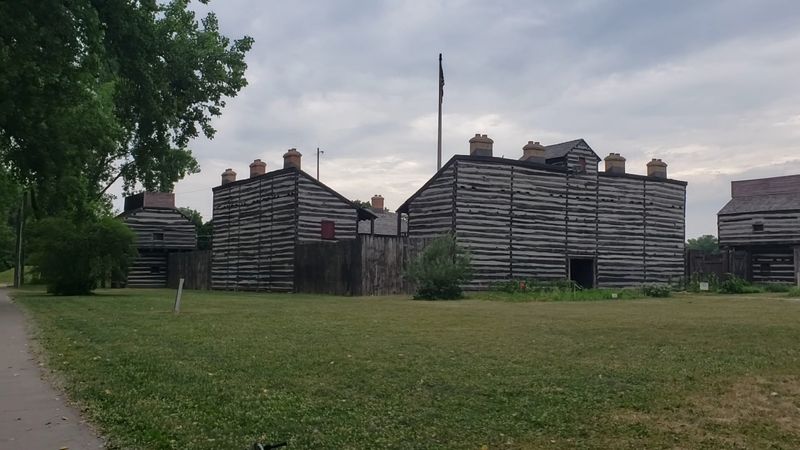
Hidden away in the lush, forested hills of Delaware County near the Illinois River, the Old Fort Wayne site is one of Oklahoma’s best-kept historical secrets. Built in 1838, Fort Wayne was established to maintain order along the Cherokee Nation’s newly drawn boundaries following the forced relocations of the Trail of Tears era.
Its location in the northeastern corner of Oklahoma made it a key point in a network of frontier outposts.
The fort was abandoned by the mid-1840s, and without ongoing maintenance, the wooden structures disappeared quickly into the landscape. Today, very little remains above ground — a historical marker and subtle terrain features are the primary evidence of what once stood here.
That raw, undeveloped quality gives the site an authenticity that more heavily restored locations sometimes lack.
Visiting requires a willingness to use your imagination, but the surrounding scenery more than compensates. The Delaware County area is gorgeous, with rolling hills, clear streams, and dense hardwood forests that make any outing feel worthwhile.
Pairing a visit to the Old Fort Wayne site with a float trip on the Illinois River or a hike in the nearby Ozark hills creates a full and memorable day. For those who love quiet, off-the-grid history, this site delivers something genuinely special.
Share this story