There is a small island kingdom in the South Pacific where Sunday is not just a day off but a deeply protected institution backed by law. No shops open, no one heads to the beach, and even loud outdoor activities can earn you a fine from local authorities.
This is Tonga, a Polynesian nation made up of more than 170 islands scattered across warm turquoise waters, and its relationship with Sunday is unlike anything you will find anywhere else on Earth. The rules are rooted in centuries of Christian tradition blended with royal decree, and the locals take them seriously.
Whether you are a curious traveler or someone fascinated by how different cultures organize daily life, Tonga offers one of the most striking examples of a society that truly honors rest as a non-negotiable part of its identity.
The Kingdom That Legally Enforces Sunday Rest
Most countries have a day of rest in theory, but Tonga actually enforces it by law. The Sabbath observance in Tonga is written directly into the national constitution, making it one of the very few countries on Earth where Sunday rest is not just a cultural habit but a legal requirement.
Tonga sits in the South Pacific Ocean, with its capital Nuku’alofa located on the main island of Tongatapu, roughly 2,000 kilometers northeast of New Zealand. The kingdom covers 747 square kilometers across more than 170 islands, many of them uninhabited.
The constitutional clause protecting Sunday was established in 1875 under King George Tupou I, and it has remained largely intact ever since. Locals and visitors alike are expected to observe the day quietly, and enforcement is handled by police who patrol public areas throughout Sunday.
What the Law Actually Says About Sundays
The Tongan constitution states clearly that the Sabbath Day shall be forever sacred in Tonga, and no person shall practice his trade or profession, or conduct any commercial undertaking on the Sabbath. That is not a suggestion from a church pamphlet.
That is national law.
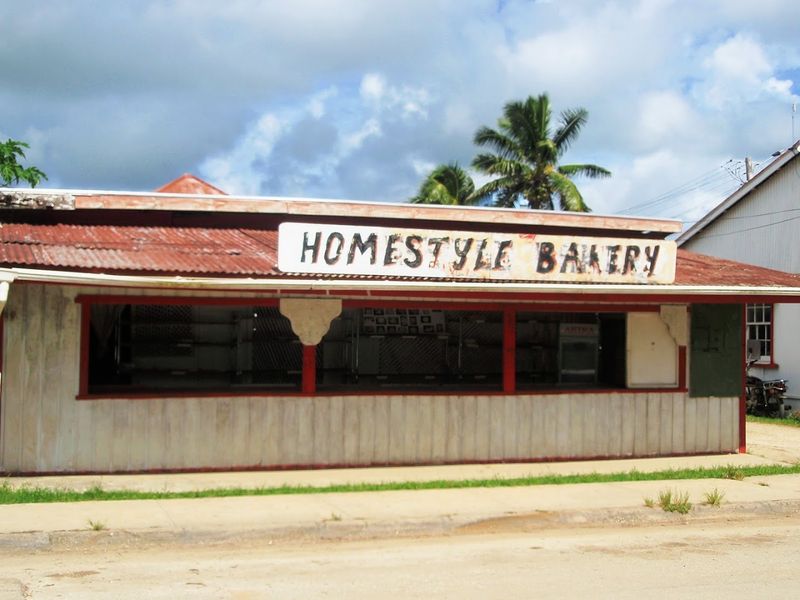
The practical effect is sweeping. Shops, markets, and most businesses remain closed.
Public transport is largely unavailable. Restaurants affiliated with hotels may serve guests, but standalone eateries typically shut their doors by Saturday night.
Even recreational activities fall under scrutiny. Swimming at public beaches and playing loud music outdoors are widely discouraged and can result in fines if authorities decide the behavior disturbs the sanctity of the day.
The law does not carve out exceptions for tourists, which surprises many first-time visitors who arrive expecting a relaxed island Sunday and find a very different reality waiting for them.
Beach Visits Are Off-Limits on Sundays
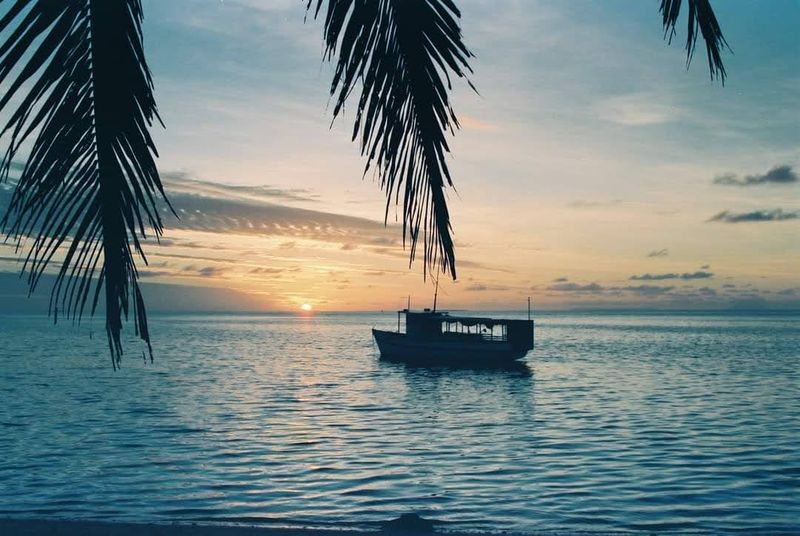
Here is the detail that genuinely stuns most travelers: you cannot casually head to the beach on a Sunday in Tonga. Public beach access is restricted, and locals who show up in swimwear risk drawing attention from authorities or community members who take the observance seriously.
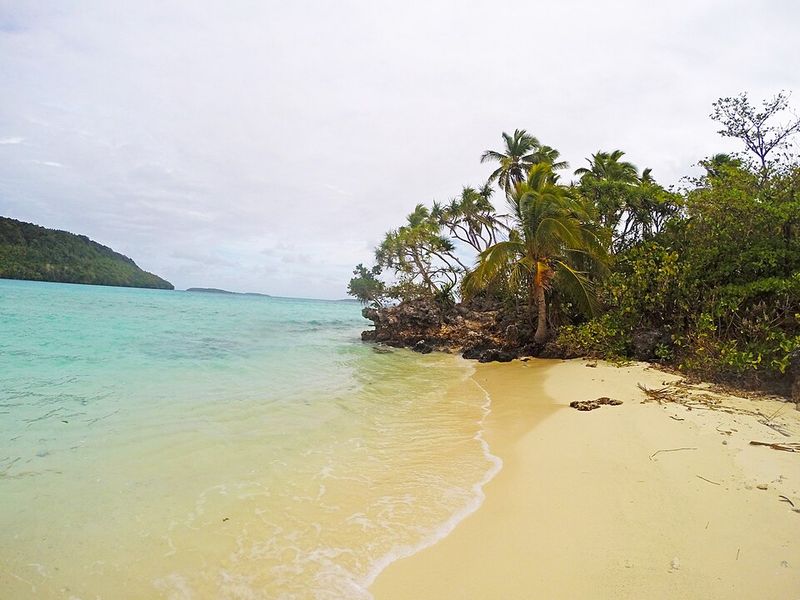
The beaches in Tonga are genuinely spectacular. White sand, warm clear water, coral reefs just offshore, and almost no crowds on any other day of the week.
So being told to stay away on Sundays feels like a particular kind of irony for visitors who flew thousands of miles to enjoy exactly that.
The restriction is not always uniformly enforced at every beach on every island, but the expectation is clear and widely respected. Most resorts advise guests in advance, and ignoring the rule can result in fines or uncomfortable confrontations with locals who view Sunday observance as a matter of deep personal and national pride.
The Deep Christian Roots Behind the Rules
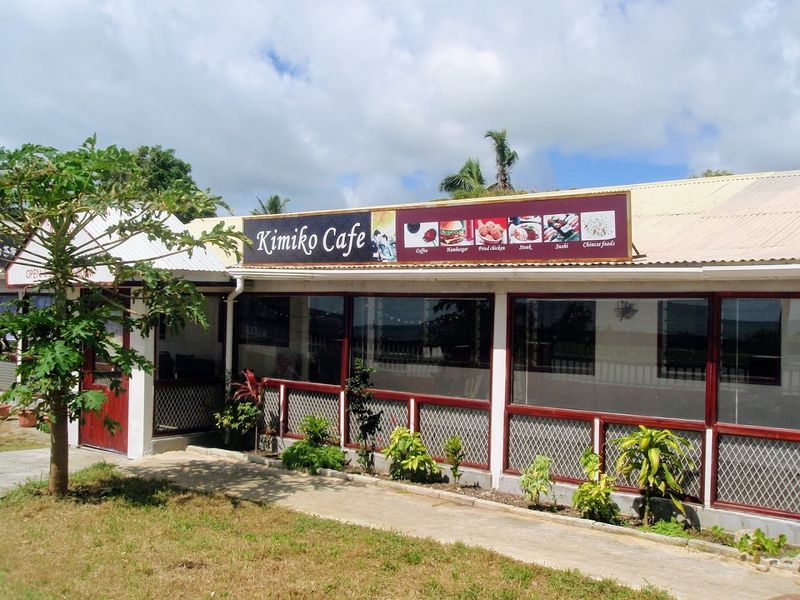
Christianity arrived in Tonga in the early 19th century through Wesleyan Methodist missionaries, and it took hold with a speed and completeness that shaped the entire national identity. Today, roughly 97 percent of Tongans identify as Christian, and church attendance on Sunday is not just common but essentially universal.
Sunday mornings across Tongatapu are filled with the sound of hymns drifting from churches in every village. Families dress in their finest clothes, often in white or formal traditional attire, and walk together to services that can last several hours.
The atmosphere is genuinely moving, even for non-religious observers.
The connection between faith and law here is not incidental. King George Tupou I, who unified the islands and drafted the constitution, was himself a devout Methodist.
His personal convictions became national policy, and subsequent monarchs have maintained that framework as a point of cultural pride rather than an outdated relic.
How Tongans Actually Spend Their Sundays
Sunday in Tonga is not a day of boredom or restriction for the people who live there. For most Tongans, it is genuinely the most meaningful day of the week, structured around church, family, and communal meals that can stretch well into the afternoon.
After the morning service, extended families typically gather at someone’s home for a large feast. Traditional Tongan food features roasted pork, taro, yams, and fish cooked in an umu, which is an underground oven using heated stones.
The meals are generous, slow, and social in a way that feels almost forgotten in faster-paced cultures.
Children play quietly in yards, elders share stories, and the general pace of the day is deliberately unhurried. There is a warmth to the Tongan Sunday that visitors who manage to get invited into a local home often describe as one of the most memorable experiences of their entire trip.
The Fines Are Real and Enforced
Some travelers assume the Sunday rules are more symbolic than practical, a cultural norm that nobody really enforces. That assumption tends to correct itself quickly.
Tongan police do patrol on Sundays, and fines for violating the Sabbath laws are issued regularly, particularly in the capital.
The fines vary depending on the nature of the violation, but they are taken seriously by authorities. Running a business, operating loud machinery, or engaging in commercial activity on Sunday can all trigger penalties.
Even playing sport in public spaces can attract attention if it is perceived as disruptive to the day’s observance.
Foreign visitors are not exempt from these rules, and embassies occasionally have to assist tourists who did not read up on local law before arriving. The practical advice from every travel guide covering Tonga is simple: plan your activities around Saturday and the rest of the week, and treat Sunday as genuinely off the schedule.
What Tourists Can and Cannot Do on Sundays
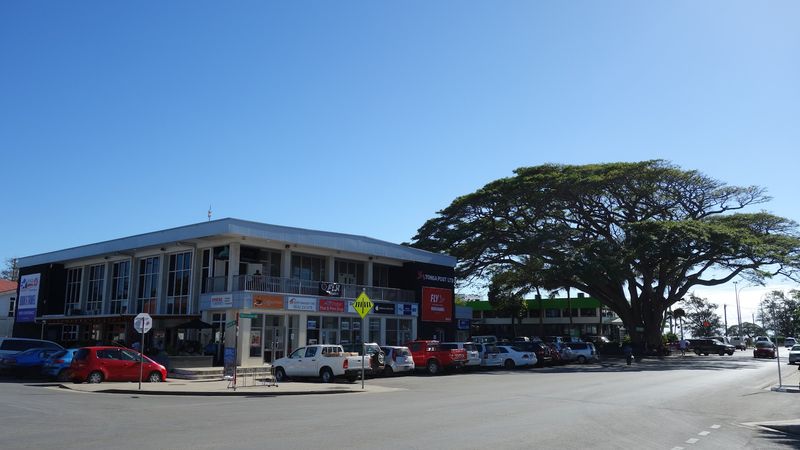
Navigating a Sunday in Tonga as a visitor requires some advance planning, but it is far from miserable if you know what to expect. Hotel pools are generally accessible to guests, and resort restaurants typically serve meals throughout the day since they cater to travelers who cannot easily access outside food.
Private guided tours that are pre-arranged with licensed operators sometimes run on Sundays, particularly whale-watching excursions during the season, since these are considered a form of hospitality rather than commercial street trade. However, this is something to confirm directly with your operator before booking.
Attending a church service is actually encouraged for visitors and can be one of the most culturally rich experiences available in the country. Tongan choral singing is extraordinary, with harmonies that fill the room in a way that is hard to describe without having heard it.
Many congregations welcome respectful visitors warmly.
The Ha’amonga ‘a Maui and Tonga’s Ancient History
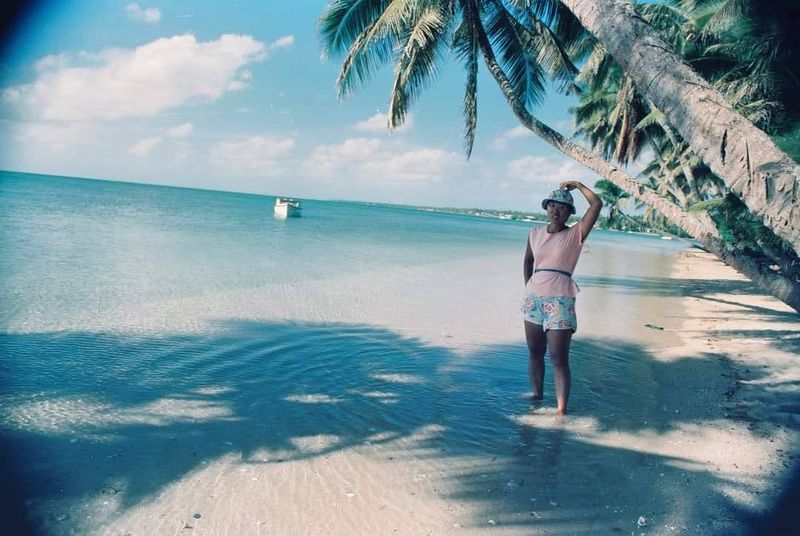
Beyond the Sunday laws, Tonga holds a remarkable history that stretches back more than a thousand years. The Ha’amonga ‘a Maui is a massive coral limestone trilithon, essentially a gateway formed by two upright stone slabs topped by a horizontal lintel, built around the year 1200 AD on the island of Tongatapu.
The structure stands nearly five meters tall, and each stone weighs an estimated 40 tons. Scholars believe it was built by the 11th Tu’i Tonga, a powerful ruler in the ancient Tongan empire, though its exact purpose remains a topic of discussion among historians and archaeologists.
One widely accepted theory suggests the gateway functioned as an astronomical calendar, with notches carved into the lintel aligning with the rising sun at the solstices and equinoxes. Whether or not that interpretation is fully accurate, standing in front of the Ha’amonga ‘a Maui is a genuinely humbling experience that most visitors do not expect to find on a Pacific island.
Nuku’alofa, the Quiet Capital
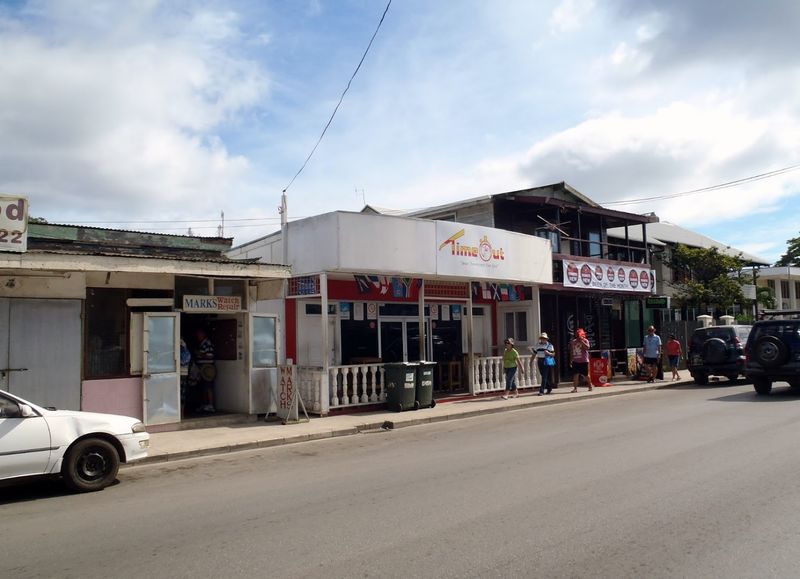
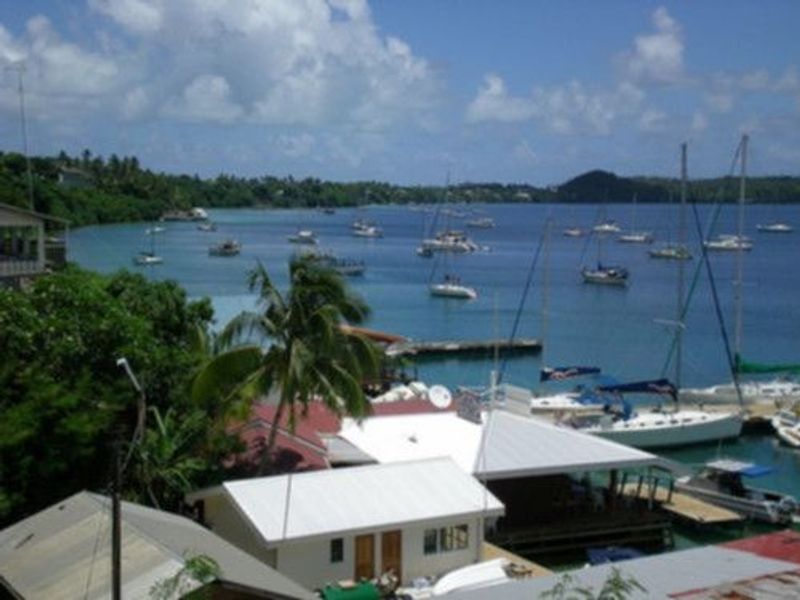
Nuku’alofa is one of the more understated capital cities you will encounter anywhere in the world. It sits on the northern coast of Tongatapu and operates at a pace that feels almost deliberately calm compared to most urban centers.
The waterfront area is pleasant, with views across the harbor and a handful of local markets that are lively on weekdays.
The Royal Palace, a white Victorian-style wooden structure built in 1867, sits near the seafront and serves as the official residence of the Tongan royal family. It is not open to the public, but you can view it from outside the grounds, and it makes for an interesting contrast against the surrounding tropical landscape.
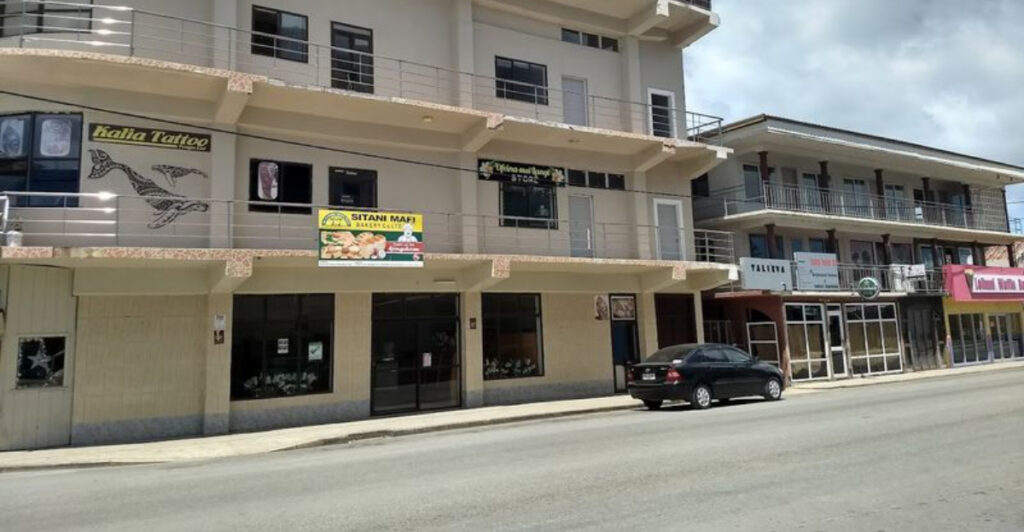
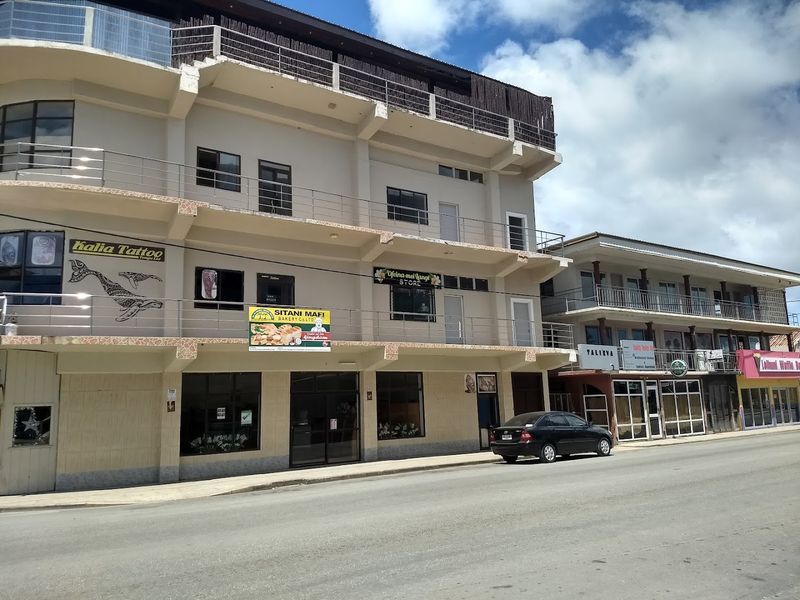
On Sundays, Nuku’alofa essentially transforms into a ghost town. Streets that bustle with vendors and traffic on other days fall completely silent.
The contrast is striking and, depending on your perspective, either deeply peaceful or slightly eerie.
Whale Watching in the Vava’u Island Group
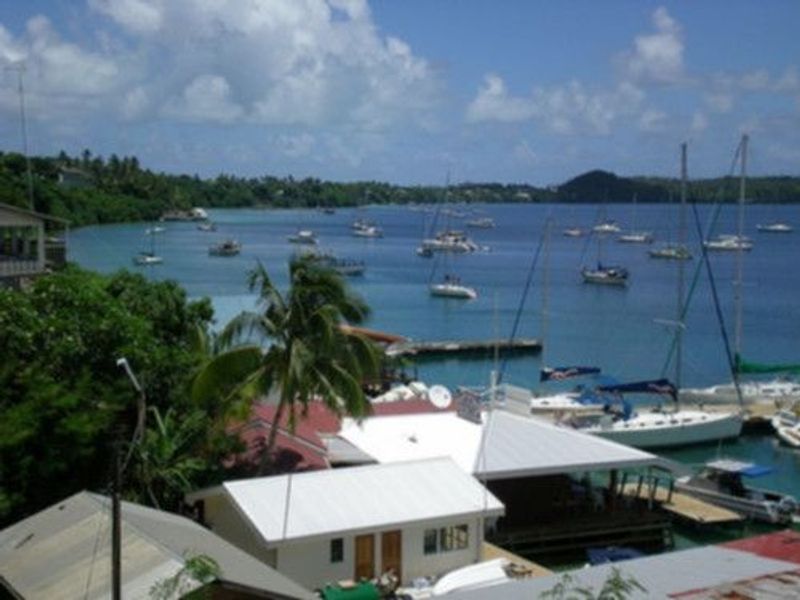
Between July and October each year, humpback whales migrate from Antarctic waters to the warm seas around Tonga to breed and give birth. The Vava’u island group, located in the northern part of the kingdom, is considered one of the best places on the planet to swim alongside these animals in the open ocean.
Tonga is one of very few countries where swimming with humpback whales is legally permitted under a licensed operator system. The encounters are not guaranteed, but sightings are frequent during peak season, and the experience of being in the water near a creature that size is something most participants call life-changing.
Operators run small groups out on boats, and guides enter the water first to assess whether the whale is comfortable before guests follow. The rules are strict to protect the animals, and that careful approach is part of what makes the Tongan whale-watching industry a model for responsible wildlife tourism globally.
The Tongan Monarchy and Its Lasting Influence
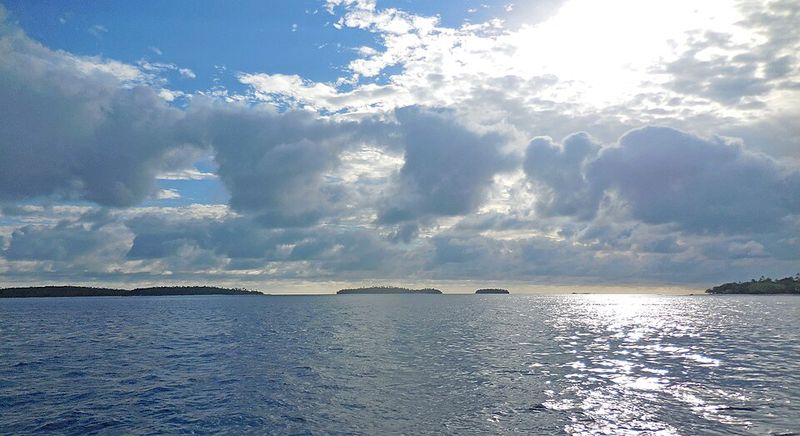
Tonga is the only Pacific nation that was never formally colonized by a European power, and its monarchy played a central role in that outcome. The royal family navigated 19th-century imperial pressures with considerable skill, signing a Treaty of Friendship with Britain in 1900 that gave the UK some influence over foreign affairs while preserving Tongan sovereignty and internal governance.
The current king, Tupou VI, ascended to the throne in 2012. The monarchy remains a deeply respected institution, and the royal family’s commitment to Christian values, including the Sunday observance laws, reflects a continuity that goes back to the constitutional reforms of 1875.
Political reforms in 2010 shifted Tonga toward a more democratic parliamentary system, giving ordinary citizens greater representation. However, the monarchy retains significant symbolic and practical authority, and the king’s role in shaping national policy, including cultural and religious matters, continues to carry real weight in daily Tongan life.
Traditional Tongan Culture and the Tapa Cloth Tradition
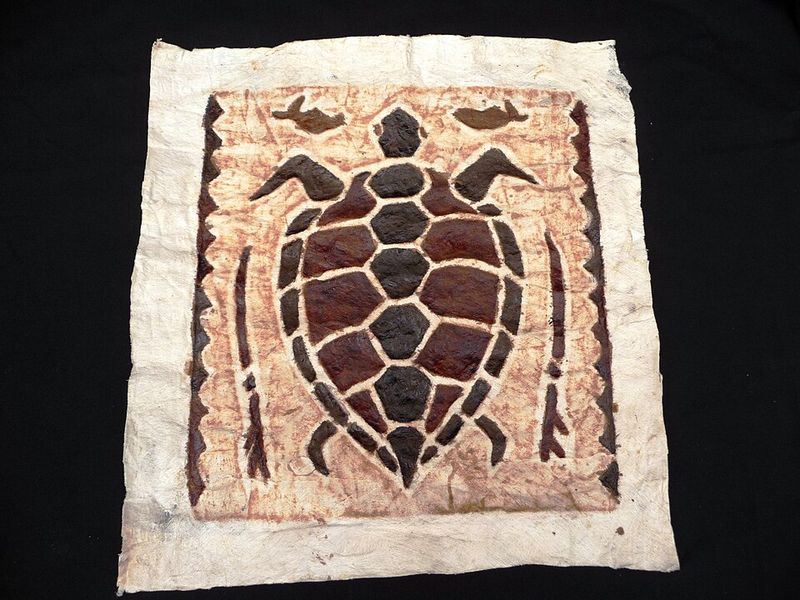
Tapa cloth, known in Tonga as ngatu, is one of the most significant cultural artifacts in the kingdom. Made from the beaten bark of the paper mulberry tree, tapa is used in ceremonies, gifted at weddings and funerals, and displayed as a symbol of wealth and social standing.
The process of making it is labor-intensive and deeply communal.
Women gather in groups to pound the bark flat, join the sheets together, and then apply intricate geometric designs using natural dyes made from plant materials. The patterns carry meaning, with specific motifs linked to family lineages, regions, and ceremonial purposes.
A large, well-made piece of ngatu can measure dozens of meters in length and represents months of collective effort. Seeing the process firsthand in a village setting is one of the most authentic cultural experiences available to visitors in Tonga, and many local women are genuinely happy to demonstrate the technique to interested travelers.
The Pristine Coral Reefs and Marine Life
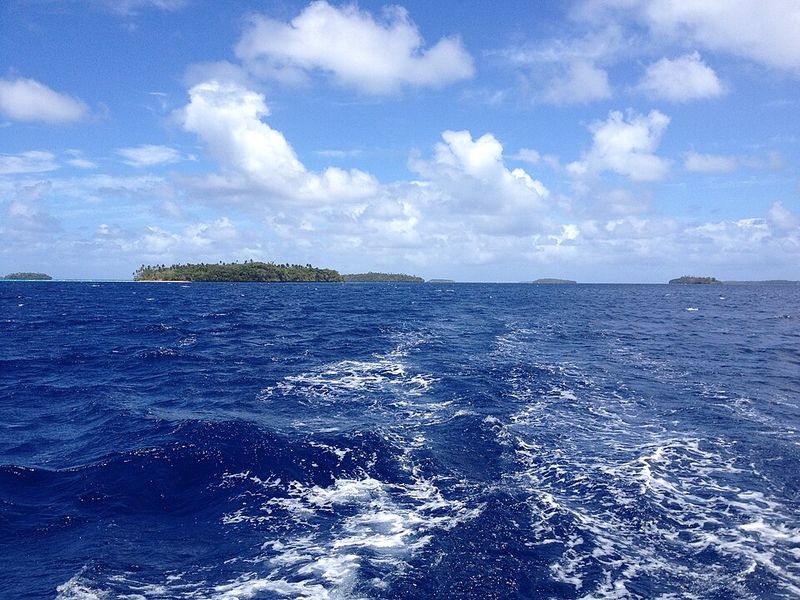
Tonga’s waters are among the healthiest in the Pacific, partly because the country has a relatively small population and limited industrial development. The coral reefs surrounding many of the islands remain vibrant and largely undamaged, offering snorkelers and divers a window into marine ecosystems that are increasingly rare in other parts of the world.
The ‘Eua island, located just 40 kilometers southeast of Tongatapu, is surrounded by dramatic underwater cliffs and caves that draw experienced divers from around the world. The visibility in these waters frequently exceeds 30 meters, and the variety of species, including sea turtles, reef sharks, and dozens of coral varieties, makes every session genuinely different.
Conservation awareness is growing among Tongan communities and the government, with marine protected areas being established around several island groups. For travelers who care about visiting places where nature still feels intact, Tonga offers something that becomes harder to find with each passing year in the broader Pacific region.
Practical Tips for Visiting Tonga
Getting to Tonga typically involves flying through Fiji, Auckland, or Sydney, with Fua’amotu International Airport serving Tongatapu as the main entry point. Flights are not always frequent, so building flexibility into your itinerary is genuinely useful rather than just a polite suggestion.
The local currency is the Tongan pa’anga, and while some larger establishments accept credit cards, cash is essential for markets, smaller restaurants, and village-level transactions. ATMs exist in Nuku’alofa but are not always reliable, so arriving with some cash exchanged in advance is a smart move.
Dress modestly when visiting villages or churches, and always ask permission before photographing people or entering private property. Tongans are generally warm and welcoming to visitors who show basic cultural respect.
And above all, read up on the Sunday rules before you arrive, because discovering them after you have already planned a beach day is a frustration that is entirely avoidable.
Why Tonga’s Sunday Laws Are Worth Respecting
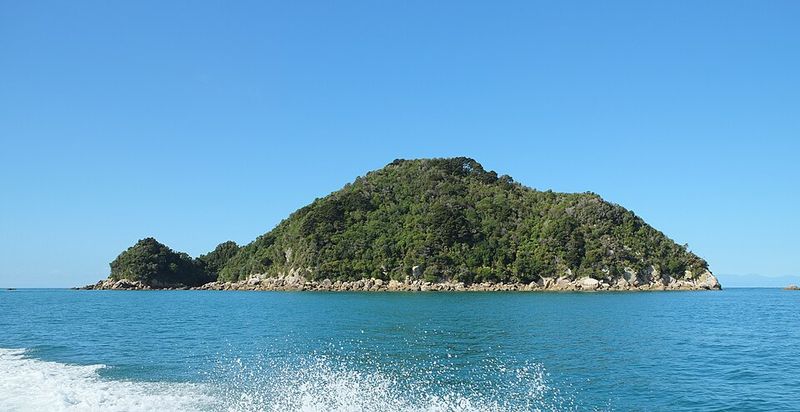
It is easy for outside observers to frame Tonga’s Sunday laws as restrictive or unusual, but spending time in the country tends to shift that perspective. The enforced pause creates something that most modern societies have quietly abandoned: a shared, community-wide moment of stillness that everyone participates in at the same time.
There is no pressure to be productive, no open shops pulling you toward consumption, and no traffic noise cutting through the morning. The silence on a Tongan Sunday is not the silence of emptiness but the silence of a society that has collectively agreed to stop and breathe together.
For travelers who are accustomed to the relentless pace of contemporary life, that experience can feel surprisingly powerful. Tonga does not ask you to share its faith, but it does ask you to respect its rhythms.
Most visitors who do come away with something they did not expect: a genuine appreciation for what it feels like when a whole country truly rests.
Share this story