Some towns make you reach for the car keys, and some make you forget where you left them. This list is all about the second kind: compact, character-filled places where main streets, public squares, waterfront paths, and historic blocks keep the day moving at sidewalk speed.
You will get a quick tour of the most walkable small town in every state, plus the details that matter most once your feet hit the pavement. Expect charming downtown grids, practical layouts, easy errands, and enough local personality to keep every stroll interesting.
1. Alabama: Fairhope, Fairhope
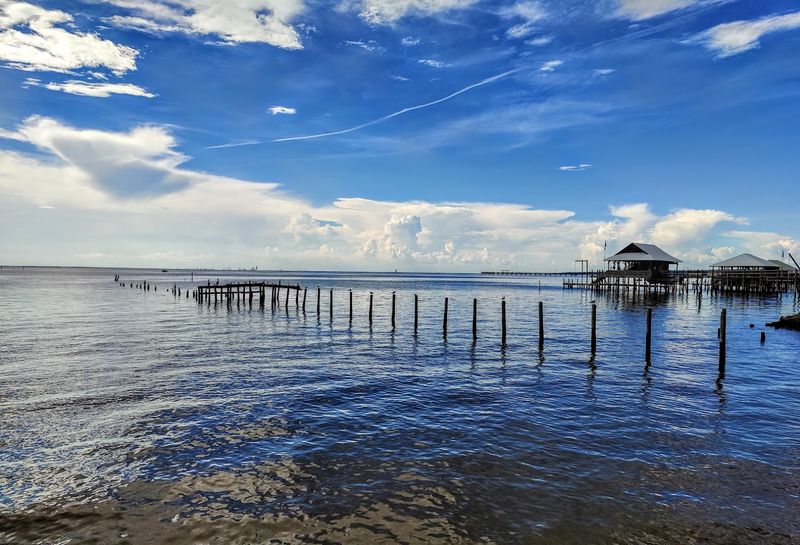
Fairhope wastes no time proving that a car is optional. Its compact downtown runs neatly toward Mobile Bay, with shops, cafes, and galleries clustered close enough for an easy afternoon loop.
Parks, the pier, and community events sit within a simple street pattern that makes navigation painless. You can browse locally owned stores, grab lunch, and reach the waterfront without turning the day into a logistics project.
2. Alaska: Sitka, Sitka
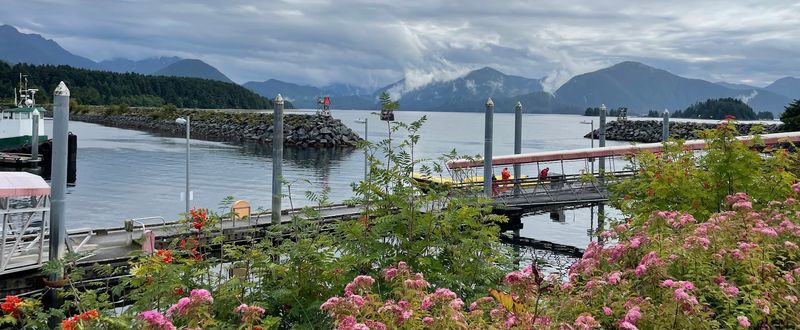
Few places balance wild scenery and practical walkability as neatly as Sitka. Downtown streets link the harbor, historic sites, museums, and everyday businesses in a compact area that rewards exploring on foot.
The town center feels manageable, not sprawling, so you can move from Russian-era landmarks to local shops without needing a complicated plan. Sidewalk time here brings history, waterfront access, and useful stops into one very tidy package.
3. Arizona: Bisbee, Bisbee
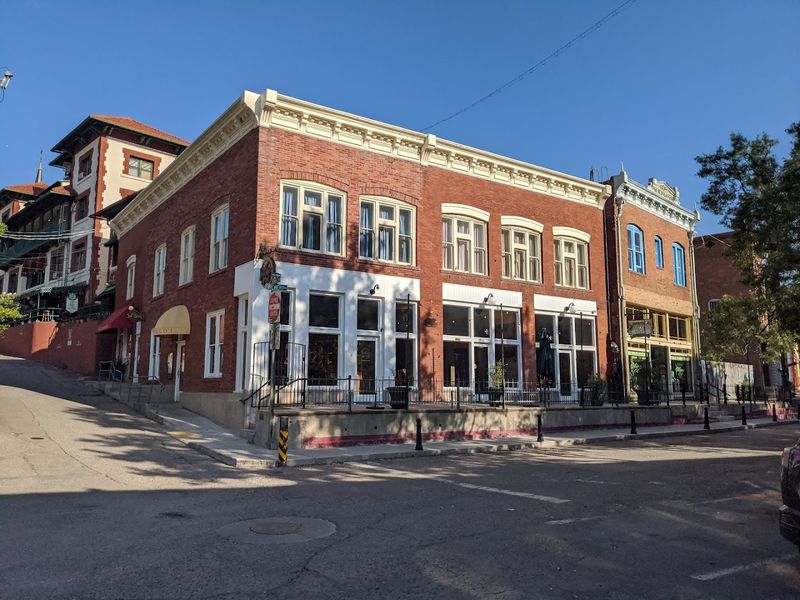
Bisbee plays by its own rules, and that is half the fun. Built into the hills, this former mining town turns a simple stroll into a sequence of stairways, quirky storefronts, galleries, and cafes.
Its compact historic core makes wandering practical even with the dramatic elevation changes. You can spend hours moving between old brick buildings, public art, and tucked-away corners, all while covering more personality per block than many much larger places.
4. Arkansas: Eureka Springs, Eureka Springs
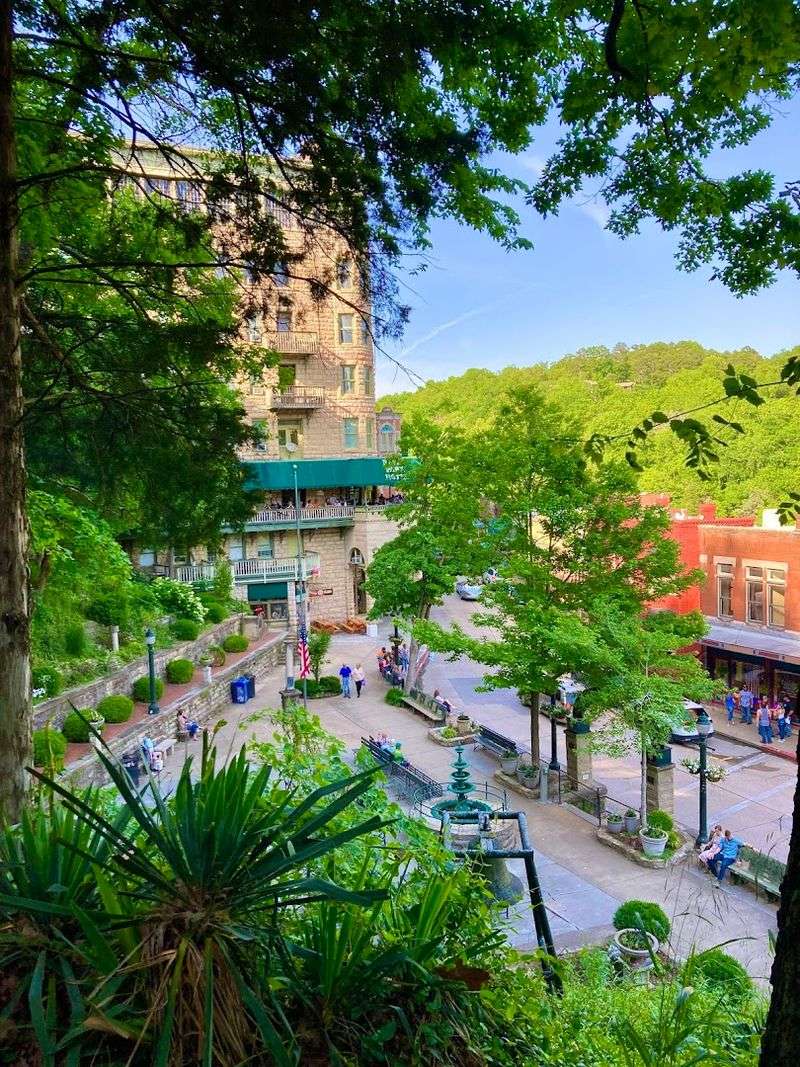
Eureka Springs turns every block into a small plot twist. Its winding streets, hillside setting, and tightly packed Victorian downtown create a place where shops, cafes, and galleries stack up in a delightfully walkable pattern.
You are rarely far from a staircase, pocket park, or interesting storefront. The town rewards slow exploration, and its unusual street layout keeps the experience lively while still putting dining, lodging, and local attractions within easy reach.
5. California: Carmel-by-the-Sea, Carmel-by-the-Sea
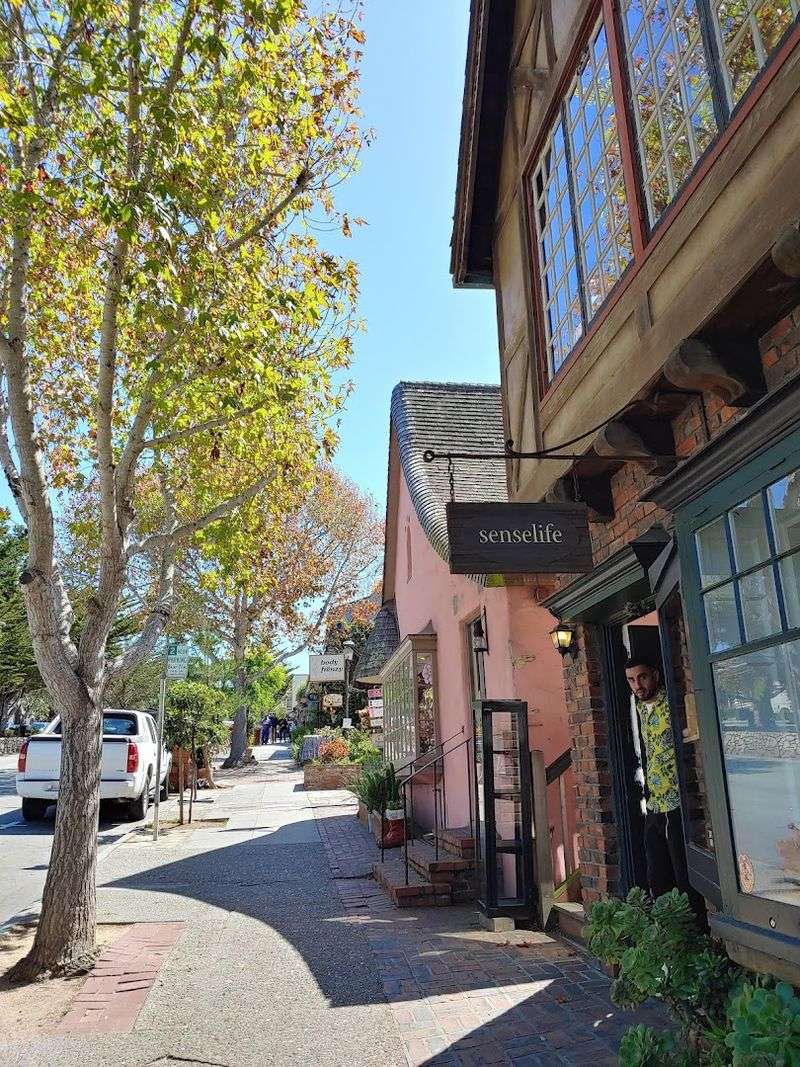
Carmel-by-the-Sea seems designed for people who prefer loafers to traffic reports. The village center is compact and pleasant, with shops, galleries, inns, and cafes spread along short blocks that invite unhurried exploring.
Street names are famously quirky, but getting around on foot is wonderfully straightforward. You can drift from downtown lanes to the beach and back again, covering architecture, art, and everyday conveniences without feeling like your itinerary needs project management.
6. Colorado: Telluride, Telluride
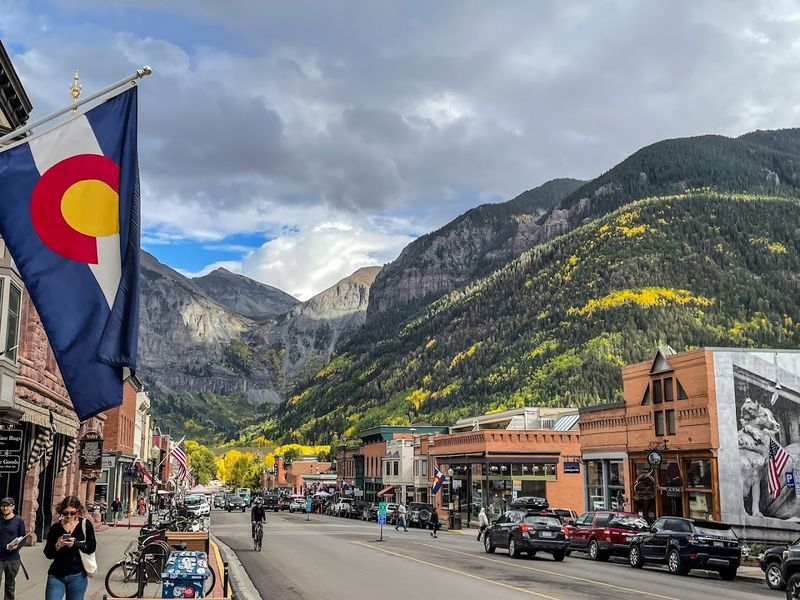
Telluride keeps its dramatic setting from overwhelming its practical side. The historic downtown is laid out on a clear grid, making it easy to walk between restaurants, shops, lodging, and trail access.
Because so much sits close together, the town works for quick errands as well as longer rambles. You can cover several blocks of preserved architecture, public spaces, and local businesses in one outing, with mountain views acting as a very confident supporting cast.
7. Connecticut: Mystic, Mystic
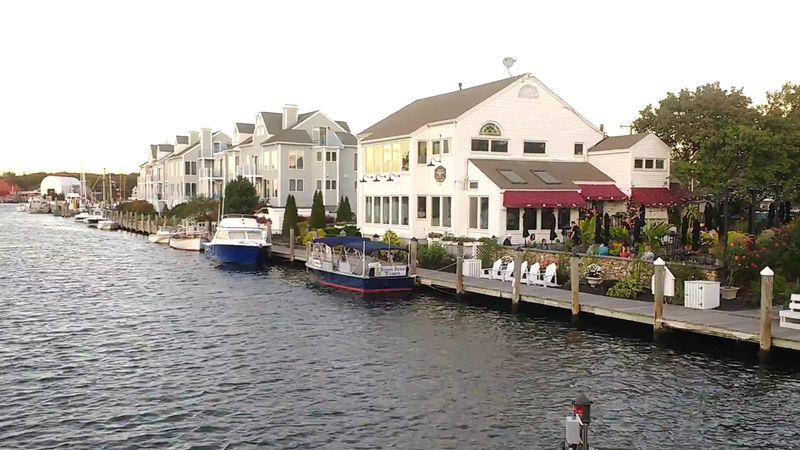
Mystic has the kind of downtown that makes parking feel almost unnecessary. Around the river and drawbridge, restaurants, shops, historic attractions, and waterfront views line up in a compact, easy-to-navigate district.
The appeal is not just charm, though there is plenty of that. Distances stay short, sidewalks stay useful, and the concentration of things to do means you can browse, eat, and sightsee without spending half the day crossing giant parking lots.
8. Delaware: Lewes, Lewes
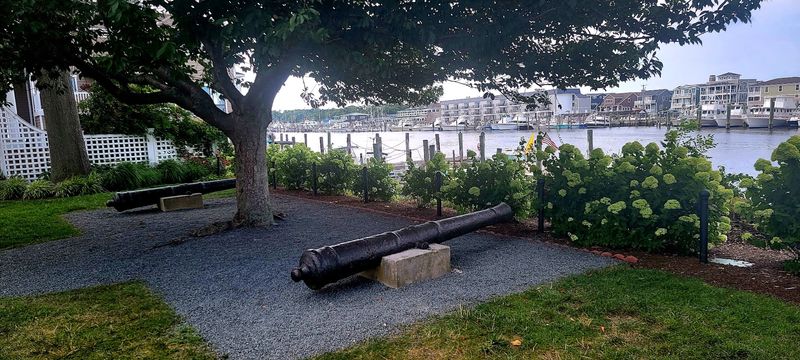
Lewes quietly makes a strong case for leaving the car parked. Its historic center is compact, attractive, and practical, with shops, restaurants, museums, and public spaces gathered close to the canal and nearby shoreline.
The layout encourages easy strolling instead of strategic commuting. You can move from colonial history to a casual meal to waterfront views in a short span, which is exactly what a walkable town should deliver without making a big fuss about it.
9. Florida: St. Augustine, St. Augustine
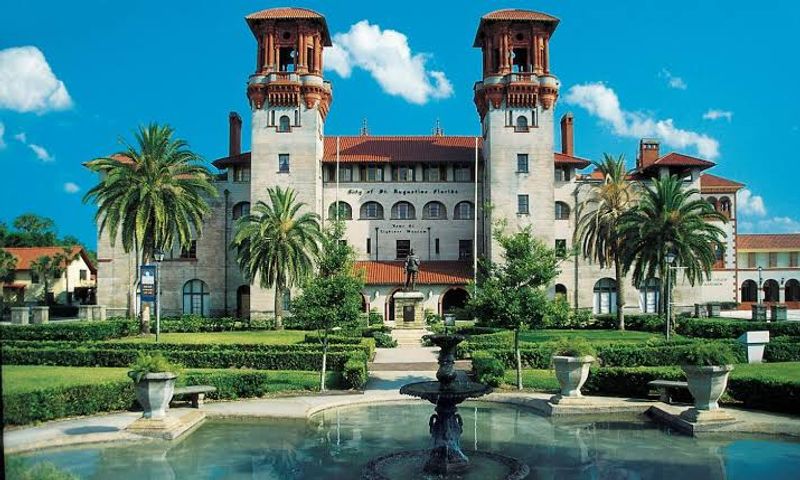
St. Augustine has history on nearly every corner, and thankfully many corners sit close together. The compact historic district lets you cover landmarks, restaurants, shops, and plazas on foot with very little planning.
Narrow streets and dense blocks make wandering feel natural rather than performative. You can spend hours moving between old buildings, waterfront stretches, and busy pedestrian corridors, all while enjoying a town layout that existed long before anyone invented the oversized parking lot.
10. Georgia: Dahlonega, Dahlonega
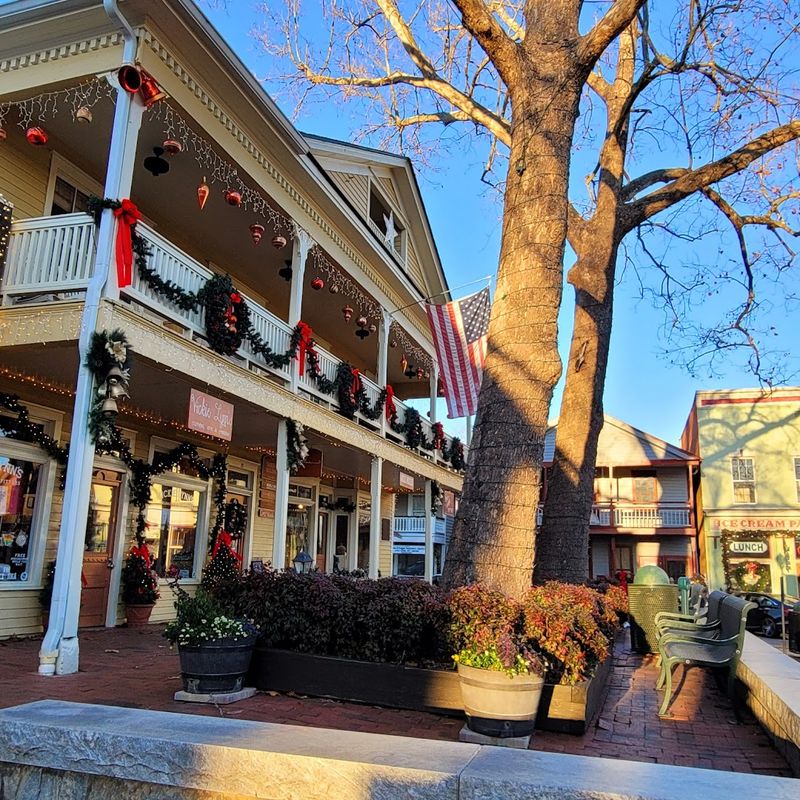
Dahlonega puts its best foot forward right at the square. The historic courthouse anchors a compact downtown where shops, restaurants, tasting rooms are nearby, though your best walks focus on the square itself and its connected blocks.
The street pattern is simple, the scale stays human, and local businesses keep the area active. You can shop, eat, and explore regional history without spending much time in transit, which is a fine gold-standard result for a former gold rush town.
11. Hawaii: Lahaina, Lahaina
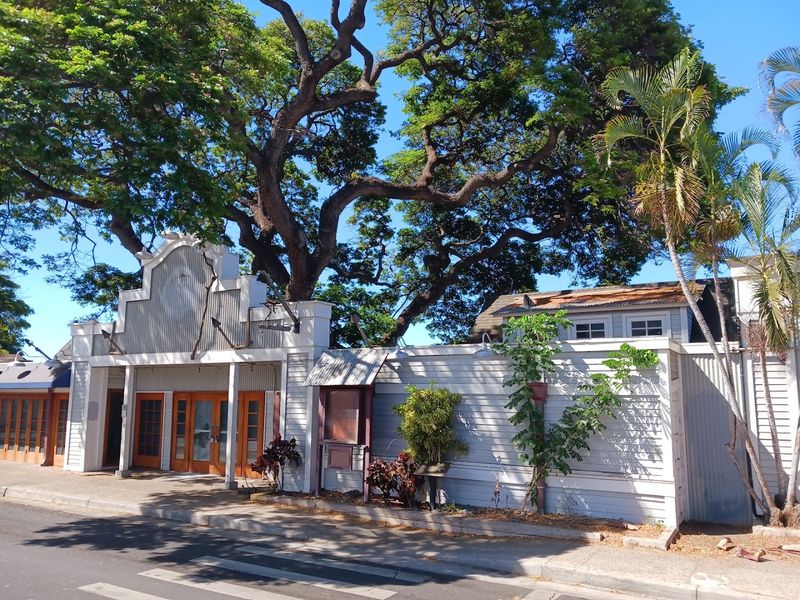
Lahaina has long stood out for a waterfront core that rewards exploring on foot. Historic streets, oceanfront stretches, shops, and cultural landmarks have traditionally sat close together, making the town easy to experience block by block.
As parts of Lahaina continue rebuilding, walkability remains central to its identity and future. The compact layout, famous banyan tree area, and concentration of local destinations still show why this town belongs in any conversation about pedestrian-friendly small places.
12. Idaho: Sandpoint, Sandpoint
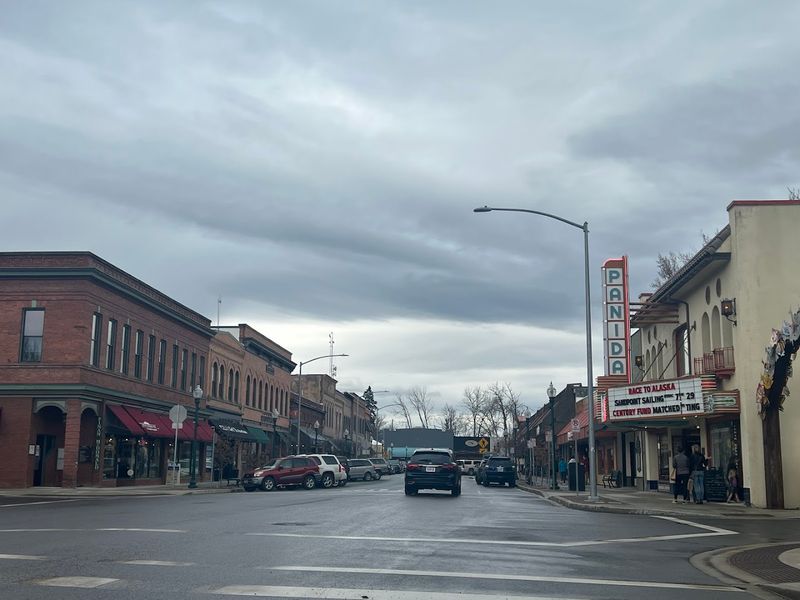
Sandpoint keeps things refreshingly simple: downtown, lake, and local businesses all play nicely together. Its walkable center connects shopping, dining, public spaces, and waterfront access without forcing visitors into a marathon.
The blocks are manageable and the streets feel connected rather than scattered. You can browse independent stores, pause at a park, and head toward Lake Pend Oreille in one easy outing, which makes the town practical for errands and genuinely fun for aimless wandering.
13. Illinois: Galena, Galena
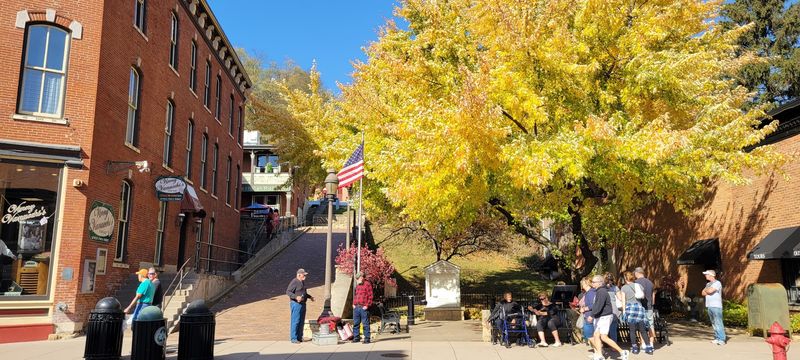
Galena knows exactly what it is doing with that Main Street. The historic downtown packs restaurants, boutiques, inns, and preserved nineteenth-century buildings into a dense, highly strollable corridor that keeps your attention from block to block.
Hills add a little exercise, but the compact business district makes walking the obvious choice. You can spend a full day covering shops, local history sites, and river-town architecture, all without needing anything more complicated than comfortable shoes.
14. Indiana: Nashville, Nashville
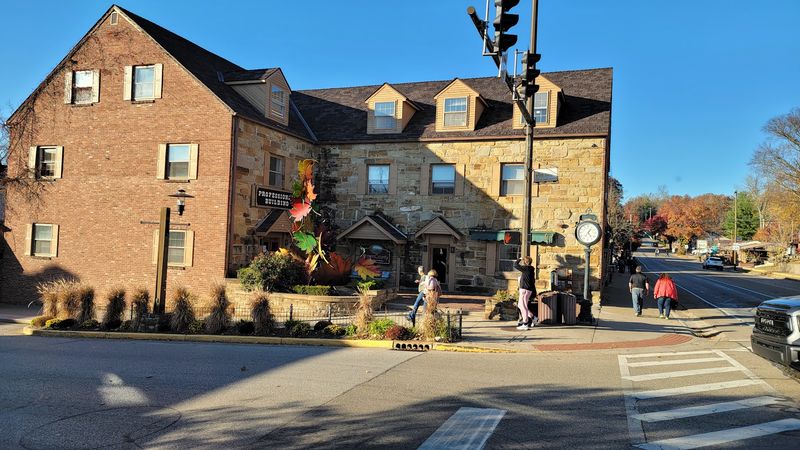
Nashville, Indiana proves that a small town can be both artsy and easy to navigate. Its compact center gathers galleries, craft shops, restaurants, and inns close together, making casual exploration the smartest way to spend a day.
The streets invite browsing instead of rushing, and most attractions stay within a comfortable range. You can move from handmade goods to local eats to nearby parks with minimal planning, which is handy because this town is much better at charm than efficiency memos.
15. Iowa: Pella, Pella
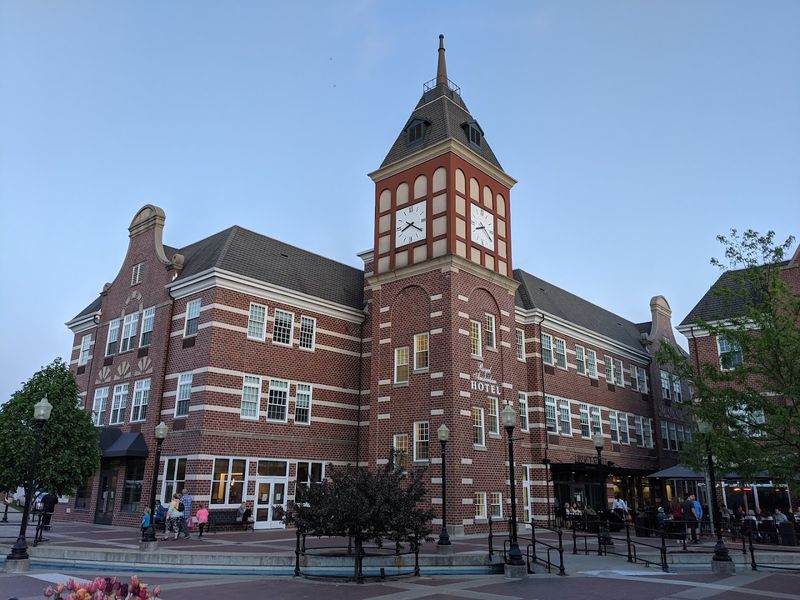
Pella delivers walkability with extra personality and a very tidy town center. Around the square, Dutch-inspired buildings, bakeries, shops, and public gathering spots sit close enough together to make strolling the default setting.
The downtown layout is clear, compact, and easy for visitors to understand quickly. You can cover historical attractions, local businesses, and photogenic corners in one loop, then circle back for another pass because this place has the rare confidence to make errands feel festive.
16. Kansas: Lindsborg, Lindsborg
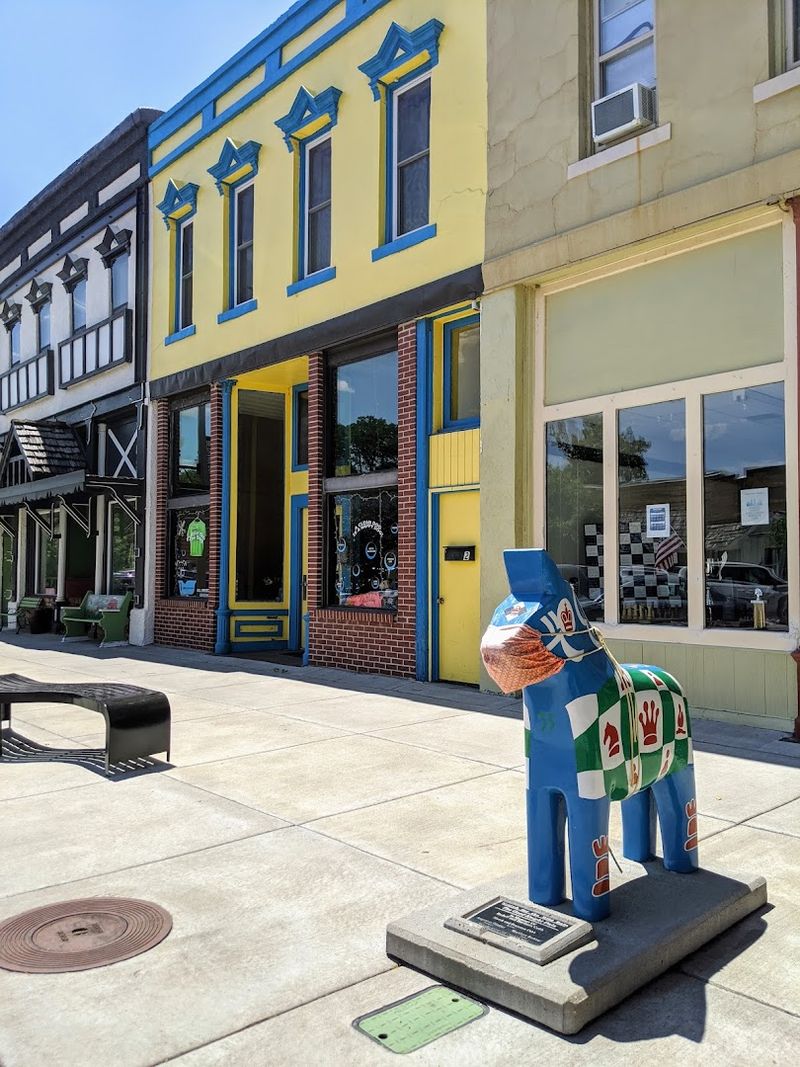
Lindsborg packs a surprising amount of activity into a very walkable footprint. Its Swedish heritage gives the downtown real distinction, but the practical win is how closely shops, galleries, restaurants, and cultural stops sit together.
Main Street is easy to follow and pleasant to explore without a vehicle. You can handle lunch, shopping, and a history lesson in one short outing, all while appreciating a town that understands sidewalks are more useful than sprawling distances and vague directions.
17. Kentucky: Bardstown, Bardstown
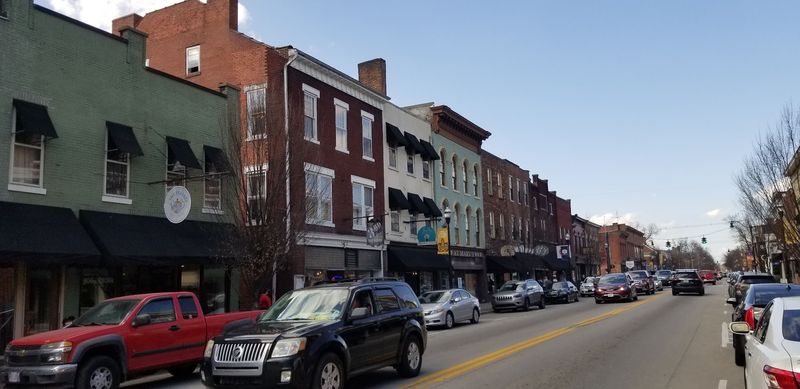
Bardstown makes a persuasive case from the moment you reach downtown. Historic buildings, courthouse views, local shops, and restaurants cluster into a center that is compact enough to reward every kind of pedestrian curiosity.
The streets are easy to navigate, and the town’s scale keeps attractions within comfortable reach. You can explore architecture, browse boutiques, and settle into a meal without hopping in the car between stops, which is always a sign that a small town understands its audience.
18. Louisiana: Natchitoches, Natchitoches
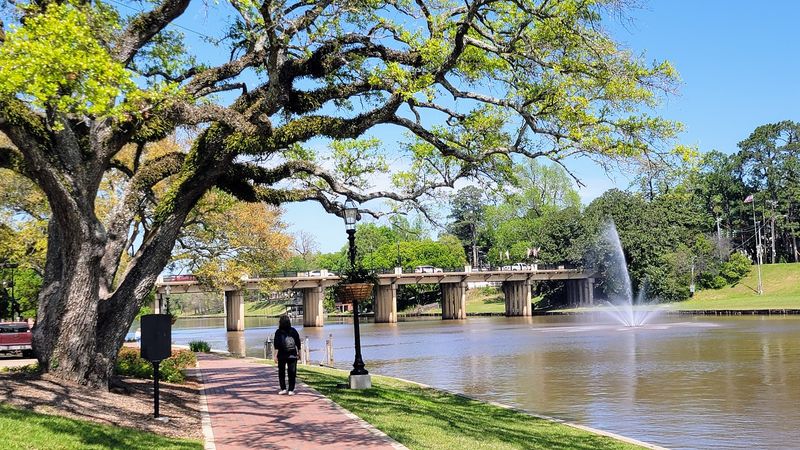
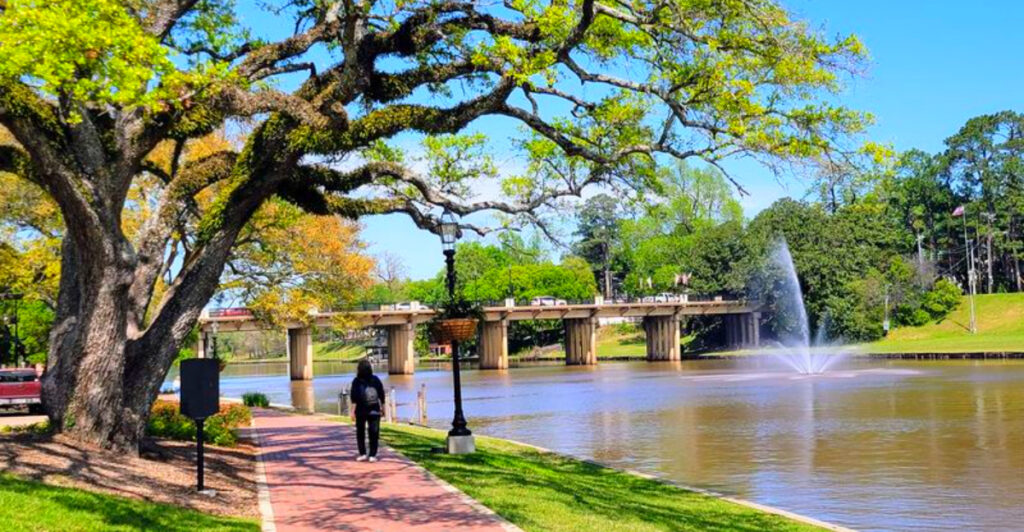
Natchitoches starts strong with brick streets and a walkable riverfront downtown. The historic district keeps restaurants, shops, bed-and-breakfasts, and landmarks close together, so a relaxed stroll covers quite a lot of ground in practical terms.
The Cane River edge adds an easy route through the center without complicating navigation. You can combine history, local shopping, and waterfront views in one outing, and the town’s compact scale means your legs stay busy while your schedule stays refreshingly uncomplicated.
19. Maine: Bar Harbor, Bar Harbor
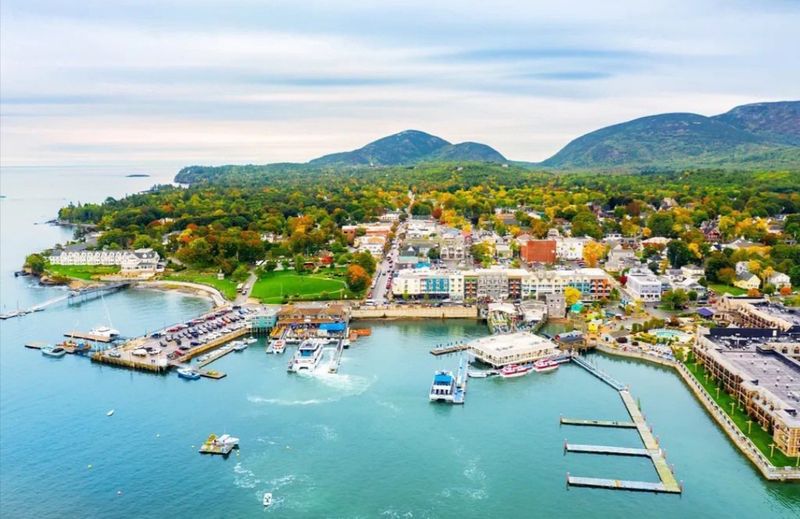
Bar Harbor knows that proximity is part of the vacation package. Its downtown places inns, restaurants, shops, harbor views, and access points near one another, making it easy to spend the day on foot.
The village center is compact enough for repeated loops, which is ideal when plans change by the hour. You can go from breakfast to waterfront wandering to park-related stops without much effort, and that convenience helps the town feel lively instead of simply crowded.
20. Maryland: St. Michaels, St. Michaels
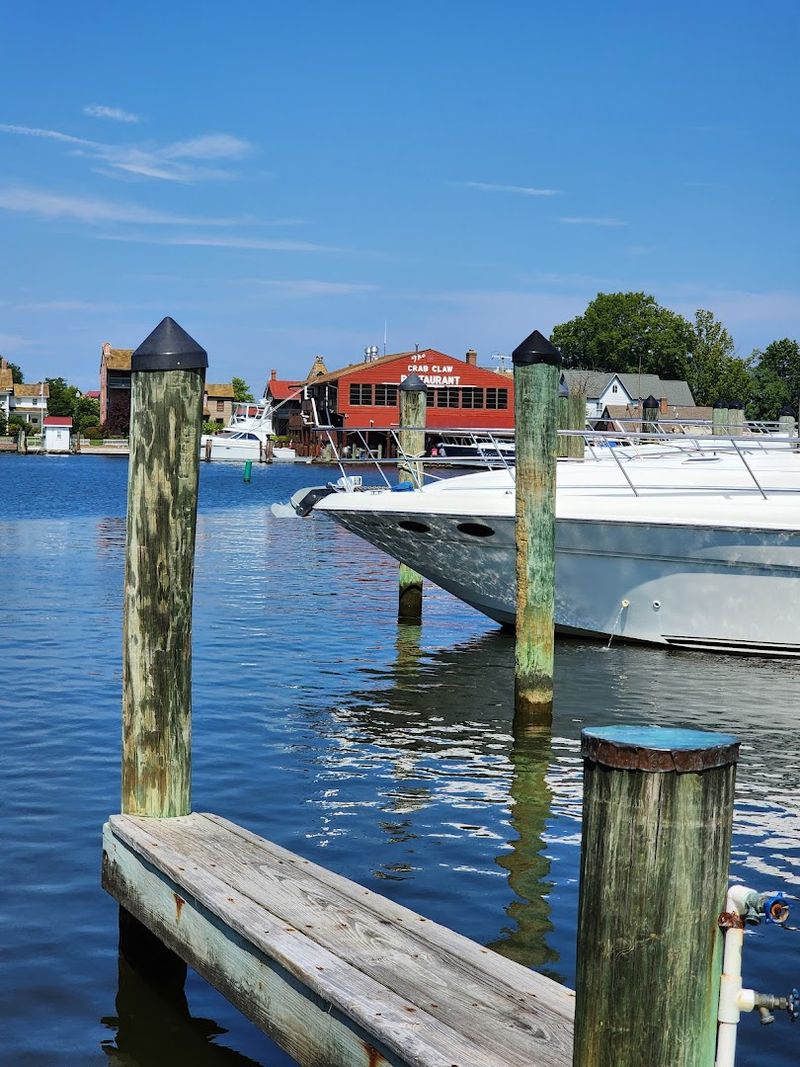
St. Michaels keeps the Eastern Shore experience neatly within walking distance. Its waterfront, inns, museums, shops, and restaurants sit in a compact historic center that encourages a slower pace and very little driving.
The streets are straightforward, the blocks are short, and plenty of destinations sit near the harbor. You can cover maritime history, boutique browsing, and a meal in one easy circuit, which is exactly the kind of efficient pleasure a truly walkable small town should provide.
21. Massachusetts: Provincetown, Provincetown
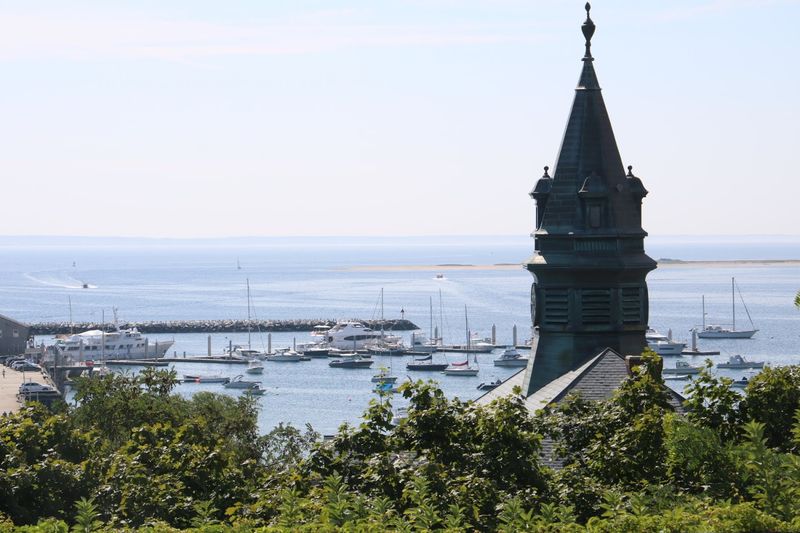
Provincetown practically dares you to stop using the car. Commercial Street and its surrounding lanes concentrate restaurants, galleries, shops, inns, and harbor access into a dense strip where walking is often the smartest option.
The town’s narrow layout helps keep everything close and memorable. You can spend hours browsing, eating, and exploring side streets without covering huge distances, and the steady stream of activity means there is usually another interesting stop just a few steps away.
22. Michigan: Mackinac Island, Mackinac Island
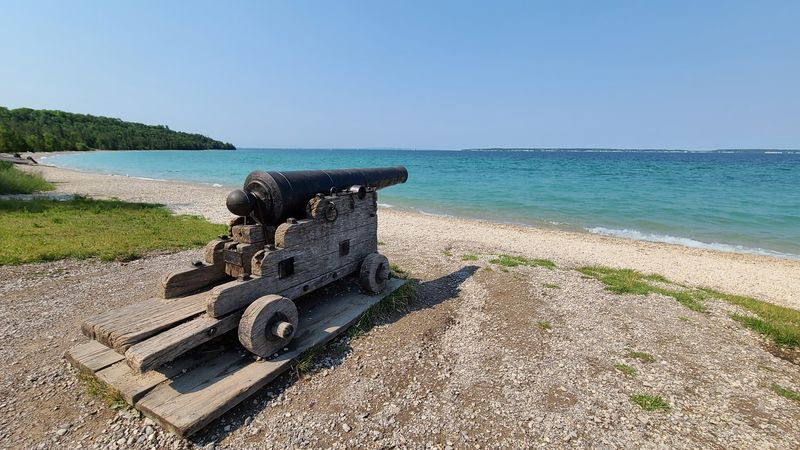
Mackinac Island has a bold advantage in any walkability contest: the whole place favors human-scale movement. In the downtown area, shops, hotels, historic attractions, and waterfront paths line up in a compact district built for strolling.
Because motor vehicles are largely absent, the town center feels especially suited to walking between everyday stops and sightseeing highlights. You can cover a surprising amount of ground at an easy pace, with each block reinforcing the idea that sidewalks deserve more credit.
23. Minnesota: Stillwater, Stillwater
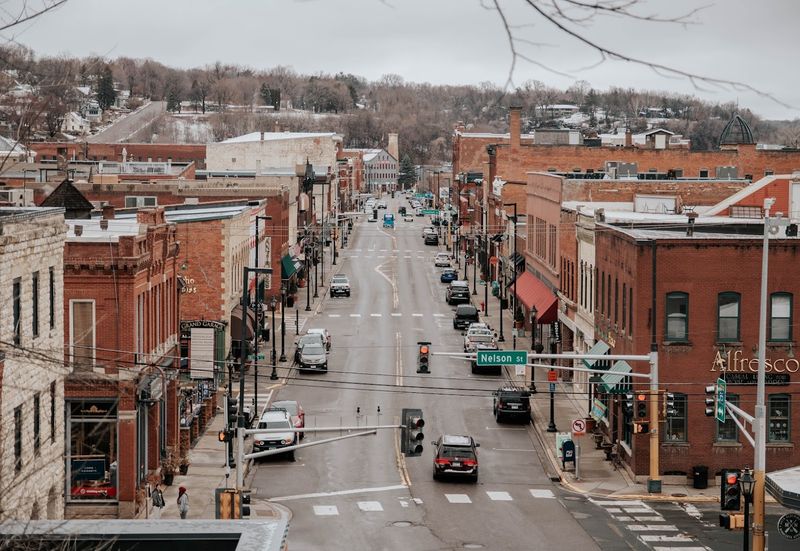
Stillwater brings riverfront appeal and practical walkability to the same address. Its downtown collects shops, restaurants, hotels, and public spaces along a compact historic district where most outings improve once you start moving on foot.
Hills add some variety, but the core remains easy to navigate and full of nearby destinations. You can browse Main Street, enjoy the St. Croix views, and cover local attractions without wasting energy on repeated parking decisions and short, unnecessary drives.
24. Mississippi: Ocean Springs, Ocean Springs
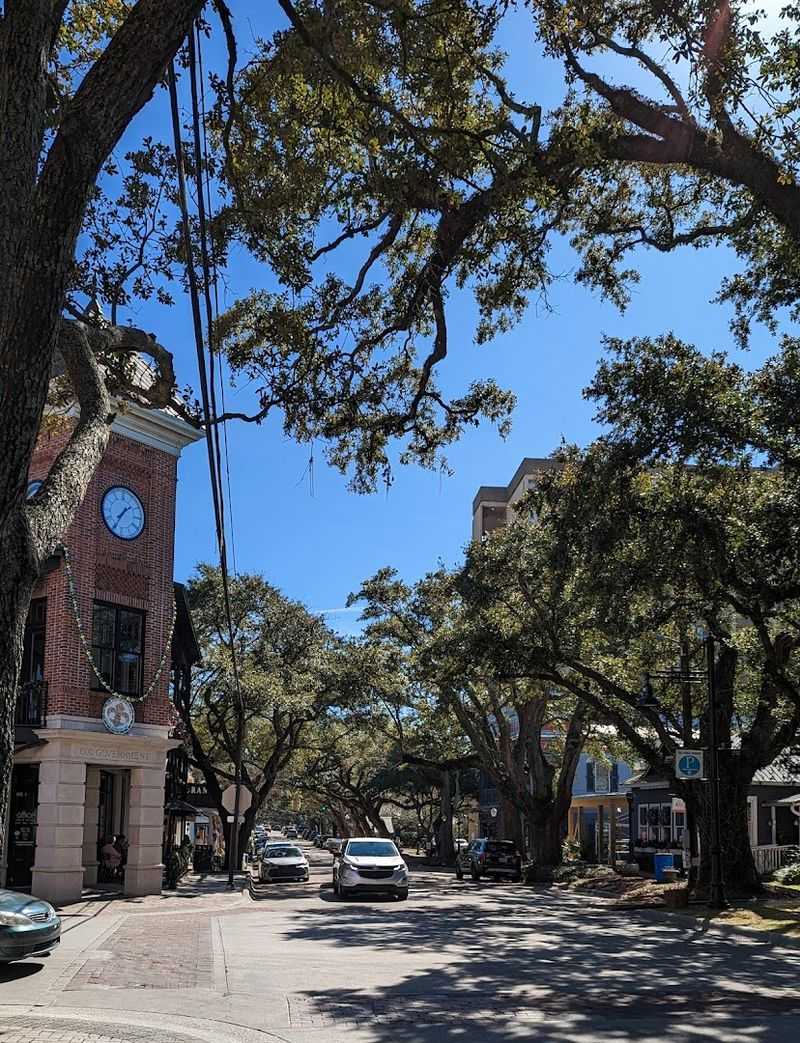
Ocean Springs keeps things wonderfully close without losing its personality. The downtown district mixes galleries, restaurants, shops, and public spaces into a walkable grid that feels easy to understand from the first few blocks.
Its coastal location adds appeal, but the real strength is convenience. You can browse local businesses, stop for a meal, and reach nearby parks or shoreline areas without a complicated route, which makes this town practical for everyday strolling and not just postcard duty.
25. Missouri: Hermann, Hermann
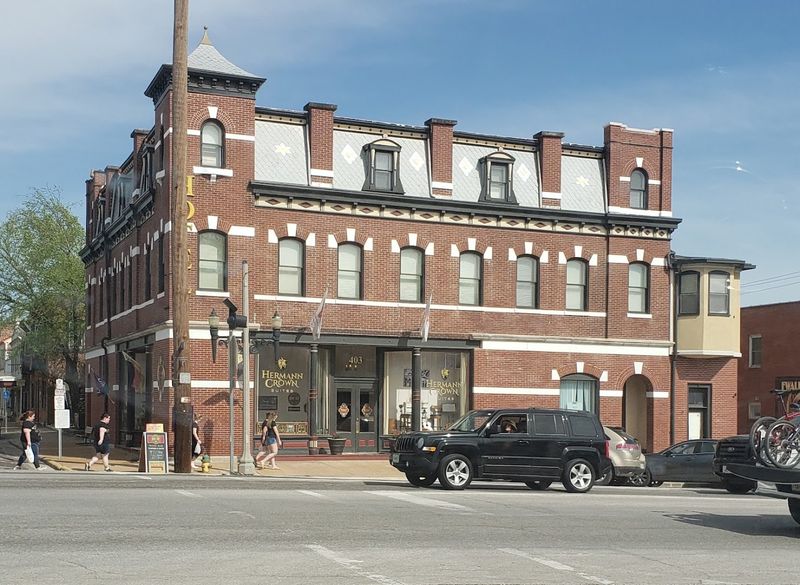
Hermann proves that a small historic town can still be easy on the feet. Its downtown and river-adjacent streets gather inns, shops, museums, and restaurants into a compact area that supports slow, satisfying exploration.
Some slopes appear, but most visitors will find the center pleasantly manageable. You can move between preserved architecture, public spaces, and local businesses without much planning, and that simple convenience gives Hermann a strong everyday walkability that goes beyond its obvious visual appeal.
26. Montana: Whitefish, Whitefish
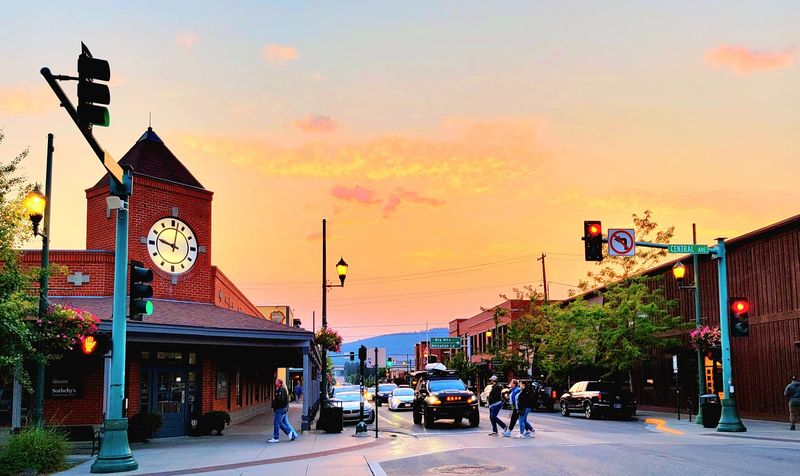
Whitefish keeps its mountain-town credentials firmly attached to a useful downtown. Central Avenue and the surrounding blocks place shops, dining, lodging, and community spaces close enough together for easy walking day or night.
The grid is simple, the center is compact, and nearby public areas help everything connect. You can handle breakfast, shopping, and an evening stroll without moving the car, which is a nice trick for a town that also doubles as a gateway to bigger outdoor plans.
27. Nebraska: Nebraska City, Nebraska City
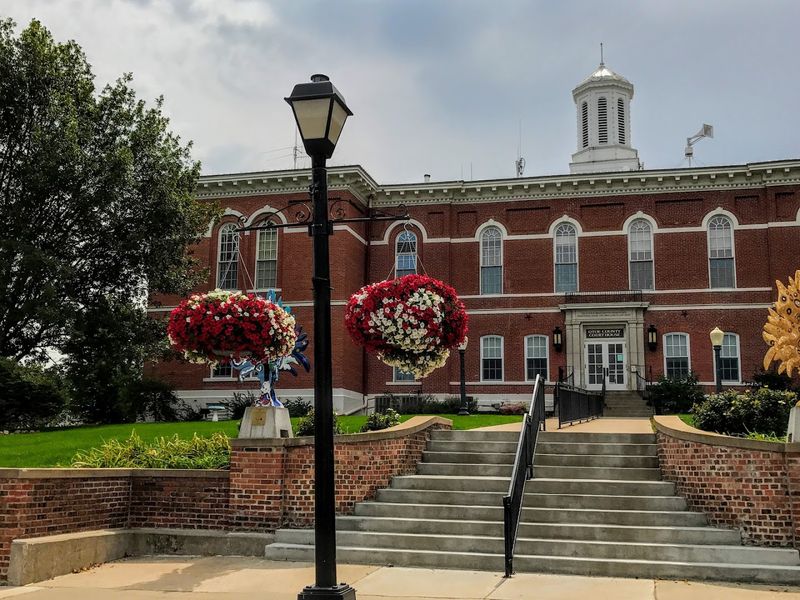
Nebraska City wins points by keeping its downtown straightforward and genuinely usable. Historic buildings, shops, restaurants, and civic spaces cluster in a traditional main street setting that favors walking over constant short drives.
The town’s scale is modest in the best way, making casual exploration easy for visitors. You can cover local history, browse small businesses, and move through the center without much backtracking, which is exactly the kind of low-drama efficiency a walkable town should offer.
28. Nevada: Virginia City, Virginia City
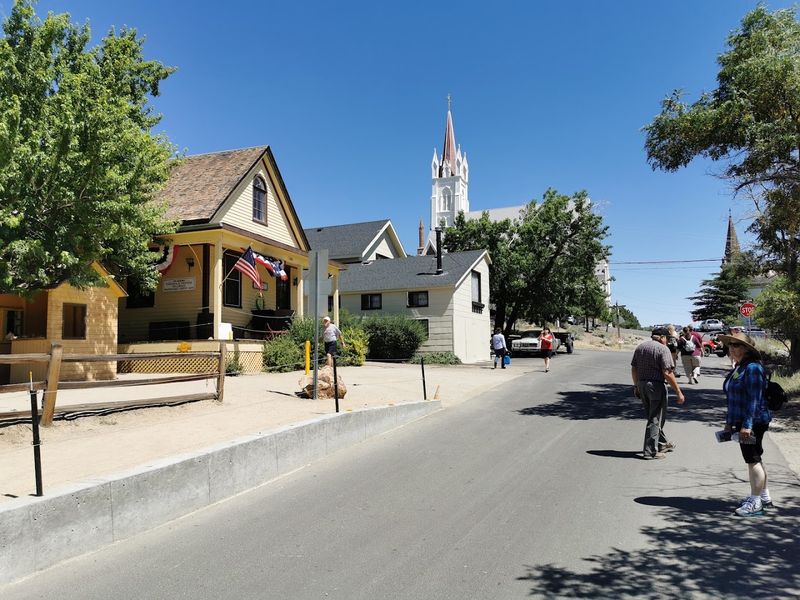
Virginia City leans hard into history, but its walkability is no costume piece. The main commercial stretch gathers museums, shops, eateries, and preserved buildings close enough together to make an on-foot visit the obvious strategy.
Elevation changes can keep things interesting, yet the historic core remains compact and coherent. You can spend hours exploring old west architecture and local attractions without needing much beyond a steady pace and a willingness to let the sidewalks do the planning.
29. New Hampshire: Portsmouth, Portsmouth
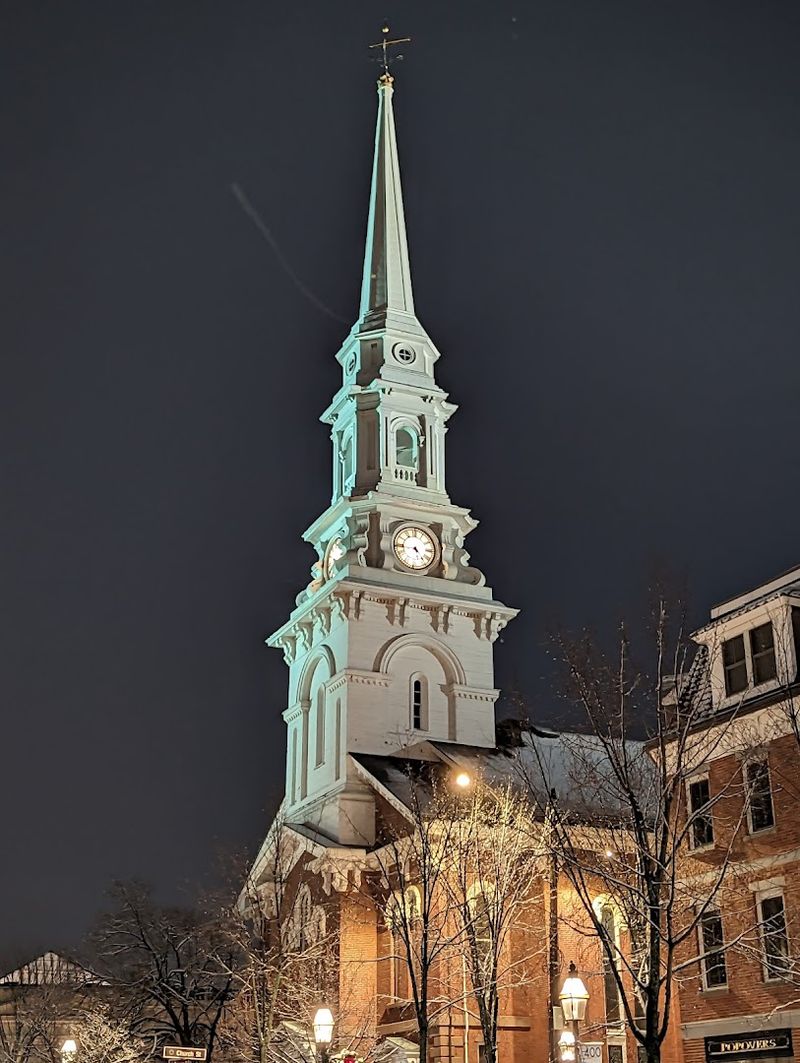
Portsmouth punches above its size when it comes to walkable design. The downtown links historic streets, Market Square, shops, restaurants, and waterfront areas in a tight network that makes driving seem oddly unnecessary.
Short blocks and dense activity keep the experience lively without becoming confusing. You can spend a full day moving between old buildings, public spaces, and local businesses with ease, which is probably why this place so often turns casual visitors into serious repeat walkers.
30. New Jersey: Cape May, Cape May
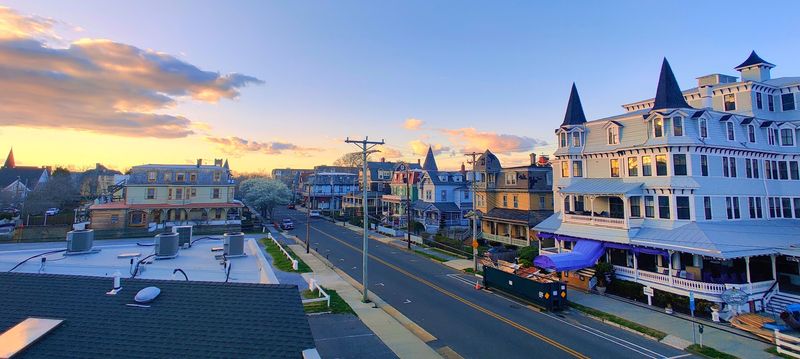
Cape May makes a strong first impression, then backs it up with practical walkability. The historic center and nearby beachfront areas keep inns, shops, restaurants, and attractions close enough for a day built mostly around sidewalks.
Its preserved Victorian streetscape adds visual flair, but the real advantage is convenience. You can browse Washington Street Mall, head toward the shore, and circle back through residential blocks without turning simple movement into a parking-lot side quest.
31. New Mexico: Taos, Taos
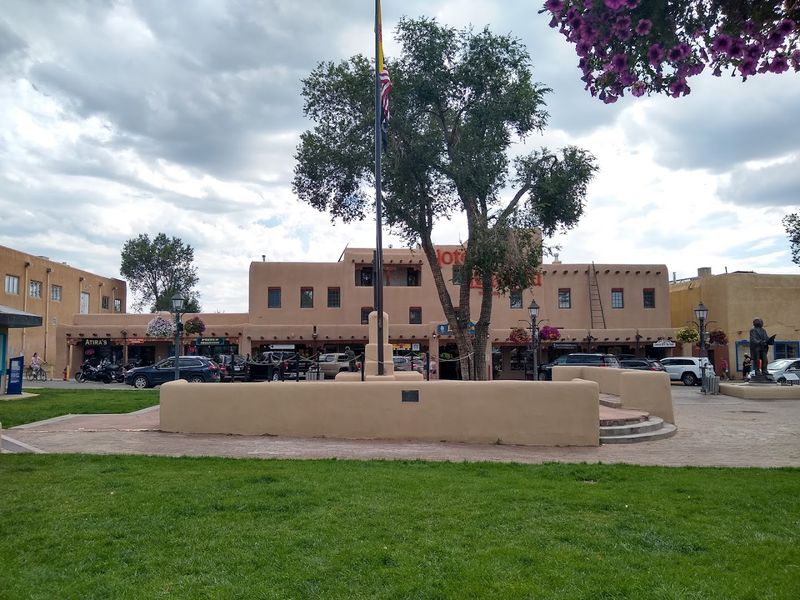
Taos keeps its most interesting pieces close to the plaza, and that helps a lot. Around the historic center, galleries, shops, restaurants, and cultural landmarks create a walkable district with enough variety to keep every block useful.
The town spreads out beyond the core, but the central area rewards going on foot. You can explore adobe architecture, browse local art, and stop for a meal in one compact circuit, which makes Taos feel grounded, practical, and pleasantly unscripted.
32. New York: Saratoga Springs, Saratoga Springs
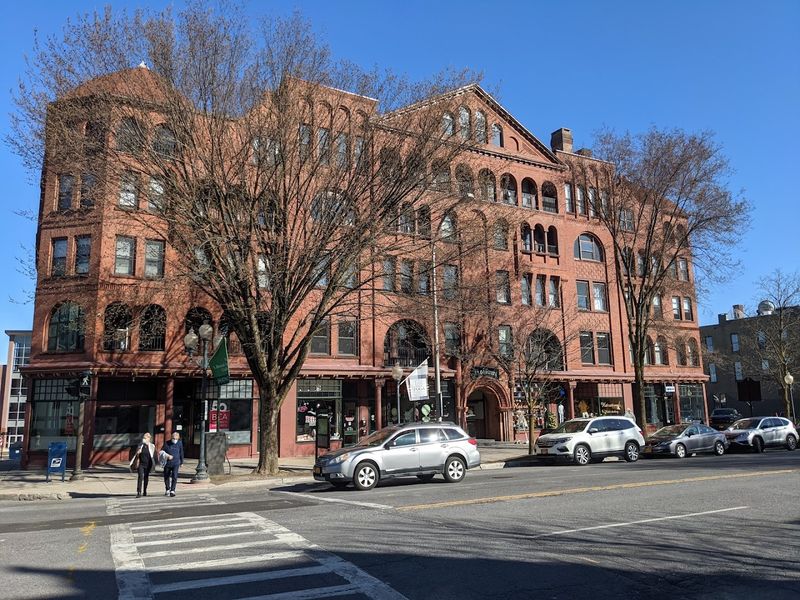
Saratoga Springs knows how to make a downtown earn its reputation. Broadway and the surrounding streets line up shops, restaurants, hotels, and cultural venues in a compact area that works beautifully for pedestrians.
The sidewalks are generous, the blocks connect well, and the town center stays active through the day. You can cover parks, historic sites, and local businesses without much effort, which gives Saratoga Springs a polished, practical walkability that is hard to argue with.
33. North Carolina: Beaufort, Beaufort
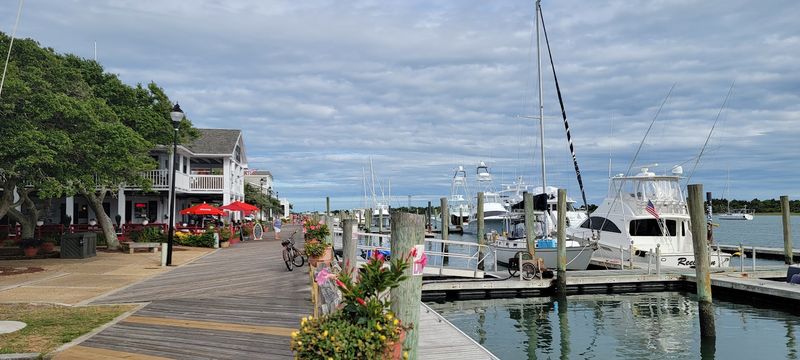
Beaufort keeps coastal strolling pleasantly efficient. Its waterfront, historic homes, shops, and restaurants sit within a compact area where you can cover a lot of local character without needing much more than a comfortable pace.
The harborfront gives the town a clear organizing line, and side streets add easy detours. You can explore maritime history, browse downtown businesses, and reach scenic public spaces in one outing, all while the street layout quietly does most of the hard work.
34. North Dakota: Medora, Medora
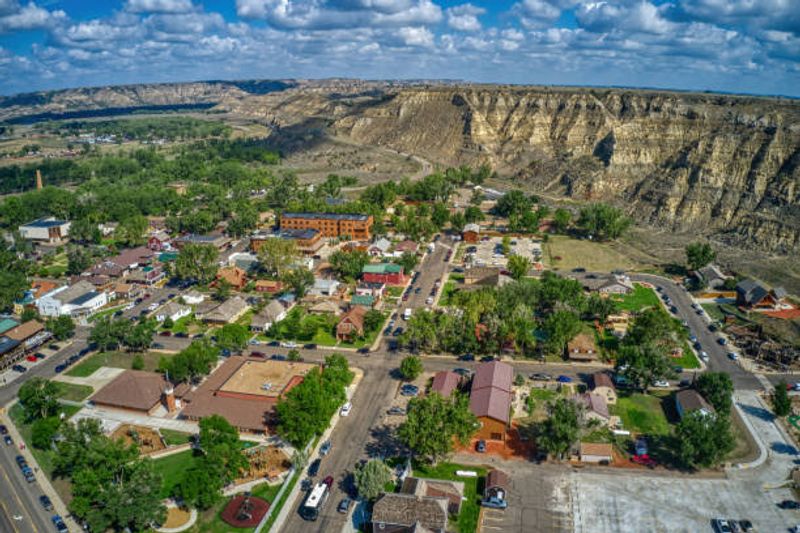
Medora may be small, but it is impressively easy to navigate on foot. The town center gathers lodging, shops, restaurants, and visitor attractions close together, which works especially well for a place that sees plenty of sightseeing traffic.
Its scale keeps decisions simple and distances short. You can explore the main street area, reach local entertainment, and connect to nearby park-oriented activities without needing to constantly reposition the car, a move your step count will fully support.
35. Ohio: Yellow Springs, Yellow Springs
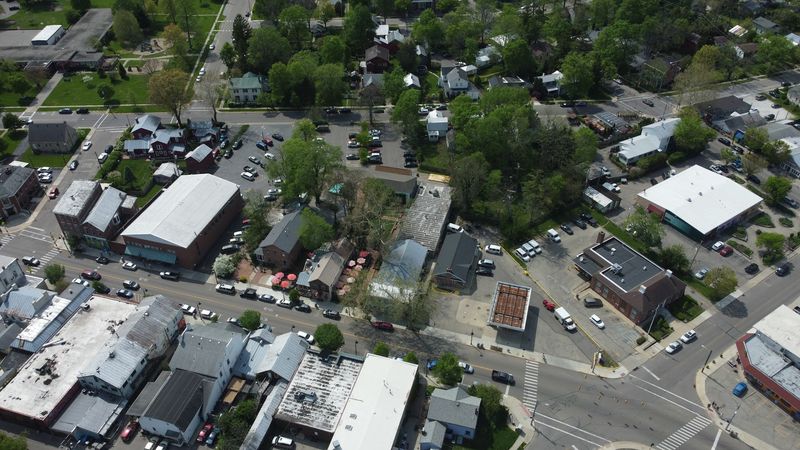
Yellow Springs has the rare talent of feeling lively without becoming difficult to navigate. Its downtown gathers independent shops, cafes, galleries, and community spaces along a compact main street that invites repeated passes on foot.
The town’s personality is unmistakable, but the street layout is easygoing and practical. You can browse local businesses, stop for lunch, and head toward nearby trails or parks with minimal hassle, which makes the whole place feel built for curiosity and comfortable shoes.
36. Oklahoma: Guthrie, Guthrie
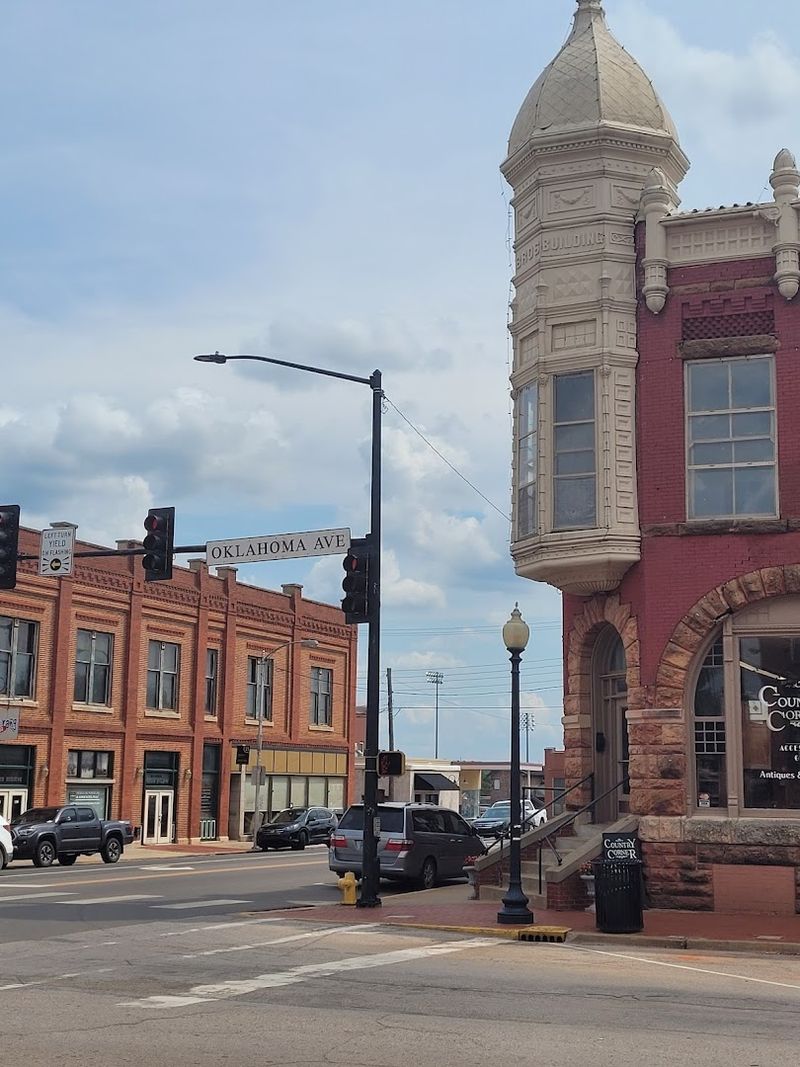
Guthrie arrives with architectural swagger and a very walkable downtown to match. Its historic district features blocks of preserved buildings, local shops, restaurants, and museums clustered closely enough to make strolling the obvious choice.
The street grid is clear, and the concentration of destinations keeps momentum going. You can cover a lot of Oklahoma history in a few blocks, then settle into lunch without needing a map, a shuttle, or any dramatic parking-lot negotiations.
37. Oregon: Ashland, Ashland

Ashland makes everyday walking look like a well-rehearsed performance. Around the plaza and downtown core, theaters, restaurants, shops, and parks sit close together, giving the town a practical rhythm that works beautifully on foot.
The compact center keeps errands and entertainment on speaking terms. You can explore bookstores, catch a meal, and spend time in Lithia Park with very little logistical friction, which is ideal because no one wants a complicated spreadsheet for a simple afternoon out.
38. Pennsylvania: Jim Thorpe, Jim Thorpe

Jim Thorpe wastes no time showing off its compact historic core. The downtown lines up shops, eateries, museums, and striking architecture along streets that are easy to explore on foot, even when the surrounding terrain adds a little effort.
The town feels dense in the useful sense, with plenty packed into a manageable area. You can cover notable landmarks and local businesses in one outing, and the close spacing makes every uphill stretch feel like a fair trade.
39. Rhode Island: Newport, Newport
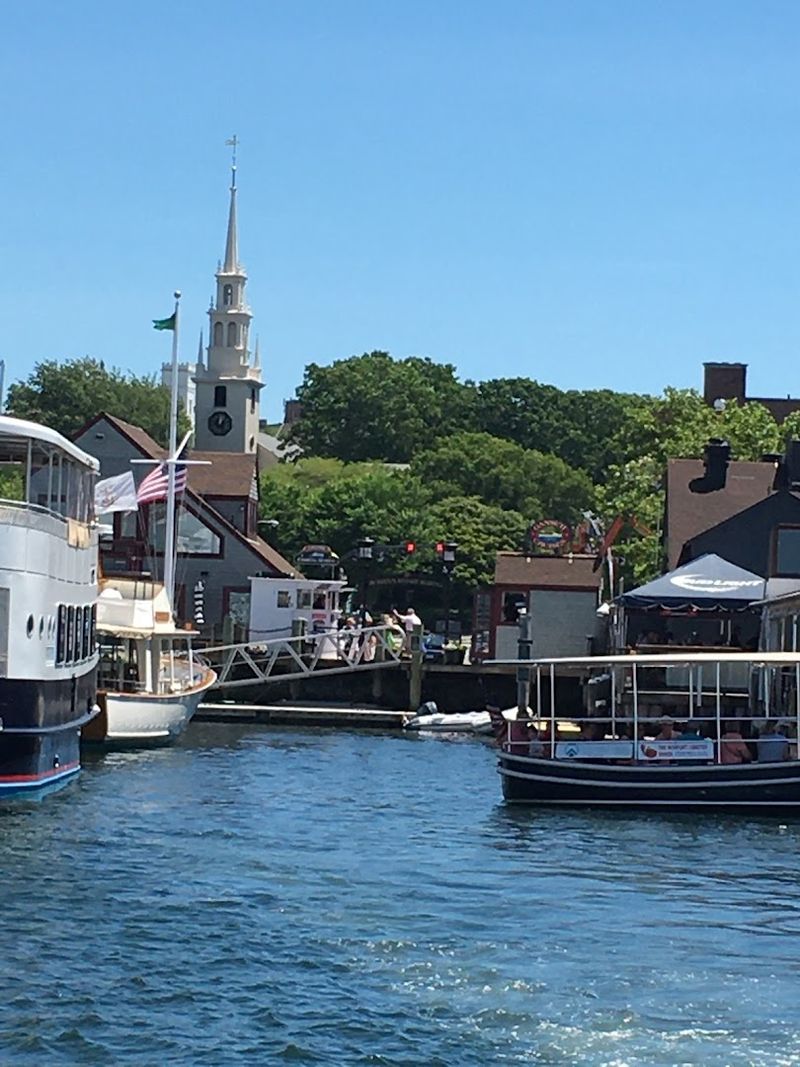
Newport has enough history and activity to keep your shoes busy for hours. Around the harbor and downtown streets, shops, restaurants, inns, and historic sites collect into a pedestrian-friendly area that is easier to enjoy on foot.
The city is larger than many towns here, but the central district stays compact and connected. You can move from Thames Street to waterfront views to major landmarks without much trouble, which makes Newport feel polished, practical, and pleasantly old-school.
40. South Carolina: Beaufort, Beaufort
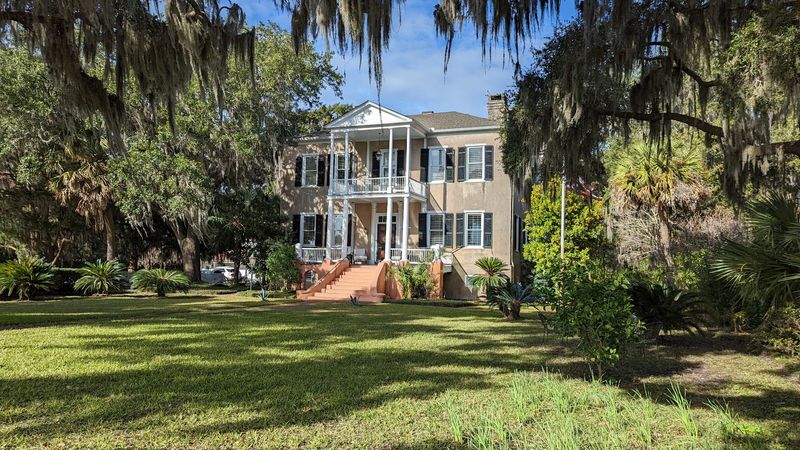
Beaufort, South Carolina understands that a good waterfront should come with good sidewalks. Its historic downtown, marina area, shops, and restaurants sit close together, making it easy to cover the town’s highlights without much planning.
Short distances and a coherent layout help every outing feel relaxed and efficient. You can browse local stores, spend time in Waterfront Park, and admire preserved homes in one gentle loop, which is just the sort of practical elegance walkable towns do best.
41. South Dakota: Deadwood, Deadwood

Deadwood turns history into an easy walking itinerary. The compact downtown places museums, restored buildings, shops, and dining within a few connected blocks, so you can cover the town’s most notable spots without much effort.
Its steep surroundings frame the center, but the core itself stays manageable and dense. You can explore old west architecture, local attractions, and public spaces in one outing, which gives Deadwood a pleasantly straightforward walkability beneath all that dramatic reputation.
42. Tennessee: Franklin, Franklin
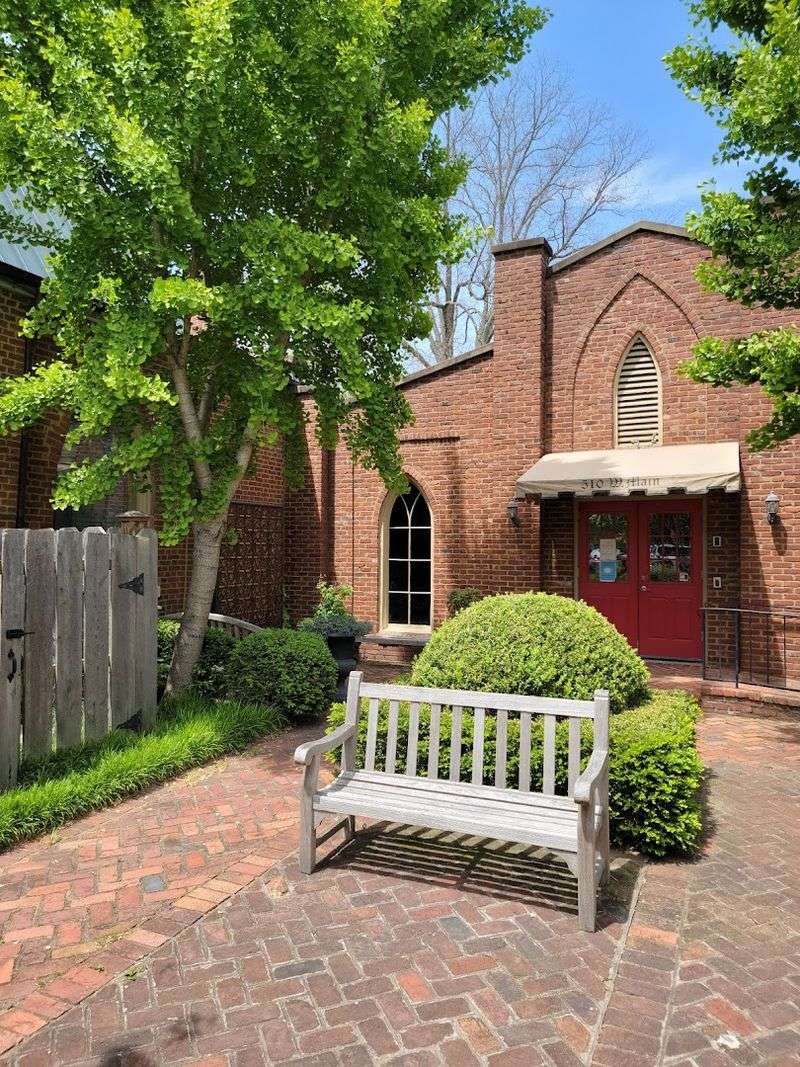
Franklin’s downtown has the kind of layout that makes casual strolling feel productive. Main Street and the surrounding blocks gather restaurants, boutiques, historic sites, and community spaces into a center that works well on foot.
The scale is comfortable, the streets connect cleanly, and there is enough variety to keep you moving. You can shop, eat, and brush up on local history in a single walk, which is exactly why Franklin keeps landing on lists like this one.
43. Texas: Fredericksburg, Fredericksburg
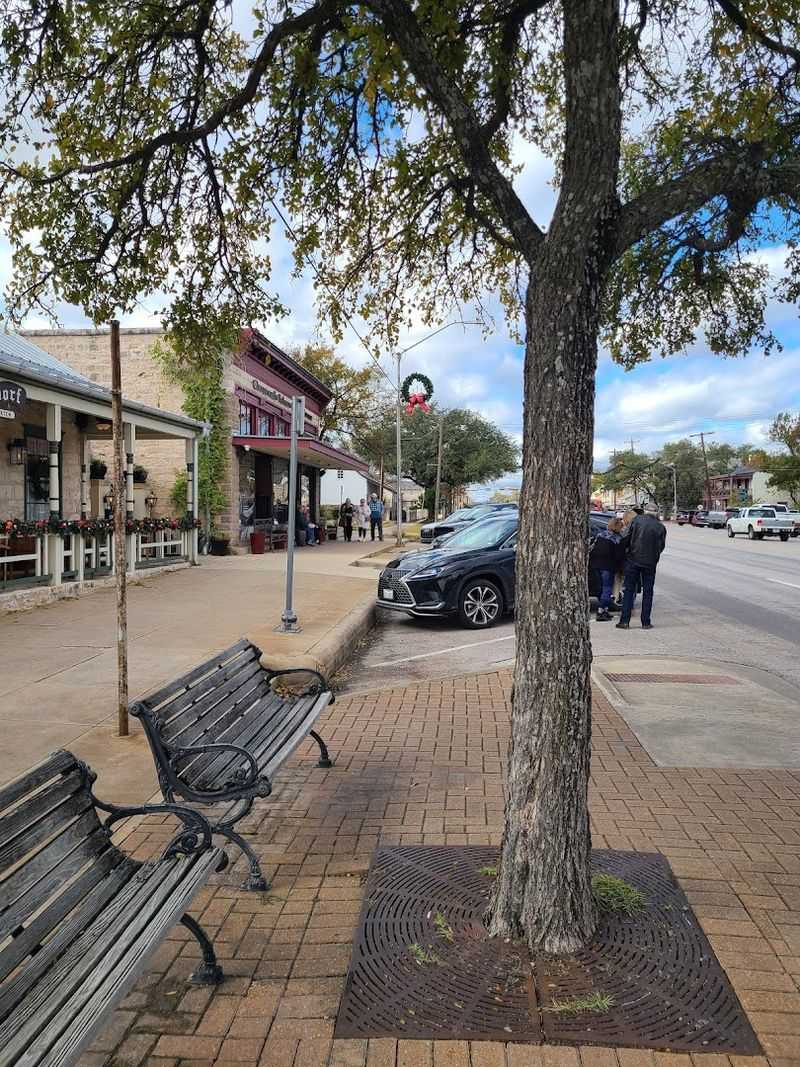
Fredericksburg gives Main Street a lot to do and your feet a lot to like. Shops, restaurants, museums, and tasting rooms line the central corridor closely enough that walking becomes the easiest way to sample the town.
The downtown stretches a bit, but it remains clear and highly usable for pedestrians. You can spend hours browsing local businesses and historical sites without complicated navigation, which is impressive for a place that manages to feel lively without turning chaotic.
44. Utah: Park City, Park City
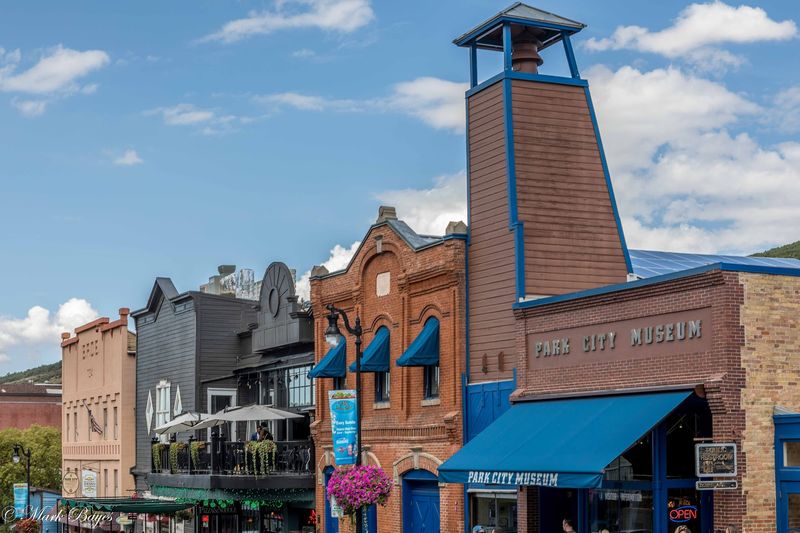
Park City keeps its walkable magic concentrated where it counts most. Historic Main Street packs shops, restaurants, galleries, and lodging into a compact, sloped corridor that encourages slow exploration and very little driving once you arrive.
The surrounding area spreads outward, but the central district remains the star pedestrian zone. You can cover dining, shopping, and local history in one tidy stretch, proving that a mountain town can be practical as well as picturesque.
45. Vermont: Stowe, Stowe
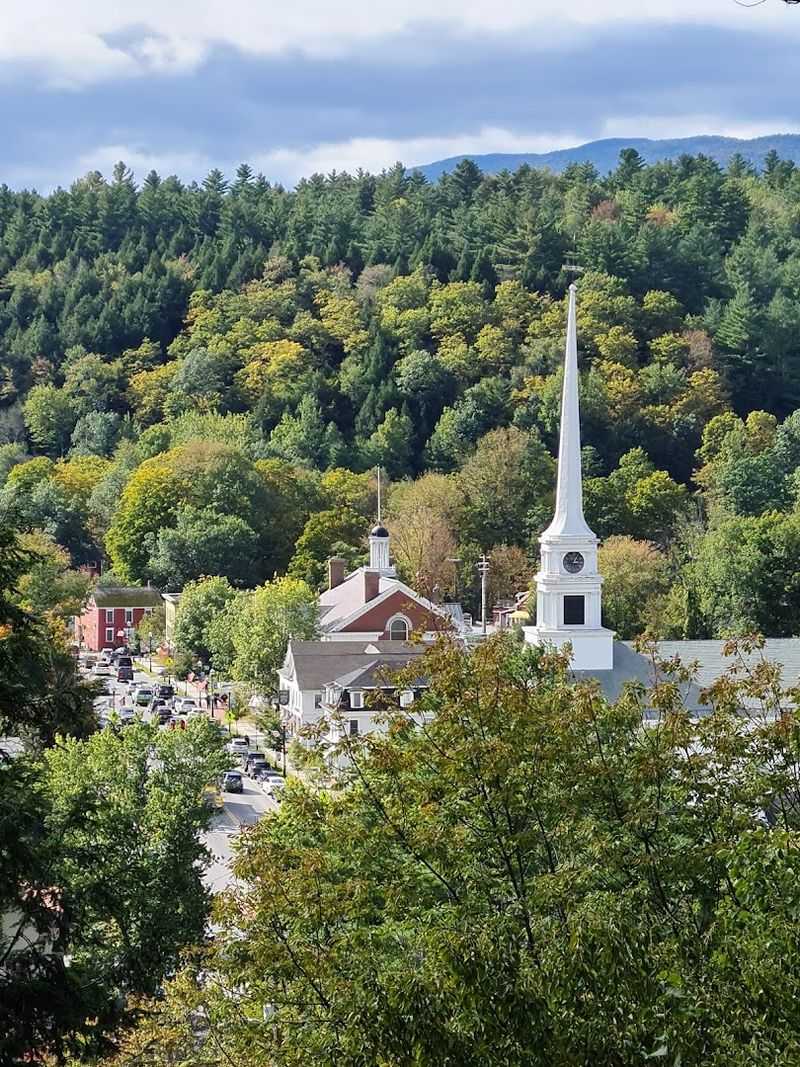
Stowe keeps its village center compact enough to make walking the sensible move. Around the main intersection and nearby streets, shops, restaurants, inns, and community landmarks gather into a manageable area that works well for slow exploring.
The broader region is more spread out, but the core remains refreshingly human-scaled. You can cover local businesses, green spaces, and classic village views in one outing, which gives Stowe the kind of easy charm that does not need a hard sell.
46. Virginia: Williamsburg, Williamsburg
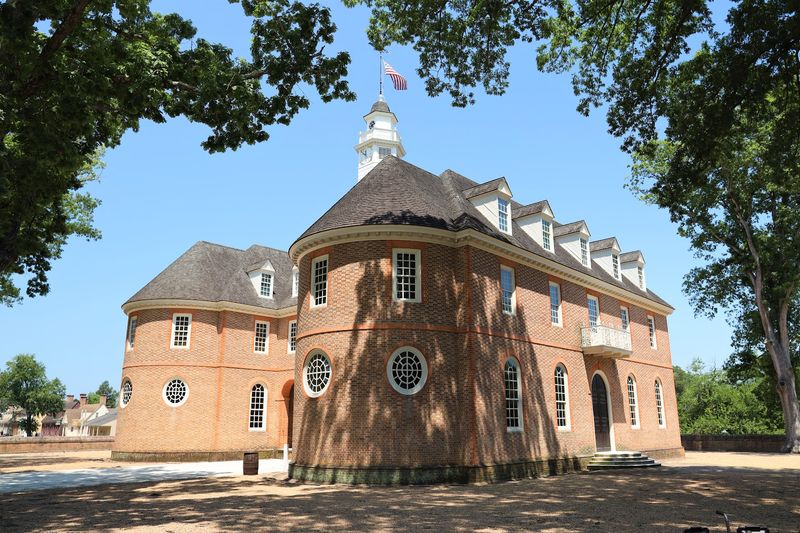
Williamsburg has been serving pedestrians for centuries, which feels like a useful head start. The historic area and nearby commercial streets create a highly walkable environment where museums, shops, restaurants, and lodging stay within easy reach.
The town’s layout supports both sightseeing and everyday convenience. You can move between major landmarks, public spaces, and downtown stops without much trouble, making Williamsburg one of those places where walking feels less like exercise and more like common sense.
47. Washington: Port Townsend, Port Townsend
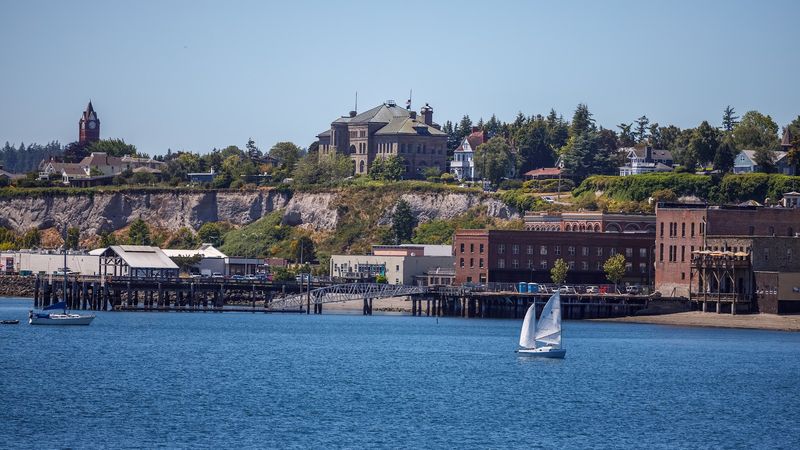
Port Townsend mixes waterfront access and historic density in a way that flatters pedestrians. The downtown and uptown districts offer shops, cafes, hotels, and cultural spaces within a connected area that is easy to explore on foot.
Hills create some separation, but they also help define distinct walkable zones. You can browse bookstores, visit historic sites, and reach the waterfront in a single outing, which gives the town a practical rhythm beneath all its preserved nineteenth-century style.
48. West Virginia: Lewisburg, Lewisburg
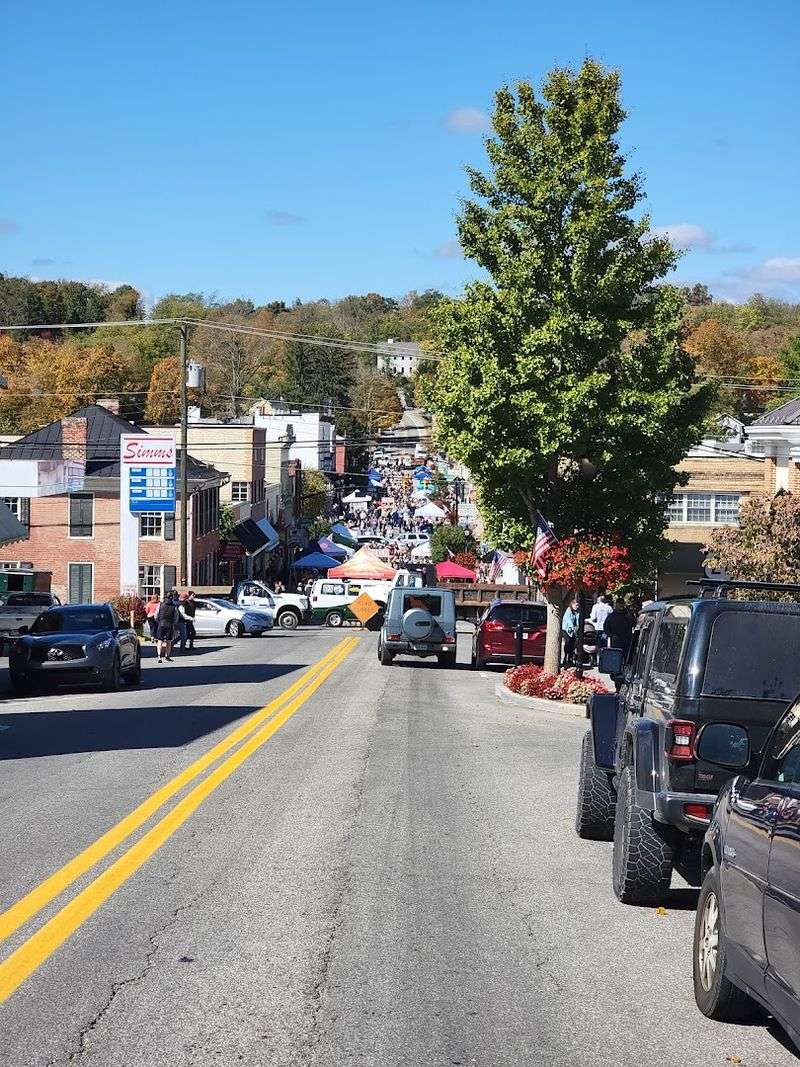
Lewisburg is the kind of town that makes a simple main street feel like a full itinerary. Its downtown concentrates shops, restaurants, galleries, and historic buildings into a compact area that rewards lingering on foot.
The layout is easy to understand and pleasantly dense without feeling crowded. You can spend an afternoon moving between local businesses and cultural spots with almost no hassle, which is exactly what earns a small town lasting walkability points instead of one-time novelty points.
49. Wisconsin: Cedarburg, Cedarburg
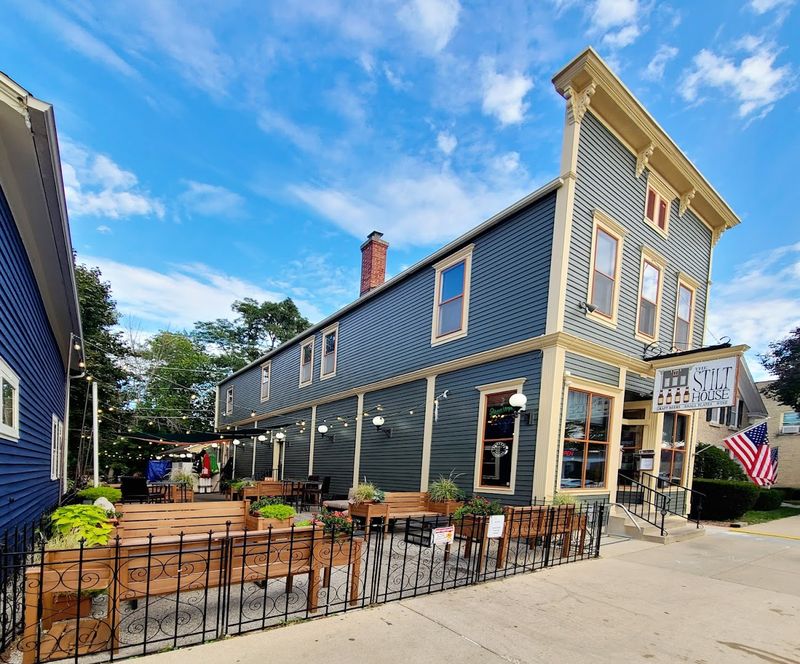
Cedarburg keeps its historic district tight, attractive, and wonderfully strollable. Stone buildings, boutiques, restaurants, and public gathering spots line the downtown in a way that makes covering multiple stops feel easy and natural.
The town’s center is compact enough to encourage repeat loops, especially during busy seasons and events. You can browse specialty shops, visit preserved landmarks, and settle in for a meal without much backtracking, a reliable sign that the street plan is doing its job.
50. Wyoming: Jackson, Jackson
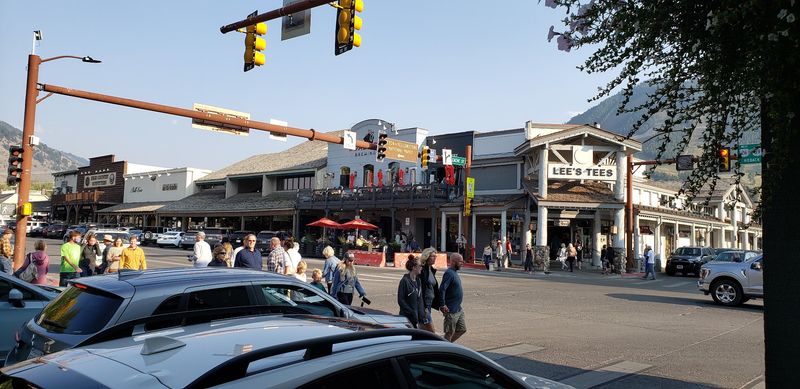
Jackson brings big-name appeal, but its real secret is a very walkable center. Around Town Square, shops, restaurants, galleries, and hotels cluster tightly enough that exploring on foot is both practical and more enjoyable than constant short drives.
The street grid is straightforward, and nearby public spaces keep the town center connected. You can cover local businesses, famous landmarks, and evening plans in one easy circuit, which makes Jackson a strong finish for this fifty-state sidewalk parade.
Share this story