History usually turns genius into a tidy headline, but real lives are rarely that cooperative. Many of the people who transformed science, art, literature, and technology did so while dealing with isolation, public backlash, illness, debt, or relentless self-doubt.
That tension makes their achievements more interesting, not less, because the work did not emerge from comfort or applause. Keep reading, and you will see how fifteen famous names changed modern culture while struggling to find peace in their own time.
1. Emily Dickinson – The Poet Who Chose Isolation and Paid for It

Great literary revolutions do not always arrive from crowded salons, and Emily Dickinson is the proof. Living mostly in Amherst, Massachusetts, she built a poetic universe from letters, drafts, and compressed lyrics that ignored many of the formal rules expected in her century.
Only a small number of her poems appeared publicly while she was alive, and editors often altered punctuation and wording to make them seem more conventional. Her withdrawal from public life has inspired endless speculation, but what remains clear is that isolation narrowed her world even as her writing expanded into faith, doubt, identity, nature, and inward conflict.
She maintained close intellectual relationships through correspondence, especially with family and selected friends, yet physical seclusion shaped how others perceived her. When her nearly eighteen hundred poems were discovered and published after her lifetime, readers finally saw that one of America’s boldest poets had been writing in near privacy all along.
2. Friedrich Nietzsche – The Philosopher Who Lost His Mind
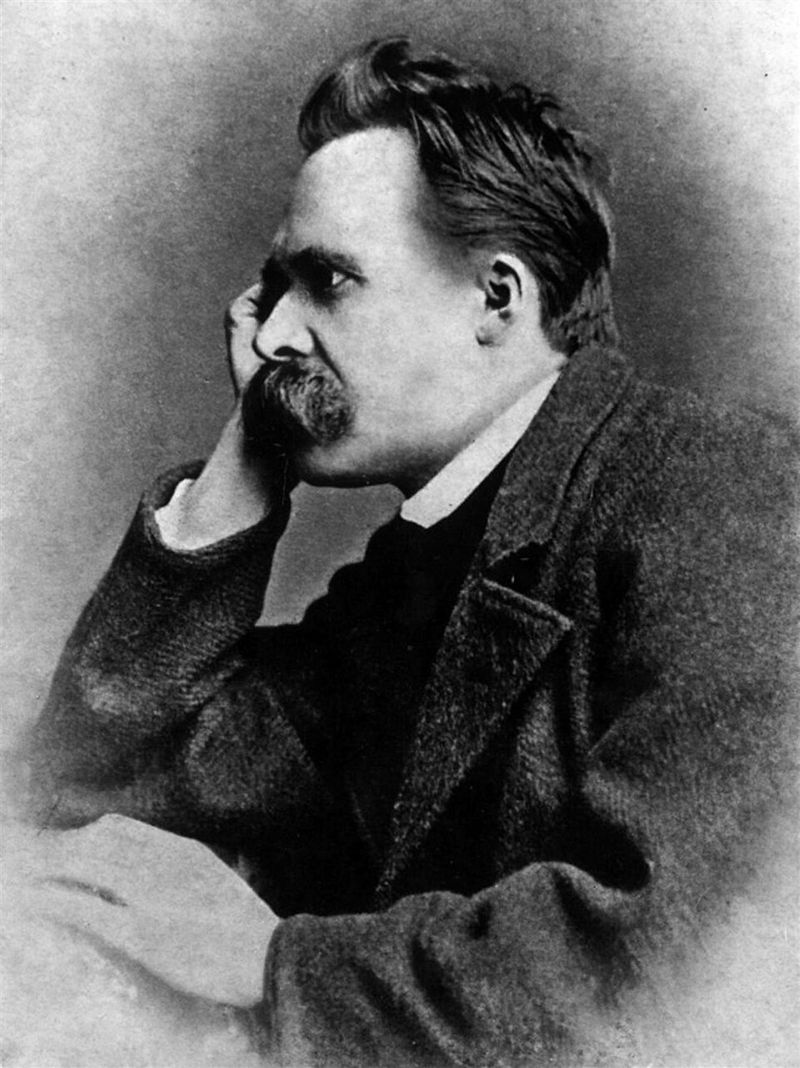
Philosophy rarely comes with a calm work environment, and Nietzsche’s life makes that obvious. He began as a respected classical philologist, but chronic health problems, severe headaches, failing eyesight, and social isolation pushed him out of regular academic life while he was still relatively young.
Freed from university routines yet cut off from stability, he wrote books that attacked complacency in religion, morality, and culture with unusual force. Works such as Thus Spoke Zarathustra and Beyond Good and Evil sold poorly at first, leaving him obscure, financially limited, and often dependent on a small circle of contacts.
His collapse in 1889 ended his independent intellectual life, after which others managed his papers and often distorted his ideas for agendas he likely would have rejected. Today, his phrases circulate everywhere, but the man behind them spent years confronting illness, misunderstanding, and long stretches of solitude.
3. Nikola Tesla – The Man Who Lit the World and Died in the Dark
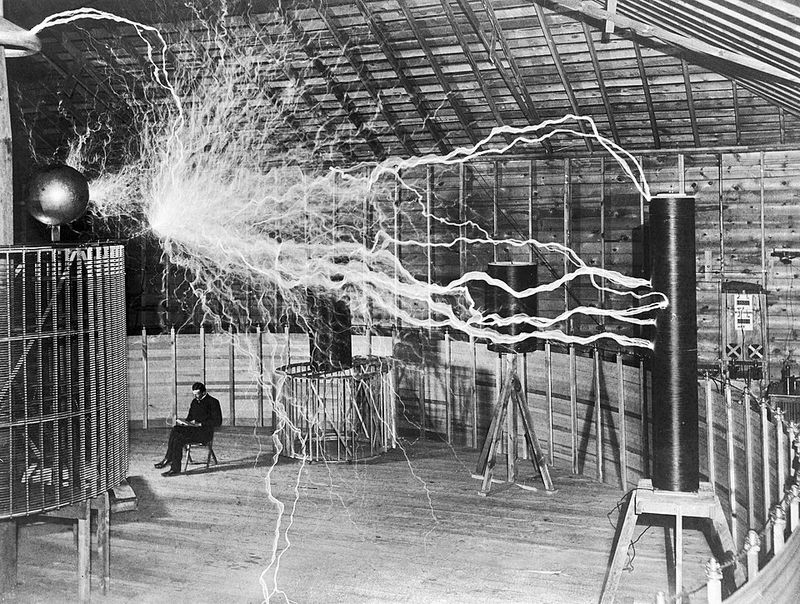
Some people build the future and still cannot pay the rent, and Tesla fit that pattern almost perfectly. His work on alternating current systems helped electrify cities, factories, and homes, yet his finances remained unstable for much of his later life.
He held hundreds of patents, explored wireless communication, and imagined remote transmission of power long before it felt practical to investors. Business disputes, uneven funding, and his own perfectionism kept many ideas from becoming profitable, even as rivals turned similar concepts into commercial success.
By the 1910s and 1920s, Tesla was better known in newspapers for grand promises than secure achievements, which hurt his reputation with backers. He spent his final years in New York hotels, increasingly isolated, still convinced his biggest breakthroughs were just one serious supporter away from reality.
4. Franz Kafka – The Man Who Asked for His Work to Be Burned
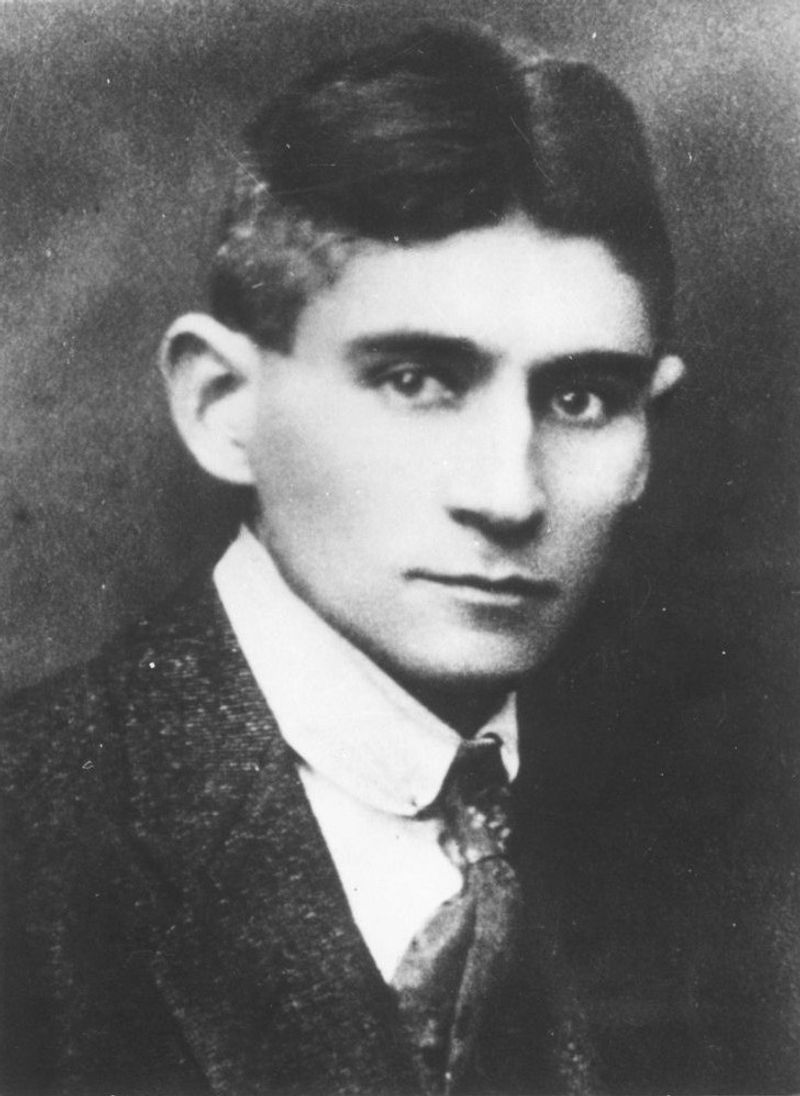
Nothing says literary self-doubt quite like asking a friend to destroy your manuscripts, which Kafka famously did. By day he worked in insurance, where his legal precision and bureaucratic experience later fed the oppressive systems that define so much of his fiction.
By night he wrote stories that turned offices, courts, and family structures into engines of anxiety and confusion. He struggled with illness, difficult relationships, tension with his father, and a persistent belief that he fell short both as a writer and as an ordinary participant in modern life.
The Metamorphosis, The Trial, and The Castle now seem central to twentieth-century literature, yet most of his major work was unpublished during his lifetime. Max Brod refused Kafka’s request to burn the papers, a decision that changed literary history and preserved the writings of a man who rarely trusted his own importance.
5. Vincent van Gogh – The Painter Who Never Saw His Own Worth
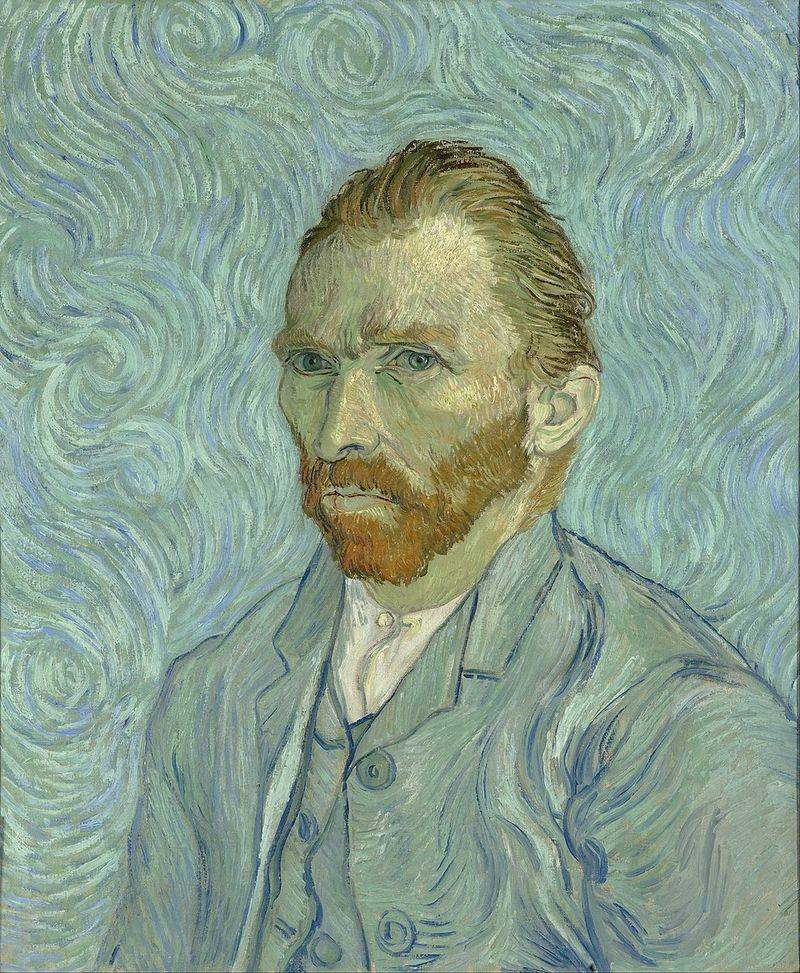
A career can reshape art history and still look like failure while it is happening, and van Gogh proved that with painful clarity. During his short working life, he produced hundreds of paintings and drawings, but recognition arrived slowly and money remained scarce.
His letters to Theo show a disciplined, informed artist who studied color theory, Japanese prints, and rural labor with real seriousness. They also show a man battling instability, loneliness, and the exhausting sense that every small step forward might vanish by the next week.
He moved between the Netherlands, Paris, Arles, and Saint-Remy, searching for artistic purpose and human connection with mixed results. Today his canvases fill museums and textbooks, but in his own era he often faced uncertainty, dependence on family support, and a constant struggle to believe his work mattered.
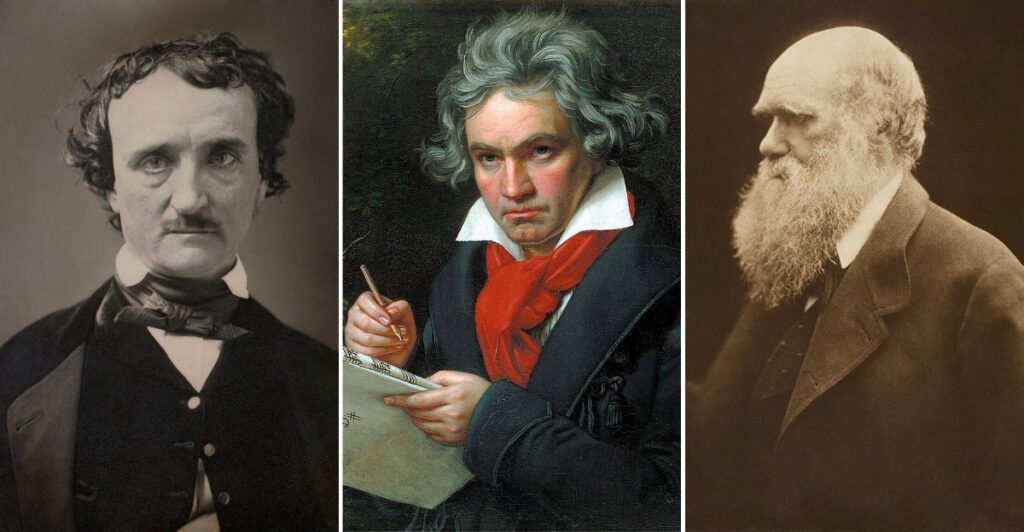
6. Charles Darwin – The Naturalist Haunted by His Own Theory
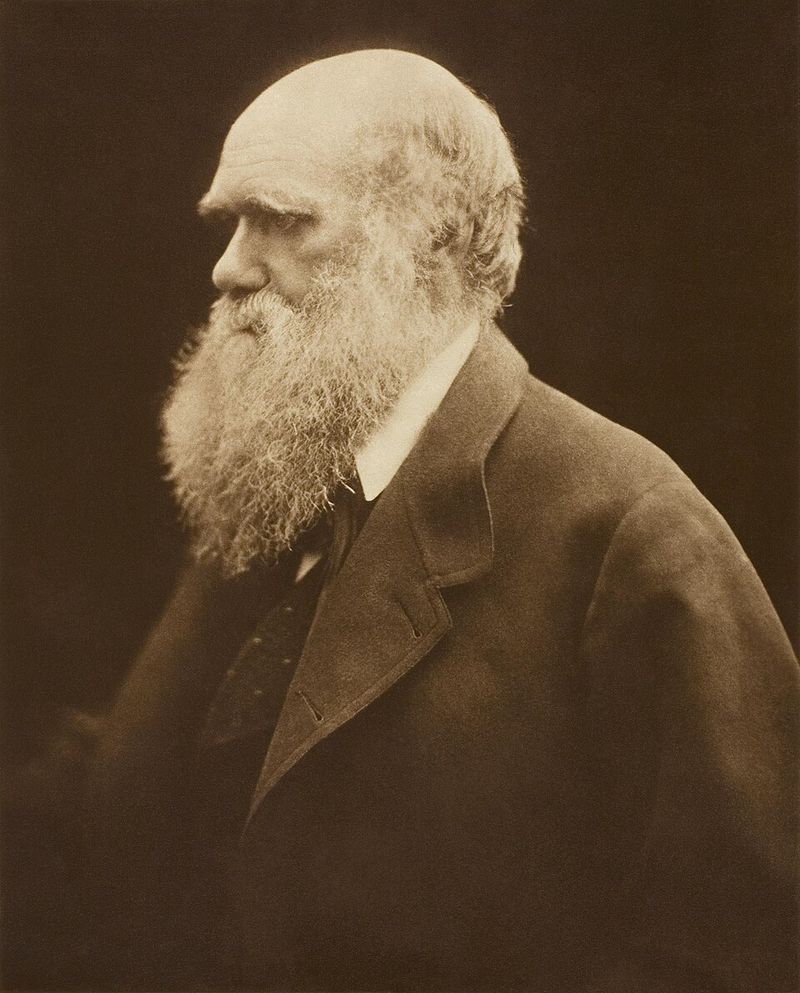
Changing humanity’s understanding of life is impressive, but it does not make daily existence easier, as Darwin learned. After the voyage of the Beagle, he spent decades gathering evidence on variation, geology, breeding, and natural selection while coping with chronic illness that often disrupted routine work.
He also understood that publishing his conclusions would challenge established beliefs and invite intense public scrutiny. That pressure partly explains why he delayed presenting his theory for years, refining arguments in private correspondence and experiments until Alfred Russel Wallace’s related ideas pushed him toward publication.
On the Origin of Species transformed biology in 1859, but success did not erase Darwin’s anxieties about controversy, family concerns, and his own physical condition. He remained methodical rather than triumphant, continuing research on orchids, earthworms, and human evolution while navigating criticism that followed him through much of his public career.
7. Howard Hughes – The Billionaire Trapped in His Own Mind
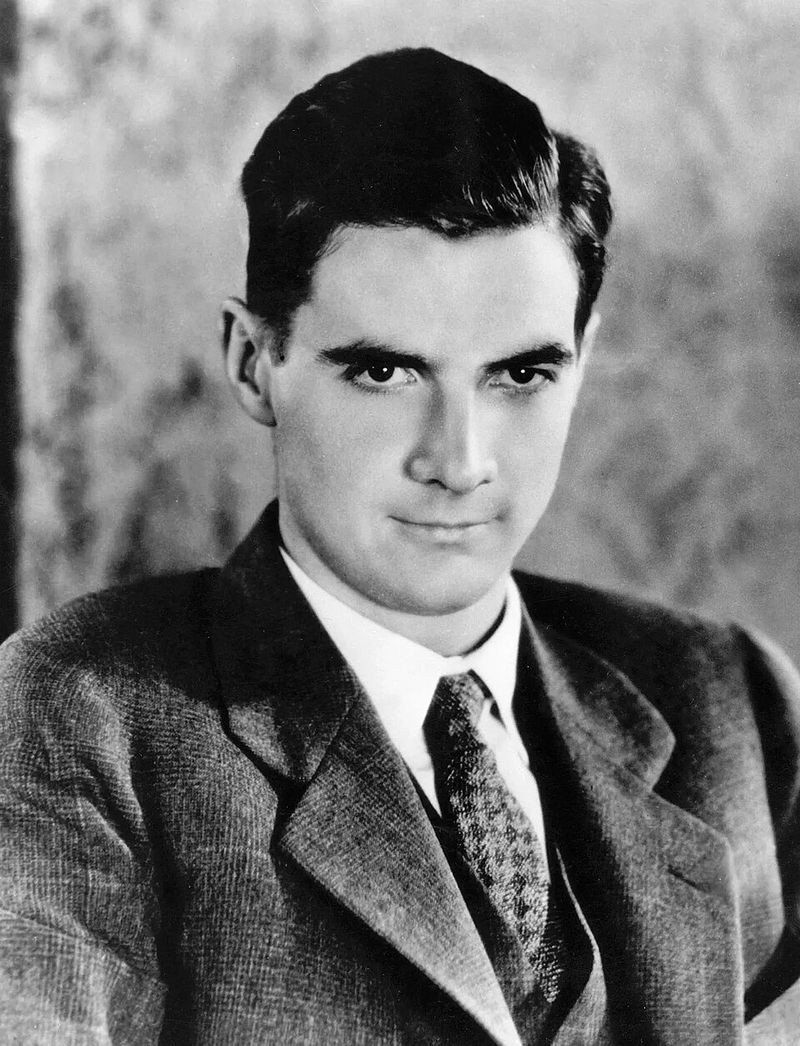
Wealth usually gets sold as a cure for stress, but Howard Hughes showed how flimsy that promise can be. He inherited major resources, built an empire in aviation and film, and became famous for pushing technology, publicity, and business ambition far beyond ordinary limits.
Hughes helped finance and design advanced aircraft, set flying records, and turned companies like Trans World Airlines and Hughes Aircraft into important industrial players. At the same time, obsessive-compulsive behaviors, escalating anxiety, chronic pain after aviation accidents, and increasing distrust of other people made his private life more restricted and difficult.
By the 1950s and 1960s he had become increasingly reclusive, managing vast enterprises while hiding from routine contact and retreating into hotel suites. His public image still carries glamour, but the historical record shows a man whose influence kept expanding even as his ability to live comfortably within the world kept shrinking.
8. Alan Turing – The Codebreaker Betrayed by His Own Country
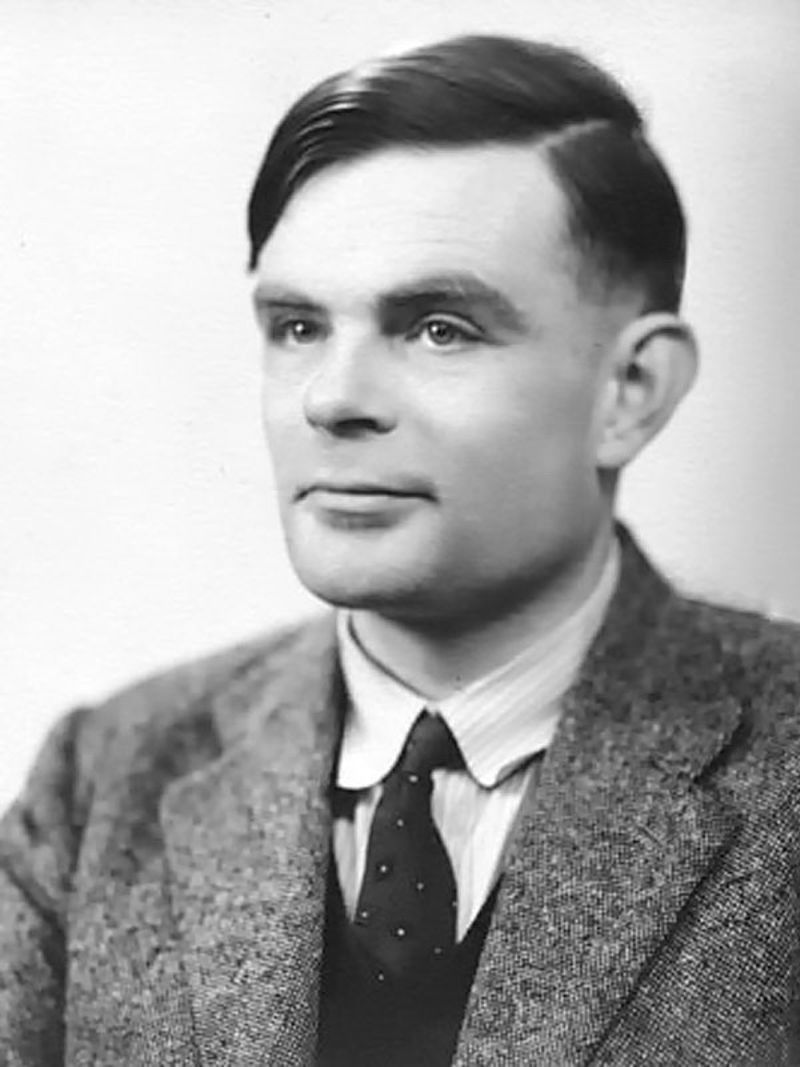
Few stories expose public ingratitude faster than Alan Turing’s. During the Second World War, he played a central role at Bletchley Park, helping design methods that broke encrypted German communications and accelerated Allied decision-making.
His later work reached just as far, because his ideas about computation, algorithms, and machine intelligence shaped the foundations of computer science. Yet the state that benefited from his brilliance later prosecuted him for his private life, subjecting him to humiliating treatment that damaged his health, career, and place in society.
Turing continued scientific work after the war, including research on morphogenesis and early computing, but official suspicion narrowed his opportunities. Modern honors, films, and memorials finally acknowledge his importance, though they cannot erase how a pioneering mathematician was pushed aside by the same establishment that once depended on his mind.
9. Sylvia Plath – The Voice That Echoed Too Loudly Inside Her

Some writers leave pages that feel sharper with every decade, and Sylvia Plath belongs firmly in that category. She excelled early, winning scholarships, publishing poems, and moving through elite academic spaces that looked impressive from the outside but often intensified pressure beneath the surface.
Her journals and letters reveal ambition, discipline, and an exacting eye for language, not just pain turned into verse. Even so, she navigated recurring depression, strain within her marriage, and the exhausting expectation that she be brilliant, composed, productive, and emotionally manageable all at once.
The Bell Jar captured the claustrophobia of social roles placed on young women in the 1950s with unusual directness and control. Her poetry, especially the late work, secured lasting influence in modern literature, but that achievement came alongside a private life marked by instability, treatment, and a near constant battle for steadiness.
10. Edgar Allan Poe – The Master of Darkness Who Lived in It
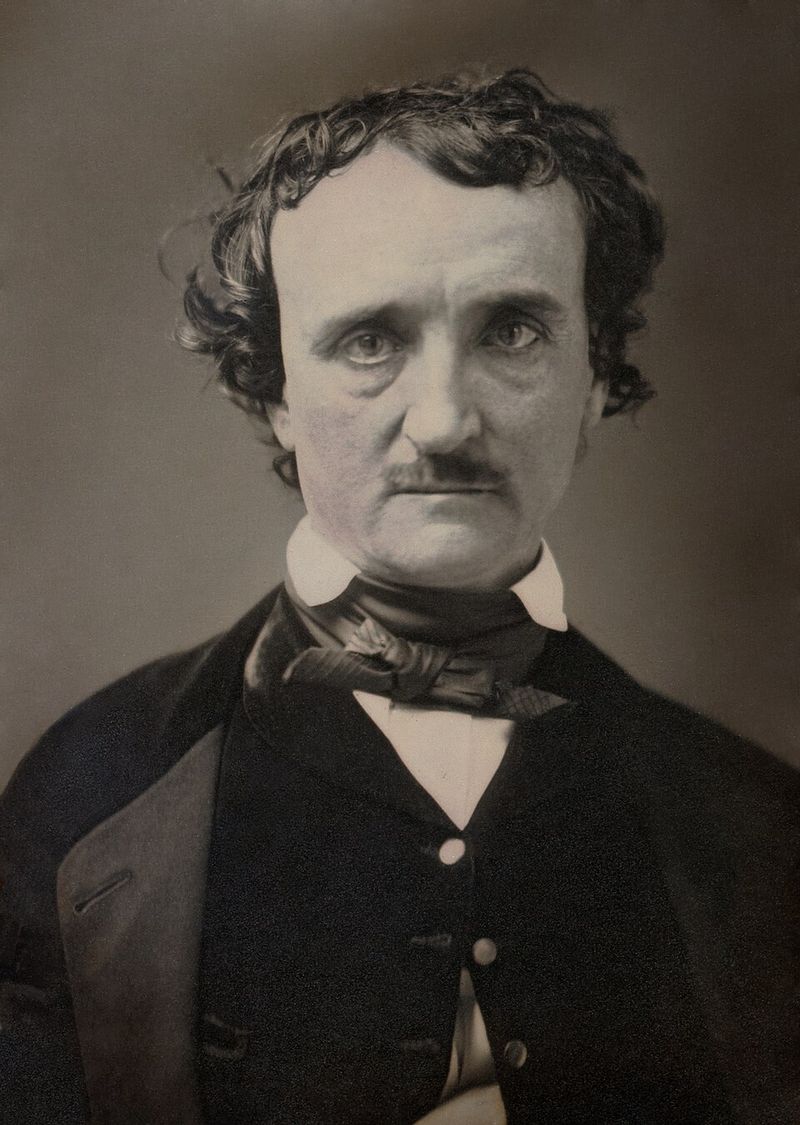
American literature has produced few careers as influential and financially frustrating as Edgar Allan Poe’s. He helped shape the modern short story, detective fiction, and psychological horror, yet magazine culture in the nineteenth century paid inconsistently and offered little long-term security to ambitious writers.
Poe moved through editorial jobs, public feuds, and constant money problems while trying to support his household through criticism, poems, lectures, and tales. Personal strain, illness within his family, and a reputation sharpened by rivals made stability difficult, even as works like The Fall of the House of Usher and The Raven widened his readership.
He was not simply a gloomy caricature in black clothing, despite later mythmaking that turned him into one. He was an exacting craftsman who understood structure, effect, and audience, but the marketplace rarely rewarded him in proportion to his influence or the permanent place he would eventually hold in American letters.
11. Ludwig van Beethoven – The Composer Who Couldn’t Hear His Own Music
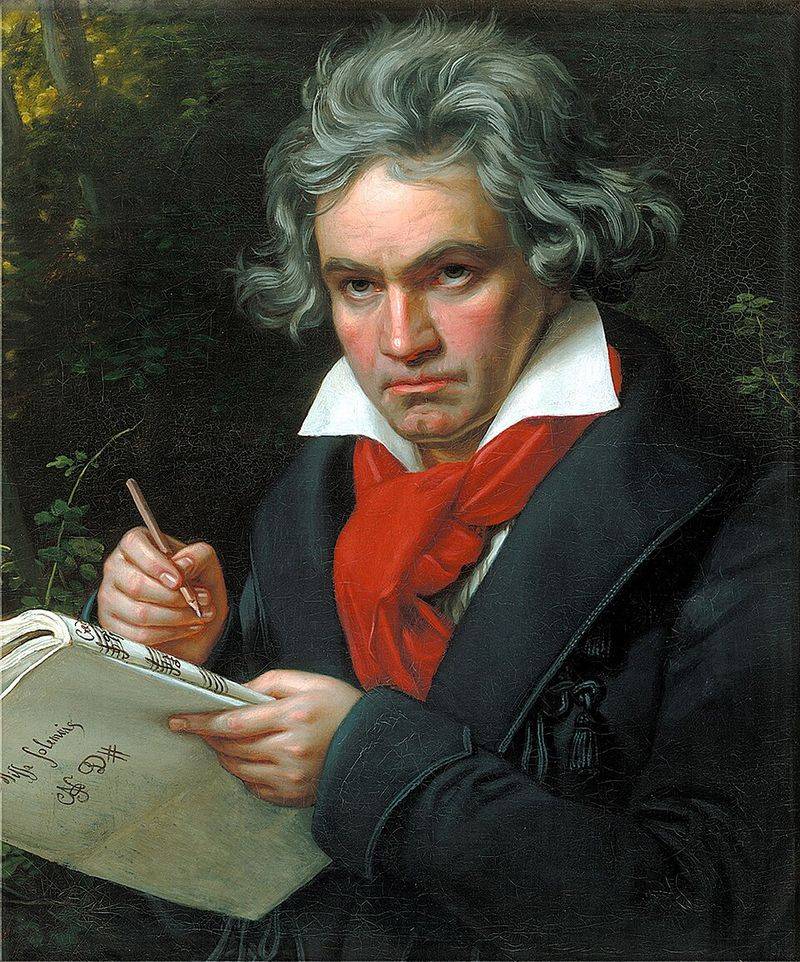
Few artistic ironies are as brutal as a composer losing hearing, and Beethoven faced exactly that. Rising in Vienna as a pianist and composer, he built a reputation on bold works that expanded Classical forms and prepared the ground for the Romantic era.
As his hearing declined, he withdrew from easy social interaction and struggled with the practical demands of performance, conversation, and public life. The Heiligenstadt Testament shows how deeply this condition affected him, yet it also reveals his refusal to abandon composition despite frustration, embarrassment, and growing isolation.
What followed was not a retreat into minor work but an astonishing run of symphonies, sonatas, quartets, and concert pieces that redefined musical ambition. His later compositions grew more structurally adventurous and inward, created through memory, theory, and relentless labor rather than direct hearing, which makes their enduring power even more remarkable.
12. Virginia Woolf – The Writer Who Couldn’t Outrun the Waves
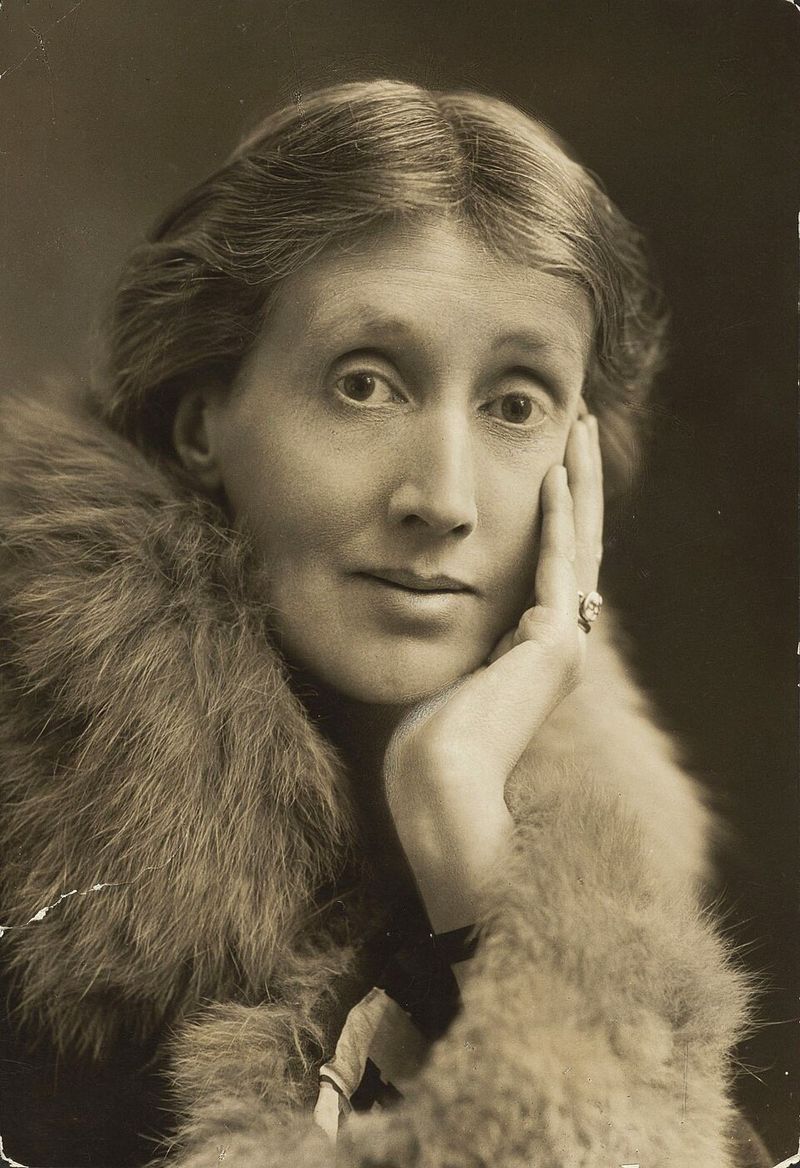
Modernism did not arrive neatly packaged, and Virginia Woolf helped remake it from the inside. Through novels such as Mrs Dalloway, To the Lighthouse, and The Waves, she experimented with consciousness, time, and memory in ways that shifted what fiction could do.
She also worked as an essayist, critic, and publisher with the Hogarth Press, which gave her unusual influence over literary culture. Yet alongside that intellectual productivity ran recurrent periods of mental illness, exhaustion, and vulnerability intensified by personal losses and the strain of maintaining work under constant inner pressure.
A Room of One’s Own remains one of the clearest arguments for women’s creative independence, grounded in economics as much as talent. Woolf’s legacy now feels secure in classrooms and libraries, but her life was never simply the story of a celebrated author enjoying success, because creative brilliance and instability remained closely intertwined.
13. Fyodor Dostoevsky – The Writer Who Stared Into the Abyss and Stayed There
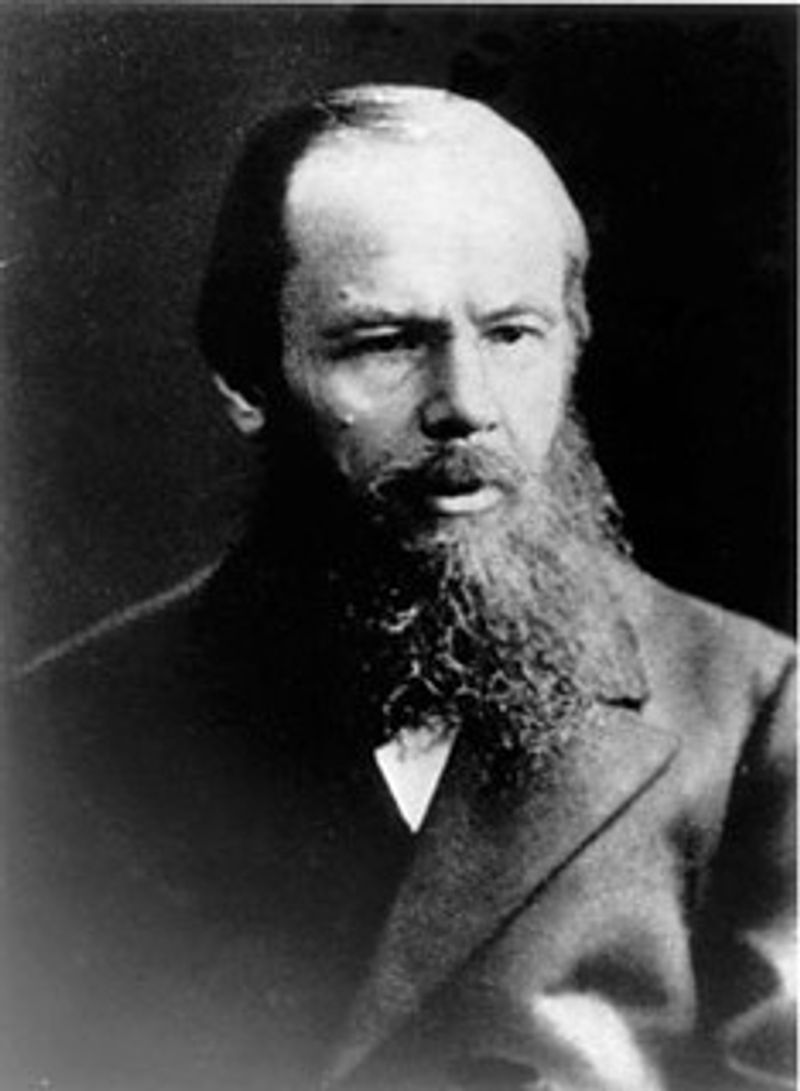
Russian literature rarely does emotional small talk, and Dostoevsky certainly did not start the trend. Arrested in 1849 for involvement with a discussion circle, he endured prison camp conditions in Siberia and later compulsory military service, experiences that permanently altered his view of belief, guilt, freedom, and human contradiction.
Those pressures followed him into civilian life rather than ending there. He faced recurring debt, a destructive gambling habit, deadlines that would flatten most writers, and epilepsy, yet still produced Notes from Underground, Crime and Punishment, The Idiot, Demons, and The Brothers Karamazov.
His fiction examines moral conflict with unusual intensity because he had lived through humiliation, uncertainty, and practical desperation, not because suffering looked fashionable on a book jacket. Readers now treat him as a monumental novelist, but much of that work was created under financial pressure so severe that missed pages could threaten his survival.
14. Galileo Galilei – The Scientist Silenced for Seeing Too Clearly
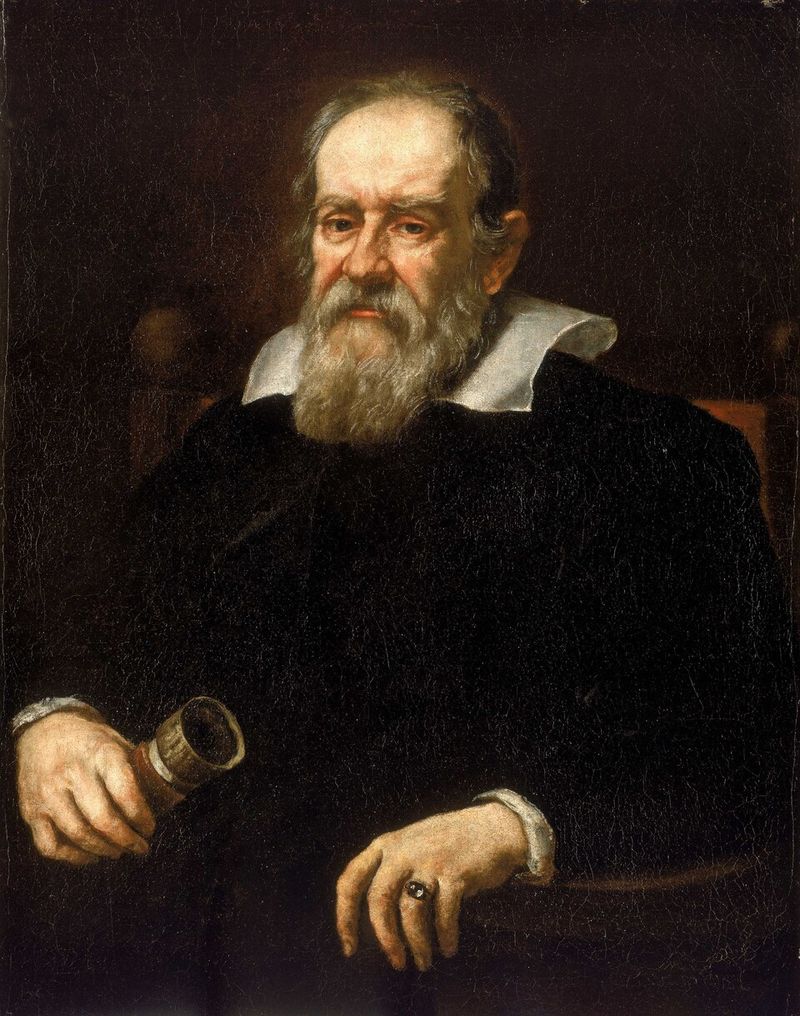
Sometimes the telescope changes more than astronomy, and Galileo understood that sooner than most. Using improved instruments in the early seventeenth century, he observed lunar mountains, Jupiter’s moons, and the phases of Venus, all of which challenged older assumptions about a perfectly ordered cosmos centered on Earth.
His findings supported Copernican heliocentrism, but the problem was never only scientific evidence. Galileo wrote in accessible Italian, argued publicly, and treated debate like a contest he expected to win, which increased resistance from powerful religious authorities already wary of challenges to accepted doctrine.
The 1633 trial forced him to recant publicly and live under house arrest, limiting his freedom during his final years. Even under restriction he continued scientific work, including important studies of motion that shaped later physics, proving that institutional pressure could slow inquiry without erasing the force of a disciplined, curious mind.
15. Ada Lovelace – The Visionary Who Saw Computers Before They Existed
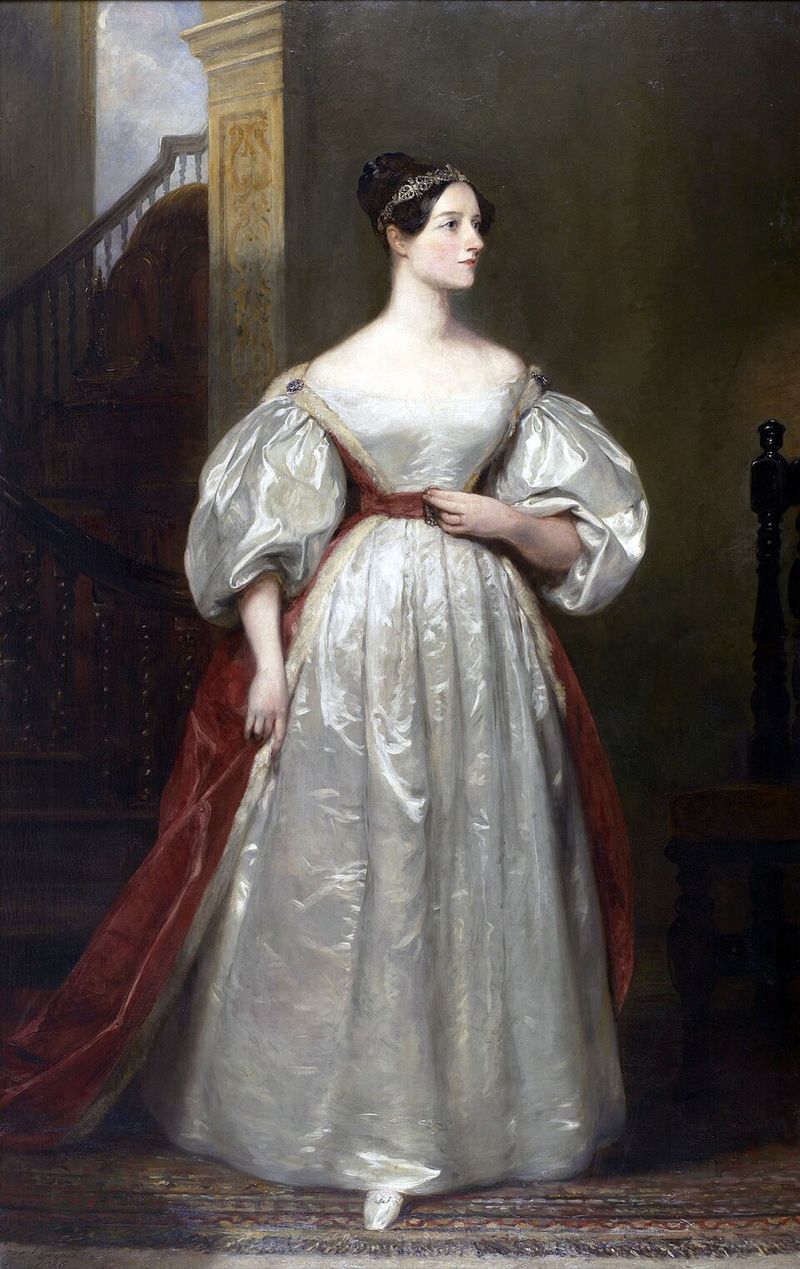
Long before software became an industry, Ada Lovelace recognized that machines might manipulate symbols, not just numbers. Working with Charles Babbage’s proposed Analytical Engine in the 1840s, she translated an article on the machine and added notes that became more famous than the original text.
Those notes included what is often described as the first published computer program, along with a striking argument that such devices could eventually process music, language, and other patterned information. For a woman operating inside a society that restricted formal scientific roles, that conceptual leap was remarkable, even if her work received limited practical recognition at the time.
She also dealt with chronic health problems, family complications, and the constant negotiation required to be taken seriously in intellectual circles dominated by men. Modern computing history finally places her near its beginning, but during her lifetime her most forward-looking ideas often seemed too abstract for contemporaries to fully value.
Share this story