Some cities are best seen from a car window or a tour bus seat. But the best ones?
They demand you get out and walk. From cobblestone alleyways in Europe to historic trails in North America, there are places in this world that practically beg you to slow down, look up, and wander.
This list celebrates 14 cities that reward curious travelers who are willing to put one foot in front of the other.
Florence, Italy
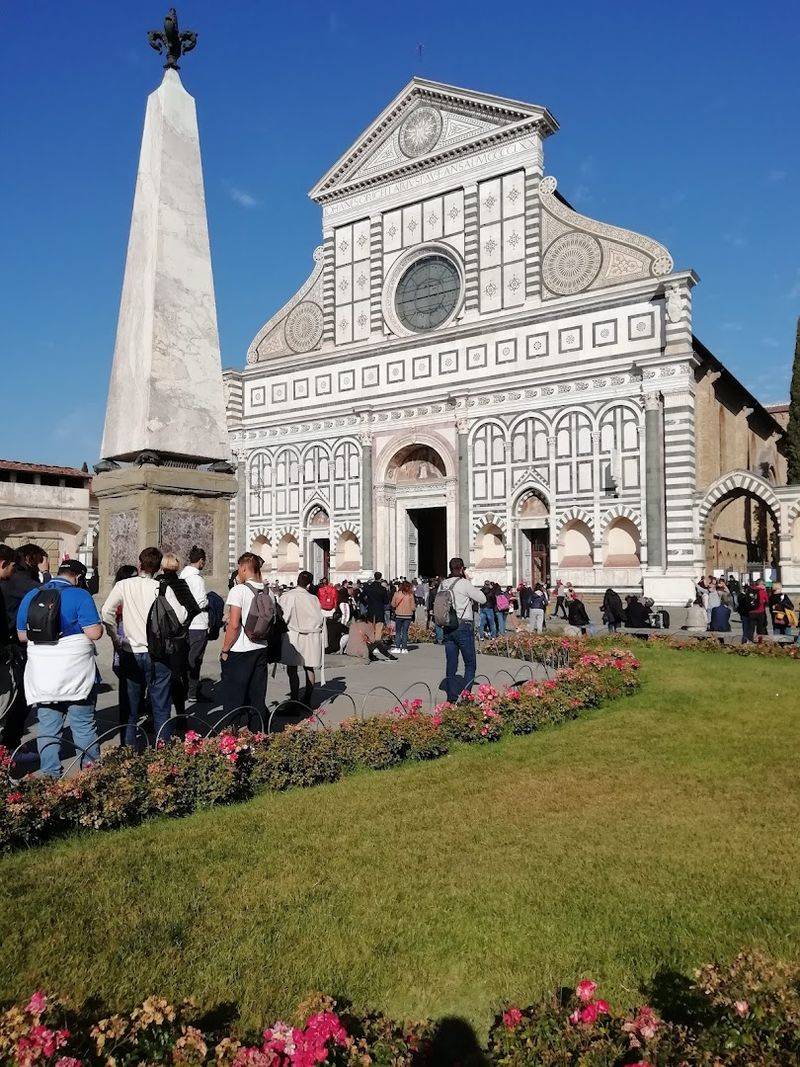
Florence doesn’t just tolerate pedestrians. It was practically designed for them.
The city’s official tourism site calls Florence “The walking city,” and after one afternoon on its streets, you’ll understand exactly why that title fits.
The historic core is so compact that a single stroll can take you from the towering Duomo to the Piazza della Signoria, across the iconic Ponte Vecchio, and into side streets that feel like they belong in a Renaissance painting. Nothing feels far.
Nothing feels rushed.
What makes Florence truly special on foot is what happens between the famous landmarks. A random alley might open onto a hidden courtyard.
A wrong turn might lead to the best gelato you’ve ever had. I once got completely lost near the Oltrarno neighborhood and stumbled onto a local market that wasn’t in any guidebook.
Florence rewards curiosity like few cities can.
Prague, Czech Republic
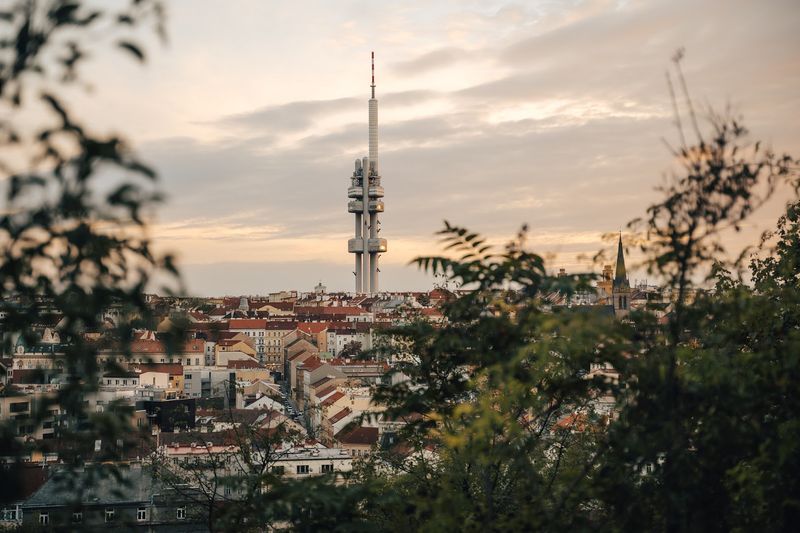
Prague has a sneaky way of making you feel like a time traveler. One moment you’re crossing the Charles Bridge surrounded by baroque statues, and the next you’re ducking into a narrow alley that hasn’t changed much since the 14th century.
Prague City Tourism itself describes the city as “very compact and easy to get around on foot,” which is basically an invitation to leave the metro card in your pocket.
The real joy of walking Prague isn’t just ticking off the big sights. It’s the movement between them.
Cobbled lanes, hidden courtyards, Gothic towers, and centuries-old squares stack up so quickly that every block feels like a new discovery.
Go early in the morning before the crowds arrive, and the Old Town feels almost eerily quiet. That’s when Prague reveals its best self: atmospheric, beautiful, and completely unhurried.
Honestly, no other city does “moody medieval charm” quite like this one.
Lisbon, Portugal
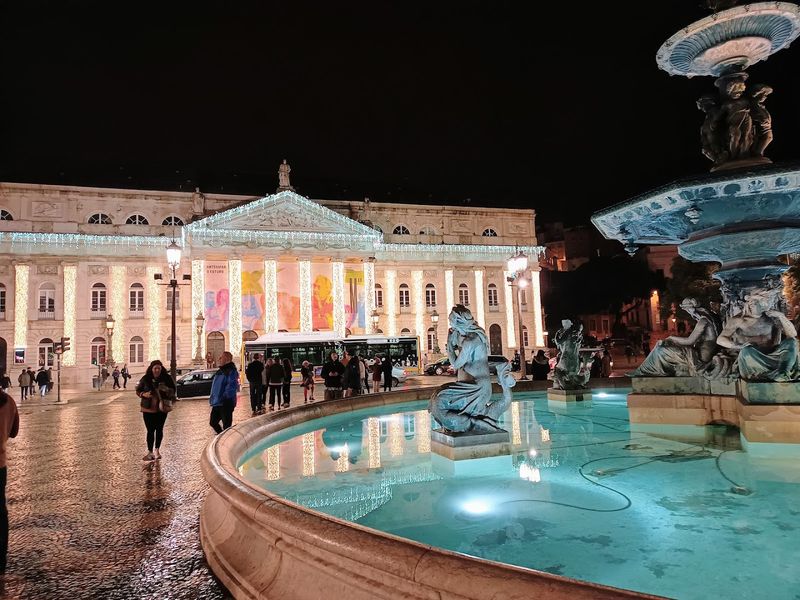
Lisbon will make your calves burn, and you will not regret a single step. The city is famously hilly, built across seven hills that give it some of the most dramatic urban views in Europe.
Visit Lisboa highlights central areas like Rossio, Comércio Square, Chiado, and Bairro Alto as connected walking experiences, and connecting them on foot is absolutely the right call.
Every uphill climb in Lisbon pays off. You reach a miradouro, a hilltop viewpoint, and suddenly the whole city spreads out in front of you.
The tiled facades, the terracotta rooftops, the glittering Tagus River below. It’s a lot.
The neighborhoods themselves are worth the effort too. Alfama winds through ancient alleyways with laundry strung between windows.
Bairro Alto buzzes with life after dark. Lisbon isn’t the easiest city to walk, but it might be the most emotionally rewarding one on this entire list.
Kyoto, Japan
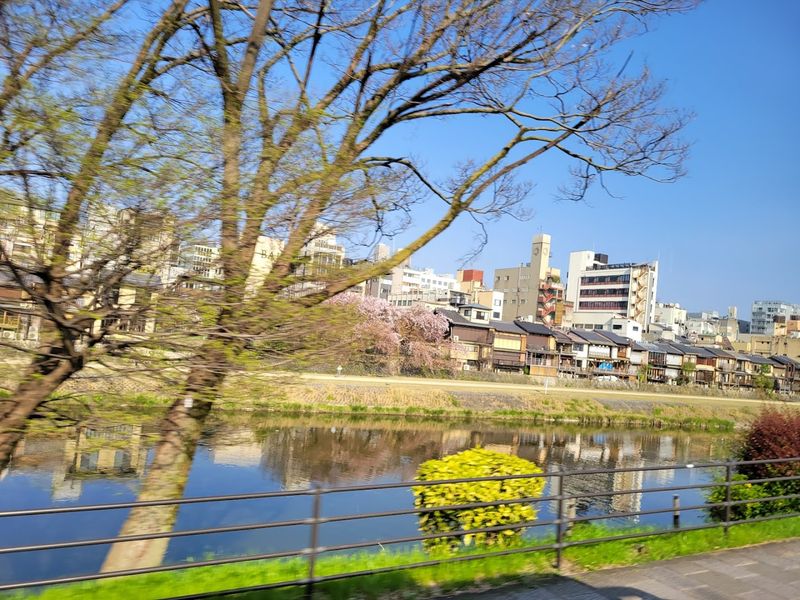
Kyoto operates at its own pace, and that pace happens to match walking perfectly. The city’s official tourism guide calls walking a classic way to explore, and notes that the central city is relatively flat, which is genuinely good news for anyone who just finished climbing hills in Lisbon.
What sets Kyoto apart from other famous cities is what lives between the big attractions. Temple approaches lined with stone lanterns.
Quiet residential lanes where cats nap in doorways. Garden paths that seem to exist outside of time.
The Philosopher’s Path, a canal-side walkway that runs through the northern Higashiyama district, is arguably one of the most beautiful urban walks in the world.
Kyoto rewards walkers who pay attention to small things. A moss-covered stone wall.
A perfectly raked garden glimpsed through a gate. The city has a way of making you feel like slowing down was always the right choice.
Edinburgh, Scotland
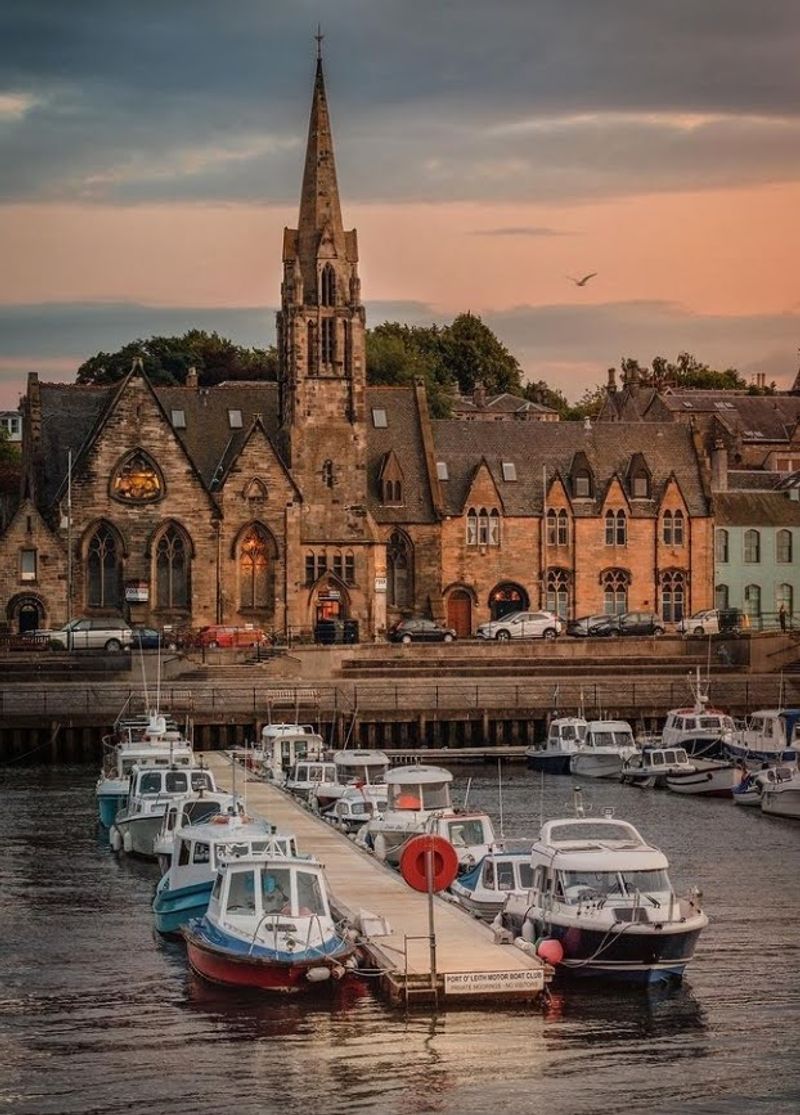
Edinburgh is the kind of city that makes dramatic look effortless. A medieval castle sits on a volcanic rock at one end of the Royal Mile.
Ancient closes wind off the main street like secret passages. Green hills rise up right inside the city limits.
For walkers, this is basically a jackpot.
The city’s UNESCO-listed Old Town is compact enough to cover on foot but layered enough to keep surprising you. Duck into a close and you might find a courtyard, a hidden pub, or a staircase that drops you into a completely different street level.
Edinburgh is genuinely three-dimensional in a way most cities aren’t.
Arthur’s Seat, an ancient volcano in the middle of the city, offers a hike that rewards you with views across the entire skyline. Even the “in-between” walks here, the ones connecting neighborhoods and parks, feel worth writing home about.
Edinburgh never wastes a good view.
San Sebastián, Spain
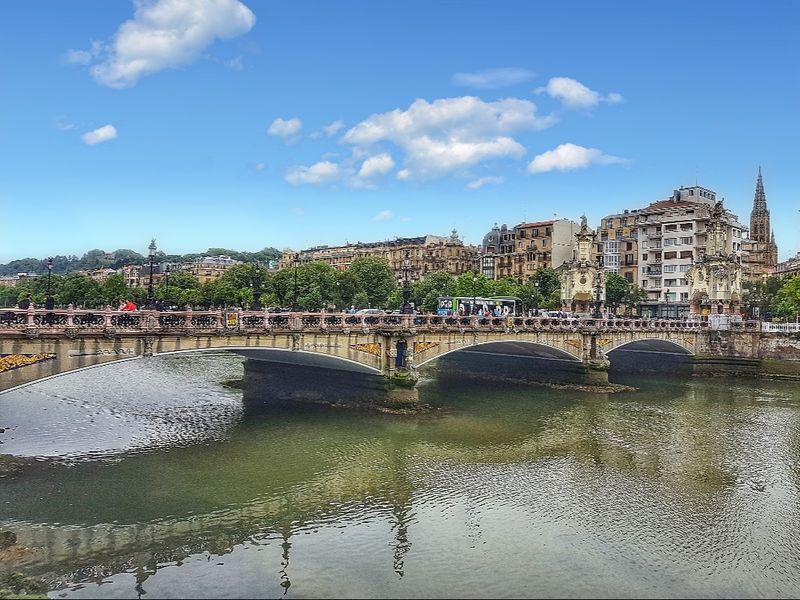
San Sebastian is the rare kind of city that feels both elegant and completely relaxed at the same time. Small enough to walk across without exhausting yourself, rich enough in character to keep you busy for days.
The official tourism messaging encourages visitors to explore at their own pace, and that advice couldn’t be more fitting.
The layout practically does the planning for you. The Old Town, the waterfront promenade along La Concha bay, the beaches, and the scenic Monte Urgull viewpoint all connect naturally on foot.
There’s no frustrating transit puzzle to solve. You just walk.
Here’s the real secret weapon of San Sebastian: pintxos. These Basque bar snacks are served at tiny counters throughout the Old Town, and the best way to experience them is by walking from bar to bar.
So technically, every walk here ends in a snack. That’s not just travel.
That’s a lifestyle.
Dubrovnik, Croatia
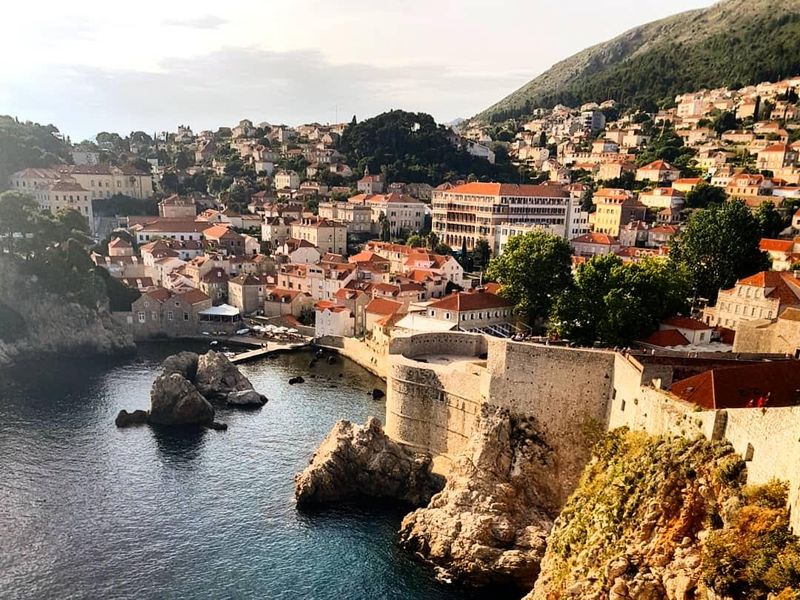
Dubrovnik’s Old Town is one of those places that stops you in your tracks the moment you step through the city gates. Polished limestone streets glow white in the sun.
Medieval walls rise up around the entire historic core. The Adriatic sparkles just beyond.
It’s almost aggressively beautiful.
Walking is the only way to experience Dubrovnik properly, because cars simply don’t exist inside the walls. The city’s tourism presence centers its walled core, historic sites, and themed walking routes as key draws, and for good reason.
The city walls themselves offer a famous circular walk with sea views that most visitors consider a highlight of their entire trip.
The one tip worth knowing: go early or go late. Midday in summer can feel overwhelming with crowds, but Dubrovnik at dawn or dusk belongs to a different category entirely.
Quiet, golden, and completely worth the early alarm. Walk it slowly and you’ll understand why people return.
Quebec City, Canada
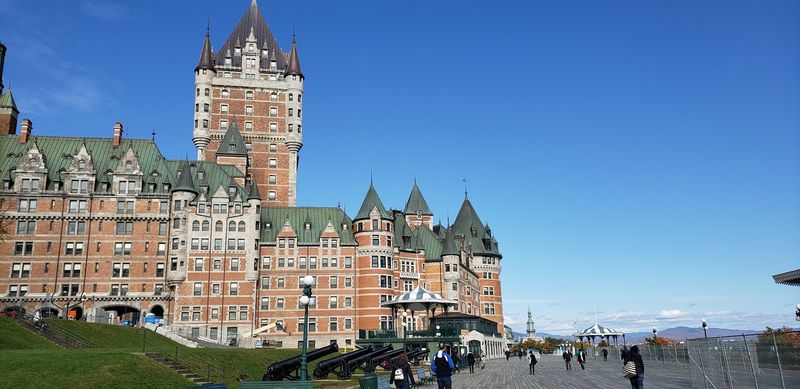
Quebec City pulls off something genuinely impressive: it delivers a European walking experience without requiring a transatlantic flight. The old quarter, known as Vieux-Quebec, is a UNESCO World Heritage Site packed with stone streets, fortified walls, sweeping terraces, and architecture that looks like it was imported directly from France.
The official tourism site highlights the city’s history, friendly atmosphere, and standout attractions, and walking is how all of that comes together. The Upper Town and Lower Town are connected by the famous Breakneck Stairs, which are exactly as dramatic as they sound but absolutely worth the climb for the views at the top.
Quebec City also works beautifully in winter, when snow settles over the cobblestones and the whole place takes on a storybook quality. Summer brings festivals and outdoor terraces.
Whatever season you visit, the city rewards slow exploration on foot more than any other mode of transport. North America doesn’t get much more walkable than this.
Venice, Italy
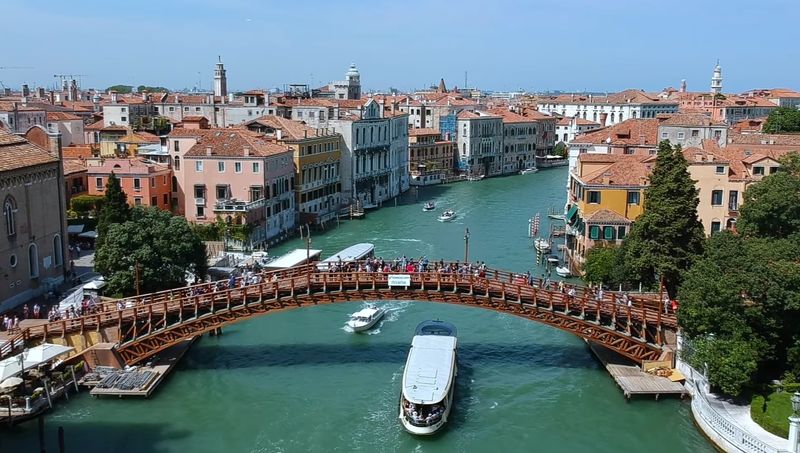
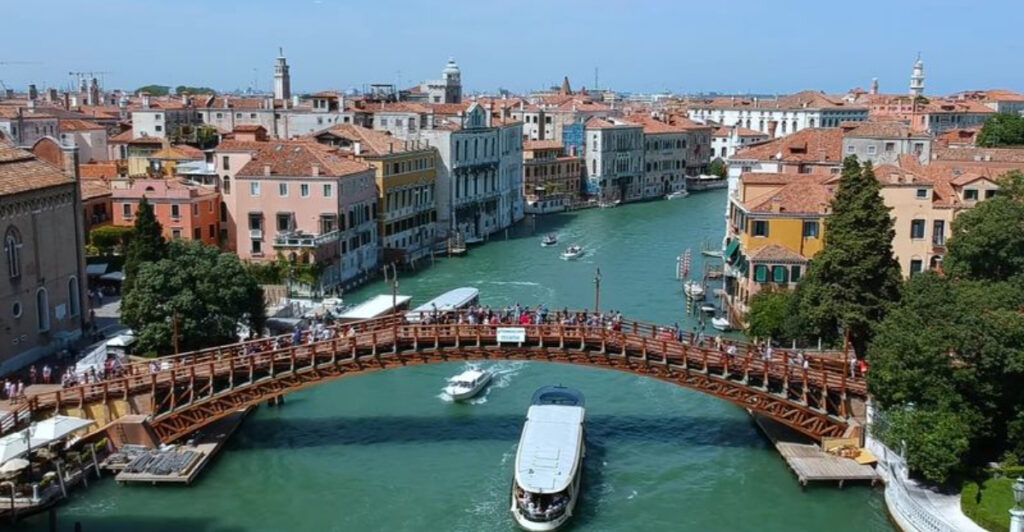
There are no cars in Venice. Let that sink in for a second.
The entire city runs on foot, water, and the occasional gondola, which means walking here isn’t just a preference. It’s the whole system.
Venice’s official visitor guidance includes a dedicated “Walk Venice” section, and that feels exactly right for a city built on 118 small islands connected by over 400 bridges. The famous landmarks are worth visiting, but the real Venice lives in the quieter neighborhoods: Dorsoduro, Cannaregio, Castello.
These are the places where locals actually live, where laundry hangs between windows and kids kick soccer balls in tiny campi.
Getting slightly lost in Venice is not a problem. It’s a feature.
I once followed a narrow calle for ten minutes with no idea where it led and ended up at a canal-side spot so quiet it felt like a secret. Put the map down occasionally.
Venice rewards the wanderers who trust the turns.
Bruges, Belgium
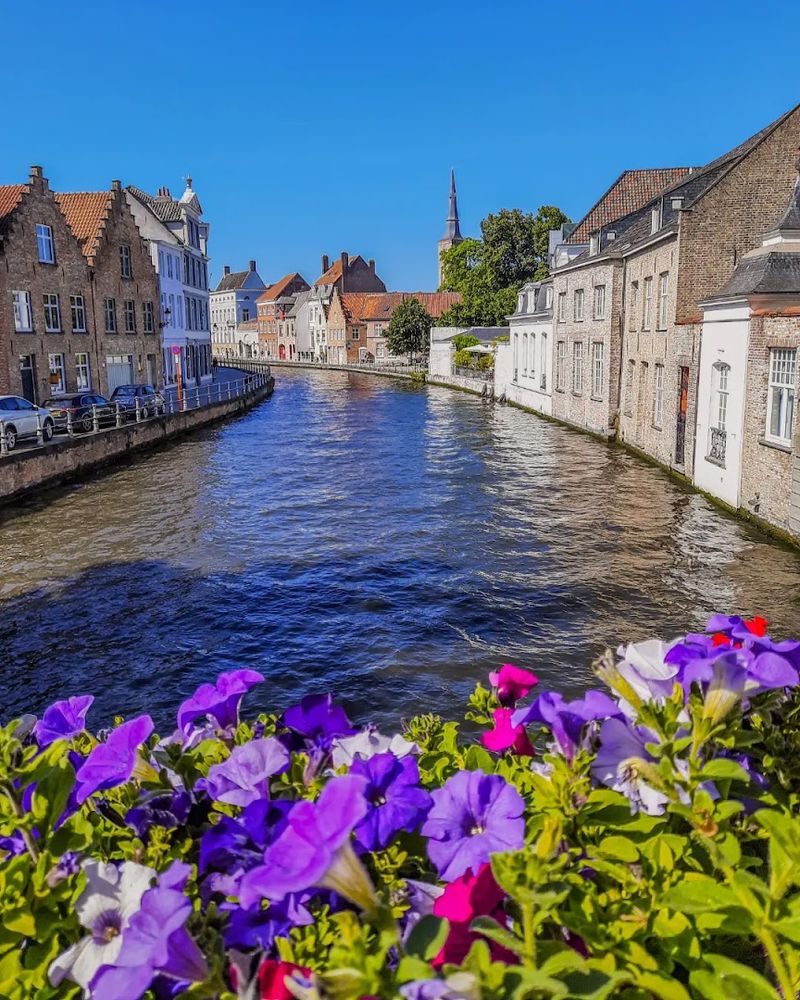
Bruges looks like someone took a fairytale and turned it into a functioning city. Canals cut through the historic center, medieval brick buildings line the water’s edge, and a soaring Belfry tower watches over the whole scene.
The city’s official visitor site actively promotes self-guided walking routes, and honestly, no other approach does it justice.
Walking through Bruges lets you absorb the details that make it so cinematic: the reflections in the canals, the carved wooden facades, the quiet squares where pigeons outnumber tourists in the early morning. It’s a city that rewards people who stop and look rather than rush and check boxes.
One practical tip: Bruges is small enough to cover the main historic area in a day, but it’s the kind of place you’ll want more time in. The slower you move, the more you notice.
Rent nothing. Book no tours.
Just walk, and let the city do the rest.
Split, Croatia
Most ancient ruins are roped off, hushed, and labeled with little signs. Split does things differently.
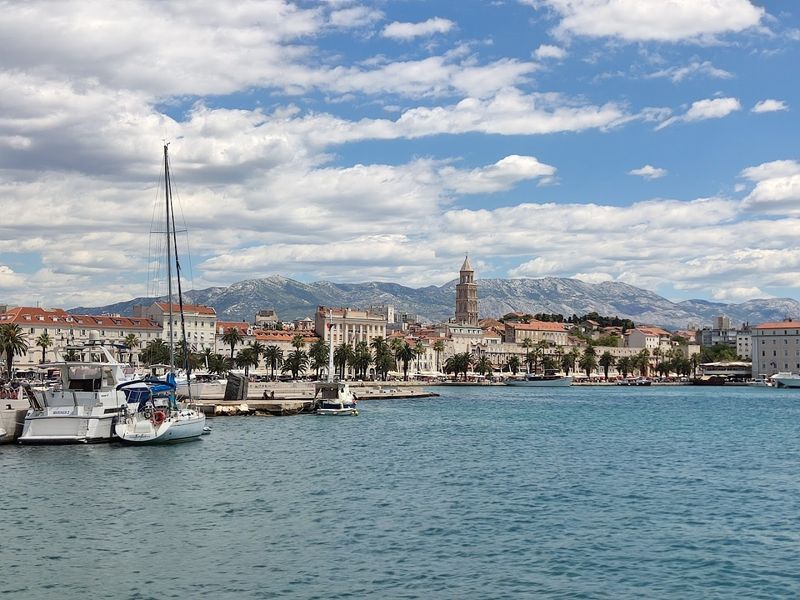
Diocletian’s Palace, a Roman emperor’s retirement home built in the 4th century, is still a living neighborhood. People eat breakfast inside 1,700-year-old walls.
Cats sleep on Roman columns. Laundry dries between ancient archways.
Official tourism sources describe walking around Split as “like travelling through time,” and that framing is spot on. The old town is UNESCO-protected, but it doesn’t feel preserved in amber.
It feels inhabited, layered, and full of life. Shops, cafes, and homes occupy spaces that were once Roman chambers.
The Riva promenade runs along the seafront just outside the palace walls and gives walkers a completely different vibe: open, breezy, and lined with palm trees. Split works because it doesn’t force you to choose between history and real life.
Here, both things happen in the same place, at the same time.
Siena, Italy
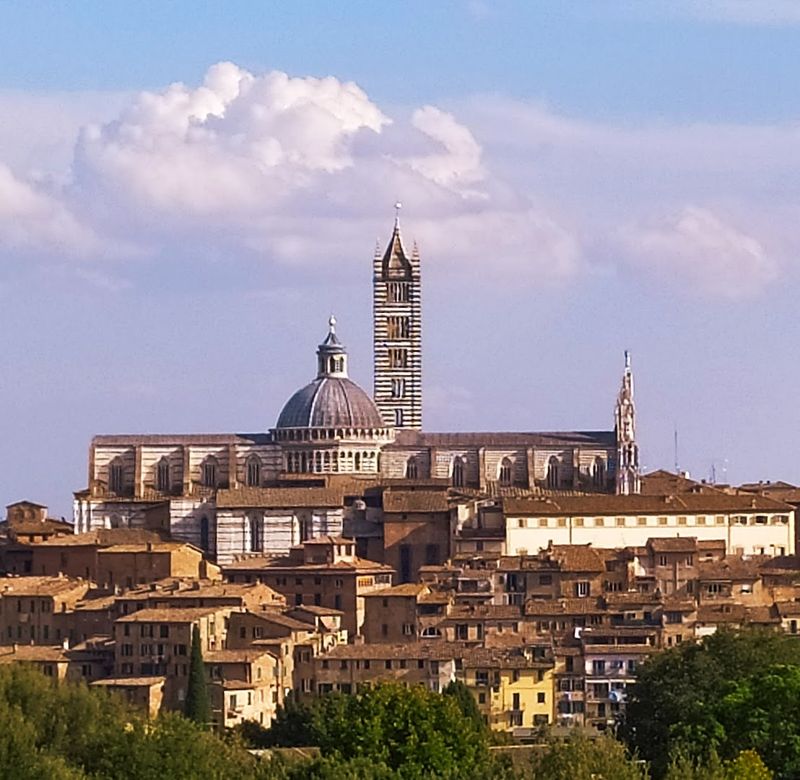
Getting a little lost in Siena is practically part of the experience. The city’s UNESCO-listed historic center is a maze of medieval lanes, steep little passages, and sudden piazzas that appear out of nowhere like a pleasant surprise.
Tourism sources consistently point to strolling through the streets as a core part of visiting, and they’re not wrong.
The Piazza del Campo is the obvious centerpiece, a sweeping shell-shaped square that slopes gently toward the Palazzo Pubblico. But the streets radiating out from it are where Siena gets interesting.
Neighborhoods called terzi each have their own character, their own churches, their own rhythms.
Fair warning: Siena is hilly. Some of those medieval lanes have inclines that will remind you of your gym routine.
But the payoff at the top of any climb is usually a rooftop view, a centuries-old church, or a piazza that looks exactly like a postcard. Siena earns every step.
Valletta, Malta
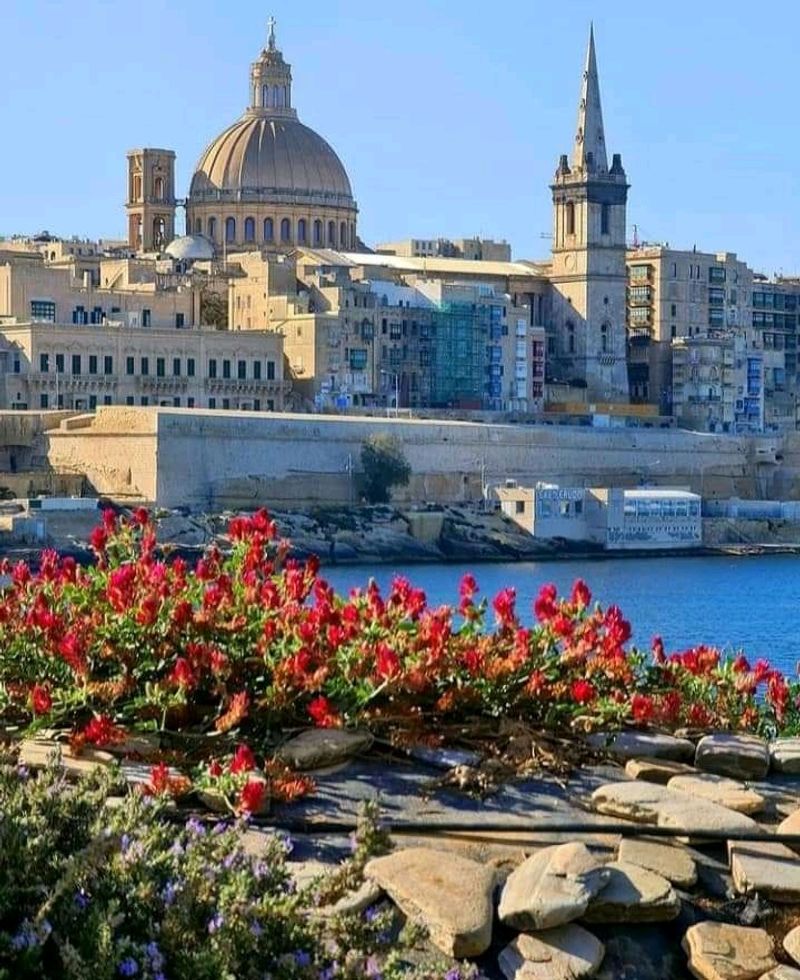
Valletta holds a record worth knowing: it is the smallest capital city in the European Union. Just 0.8 square kilometers.
And yet it packs in baroque churches, grand fortifications, world-class museums, and some of the most jaw-dropping harbor views in the Mediterranean. Visit Malta’s tagline for the city is literally “Fancy a stroll through the Capital?” which is basically a dare.
The street grid is simple and mostly flat, which makes navigation genuinely easy. Republic Street runs straight through the heart of the city, and short walks in any direction reveal ornate doorways, colorful wooden balconies, and sea views that appear at the end of nearly every block.
Valletta became a European Capital of Culture in 2018, and the investment in public spaces shows. The Upper Barrakka Gardens offer one of the finest harbor views in Europe, and they’re a five-minute walk from almost anywhere.
Small city, enormous character. Valletta overdelivers at every corner.
Boston, Massachusetts
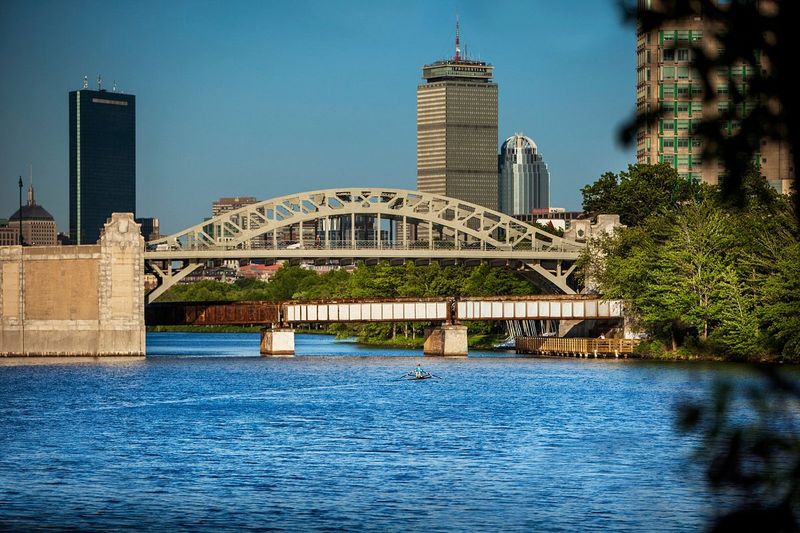
Boston is the only city on this list where the walking route is literally painted on the ground. The Freedom Trail is a 2.5-mile red line connecting 16 official historic sites, from Boston Common to the Bunker Hill Monument, and it’s designed specifically to be explored on foot.
That gives Boston a structure that most walking cities don’t offer.
The trail passes through distinct neighborhoods: the colonial streets of the North End, the waterfront, Beacon Hill with its gas-lit lanes and brick sidewalks. Each section feels different from the last, which keeps the walk from ever feeling repetitive.
Boston also rewards walkers who step off the trail entirely. The Back Bay neighborhood, the Public Garden, and the Charles River Esplanade are all worth detours.
The city has a way of making history feel accessible rather than dusty. For anyone who loves combining movement with storytelling, Boston delivers a walking experience that’s hard to beat anywhere in America.
Share this story