Most rock bands pick one singer and stick with them. But some of the greatest bands in history broke that rule completely, and it made them legends.
Sharing the mic meant sharing the spotlight, and these groups used that to create sounds that no single voice could pull off alone. From the Beatles to the Doobie Brothers, these bands prove that sometimes, more voices really do mean more magic.
The Beatles – Four Mics, Zero Filler
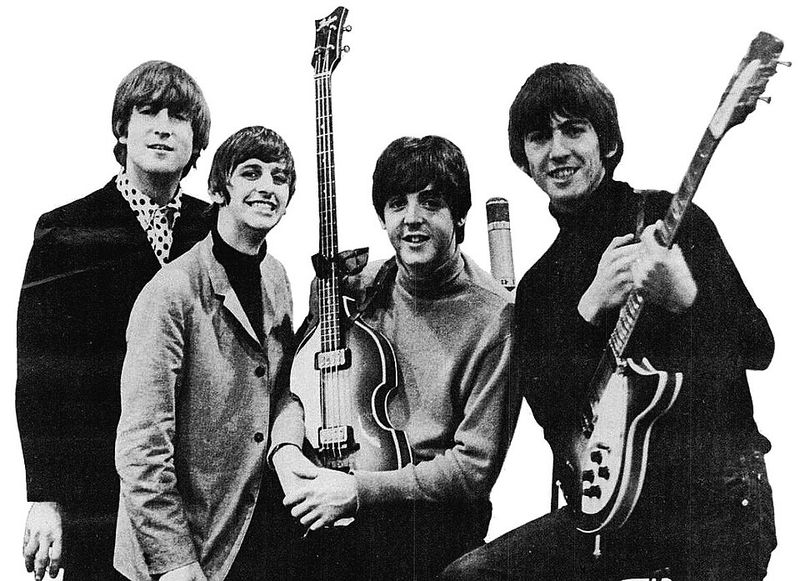
The Beatles didn’t just change music. They rewired the whole idea of what a band could sound like.
John Lennon’s raw, slightly nasal delivery hit different from Paul McCartney’s smoother, sweeter tone, and that contrast alone was gold.
But here’s what often gets overlooked: George Harrison wasn’t just the quiet guitar guy standing in the back. He had real vocal moments, including “Something” and “Here Comes the Sun.” Ringo Starr even stepped up for crowd favorites like “With a Little Help from My Friends.”
Four guys, four distinct voices, and somehow it all worked together without anyone stepping on anyone else’s toes. That balance is genuinely hard to pull off.
I grew up thinking Lennon sang everything, and discovering Harrison’s lead tracks felt like finding bonus levels in a game I thought I’d already finished. The Beatles really did think of everything.
Fleetwood Mac – Three Lead Singers, Infinite Drama, Perfect Harmony
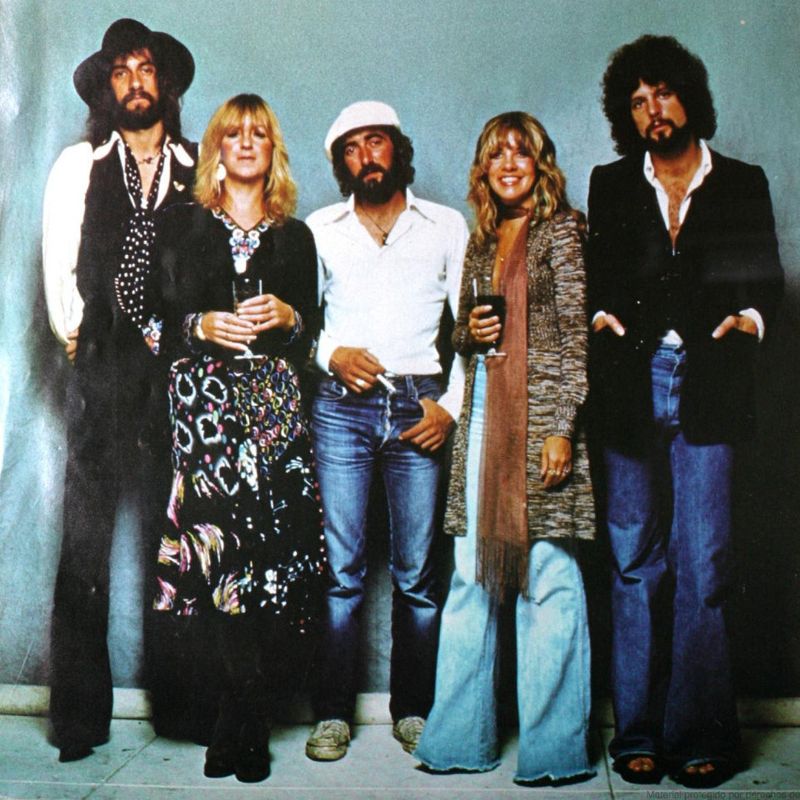
No band in rock history ran on drama fuel quite like Fleetwood Mac, and honestly, the chaos made the music better. Stevie Nicks brought that witchy, ethereal energy.
Lindsey Buckingham delivered sharp, almost confrontational pop-rock. Christine McVie?
Pure warmth and soul.
Three lead singers sharing one stage sounds like a recipe for disaster, but Fleetwood Mac somehow turned it into a recipe for “Rumours,” one of the best-selling albums ever made. Every song felt like it came from a different emotional universe, and that variety kept listeners hooked from track one to the end.
The wild part is that several of these band members had complicated personal histories with each other while recording. They were literally writing breakup songs about their bandmates.
Yet the harmonies were flawless. Fleetwood Mac is proof that sometimes the messiest situations produce the most beautiful music.
Complicated? Absolutely.
Worth it? Without question.
The Eagles – A Harmony Machine With Multiple Main Characters
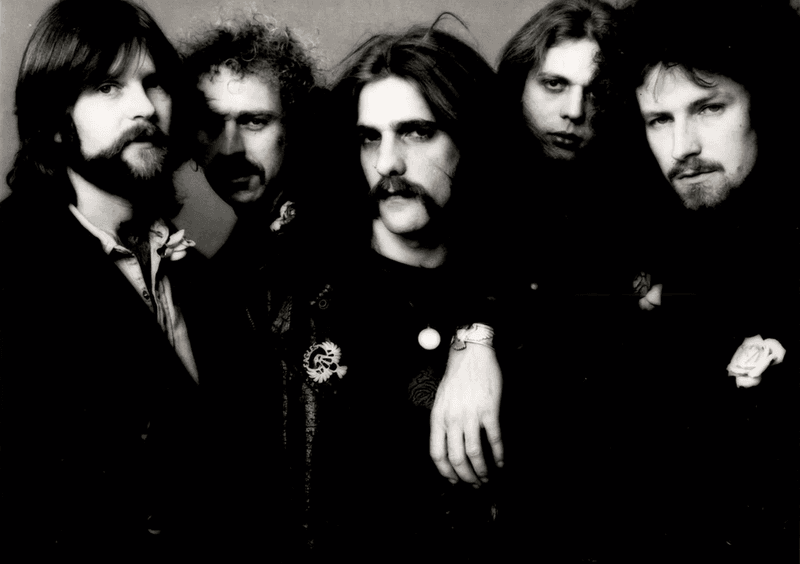
Don Henley’s drumming-while-singing setup was already impressive on its own. Add Glenn Frey’s laid-back California cool at the front mic, and you had two lead voices that sounded like they were born to harmonize.
But the Eagles didn’t stop there. Joe Walsh brought a grittier rock edge when he joined, and Randy Meisner delivered one of the band’s most memorable vocal moments with “Take It to the Limit.” Timothy B.
Schmit later carried on that tradition beautifully. The band essentially had a rotating cast of strong voices across different albums and eras.
What’s remarkable is how consistent the overall sound stayed despite all that vocal variety. Eagles songs feel like Eagles songs, no matter who’s singing lead.
That’s serious songwriting and arrangement skill at work. Most bands struggle to define one sound.
The Eagles defined theirs while juggling multiple voices across more than a decade of hits. Respect.
Crosby, Stills, Nash & Young – Harmonies So Good They Feel Illegal
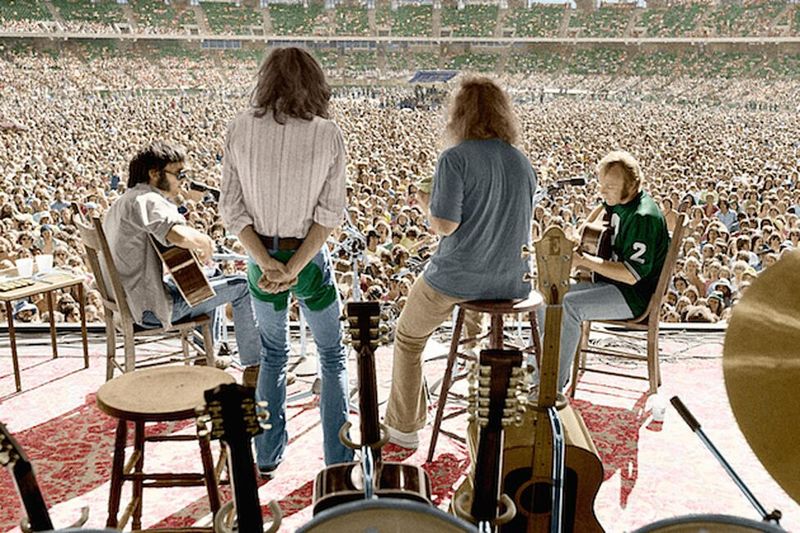
The first time I heard the opening harmonies of “Suite: Judy Blue Eyes,” I genuinely stopped what I was doing. Those stacked vocals hit like something that shouldn’t be physically possible from four separate human mouths.
What made CSNY special wasn’t just that they harmonized well. Each member also brought a completely different lead voice to the table.
David Crosby’s warm baritone, Stephen Stills’ gritty edge, Graham Nash’s clear melodic tone, and Neil Young’s distinctive, slightly fragile tenor all had their own character.
They weren’t backing each other up. They were all equally front and center, which is rare and genuinely difficult to pull off without egos colliding.
Spoiler: the egos did collide, frequently. But the music that came out of those collisions was extraordinary.
CSNY proved that four strong personalities sharing one microphone can produce something far greater than any one of them could alone.
The Beach Boys – Sunshine Pop Powered by a Vocal Crew
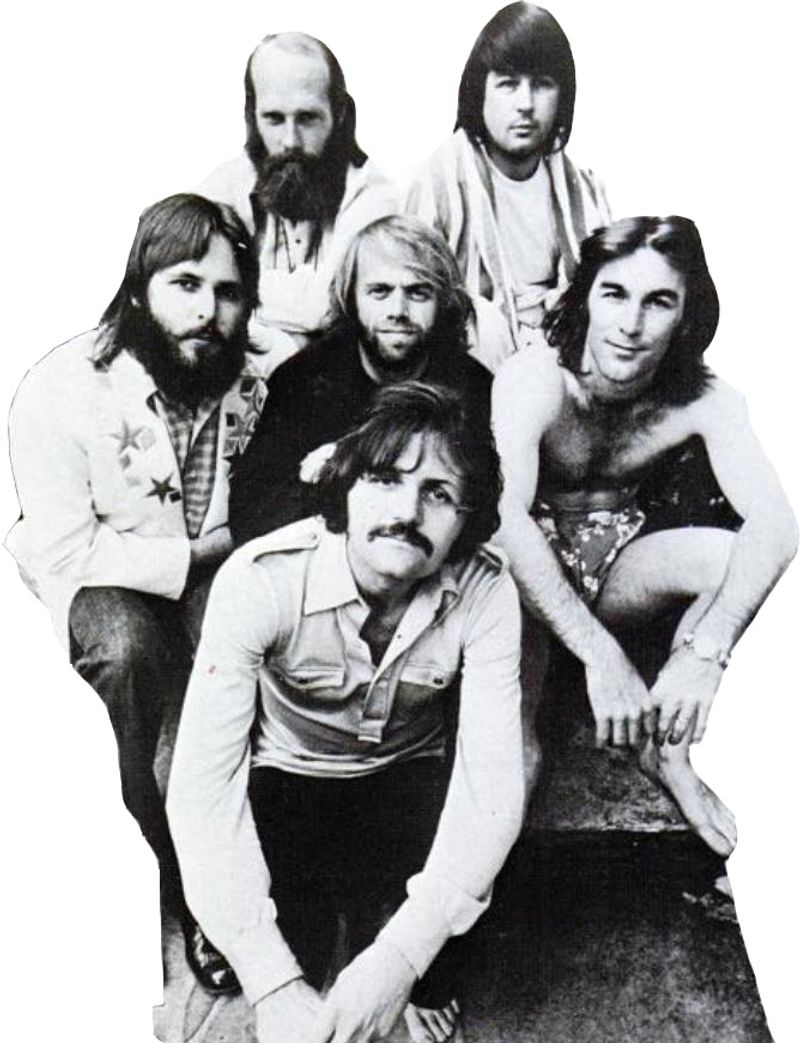
Brian Wilson built some of the most complex vocal arrangements in pop history, and he needed a full crew of strong voices to pull them off. The Beach Boys weren’t just a band with harmonies sprinkled on top.
The vocals were the main event.
Mike Love handled a lot of the lead duties in their early surf-rock days, but Carl Wilson’s voice was arguably the most purely beautiful in the group. Brian himself sang plenty of leads, and Al Jardine stepped up regularly throughout their catalog.
Even Bruce Johnston, who joined later, brought strong lead-vocal contributions.
“Good Vibrations” alone has so many vocal layers that musicologists still study it. The band’s genius was treating voices like instruments, mixing and matching leads the same way a composer arranges an orchestra.
No other band in classic rock history built so much of their identity on shared vocal power quite like the Beach Boys did.
Pink Floyd – Different Voices, Different Realities
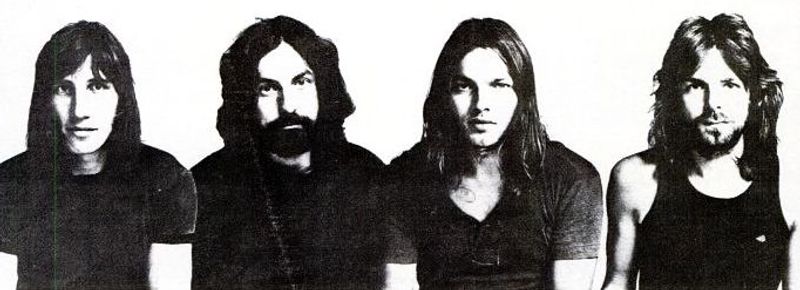
Roger Waters’ voice was angular, almost conversational, carrying a kind of bitter philosophical weight. David Gilmour’s voice was the opposite: smooth, soaring, and emotionally open.
Putting those two on the same album was like mixing oil and water in the best possible way.
“The Wall” features both voices in ways that feel intentionally contrasted. Waters snarls through the narrative sections while Gilmour lifts the emotional peaks.
Richard Wright also took lead vocals on tracks like “The Great Gig in the Sky” adjacent moments and, most famously, shared lead duties with Gilmour on “Time.”
Pink Floyd didn’t share vocal duties out of necessity. They did it because different voices served different emotional purposes within their concept albums.
The result was music that felt cinematic and layered rather than like a standard rock record. Few bands have used vocal contrast as a storytelling tool as effectively as Pink Floyd did across their classic run.
The Allman Brothers Band – Southern Rock, Shared at the Mic
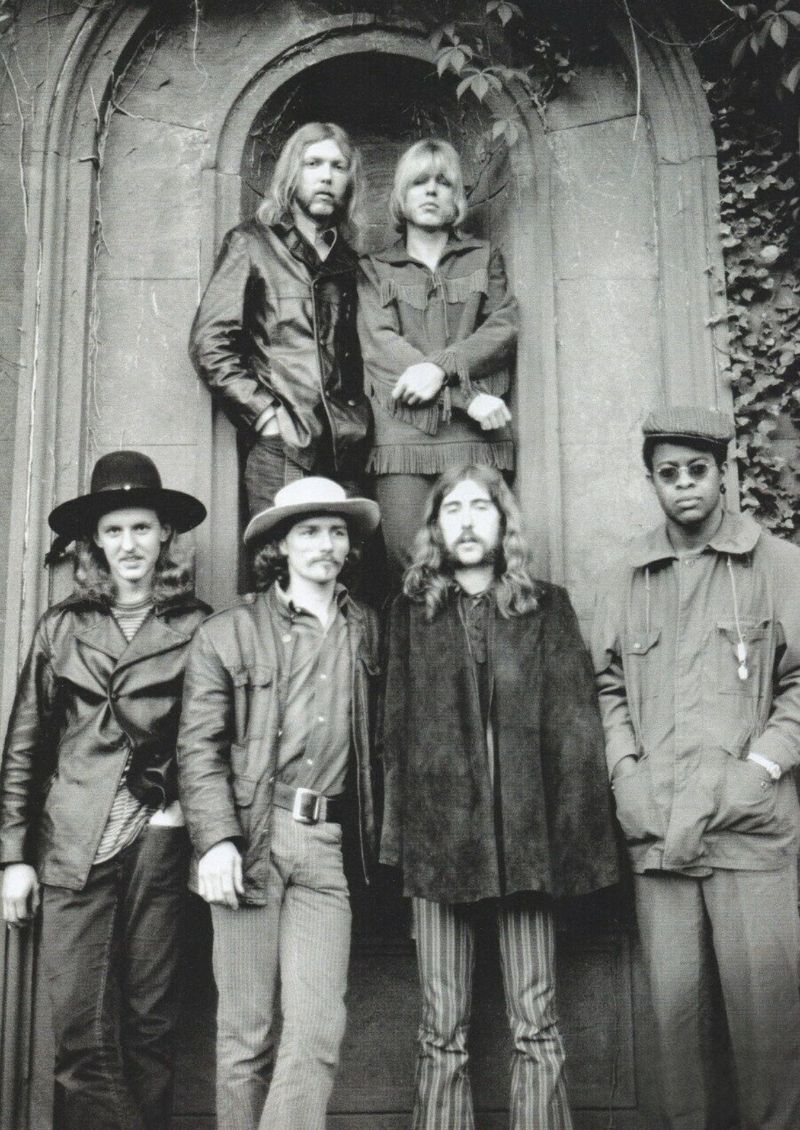
Gregg Allman had a voice that sounded like Georgia red clay feels: heavy, rich, and completely rooted in the South. His organ-and-vocals combination became one of the most recognizable sounds in all of rock music.
Nobody sounds like Gregg Allman. Nobody even comes close.
But Dickey Betts wasn’t just the guitar guy quietly standing nearby. His lead vocal on “Ramblin’ Man” turned that song into one of the band’s biggest commercial hits.
His voice had a lighter, more country-tinged quality that balanced Gregg’s deeper, bluesy delivery nicely.
The two voices gave the Allman Brothers a wider emotional range than a single-vocalist band could have managed. Gregg handled the deep, aching blues.
Dickey brought the open-road, country-rock feel. Together they covered more sonic ground than either could have alone.
Southern rock doesn’t get more authentic or more powerful than what these two built together in their prime years.
Grateful Dead – A Rotating Cast of Voices for a Never-Ending Trip
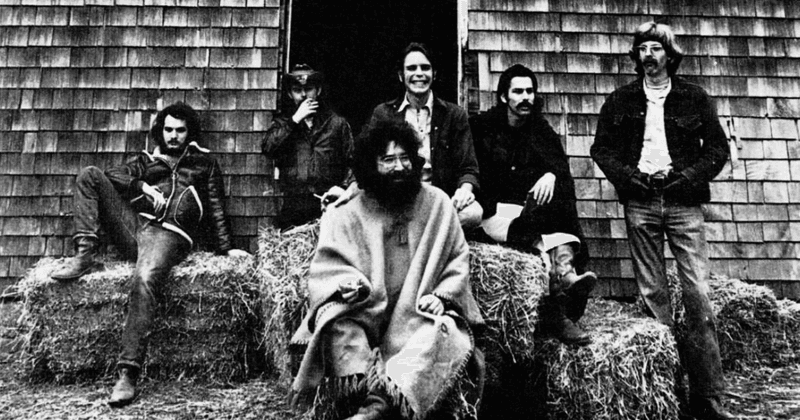
Jerry Garcia’s voice had a warmth and ease to it that made even the longest, most sprawling songs feel like they were going somewhere meaningful. Bob Weir, on the other hand, had a rougher, more rhythmically assertive delivery that gave the band a completely different energy when he stepped up to the mic.
Phil Lesh and Ron “Pigpen” McKernan also contributed lead vocals at various points, especially in the early years. The Dead treated vocals the same way they treated their jams: loosely structured, personality-driven, and always serving the moment rather than a formula.
A Grateful Dead setlist was never predictable, and neither was the question of who’d be singing what on any given night. That flexibility kept their live shows feeling spontaneous even after decades of touring.
For Deadheads, part of the joy was hearing which voice would carry the next song into the stratosphere. Pure unpredictable magic, every single time.
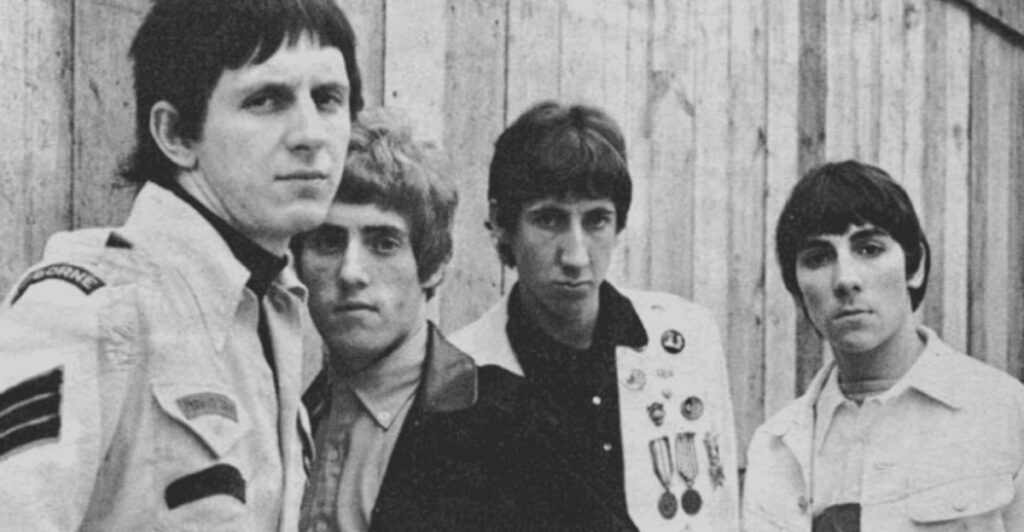
The Who – Not Just Daltrey: The Band Had Backup Plans
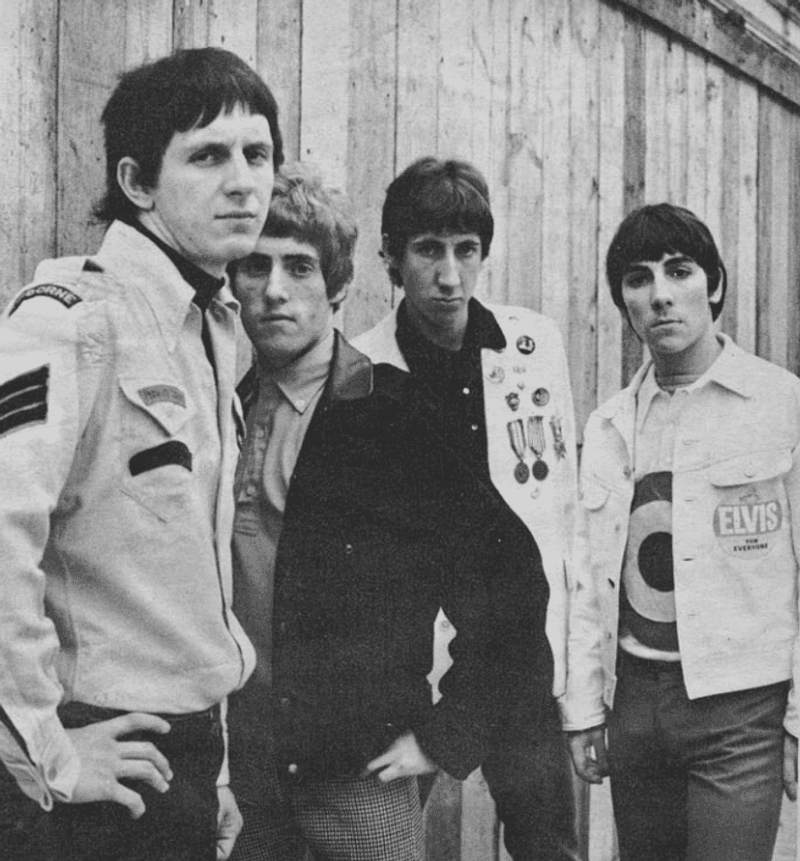
Roger Daltrey was one of rock’s most powerful frontmen, full stop. That voice could peel paint off a wall or break your heart depending on the song.
He owned the stage in a way that made it easy to forget anyone else in the band could sing at all.
But Pete Townshend was no vocal slouch. He sang lead on tracks like “Substitute” and “Pinball Wizard” in live settings, and his slightly rougher, more conversational delivery gave those songs a different texture.
John Entwistle, the notoriously statue-still bassist, also stepped up for quirky, darkly humorous tracks like “My Wife” and “Boris the Spider.”
Those Entwistle songs in particular became fan favorites precisely because they sounded nothing like Daltrey’s performances. The Who had three distinct vocal personalities available, and smart deployment of each one made their catalog richer and more varied than it might otherwise have been.
Underrated vocal band, honestly.
Creedence Clearwater Revival – One Voice Up Front, But the Band Had Depth
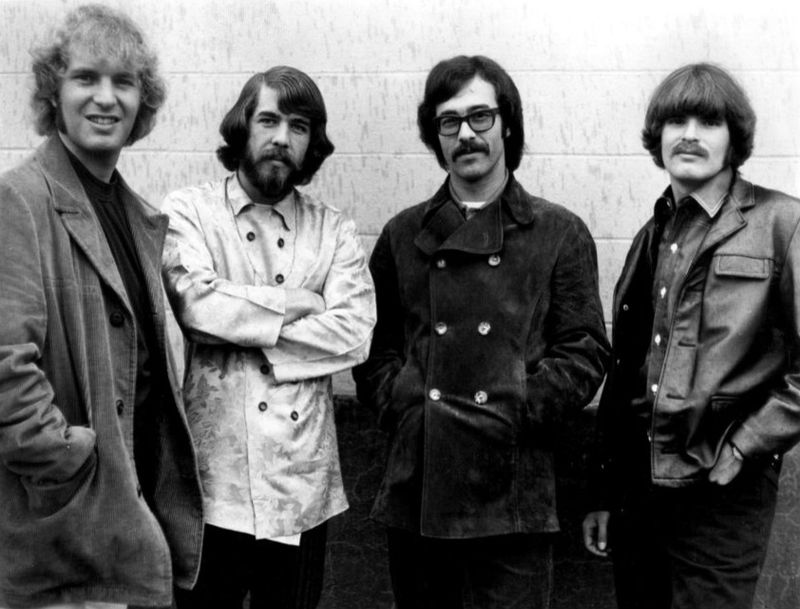
John Fogerty’s voice was one of the most distinctive in rock history: swampy, urgent, and dripping with bayou atmosphere despite the fact that he grew up in California. CCR ran on that voice, and it worked brilliantly across dozens of classic songs.
Tom Fogerty, John’s older brother, handled rhythm guitar and contributed backing vocals that thickened the band’s sound considerably. While Tom wasn’t a lead vocalist in the traditional sense, his presence in the vocal blend gave CCR a fuller, more layered sound than a purely solo vocal approach would have produced.
The band’s backing vocal blend was a genuine part of their sonic identity, even if John clearly held the starring role. CCR’s story is also a cautionary tale about creative control and brotherly tension, since Tom eventually left the band partly due to frustration with John’s dominance.
Sometimes one voice really does run the show, but the supporting cast still matters enormously.
The Byrds – Jangly Guitars, Shared Leads, Instant Time Travel
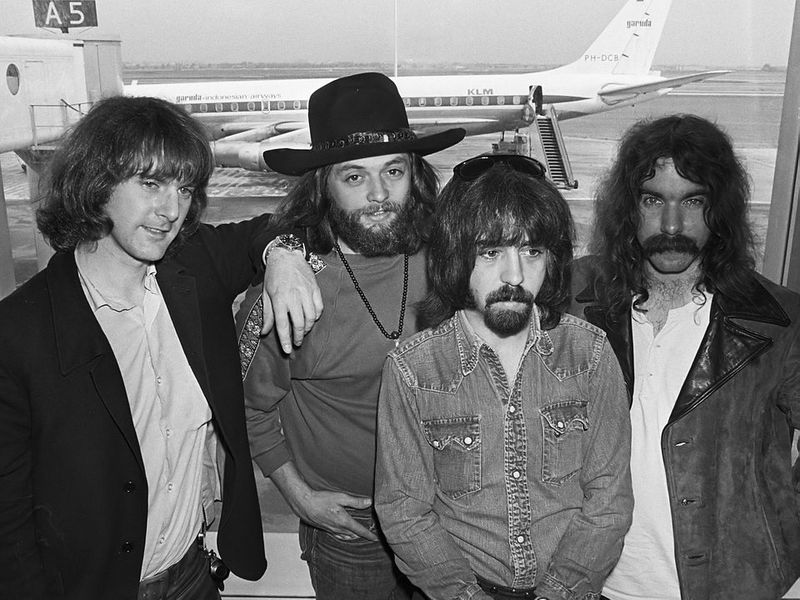
That 12-string Rickenbacker jangle is one of the most instantly recognizable sounds in all of rock music. But the Byrds were just as distinctive vocally as they were instrumentally, and shared lead duties were a big reason why.
Roger McGuinn’s slightly nasal, reedy lead voice defined the early folk-rock era of the band. David Crosby brought richer harmonics and a fuller vocal texture before he departed.
Gene Clark, often called the band’s most gifted natural songwriter, delivered emotionally resonant lead vocals on some of their best early tracks.
As the lineup shifted over the years, different members stepped into lead roles, helping the Byrds transition from folk-rock to psychedelia to country-rock without losing their identity. That vocal flexibility made them pioneers across multiple genres rather than a one-trick act.
The Byrds essentially invented several sub-genres of rock, and shared vocal duties were a key part of how they kept reinventing themselves so successfully.
Yes – Prog Giants With More Than One Voice in the Cockpit
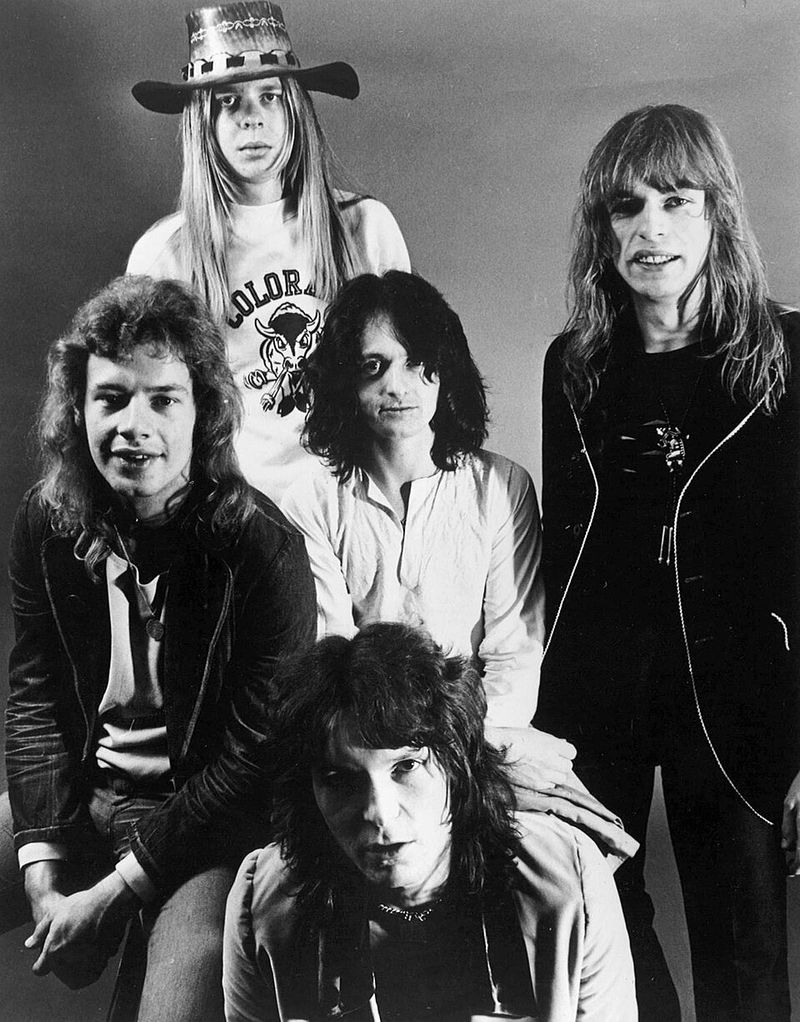
Jon Anderson’s voice is genuinely one of a kind in rock history: high, pure, almost otherworldly, like someone tuned a human voice to a frequency slightly outside normal reality. Yes built entire albums around that sound, and it worked spectacularly.
But Chris Squire, the band’s thunderous bassist, also contributed vocals throughout the classic lineup years. His voice had a rougher, earthier quality that grounded Anderson’s ethereal flights when the two sang together.
Other members across the band’s many lineup changes also stepped into vocal roles at various points.
Yes went through more lineup changes than most bands have had albums, and each era brought new vocal configurations. The band’s willingness to adapt vocally across different eras is part of why they remained relevant through multiple decades of prog rock history.
Anderson’s voice is the signature, but Yes was never a one-man vocal show. The harmonies and shared responsibilities were always part of the architecture.
Little Feat – A Groove-Heavy Band That Kept the Vocals Moving
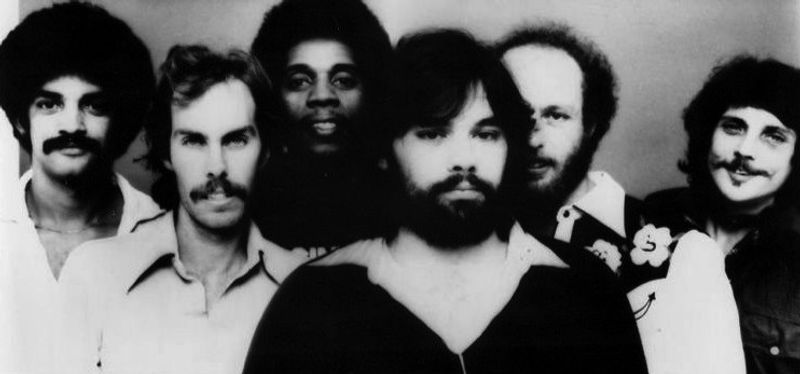
Lowell George was a musical genius by most reasonable definitions: a masterful slide guitarist, a brilliant songwriter, and a vocalist with a lazy, rolling delivery that made everything feel effortlessly cool. Little Feat’s early sound was essentially built around his personality.
As the band evolved through the 1970s, other members took on increasing vocal responsibilities. Paul Barrere and Bill Payne both contributed lead vocals, which became especially important after George’s tragic death in 1979.
The band reformed in the 1980s and continued with a genuinely shared vocal approach across their later work.
Little Feat’s story is partly about how a band can survive the loss of its defining voice by leaning into the collective rather than trying to replace the irreplaceable. It’s a lesson in musical resilience.
They never sounded exactly the same after Lowell, but they kept making worthy music by trusting multiple voices to carry the load. That takes real courage and commitment from every member.
The Doobie Brothers – Three Eras, Three Voices, Nonstop Hits
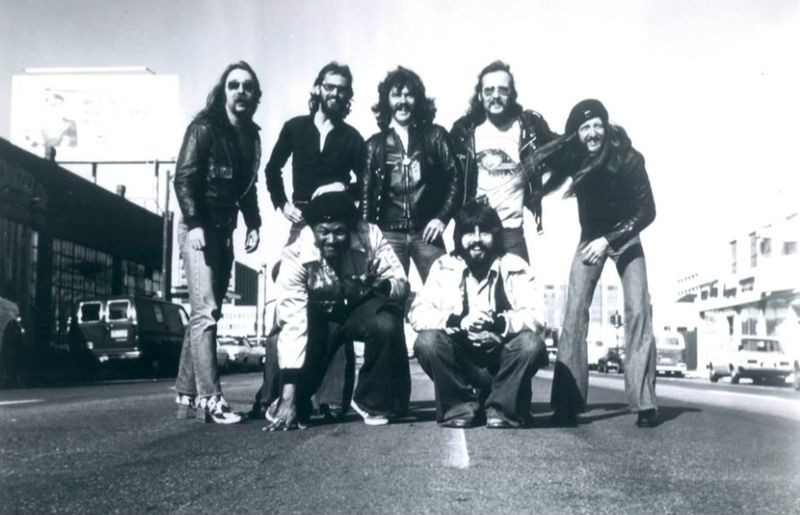
Few bands in rock history pulled off a mid-career vocal reinvention as dramatic as the Doobie Brothers managed in the late 1970s. Tom Johnston’s rough, bluesy rock voice defined the early hits.
Then Michael McDonald walked in with his soulful, gospel-infused R&B delivery and basically changed the band’s genre on the spot.
Patrick Simmons was always there too, adding a lighter, folksier lead vocal option that kept the band from leaning too hard in any one direction. Three distinct lead voices across different albums and eras gave the Doobie Brothers a remarkably varied discography.
Not many bands can claim genuine smash hits in both the hard-rock and yacht-soul categories.
What’s fun about the Doobies is that both eras have passionate defenders. Johnston fans and McDonald fans have been arguing for decades about which version of the band was better.
The correct answer is both, obviously. When your band produces that much debate, you’ve clearly done something very right.
Share this story