Modern pop music sounds polished, powerful, and perfectly tuned, but not all of that magic comes from raw vocal talent alone. Many of today’s biggest stars lean on studio effects like autotune, pitch correction, and vocal layering to craft their signature sounds.
These tools are not cheating, they are creative instruments that have shaped entire genres and careers. From hip-hop to electronic pop, studio effects have become as important as the melody itself.
1. T-Pain: The Artist Who Made Autotune Cool
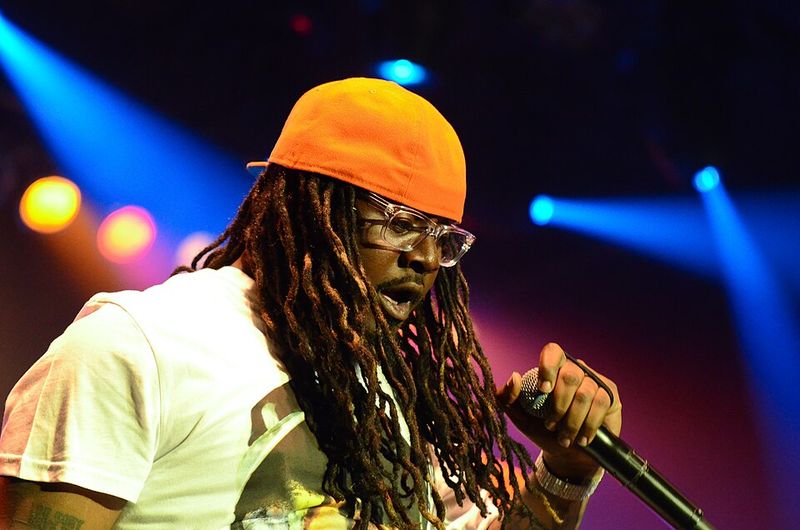
Before autotune became a punchline, T-Pain turned it into a badge of honor. His heavy use of pitch-shifting vocal effects was so distinctive that Apple even created an app called “I Am T-Pain” so fans could sound just like him.
That kind of cultural impact is hard to ignore.
Born Faheem Rasheed Najm, T-Pain started using autotune not to hide his voice but to create something entirely new. Songs like “Buy U a Drank” and “Bartender” topped charts and redefined what R&B could sound like.
His robotic-yet-soulful tone made listeners feel something they had never quite experienced before.
He later admitted that heavy autotune use affected how people perceived his actual singing ability. T-Pain proved on a 2014 NPR Tiny Desk concert that his natural voice is genuinely strong, surprising millions of fans who had no idea.
2. Kanye West: Turning Heartbreak Into a Vocal Effect

When Kanye West released “808s and Heartbreak” in 2008, critics were confused and fans were divided. He sang almost the entire album through a heavy autotune filter, which was a bold departure from the confident rap persona people expected.
Looking back, that album changed the direction of pop and hip-hop forever.
Kanye used autotune not to sound better, but to sound raw and emotionally exposed. The robotic warble in his voice actually made songs like “Heartless” and “Love Lockdown” feel more vulnerable, not less.
It was a counterintuitive creative choice that paid off in a massive way.
Artists like Drake, Kid Cudi, and even Taylor Swift have pointed to that album as a turning point. Kanye showed the music world that studio effects could carry emotional weight just as powerfully as any traditional vocal performance ever could.
3. Travis Scott: Where Vocal Processing Becomes the Vibe
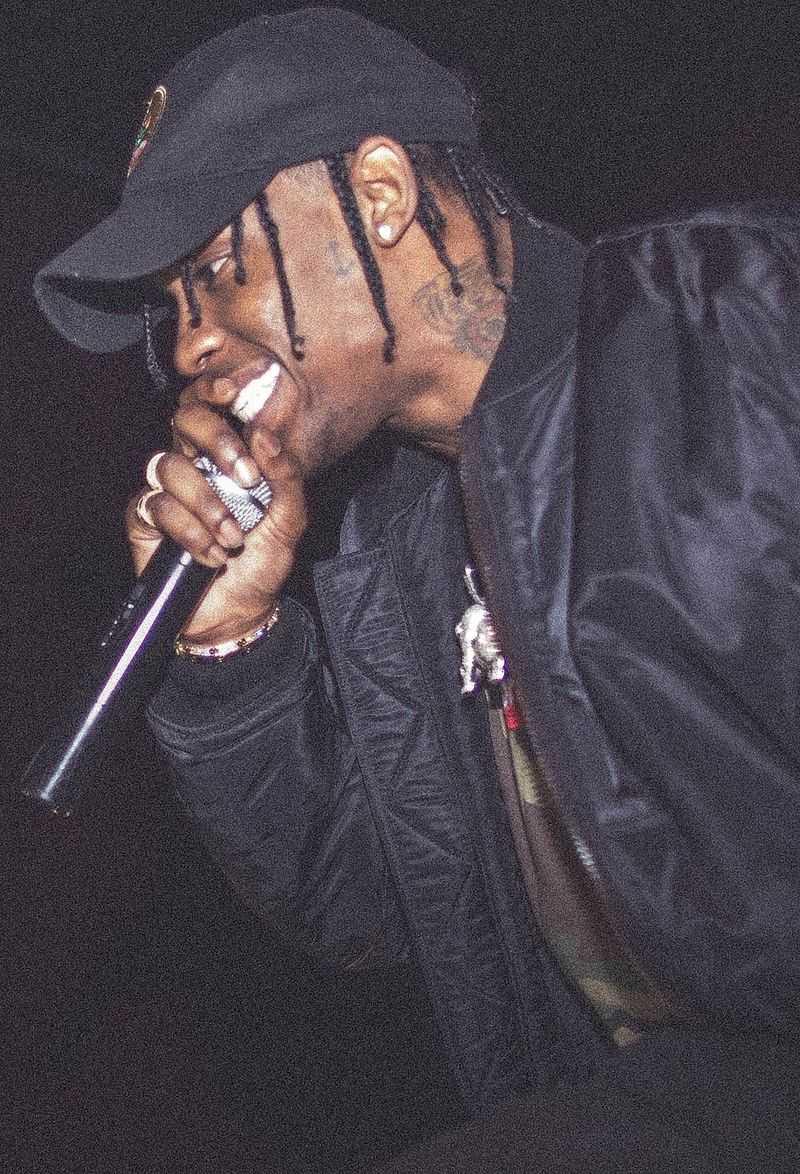
Travis Scott does not just use autotune as a tool; he uses it as a mood. His music feels like a hazy, cinematic dream, and that atmosphere comes largely from how heavily his vocals are processed and layered in the studio.
Songs like “Goosebumps” and “SICKO MODE” are built around that warped, floating sound.
His production style blends trap beats with psychedelic textures, and the vocal effects tie everything together. Travis often pitches his voice up or down mid-phrase, creating a swirling effect that feels intentional and artistic rather than corrective.
It is a style that has influenced a whole generation of younger artists.
Live performances have sometimes drawn criticism because replicating that heavily produced sound in real time is nearly impossible. Still, fans keep showing up, proving that the experience he creates, studio effects and all, is something truly unique in modern music.
4. Cher: The Original Queen of Autotune

Long before autotune was a household word, Cher used it in a way nobody had ever heard before. Her 1998 hit “Believe” featured such an obvious and extreme pitch-correction effect that sound engineers were baffled trying to figure out how it was done.
The producer eventually revealed they had cranked the autotune correction speed to its fastest setting, creating that choppy, robotic vocal chop.
The technique became so associated with that song that audio engineers quietly started calling it the “Cher effect” for years afterward. It opened a door that pop music has never closed since.
What started as an experiment became a revolution.
Cher was already a legend before “Believe,” but that song gave her a second life and a new audience. It remains one of the best-selling singles of all time, proving that sometimes the most accidental creative choices end up being the most iconic ones.
5. Daft Punk: Robots Who Made Humanity Feel Music
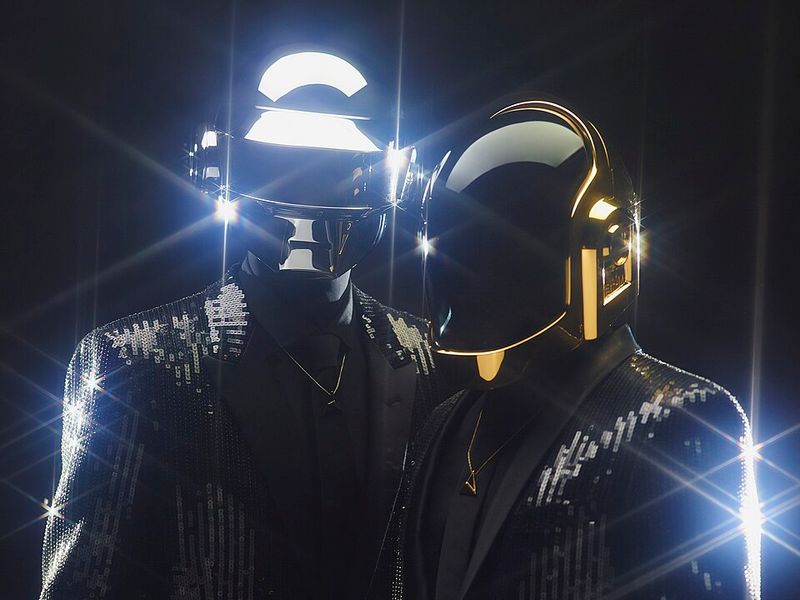
Daft Punk built their entire identity around the idea that humans and machines could blur together. The French electronic duo, Thomas Bangalter and Guy-Manuel de Homem-Christo, used vocoders and talkbox effects so consistently that most casual fans did not even know what they actually sounded like in real life.
That mystery was part of the brand.
Songs like “Harder, Better, Faster, Stronger” and “Get Lucky” feature vocals that are so processed they sound more like synthesizers than human voices. Yet somehow the music still feels warm, fun, and deeply emotional.
That balance between cold technology and human feeling is what made Daft Punk so special.
They wore robot helmets in every public appearance and rarely gave interviews, leaning fully into the persona. Their Grammy-winning album “Random Access Memories” showed they could blend organic live instrumentation with their signature processed sound in a way that felt completely fresh.
6. Future: Autotune as a Melodic Instrument

Future, born Nayvadius DeMun Wilburn, treats autotune the way a guitarist treats a whammy pedal. It bends, stretches, and shapes his voice into something that sits perfectly in the pocket of a trap beat.
His delivery is so tied to vocal processing that stripping it away would fundamentally change what his music is.
He has released an almost unbelievable amount of music, including multiple albums that debuted at number one in the same year. That productivity, combined with his distinctly processed vocal style, has made him one of the most influential figures in modern hip-hop.
Younger artists constantly try to replicate his melodic approach.
Critics sometimes debate whether Future is a rapper or a singer, and the truth is he is something in between. Autotune lets him operate in that in-between space comfortably, turning phrases that might sound ordinary into something hypnotic and hard to shake from your memory.
7. Post Malone: Blending the Natural and the Processed
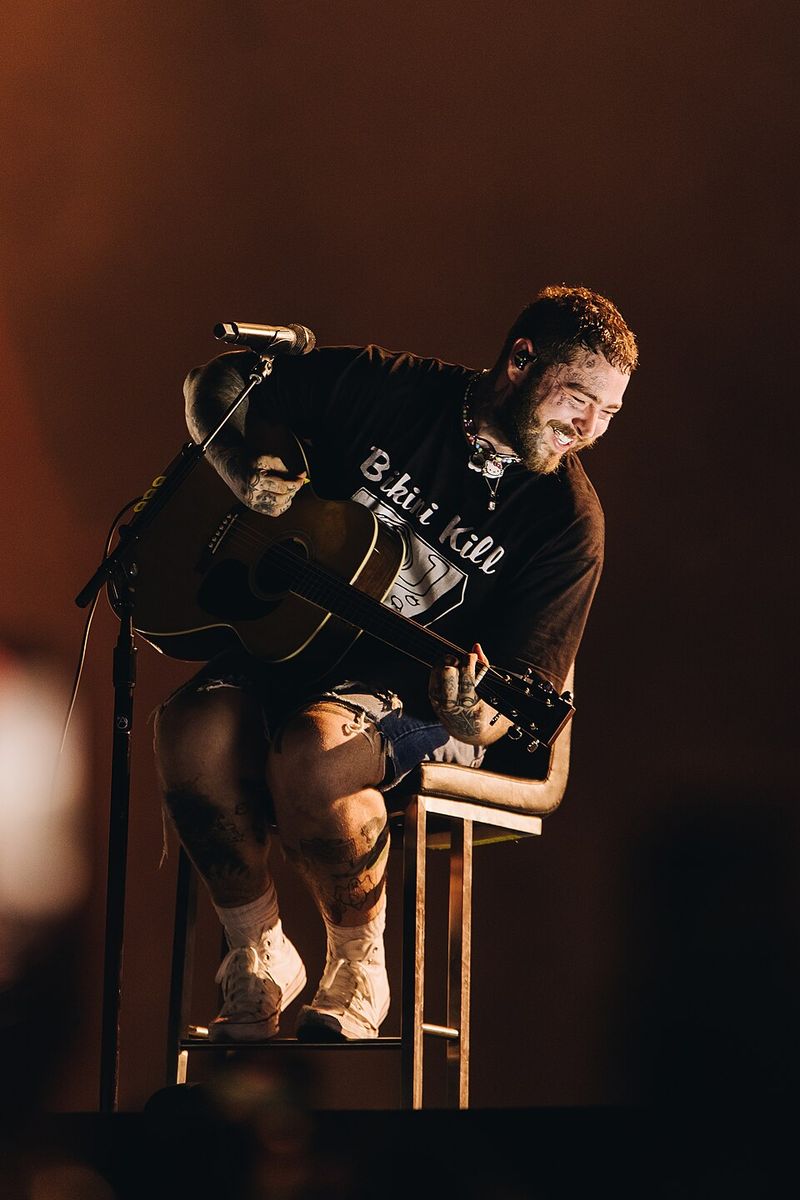
Post Malone has a naturally appealing voice, raspy and warm with a wide emotional range. But in the studio, that voice gets layered, pitch-corrected, and blended with effects in ways that elevate it into something radio-ready and genre-defying.
He moves fluidly between rap and melodic singing, and the production smooths every transition.
His breakout hit “White Iverson” showed listeners a new kind of crossover artist: someone who could rap, croon, and sound equally at home in hip-hop and pop. Songs like “Circles” and “Sunflower” lean more heavily on clean, polished vocal production that softens his grittier edges.
What makes Post Malone interesting is that he does not hide behind effects the way some artists do. You can hear his actual character coming through even with the processing in place.
The studio effects enhance rather than replace, which is arguably the most skillful way to use them.
8. Billie Eilish: Whispers, Layers, and Subtle Perfection
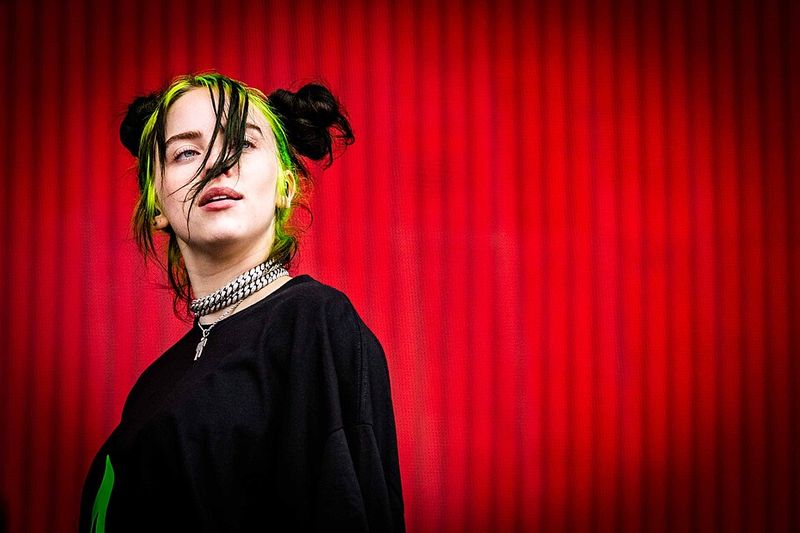
Billie Eilish built her career in her brother Finneas’s bedroom studio, and that intimate setting shaped her entire sound. Her voice is often recorded extremely close to the microphone, giving it a breathy, almost uncomfortably close quality.
Subtle pitch correction and heavy vocal layering then transform those whispered performances into something hauntingly beautiful.
Her debut album “When We All Fall Asleep, Where Do We Go?” was produced almost entirely in that same small bedroom. The production is deceptively simple on the surface but technically complex underneath, with multiple vocal tracks stacked and tuned to create that signature ethereal tone.
Billie does not rely on autotune as dramatically as some artists on this list, but the careful studio craft behind her music is undeniable. The effects she uses are subtle enough to feel invisible, which is actually a harder achievement than the obvious robotic pitch-shifting most people associate with vocal processing.
9. Drake: Mixing Rap and Melody Through the Booth
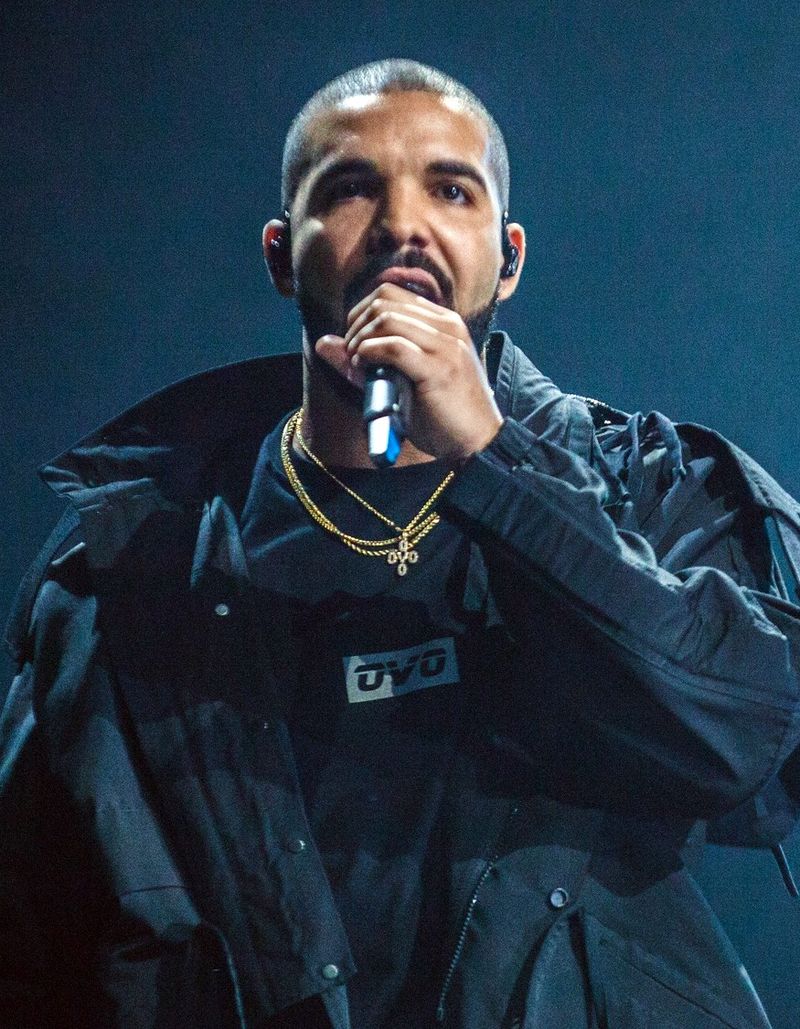
Drake popularized a style of music called “singing rap” or “melodic rap,” and studio effects are a big reason why it works so smoothly. He frequently shifts between rapping with sharp delivery and crooning with a pitch-corrected, layered vocal tone.
The transitions feel seamless because of careful production choices made in the studio.
Albums like “Take Care” and “If You’re Reading This It’s Too Late” showcase how Drake uses vocal processing not just for effect but for emotional storytelling. The slightly warped, softened quality of his singing voice creates a sense of intimacy that resonates with listeners in a personal way.
His collaborations with producer Noah “40” Shebib have defined that moody, atmospheric sound. The reverb-drenched, carefully processed vocals have become so iconic that they have spawned an entire subgenre.
Love him or not, Drake changed what pop and hip-hop vocals could sound like together.
10. Black Eyed Peas: Bringing Processed Pop to the Mainstream

Around 2009 and 2010, it felt like the Black Eyed Peas were everywhere. Songs like “Boom Boom Pow” and “I Gotta Feeling” dominated radio stations globally, and both were packed with robotic vocal effects, pitch manipulation, and electronic processing.
Will.i.am’s production style leaned hard into a futuristic, digital aesthetic.
Fergie’s vocals in particular went through heavy studio treatment on many tracks, turning her naturally strong voice into something that fit the group’s electronic pop identity. The Peas were not trying to hide anything; the artificial quality was the point.
They wanted to sound like the future.
Critics had mixed reactions, but audiences responded with record-breaking sales and streaming numbers. The group helped normalize heavily processed pop vocals for a mainstream audience that had not fully embraced that sound yet.
In doing so, they paved the way for many of the artists who followed.
11. Selena Gomez: Studio Polish for a Soft Vocal Style

Selena Gomez has always been upfront about the fact that she is not a powerhouse vocalist in the traditional sense. Her voice is soft, breathy, and conversational, which actually works beautifully in the pop and dance-pop genres she favors.
Studio production does a lot of the heavy lifting to make her recordings shine.
Songs like “Come and Get It,” “Good for You,” and “Lose You to Love Me” feature carefully layered vocals, pitch correction, and production that frames her voice perfectly within the track. The goal is not to make her sound like someone she is not, but to highlight the qualities she does have.
Selena has faced criticism from some vocal purists, but her fanbase remains fiercely loyal. Her honesty about her vocal limitations, combined with music that genuinely connects emotionally, has earned her a level of respect that goes beyond technical singing ability alone.
12. Britney Spears: Pop Production as an Art Form
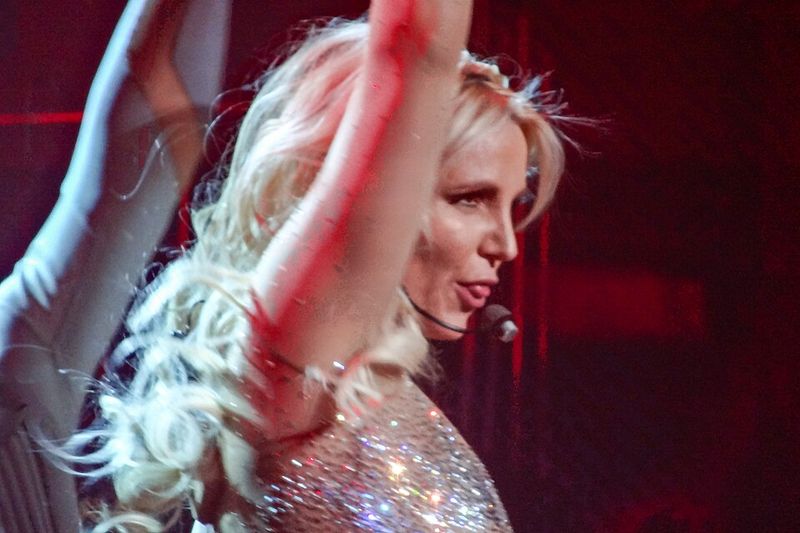
Britney Spears is one of the most commercially successful pop acts in history, and her sound has always been defined more by production than raw vocal power. Her producers, including Max Martin and Bloodshy and Avant, crafted records where her voice was a texture within the track rather than the centerpiece standing alone above everything else.
Heavy pitch correction, vocal doubling, and layering are standard tools across her discography. Songs like “Toxic,” “Gimme More,” and “Womanizer” are production masterpieces where the vocal effects are baked into the very identity of the music.
Removing them would change the songs completely.
Britney’s live performances have occasionally sparked debate about how much of what audiences hear is live versus pre-recorded. Regardless of where you land on that debate, her studio recordings represent a specific and highly influential vision of what pop music can be when production is treated as an art form.
13. Kesha: From Electro-Pop Grit to Vulnerable Clarity
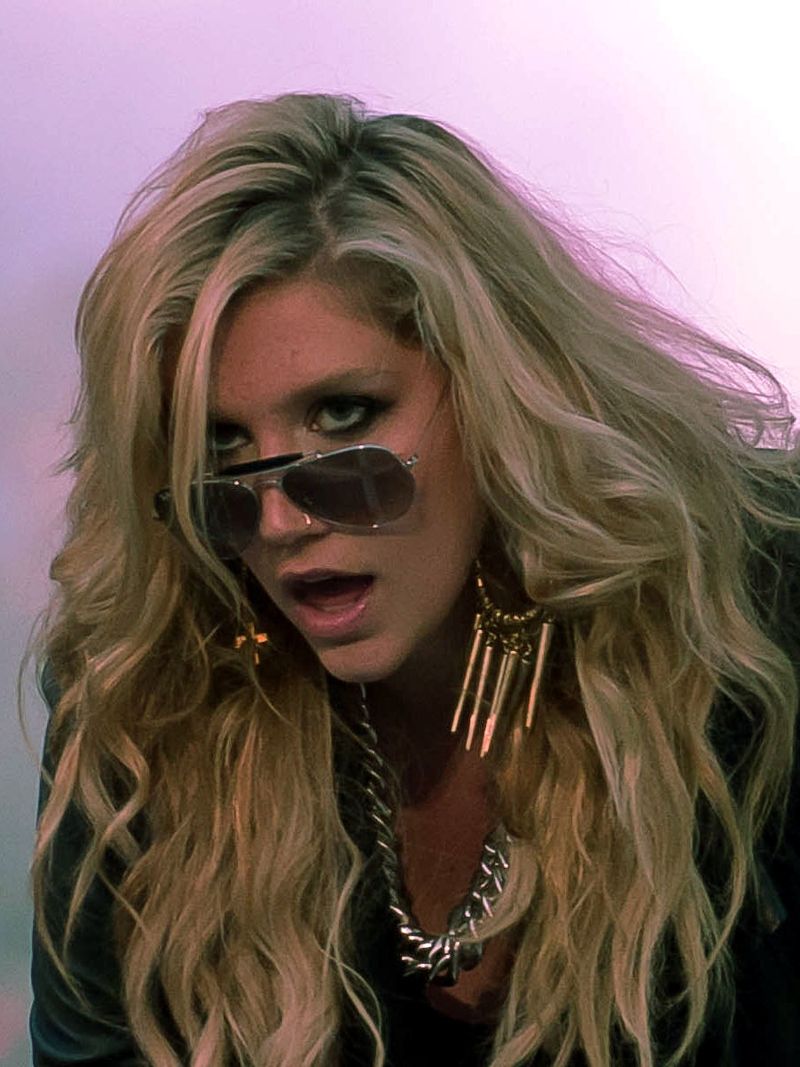
Kesha burst onto the scene in 2010 with “Tik Tok,” a song that sounded like it was recorded inside a glitching computer in the best possible way. Her voice was heavily processed with pitch effects, distortion, and talk-box style filtering that gave the track a trashy, carefree energy perfectly matched to its party anthem lyrics.
Her early work with producer Dr. Luke leaned fully into that digital, abrasive vocal aesthetic. Songs like “We R Who We R” and “Blah Blah Blah” used vocal effects as a stylistic statement rather than a corrective measure.
The roughness was intentional and completely on brand.
Her later album “Rainbow,” released after a difficult legal battle, stripped back much of that processing and revealed a genuinely powerful natural singing voice. The contrast between her early processed work and later raw recordings tells a fascinating story about how studio effects can shape, and sometimes overshadow, an artist’s true abilities.
14. Lil Nas X: Modern Pop-Rap With a Polished Sheen
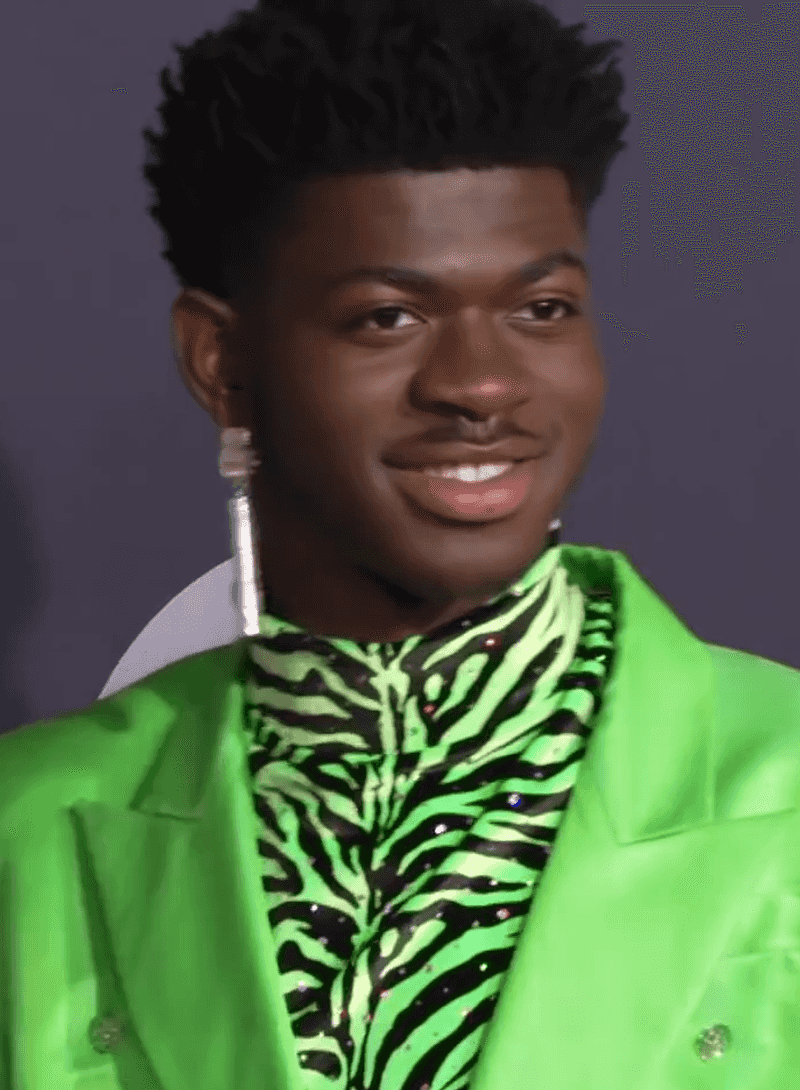
Lil Nas X went from posting memes online to winning Grammy Awards in what felt like the blink of an eye. His debut smash “Old Town Road” was a genre-blending experiment that mixed country sounds with hip-hop beats, and his vocal delivery was noticeably smoothed and pitch-corrected to sit cleanly in that unusual sonic space.
His follow-up work, including “Montero (Call Me By Your Name)” and “Industry Baby,” showcased a more developed pop sensibility with production that polishes his vocals into a sleek, radio-friendly package. The processing is modern and tasteful, enhancing his natural charisma without drowning it out entirely.
What sets Lil Nas X apart is his marketing genius and willingness to be provocative. The studio effects are just one piece of a carefully constructed artistic identity.
He proves that in today’s music landscape, image, production, and personality often matter just as much as traditional vocal talent ever did.
15. Charli XCX: Distortion and Autotune as Creative Weapons

Charli XCX has never been interested in sounding pretty in a conventional way. Her music, especially her hyper-pop adjacent work, embraces distortion, pitch manipulation, and crunchy digital effects as core artistic tools.
Songs like “Speed Drive” and her critically acclaimed album “Brat” push vocal processing to its most experimental and exciting extremes.
She collaborated with producers like A.G. Cook and SOPHIE, who were pioneers of the hyper-pop sound that deliberately made voices sound artificial, glitchy, and almost broken.
That aesthetic was a direct rejection of the smooth, polished pop that dominated mainstream radio for years.
Charli has found a massive audience that appreciates her refusal to play it safe. Her Grammy-nominated work has brought experimental vocal production into mainstream conversation in a way few artists have managed.
She treats the studio not as a place to fix her voice but as a playground where rules simply do not apply.
Share this story