Tucked away in Hunterdon County, New Jersey, there is a place where the 1890s never really ended. Farmers still work the fields using horse-drawn equipment, costumed staff demonstrate century-old techniques, and the animals are very much part of the daily routine.
This is not a theme park or a Hollywood set. It is a fully functioning agricultural museum that has been quietly drawing curious families, history buffs, and school groups for decades.
The farm operates on a calendar tied to the seasons, meaning every visit brings something different, whether it is maple syrup tapping in late winter or corn harvesting in the fall. Best of all, admission is free, making it one of the most accessible and genuinely educational outdoor destinations in the entire state.
Read on to find out exactly what makes this place so worth the drive.
A Farm That Actually Farms
There is a meaningful difference between a farm that displays old tools and a farm that actually uses them. Howell Living History Farm falls firmly in the second category.
Staff and volunteers use techniques and equipment from the late 1800s to grow real crops, raise real livestock, and complete real agricultural tasks throughout the year.
The fields produce a rotating variety of crops depending on the season, and much of what grows here gets donated to organizations working to address food insecurity in the region. That connection between historical practice and present-day community need gives the farm a purpose that goes well beyond nostalgia.
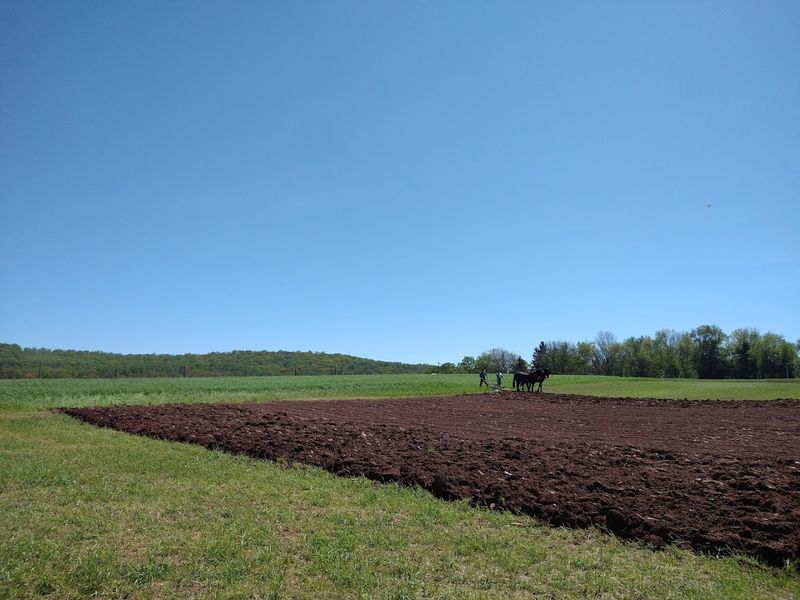
Horse-drawn equipment moves through the fields in a way that would have been completely ordinary in 1900 but feels remarkable today. Watching a team of draft horses pull a plow across a New Jersey field is the kind of thing that sticks with you long after the drive home.
The Animals Are the Real Stars
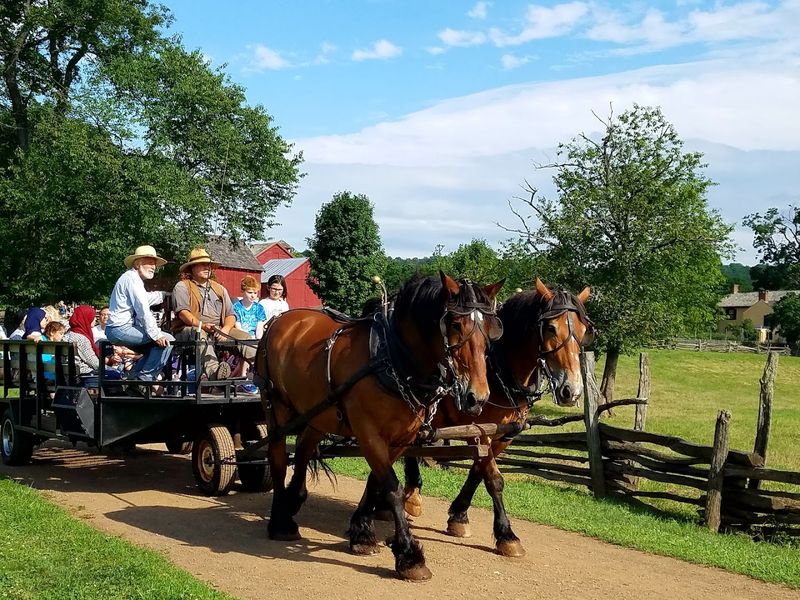
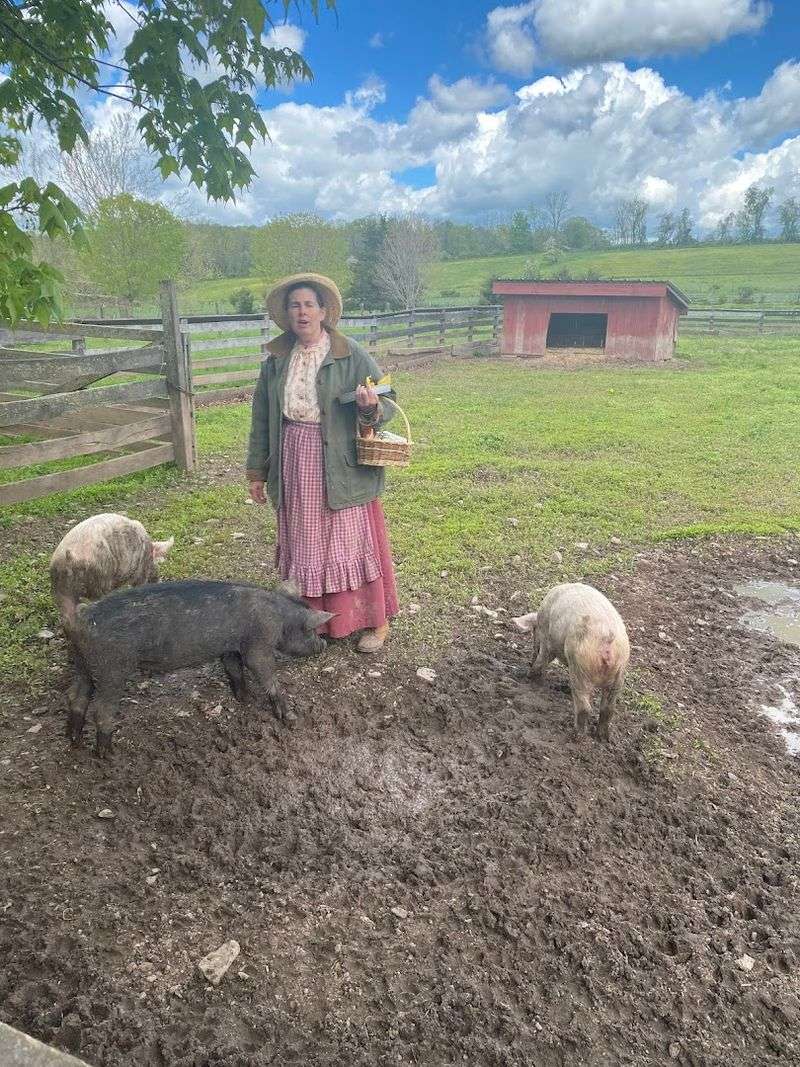
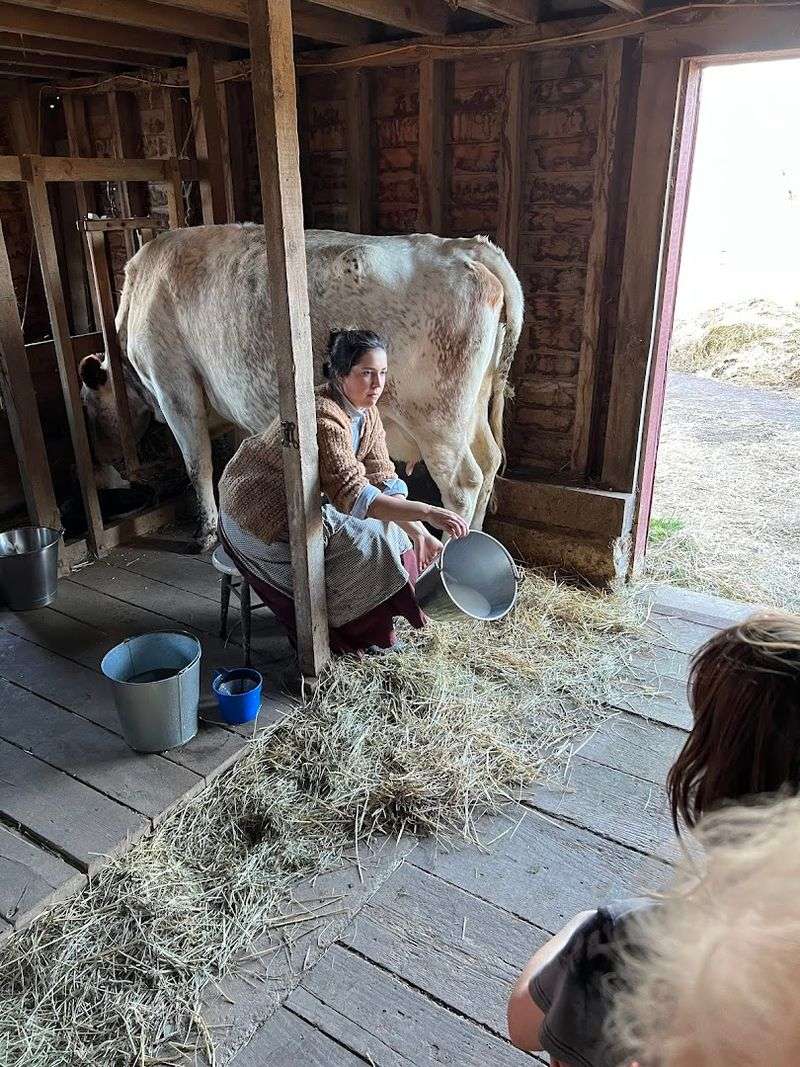
Ask anyone who has visited with young children and the animals will come up immediately. The farm is home to cows, horses, pigs, sheep, chickens, and roosters, all of which are well cared for and frequently visible to the public.
On most Saturdays, the barns are open and the animals are accessible, which means kids can get closer than they might expect.
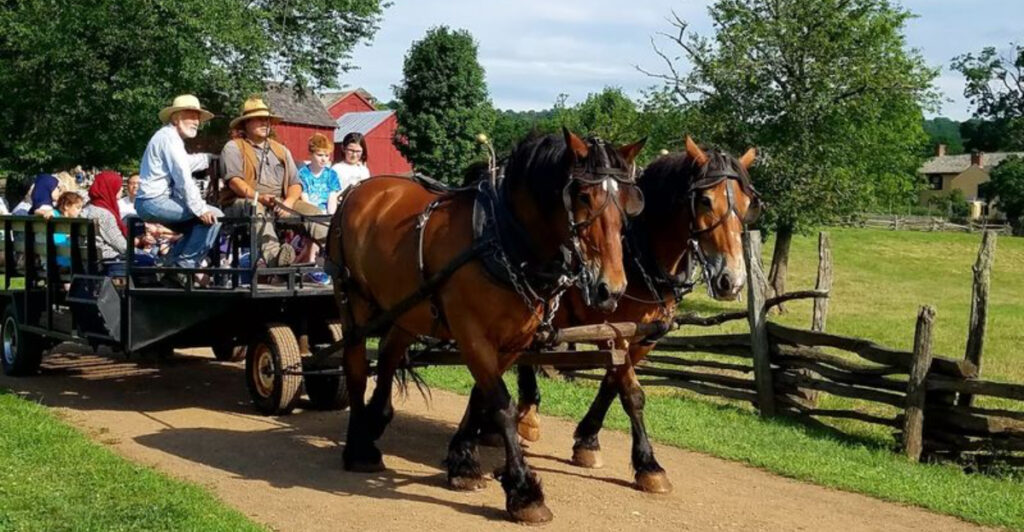
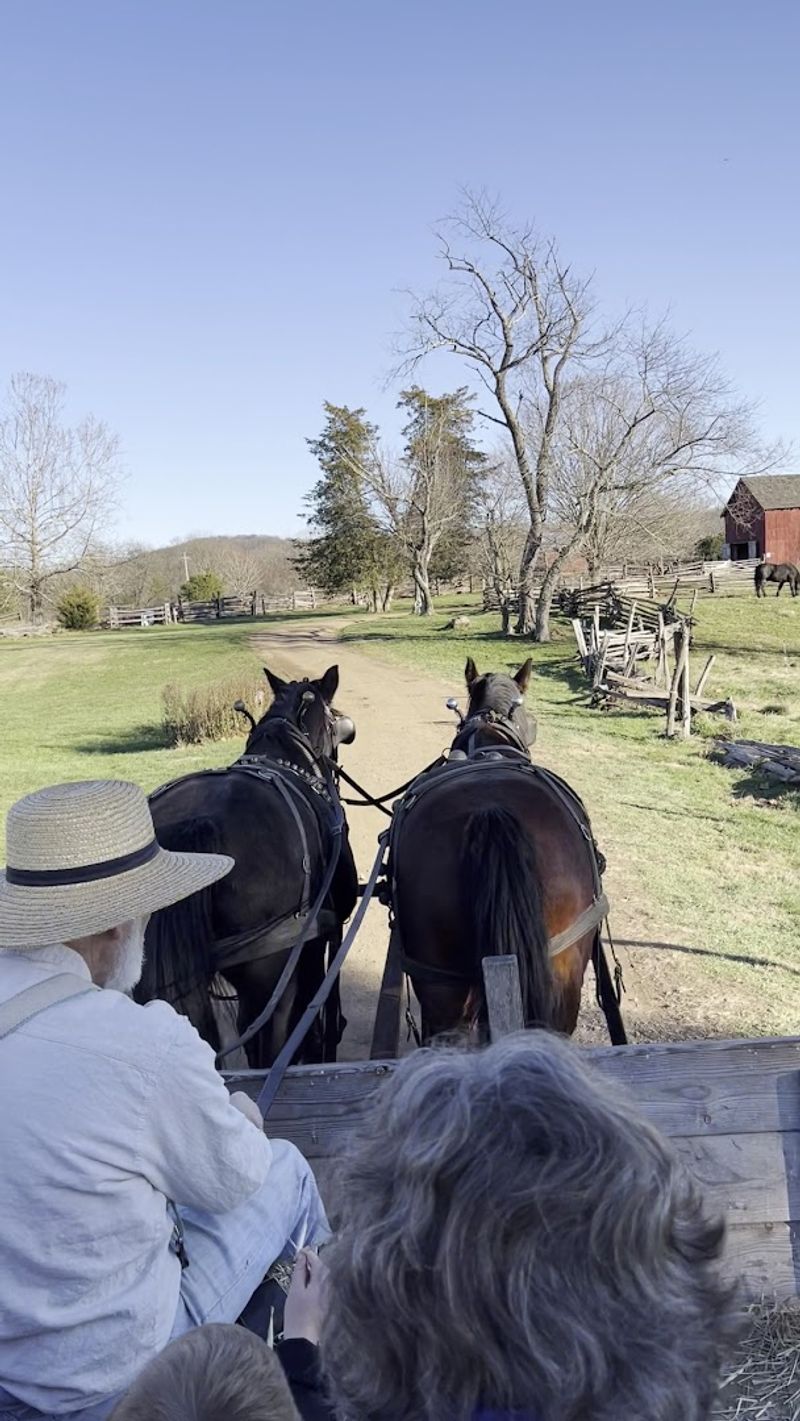
The horses here are working animals, not just display pieces. They pull wagons, assist with field work, and participate in seasonal demonstrations.
Watching a draft horse do its job gives children a concrete understanding of what farm power looked like before engines took over.
The sheep, pigs, and chickens each play their own role in the farm’s historical narrative, and the staff are ready to explain exactly what that role was in the context of a late 19th-century homestead. Few places make agricultural history this approachable and this genuinely engaging for all ages.
Saturday Is the Day to Show Up
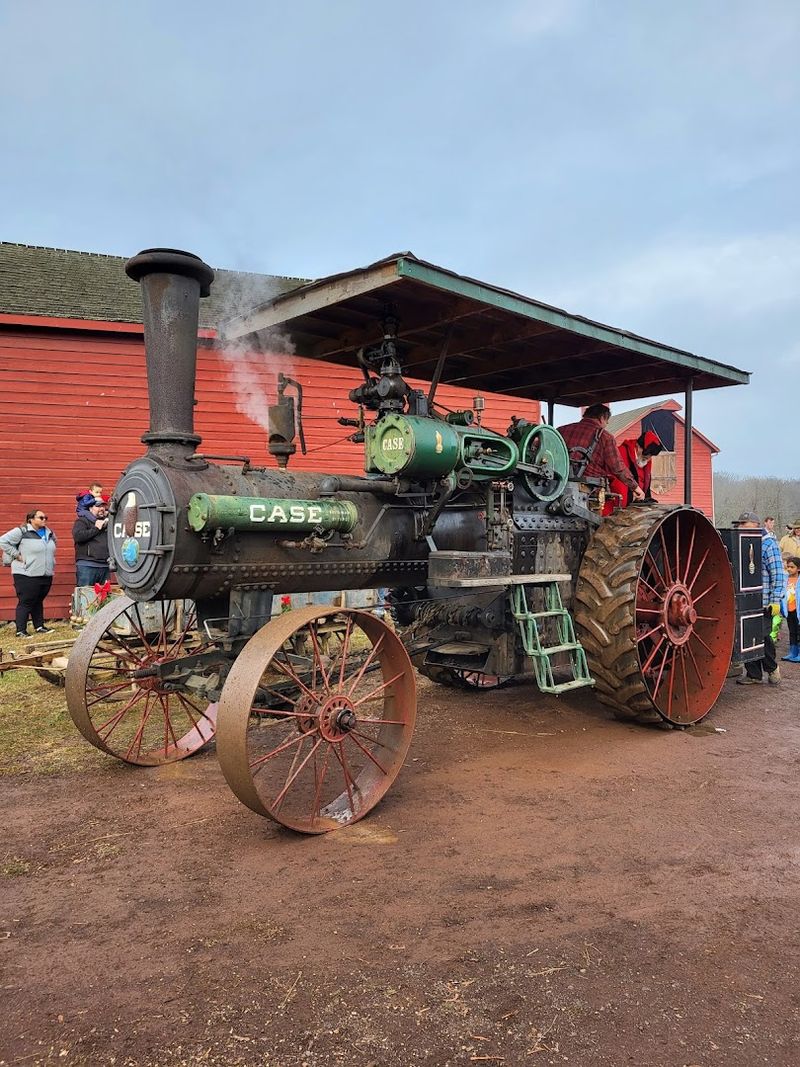
The farm is only open on Saturdays, from 10 AM to 4 PM, and that one day a week is packed with activity. Each Saturday features demonstrations and hands-on tasks tied to whatever is seasonally appropriate, which means the experience changes completely depending on when you visit.
In the colder months, visitors might watch ice harvesting, participate in maple syrup tapping, or observe how a 19th-century farm prepared for winter. Spring brings planting demonstrations and animal care activities.
Summer shifts into crop tending and early harvests, while fall brings corn picking, apple cider pressing, and other harvest-season traditions.
The farm’s approach to seasonal programming is one of its strongest qualities. Rather than offering the same experience every week, it mirrors the actual rhythm of agricultural life from over a century ago.
That means repeat visitors, and there are many, always have a reason to come back and find something new waiting for them.
Free Admission, Serious Education
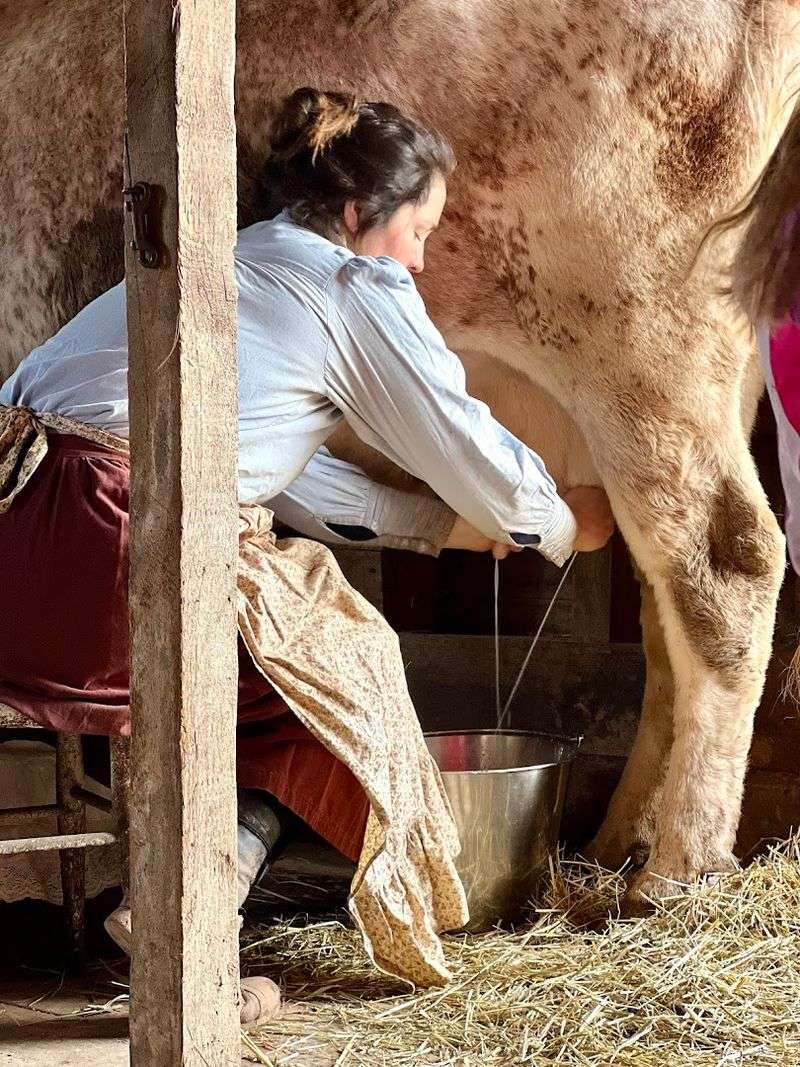
It costs nothing to walk through the gate at Howell Living History Farm, which makes it one of the most generous educational destinations in New Jersey. Parking is easy, the grounds are open, and families can explore at their own pace without worrying about a ticket counter.
That said, donations are welcomed and there is a gift shop where visitors can pick up locally made honey, farm-related items, and other small souvenirs. The donation jar sits quietly in the background, never pressuring anyone, which reflects the overall atmosphere of the place.
Schools regularly bring students here for field trips, and the educational value is hard to overstate. Children learn where food comes from, how animals were used as working partners, and what daily life looked like for rural families more than a century ago.
That kind of hands-on, real-world learning tends to land differently than a classroom lesson and stays with kids far longer.
The Farmhouse Tells Its Own Story
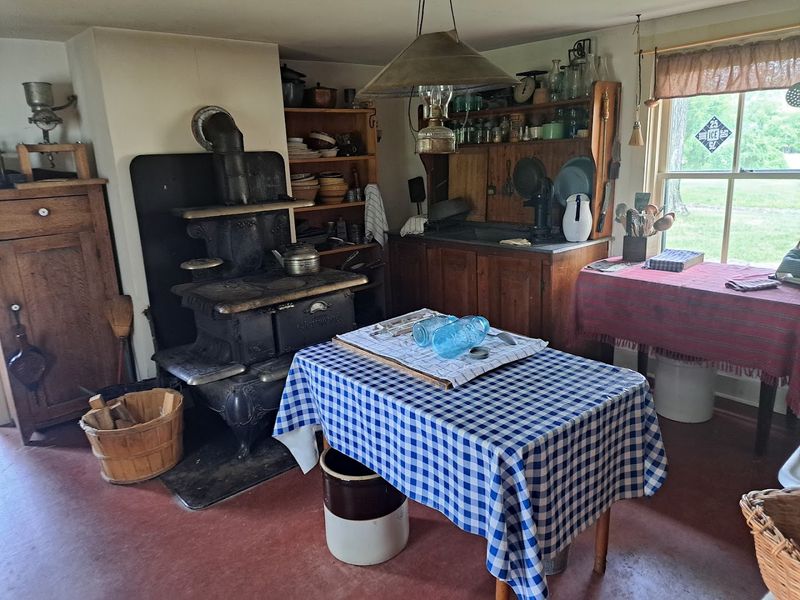
The farmhouse at Howell Living History Farm is open to visitors and offers a window into what domestic life looked like on a working farm in the late 19th century. The rooms are set up to reflect the period, with furniture, tools, and household items that would have been in use around 1890 to 1910.
Costumed staff members are often present in and around the farmhouse, ready to answer questions and explain the significance of what visitors are seeing. The kitchen, in particular, draws a lot of attention, since it operated without the modern conveniences that most people take for granted today.
Walking through the farmhouse connects the outdoor agricultural story to the domestic one, showing how the two were inseparable in rural life of that era. It adds depth to the visit and gives adults, not just children, a richer context for understanding what farming families actually experienced day to day during that period.
Costumed Staff Who Actually Know Their Stuff
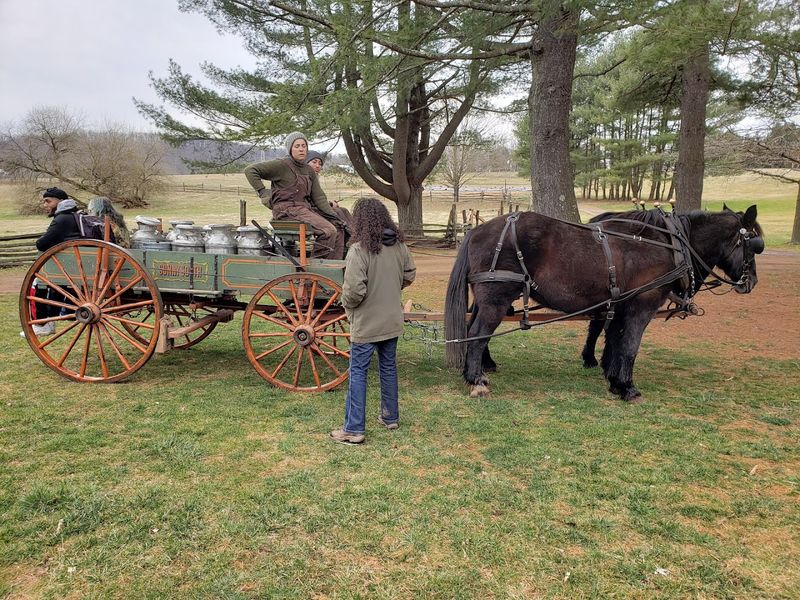
The staff and volunteers at Howell Living History Farm are not just wearing period costumes for effect. They are genuinely knowledgeable about the history, techniques, and daily realities of late 19th-century farm life, and they are enthusiastic about sharing what they know.
Guides lead visitors through the property, explain what is happening in the fields, introduce the animals, and demonstrate tasks like blacksmithing, baking, and crop processing. The blacksmith shop is a particular highlight, where metalworking happens in real time using traditional methods.
What makes the staff stand out is their willingness to engage with visitors of all ages and backgrounds. They answer questions thoroughly, invite participation where possible, and treat every interaction as an opportunity to make history feel relevant rather than distant.
The guides here have a way of turning what could be a passive tour into an actual conversation, which is exactly what a living history site should do.
Seasonal Events That Draw Crowds for Good Reason
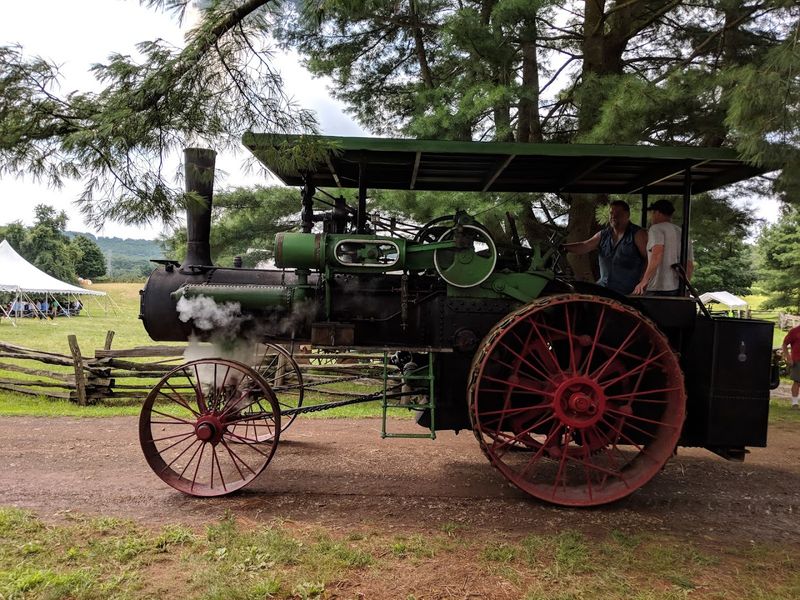
Beyond the regular Saturday programming, Howell Living History Farm hosts a lineup of special events throughout the year that consistently draw large and enthusiastic crowds. The Mercer County 4H Fair is one of the most popular, bringing together animals, demonstrations, tractor rides, live music, and homemade treats for a full day of community celebration.
Other events have included quilt shows in the main barn, baseball games played by 1900s rules, maple syrup programs with pancake sampling, and ice cream making using local milk and fresh peaches. Each event is designed to connect a specific historical practice to a hands-on experience that visitors can actually participate in rather than just observe.
The farm’s event calendar rewards people who check the website before visiting. Timing a trip around one of these special programs can transform a pleasant afternoon outing into a genuinely memorable experience that families talk about for a long time afterward.
The Gift Shop and Farm Cafe Are Worth a Stop
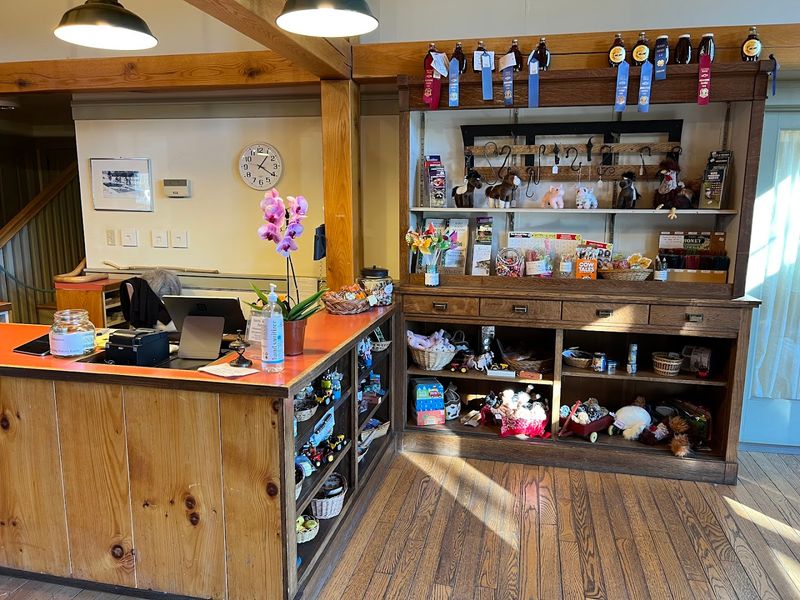
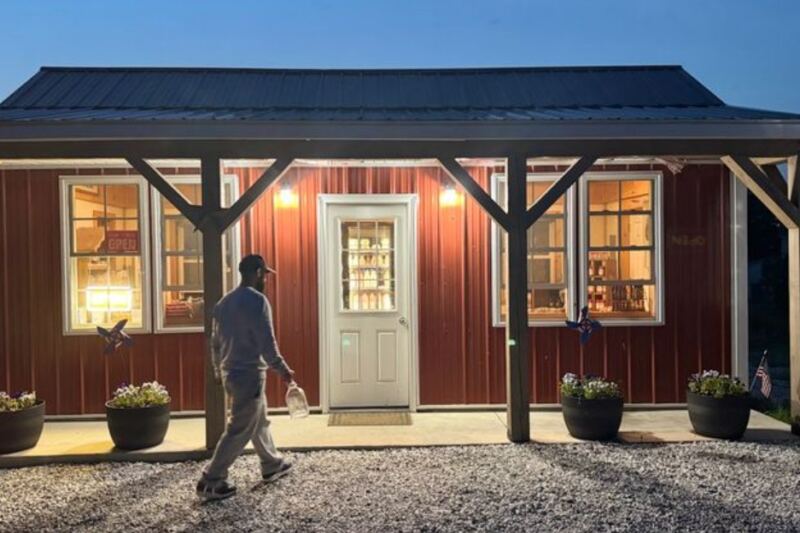
The gift shop at Howell Living History Farm is compact but thoughtfully stocked. Local honey is one of the most popular items, along with farm-related goods and small keepsakes that reflect the character of the place.
It is the kind of shop where everything feels like it actually belongs there.
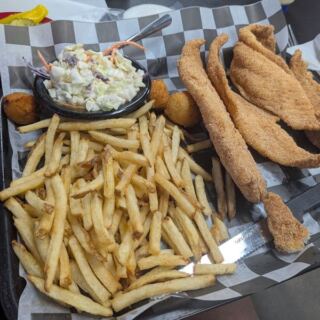
The farmhouse also serves as a spot for light refreshments, where visitors have found items like cornbread and seasonal baked goods available for a modest price. A small cafe area near the entrance has offered options like quiche, chowder, and bean salad, all made with locally sourced ingredients.
None of this is fancy, and that is entirely the point. The food and shop offerings feel consistent with the farm’s overall identity: honest, local, and rooted in tradition.
Picking up a jar of honey on the way out is a small but satisfying way to bring a piece of the farm experience home with you.
A Place Built for Kids But Loved by Adults
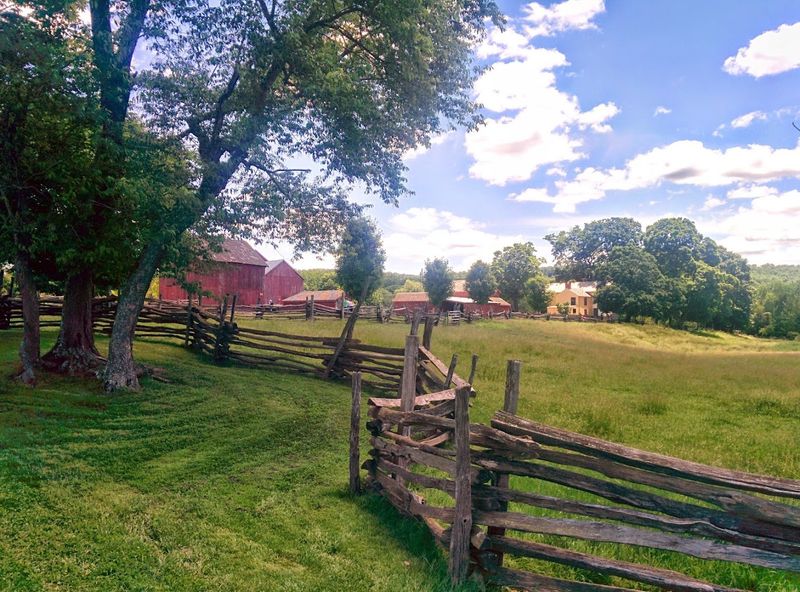
Howell Living History Farm is often described as a great destination for children, and it absolutely is. Kids can wander freely, get close to animals, watch demonstrations, and participate in hands-on activities without anyone hovering nervously over them.
The environment is open and relaxed in a way that makes parents comfortable and children curious.
What surprises many first-time adult visitors is how much they get out of the experience themselves. The farm offers a depth of historical context that holds up well beyond a child’s level of interest.
Adults who grew up in suburban or urban environments often find the farm genuinely eye-opening, even if they arrive expecting to just supervise their kids.
Grandparents, in particular, have found the farm to be a meaningful place to spend time with grandchildren. The shared experience of learning something real together, without screens or ticket lines, creates the kind of afternoon that tends to become a lasting family memory.
Ice Harvesting and Other Lost Arts
Before refrigerators existed, ice was harvested from frozen ponds in winter, stored in insulated icehouses, and used throughout the warmer months to preserve food. Howell Living History Farm demonstrates this process, and it is one of the more striking activities on the seasonal calendar.
Using large metal tongs to grip and move blocks of ice is the kind of physical task that immediately makes the past feel real. There is no passive observation happening here.
Participants understand, almost instantly, how much labor went into keeping food cold before modern technology made it effortless.
Other lost arts demonstrated at the farm include wheat threshing, maple syrup tapping, blacksmithing, and traditional baking. Each one tells a story about ingenuity and hard work that tends to resonate with people regardless of their age or background.
The farm has a talent for choosing demonstrations that are both historically significant and genuinely compelling to watch or try firsthand.
The Land Itself Is Worth Exploring
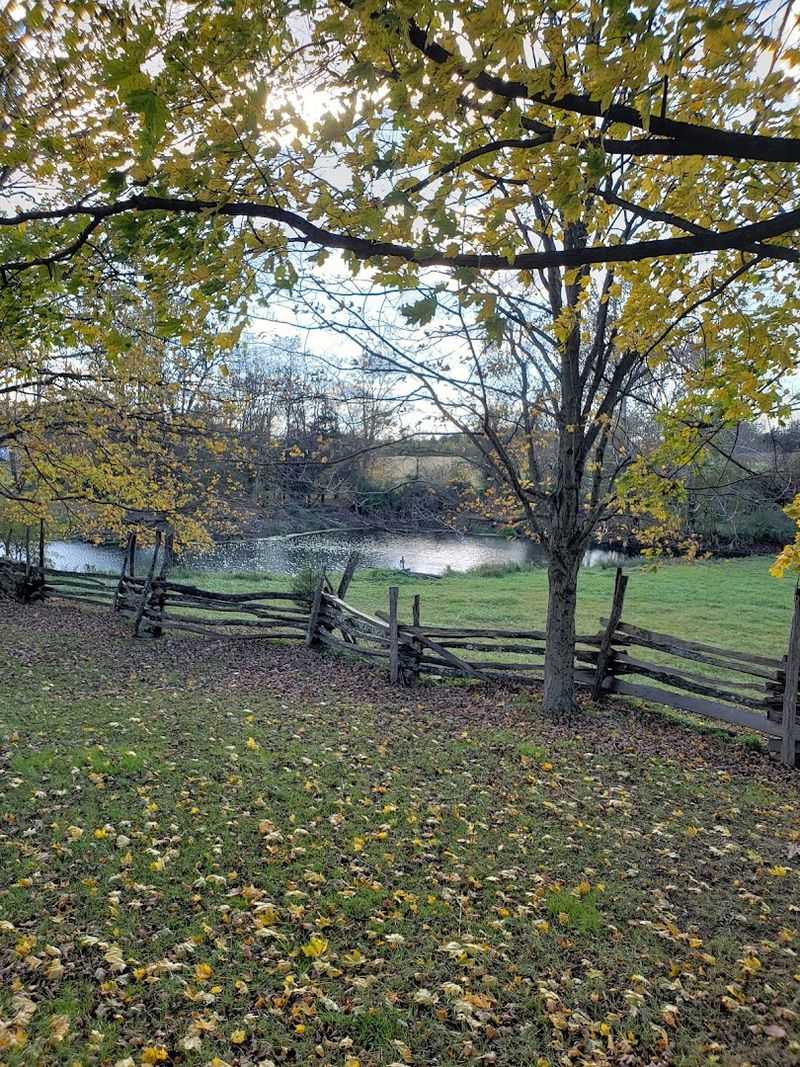
The property at Howell Living History Farm extends well beyond the barns and farmhouse. Walking trails loop around the perimeter of the land, passing through fields, along fences, and into quieter corners of the property that give visitors a chance to take in the landscape at their own pace.
The setting in Hunterdon County is genuinely appealing. Open fields, old wooden structures, and a working garden create a visual environment that feels worlds away from the surrounding suburbs and highways of central New Jersey.
A small creek runs through part of the property, and there are spots along the walking routes where families can stop and rest.
For those who want to extend the day outdoors, Baldpate Mountain Preserve is located nearby and offers hiking trails that pair well with a morning or afternoon at the farm. The combination of historical exploration and a nature walk makes for a well-rounded and satisfying outing for almost any group.
Produce That Goes Back to the Community
One of the quieter but most meaningful aspects of Howell Living History Farm is what happens to the food it grows. The farm produces a significant amount of fresh vegetables and other crops using techniques from the 1890 to 1910 era, and much of that produce is donated to organizations working to reduce food insecurity in the region.
That connection between historical farming methods and present-day community need gives the farm a dimension that most museums simply do not have. The work being done here is not just educational.
It is functional, and it benefits real people outside the farm’s gates.
Programs like Rutgers Against Hunger have been associated with the farm’s donation efforts, and visitors occasionally have the chance to contribute non-perishable food items during special events. Knowing that a Saturday morning spent learning about 19th-century agriculture is also connected to feeding people in need today adds a layer of purpose to the whole experience.
Why This Farm Keeps Bringing People Back
Plenty of destinations are worth visiting once. Howell Living History Farm is the kind of place that earns repeat visits.
Families have been coming back year after year, sometimes for six years or more, and they consistently report finding something new each time. That is a direct result of the seasonal programming model, which ensures the farm never offers exactly the same experience twice.
The combination of free admission, knowledgeable staff, hands-on activities, well-cared-for animals, and a rotating calendar of events creates a value proposition that is genuinely hard to beat anywhere in New Jersey. The farm is not trying to compete with amusement parks or flashy attractions.
It is offering something quieter and more lasting.
For anyone within driving distance of Lambertville, a Saturday morning at Howell Living History Farm is time well spent. Check the schedule at howellfarm.org before heading out, wear comfortable shoes, and plan to stay longer than expected because that is almost always what ends up happening.
Where History Literally Lives and Breathes
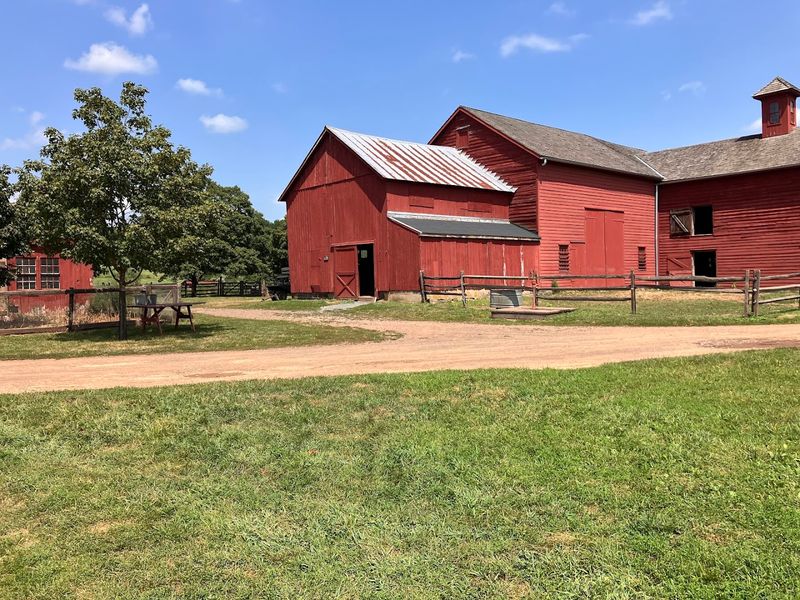
Most history museums ask you to look but not touch. This one asks you to roll up your sleeves.
Howell Living History Farm, located at 70 Woodens Ln, Lambertville, NJ 08530, sits in the rolling countryside of Hunterdon County and operates as a living agricultural museum dedicated to farm life between roughly 1890 and 1910.
The farm is run by Mercer County and covers a substantial stretch of land that includes working fields, historic barns, animal pastures, and a farmhouse that visitors can actually walk through. The mission here is straightforward: show people how farming worked before electricity and modern machinery changed everything.
What sets this place apart from a typical outdoor museum is that the work never stops. Crops get planted, animals get fed, and seasonal tasks get completed the old-fashioned way, all year long.
The farm is open on Saturdays from 10 AM to 4 PM.
Share this story