There is a building in a small Oklahoma city that looks like it was pulled straight out of a medieval fairy tale, and yet it has a very real and fascinating history rooted in American railroading. With its turrets, stone-like facade, and commanding presence, this depot turns heads every single time.
Most people drive past and do a double take, wondering if they somehow ended up in the wrong century. Once you learn what is inside and how this place shaped an entire community, you will want to clear your Saturday morning schedule and make the trip yourself.
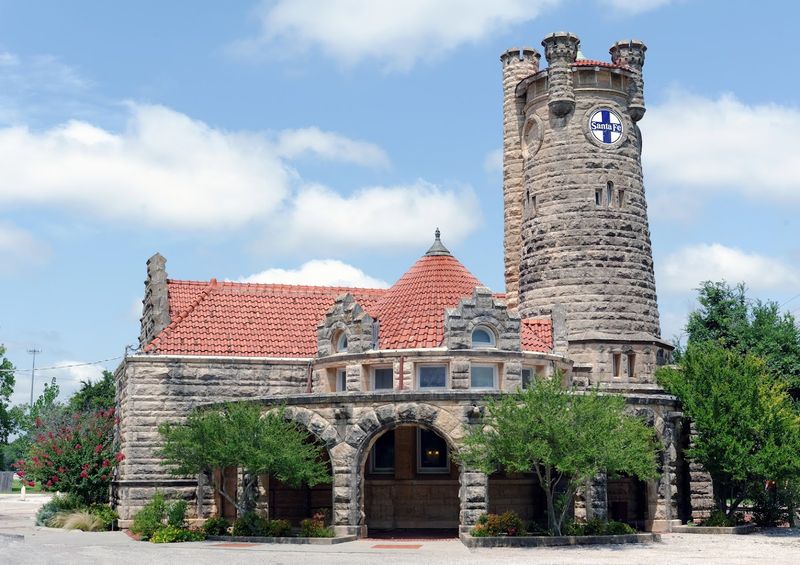
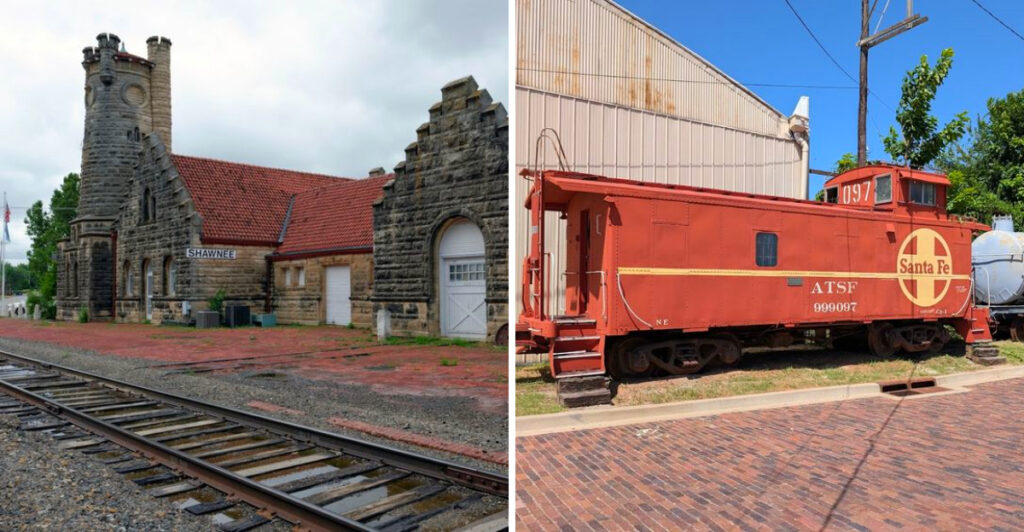
The Santa Fe Depot at 207 N Minnesota Ave, Shawnee, OK 74801 is not your average train station. From the outside, the building carries a striking architectural character that sets it apart from nearly every other depot in the state of Oklahoma.
The thick walls, rounded tower elements, and carefully crafted stonework give it a fortress-like quality that feels almost theatrical against the flat plains landscape surrounding it. It is the kind of building that makes you stop mid-sentence and just stare for a moment.
Built in the early twentieth century as part of the Atchison, Topeka and Santa Fe Railway network, the depot served as a critical transportation hub for Shawnee and the broader Pottawatomie County region. Travelers, goods, and stories all passed through its doors during the height of the railroad era.
Today, the building houses the Pottawatomie County Museum, which preserves and celebrates the rich history of this part of Oklahoma. The address is easy to find, and free parking nearby makes the visit entirely stress-free from the moment you arrive.
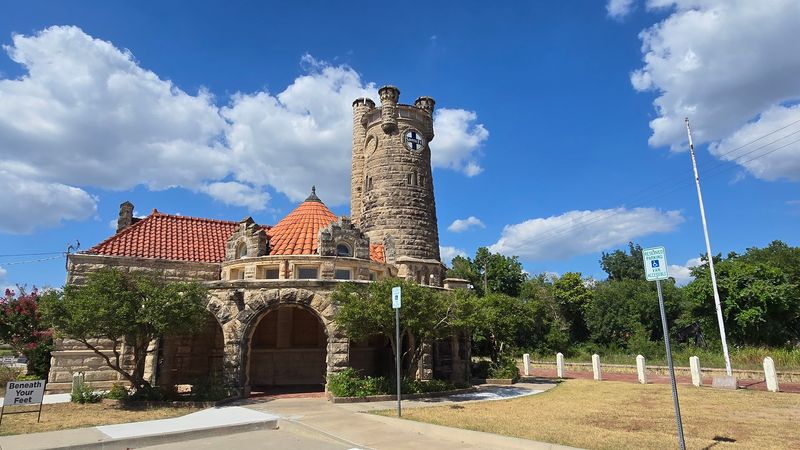
Few train depots in the entire country can claim a design that genuinely resembles a medieval castle, but this one earns that description honestly. The rounded turret rising from the corner of the building is the first thing most visitors notice, and it anchors the whole structure with an unexpected sense of grandeur.
The exterior features heavy masonry work with a rough-cut stone texture that gives the walls real visual weight. Arched window openings and decorative brickwork add to the layered, almost fortress-like character of the facade.
Architects working for the Santa Fe Railway during this era often built stations with regional flair and lasting materials, and this Shawnee depot is one of their more memorable efforts. The building was designed to impress arriving passengers and signal that this was a town worth stopping in.
That impression has not faded one bit over the decades. Visitors today frequently comment that the exterior looks much like a castle, and standing in front of it on a clear morning, it is honestly hard to argue with that assessment.
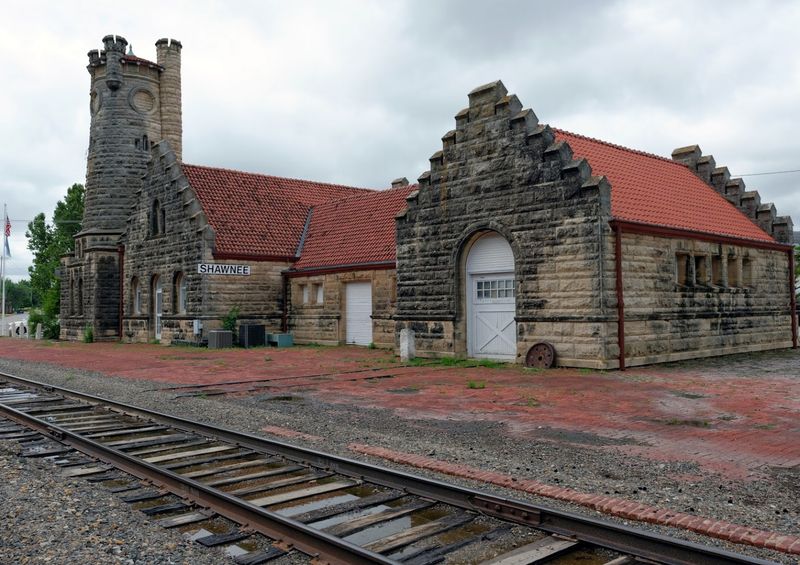
When the railroad era wound down and the depot no longer served as an active passenger station, the building could have easily been forgotten or demolished. Instead, the community found a new and meaningful purpose for it.
The Pottawatomie County Museum now calls the depot home, filling its rooms with carefully organized artifacts, photographs, documents, and exhibits that trace the history of the region from its earliest days through the twentieth century.
The transition from working depot to history museum was a natural one in many ways. The building had always been a place where stories arrived and departed, and now it simply holds onto them permanently instead of letting them pass through.
The museum maintains a spotless interior that feels bright and welcoming the moment you walk in. Displays are thoughtfully arranged so that visitors can move through the space at their own pace without feeling rushed or overwhelmed.
Every corner of the building seems to hold something worth pausing over, whether it is an old photograph of downtown Shawnee or a piece of equipment that once belonged to an early Oklahoma settler.
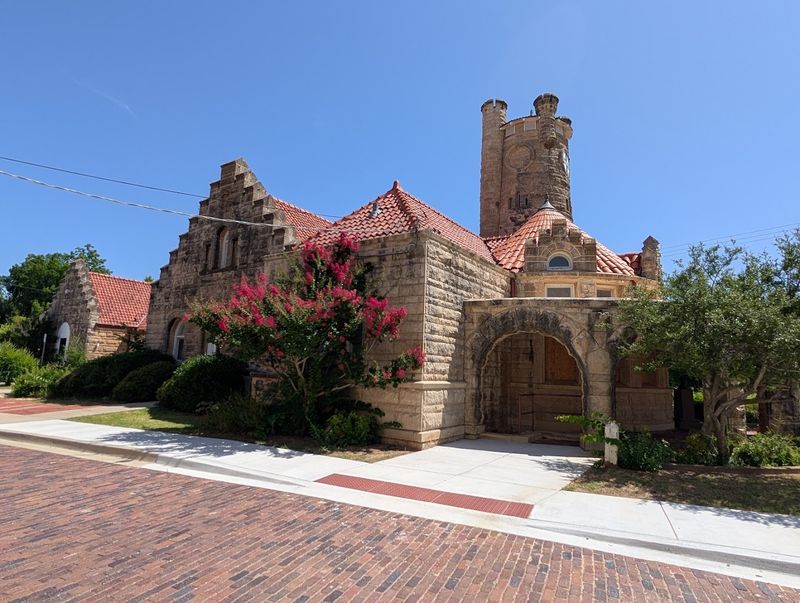
Most people show up expecting a typical small-town history museum, and then they discover the genealogy collection and completely lose track of time. The museum houses an impressively thorough genealogy research resource that draws family historians from well beyond Pottawatomie County.
Materials are scanned and organized into folders sorted by family name, making it possible to trace local lineages with a level of detail that rivals much larger institutions. The staff knowledge is encyclopedic, and they approach every research request with genuine enthusiasm.
Visitors researching their own family trees have found previously unknown photographs, hotel records, land documents, and personal histories tucked away in this collection. The depth of material available here is genuinely surprising for a museum of this size.
What makes the experience feel special is not just the archive itself but the human element behind it. The staff members are warm, patient, and clearly invested in helping each visitor find what they came looking for.
Whether you have deep roots in Shawnee or are simply curious about Oklahoma history, the genealogy section alone makes a visit here worth planning in advance.
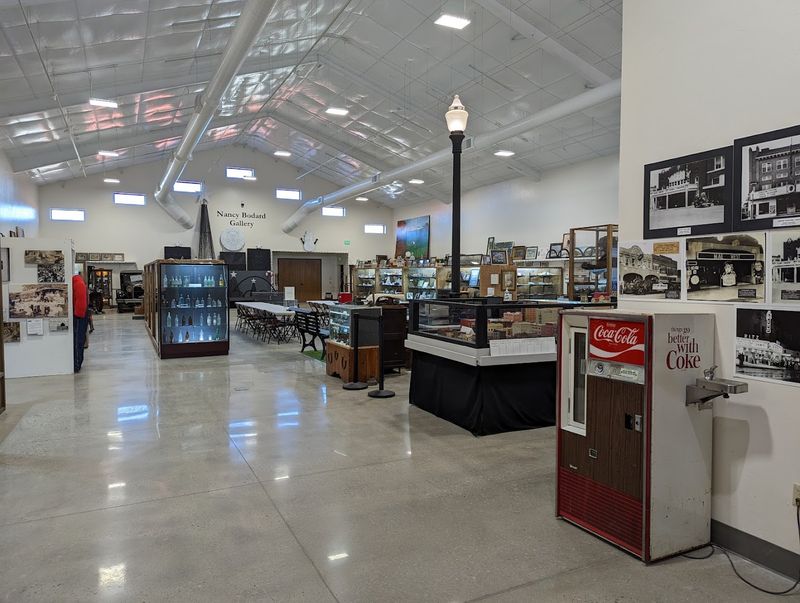
The museum packs an impressive variety of historical content into a relatively compact space, and the range of subjects covered keeps the experience moving at a lively pace. Military history takes up a notable portion of the collection, with World War I and World War II exhibits featuring photographs, personal articles, and regimental memorabilia from local servicemen.
Native American artifacts and cultural items are also prominently displayed, reflecting the deep Indigenous history of this part of Oklahoma. The Pottawatomie people, for whom the county is named, are represented with respect and care throughout the collection.
Agricultural history gets its share of attention too, with tools and equipment that tell the story of how early settlers worked the land across this region. There are also exhibits dedicated to famous Oklahomans and to the founding years of Shawnee itself.
The first house ever built in Shawnee is documented here with photographs and records that give visitors a tangible connection to the city’s origins. Every display feels purposeful, and nothing seems thrown in just to fill space.
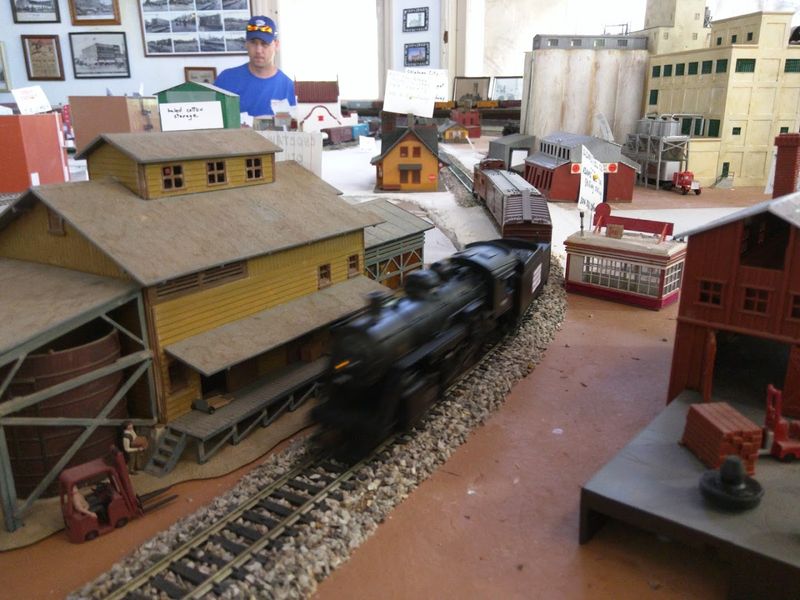
Not every history museum manages to keep younger visitors genuinely entertained, but this one has cracked the code with its interactive train section. Kids can actually run the trains themselves, which turns what might otherwise be a quiet museum visit into an event they will talk about on the drive home.
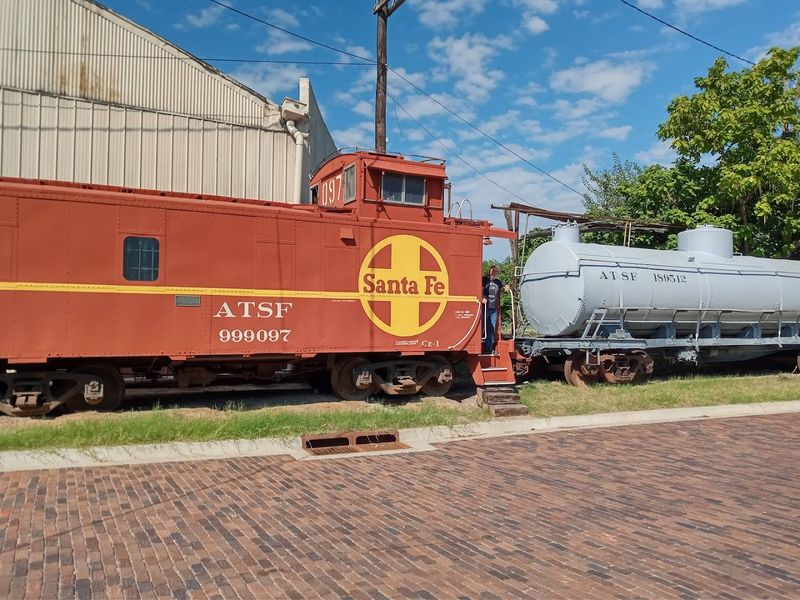
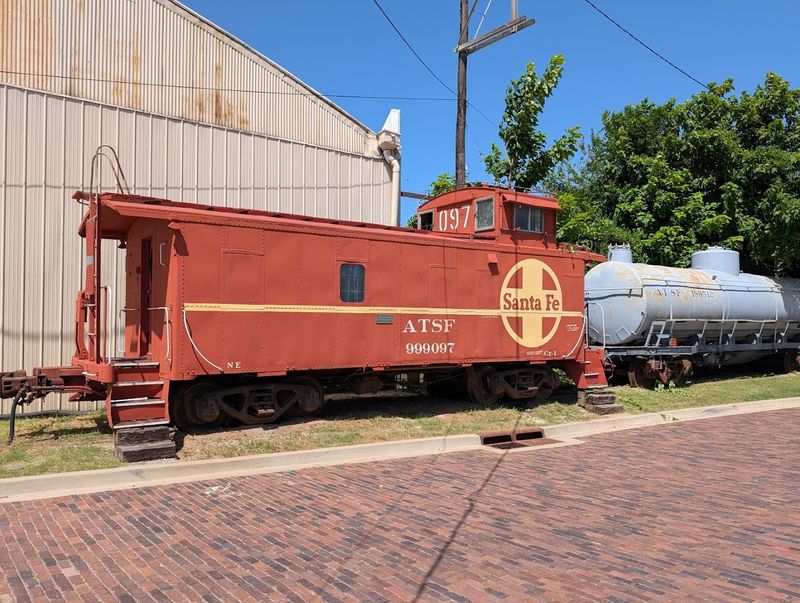
The train displays pay a small but meaningful tribute to the building’s original purpose as a working railroad depot. Having hands-on train activities inside an actual historic station adds a layer of authenticity that a standalone children’s museum simply cannot replicate.
Parents have noted that the section is well-supervised and that the setup is sturdy enough to handle enthusiastic young visitors without causing worry. The rest of the museum remains calm and accessible for adults who want to explore at their own pace while kids enjoy the interactive area.
There is also reportedly a stuffed bear on display that has startled more than one unsuspecting visitor, and it has become something of an unofficial mascot for the museum experience.
Family visits here tend to run longer than planned, which is generally a very good sign for any attraction.
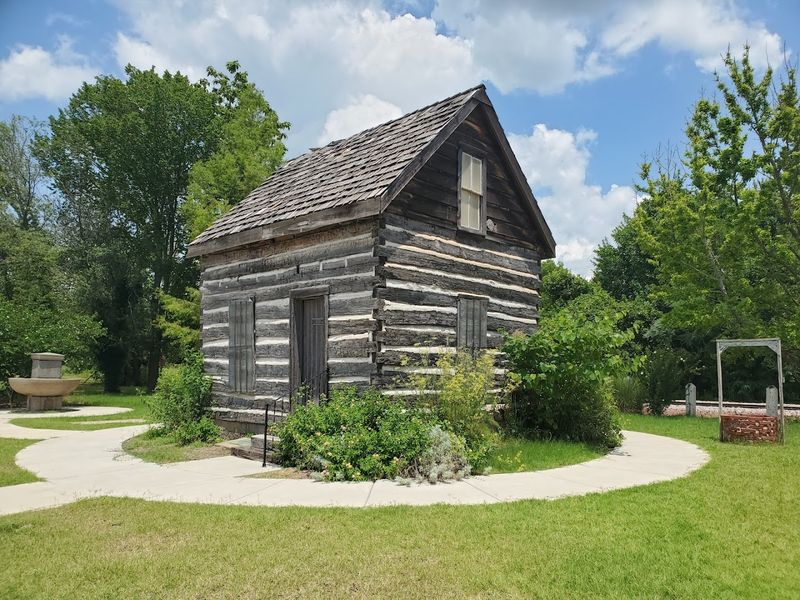
The museum experience extends well beyond the depot building itself, and the outdoor grounds hold their own historical treasures worth exploring. The Beard Cabin is one of the highlights, a genuine piece of early Oklahoma pioneer history that can be toured with a guide available on site.
Having an actual historic cabin on the property gives the museum a living quality that flat exhibits and photographs alone cannot fully deliver. Visitors can step up close to the structure and get a sense of what early domestic life in this part of the country actually looked like.
The grounds themselves are well-kept and pleasant to walk through, especially during seasonal events when the space is decorated and animated with activity. The winter festival held around Christmas has drawn families looking for a fun, affordable, and genuinely memorable outing.
A guided tour of both the Beard Cabin and the actual train depot is available for those who want a more structured experience with historical context provided along the way. These guided sessions tend to reveal details and stories that casual self-guided visitors might easily walk past without noticing.
One of the things that becomes obvious very quickly during a visit here is that the people of Shawnee are genuinely proud of this place and what it represents. The museum is not just maintained, it is cherished, and that feeling comes through in every carefully labeled artifact and every conversation with a staff member.
The building is kept spotless, which might sound like a small detail but is actually quite rare in older facilities that often struggle with the musty, neglected atmosphere that tends to creep into historic spaces over time. Here, everything feels cared for and current.
The museum also serves as a community gathering space, with a conference room available for rent by local organizations. That dual function keeps the building active and connected to the living community rather than existing purely as a preserved relic.
Local pride in this Oklahoma institution shows up in practical ways, from the quality of the displays to the responsiveness of the staff to the consistently high ratings the museum has earned from visitors over the years.
A place this well-loved by its own community tends to treat visiting strangers with the same warmth it shows its neighbors.
Getting the logistics right before you go makes the whole experience smoother, so here is what you need to know. The museum is open Tuesday through Friday from 10 AM to noon, and on Saturday from 10 AM to noon as well.
Sunday and Monday are closed, so plan accordingly.
The admission cost is refreshingly low, historically just a couple of dollars per person, which makes it one of the better value outings available anywhere in the region. The low price point means families can visit without any budget stress, which is always a welcome thing.
The phone number for the museum is 405-275-8412, and the website at pottcountymuseum.org can provide updated information on events, seasonal hours, and any special programming. Checking ahead is a good habit since small museums occasionally adjust their schedules.
Parking is accessible near the depot, and the building itself is designed to allow easy movement through the displays. The museum does not require a long block of time to enjoy, though most visitors end up staying longer than they originally planned once they start exploring the collection.
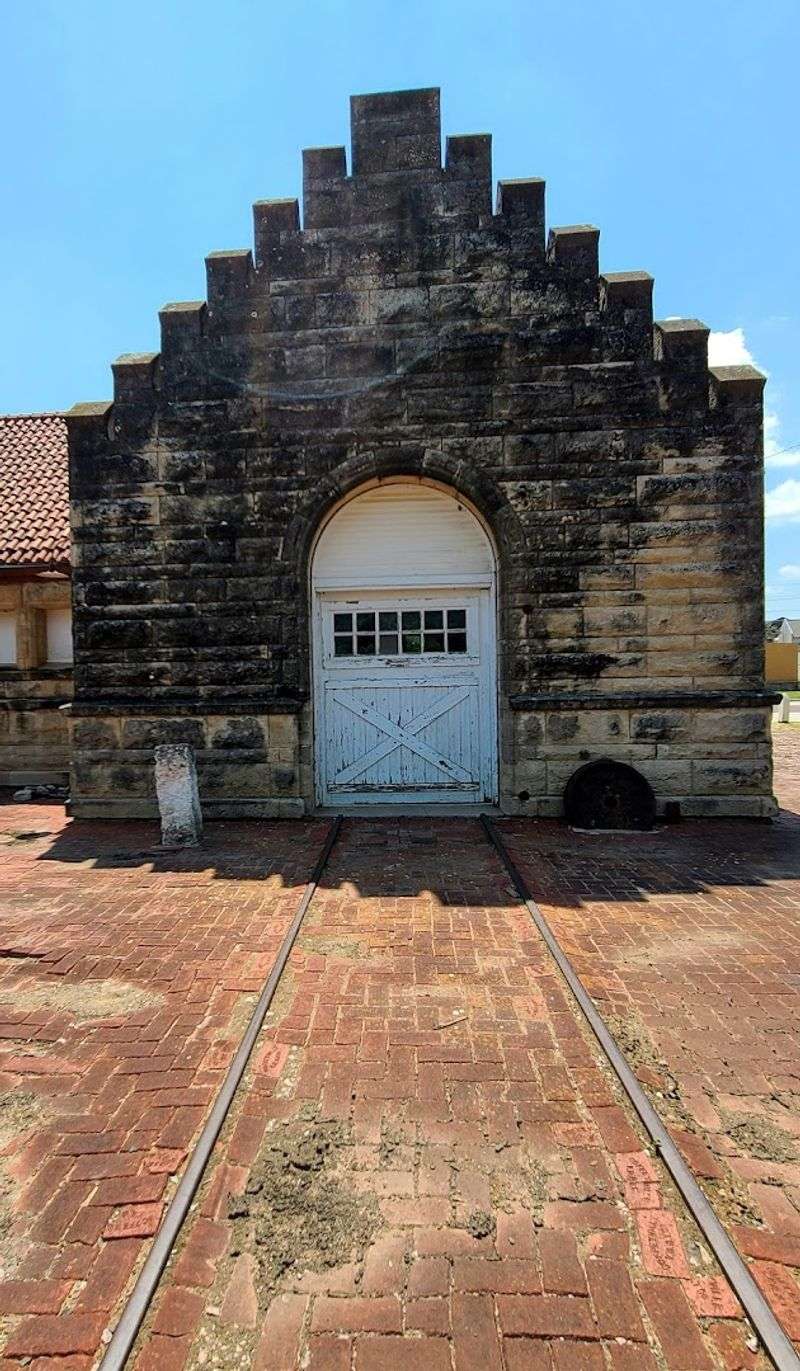
Minnesota Avenue in Shawnee is not a street that typically shows up on travel itineraries, but it absolutely should be on the radar of anyone passing through central Oklahoma. The depot building anchors this stretch of the avenue with a presence that feels both historic and alive.
The surrounding area has its own quiet charm, and the depot fits naturally into the fabric of downtown Shawnee without feeling like an isolated museum piece dropped in from somewhere else. It belongs here, and you can feel that sense of rootedness the moment you approach it.
Geocaching enthusiasts have noted that the area around the depot offers several cache opportunities, which adds a fun extra layer of activity for visitors who enjoy that hobby. It turns a museum stop into a small adventure that can fill an entire morning with purpose.
The depot’s location in Shawnee also puts it within reasonable driving distance of other central Oklahoma attractions, making it a natural anchor point for a day of regional exploration. Starting your morning here, surrounded by castle walls that once echoed with train whistles, sets a genuinely memorable tone for whatever comes next.
There are plenty of history museums scattered across Oklahoma, but very few of them are housed in a building that commands attention the way this depot does before you even walk through the door. The architecture alone earns a visit, and the contents inside make that visit genuinely worthwhile.
The combination of a stunning historic building, a well-curated collection, knowledgeable staff, family-friendly interactive elements, and one of the better genealogy resources in the state is a lineup that most institutions would envy. All of it is available here in a compact, accessible package.
Visitors who have returned multiple times consistently mention that they find something new on each visit, which speaks to the depth and variety of the collection. A museum that rewards repeat visits is a museum doing something right.
The depot has survived floods, the decline of the railroad industry, and the general passage of time, and it still stands on Minnesota Avenue looking every bit as impressive as it must have on the day it first opened. That kind of staying power is not accidental, and this Oklahoma treasure deserves every bit of recognition it receives.
Share this story