There is a place in southern Oklahoma where 14,000 years of history unfold across beautifully designed exhibit halls, a welcoming cafe, and interactive demonstrations that bring an entire civilization to life. I had no idea what to expect when I first pulled off the highway near Calera, but what I found completely rewired my understanding of Native American heritage.
The Choctaw Cultural Center is not a dusty archive or a sleepy roadside attraction. It is a living, breathing institution that treats every visitor as a guest worth impressing, and trust me, it delivers on that promise in ways you will keep thinking about long after you drive home.
Finding the Place: Address, Location, and First Impressions
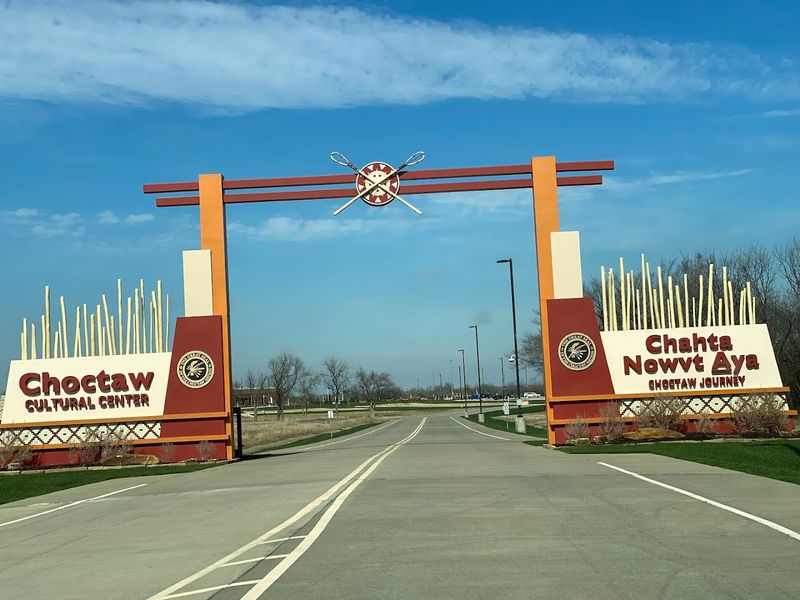
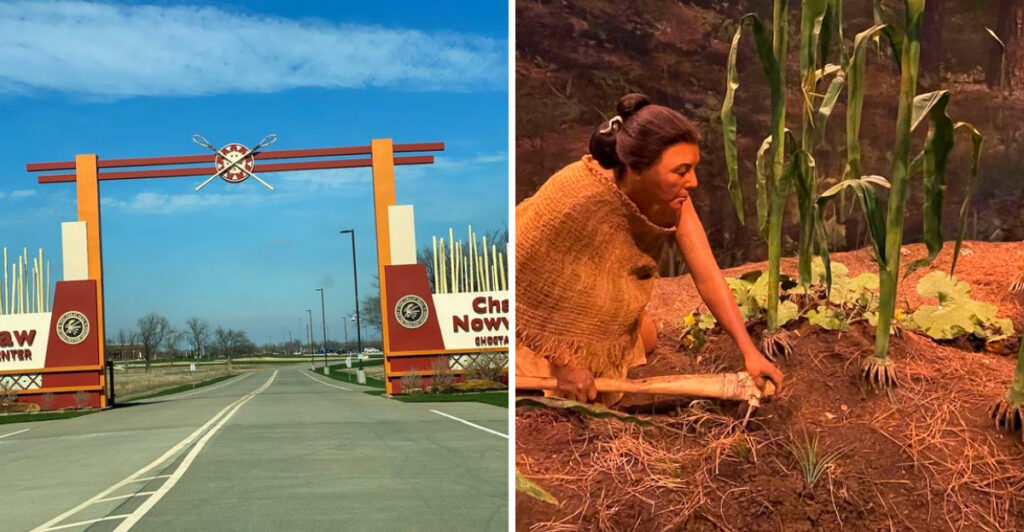
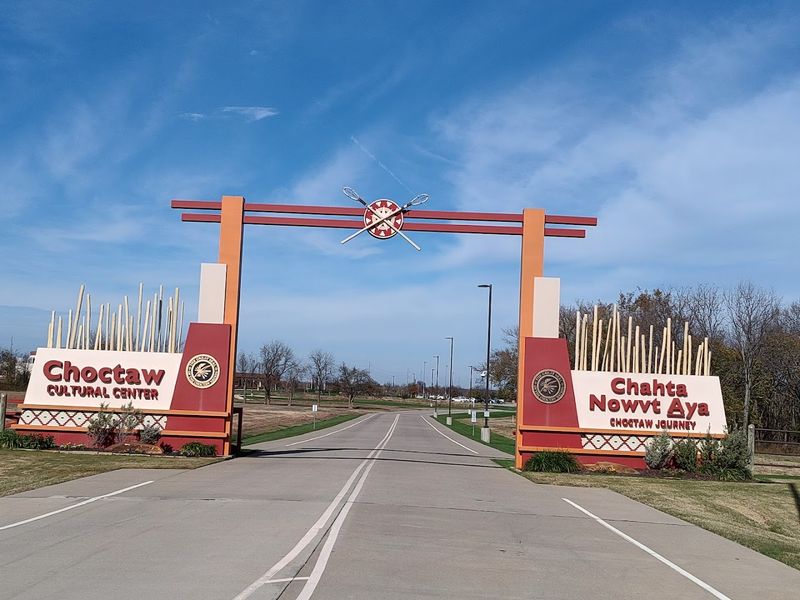
The Choctaw Cultural Center sits at 1919 Hina Hanta Wy Suite A, Calera, OK 74730, tucked into the rolling landscape of southern Oklahoma just a short drive from Durant. The building itself stops you in your tracks before you even reach the front door.
The architecture blends contemporary design with cultural references, and the landscaping around the exterior is immaculate. Nothing about this place looks rushed or accidental.
Every detail, from the signage to the parking area, signals that someone put serious thought into how visitors would feel arriving here.
The moment I walked through the entrance, a staff member greeted me warmly in the Choctaw language. “Halito” means hello, and hearing it spoken with genuine pride set the tone for everything that followed. The building is spotless, the lighting is thoughtful, and the air carries a quiet energy that makes you want to slow down and pay attention.
For anyone driving through the area, the center is easy to find and well worth the detour. First impressions here do not disappoint, and that clean, welcoming atmosphere stays consistent throughout your entire visit.
14,000 Years on Display: The Main Exhibit Journey
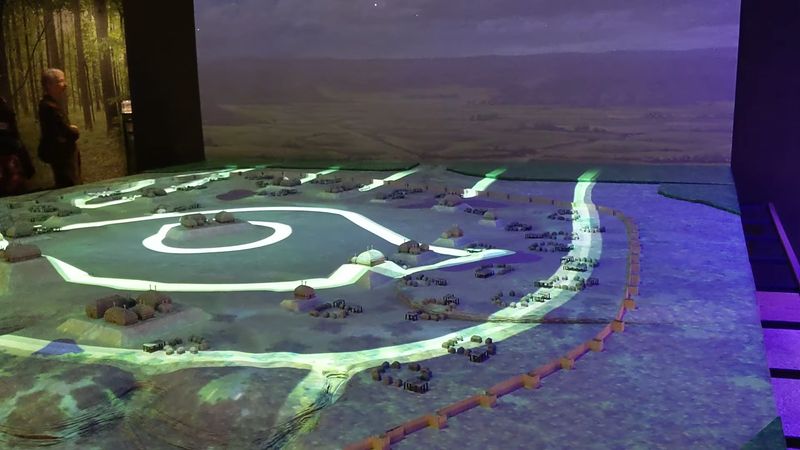
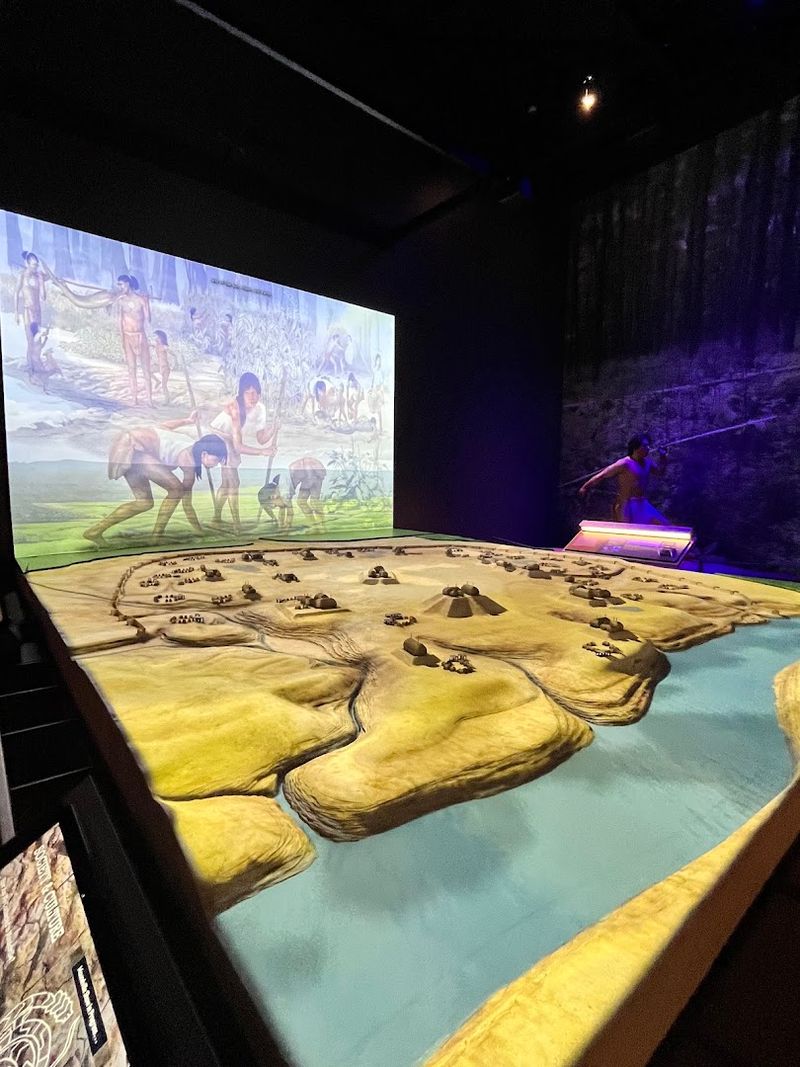
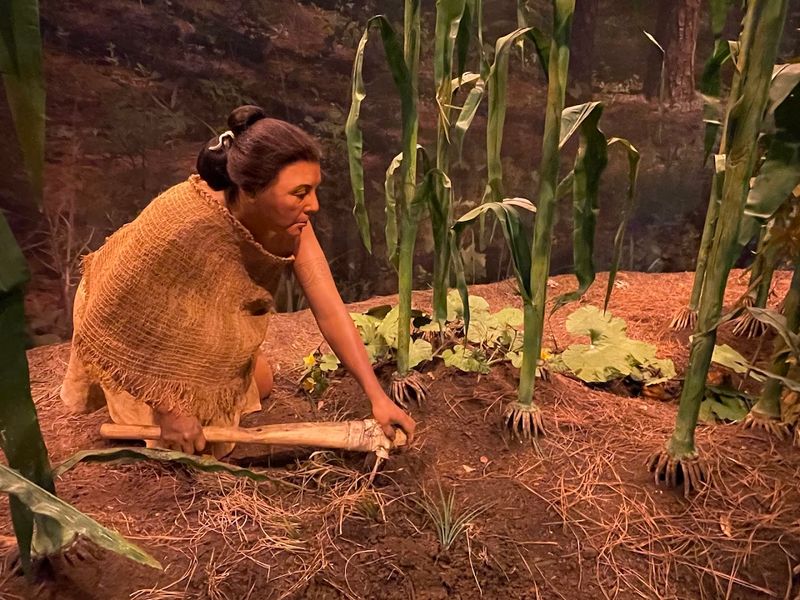
The main exhibit at the Choctaw Cultural Center is genuinely one of the most well-constructed museum experiences I have encountered anywhere in the United States. It traces the story of the Choctaw people from their earliest origins through thousands of years of culture, survival, and transformation.
The timeline stretches back approximately 14,000 years, and the displays are arranged so that the narrative flows naturally from one era to the next. Themed rooms use sound design, lighting, and interactive elements to pull you deeper into each chapter of the story.
Nothing feels like filler.
Films play throughout the exhibit, and I found myself stopping to watch several of them in full rather than moving on. The storytelling is engaging rather than clinical, and the information is presented at a level that works for both adults and younger visitors.
My family and I genuinely could not finish the entire exhibit in a single afternoon.
Arriving early is a smart move because there is simply too much to absorb in a quick pass-through. The richness of this exhibit rewards the visitors who give it the time it deserves, and that time flies by faster than you would expect.
The Trail of Tears: Honoring a Chapter That Cannot Be Forgotten
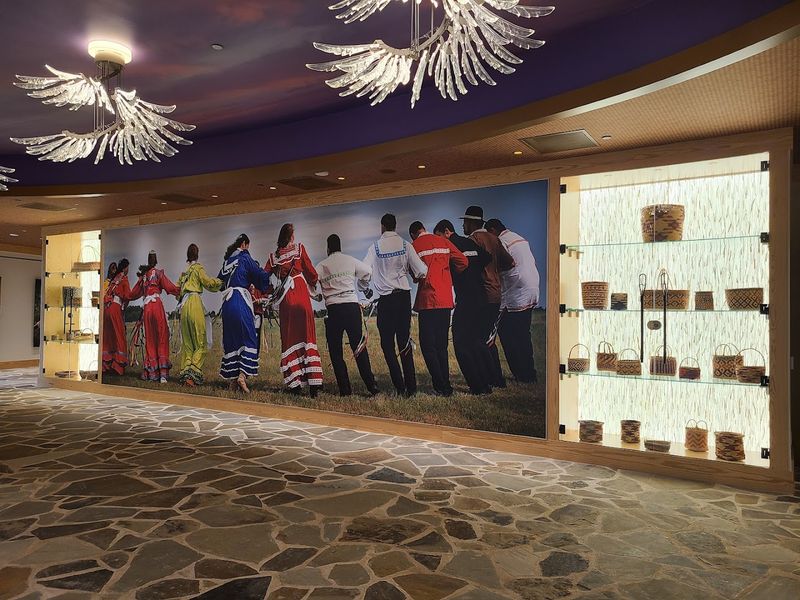
One of the most powerful sections inside the cultural center focuses on the Trail of Tears, the forced removal of the Choctaw Nation from their ancestral homelands in the early 19th century. The exhibit handles this history with honesty, depth, and a deep sense of respect for those who endured it.
The displays do not shy away from the hardship involved, but they also center the resilience and identity of the Choctaw people rather than reducing the story to suffering alone. Reading through the accounts and studying the maps of the removal routes gave me a much fuller picture of what that chapter of American history actually meant on a human level.
Several visitors around me paused for long stretches at this section, and the silence felt appropriate. There is something about seeing this history documented so carefully and presented so honestly that earns a different kind of attention than a typical museum panel.
For Choctaw descendants visiting the center, this section carries a weight that is deeply personal. For everyone else, it is a necessary and humbling reminder that history is not an abstraction but a lived experience with real consequences that echo into the present day.
Champuli Cafe: Native American Food Worth the Trip Alone
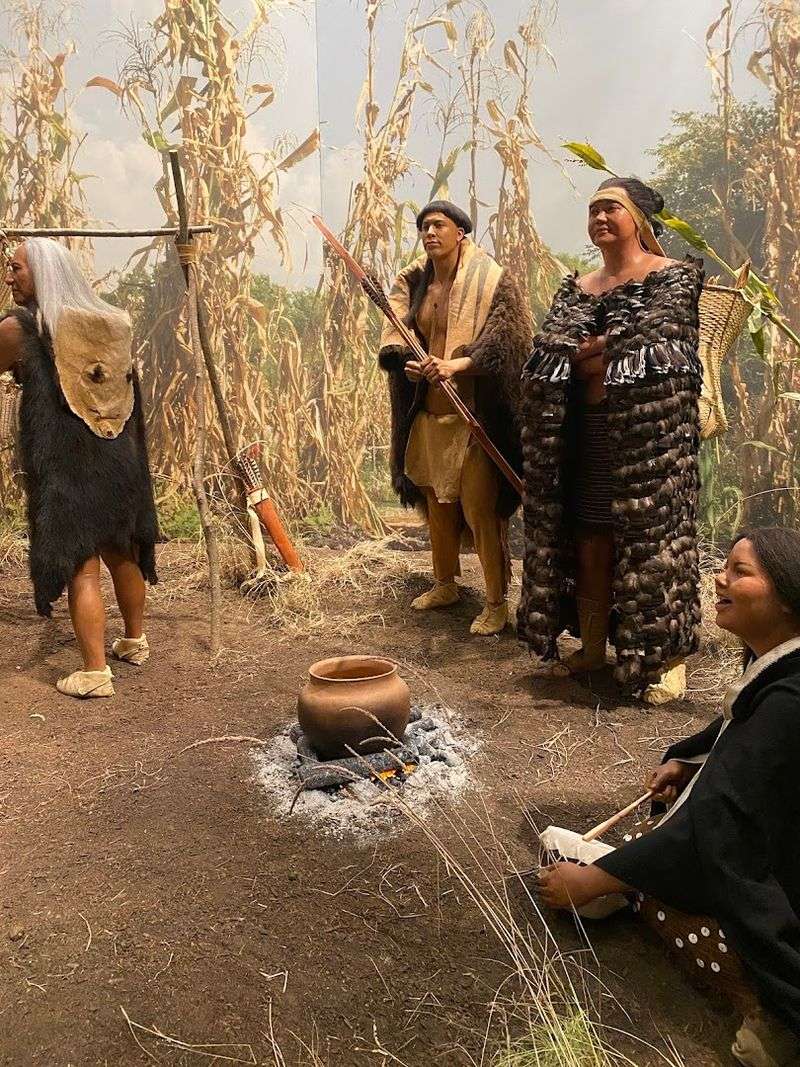
Honest confession: the cafe nearly stole the show for me. Champuli Cafe, located inside the cultural center, serves Native American cuisine that feels both authentic and genuinely delicious, and the menu is not an afterthought attached to a gift shop counter.
The fry bread is the item everyone talks about, and for good reason. It arrives golden, soft on the inside, and satisfying in a way that simple food sometimes achieves when it is made with care.
The Indian taco builds on that fry bread base and delivers a full, hearty meal. The hominy and pork soup is a quieter highlight that rewards anyone willing to try something less familiar.
Prices are fair, the portions are generous, and the staff running the cafe carry the same friendliness found throughout the rest of the building. Special menu items rotate, so repeat visitors often find something new to try.
On one visit, honey pepper chicken with mac and cheese appeared as a weekly special, and the lavender lemonade is exactly as pleasant as it sounds.
Plan your visit around a meal here rather than grabbing food before you arrive. The cafe experience is woven into the cultural journey, and skipping it would leave a noticeable gap in the full Choctaw Cultural Center experience.
Stickball Demonstrations: A Sport With Ancient Roots
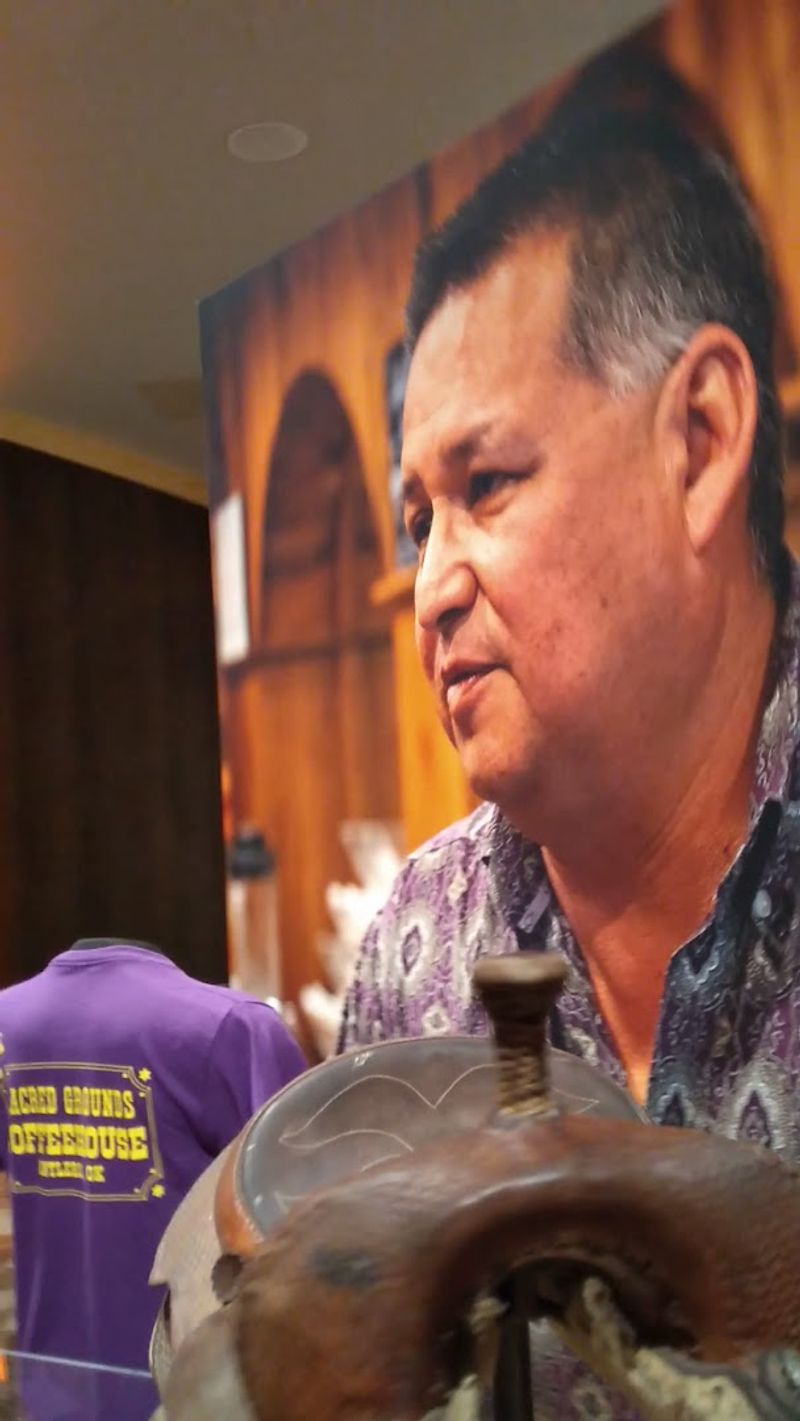
Stickball is one of the oldest team sports in North America, and the Choctaw Nation has deep ties to its history and practice. The cultural center offers live stickball demonstrations that bring this ancient game to life in a way that no exhibit panel could fully capture on its own.
Watching a demonstration for the first time, I had no idea what to expect. The speed of the game, the skill involved in handling the traditional sticks, and the energy of the players made for a genuinely exciting few minutes that had the whole crowd leaning forward.
It is the kind of activity that turns a museum visit into a memory.
The demonstrations are not just entertainment. They come with explanation and context, so visitors leave understanding what stickball meant to Choctaw communities historically and what it continues to mean today.
Sport as cultural expression carries a different weight when you see it performed with that kind of purpose.
Check the schedule when you arrive because demonstrations and hands-on activities vary by day and season. The cultural center also offers classes in activities like basket weaving and pottery, so there are multiple ways to move beyond observation and actually engage with the traditions being preserved here.
The Gift Shop and Authentic Handmade Treasures
The gift shop at the Choctaw Cultural Center is not the kind of place where mass-produced souvenirs line the shelves. The selection skews heavily toward authentic, handmade items created by Choctaw artisans, and that distinction matters in a way you feel when you pick something up and examine it closely.
Beadwork, pottery, woven items, and other handcrafted pieces fill the space with color and texture. Each item carries a story that connects back to the cultural traditions explored throughout the exhibit halls, which makes the shopping feel like a natural extension of the experience rather than a commercial detour tacked on at the end.
I picked up a few pieces as gifts, and the people I gave them to responded differently than they do to typical souvenirs. There is a quality and intentionality to handmade cultural objects that comes through even when the recipient knows nothing about their origin.
The staff in the shop are helpful without being pushy, and they can tell you about the items if you want to know more.
Budget a little extra time for browsing here before you leave. The selection changes as new pieces arrive from artisans, and the shop rewards a slow, curious look rather than a quick scan on your way out the door.
Language Preservation: Keeping Choctaw Alive for Future Generations
One of the details that struck me most during my visit was how intentionally the cultural center weaves the Choctaw language into every part of the experience. Staff greet visitors and say goodbye in the tribal language, and the exhibits include Choctaw words and phrases throughout the displays.
This is not decoration. Language preservation is one of the most urgent challenges facing Indigenous communities across the country, and the Choctaw Cultural Center treats it as a living priority rather than a historical footnote.
Hearing the language spoken naturally by staff members, even in brief greetings, communicates something that a written display alone cannot.
The word “Halito” for hello and “Yakoke” for thank you are two phrases visitors tend to carry home with them, and that small linguistic souvenir is more meaningful than it might initially seem. Language carries identity, memory, and connection across generations, and the center understands that deeply.
For younger visitors especially, encountering a living Indigenous language in an active, welcoming context plants a seed of curiosity that could grow into something significant. The Oklahoma landscape outside may look familiar, but inside this building, you are reminded that the land has held many voices across a very long time, and some of those voices are still speaking.
Pow-Wow Events and Seasonal Programming
The cultural center is not a static institution that only changes its exhibits every few years. The programming calendar stays active throughout the year with events, classes, and cultural gatherings that give visitors a reason to return multiple times.
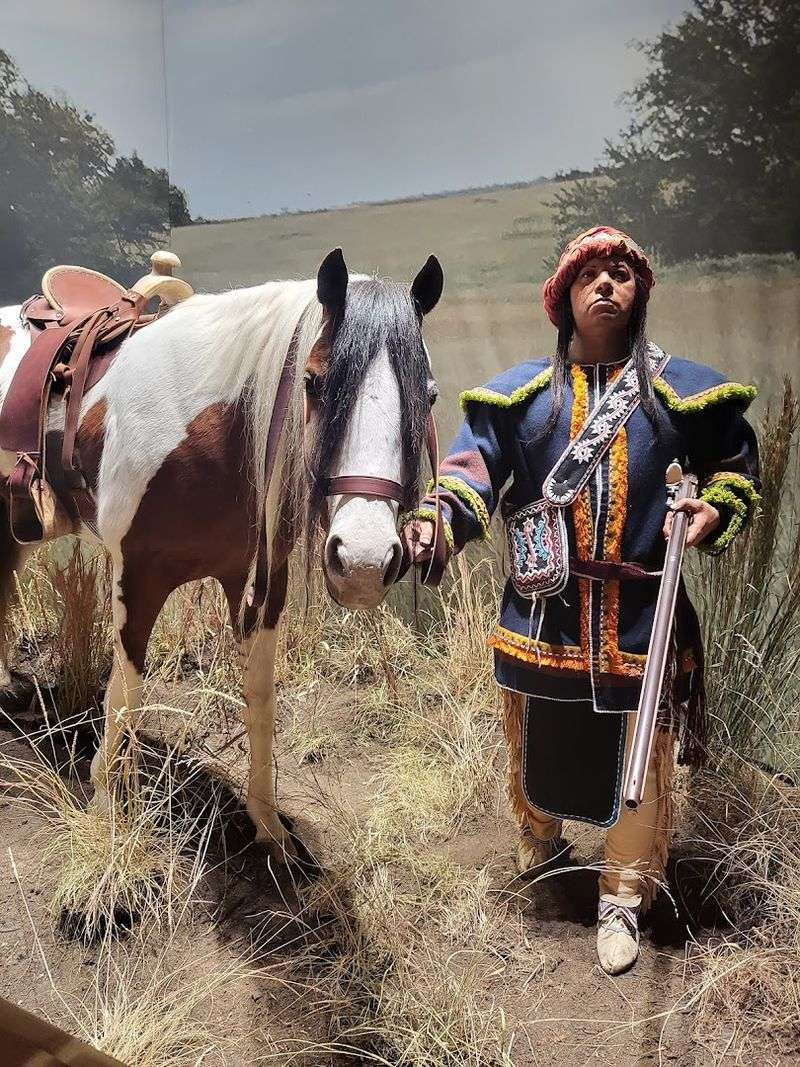
The annual Choctaw Pow-Wow is one of the most anticipated events on the calendar. Dancers arrive in regalia that represents years of craftsmanship and deep personal meaning, and the atmosphere during a pow-wow carries an energy that is hard to describe to someone who has never attended one.
The organization is tight, the grounds are clean, and the whole event runs with a sense of pride and purpose.
Beyond the pow-wow, the center hosts rotating art exhibitions, pottery classes, basket weaving workshops, and cultural demonstrations throughout the year. The weekly menu at the cafe often features special items tied to seasonal or cultural themes, which gives the food program its own kind of programming rhythm.
Families with children benefit especially from this variety because the hands-on classes and demonstrations offer a form of learning that goes well beyond reading panels on a wall. The cultural center also works well as a field trip destination, and the staff handle group visits with the same warmth extended to individual guests throughout Oklahoma and beyond.
Planning Your Visit: Hours, Tips, and What to Know Before You Go
The Choctaw Cultural Center is open Tuesday through Saturday from 10 AM to 5 PM, and it is closed on Sundays and Mondays. That schedule is worth noting before you make the drive, especially if you are planning a weekend trip that includes a Sunday.
Arriving close to opening time is one of the smartest moves you can make. The exhibits take longer than most people expect, and giving yourself the full day means you can move through the history at a comfortable pace, stop for lunch at Champuli Cafe, and still have time to browse the gift shop without rushing.
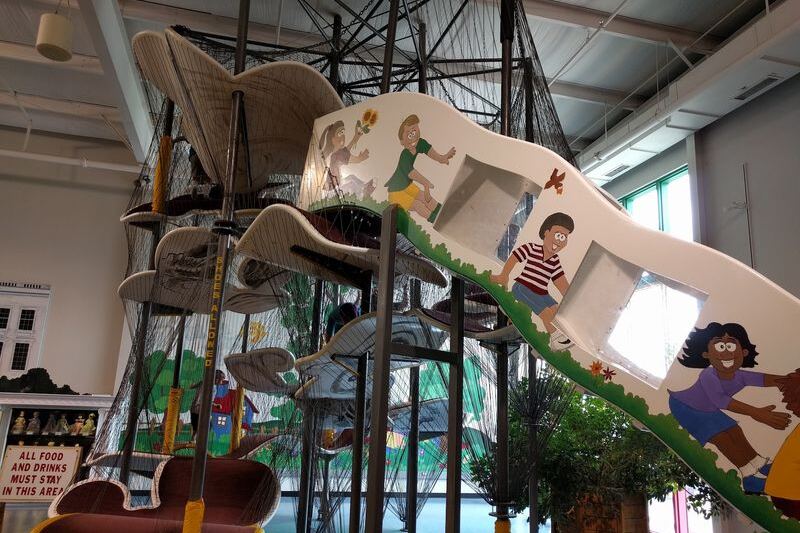
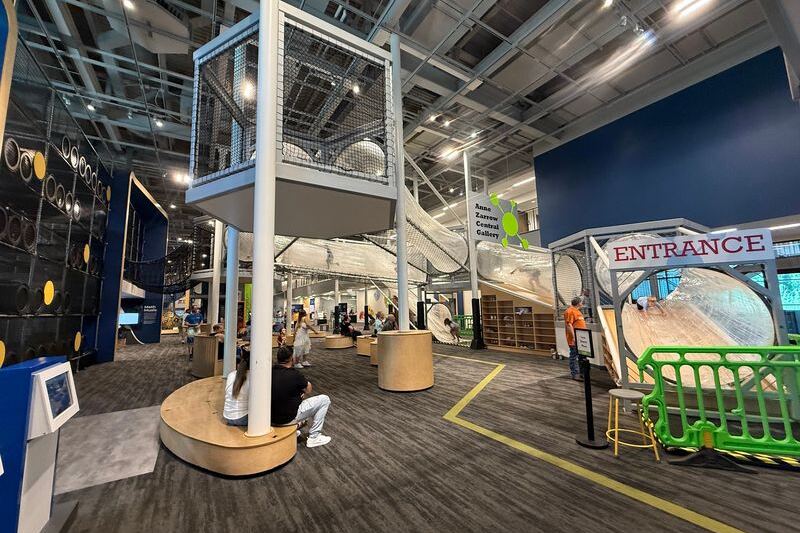
The center is accessible and well-maintained, with a playground area near the entrance for families with young children. Service animals are welcome, and the staff are knowledgeable and genuinely happy to answer questions.
You can reach the center at +1 580-642-7461 or visit the website at choctawculturalcenter.com for current event listings and any schedule updates.
Admission is worth every cent, and the overall value of the experience, combining history, food, art, and live cultural programming, makes it one of the most complete cultural destinations in Oklahoma. A single visit rarely feels like enough, which is exactly why so many people who come once are already planning their return trip before they reach the parking lot.
Share this story