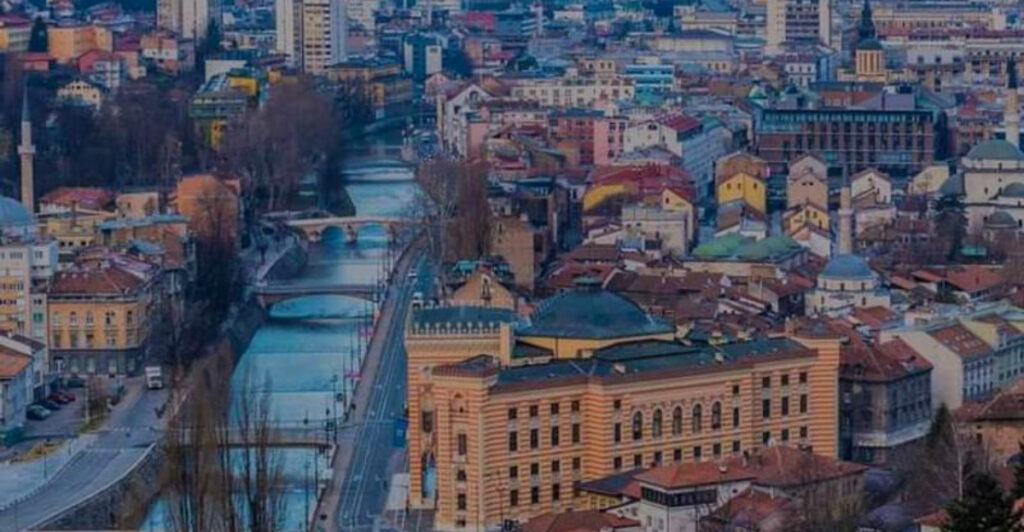
Europe may be famous for its stunning architecture and rich history, but not every city is breathing easy. Across the continent, millions of people wake up every day to air that is thick with pollutants, smog, and harmful particles.
From valley-trapped industrial towns to sprawling capitals choked by traffic, the pollution crisis is very real. These 15 cities are proof that clean air is one of Europe’s most urgent and overlooked challenges.
Tetovo, North Macedonia
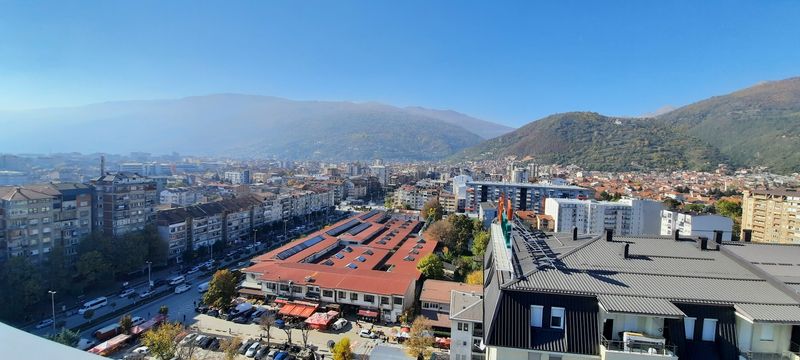
If you could bottle the air in Tetovo on a winter morning, you probably would not want to. Ranked as one of the most polluted cities in all of Europe, Tetovo sits in a valley that acts almost like a bowl, trapping every bit of smoke and exhaust that rises from the city below.
Coal and wood burning are the primary heating methods here, and with limited environmental regulations in place, the pollution builds up fast.
During the coldest months, residents sometimes cannot see more than a few blocks ahead because the smog is so thick. Children, elderly people, and anyone with respiratory conditions face serious health risks just by stepping outside.
Schools occasionally close when air quality hits dangerous levels.
The geography is really the silent villain in this story. Without strong winds to push the pollution out, it just lingers and gets worse day by day.
Efforts to modernize heating systems and reduce emissions are happening, but progress is slow. Tetovo serves as a stark reminder that where a city is built can be just as important as how it is built when it comes to air quality.
Sarajevo, Bosnia and Herzegovina
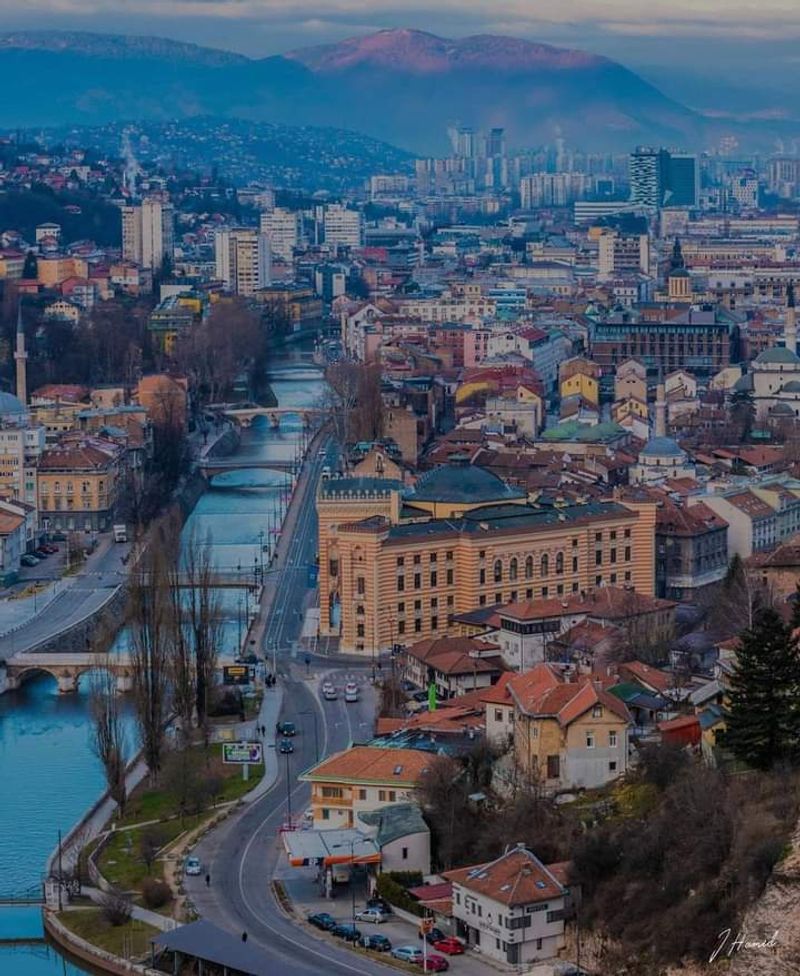
On a bad winter day in Sarajevo, locals joke that they are smoking a pack of cigarettes just by breathing the outside air. That grim humor reflects a very real crisis.
Sarajevo consistently records some of the highest pollution levels in all of Europe, sometimes rivaling cities in heavily industrialized parts of Asia. The culprits are familiar: coal heating, wood burning, traffic, and a geography that refuses to let the smog escape.
Temperature inversions are a major issue here. When warmer air sits above cooler air near the ground, pollutants get locked in place like a lid on a pot.
The surrounding mountains make it even harder for wind to clear things out. Residents have grown sadly accustomed to waking up to orange-tinted skies and burning throats during the winter season.
Health data from Sarajevo is genuinely alarming. Rates of respiratory illness and cardiovascular problems have been linked directly to long-term exposure to the city’s poor air.
Community groups and environmental organizations have pushed for change, but switching away from cheap coal and wood heating requires resources that many families simply do not have. The struggle is as much economic as it is environmental.
Skopje, North Macedonia
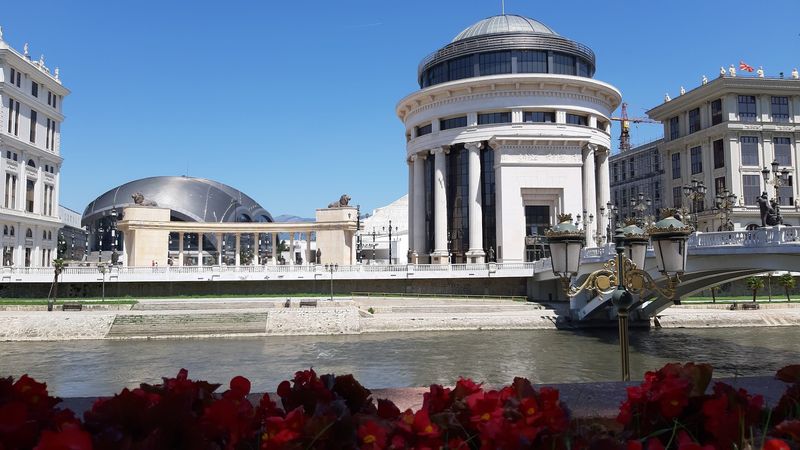
Skopje has a pollution problem so persistent that residents have started tracking air quality apps the same way others check the weather. The North Macedonian capital sits in a wide basin, and like its neighbor Tetovo, it traps pollutants with frustrating efficiency.
Heating from coal and wood, combined with a surge in car traffic and aging industrial facilities, creates a toxic cocktail that settles over the city every winter.
Air quality sensors in Skopje have repeatedly recorded PM2.5 levels — tiny particles that penetrate deep into the lungs — far above World Health Organization guidelines. These particles are linked to heart disease, stroke, lung cancer, and shortened life expectancy.
Children growing up in Skopje are breathing this air every single day, which has raised serious concerns among pediatricians and public health experts.
The government has launched programs to encourage cleaner heating and electric vehicles, and some improvements have been measured. But the pace of change remains too slow for many residents who feel the effects every time they step outside.
Environmental activists have organized protests and awareness campaigns, pushing for faster action. Skopje’s story is one of a city caught between economic constraints and the urgent need for cleaner, healthier air.
Belgrade, Serbia
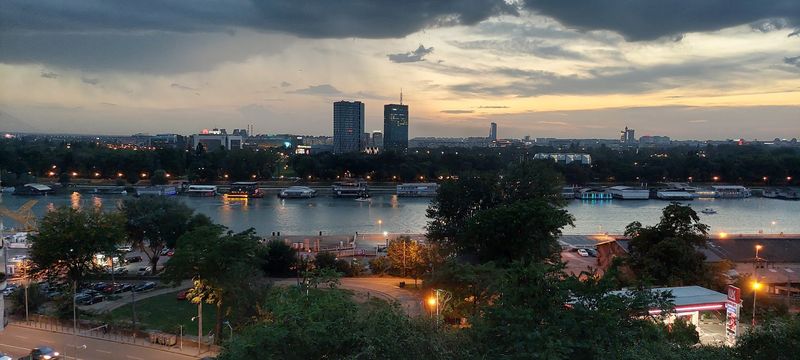
Belgrade wears the unfortunate badge of being one of Europe’s most polluted capitals, and winter makes it painfully obvious. A gray haze settles over the Serbian capital with remarkable consistency as temperatures drop, turning what should be crisp winter air into something far less pleasant.
Coal-fired power plants, wood-burning stoves, and bumper-to-bumper traffic all share the blame for what locals breathe each day.
Serbia still relies heavily on lignite coal — one of the dirtiest fossil fuels available — for electricity generation. The Nikola Tesla power plant near Belgrade is among the largest single sources of air pollution in Europe.
When the wind blows the wrong way, emissions from that facility drift directly into the city, adding another layer to an already serious problem.
Despite growing public pressure and EU accession talks pushing for environmental reform, progress has been frustratingly uneven. Air quality monitoring has improved, making it easier to see just how bad things get, but visibility into the problem has not yet translated into fast enough solutions.
Belgrade’s residents, many of whom love their city deeply, deserve better than choosing between affordable heat and breathable air. That trade-off should not exist anywhere in modern Europe.
Sofia, Bulgaria
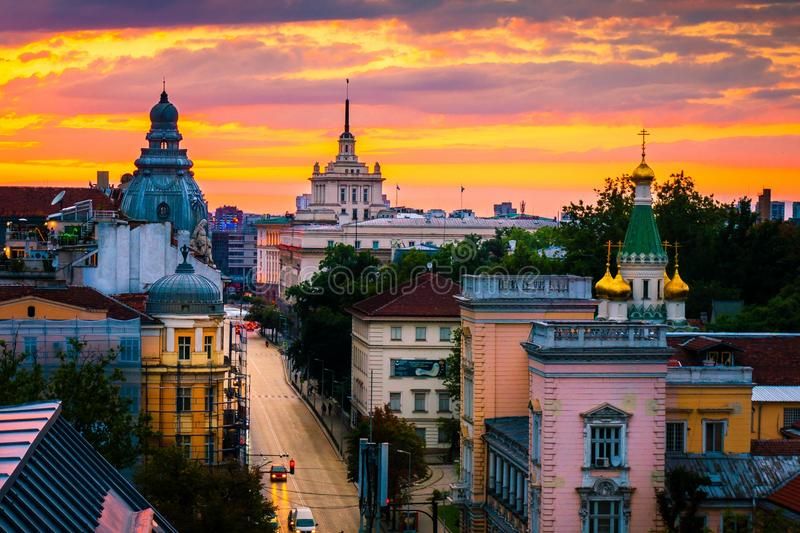
Sofia has been hauled before the European Court of Justice more than once over its failure to meet EU air quality standards — and that alone tells you something important. Bulgaria’s capital is plagued by a stubborn pollution problem rooted in household heating, vehicle emissions, and industrial activity.
Surrounded by mountains on three sides, the city’s bowl-like geography makes it difficult for polluted air to escape, especially during winter temperature inversions.
Wood and coal burning account for a huge share of Sofia’s fine particle pollution. Many households rely on these fuels because they are affordable, even though the health costs to the city as a whole are enormous.
PM2.5 and nitrogen dioxide levels regularly spike well above safe limits, contributing to thousands of premature deaths across Bulgaria each year according to public health researchers.
Some progress has been made — electric bus routes have expanded, and stricter vehicle emission checks have been introduced. But experts argue these steps are not nearly enough to match the scale of the problem.
Sofia’s residents increasingly voice frustration online and in public demonstrations, demanding that authorities treat air pollution with the same urgency as other national crises. Clean air, they argue, is not a luxury.
It is a basic right that Sofia has yet to fully deliver.
Kraków, Poland
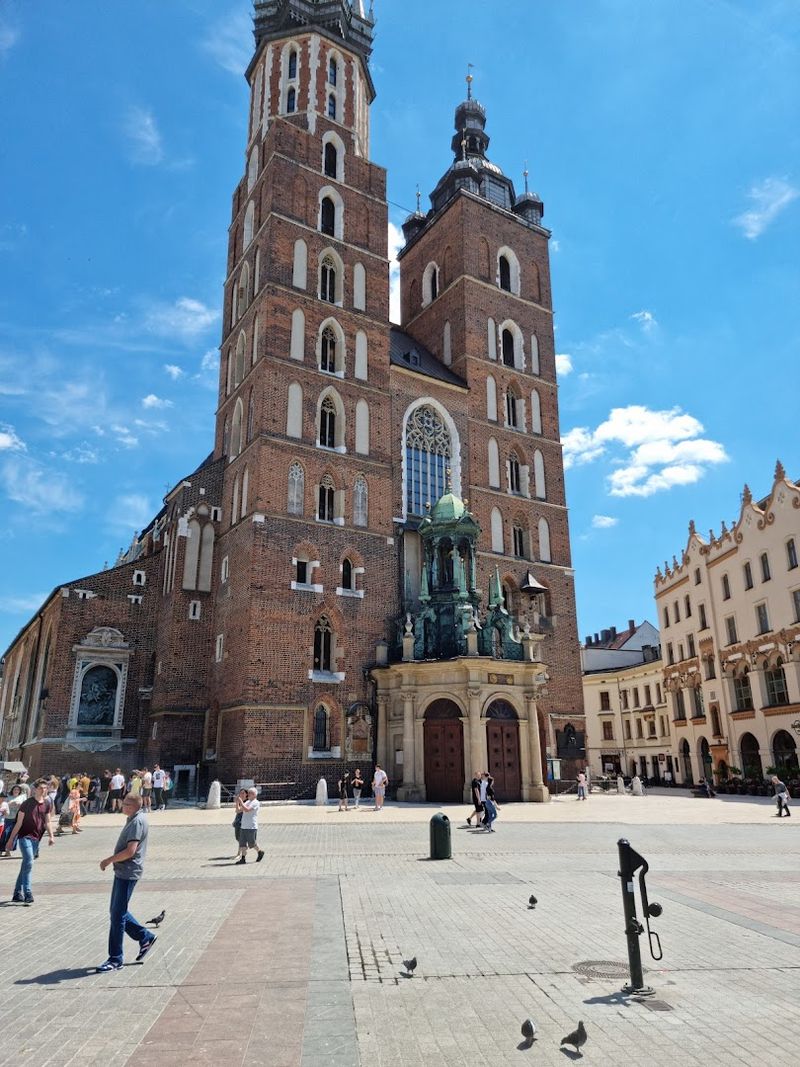
There is a Polish word — smog — that has been practically synonymous with Kraków for decades. The city, famous for its stunning medieval architecture and UNESCO World Heritage status, has long battled some of the worst air quality in Europe.
Coal heating has historically been the biggest offender, with thousands of old, inefficient furnaces burning low-grade coal and even household waste throughout the winter months.
The good news is that Kraków has actually made measurable progress. In 2019, the city became the first in Poland to ban coal and wood burning for heating — a landmark move that drew national and international attention.
Air quality has improved noticeably since then, with pollution levels dropping significantly compared to previous years. Residents who remember barely being able to see across the city square on winter mornings have noticed a real difference.
The bad news is that the surrounding Małopolska region still relies heavily on solid fuel heating, and pollution drifts in from neighboring areas regardless of local bans. Progress inside city limits can be partially undone by what happens just outside them.
Kraków’s experience shows that meaningful change is possible with political will, but also that urban pollution does not respect administrative boundaries. The fight is far from finished.
Milan, Italy
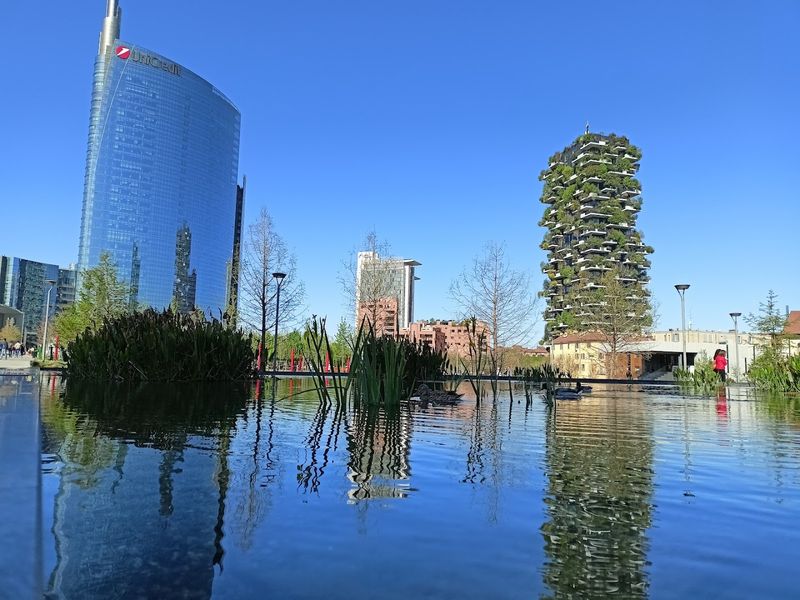
Milan is one of Europe’s most glamorous cities, but its air quality is anything but fashionable. Sitting in the heart of the Po Valley — one of the most naturally stagnant air basins on the continent — Milan is surrounded by geography that makes pollution almost inevitable.
The Alps to the north and the Apennines to the south block the winds that would otherwise carry pollutants away, leaving them to accumulate over the flat, densely populated valley floor.
Traffic is a massive contributor. Milan has one of the highest car-per-capita ratios in Europe, and the resulting nitrogen dioxide and particulate matter levels are a serious public health concern.
Add in heavy manufacturing in the surrounding region, intensive agriculture that releases ammonia, and the occasional wood-burning stove, and you have a recipe for chronic air quality problems.
The city has responded with initiatives like the Area C congestion charge zone in the city center, expanded metro lines, and incentives for electric vehicles. These have helped, but critics argue Milan needs to go much further much faster.
On the worst days, a yellowish haze sits stubbornly over the skyline, a visible reminder that wealth and innovation do not automatically translate into clean air. The Po Valley’s pollution challenge remains one of Western Europe’s most persistent environmental headaches.
Turin, Italy
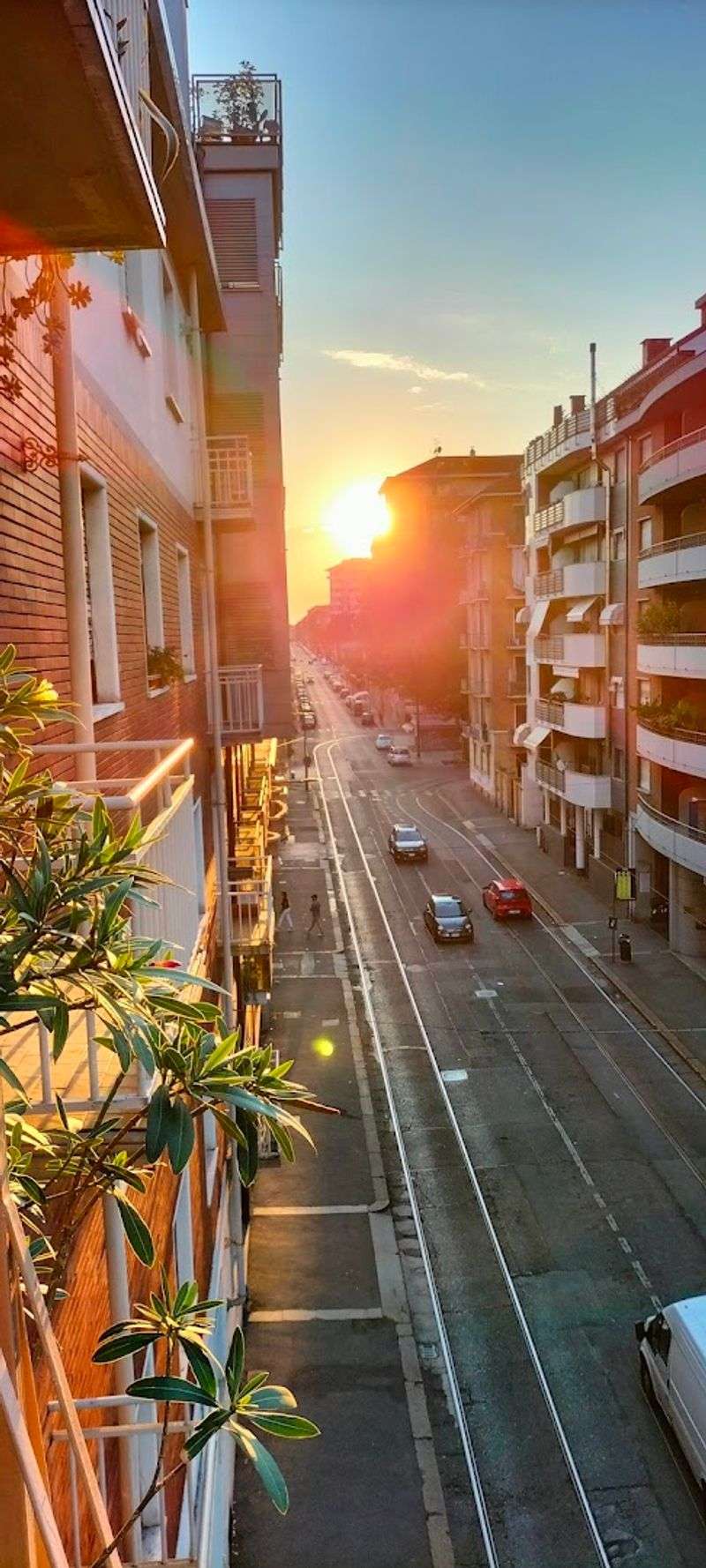
Turin has a complicated relationship with its own air. Once the proud industrial heartland of Italy and home to the Fiat empire, the city now grapples with the long-term consequences of that industrial legacy.
Nestled in the southwestern corner of the Po Valley, Turin is effectively surrounded on three sides by mountains, creating a natural trap for the pollution generated by its traffic, heating systems, and remaining industrial activity.
Nitrogen dioxide levels in Turin frequently exceed European Union limits, particularly along major traffic corridors. Fine particulate matter is another serious concern during winter, when cold, still air prevents the usual atmospheric mixing that would otherwise dilute pollutants.
Residents in the most affected neighborhoods experience noticeably higher rates of respiratory and cardiovascular illness compared to those in less polluted areas of the city.
Turin has invested in public transportation improvements and pedestrian zones, and there has been a push to phase out the most polluting older vehicles. But the structural challenge remains: the geography is not going anywhere, and neither are the millions of cars, heating systems, and businesses that generate emissions daily.
Environmental groups in the city have been vocal about the need for bolder action. Turin’s story is a reminder that even cities with proud histories of innovation can struggle to innovate their way out of a pollution problem.
Bucharest, Romania
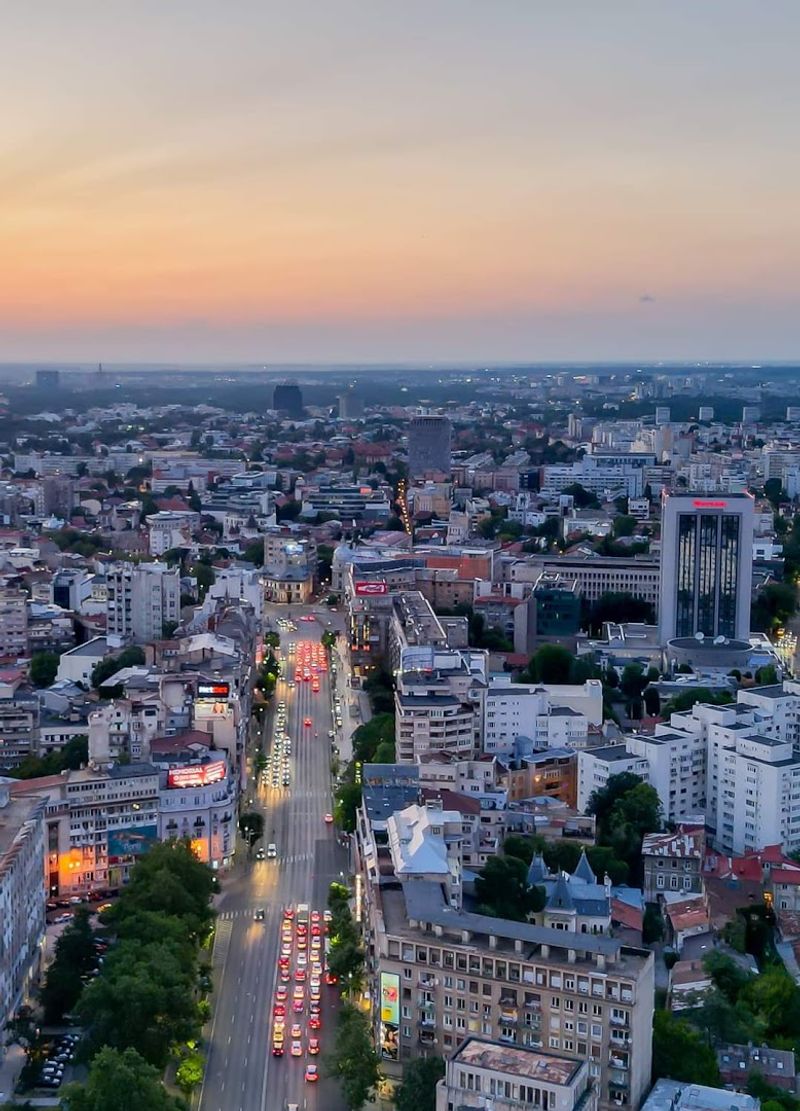
Bucharest is growing fast — and unfortunately, so is its pollution problem. Romania’s capital has undergone rapid urban expansion over the past two decades, bringing with it an explosion in car ownership, construction activity, and energy demand.
The city’s road network, designed for a much smaller population, now struggles to handle the volume of vehicles, leading to chronic traffic jams that pump exhaust into the urban air for hours at a time.
Construction dust is a surprisingly significant contributor to Bucharest’s air quality issues. With dozens of large building projects underway at any given time, fine particles from concrete, asphalt, and soil regularly enter the atmosphere.
Combined with emissions from older, less efficient vehicles and some remaining coal-based heating in parts of the city, the result is air that frequently exceeds safe limits.
Romania has faced pressure from the European Union to improve its environmental performance, and Bucharest has introduced some measures to modernize its public transport fleet and encourage greener commuting options. But enforcement of environmental standards has historically been inconsistent, and the pace of infrastructure upgrades has not kept up with the city’s growth rate.
Bucharest’s residents are paying an air quality price for development that has prioritized speed over sustainability. Catching up will require serious commitment at both city and national levels.
Naples, Italy
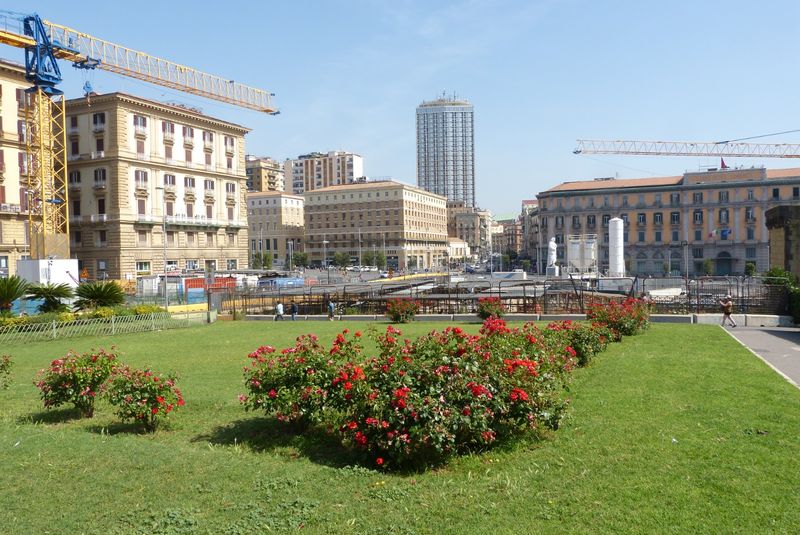
Naples is loud, colorful, chaotic, and absolutely full of life — but its air quality is one thing locals would happily trade for something better. The city’s dense urban layout means that streets are narrow, buildings are packed tightly together, and there is very little open space for polluted air to disperse.
Scooters and cars weave through every available gap, contributing a constant stream of exhaust into an already crowded atmosphere.
Industrial emissions from nearby facilities and the broader Campania region add to the urban pollution mix. Waste management has also been a long-standing issue in and around Naples, with illegal burning of garbage — particularly in the so-called Triangle of Death south of the city — releasing toxic pollutants that drift into populated areas.
This is not just an inconvenience; it is a documented public health crisis that has been studied by researchers for years.
Naples does benefit from its coastal location, where sea breezes can occasionally help clear the air. But those breezes are no match for the volume of emissions generated daily in one of Italy’s most densely populated cities.
Local authorities have pushed for expanded public transport and cleaner vehicle standards, but implementation has been uneven. Naples has so much to offer visitors and residents alike, and cleaner air would only make it better.
Wrocław, Poland
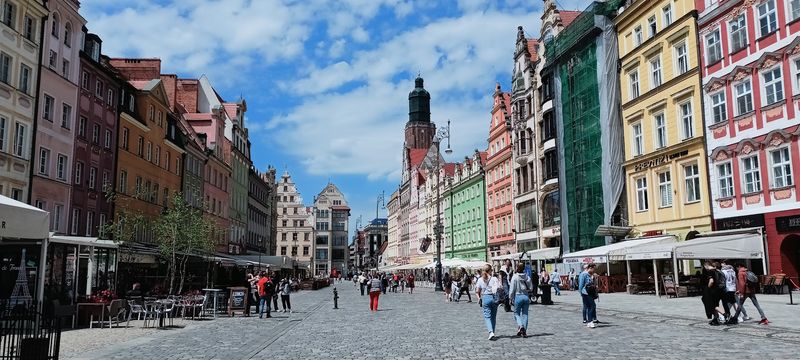
Wrocław might not always make the headline-grabbing worst-of lists, but do not let that fool you — this Polish city has a serious air quality problem that affects hundreds of thousands of people every winter. Solid fuel heating is the primary culprit, with many older buildings still relying on coal-burning boilers that have not been updated in decades.
When temperatures drop and everyone fires up their furnaces, PM2.5 levels can rise to levels that would make air quality agencies wince.
Traffic emissions compound the heating problem, particularly during morning and evening rush hours when the city’s road network becomes saturated. Wrocław has grown significantly as an economic hub in southwestern Poland, attracting businesses and residents, but infrastructure and environmental policy have sometimes struggled to keep pace with that growth.
The result is a city where prosperity and pollution have, unfortunately, grown together.
On the positive side, Wrocław has been investing in tram network expansion, cycling infrastructure, and programs to replace old coal boilers with cleaner alternatives. Public awareness of air quality has increased significantly, with residents using apps to monitor pollution levels and adjust their outdoor activities accordingly.
The city has the tools and the motivation to improve — the question is whether change will come fast enough to protect the health of everyone who calls Wrocław home.
Kyiv, Ukraine
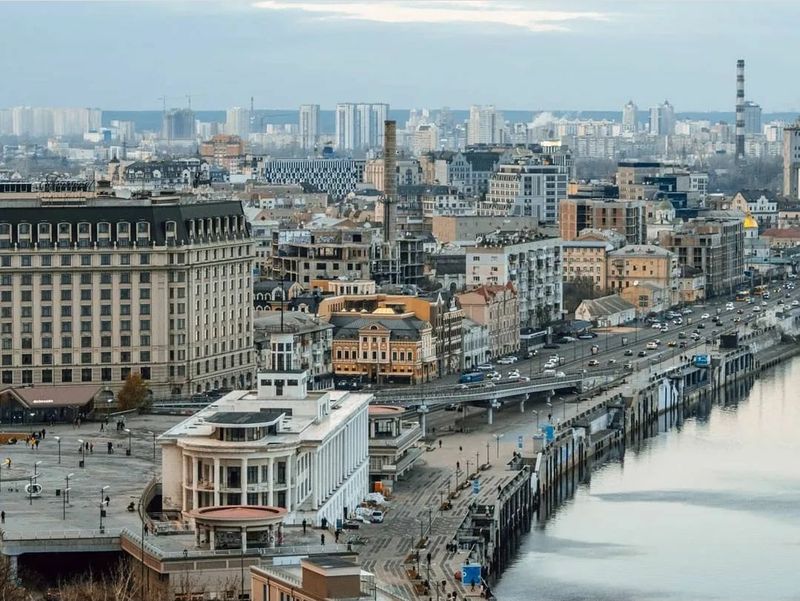
Kyiv carries a pollution burden that is shaped by both its size and its circumstances. As one of Eastern Europe’s largest cities, with a population of nearly three million people, the Ukrainian capital generates enormous amounts of traffic, industrial, and heating emissions every single day.
Air quality monitoring data has repeatedly placed Kyiv among the more polluted major cities in the European region, with elevated levels of fine particles and nitrogen dioxide detected across multiple neighborhoods.
Industrial activity on the city’s outskirts, combined with a vehicle fleet that skews older and less fuel-efficient than in wealthier European capitals, creates a persistent baseline of poor air quality. Seasonal factors make things worse — summer heat and drought can increase dust and wildfire smoke, while winter inversions trap heating emissions close to the ground.
The city’s residents face air quality challenges year-round, not just in one difficult season.
Ukraine’s broader economic challenges have made large-scale environmental investment difficult, and the ongoing conflict has added enormous new pressures to infrastructure and public services. Despite this, environmental organizations within Ukraine have continued to advocate for cleaner air policies and better monitoring networks.
Kyiv’s pollution story is inseparable from its larger story of a nation navigating immense difficulty while still trying to build a better future for its people.
Marseille, France
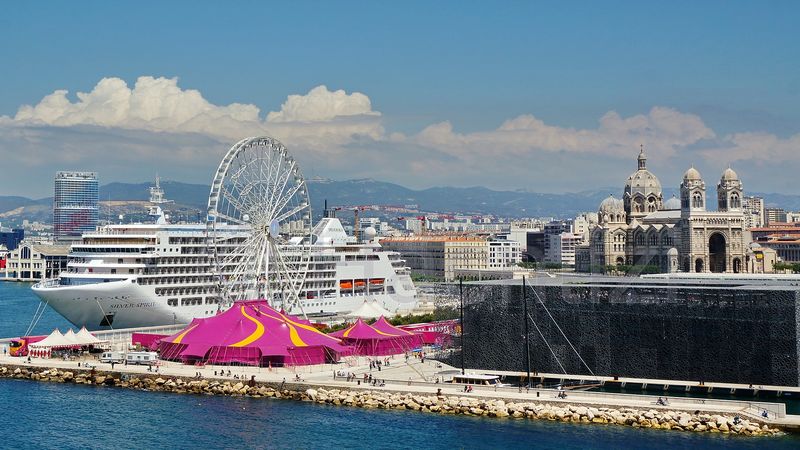
Marseille smells like the sea — but underneath that salty breeze, there is a less romantic reality. As France’s largest port and one of the busiest in the Mediterranean, Marseille deals with a pollution source that most cities never have to worry about: massive cargo ships.
Ocean-going vessels burn heavy fuel oil while docked or maneuvering in port, releasing sulfur dioxide, nitrogen oxides, and fine particles in quantities that dwarf what a comparable number of cars would produce.
Urban traffic and some remaining industrial activity in and around the city add to the mix. Marseille’s geography, with hills surrounding parts of the city, can also trap pollution in certain neighborhoods, creating pockets where air quality is noticeably worse than in more exposed coastal areas.
Residents living near the port and in the city’s northern districts are disproportionately affected.
France has introduced regulations requiring ships to use cleaner fuels or connect to shore power while docked, and Marseille has been part of those efforts. But compliance and enforcement across a busy international port take time and resources.
The city is also investing in public transport and cycling infrastructure to reduce car dependency. Marseille’s challenge is unique among French cities — it must tackle not just the usual urban pollution sources but an entire global shipping industry that passes through its front door.
Paris, France
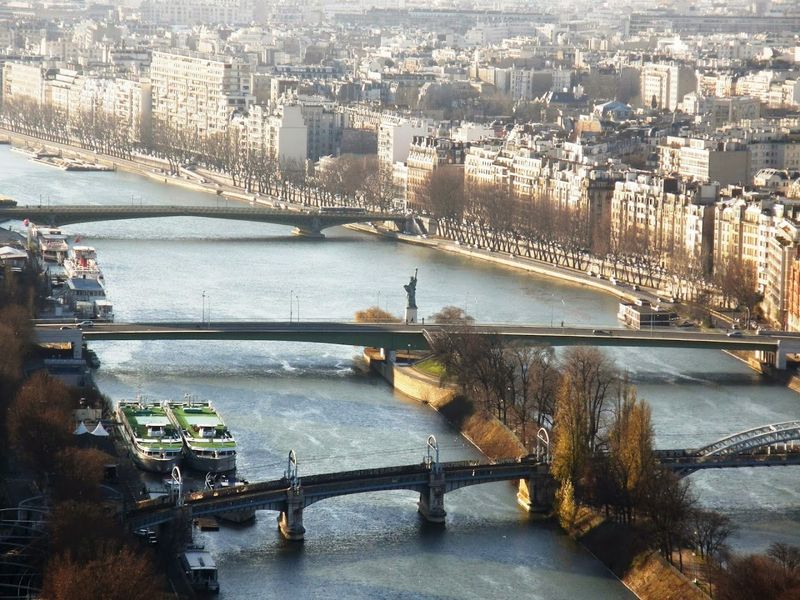
Paris has one of the most recognizable skylines on Earth, but on a bad air quality day, even the Eiffel Tower struggles to cut through the haze. France’s capital is one of the most densely populated cities in Europe, and that density comes with a serious traffic problem.
Diesel vehicles — historically very popular in France — have been a major source of nitrogen dioxide and particulate matter, contributing to air quality that repeatedly exceeds EU health standards.
The city has responded with notable ambition. The Low Emission Zone has progressively banned older, more polluting vehicles from central Paris.
Mayor Anne Hidalgo has championed cycling infrastructure so aggressively that the number of bike trips in the city has more than doubled in recent years. The Seine riverbanks, once dominated by car traffic, have been transformed into pedestrian and cycling spaces.
These are genuine, meaningful improvements.
Yet Paris is not pollution-free, and it would be misleading to suggest otherwise. High-traffic days, summer heat waves, and agricultural burning in surrounding regions can still push pollution to unhealthy levels.
The city’s underground metro, while excellent, cannot absorb all the demand generated by millions of daily commuters. Paris is moving in the right direction more decisively than most cities on this list, but the destination — truly clean urban air — remains a work in progress.
Istanbul, Turkey
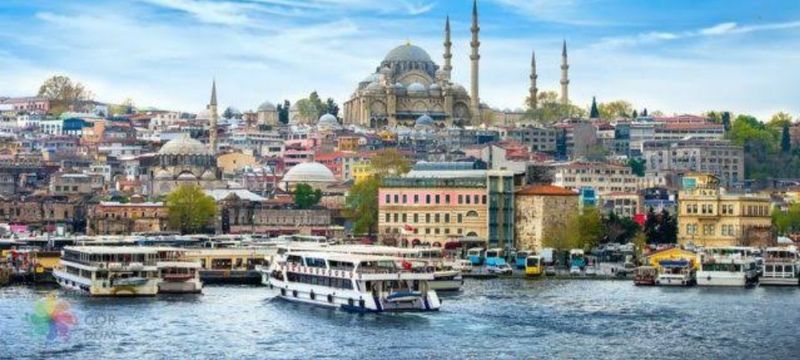
Istanbul is a city of staggering scale — home to over 15 million people, straddling two continents, and generating a volume of traffic, industry, and energy consumption that would challenge any environmental management system. It is no surprise, then, that air quality is a persistent and serious concern.
The city regularly records elevated levels of fine particulate matter and nitrogen dioxide, with pollution peaks occurring during winter heating season and summer traffic surges alike.
The vehicle fleet in Istanbul is enormous and, in many parts of the city, still dominated by older, less efficient engines. Public transport has expanded significantly with new metro lines and bus rapid transit corridors, but the city’s growth consistently outpaces infrastructure development.
Industrial zones on the city’s European and Asian sides contribute additional emissions, and the concentration of activity around the Bosphorus creates localized pollution hot spots.
Turkey is not an EU member, which means it operates under different regulatory frameworks than most other cities on this list. Environmental standards and enforcement mechanisms differ from those applied in Brussels-governed capitals.
Istanbul has nonetheless introduced vehicle emission zones and invested in natural gas and electric public transport options. The city’s sheer size makes every improvement a monumental undertaking — but with millions of lungs depending on better decisions, the stakes could not be higher.
Share this story